The 2-Week Kyushu Road Trip Itinerary We’d Recommend to Friends (+ Hidden Gems)


They say you only discover the best places in a country after returning more than once. This was definitely the case for us in Japan! Although the Golden Route, including Tokyo, Osaka, and Kyoto, is undoubtedly beautiful, it is also very popular and often crowded with tourists.
If you know us, you know that we love off-the-beaten-path destinations where you can truly connect with the local culture, incredible landscapes, and unique experiences that can be found almost nowhere else in the world. This 2-week Kyushu road trip delivered exactly that! From driving through ancient temples and historic porcelain towns, to hiking through dramatic volcanic landscapes and soaking in relaxing onsen towns, this road trip allowed us to discover a side of Japan that many travellers never get to experience.
And now that we’ve done it ourselves, we’re excited to share exactly how you can plan a similar Kyushu road trip that is just as unforgettable.
Why This Is the Kyushu Itinerary We’d Recommend to a Friend
This Kyushu road trip turned out to be one of the best experiences from our two trips to Japan, and one we would recommend to any friend looking to experience a more off-the-beaten-path side of the country.
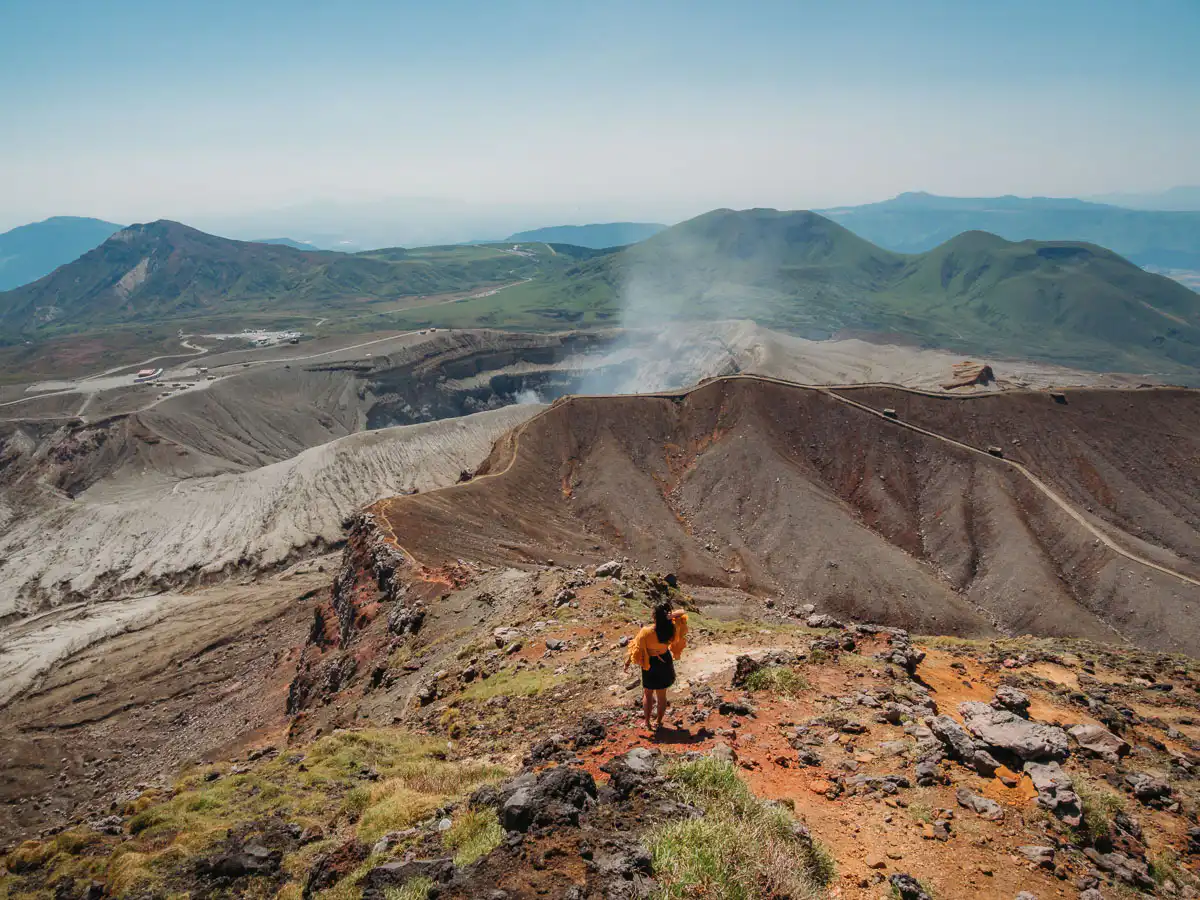
Over two weeks, we were taken through incredible volcanic landscapes reminiscent of our time in Iceland, cozy onsen villages that reminded us of Izu Peninsula, some of the best Japanese food and Wagyu beef we’ve ever had, turquoise beaches like the crystal-clear waters of the Turkish coast, and just the right dose of culture and history. This itinerary combines all of our favourite elements of Japan into one compact road trip while showcasing a side of the country that most travellers never get to see.
What You’ll Get to Experience
This itinerary focuses on northern and central Kyushu, starting in Fukuoka before heading through the porcelain town of Arita and into the iconic volcanic landscapes of Aso.
The journey then continues to the onsen town of Beppu before looping back to Fukuoka. This ensures a huge variety of experiences, avoids too much driving, and gives you enough time to explore each destination at a deeper level.
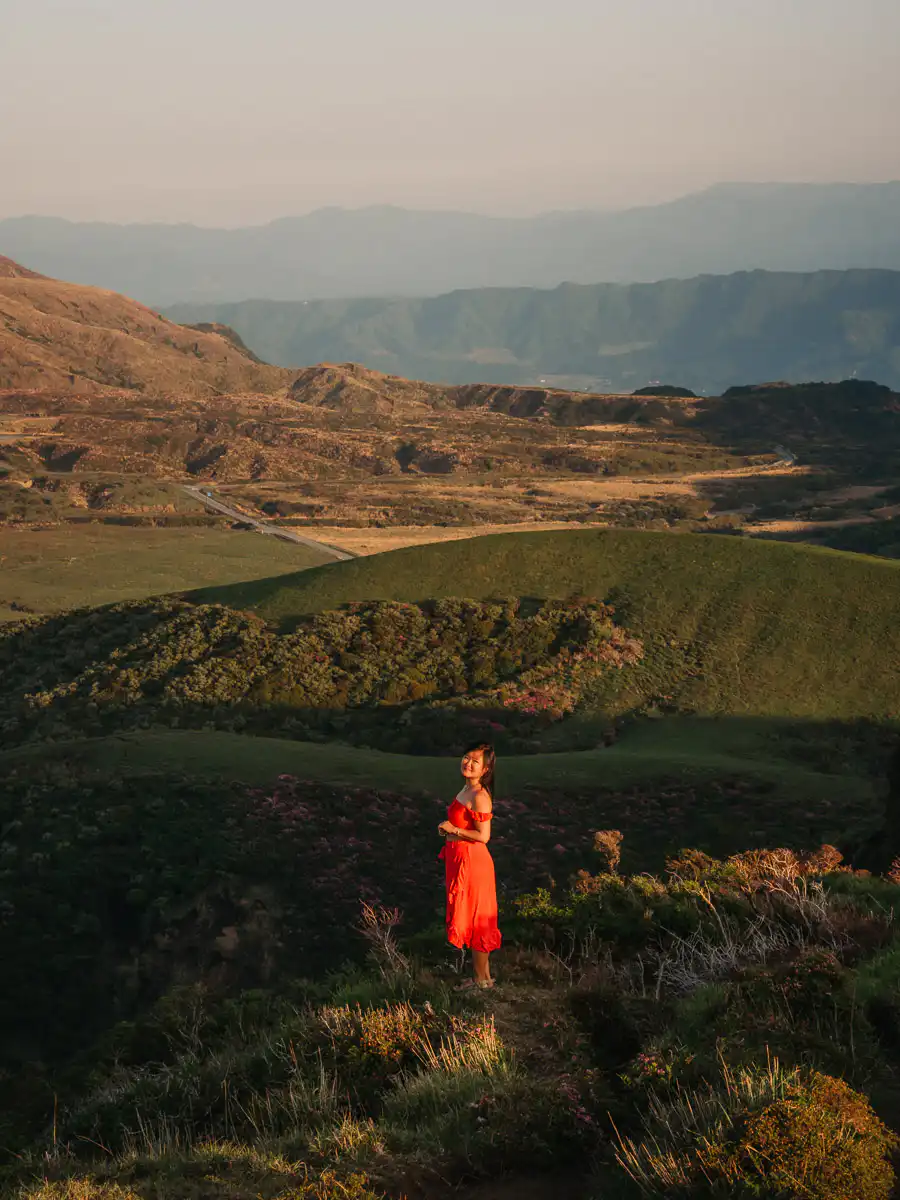
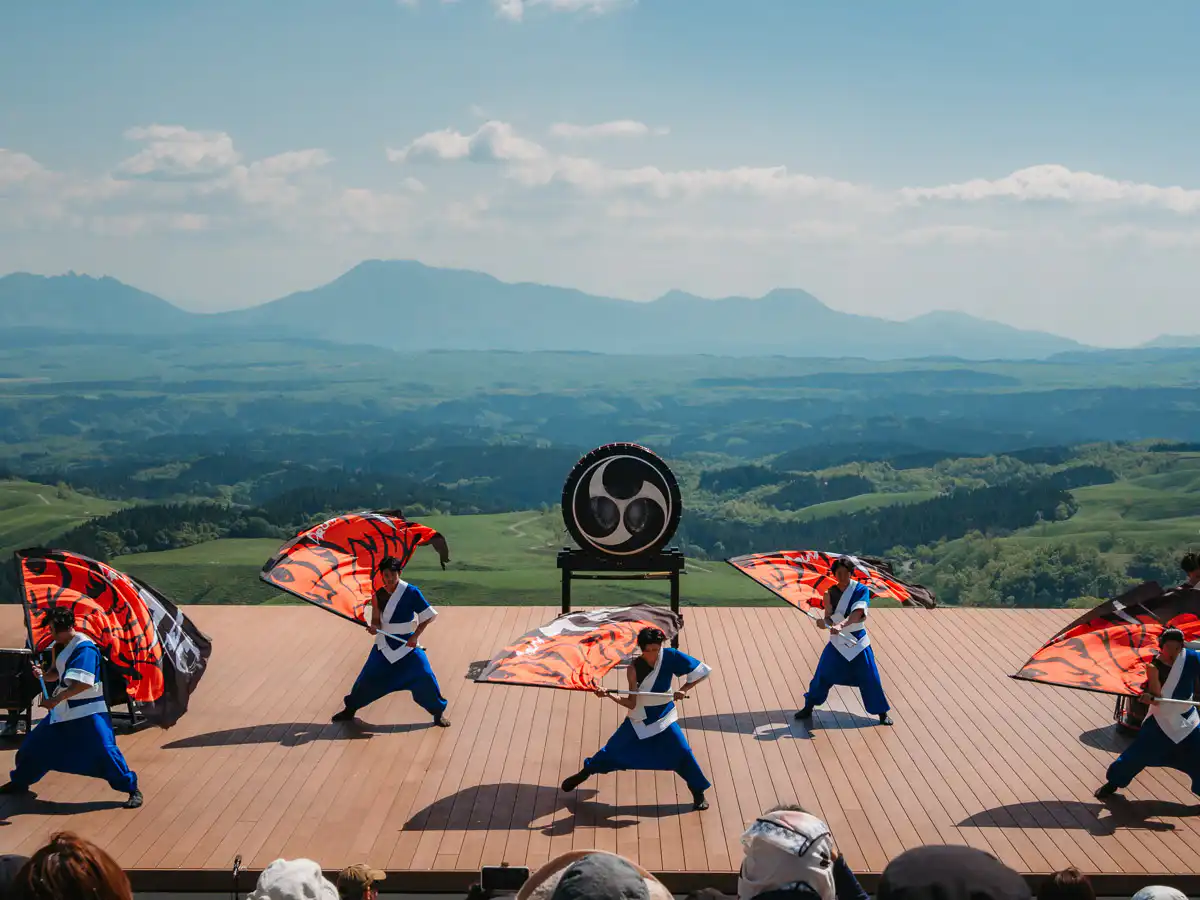
We’ve also included several unique experiences that we rarely see mentioned in other guides, from watching the spectacular TAO Open Air Taiko show overlooking the volcanic valley to discovering an Inari shrine reminiscent of Fushimi Inari (but without the crowds) and eating what was, without question, the best Wagyu beef we’ve ever had.
After weeks of exploring Kyushu ourselves, this is the exact itinerary we’d recommend to friends without changing a thing.
Kyushu Itinerary Quick Overview
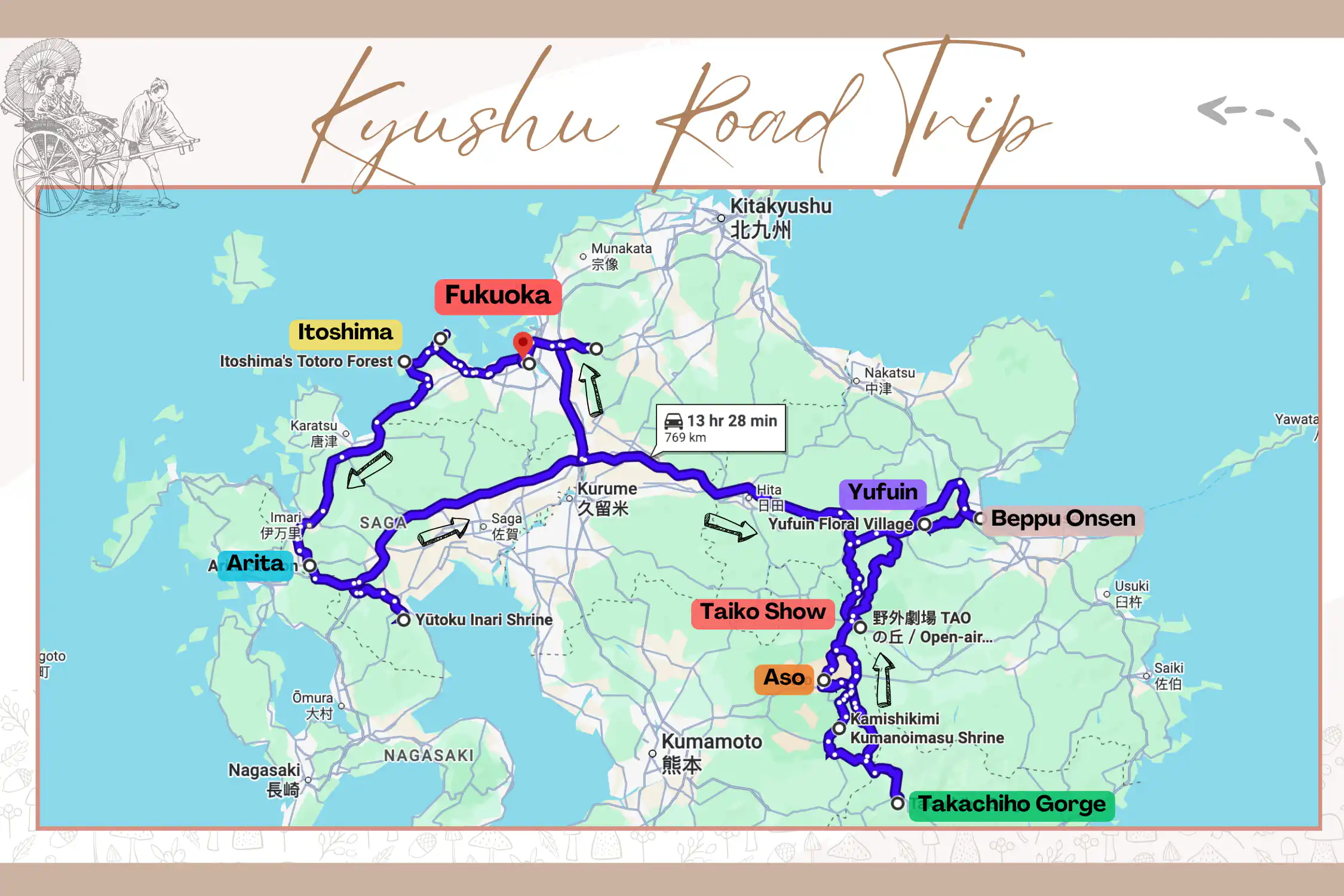
- Starting and Ending Point: Fukuoka (landing in FUK airport with many international flights)
- Total days: 14 days
- Total Driving Distance: 769km
- Total Driving Time: about 14 hours
- Longest Drive: 2h45 going from Arita to Aso, but you’ll make a stop after about 2 hours to see the Taiko show
- Average Daily Drive: around 1 hour
- Rental Car Recommended? Definitely! This will give you the most freedom, flexibility, and allow you to see many of the off-the-beaten path spots
- Places visited (in order): Fukuoka, Itoshima, Arita, Yutoku Inari Shrine, Tao Open Air Taiko show, Aso and volcano hikes, Takachiho Gorge, Yufuin, Beppu
Do You Need a Rental Car for this Kyushu Itinerary
We highly recommend renting a car for this Kyushu itinerary.
While it is possible to get between the main cities by public transportation, buses can be infrequent and stations aren’t always located conveniently near your accommodation. On top of that, several of our favourite spots on this itinerary, including Yutoku Inari Shrine, the Tao Open Air Taiko Show, and some of the best hikes around Mount Aso, are much easier to visit with your own vehicle.
Finally, the weather in Kyushu can be unpredictable, and we were really glad to have a rental car on the rainy days. More than once, we saw backpackers standing in the rain with all of their luggage, waiting for the next bus to arrive.
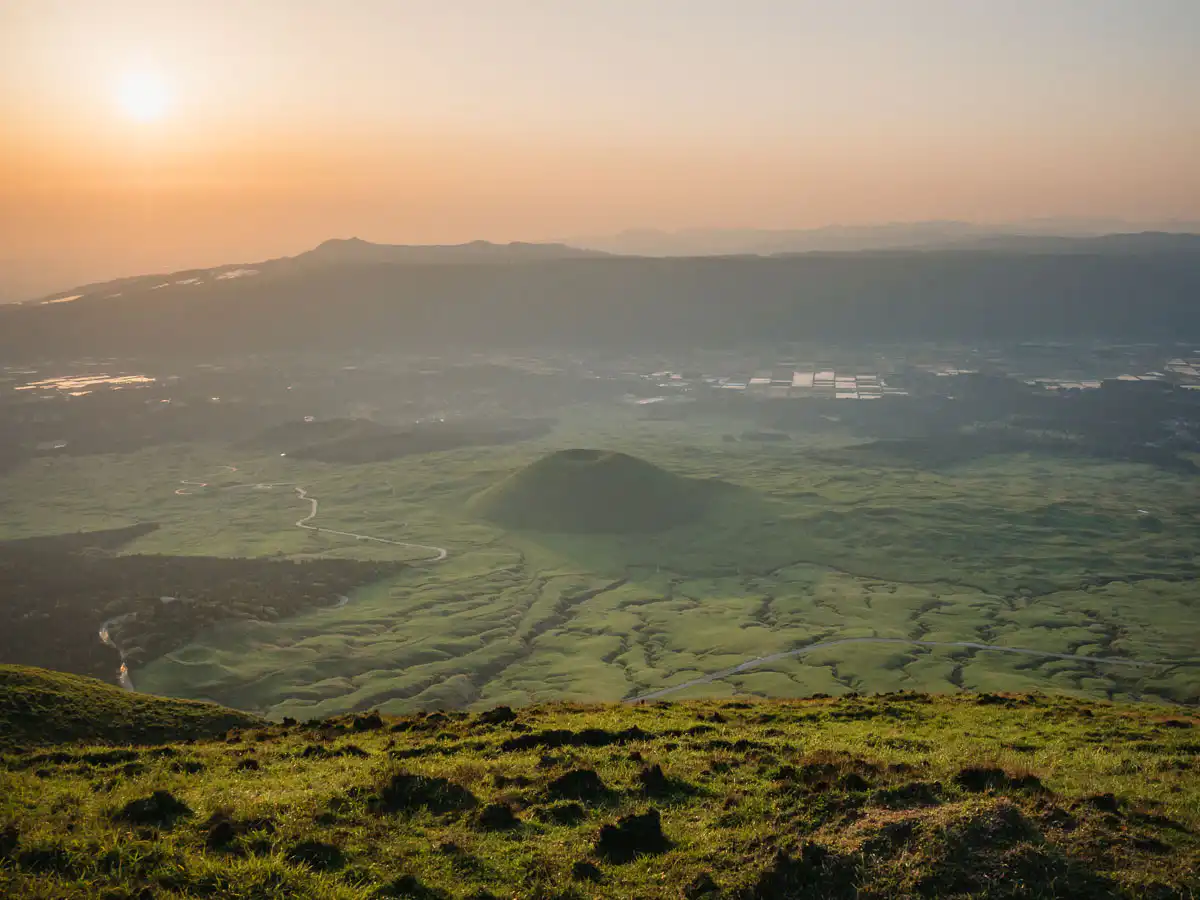
The good news is that rental cars in Kyushu are quite affordable, especially if you book well in advance. We also found driving here to be incredibly easy. The roads are well maintained, traffic is light, and even if you’ve never driven on the left side of the road before, it’s very easy to get used to it.
Where you’ll Stay along this Kyushu Road Trip
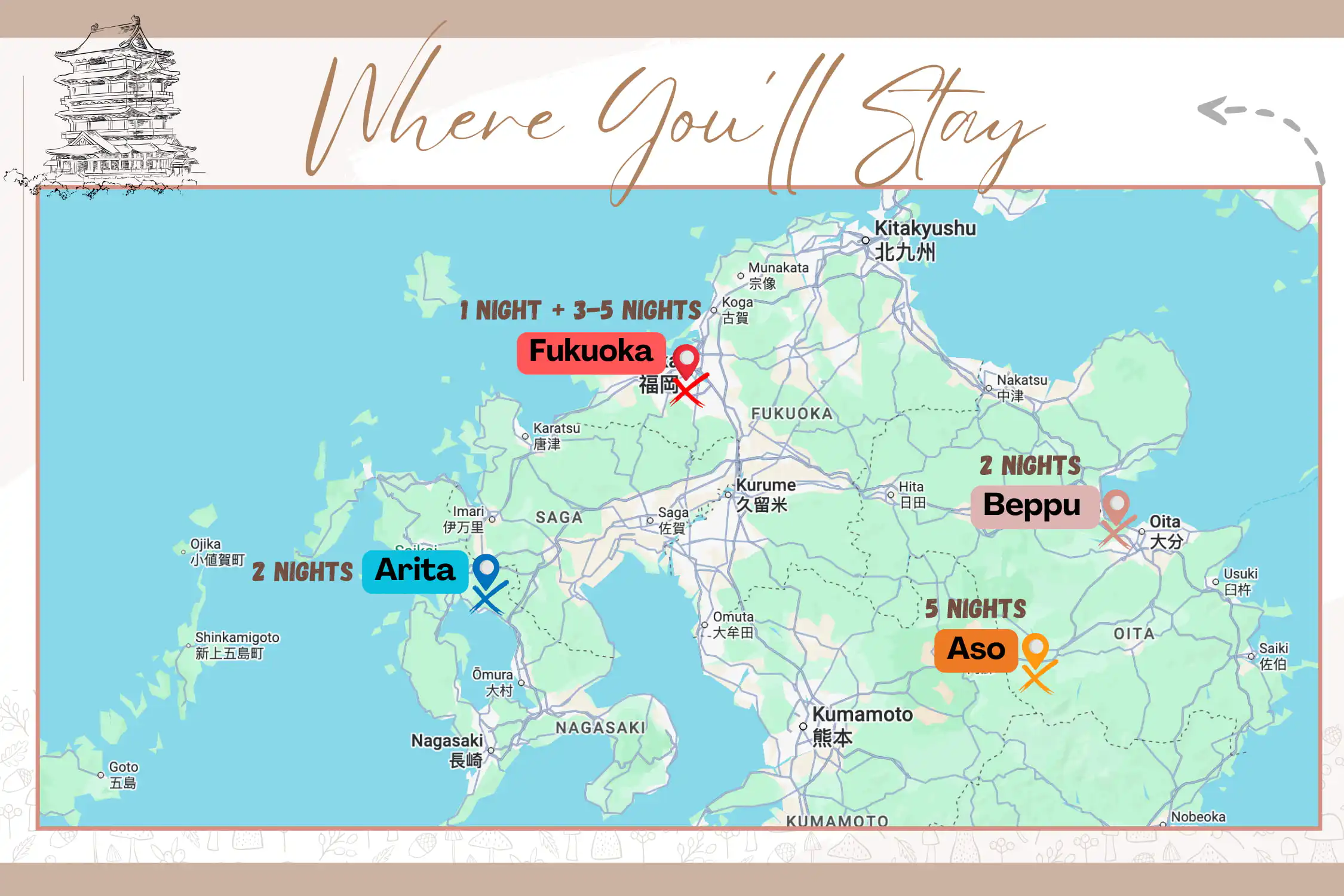
For this 2 week itinerary through Kyushu, you’ll be basing yourself in 4 main locations: Fukuoka where your flight will arrive in Kyushu, Arita the porcelain village, Aso the volcano region, and Beppu the onsen town before returning to Fukuoka:
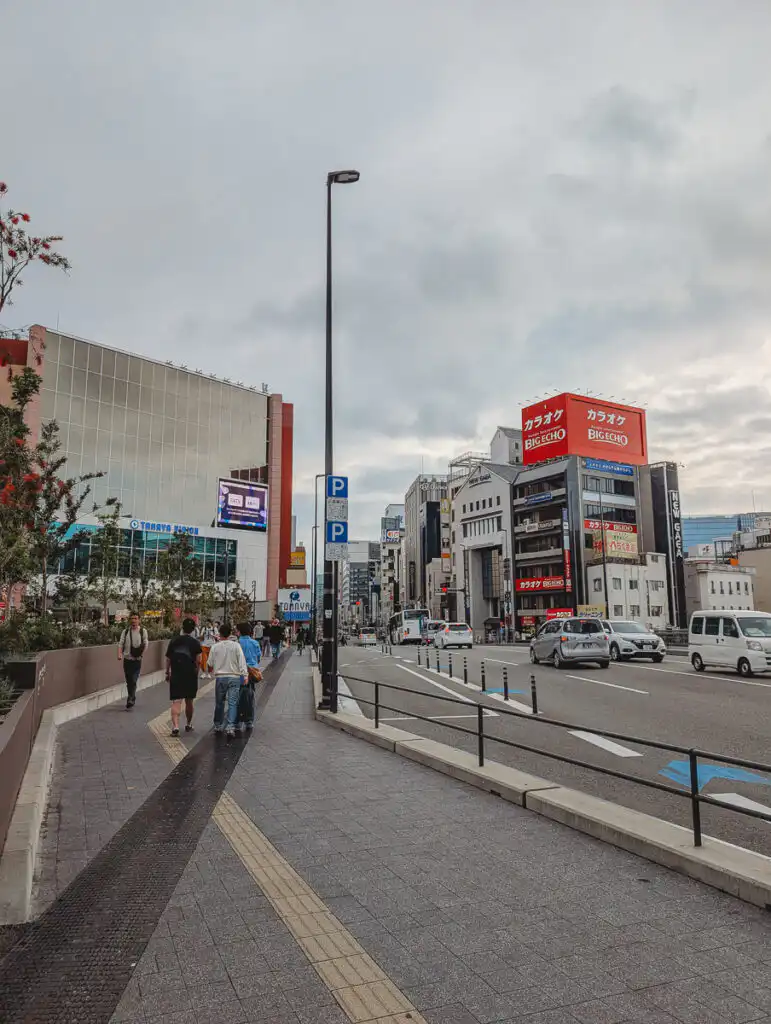 Fukuoka
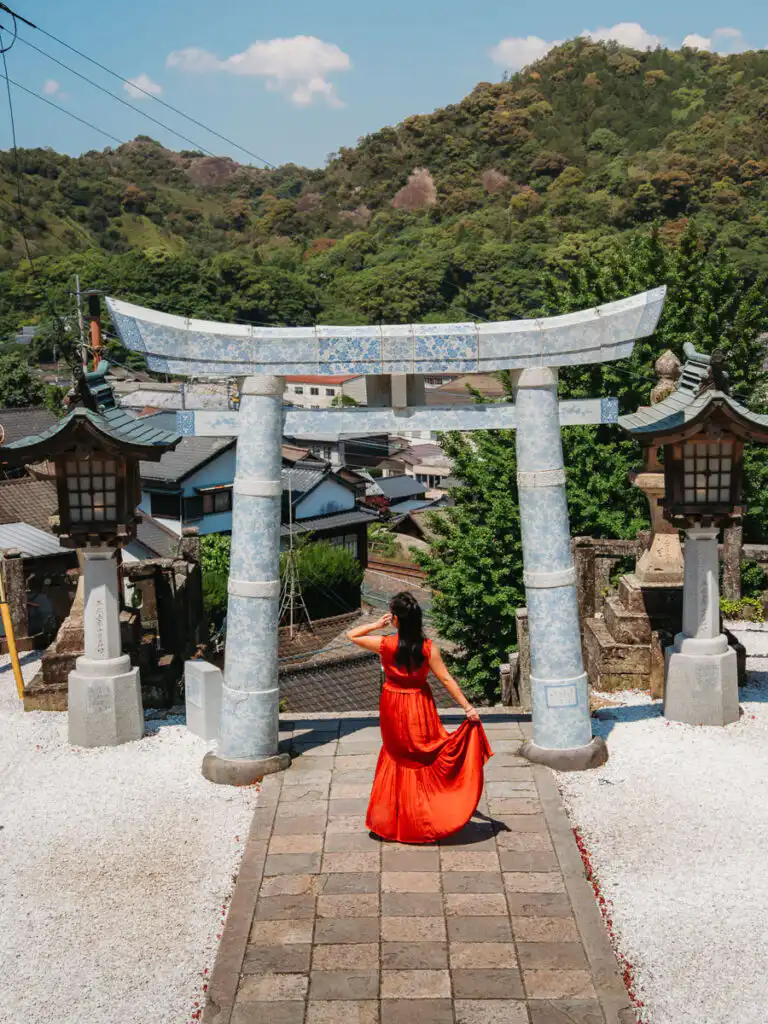 Arita
Arita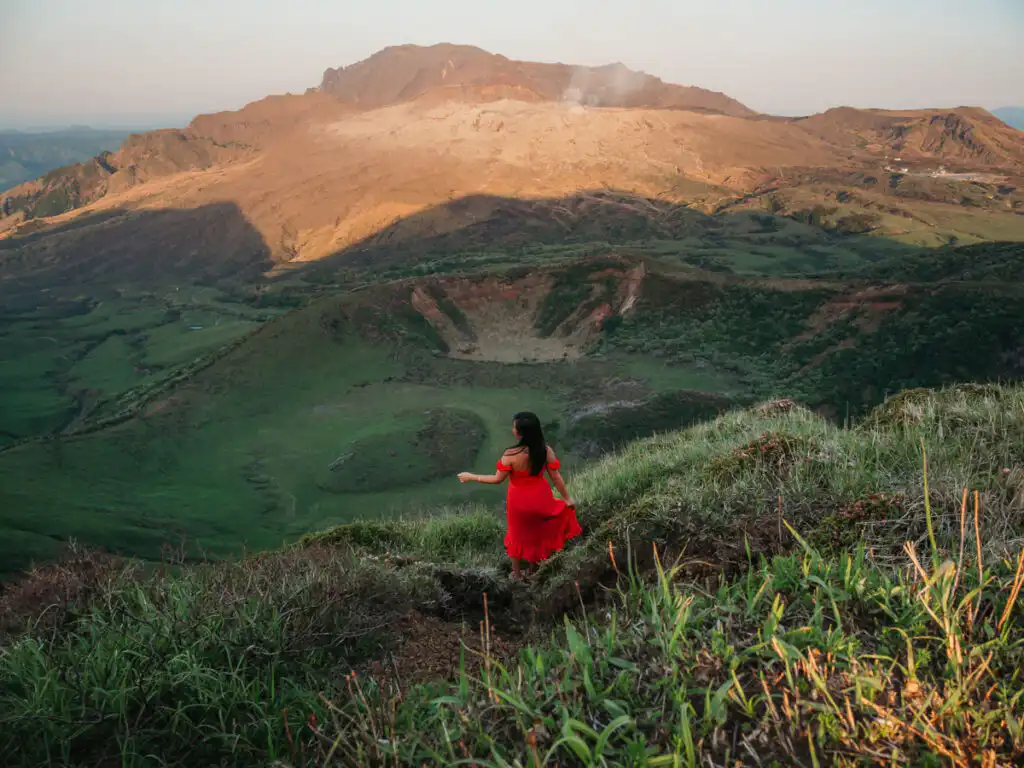 Aso
Aso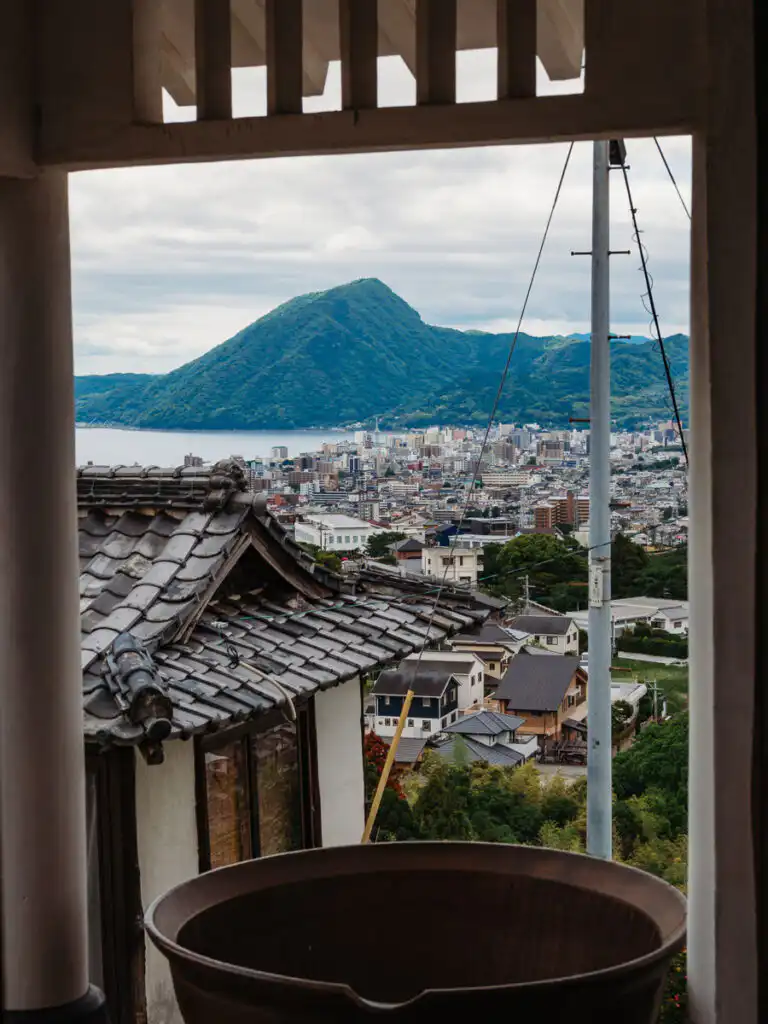 Beppu
Beppu
4 Base Cities during this Kyushu Itinerary
Base #1 — Fukuoka (1 night): This is where your flight will land in the Kyushu region.
Base #2 — Arita (2 nights): This is a famous porcelain town showcasing some of Japan’s best blue and white porcelain work. It will also be your base to explore Yutoku Inari shrine.
Base #3 — Aso (5 nights): The Aso region was one of the main reasons we came to visit Kyushu. Filled with jaw-dropping landscapes, epic volcano hikes, and the perfect base for day trips to Takachiho Gorge, Tao Taiko show, and more.
Base #4 — Beppu (2 nights): Famous onsen town of Kyushu. Experience staying at a Ryokan, soaking in onsens, and Kaiseki meals.
Base #5 — Fukuoka (3-5 nights): Return to Fukuoka, and spend time exploring the local culture, cuisine, and historic sites.
Kyushu 2 Weeks Road Trip Itinerary
Below, we’ll share everything you need to plan your own 2-week Kyushu road trip: from the exact route we recommend, to where to stay, what to do in each region, and all the practical tips we wish we had known before visiting.
Day 1: Arrival in Fukuoka (1 Night)
On your first day, you’ll arrive in Fukuoka.
At this point, you have two options: spend a few days exploring the city now or save it for the end of your road trip. We chose to visit Fukuoka at the end because we really wanted to see the Tao Open Air Taiko Show, and the schedule worked out much better if we headed straight toward Arita and Mount Aso first. In the end, it gave us a smoother route and let us finish the trip by exploring the city.
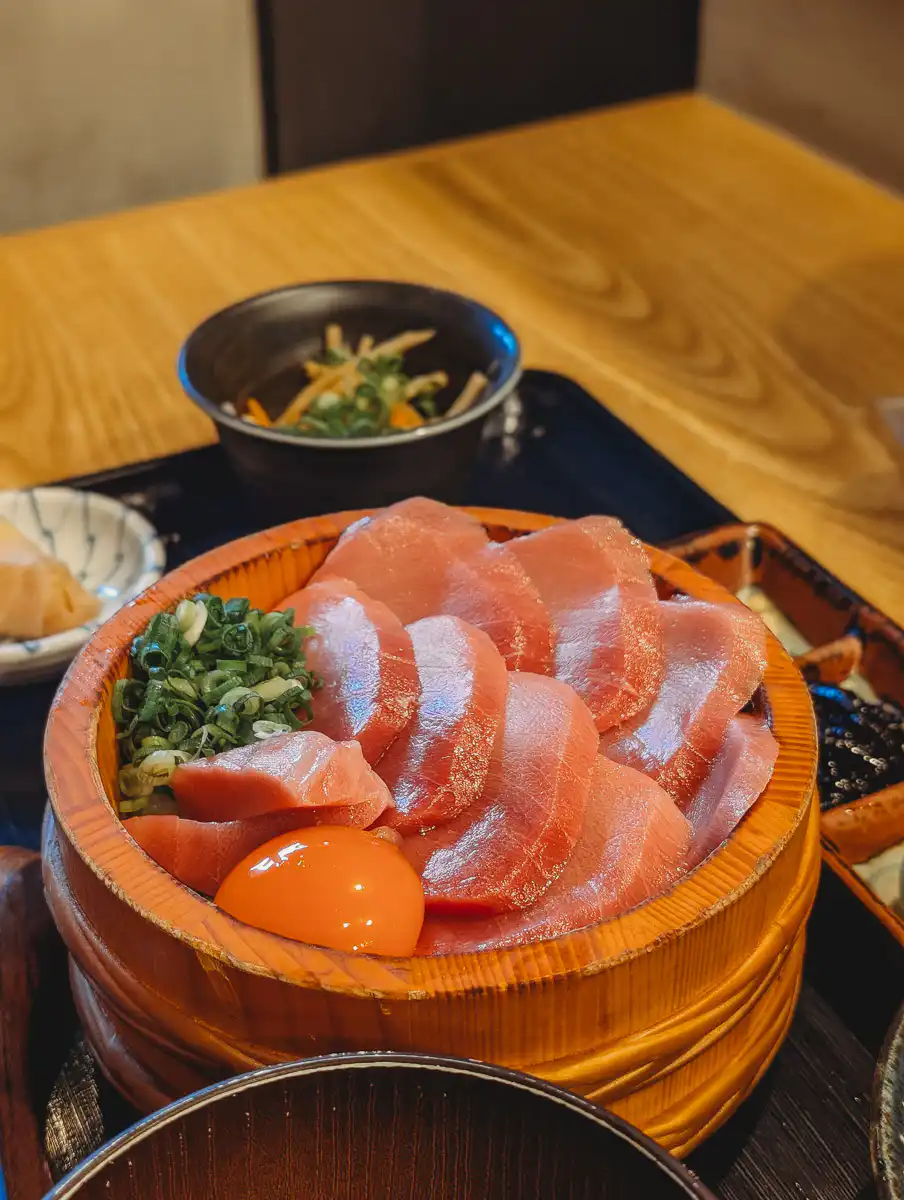
At night, enjoy your first Japan dinner at Tuna and Rice Kurodahan just a few minutes walk from your hotel. They serve delicious Tuna Toro bowls accompanied with fresh seafood soup.
How to Get from Fukuoka Airport to City Center
Getting from Fukuoka Airport to Downtown takes only about 15 minutes by bus, but your options will depend if you’re at the domestic or international terminal.
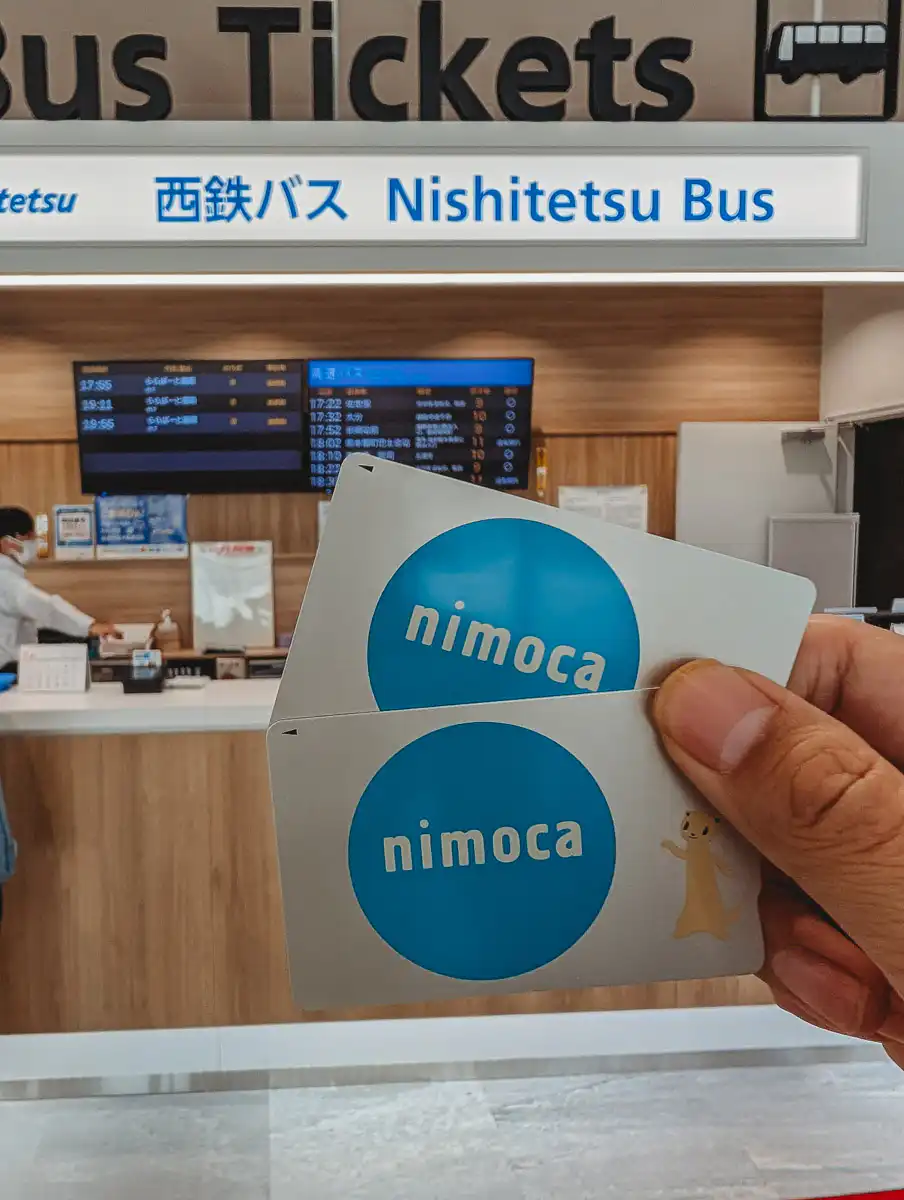
We arrived from the International Terminal, and the best option there was just to take the direct airport shuttle bus to downtown. It costs ¥400 and brings you directly to Hakata station (the main train station downtown). You can pay for it with the Nimoca IC card, which we recommend picking up right at the airport.
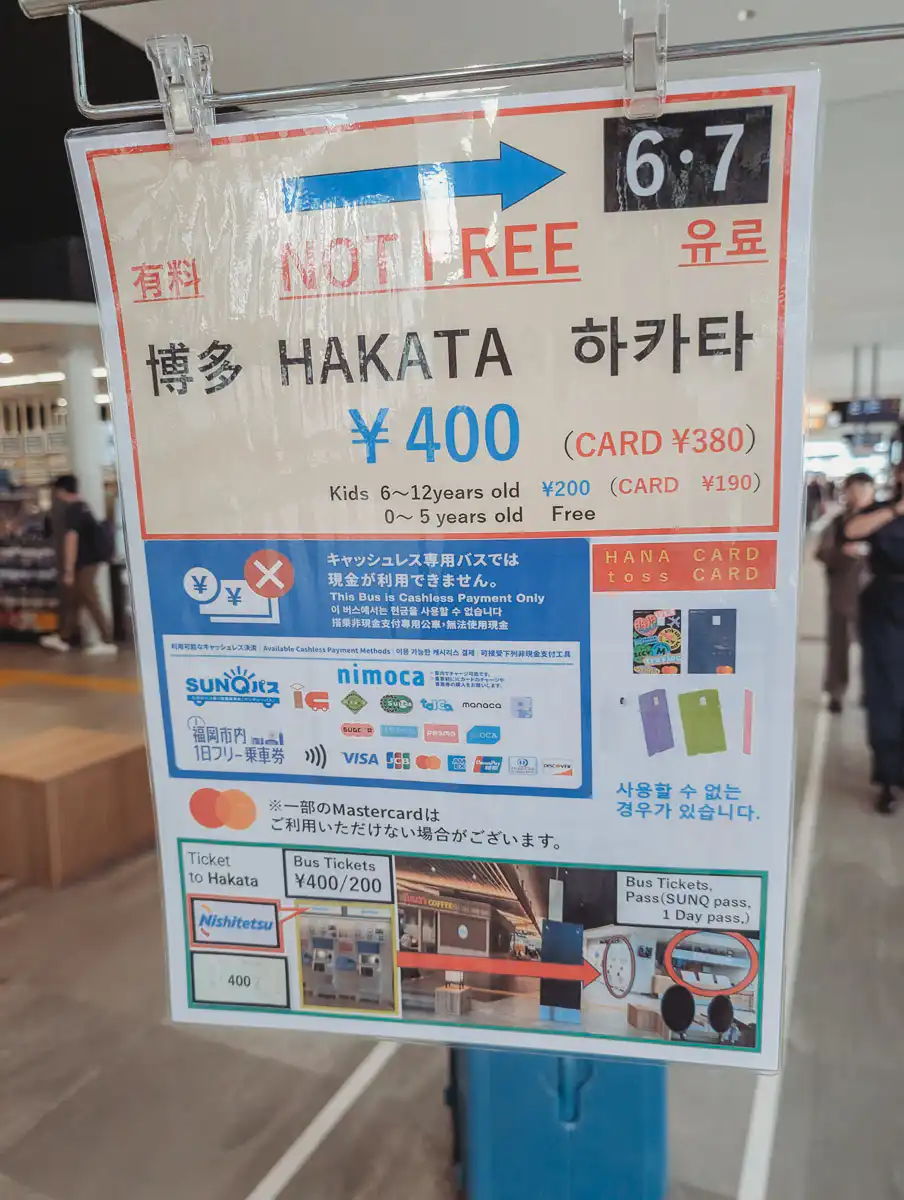
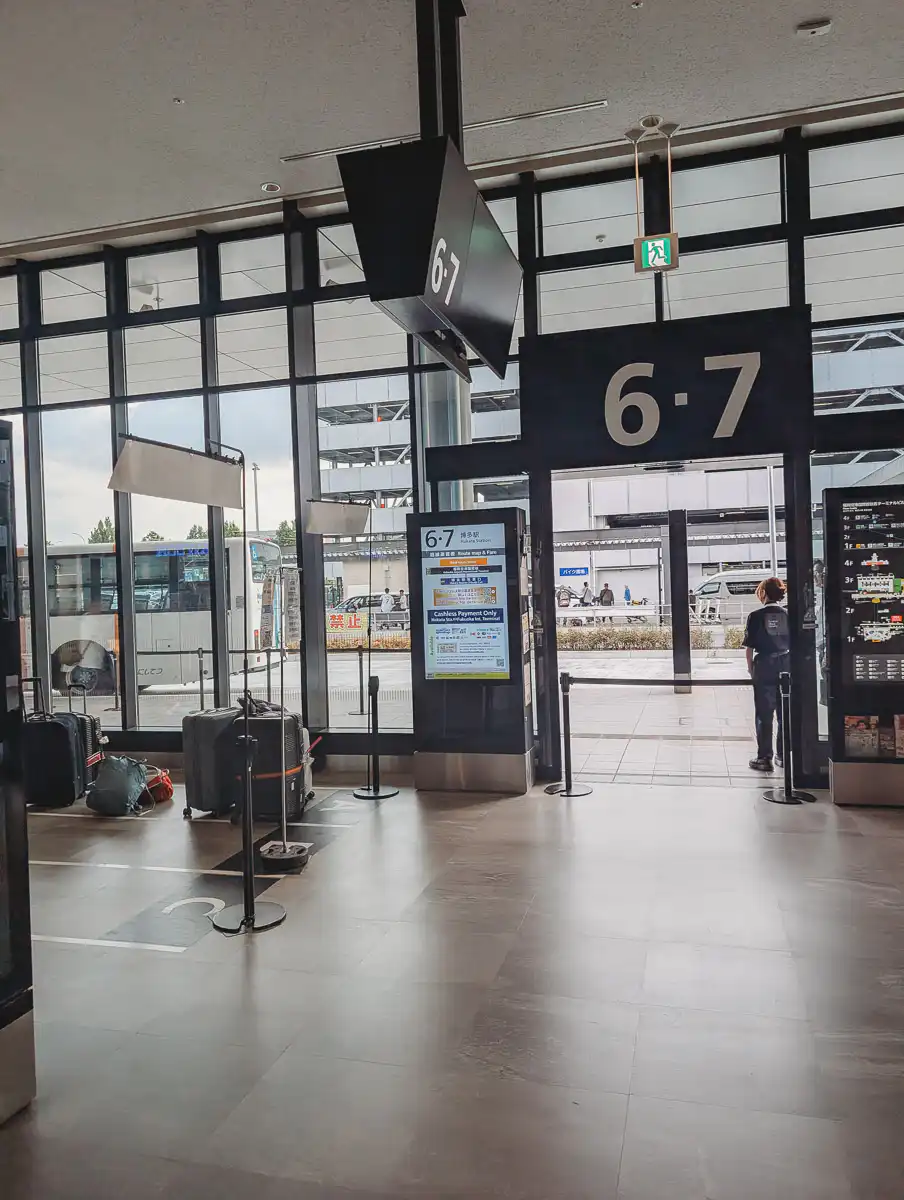
We heard there was also an option to the take the subway, but that is from the domestic terminal. You can take a free shuttle from the international terminal to the domestic, and then take the subway for two stops to reach Hakata station. For us though, that wasn’t worth the hassle so we opted for the airport shuttle bus. You can find this bus right after you exit the airport terminal, and head for door 6-7.
Where to Stay in Fukuoka
We’ll go into more detail on the best areas to stay in Fukuoka in the Day 11–14 section, but for this first night, we recommend staying near Hakata Station.
Our top pick is Toyo Hotel, located just a 5-minute walk from the station. It’s a really convenient choice after flying into Fukuoka since the airport shuttle bus drops you off directly at Hakata Station, meaning you won’t have to figure out the subway while hauling all your luggage.
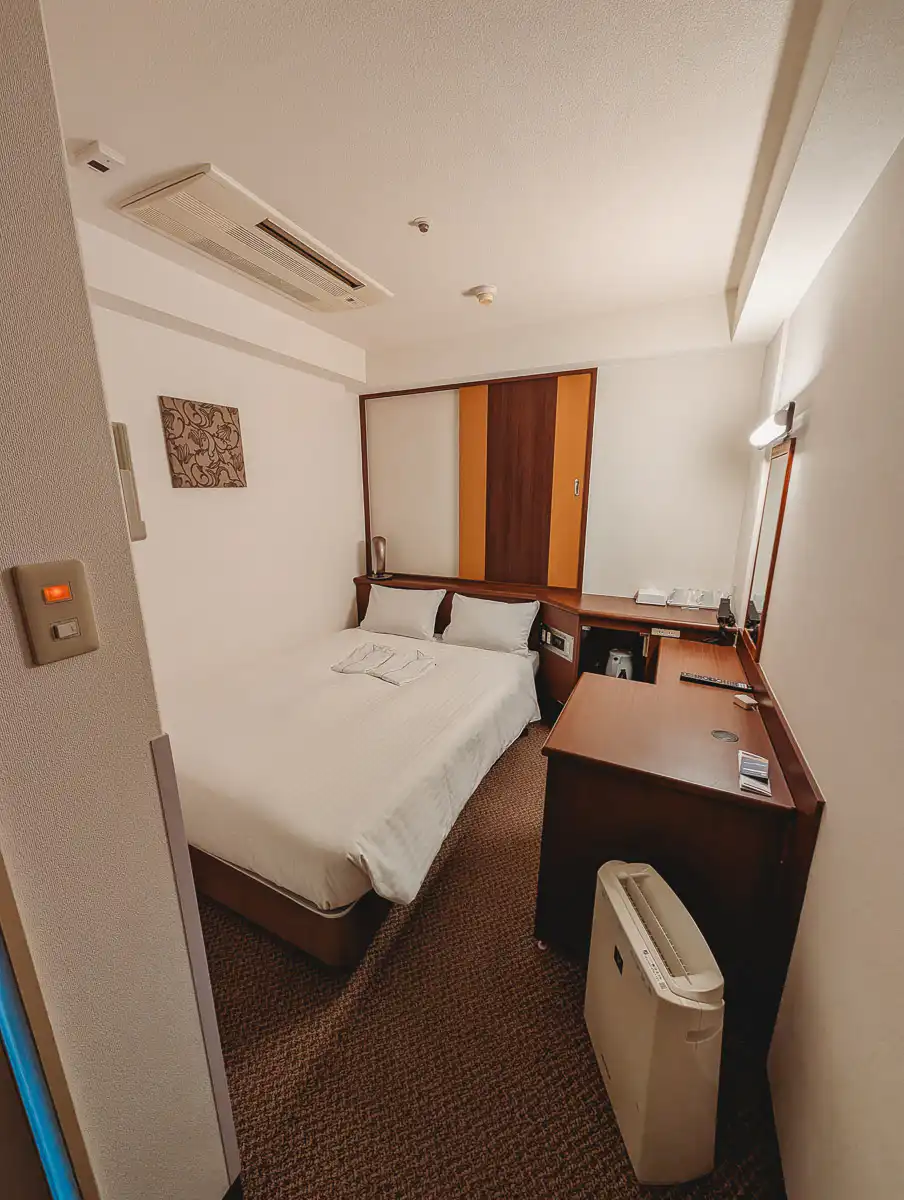 Toyo Hotel: small but comfortable room
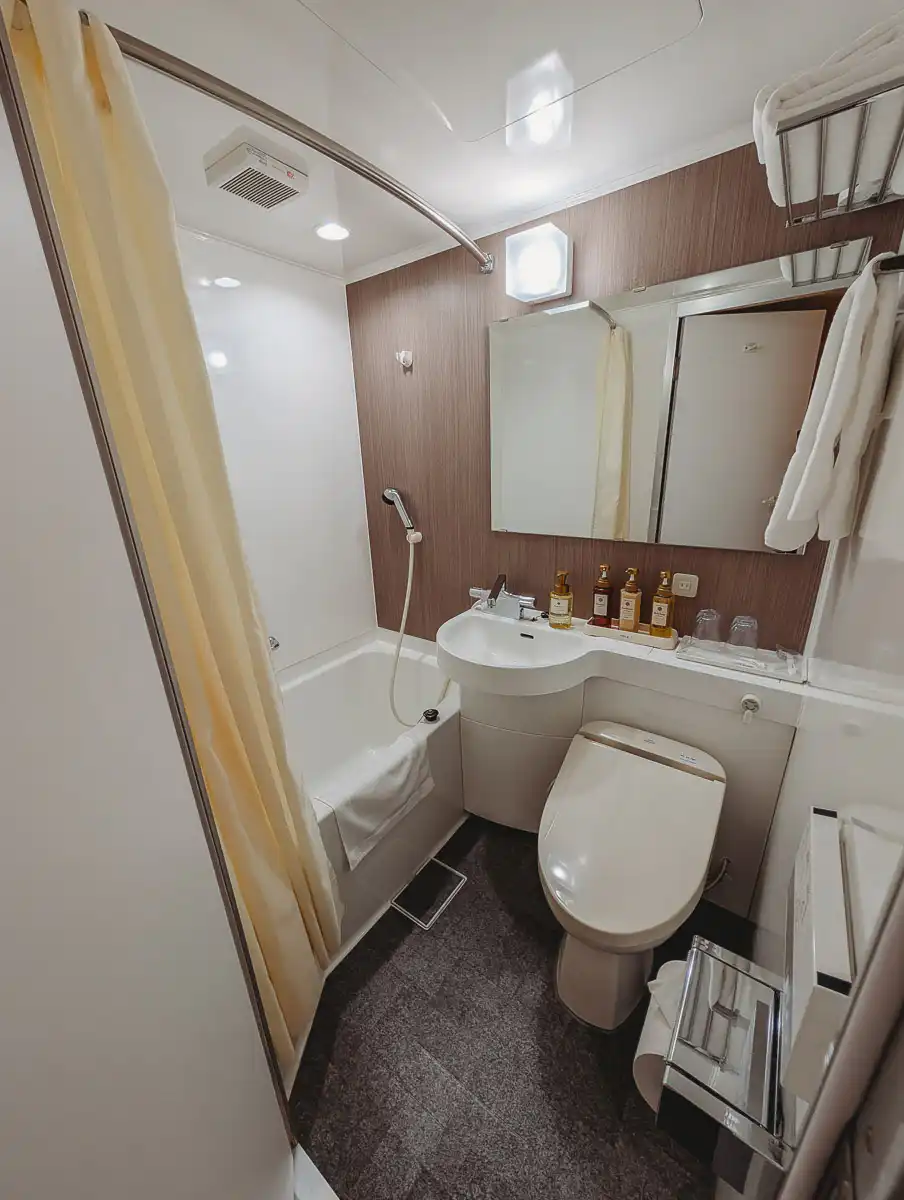 Bidet toilet
Another solid option is Toyoko Inn Hakata-guchi. We’ve stayed at several Toyoko Inn hotels during our trips to Japan and have always had a great experience. The rooms are simple but clean, comfortable, and affordable, and the location right beside Hakata Station makes it a great base for a one-night stay.
Starting Points for Your Kyushu Road Trip
Just a quick point we’d like to mention. You can start this Kyushu road trip from either Fukuoka or Nagasaki, as both have international airports. We were flying in from Shanghai, China, and both were viable options, but ultimately chose Fukuoka because there were more flight choices and rental cars were noticeably cheaper.
🇯🇵👨🏫 Want to uncover more hidden gem ideas for your Japan trip? Check out our guide on 32 unique things to do in Japan and our comprehensive 10+ day Japan Itinerary guide! And before you go, save yourself the stress and learn from our mistakes — read our 36 Essential tips for traveling in Japan: First time visitors guide.
Day 2-4: Fukuoka to Itoshima then Arita (2 nights)
Today’s Drive: Fukuoka to Itoshima 45 minutes, then Itoshima to Arita 2 hours
Get Your Rental Car for Your Kyushu Road Trip
Start your day early by picking up your rental car before heading out to explore Itoshima on the way to Arita. We rented from Orix Rent a Car, which is conveniently located right next to Hakata Station. Other reliable options include Times Car Rental and Nippon Rent-A-Car.
We ended up choosing Orix because they were running a spring promotion, which made it the cheapest option for our dates. With that said, their website can be a bit tricky to navigate since much of it is only available in Japanese, and many require inputting your name in Hiragana and Katakana, so it’s definitely worth comparing prices on DiscoverCars first. You may even find a better deal there.
Why Stay in Arita for 2 Nights
Your first base on this road trip will be Arita. While we don’t often see it included in other Fukuoka itineraries, we chose to stay here because it makes a great base for exploring several unique attractions in western Kyushu while staying in a quiet cultural town.
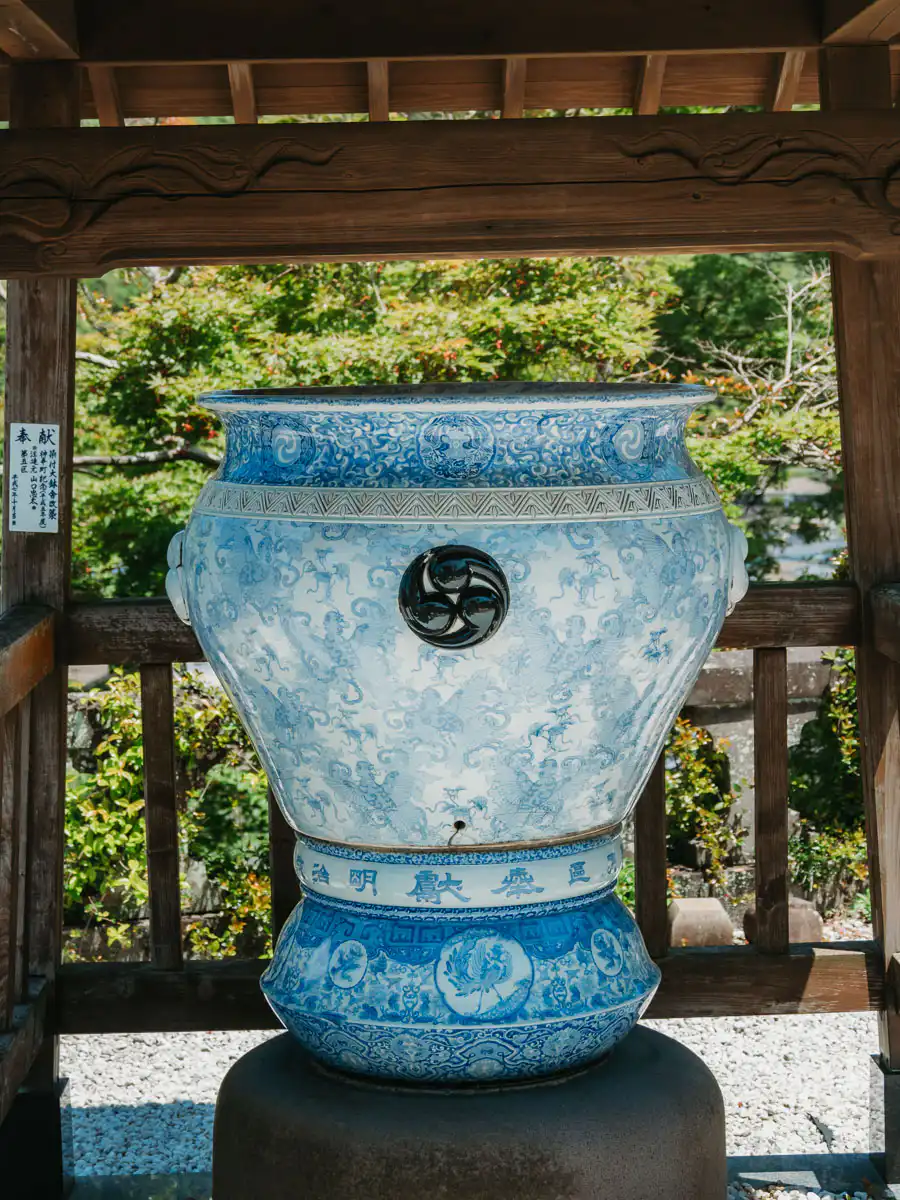
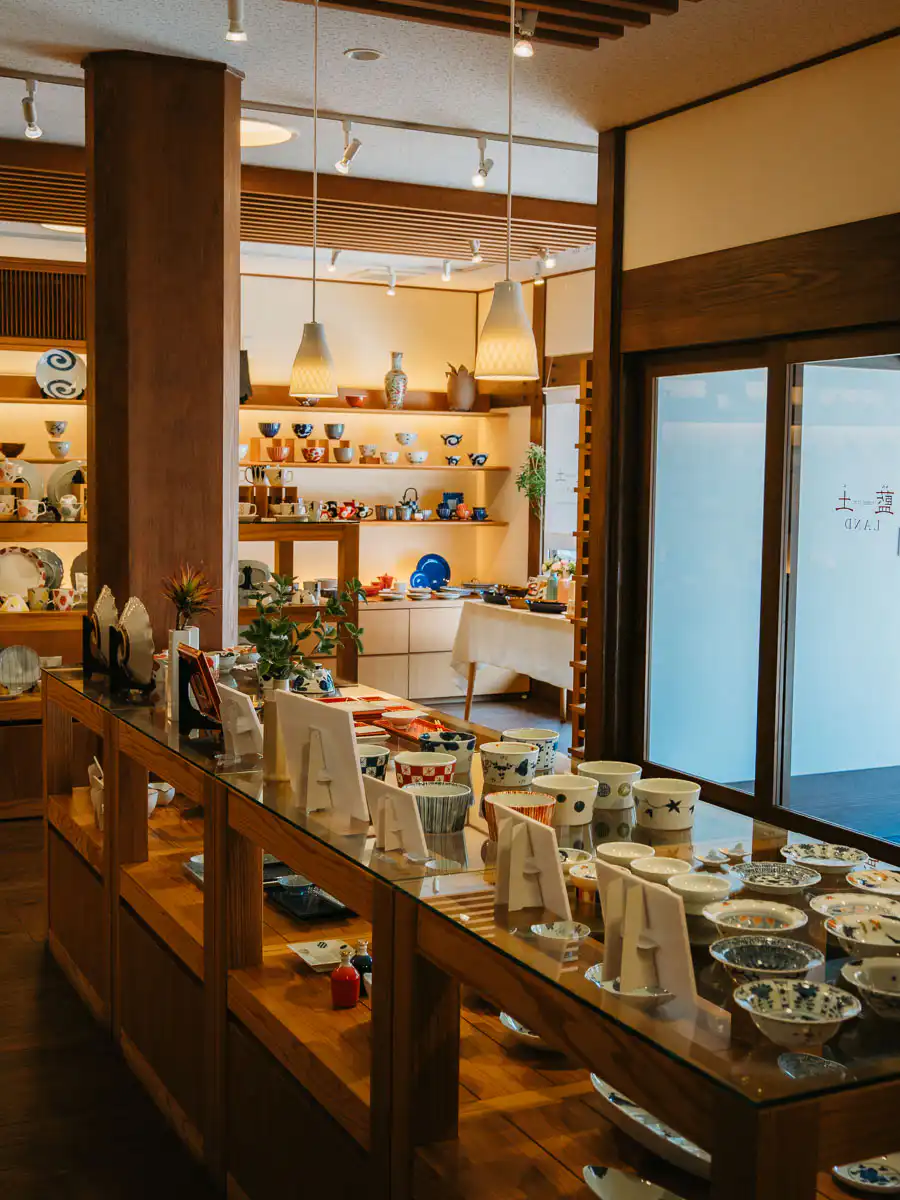
Arita is one of Japan’s most famous porcelain towns, filled with beautiful pottery shops, workshops, and even a shrine decorated with blue-and-white porcelain. If you’re thinking about bringing home Japanese ceramics, this is one of the best places to find high-quality pieces at reasonable prices.
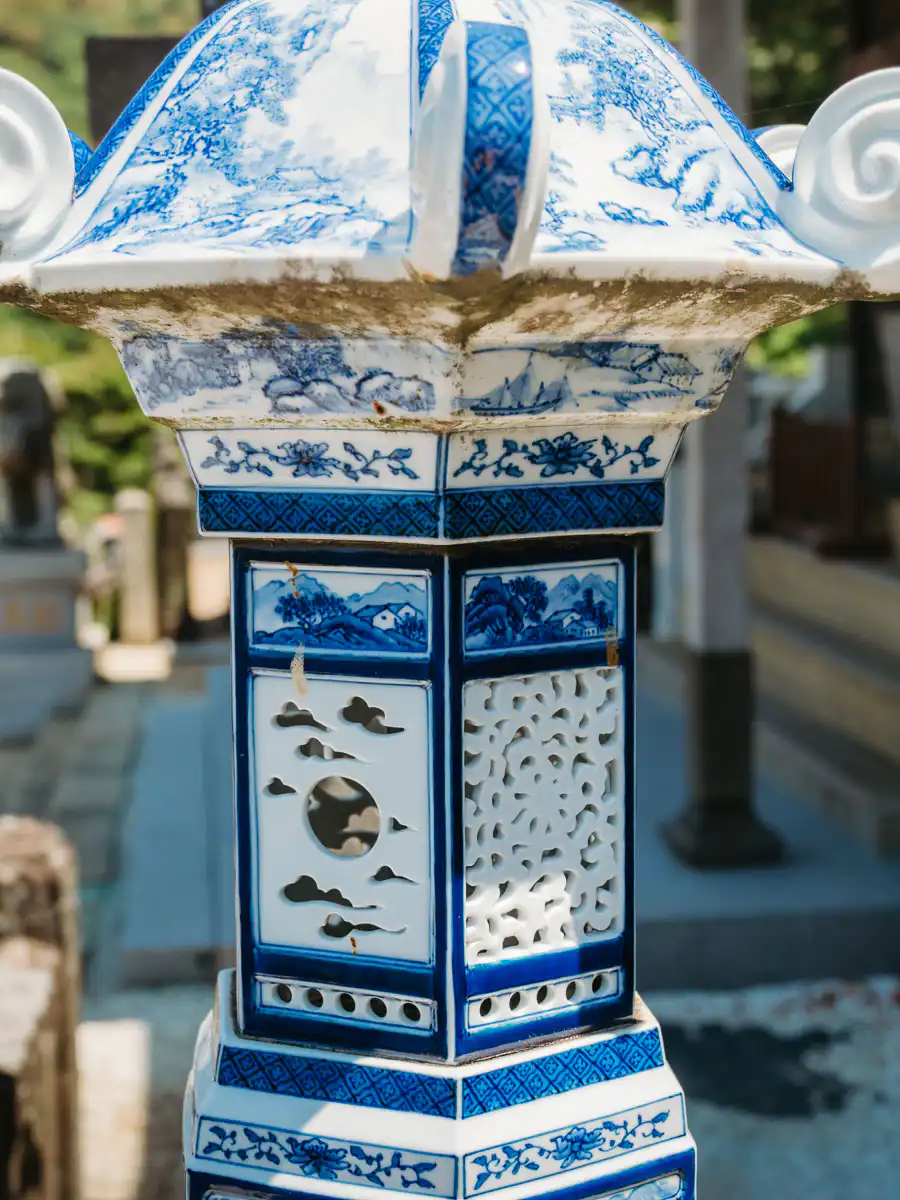
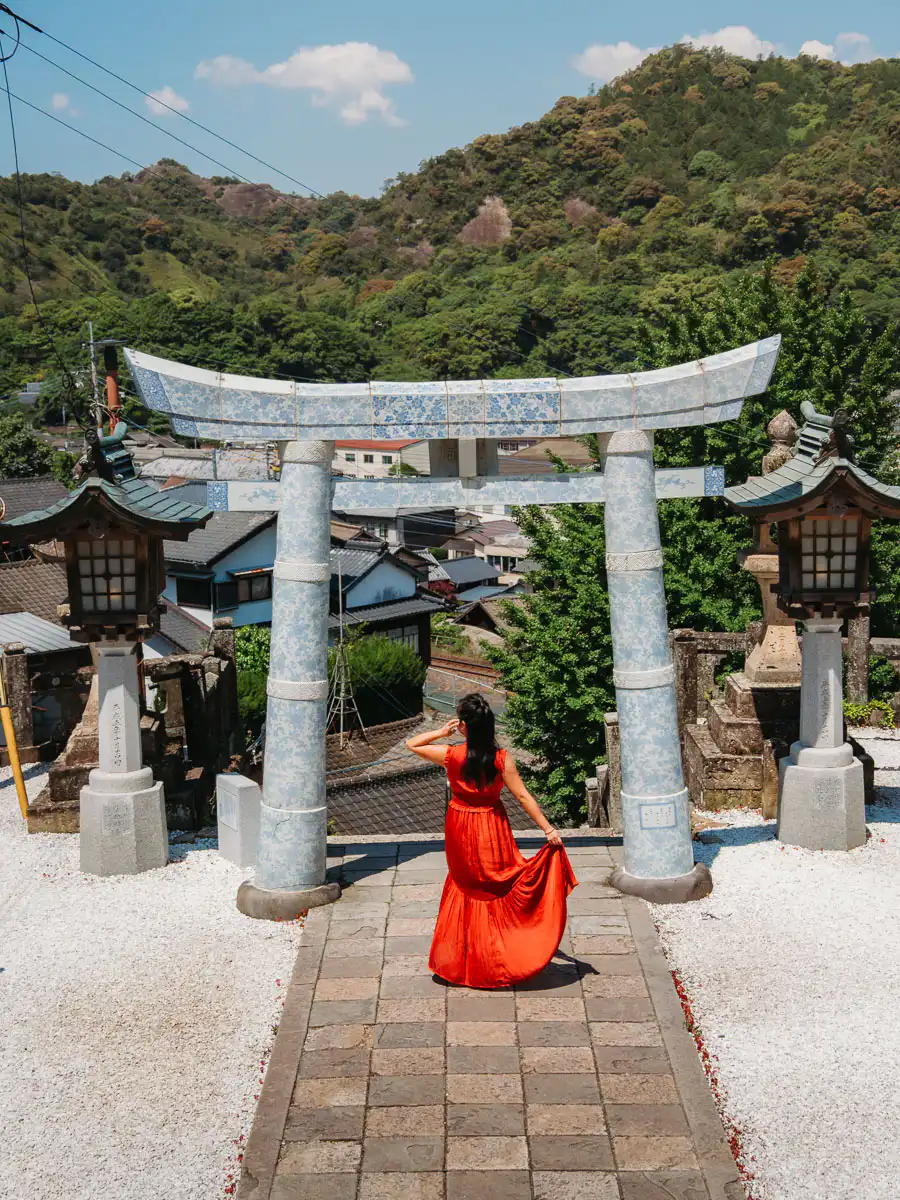
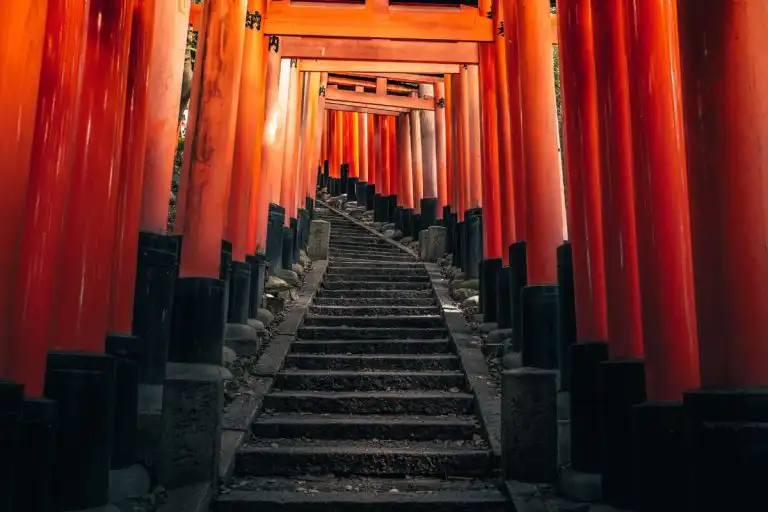
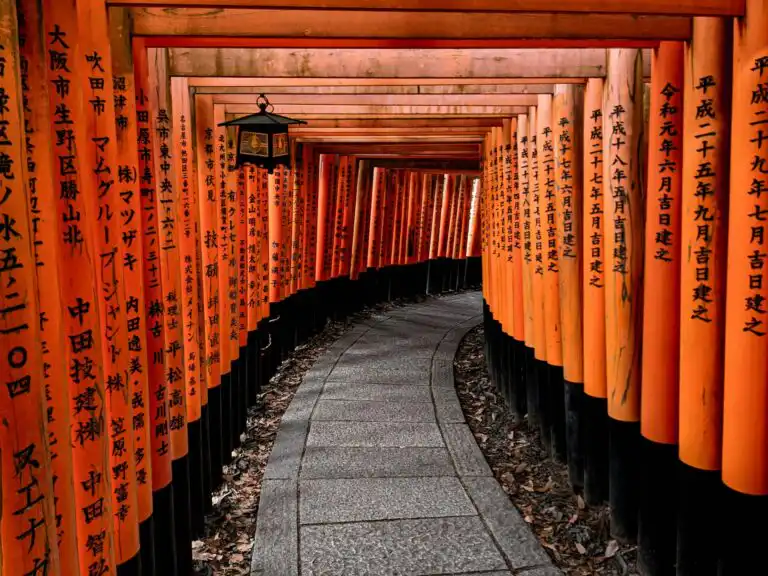
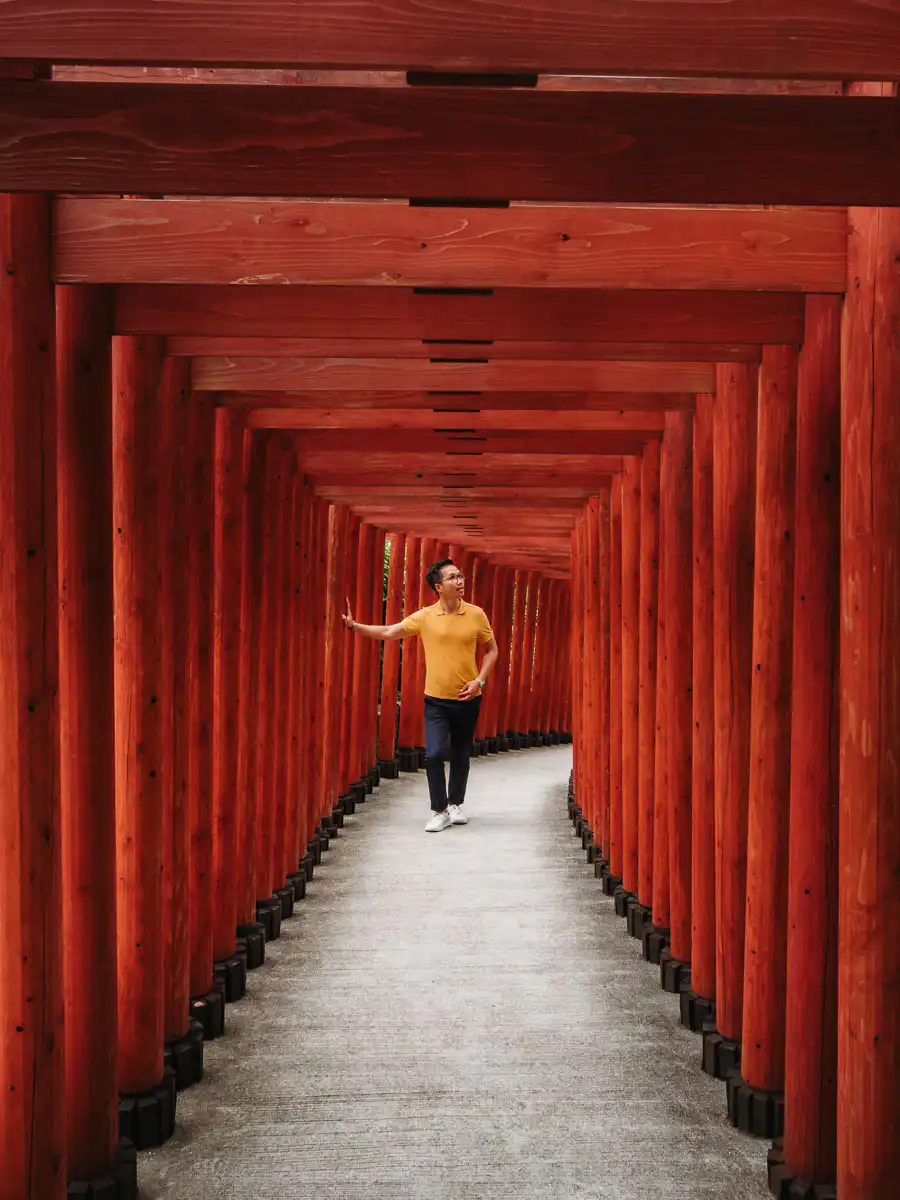
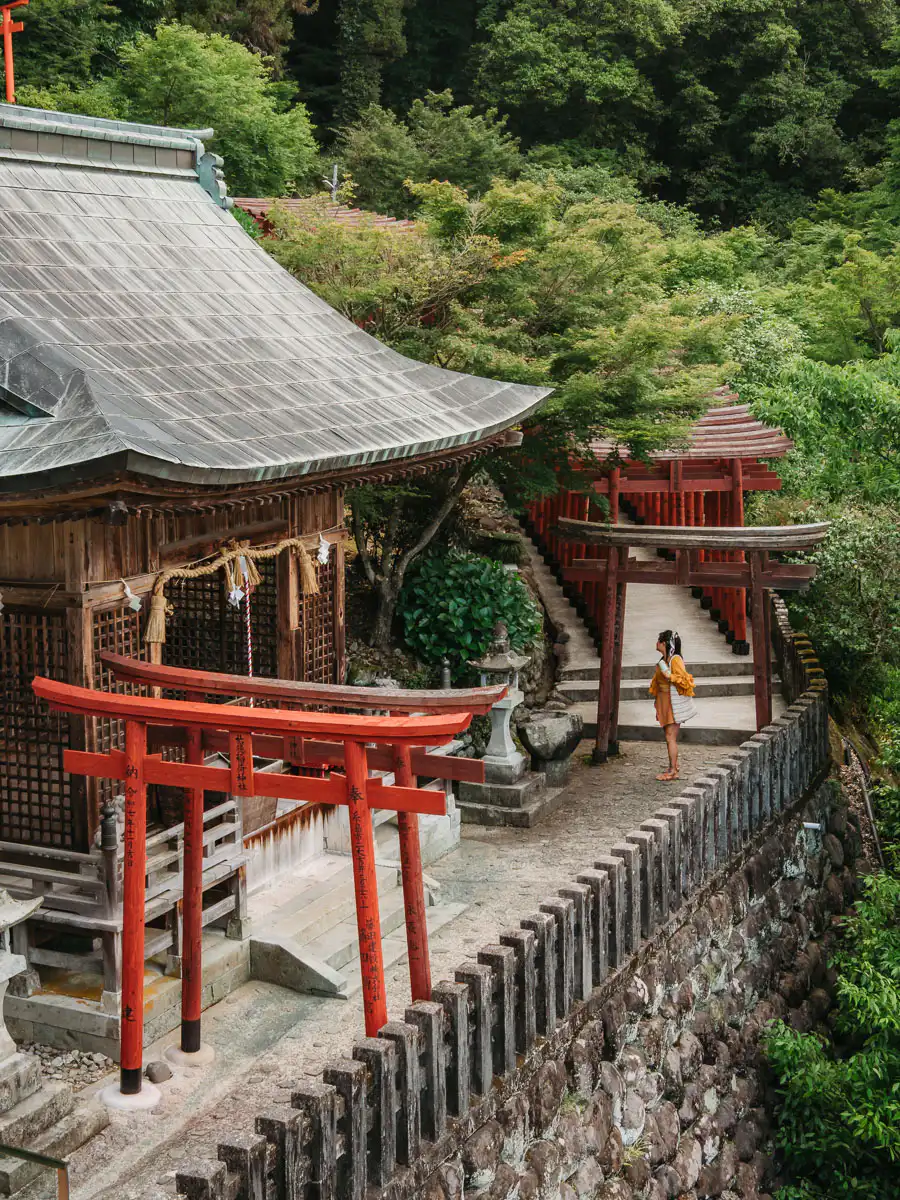
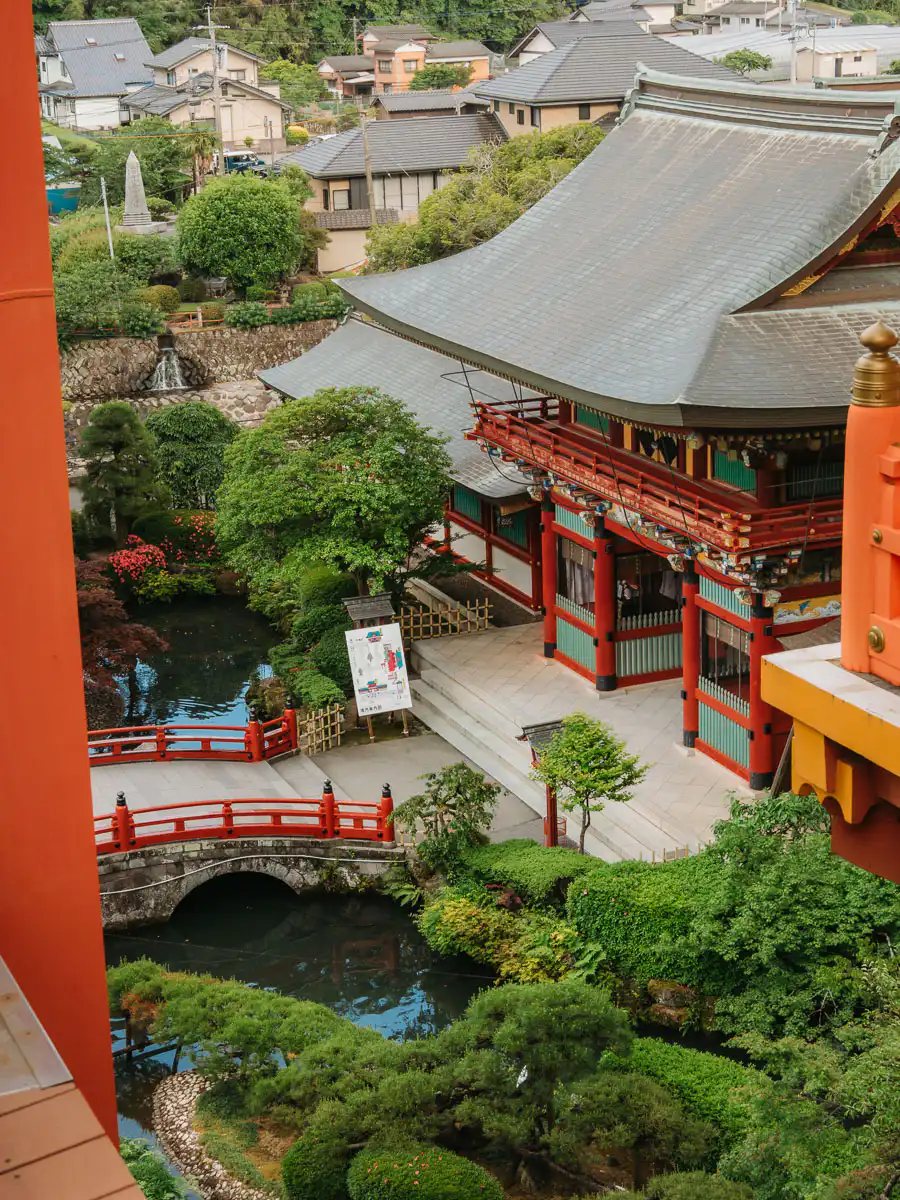
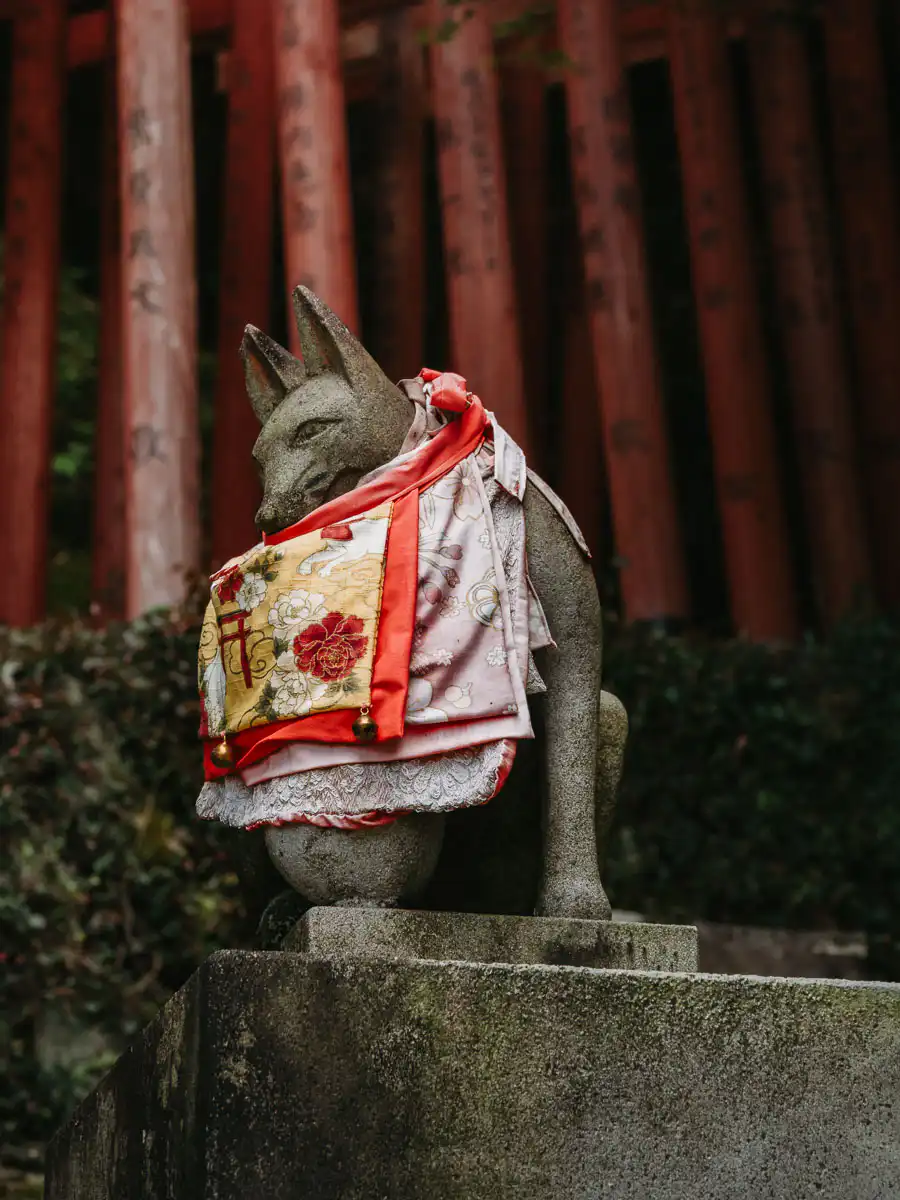
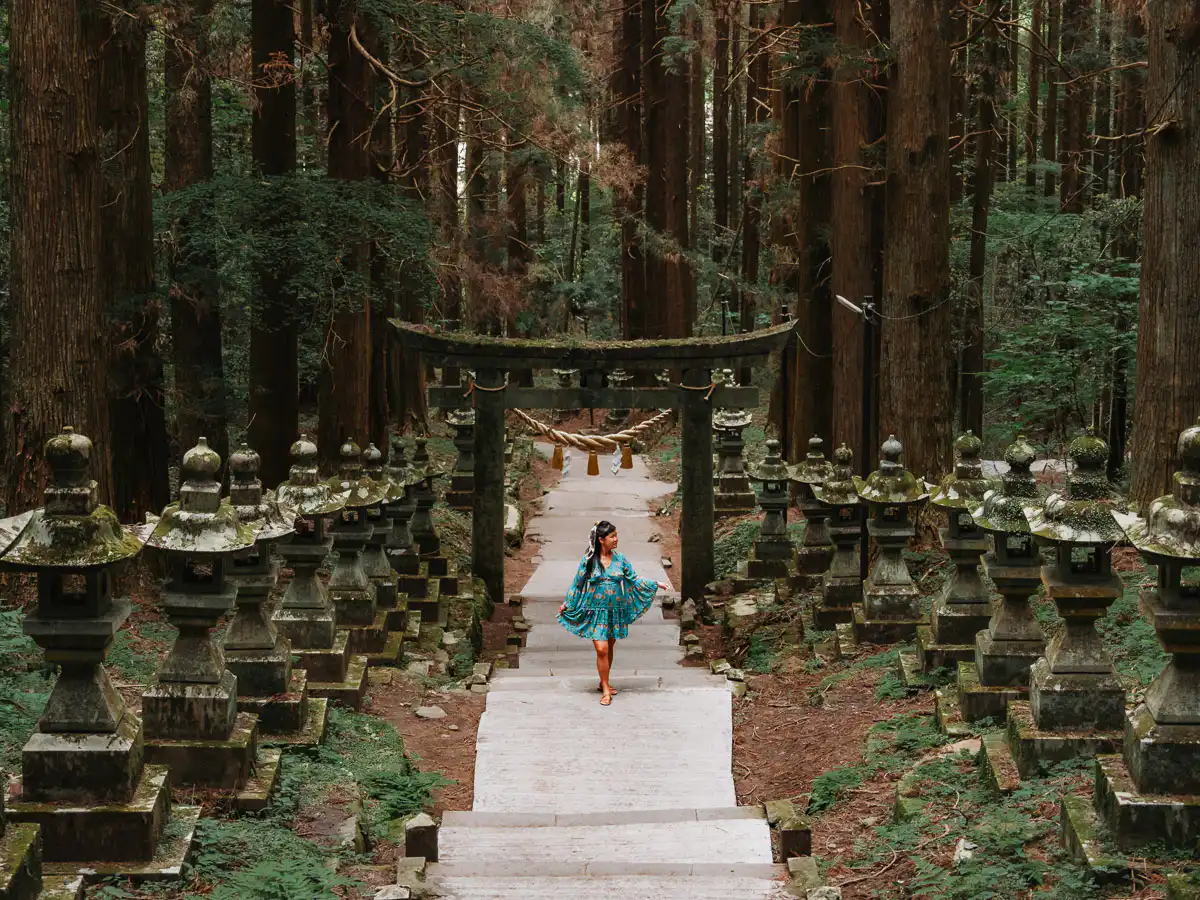
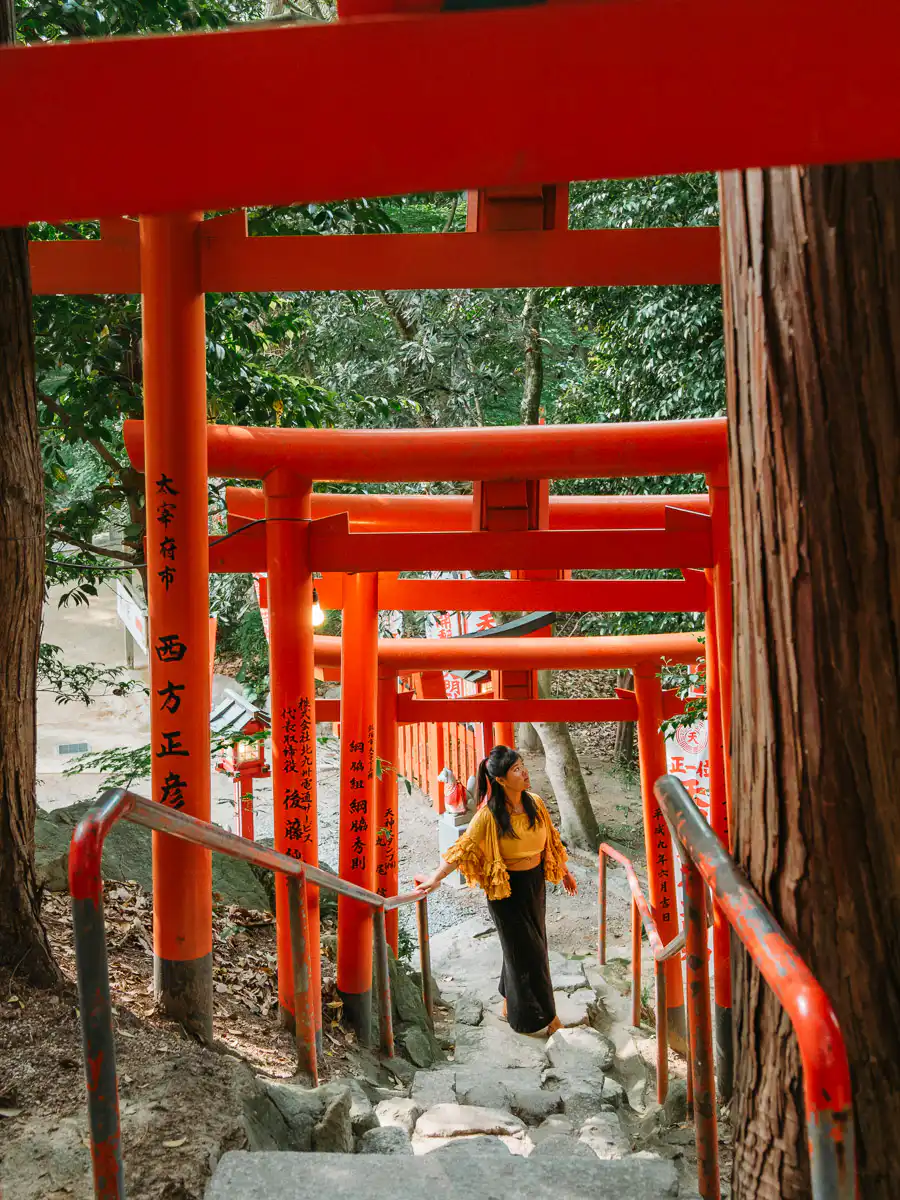
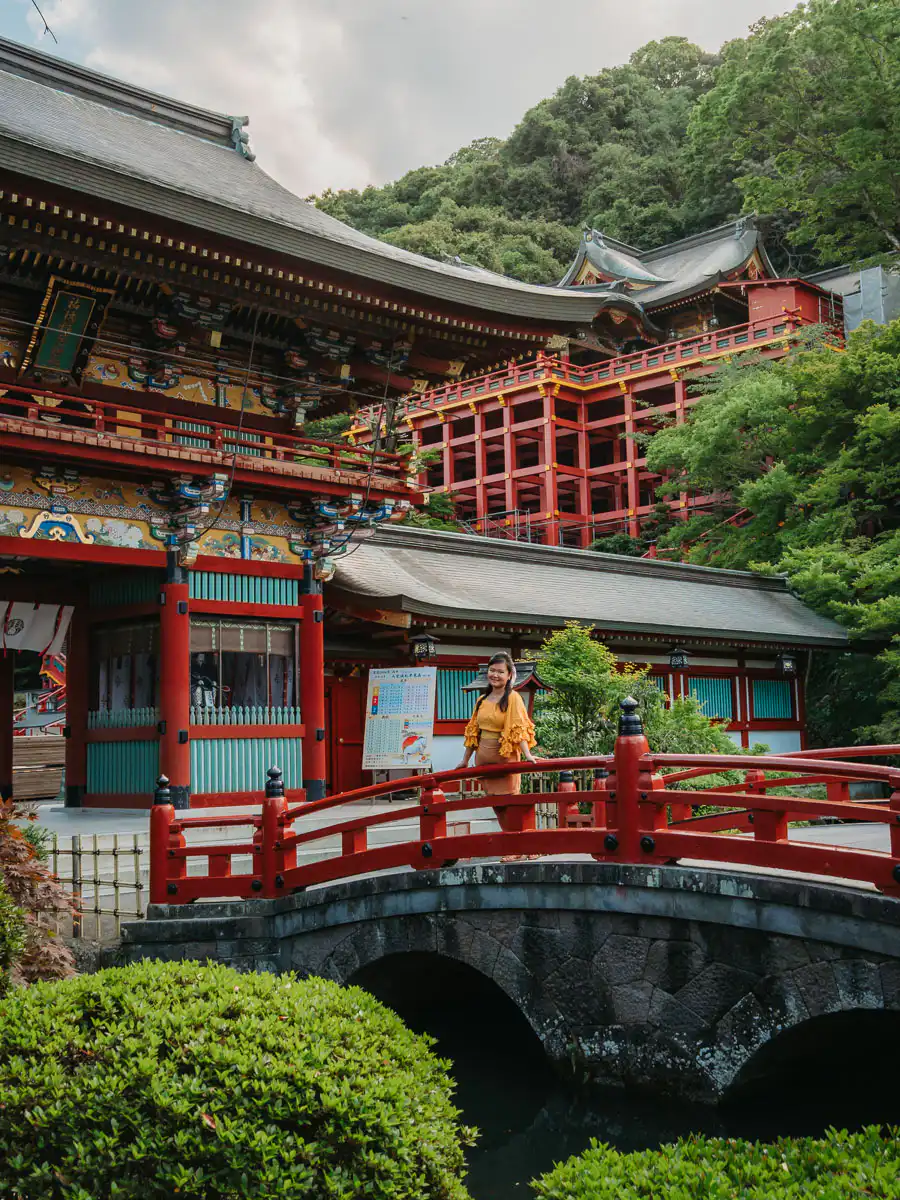
From Arita, it’s also an easy drive to Yutoku Inari Shrine, one of our favourite shrines in Kyushu. It has long tunnels of torii gates that reminded us of Fushimi Inari in Kyoto, but with only a fraction of the crowds.
And if you’re travelling with kids (or are simply young at heart), Arita is also a convenient base for visiting Huis Ten Bosch, a massive Dutch-themed amusement park!
What to do in Itoshima and Arita
stop 1: Fukuoka to Itoshima
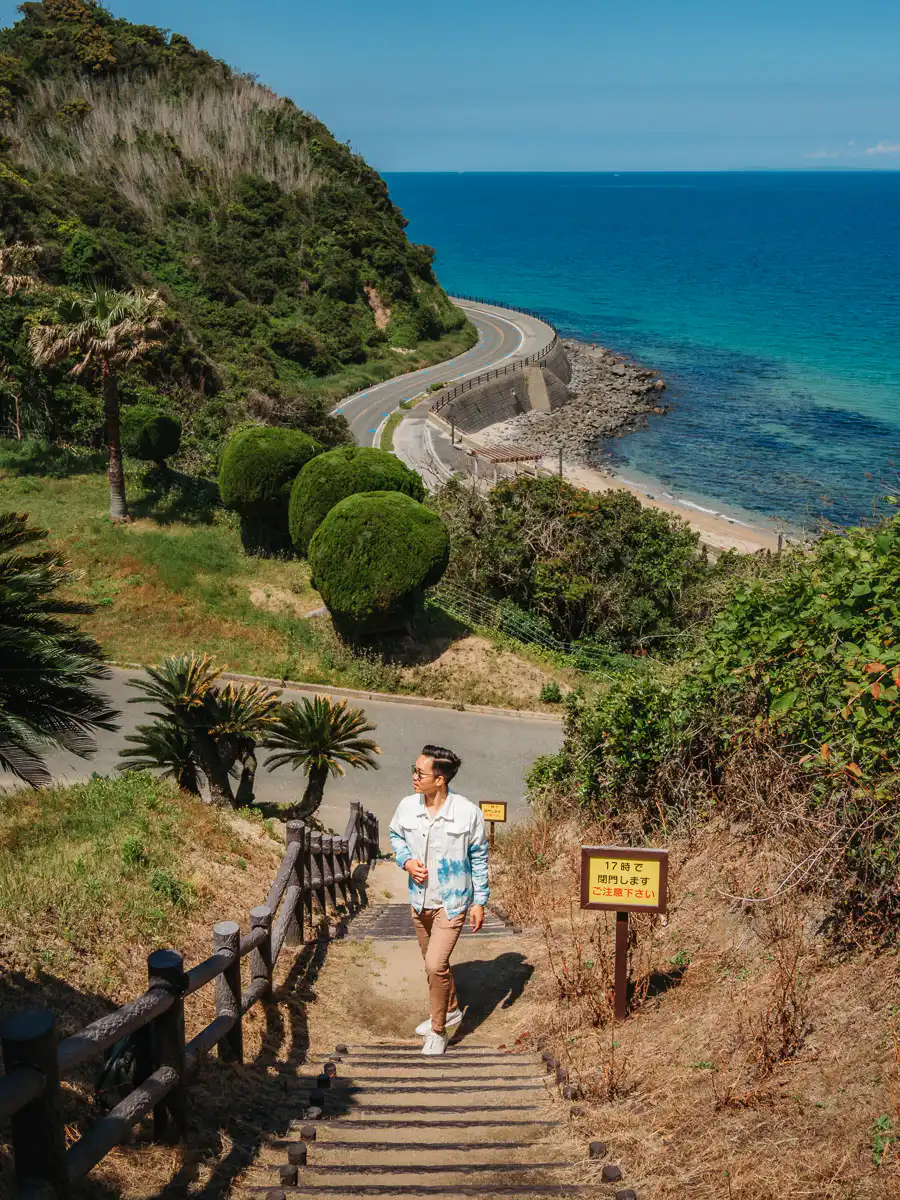
We decided to explore Itoshima as a quick stop driving from Fukuoka to Arita, but it turned out to be one of our trip highlights! Although it can be done as a day trip tour, we wanted to explore independently with our rental car and we also had time before checking into our hotel in Arita.
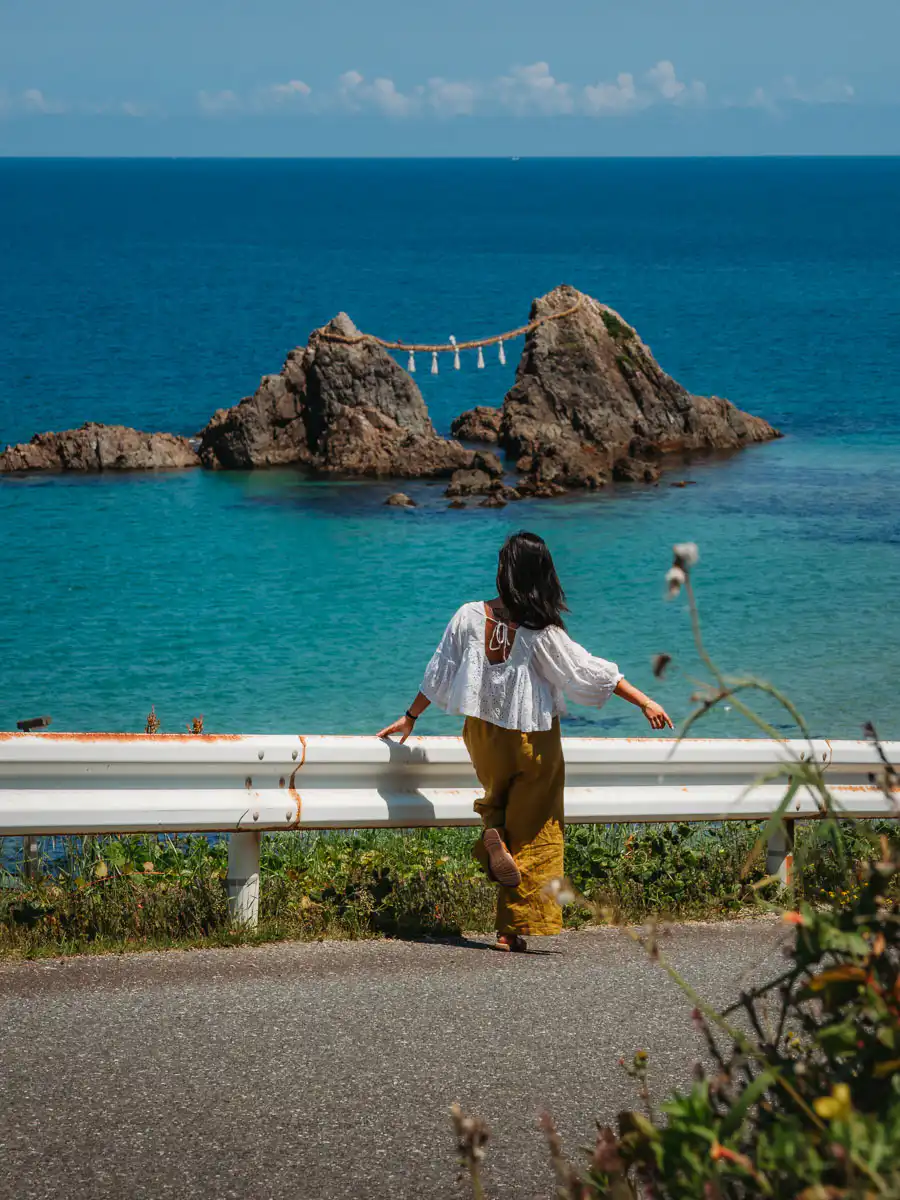
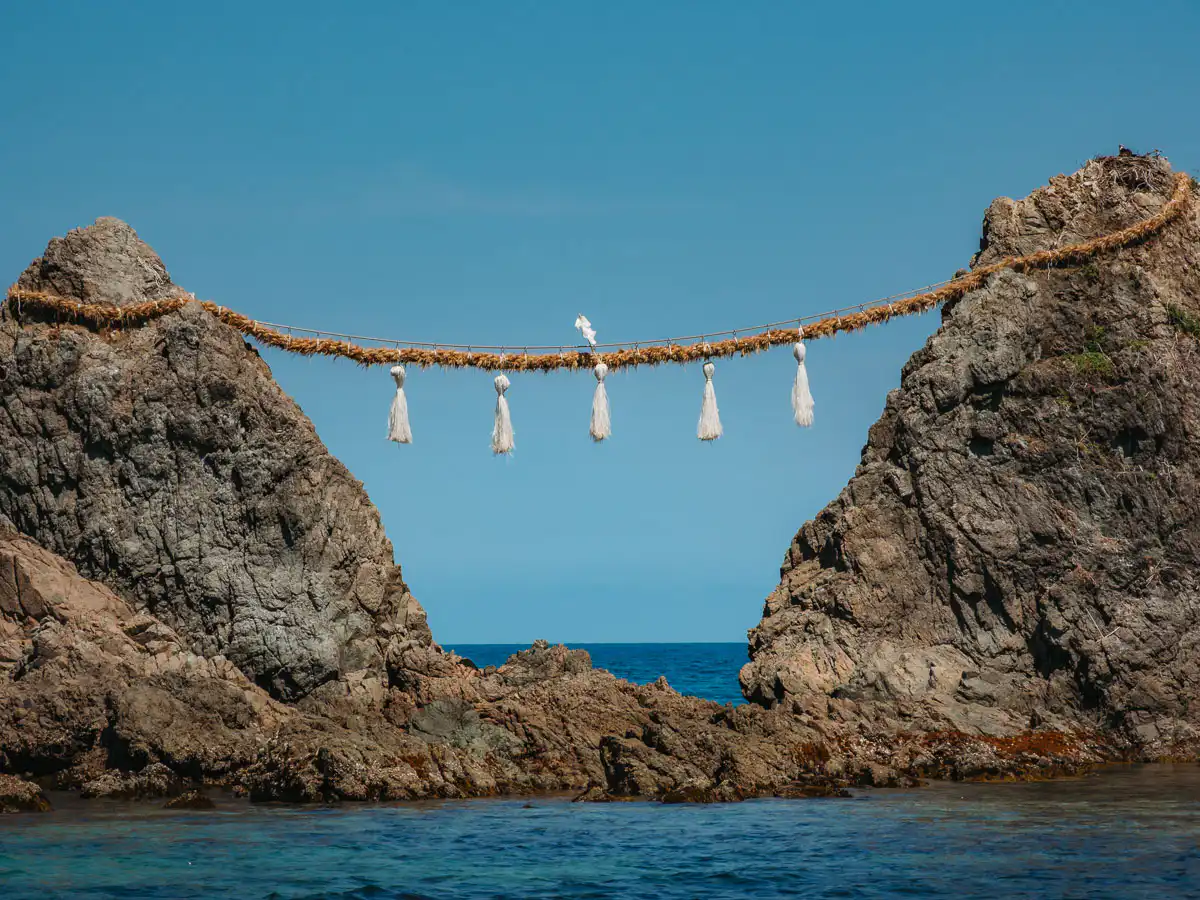
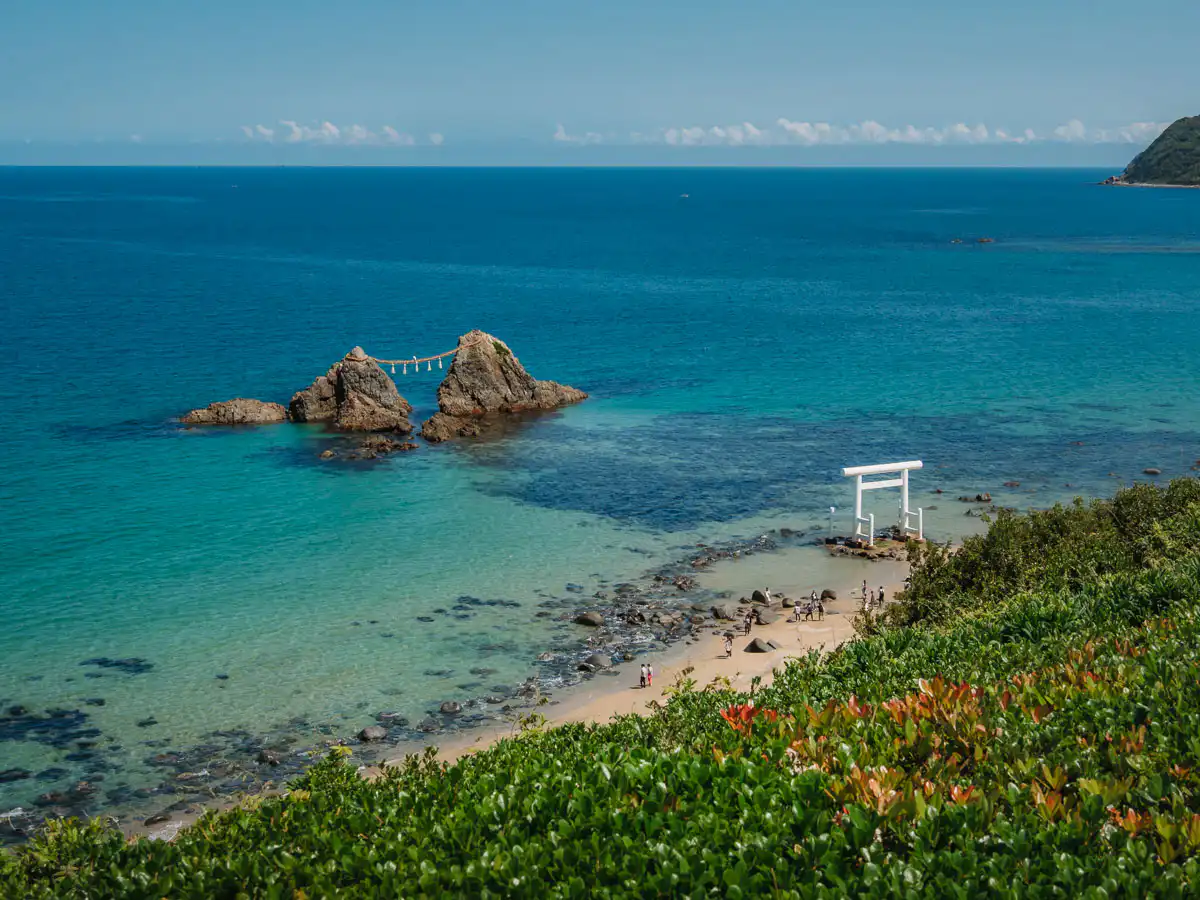
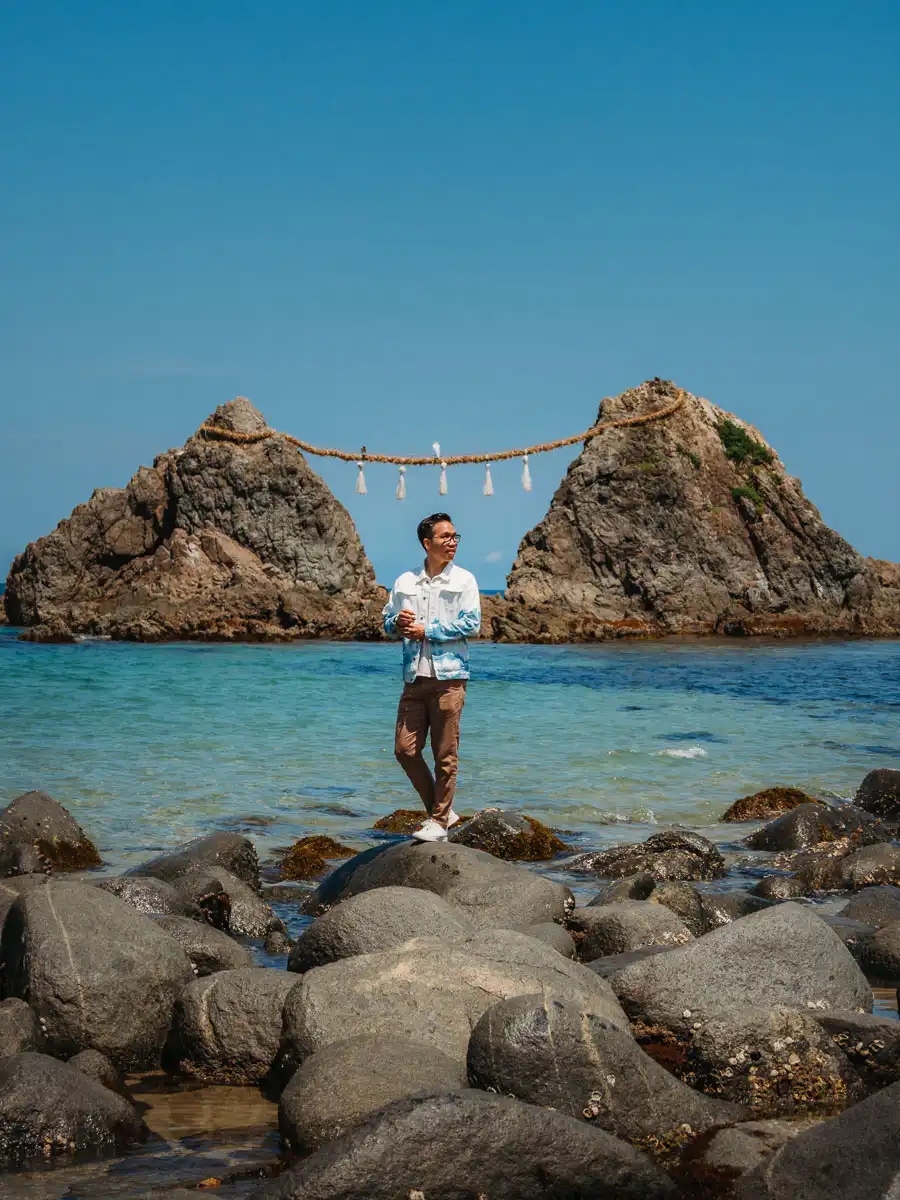
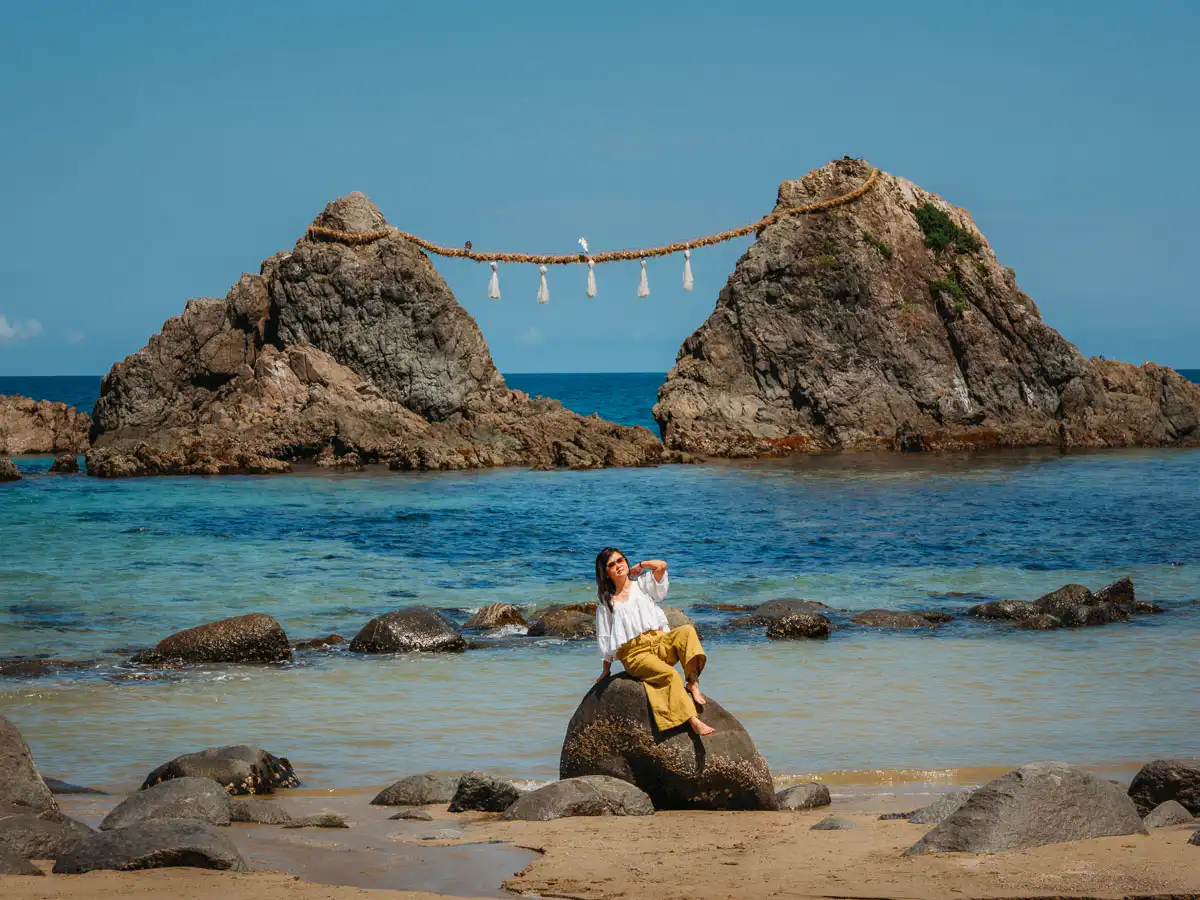
Itoshima is famous for Sakurai Futamigaura’s Couple Stones and its white sand beaches, but what really blew us away was just how turquoise the water was! It literally looked like the Caribbean!
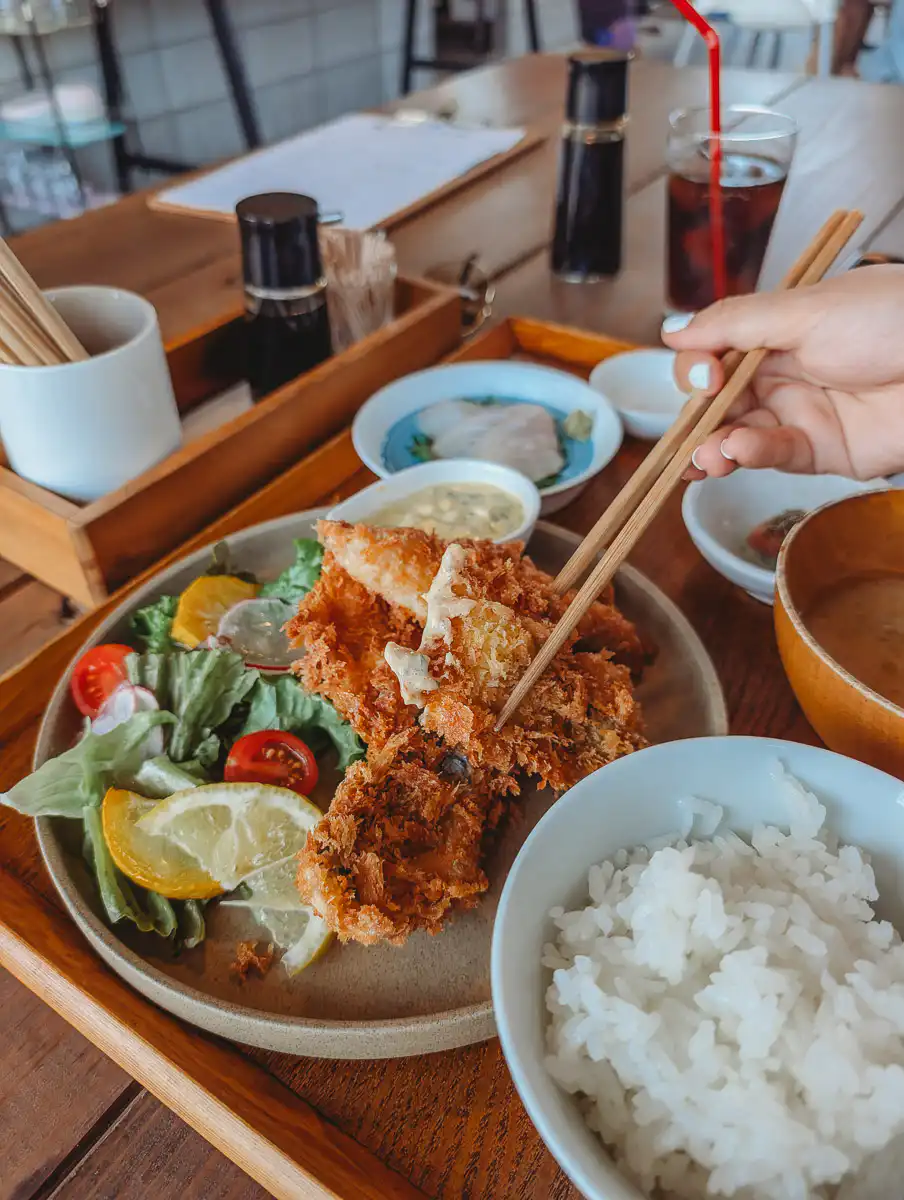
During our trip, we explored the Couple Stones, enjoyed a fresh seafood lunch at Kazura, then took a boat trip into the basalt cave of Keya no Ohto, before continuing our journey to Arita. What was supposed to be a quick stop in Itoshima ended up turning into a delightful half-day adventure!
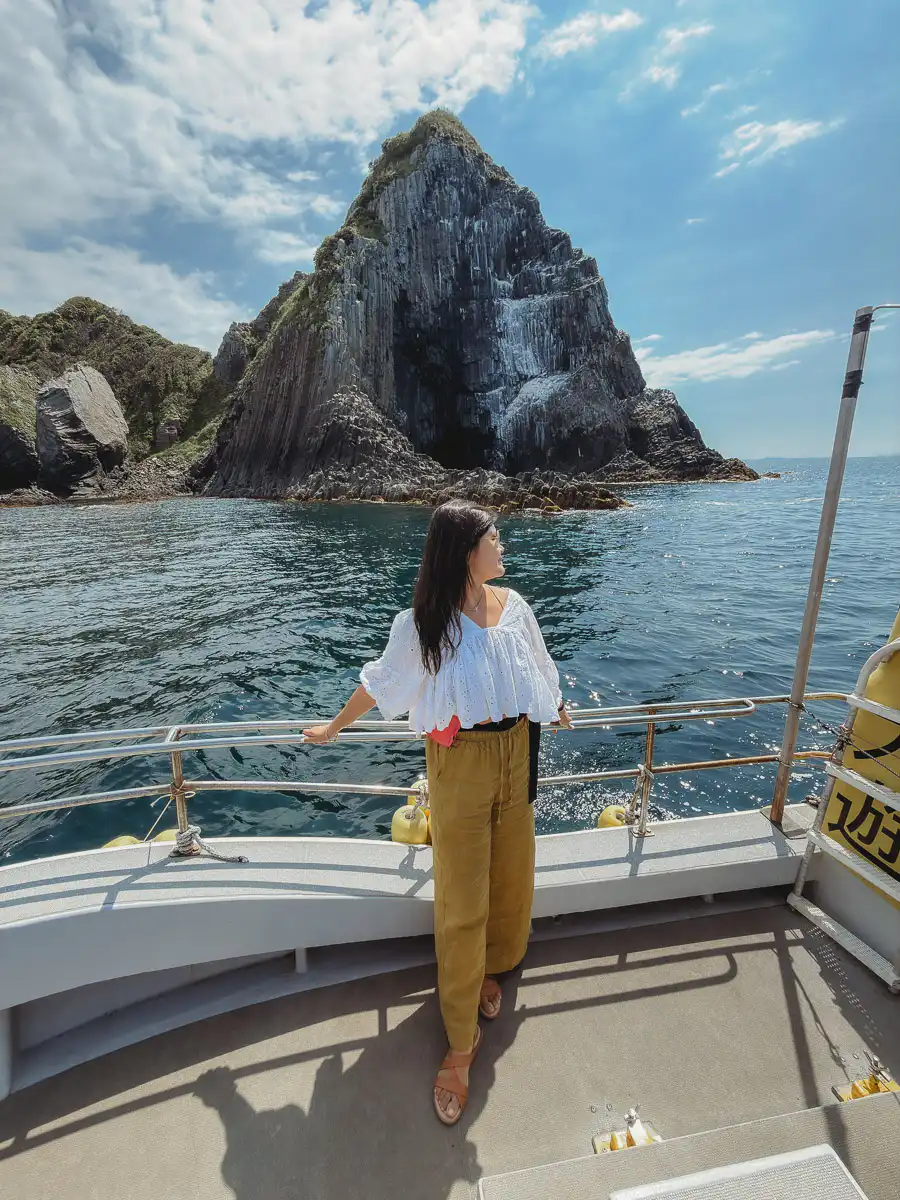
- Duration: You can easily spend a good 3-4 hours
- Cost: Free for Sakurai Futamigaura’s couple stone, ¥1200 for the scenic cruise ride at Keya no Ohto
- Parking: Free parking here for the couple stone, Free parking here for the scenic cruise
Stop 2: Best Things to do in Arita (2 nights)
➡ Explore Pottery Street
Take your time exploring each unique shop and browsing for Japanese ceramics. If you have time, you can even do a hands-on ceramic workshop where you can make your own cup or plate.
➡ Visit Tozan Shrine
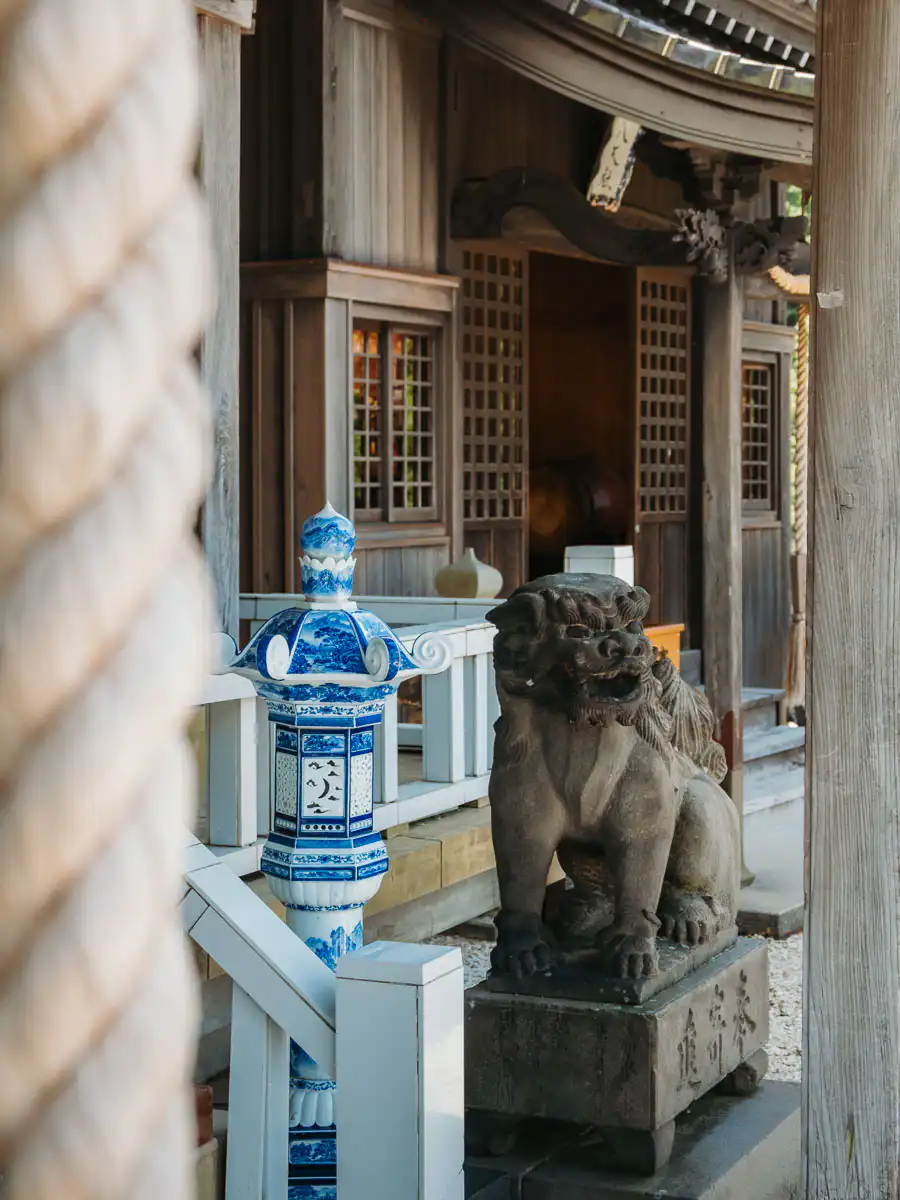
This was one of the most unique shrines we have seen in Japan. Much of the gates and temple structures are crafted from Arita porcelain, featuring the town’s famous blue-and-white ceramic designs. Since most shrines in Japan are known for their wooden architecture and bright red torii gates, Tozan Shrine felt completely different and perfectly reflected Arita’s long history as Japan’s porcelain capital.
➡ Day trip to Yutoku Inari Shrine and barbecue oysters
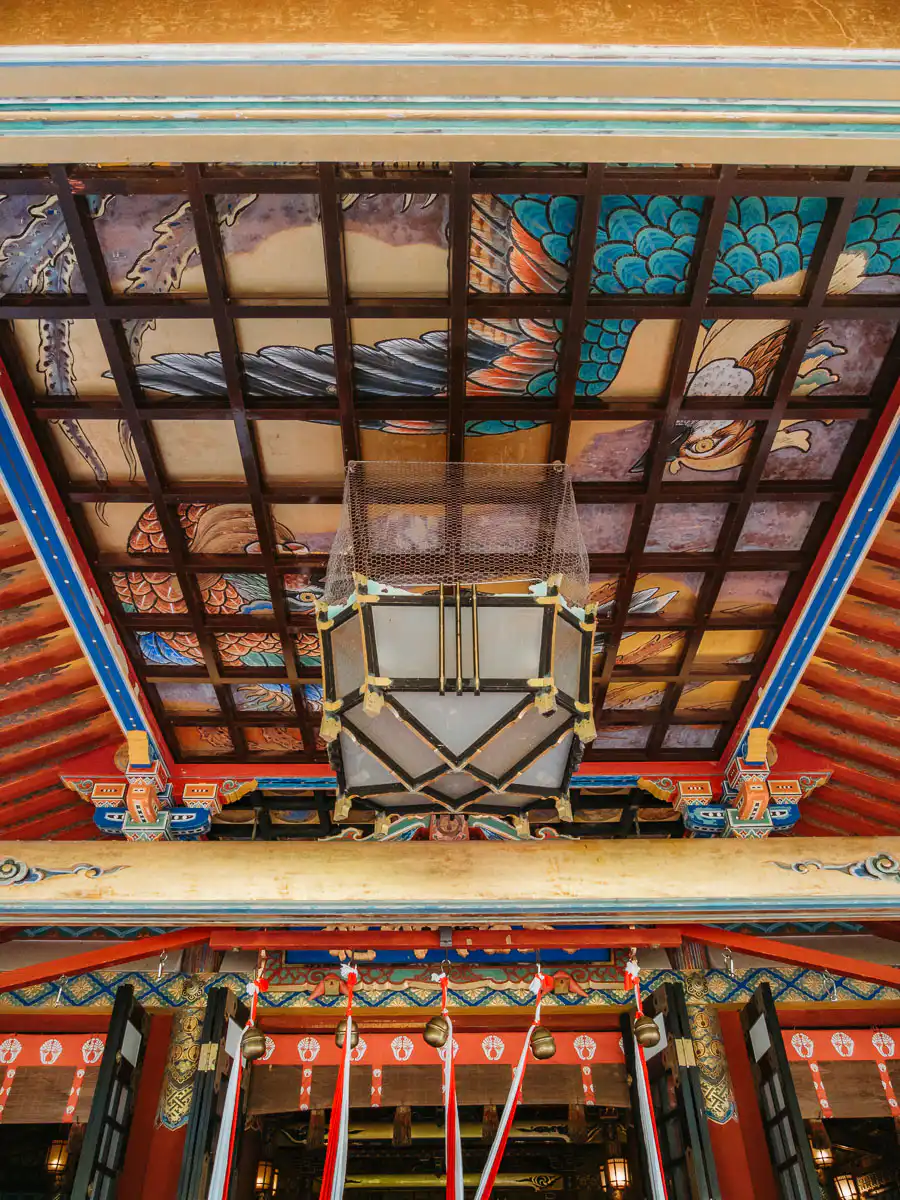
We visited Yutoku Inari Shrine as a day trip from Arita, and it ended up being one of our favourite stops in the area.
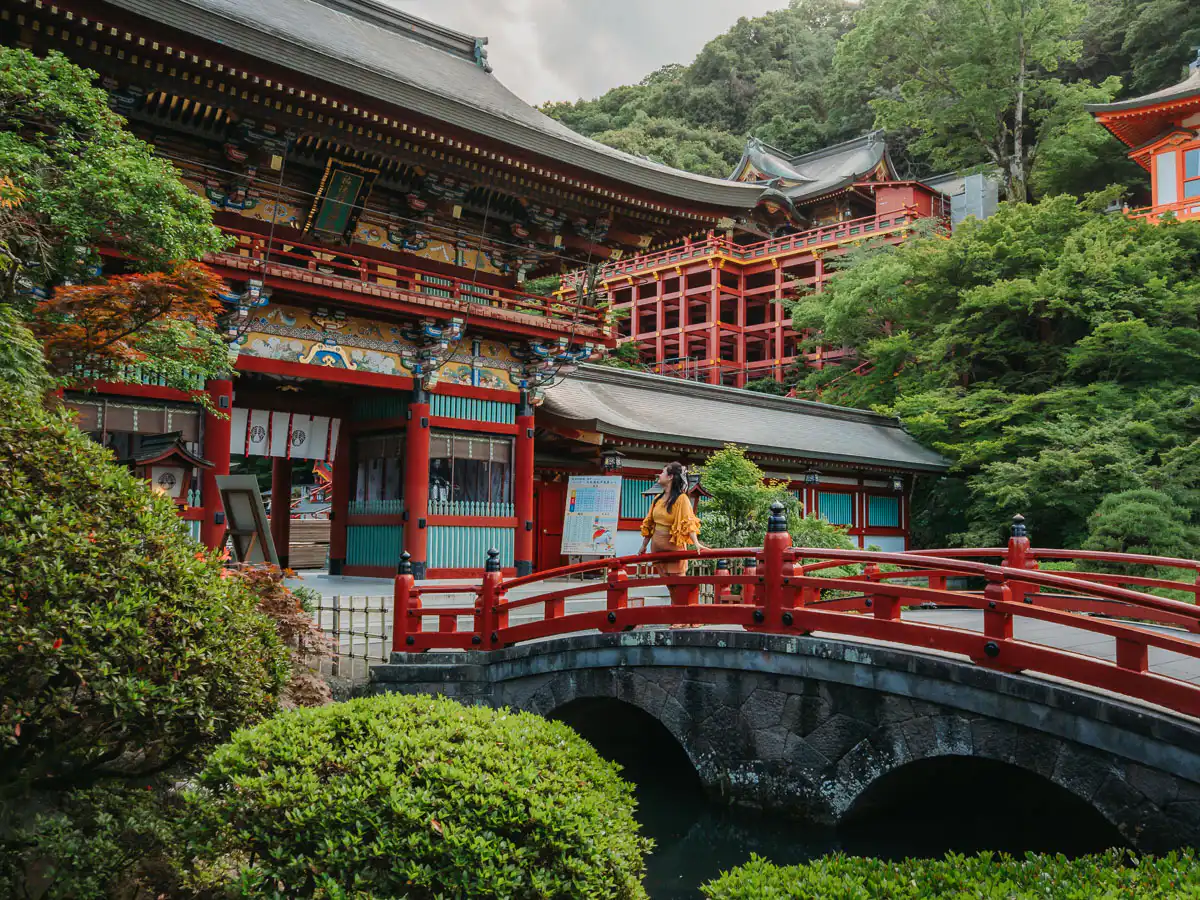
It is one of Japan’s most famous Inari shrines, alongside the well-known Fushimi Inari Shrine near Kyoto. Here, you can wander through rows of vibrant red torii gates, explore the beautiful shrine grounds built into the mountainside, and enjoy the experience without the overwhelming crowds you’ll often find at Fushimi Inari.
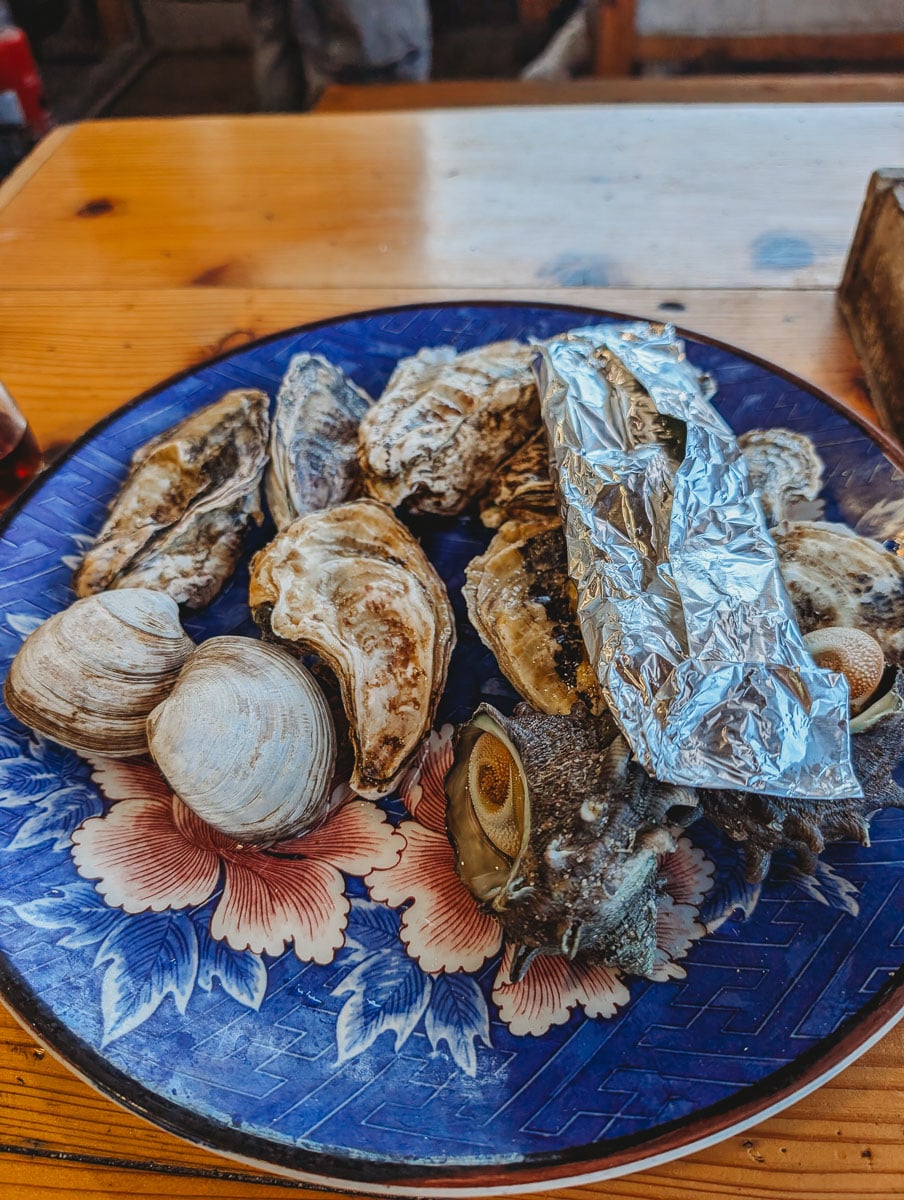
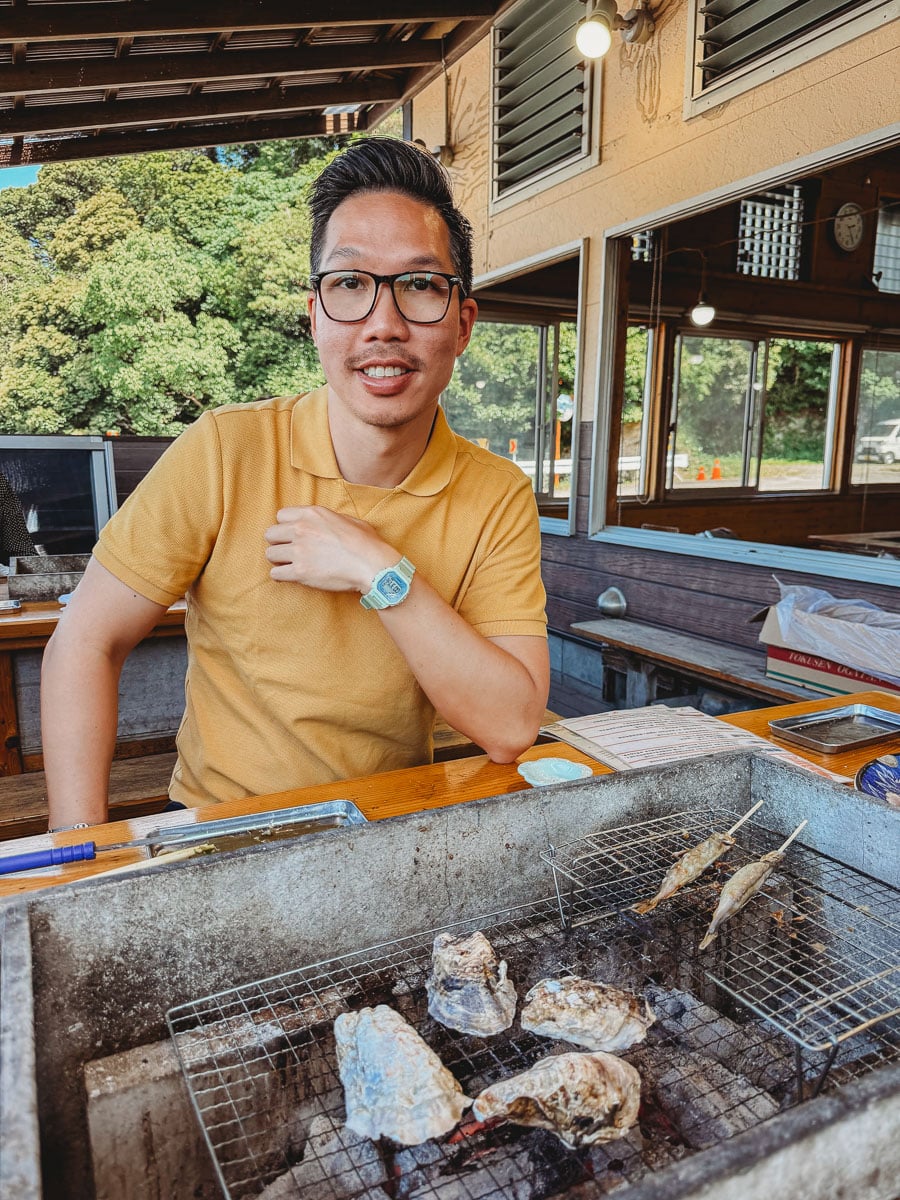
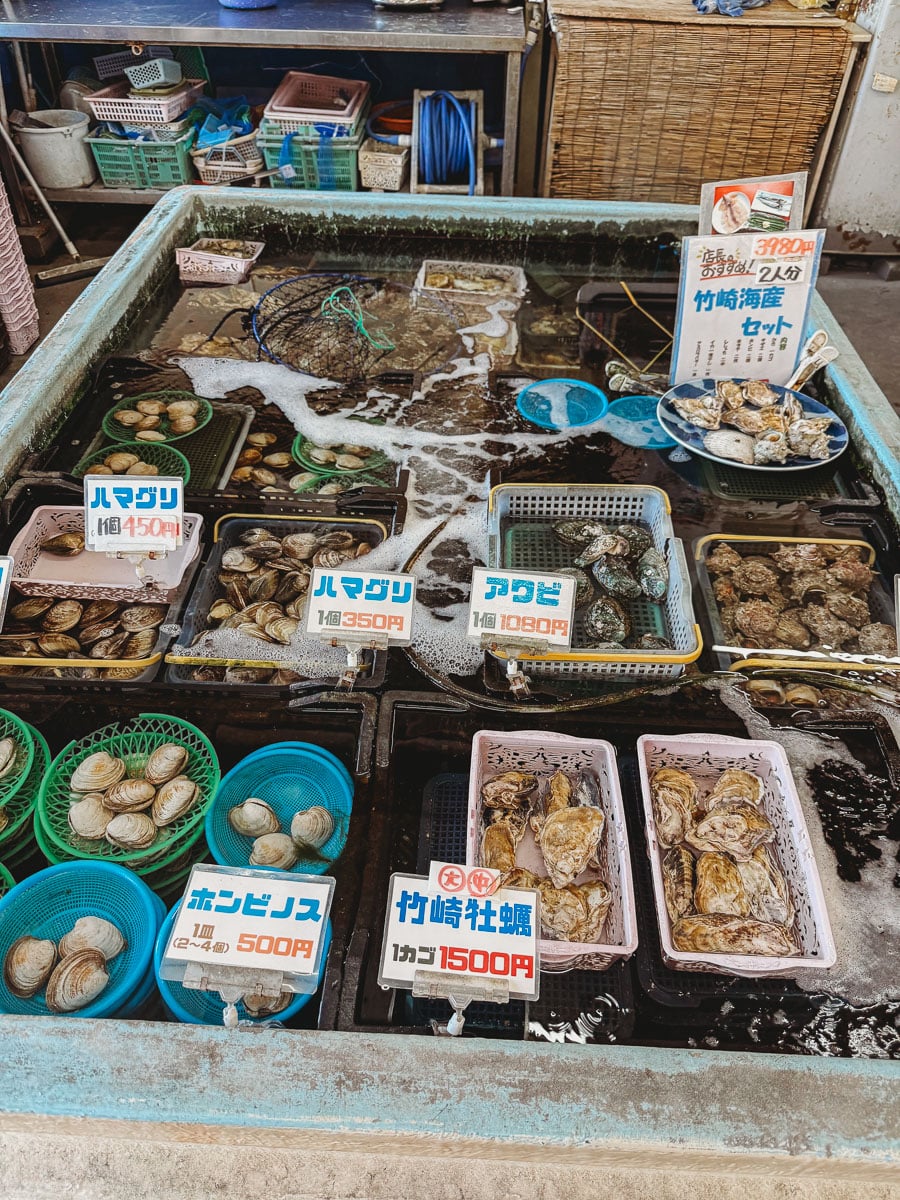
Since you’ll be right along the coast, make sure to add a seafood stop to your day as well. The area is famous for fresh oysters, and at 大福丸 箱崎店, you can grill them yourself over charcoal. The seafood was fresh, affordable, and it all made for a very fun experience!
➡ Pottery Workshop
If you are interested, you can join a 2-3 hour pottery workshop where you make your own ceramic. We even met someone at our hotel who was in Arita for a pottery apprenticeship, spending an entire week learning pottery!
➡ Visit Okawachima Village
Known as the “Village of Secret Kilns,” this beautiful mountain village was once where the Nabeshima clan produced their finest porcelain. Not only can you wander through its charming streets and visit traditional pottery workshops, but the village itself is incredibly picturesque, with its white porcelain-lined streets set against a beautiful mountain backdrop.
➡ Huis Ten Bosch
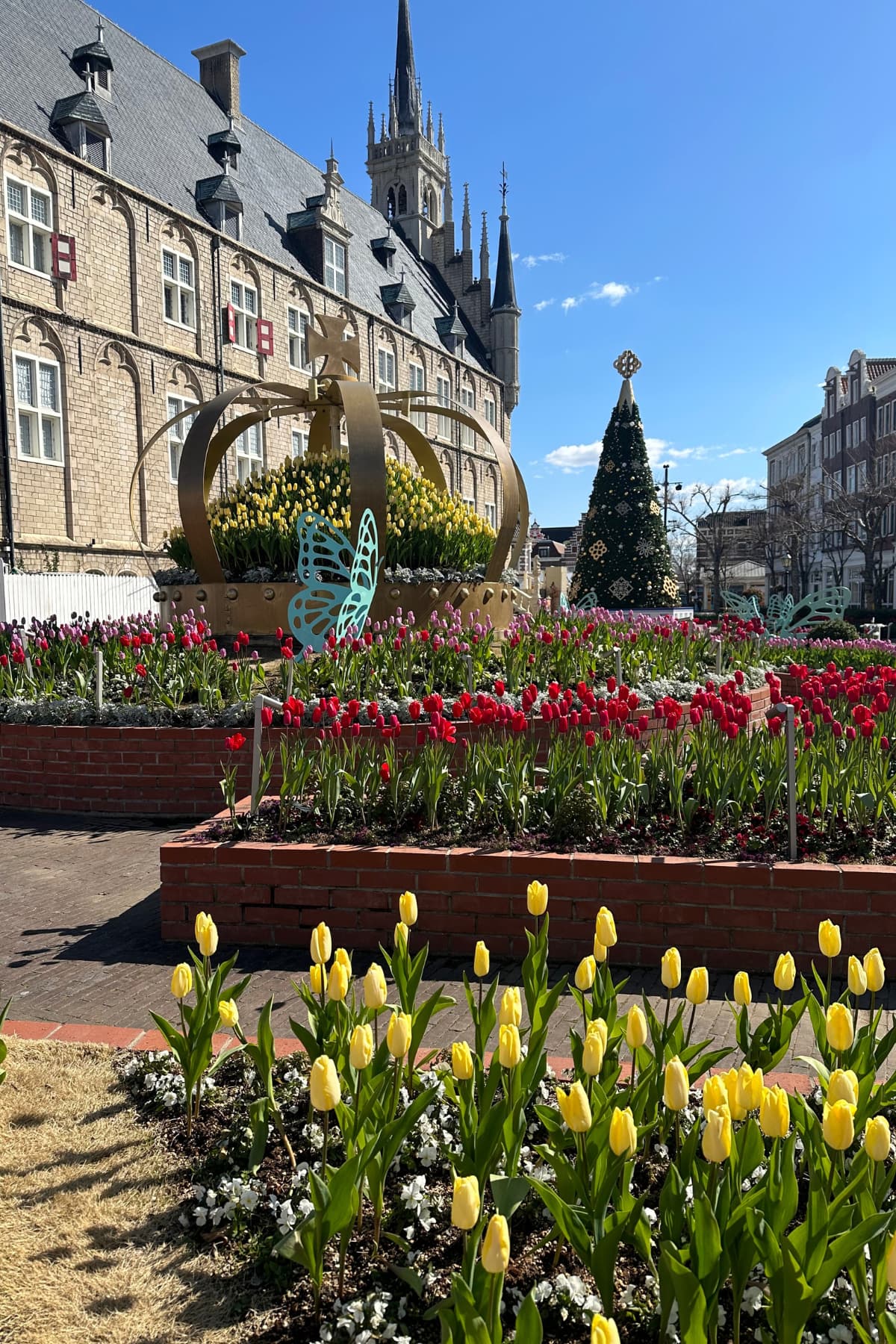
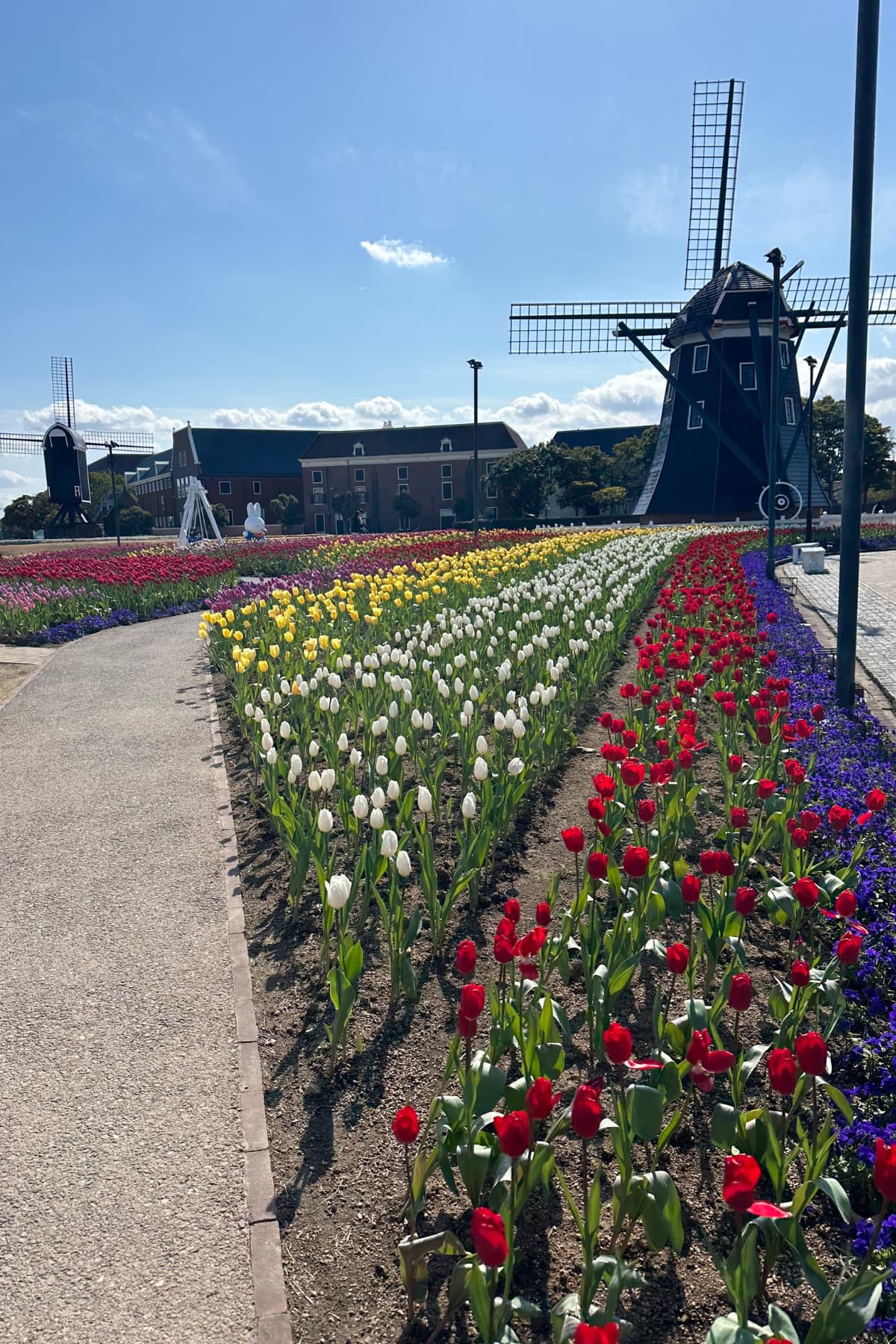
Located just 20 minutes from Arita is the famous Dutch-themed amusement park of Huis Ten Bosch! It’s like walking through an “Amsterdam” Disneyland filled with attractions like Evangelion: the Ride in 8K, Miffy Adventures, a Deep Sea 4D Rescue ride, and more!
➡ Takeo Onsen
Takeo Onsen is one of Japan’s oldest hot spring towns with over 1,300 years of history. You can visit this onsen as a day visitor and it costs only ¥500. We ultimately decided to skip it since we were heading to Beppu later in the road trip.
Where to Stay in Arita
Arita is a small town, so accommodation options are a bit more limited compared to larger cities in Japan. We stayed at Keramiek Guesthouse and really enjoyed our experience.
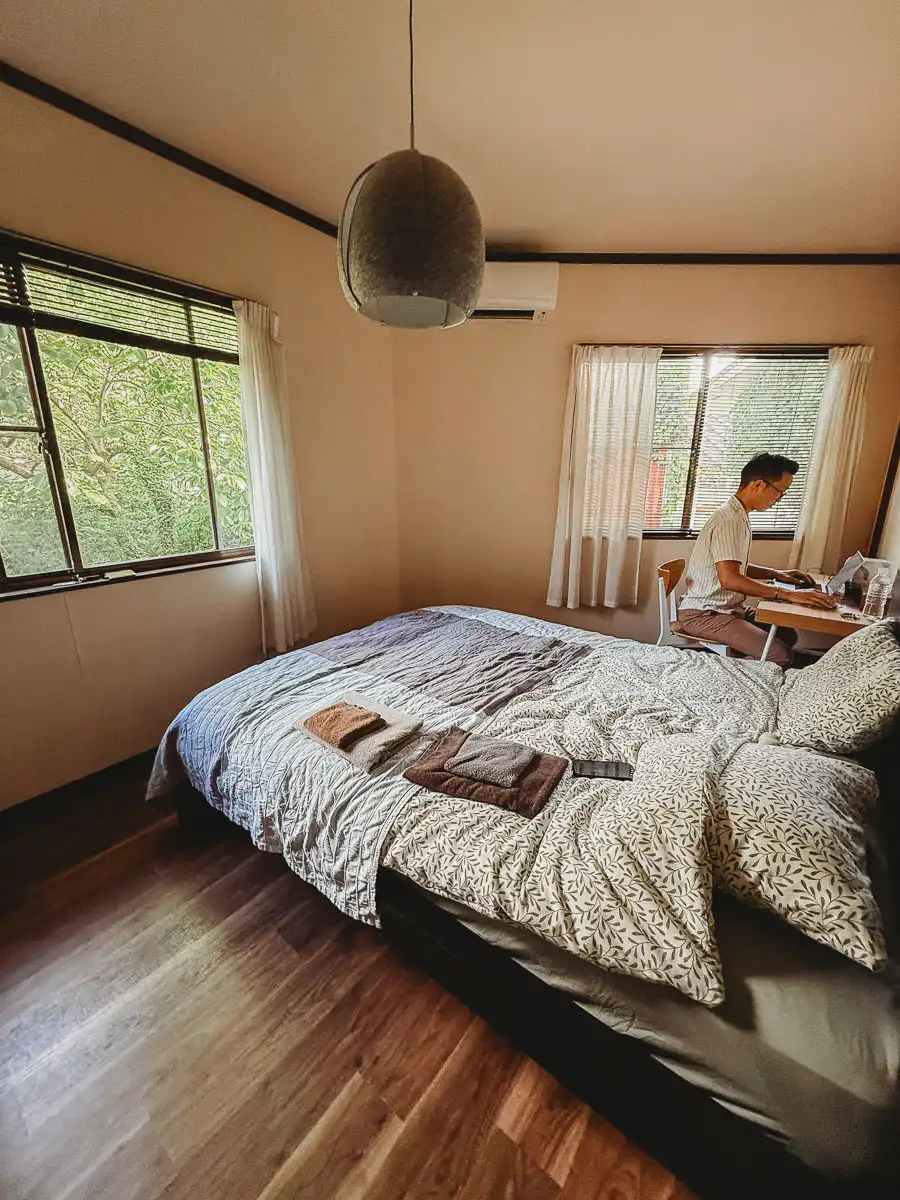
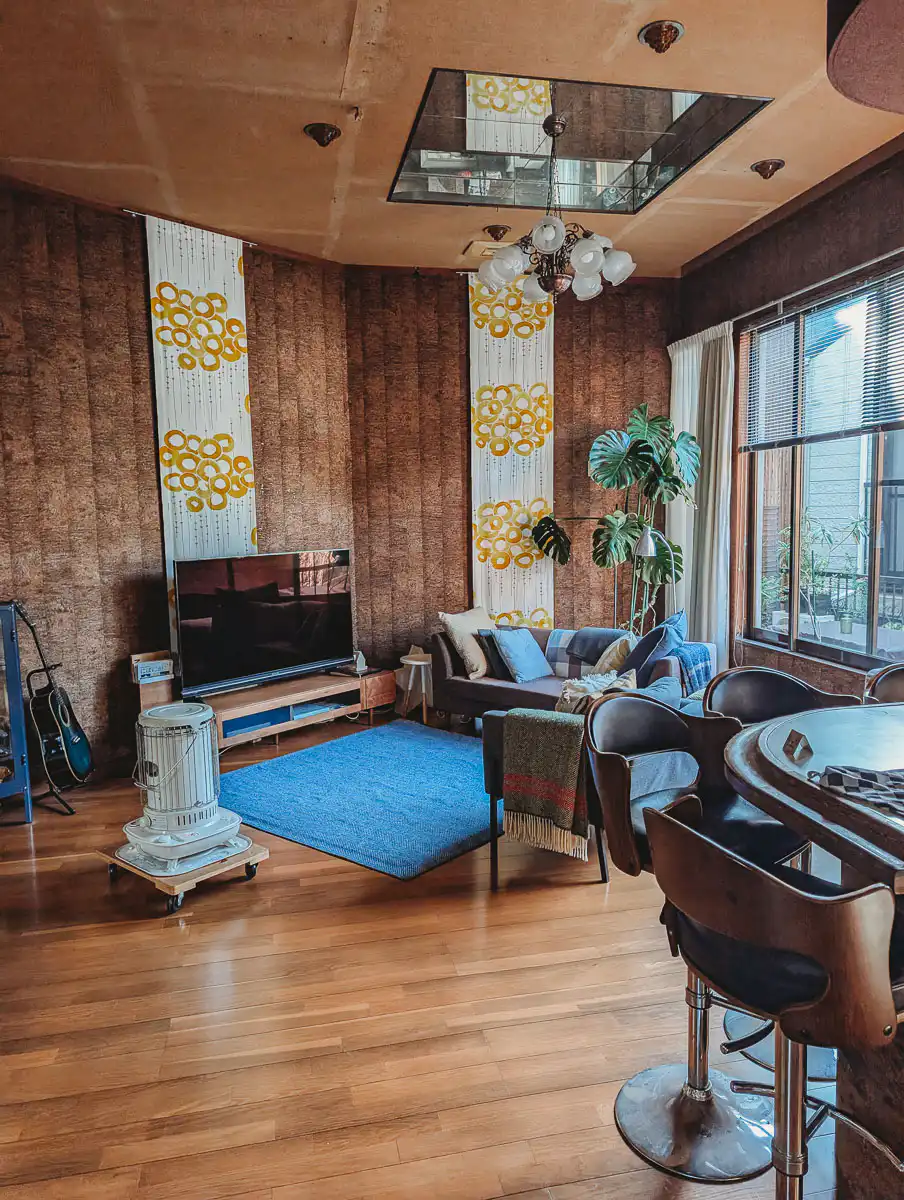
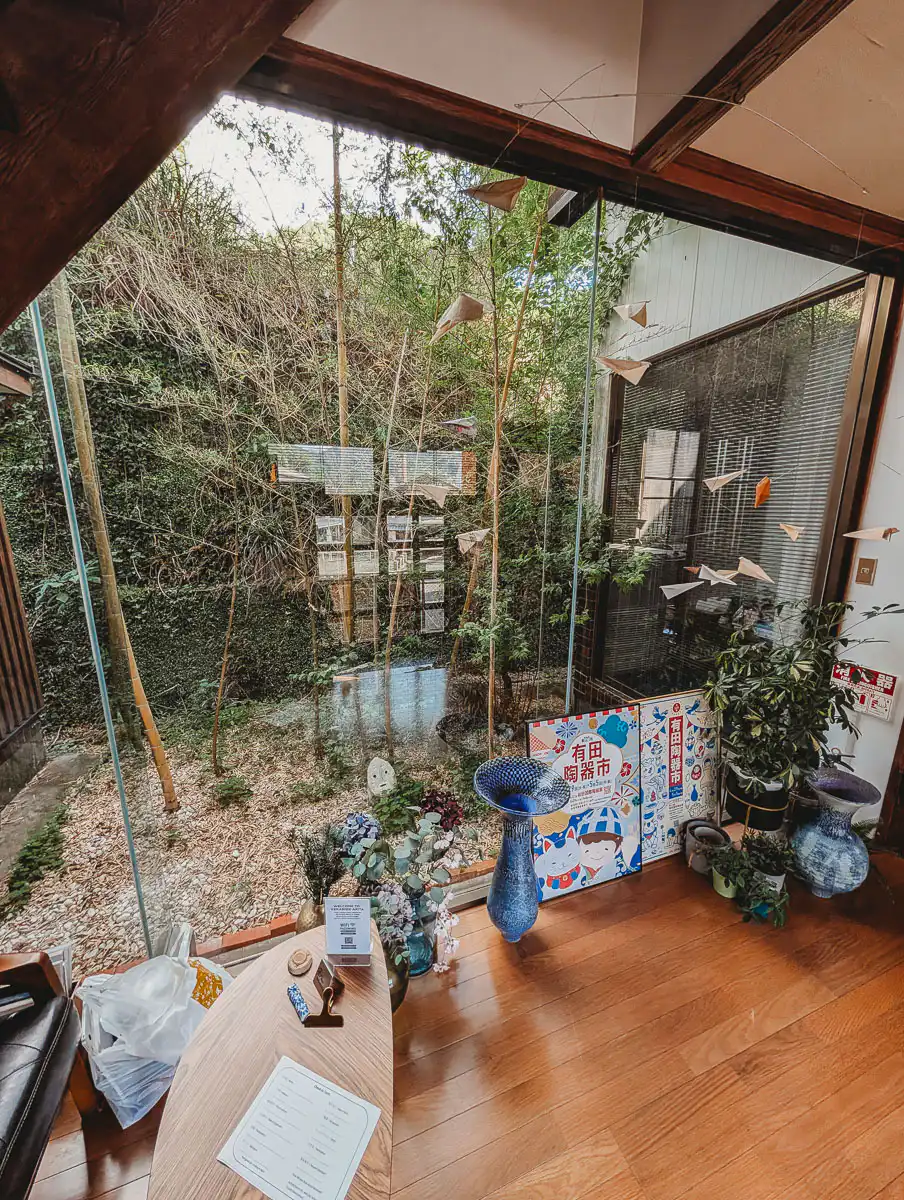
The guesthouse is beautifully decorated, has a peaceful garden view, and best of all, offers its own parking lot, which is a huge bonus since many accommodations in the area don’t have dedicated parking. It is a shared accommodation though meaning you’ll need to share the common space and bathrooms.
Another good option is Hotel Bliss Villa Hasami. Located about a 15-minute drive from Arita, this modern hotel offers larger rooms and more of a traditional hotel experience, making it a great alternative if you prefer something more spacious and comfortable.
🚨 Don’t Miss this Japan Pass: Kyushu Rail Pass
🚆 If you won’t be renting a car, the JR Kyushu Rail Pass is one of the easiest and most cost effective ways to explore the region. The North Kyushu Pass gives you unlimited rides on JR trains, including many shinkansen and local train routes, and will cover you for visiting destinations like Fukuoka, Nagasaki, Kumamoto, Mount Aso, and Beppu without the hassle of booking individual tickets.
Day 4-9: Mount Aso Region (5 nights)
Today’s Drive: Arita to Tao Taiko Show 2h40, Tao to Aso 30 minutes
Why Stay in Aso
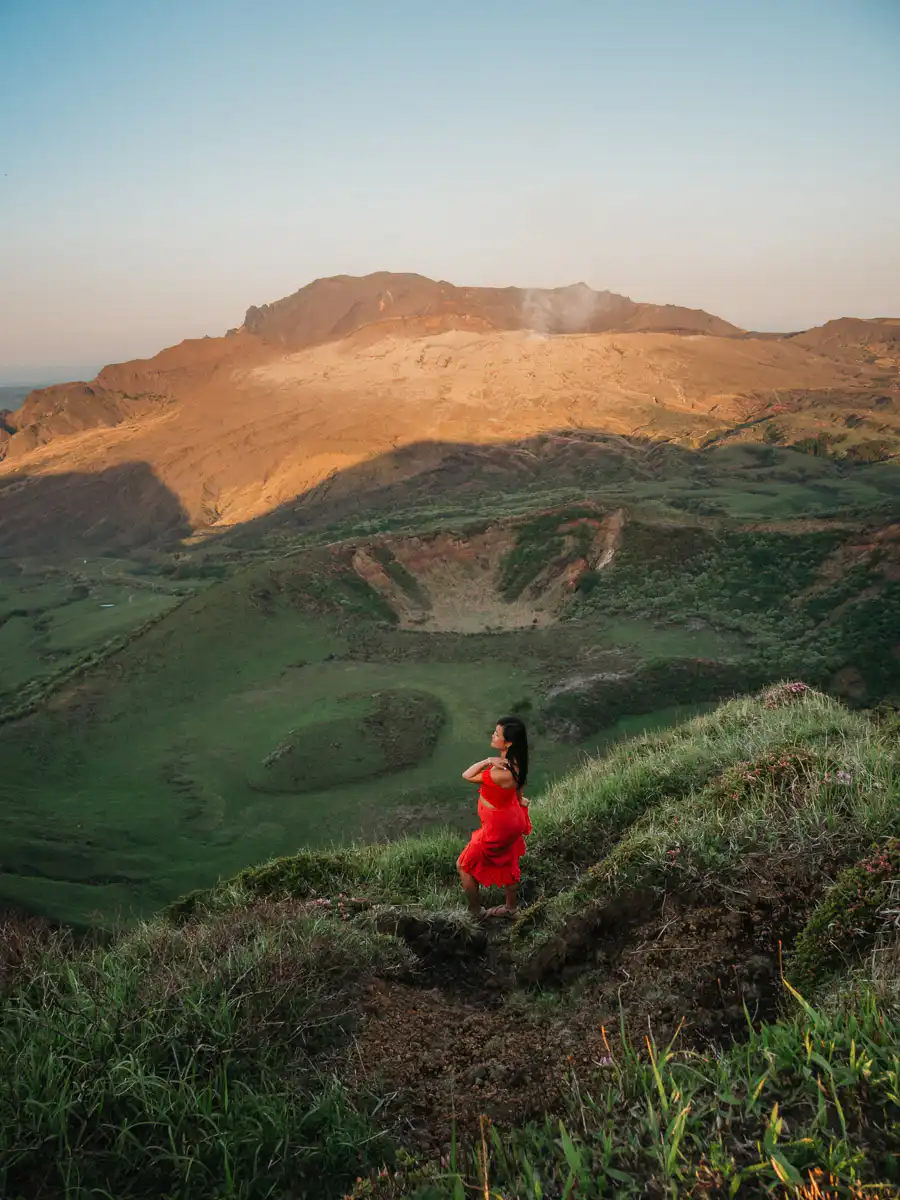
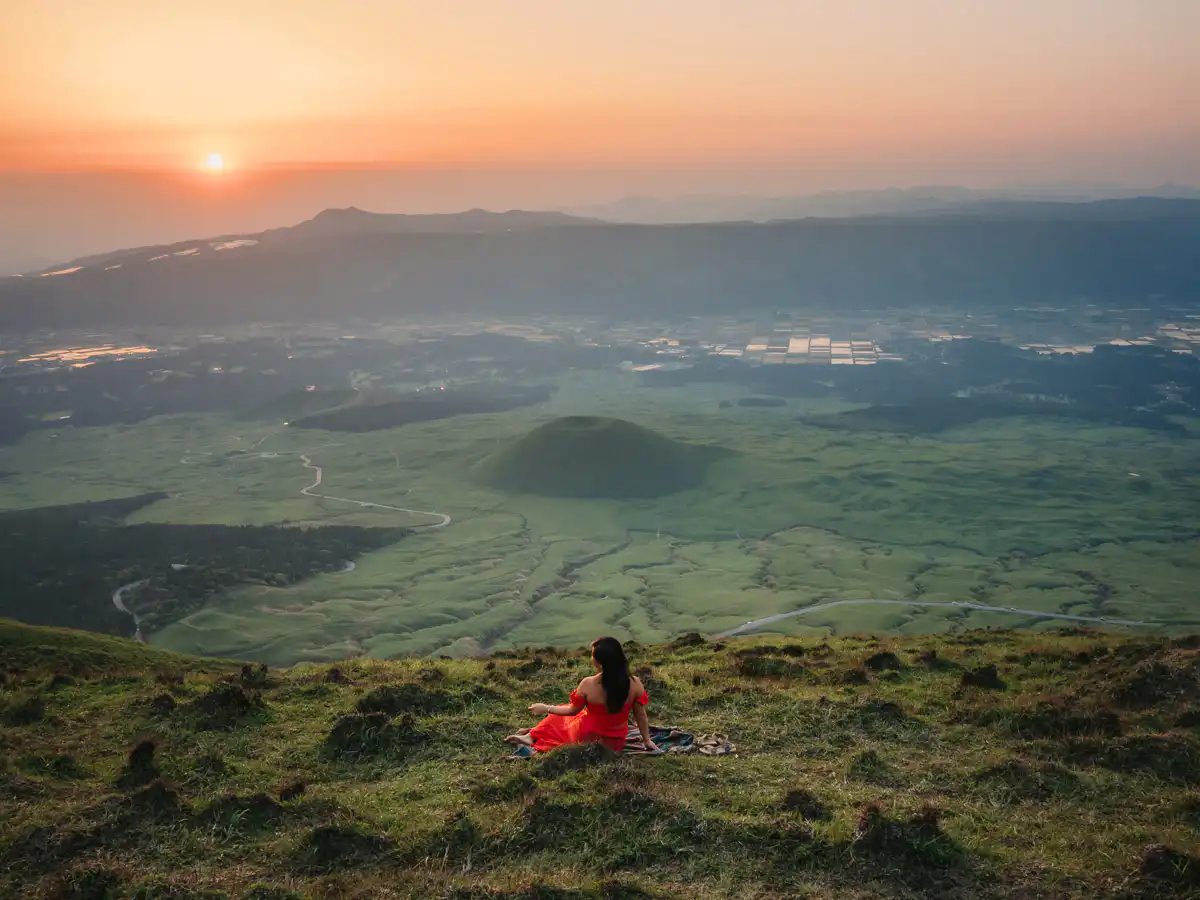
Without a doubt, Aso was our favourite region of this entire Kyushu road trip.
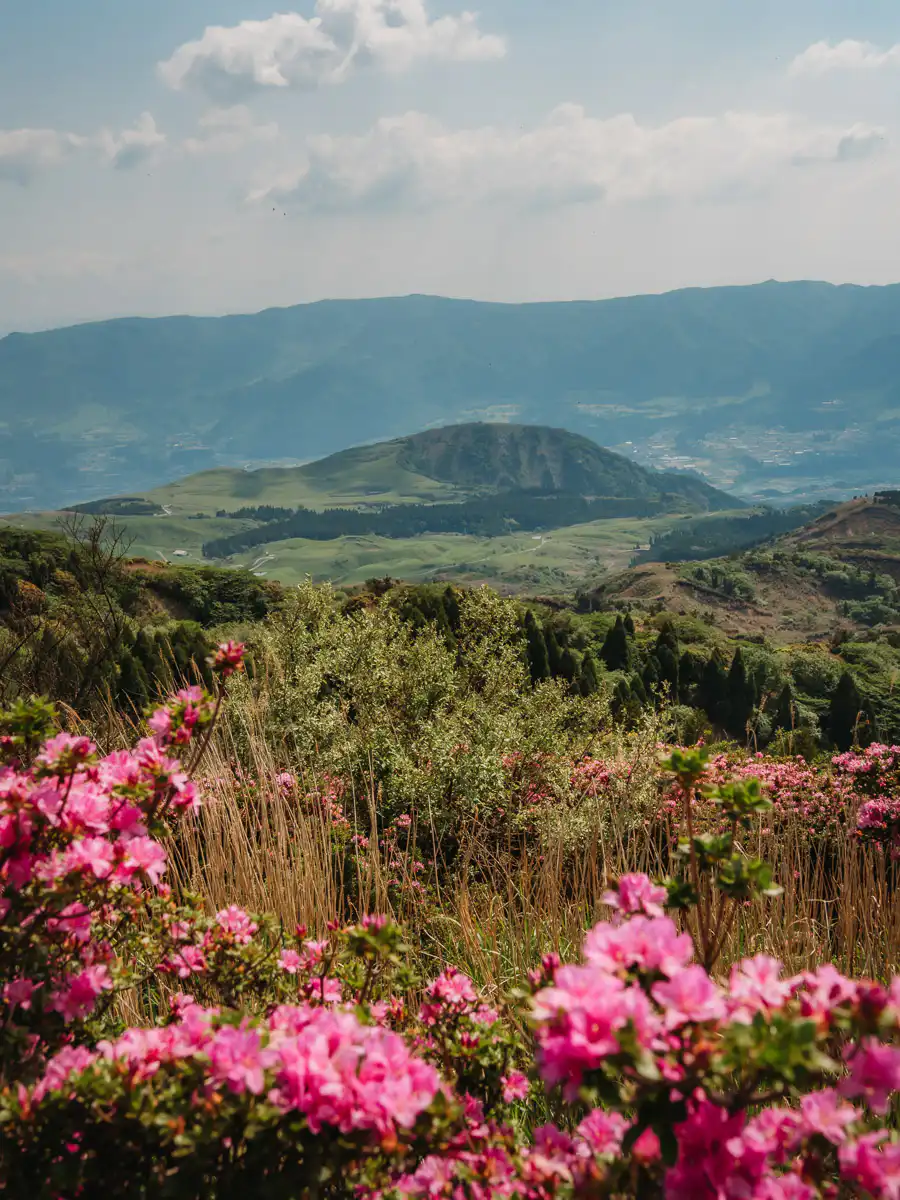
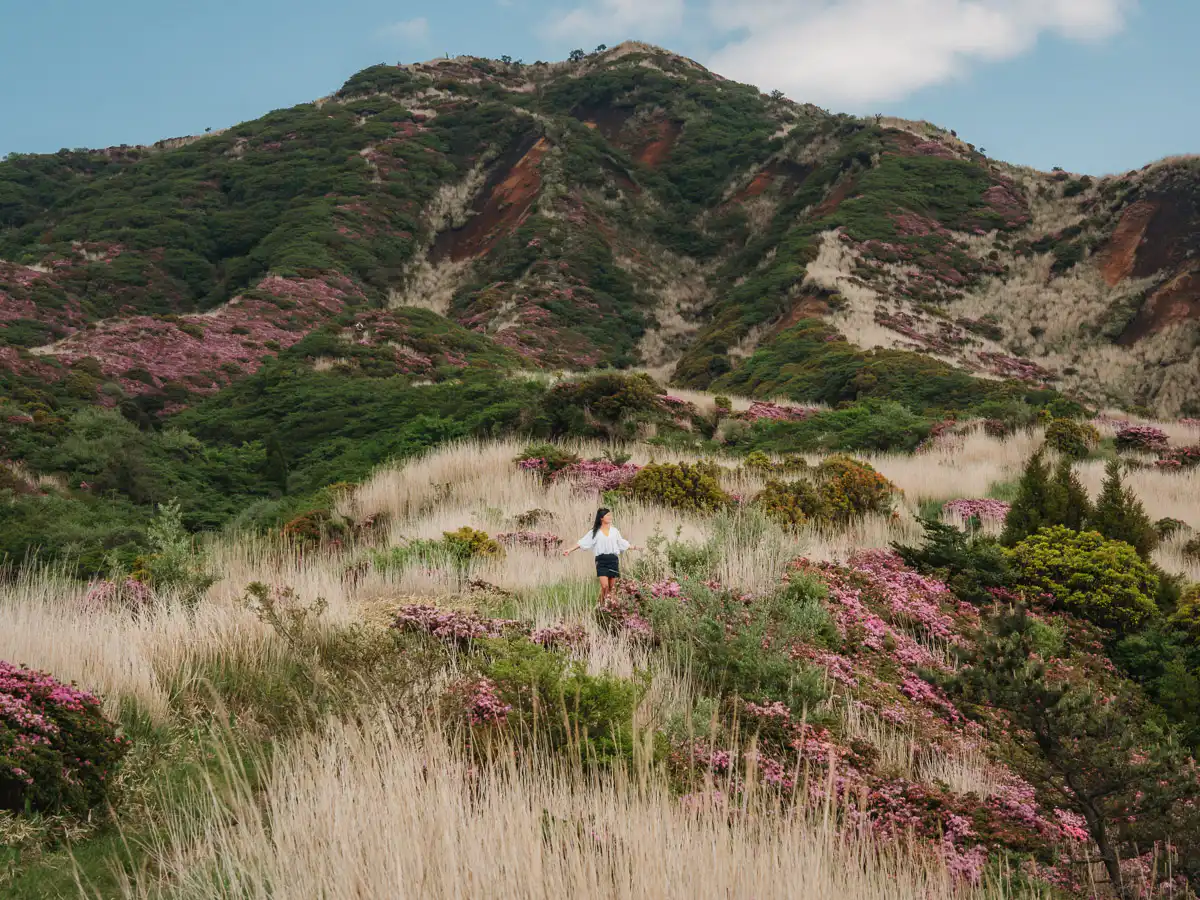
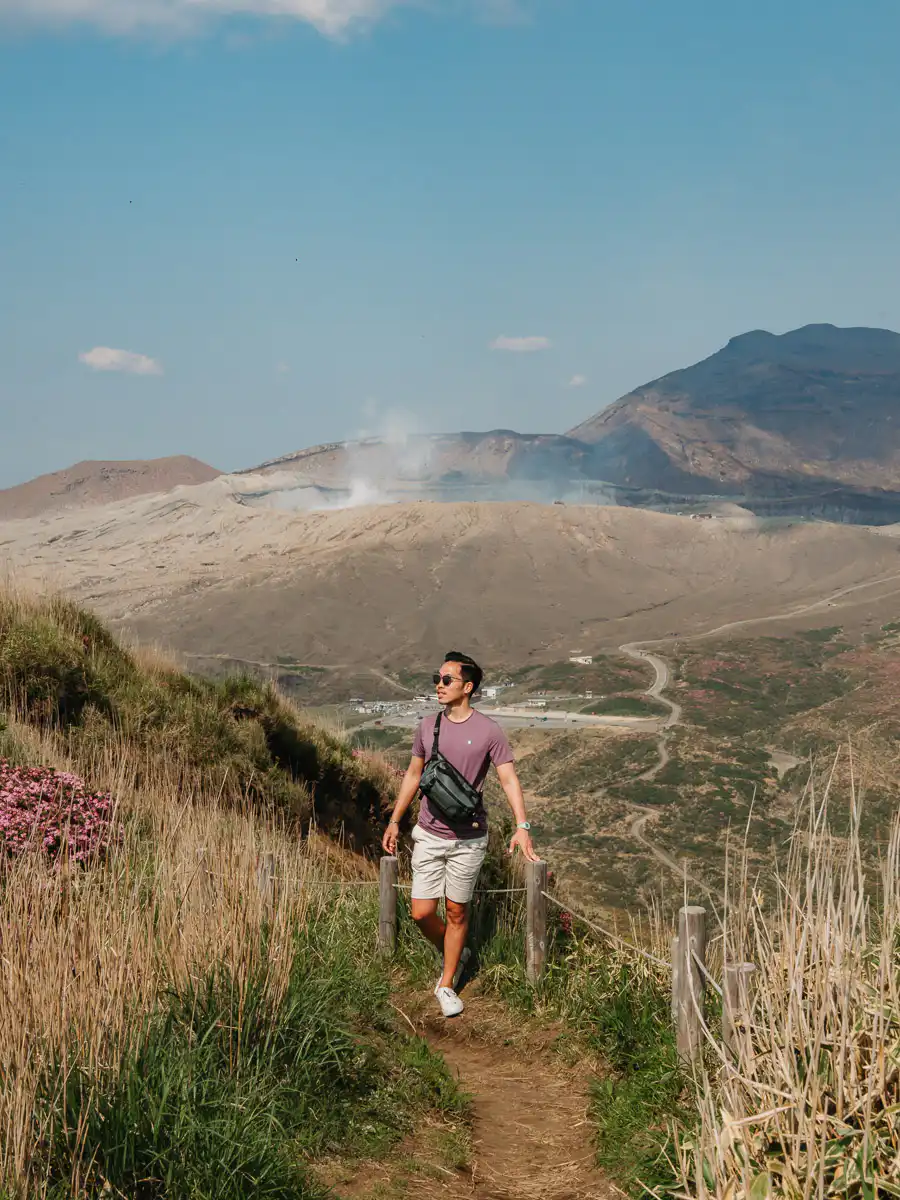
We expected incredible volcanic scenery, but what surprised us most was just how much there was to do. One day you’re hiking through a volcanic valley blanketed in pink azaleas, the next you’re standing at the edge of a steaming volcanic crater.
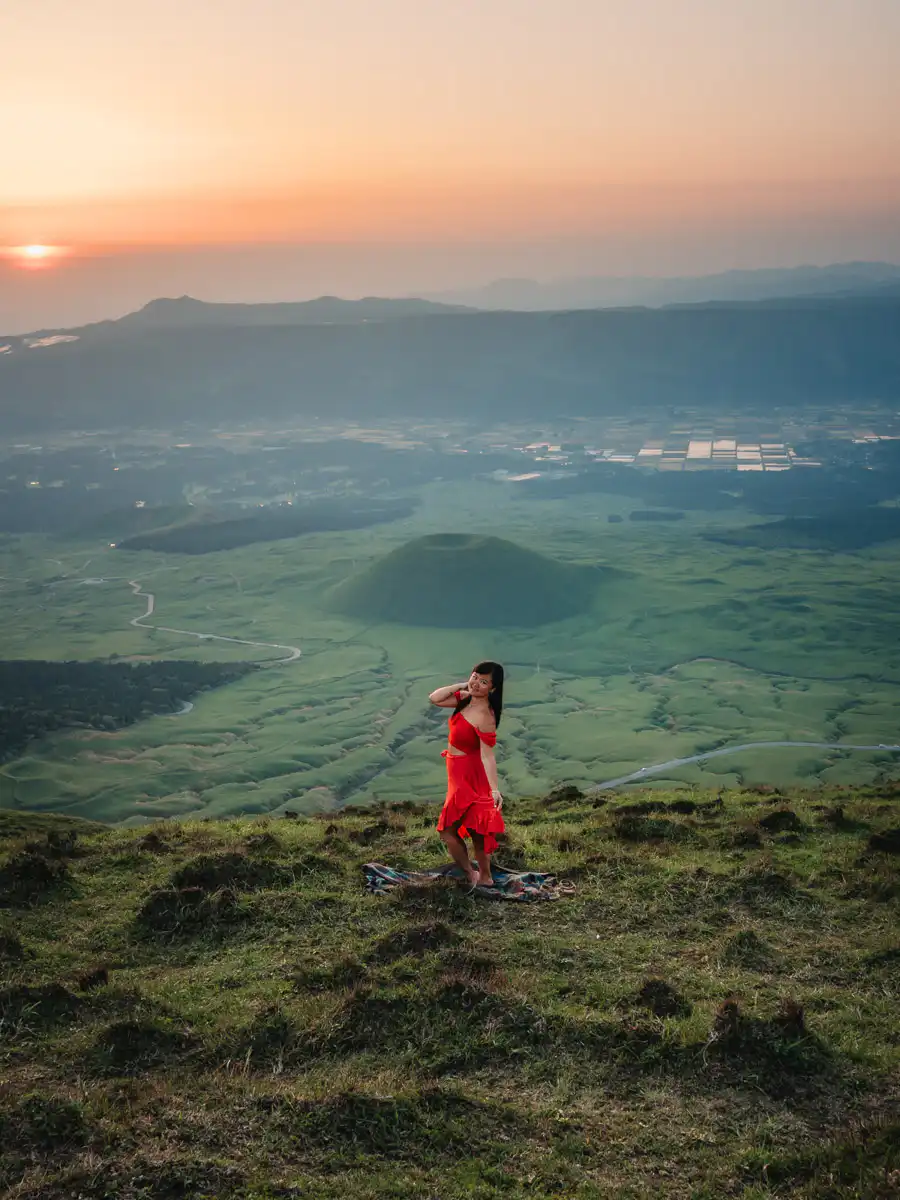
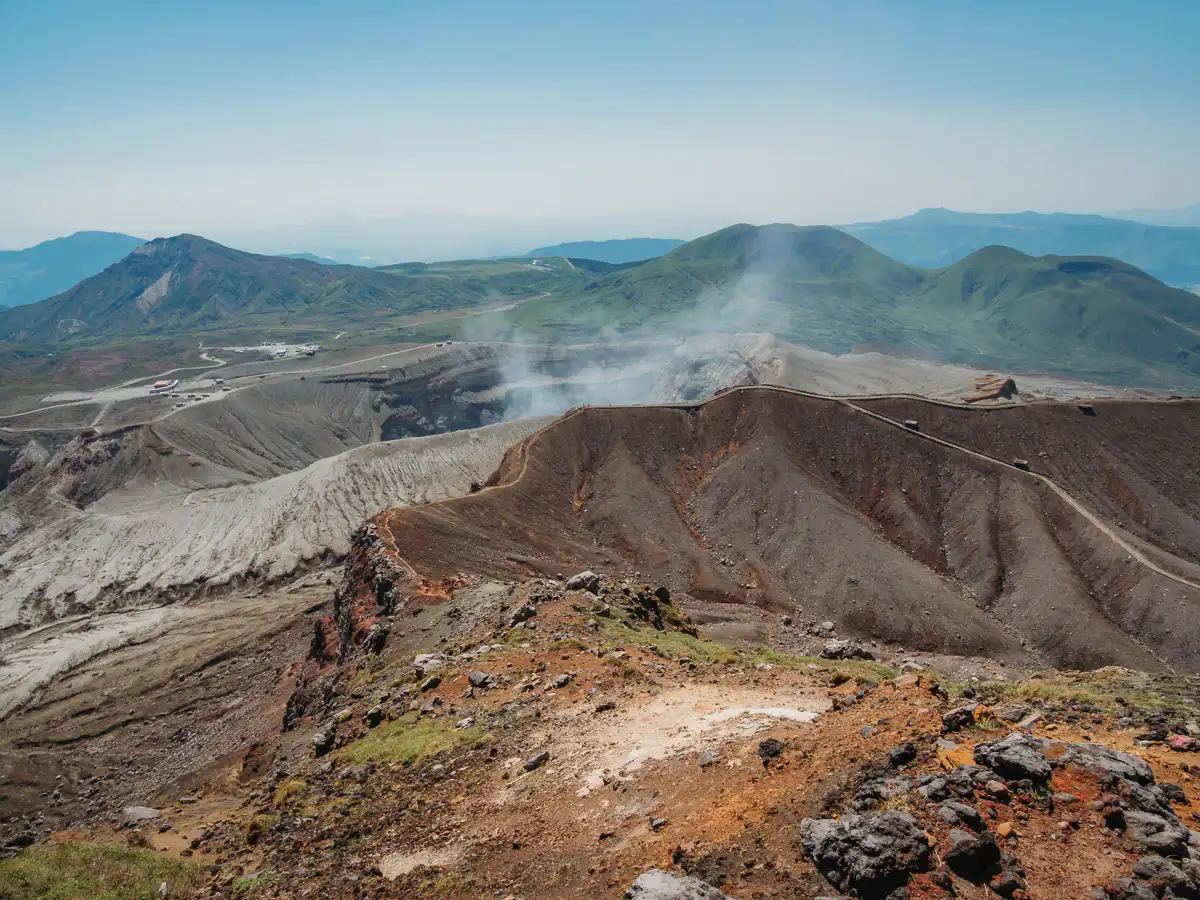
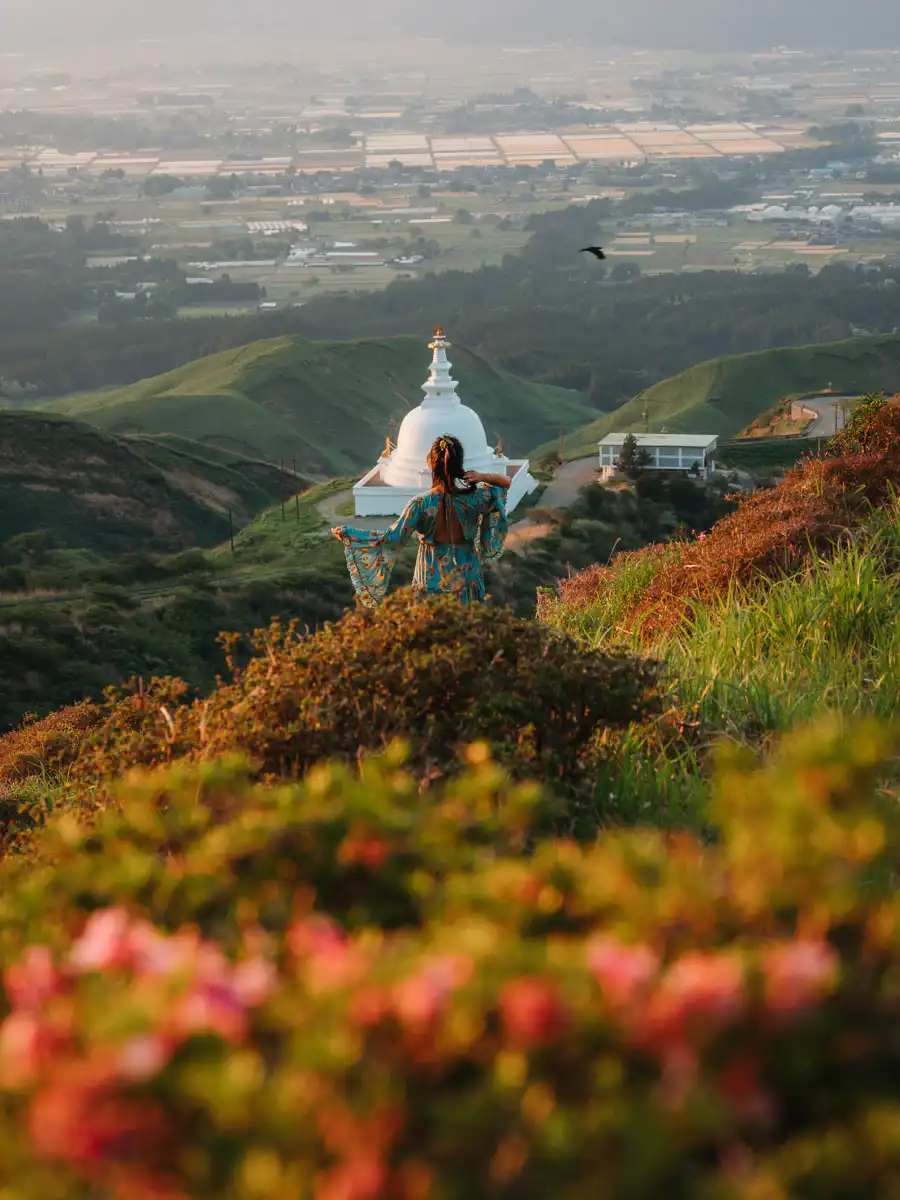
In between, you can unwind at a traditional ryokan and feast on some of the best wagyu beef we’ve had anywhere in Japan. There are very few places we’ve visited that offer this much variety in such a small area. There are hikes, hidden forest shrines, the Taiko show, Takachiho Gorge and so much more! It’s for this reason that we recommend dedicating at least 3 days, and ideally 5 days here.
✅ You may be Interested in Reading – Some other incredible volcanic destinations we’ve visited include Antigua in Guatemala, Taormina in Sicily, Iceland, Atacama Desert in Chile, Rinjani in Indonesia, and more!
What to do in Aso
Stop 1: Tao Open Air Taiko Show
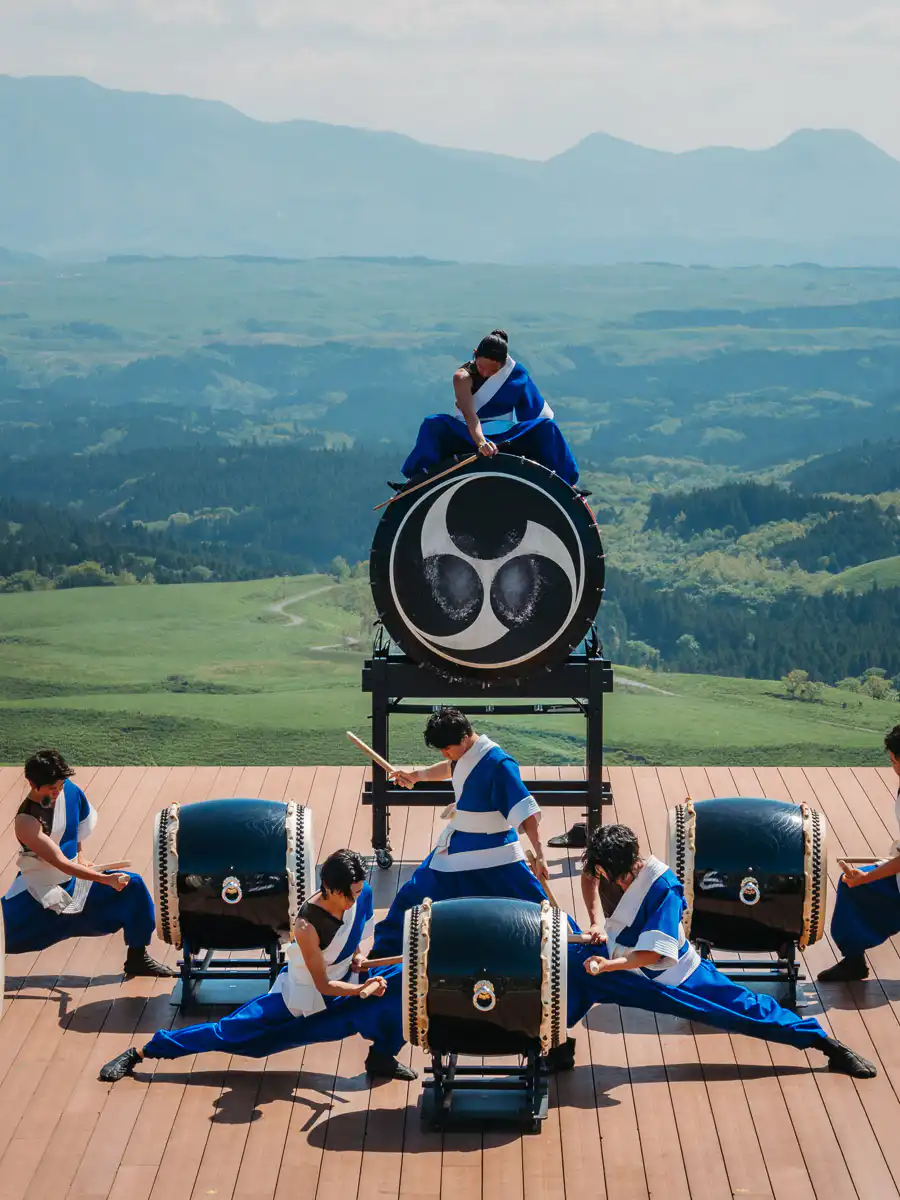
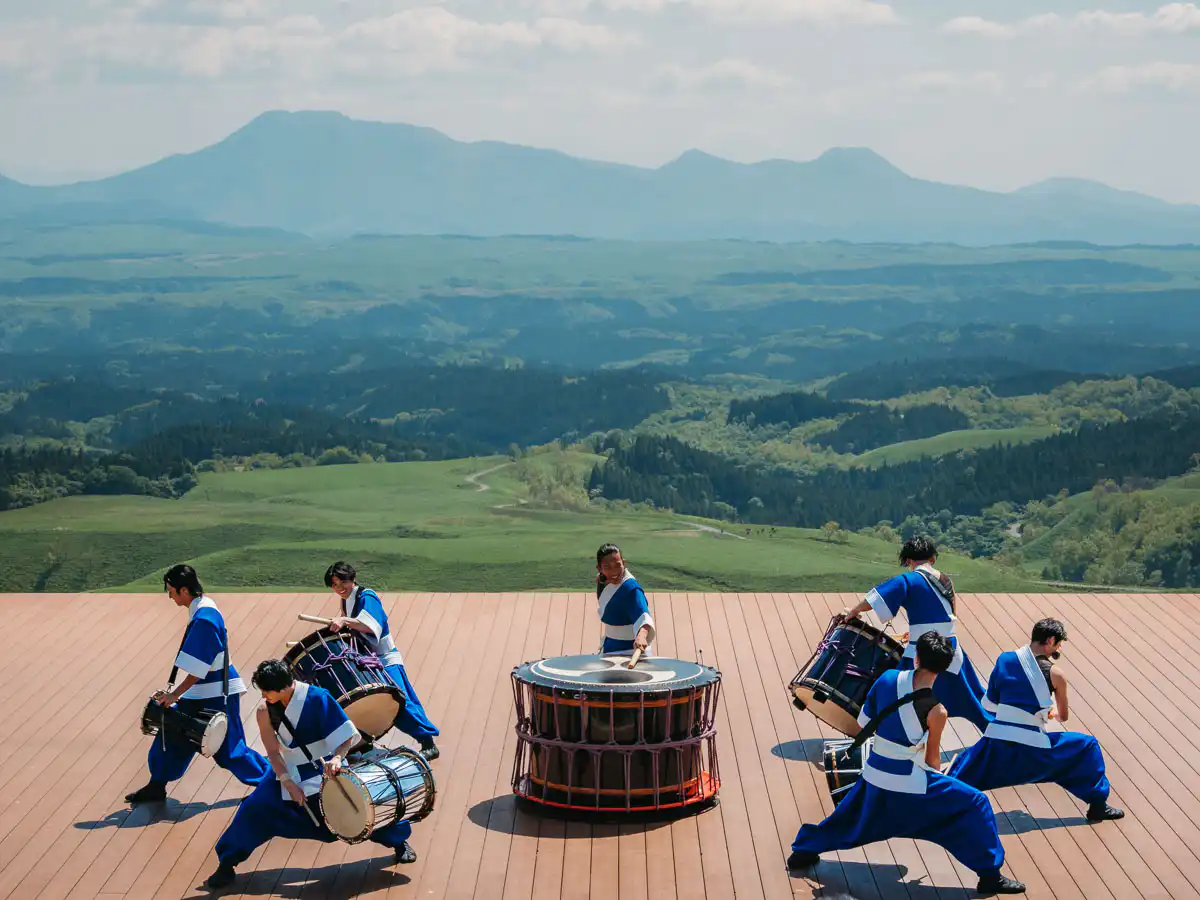
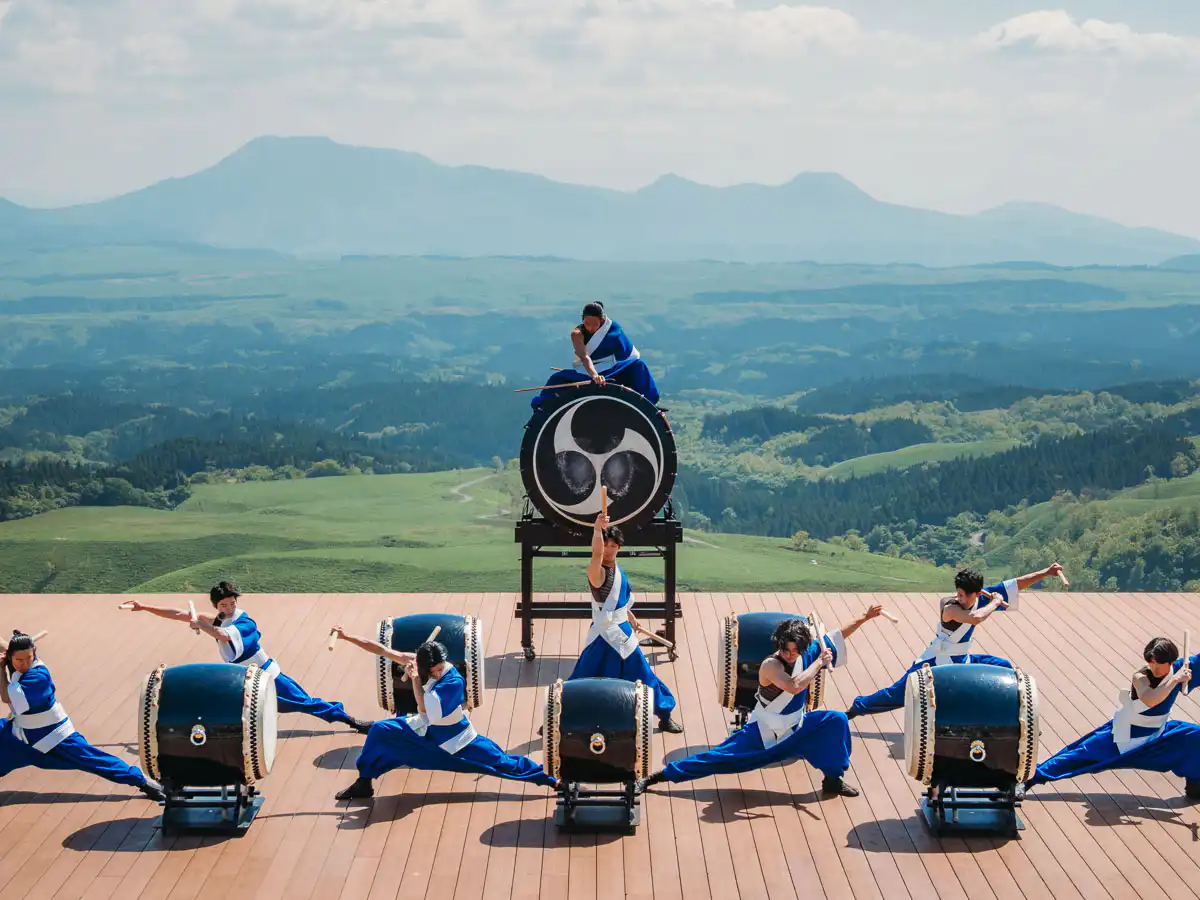
On your drive from Arita to Aso, make time for one of the most unique experiences in all of Kyushu: the Tao Open Air Taiko Show.
Located about 30 minutes north of Aso, this isn’t your typical theatre performance. Taiko combines powerful drumming, synchronized choreography, and incredible athleticism, performed by a troupe of more than 10 performers. And this all comes together on an open-air stage perched high overlooking Aso’s volcanic valley. This is an experience you won’t soon forget, and one you can experience almost nowhere else in the world!
- Duration: The show lasts 45 minutes
- Time: The shows tend to be at around 2:00pm, which leaves you enough time to drive over from Arita.
- Cost: ¥4,500
- Tickets: You can purchase the tickets here. Make sure to buy them well in advance to guarantee your seats!
Stop 2: Best Things to do in Aso (5 nights)
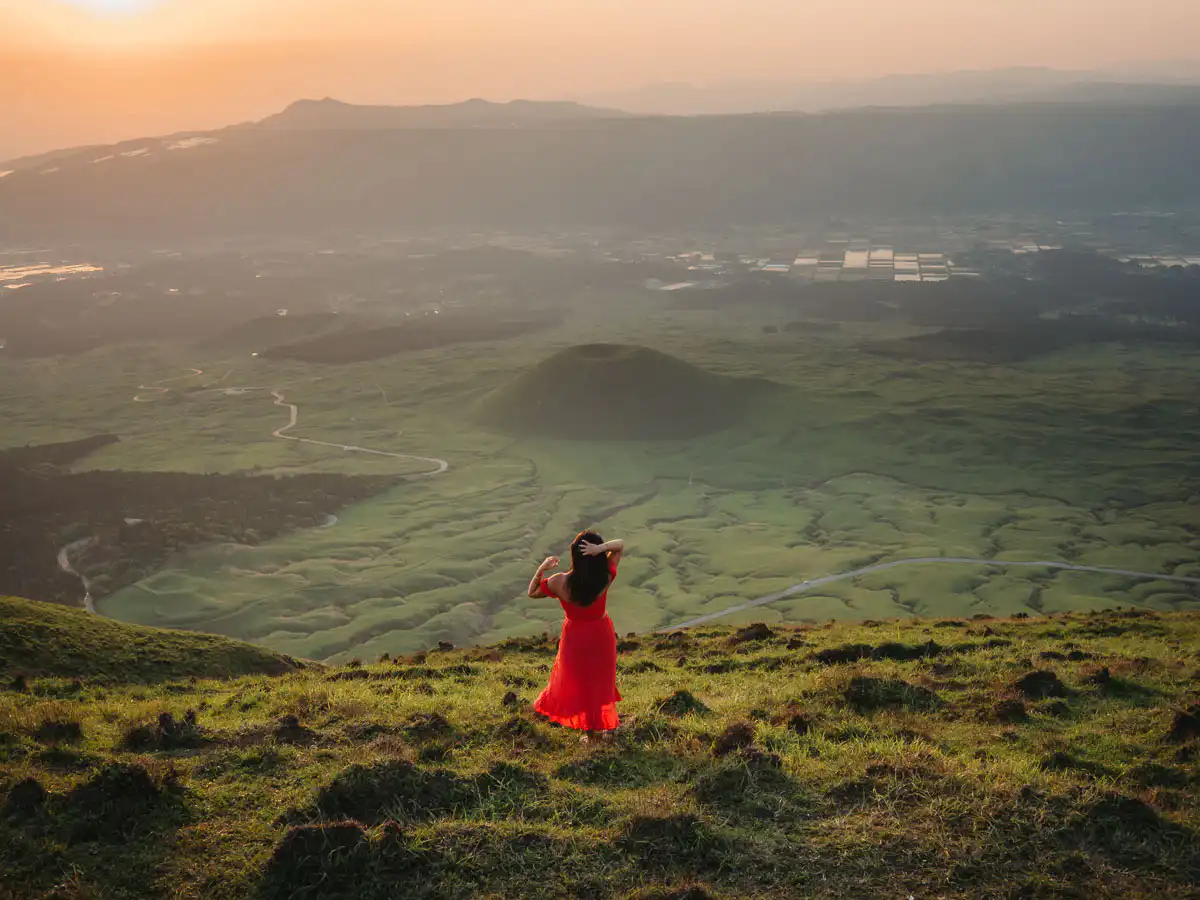
Next, you’ll arrive in Aso, where you’ll base yourself for the next 5 days. The Aso region is packed with incredible hikes, dramatic volcanic landscapes, and made for the perfect base for exploring nearby day trips like Takachiho Gorge, Kamishikimi Shrine, and more.
Below, we’ll summarize a few of our favourite experiences, but we highly recommend checking out our detailed Mount Aso Guide, where we cover everything you need to plan your visit, including the best activities, itinerary tips, where to stay, where to park, what to eat, and more (we also share a lot of our photos so you can already get a good idea of just how beautiful it is there)!
- Mt Eboshidake and Kishimadake Hike
- Sensuikyo Gorge
- Mt Nakadake Summit hike
- Aso Shrine
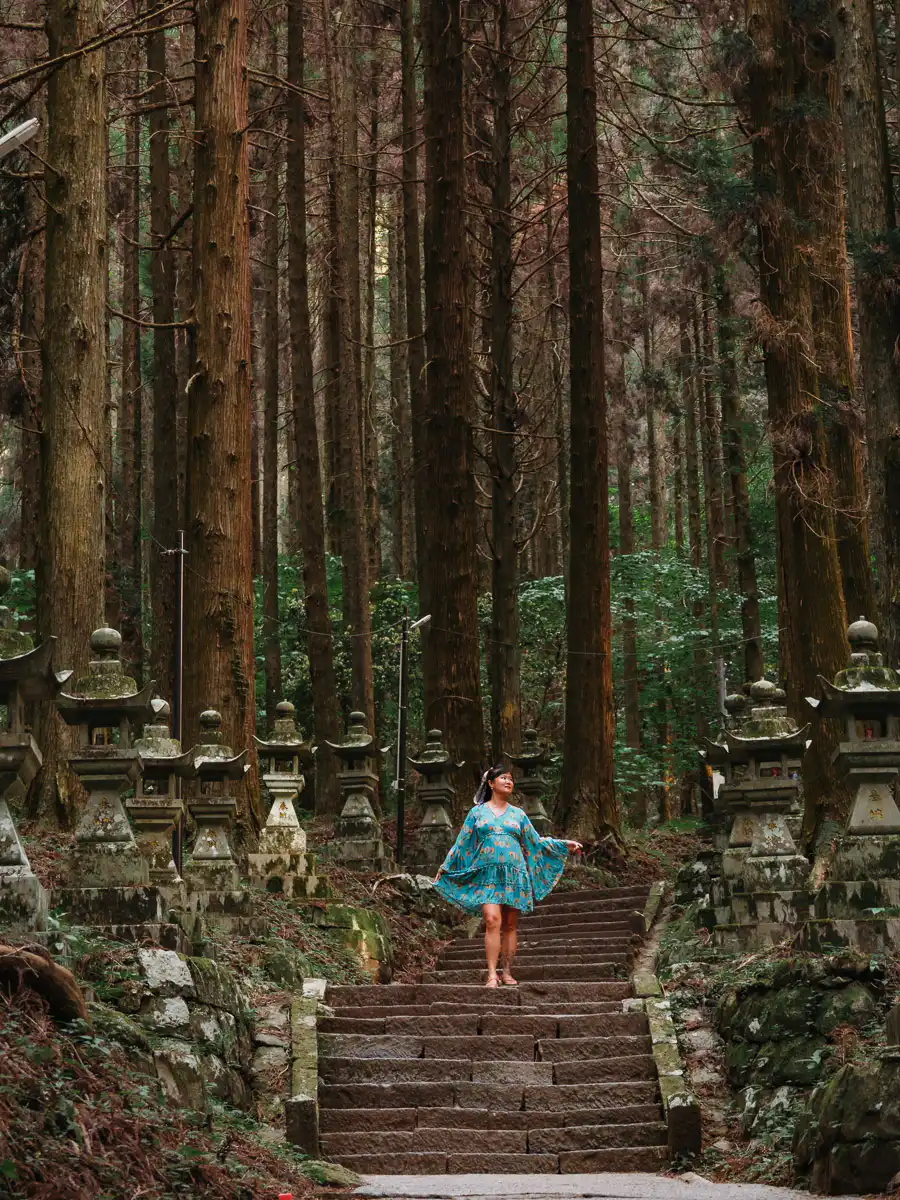
- Kamishikimi Kumanoimasu Shrine
- Takachiho Gorge Day Trip
- Our Top 4 favourite hikes in Aso Region
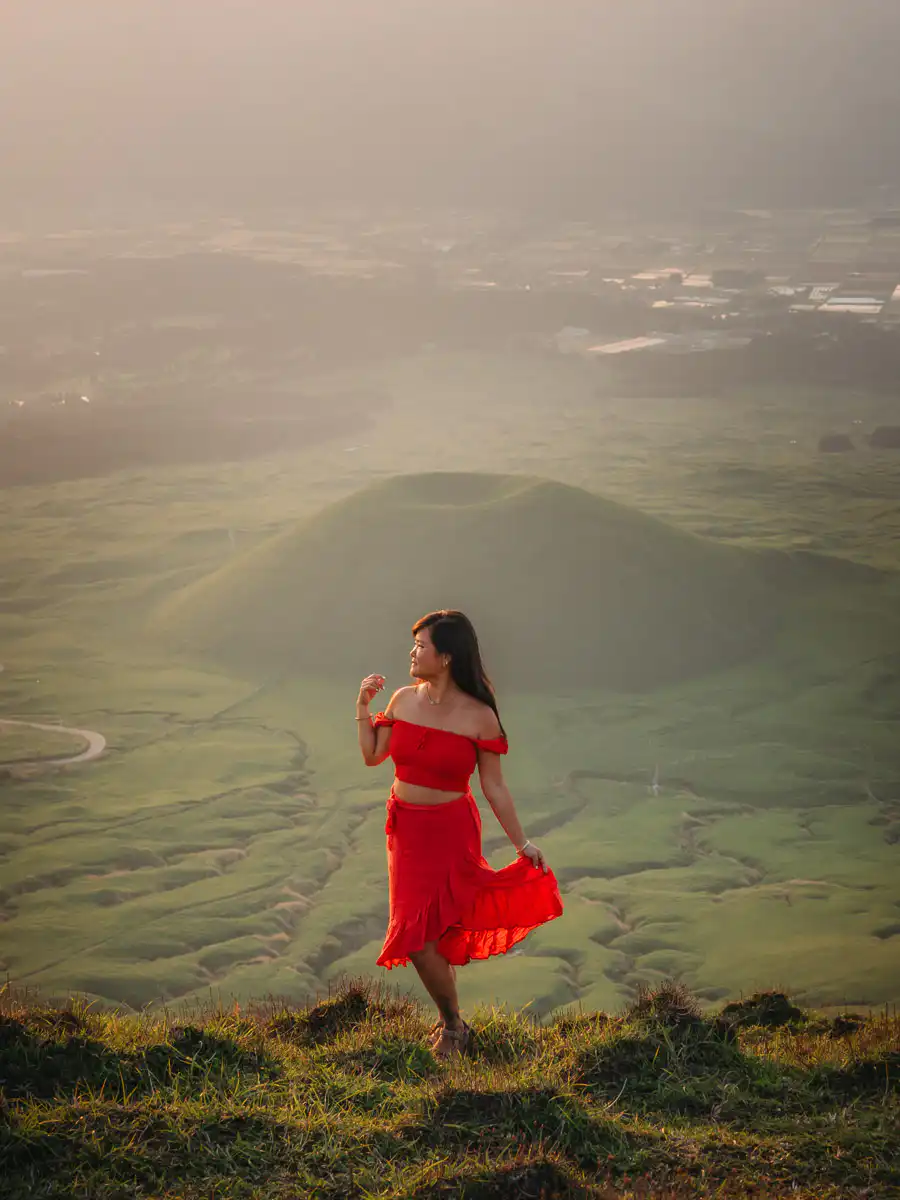
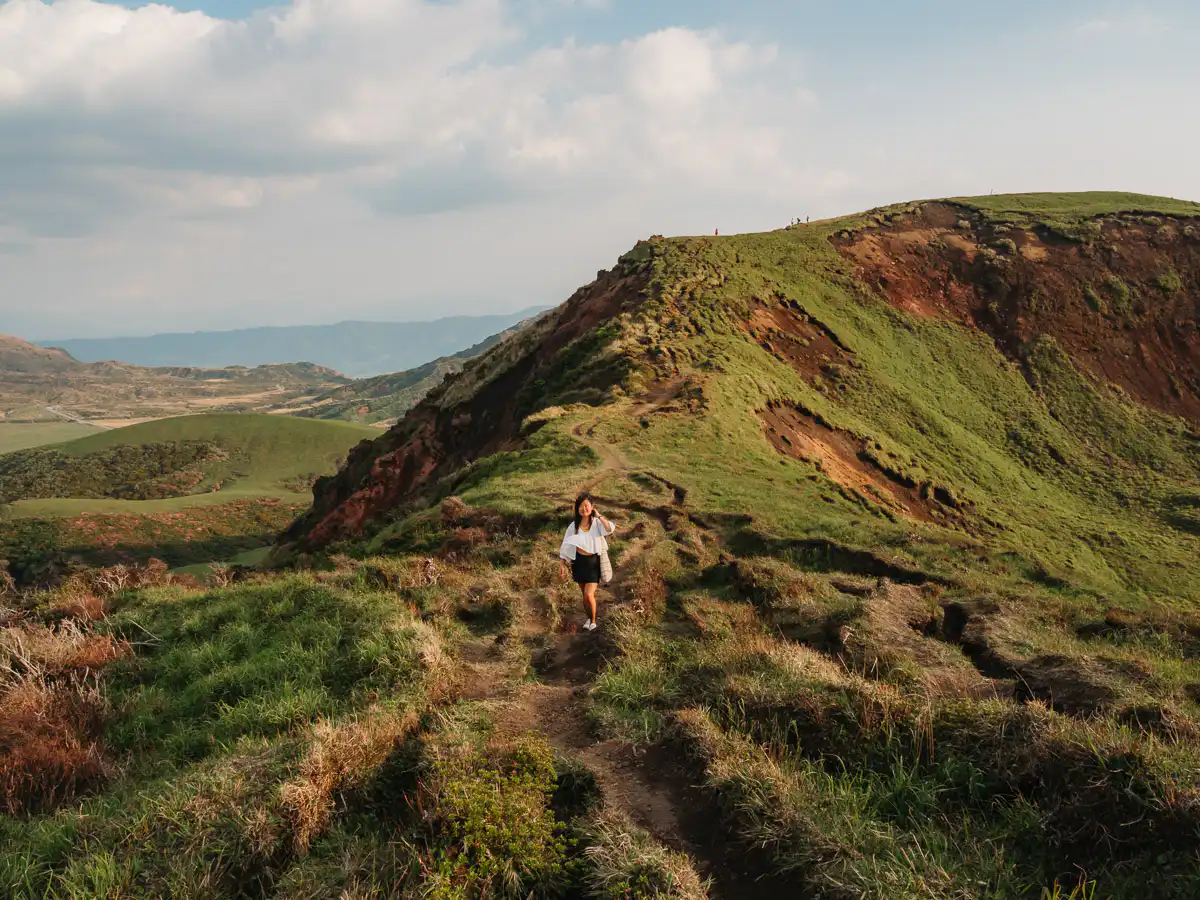
✅ You may enjoy reading – Best Things to do in Mount Aso & Favourite Hikes in Mount Aso
Why We Recommend Spending 5 nights in Aso
Many travellers we met here only planned to stay in Aso for 1-2 days. With the travel time, this means they only had time to do one hike, and then had to continue on their journey.
Personally, I find this would be a huge loss since the area has so many incredible things to experience. There were even some spots that we returned to two times since it was so beautiful!
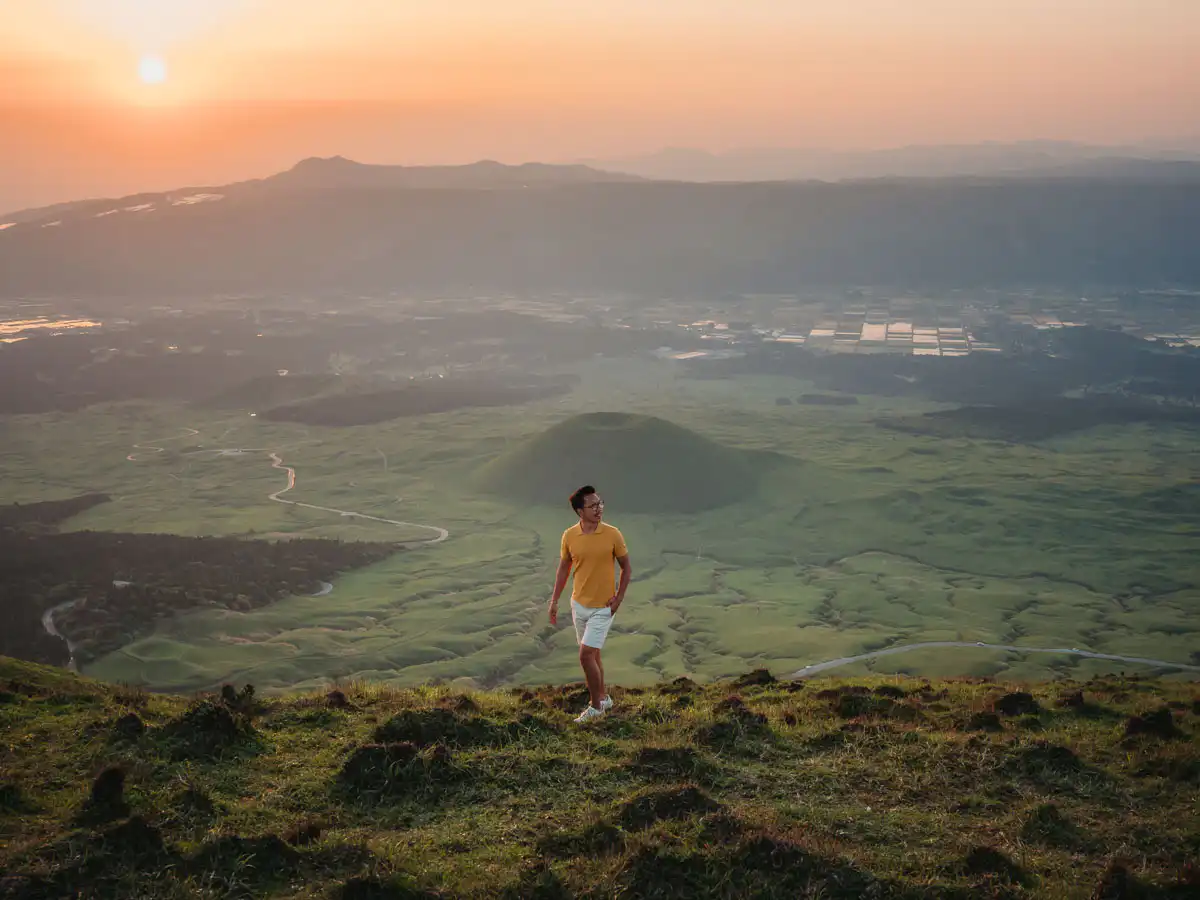
There are easily 3-4 must-do hikes here, several incredible sunset spots, and at least 2 worthy day trips, which can easily fill up 5 full days.
Finally, another thing to consider is the risk of poor weather or trail closures due to the volcano. Having extra days means you have some leeway.
Where to Stay in Aso
We ended up staying at Guest House Asora, which was a simple, clean, and centrally located guesthouse, before moving over to Guesthouse Asobe 民宿 あそ兵衛 for 2 nights to enjoy a more traditional Ryokan experience.
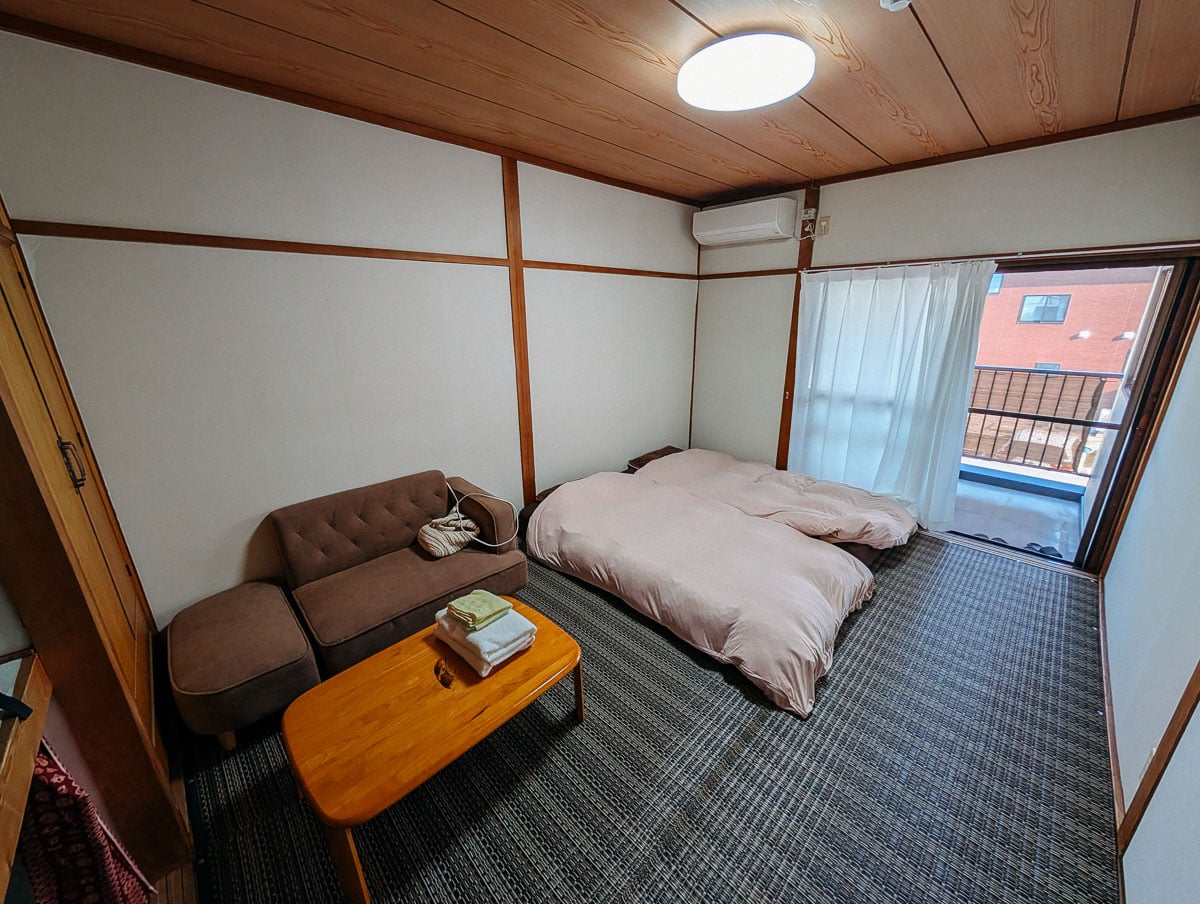 Guesthouse Asora
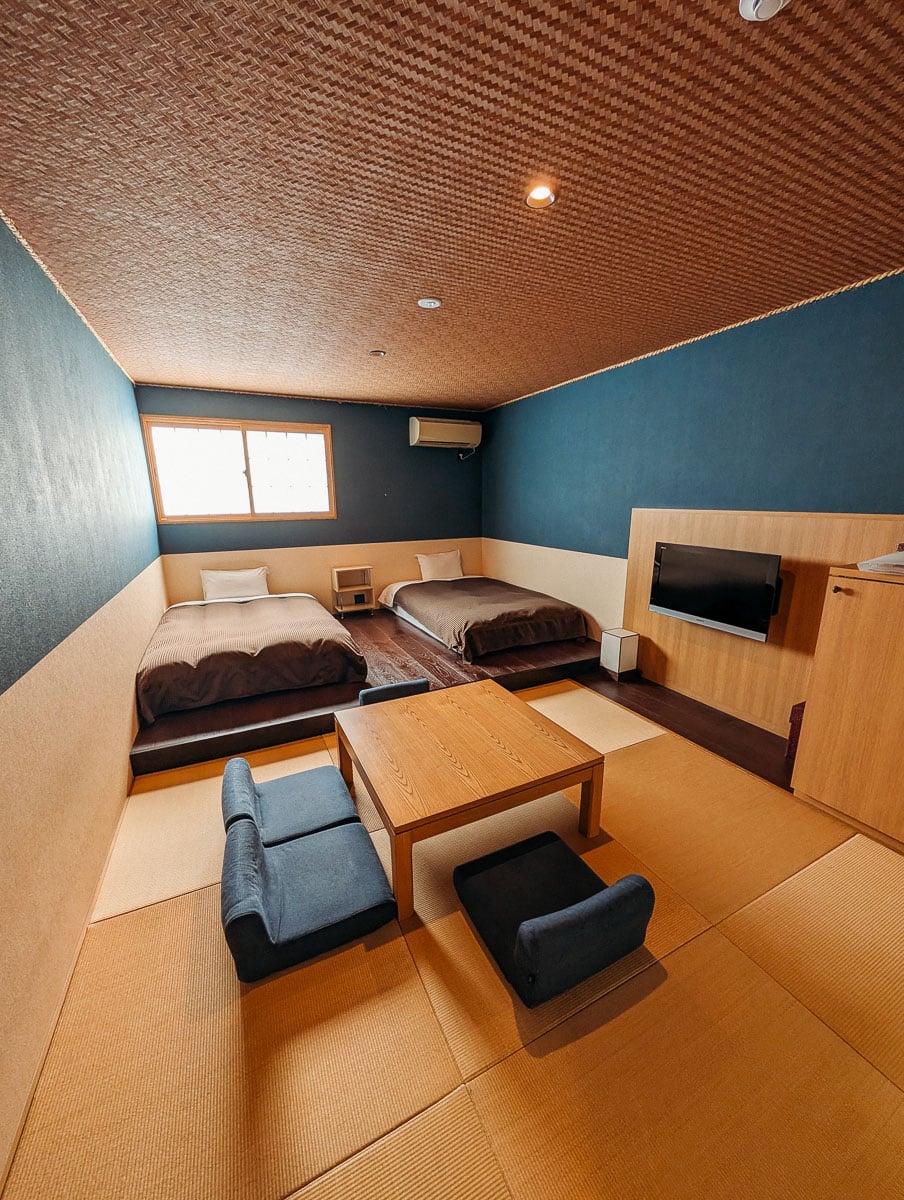 Guesthouse Asobe (Ryokan)
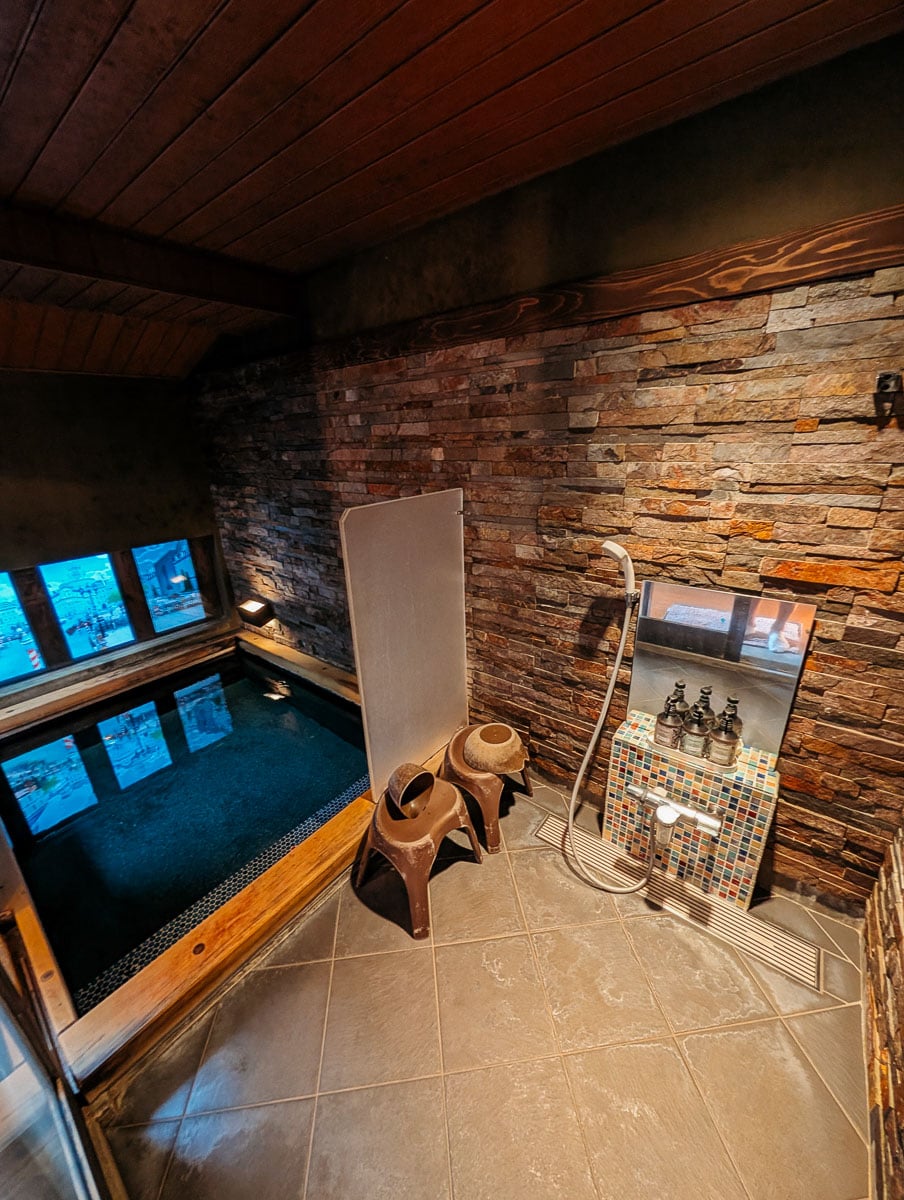 Guesthouse Asobe (Ryokan)
Another Ryokan we really wanted to stay at was Uchinomaki Onsen Yumeioiso but unfortunately, they were booked our on the dates we wanted.
Finally, if you prefer more Western style comforts over traditional Japanese tatami rooms, and want the convenience of staying right beside Aso Station, then you can also check out Fairfield by Marriott Kumamoto Aso.
Check out our PDF guide that includes a summary of 36 essential tips for traveling to Japan! If you want to read about all these tips in detail, check out our Japan traveling tips guide!
Day 9-11: Aso to Yufuin and Beppu (2 nights)
Today’s Drive: Aso to Yufuin 1h15, then Yufuin to Beppu 30 minutes
Why Stay in Beppu
If you know Japan, then you know that staying at a ryokan is one of those experiences you can’t miss. And in Kyushu, there’s no better place than the town of Beppu.
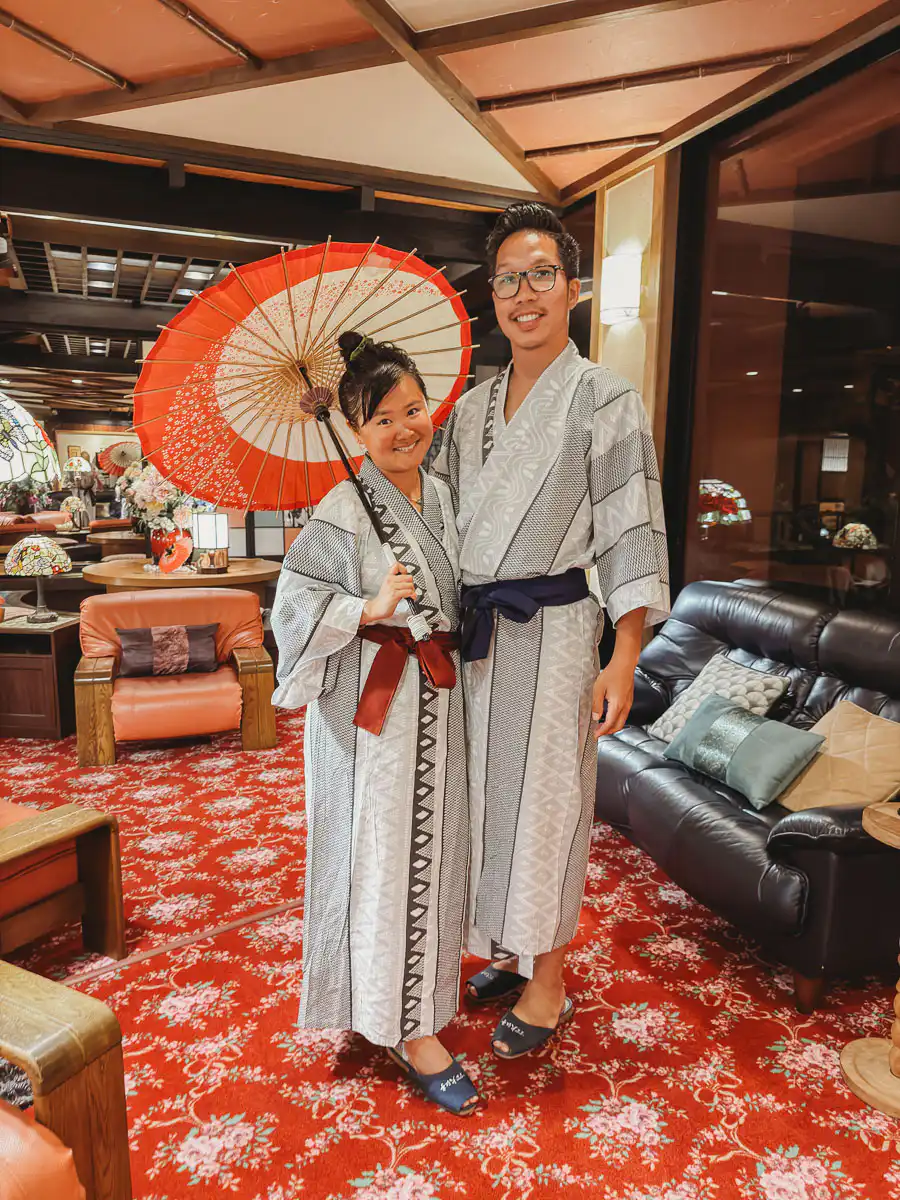
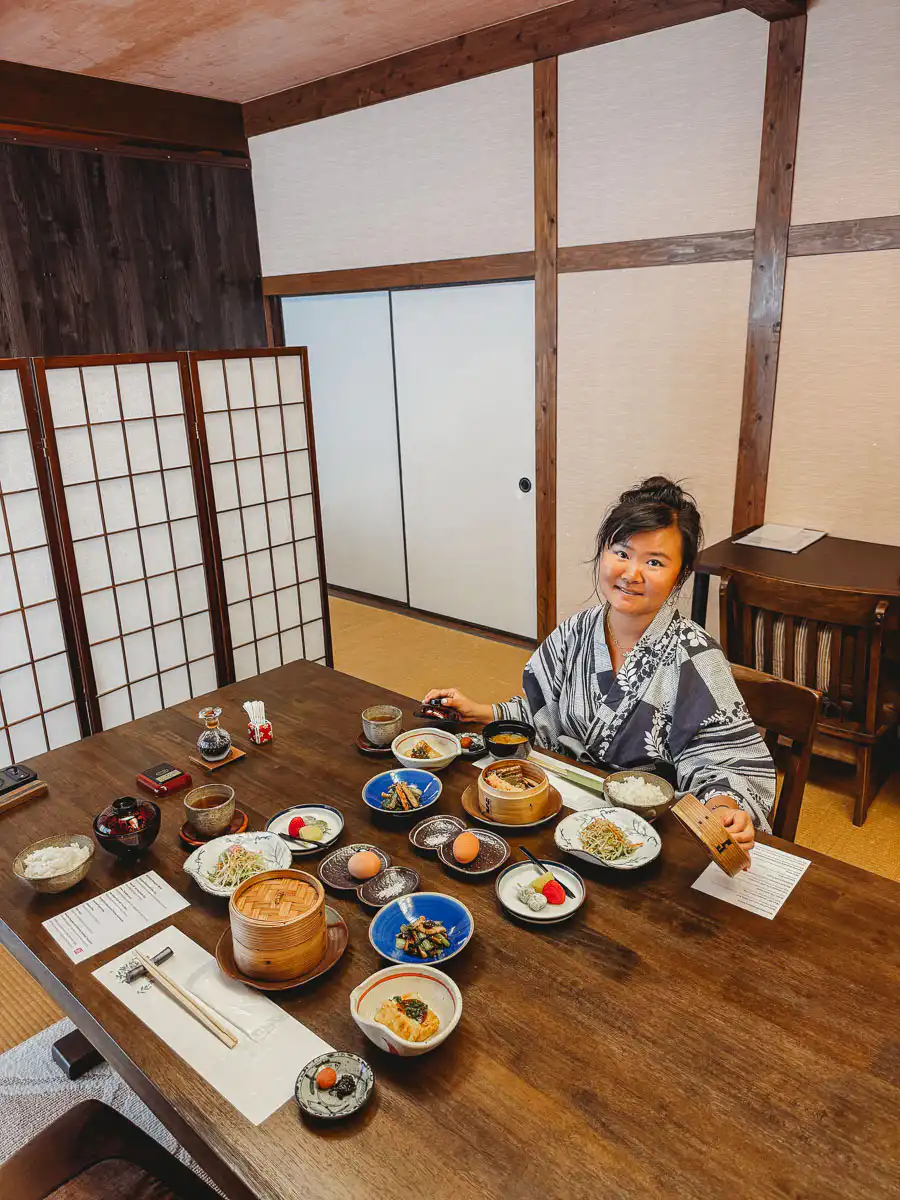
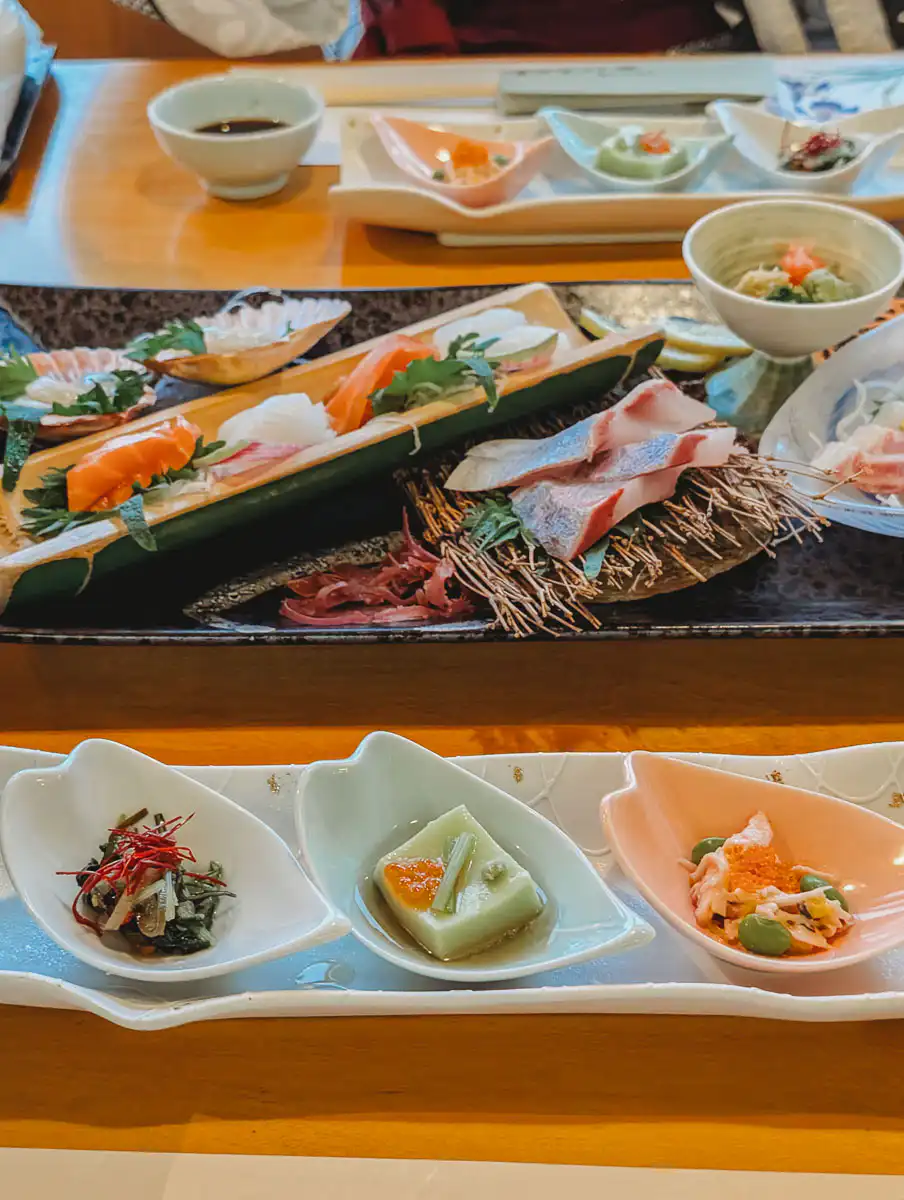
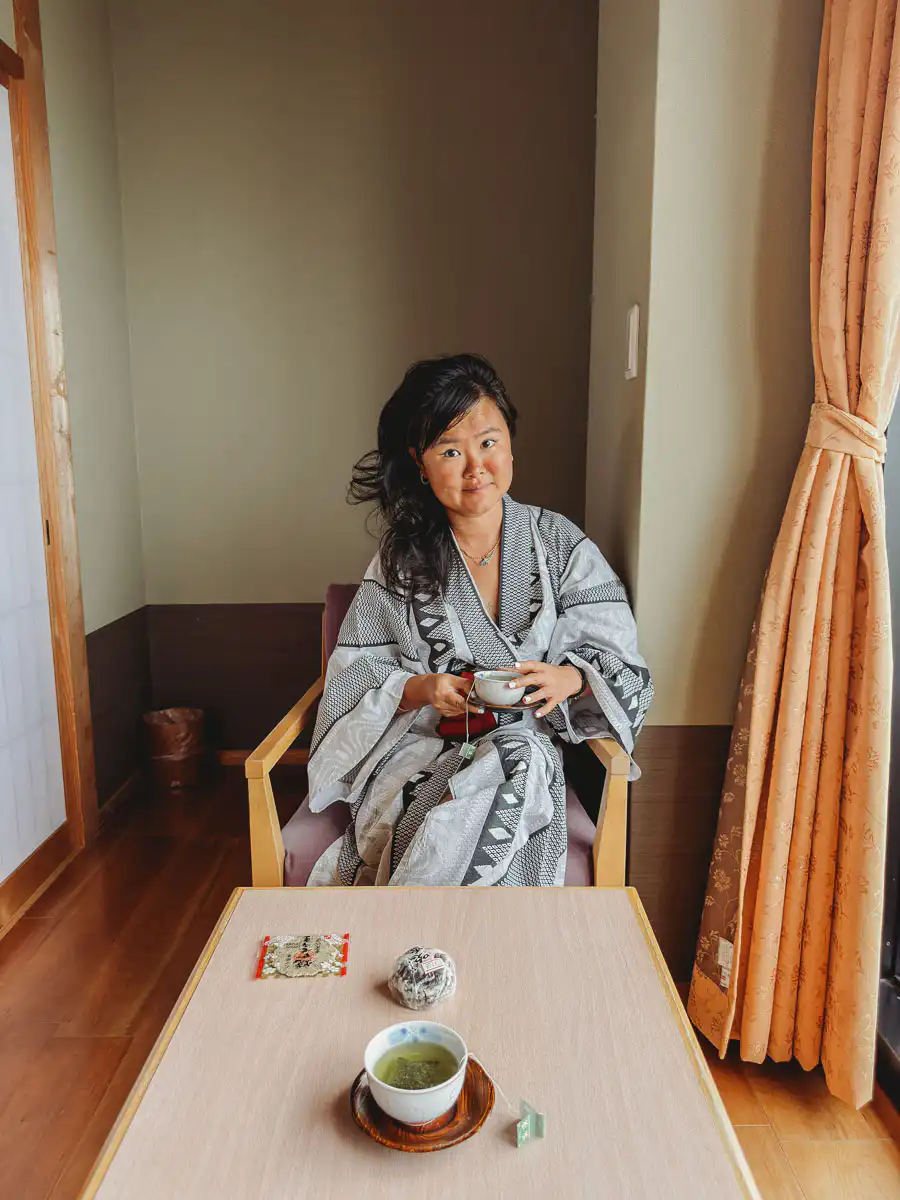
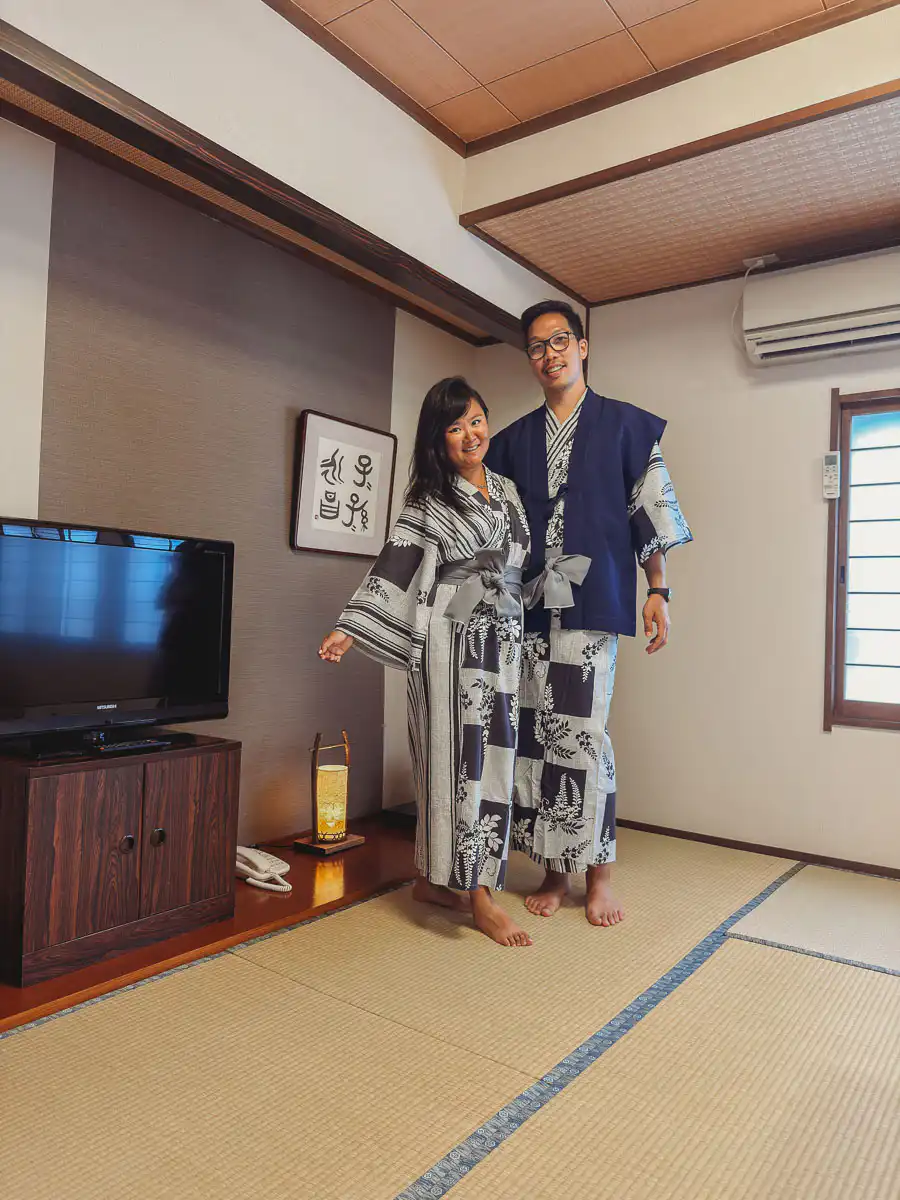
Ryokans are traditional inns that are all about slowing down, soaking in thermal hot springs, wandering around in your yukata, and enjoying some of the most elaborate multi-course seafood kaiseki dinners.
We had stayed in several Ryokans during our Izu Peninsula road trip and it ended up being one of the most relaxing experiences of our entire trip. And now after several days of hiking around Aso, what better way to wind down your road trip than by spending two nights at a traditional ryokan?
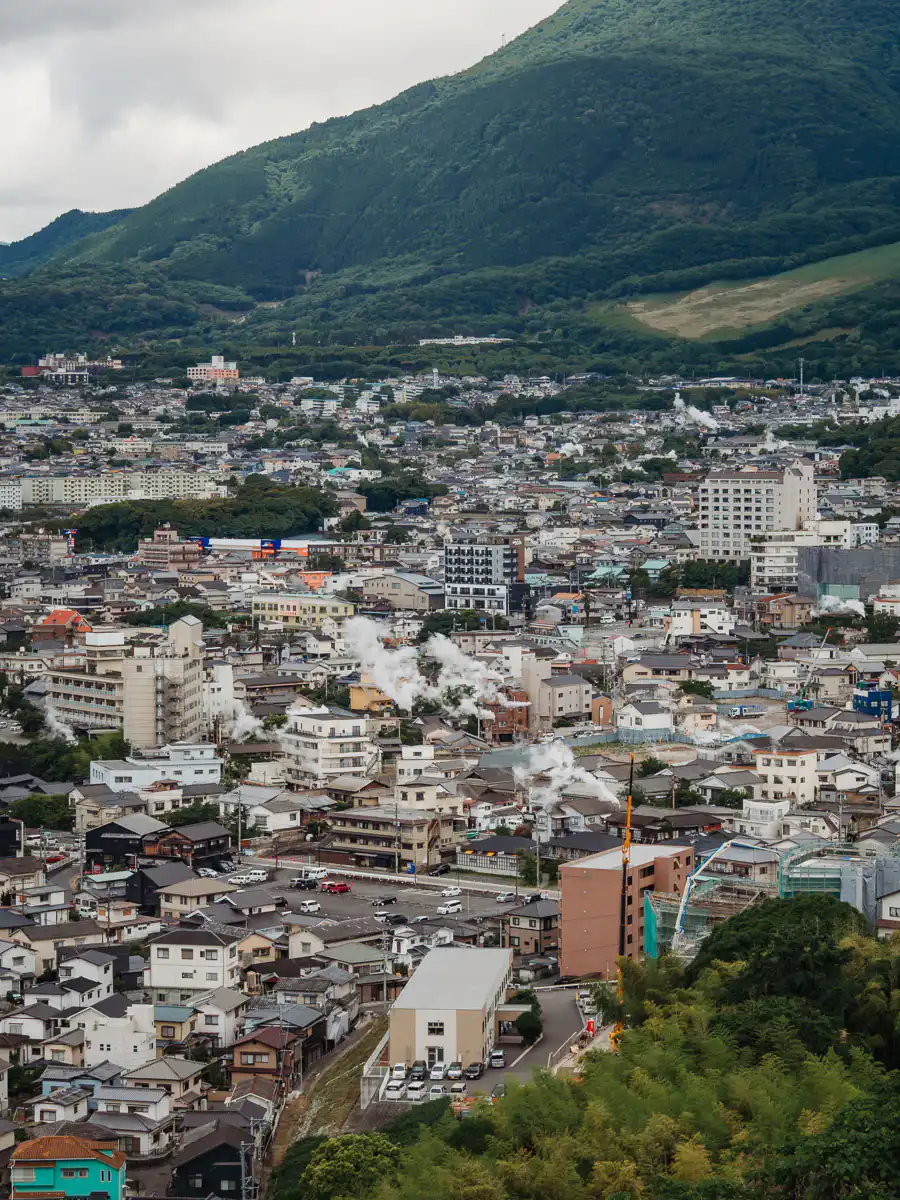
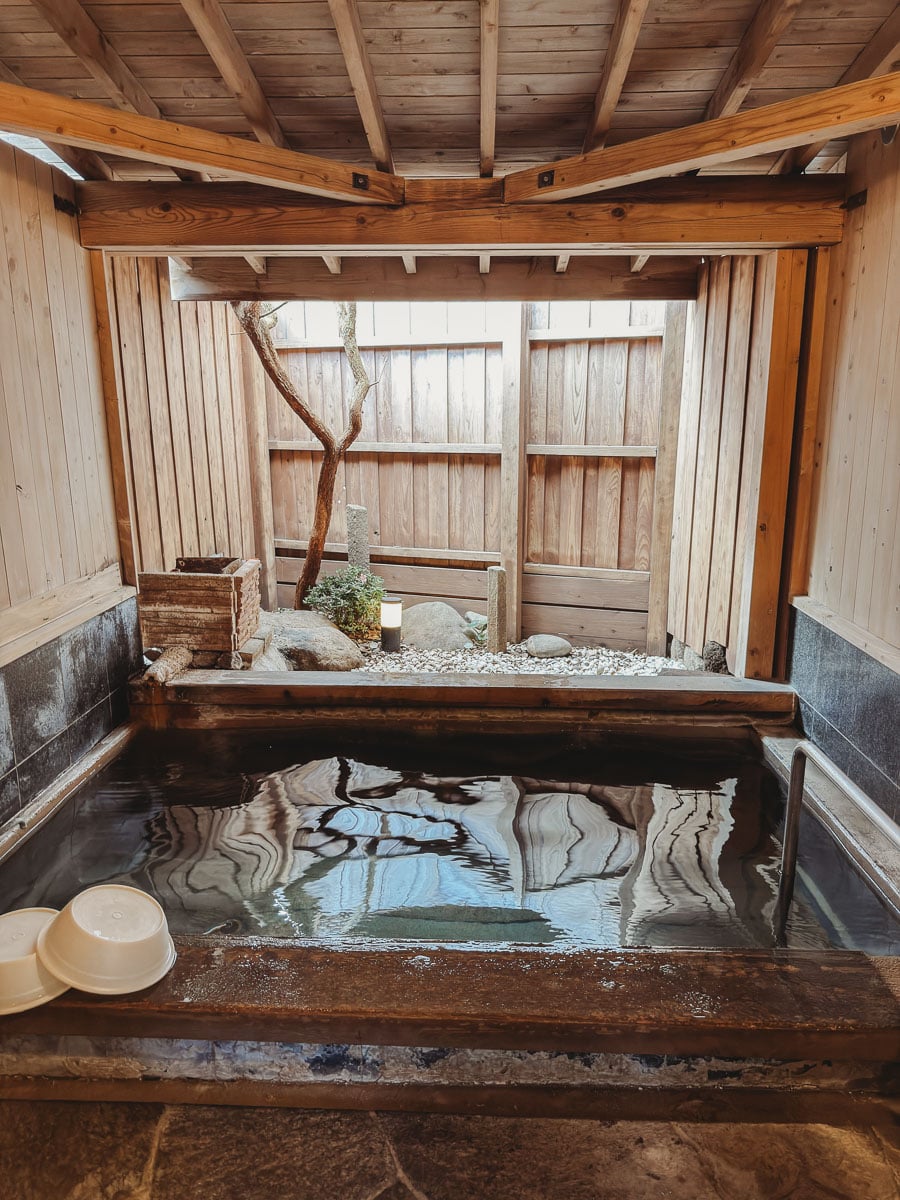
what to do in Beppu
Stop 1: Yufuin
This Yufuin stop can either be done right before arriving in Beppu, or on the day of departure when you drive back to Fukuoka.
Yufuin is a cute little town famous for its narrow streets lined with fairytale-like yellow thatched homes. But we’ll be totally honest, we were quite underwhelmed by the experience here. It felt very touristic, and the actually ‘cute’ section was quite artificial-looking. If there is one part that we did find enjoyable, it was browsing some of the shops on the main Yunotobu street, and exploring the quieter Lake Kinrin.
Nonetheless, it is along the way and only 30 minutes from Beppu, so can be done as a quick stop to break up the drive.
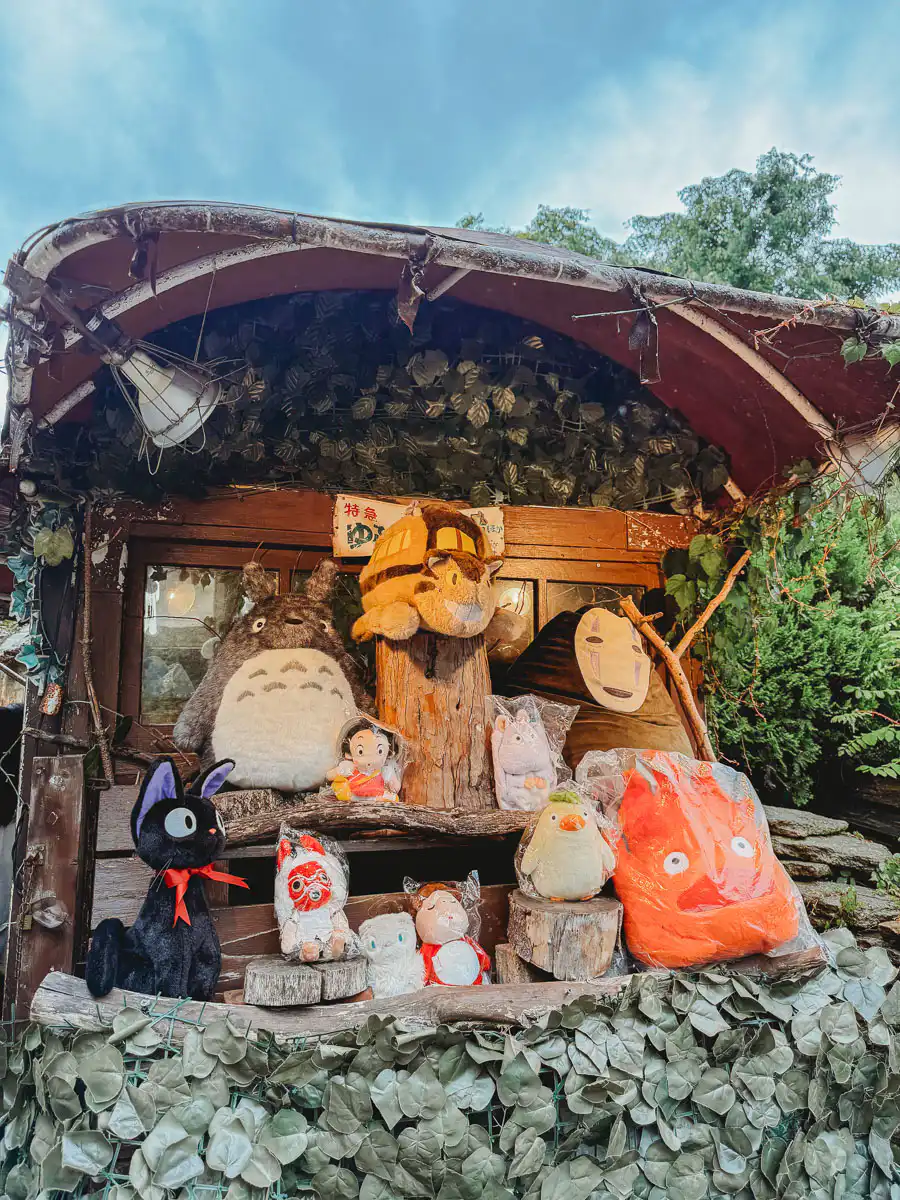
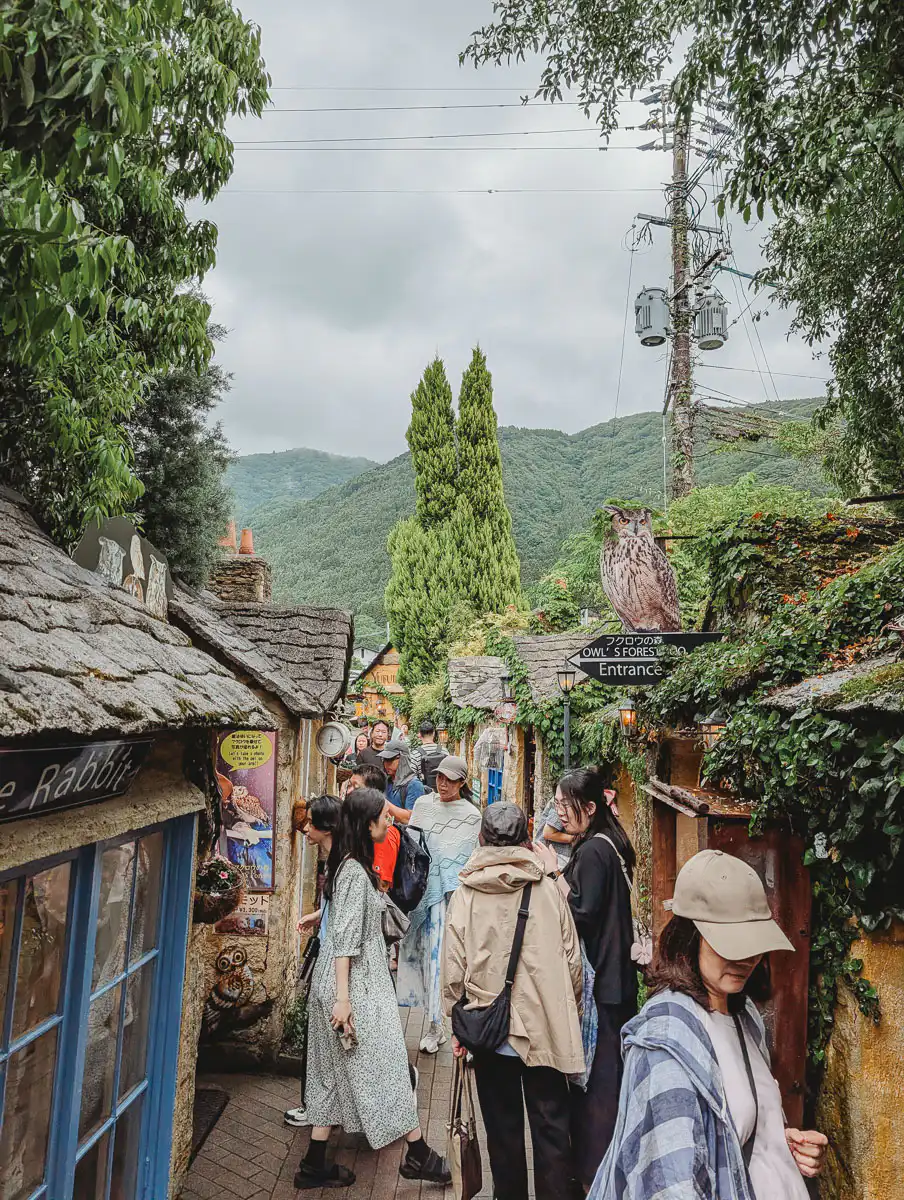
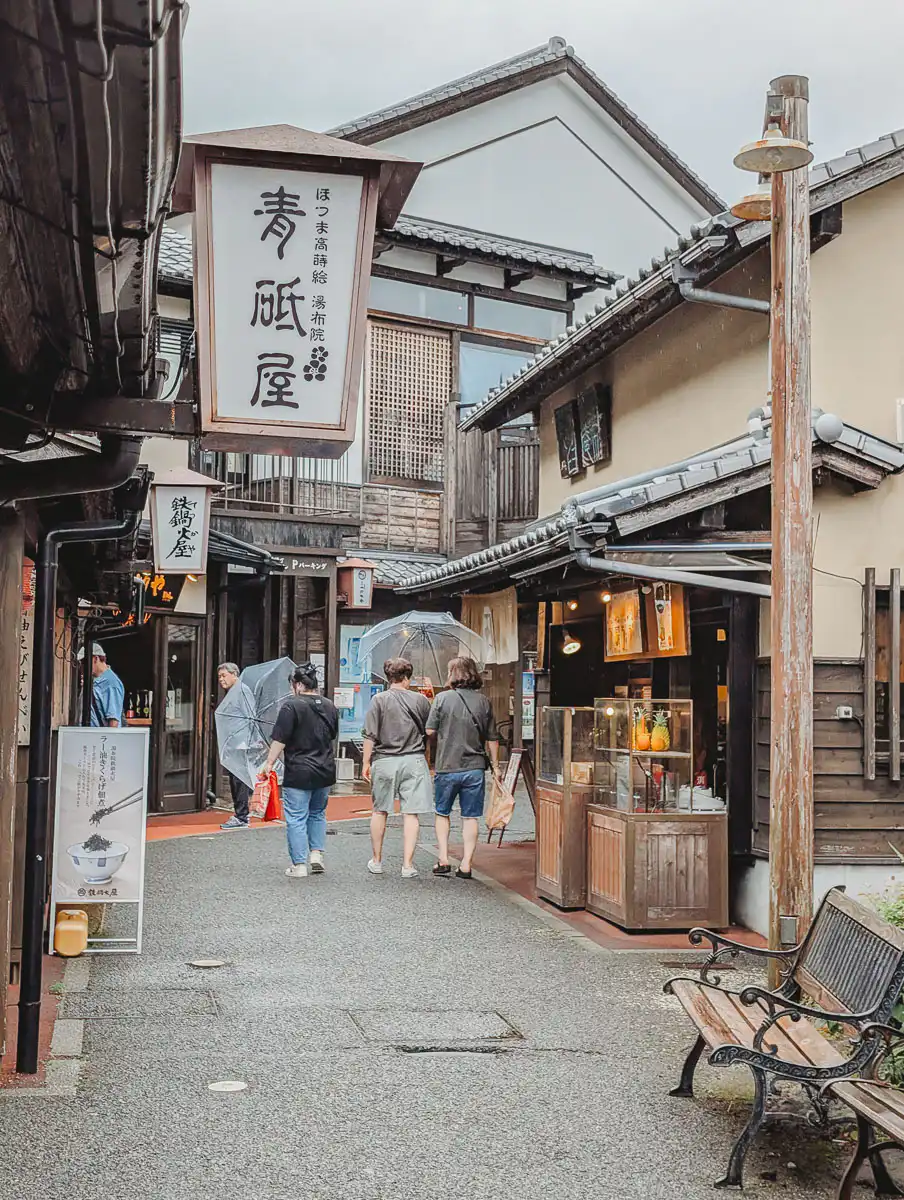
- Duration: 1 Hour
- Cost: Free to visit Yufuin
- Parking: We parked at this parking lot. It was by far the most affordable at only ¥300 per day.
stop 2: Best Things to do in Beppu (2 nights)
Next stop is the Onsen Town of Beppu, where you’ll be spending the next 2 nights. The focus here really is enjoying the Ryokan experience to the maximum.
Ryokans can be quite pricey, so we personally made the most of our time there. That meant slow breakfasts, soaking in the onsen twice a day, taking a short day trip out to explore, and then returning to the ryokan for another relaxing soak and a delicious kaiseki dinner. If you want to explore outside, here are a couple of the popular attractions:
- Beppu 7 hells: A series of 7 different coloured fuming hot springs. It costs ¥2,200 for entrance to all the hot springs, or ¥500 for access to one.
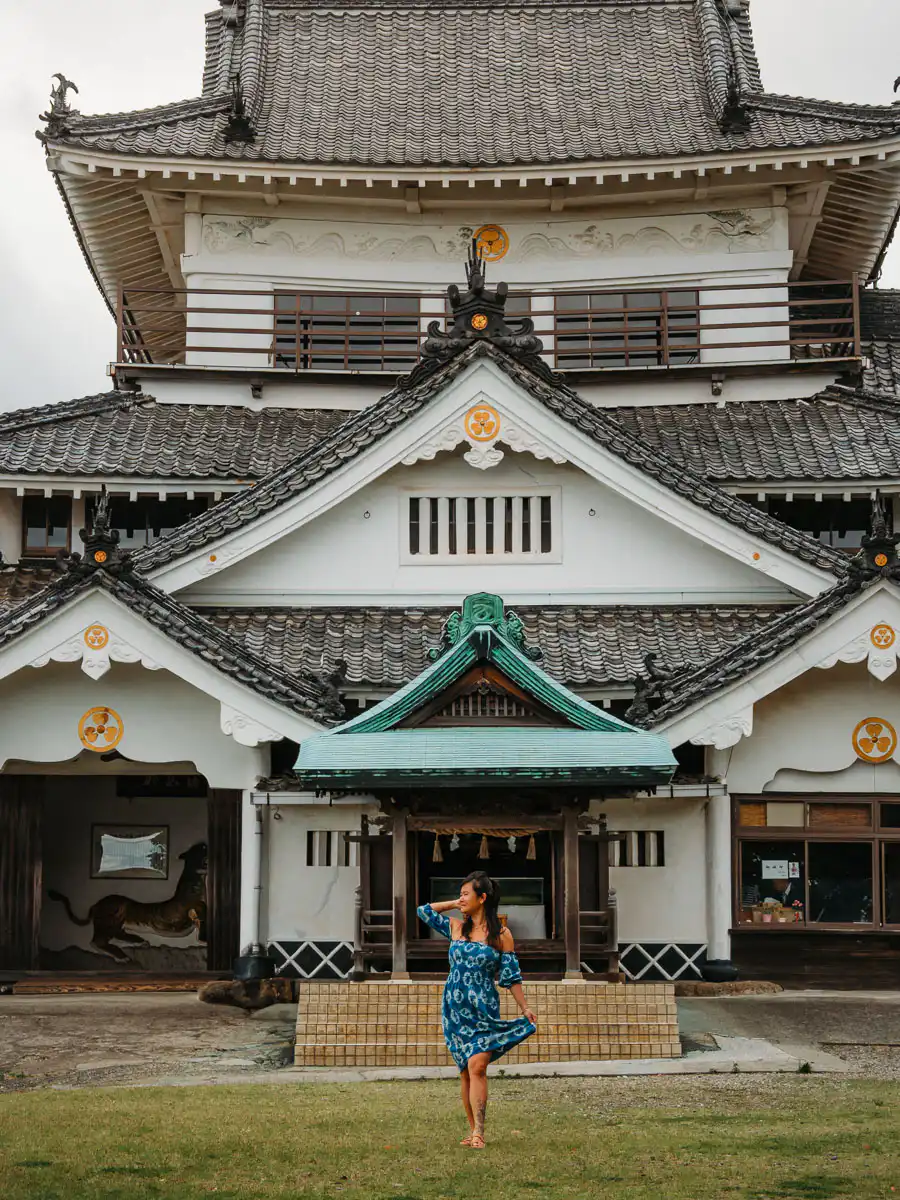
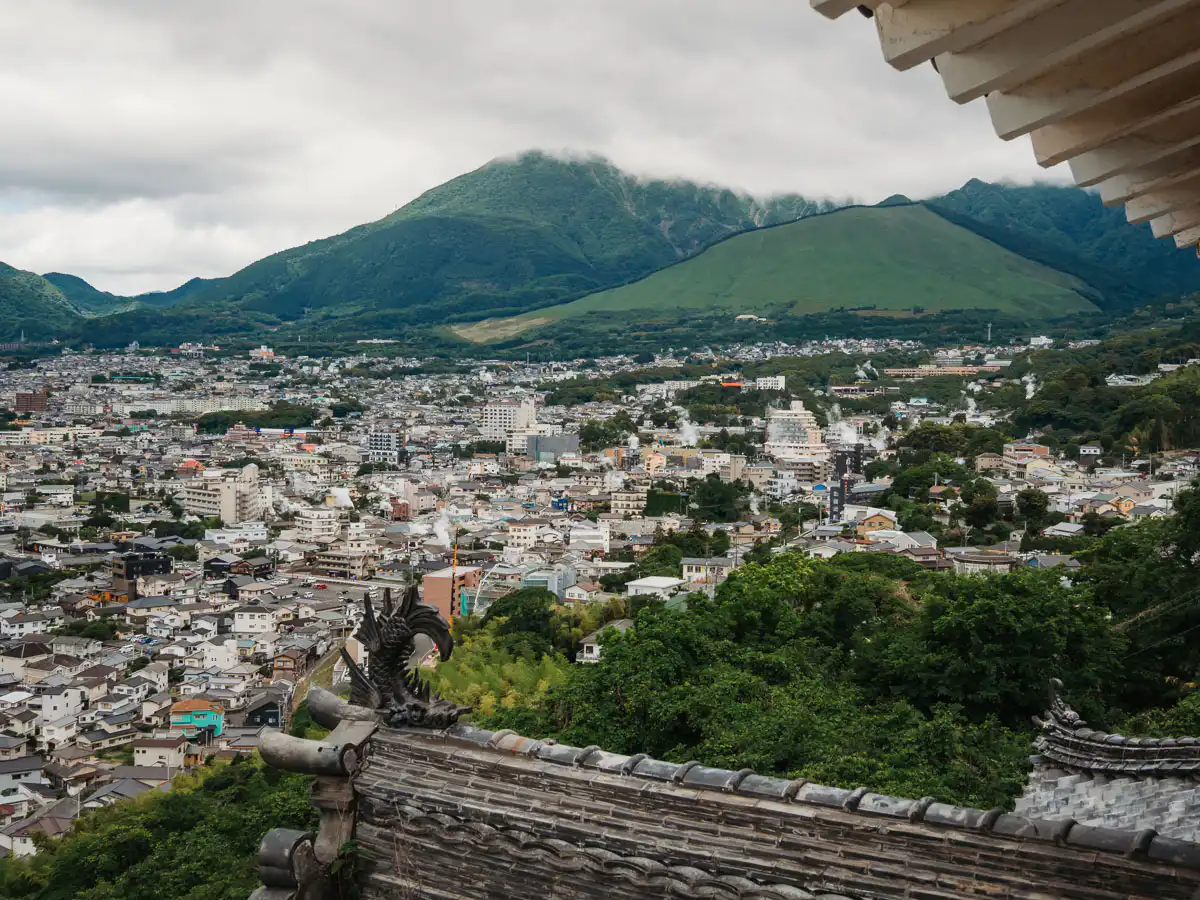
- Kifune Castle: An initially unassuming castle that turned out to be a wonderful experience. It was once owned by a Japanese warlord and for this reason, the style, decoration, and all the loot you find inside is quite unique and untraditional. From the rooftop, you also get one of the best views of Beppu! It is Free entrance but they may encourage you to buy a souvenir.
- Beppu Sand bath: You get covered by black hot sand, which is believed to have therapeutic properties. A Beppu Sand Bath costs around ¥1,500 per person.
- Hot spring steamed food
where to Stay in Beppu
In Beppu, you’ll have the option of staying in the northern part of town in the traditional Ryokan quarter near Beppu 7 Hells, or the southern more modern part of town along the coast.
We actually ended up staying one night in a waterfront Ryokan in the south (Seaside Hotel Mimatsu Oetei), and one night in a traditional ryokan in the north (Manrikiya Ryokan) to experience both. And if you get the chance, we recommend you do the same. In this way, you’ll get a new onsen and meal experience each day.
(do note that many ryokan names are written in Katakana so it is sometimes challenging when searching for the hotels. For example Manrikiya Ryokan is listed as 全5室の小さな温泉旅館 別府鉄輪温泉 萬力屋).
Manrikiya Ryokan (North)
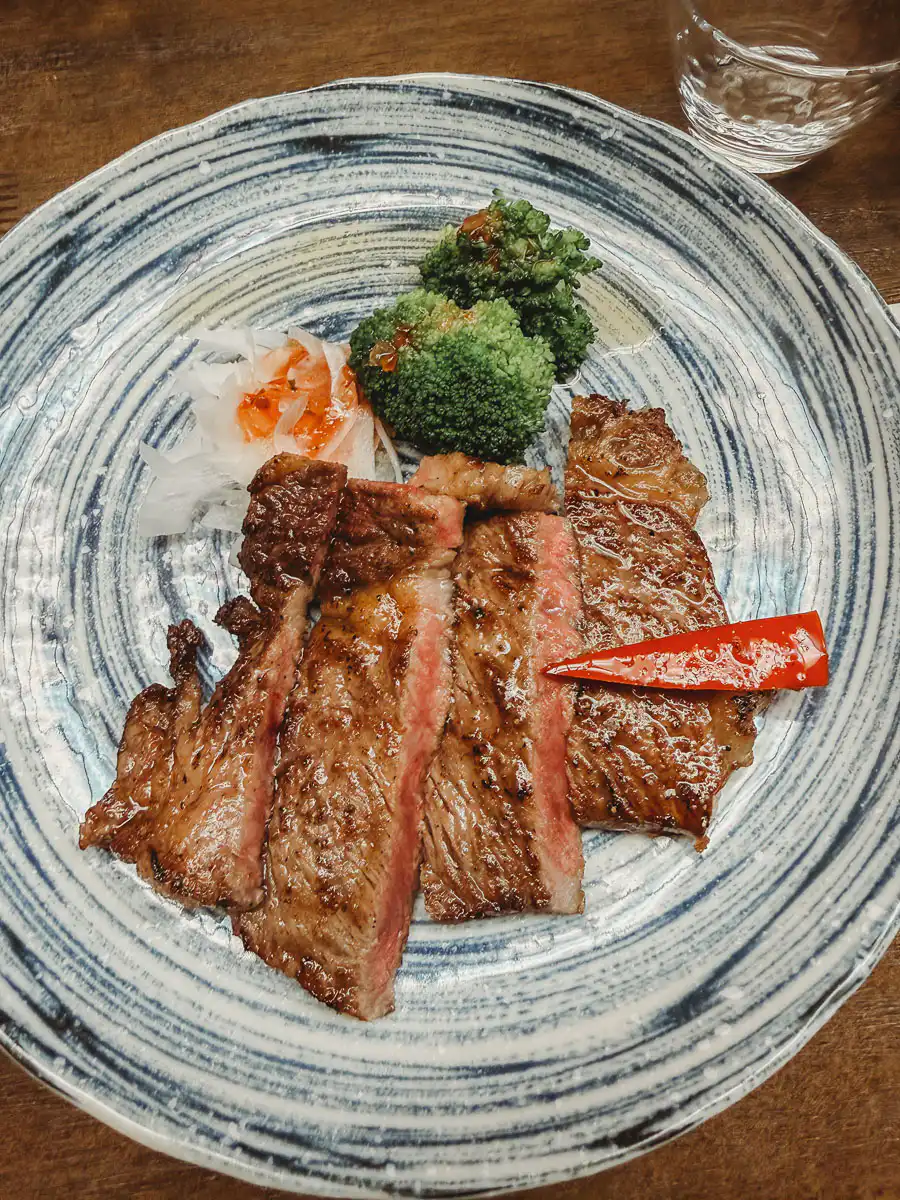
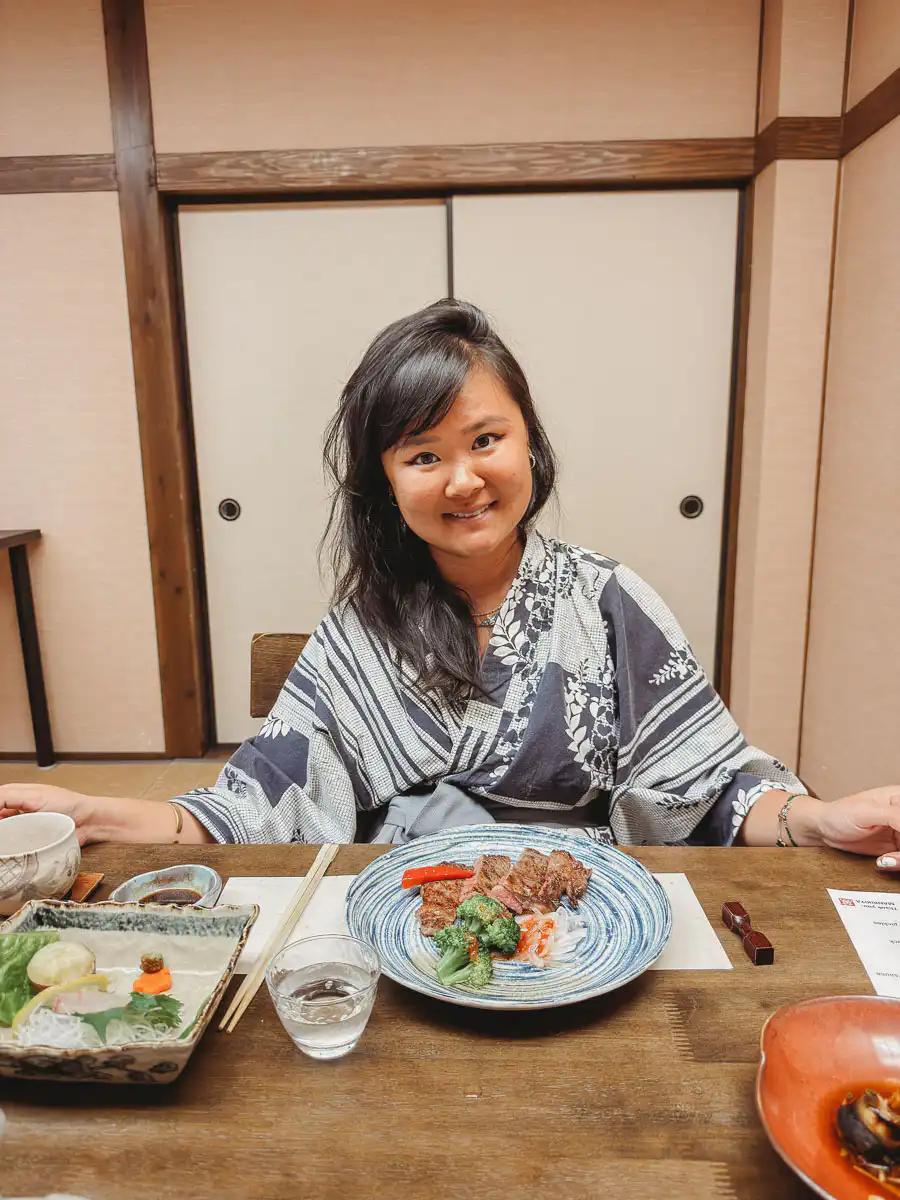
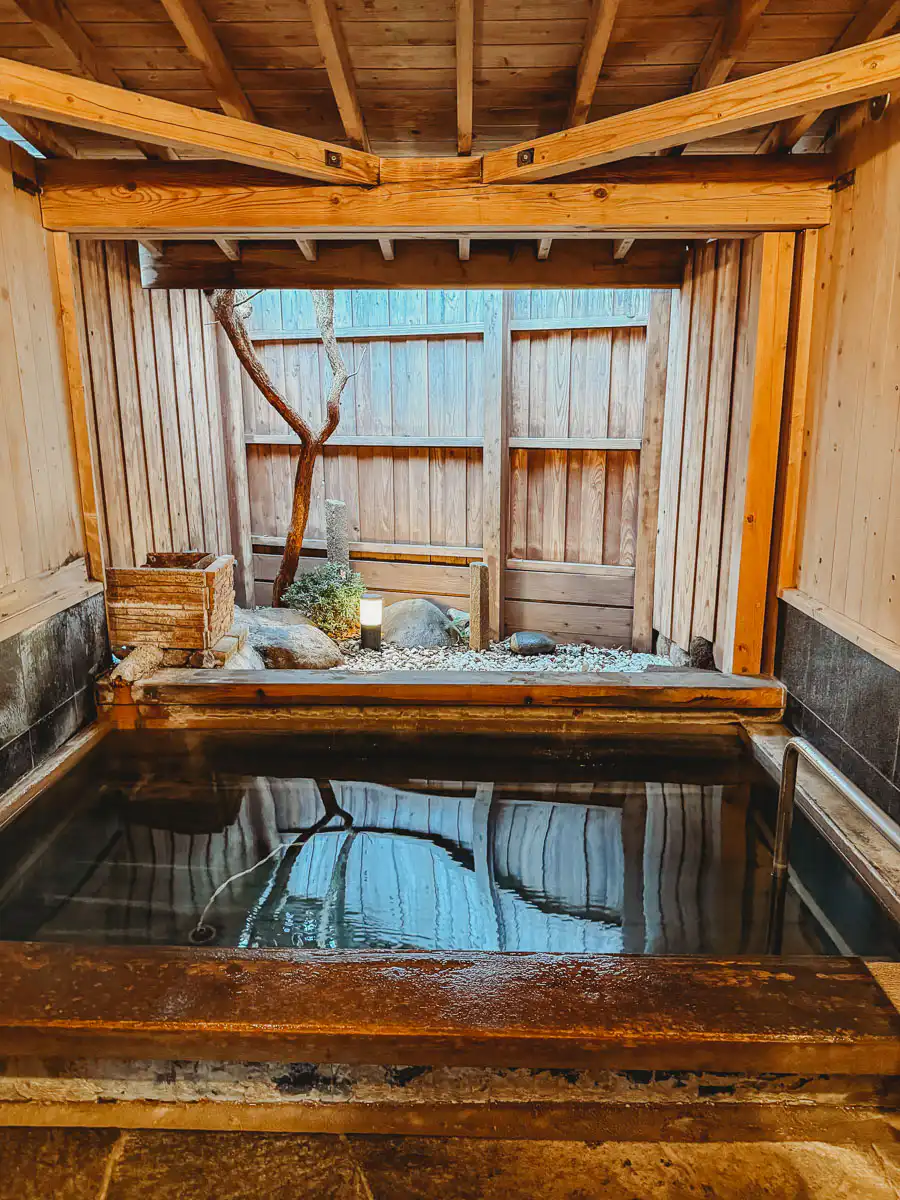
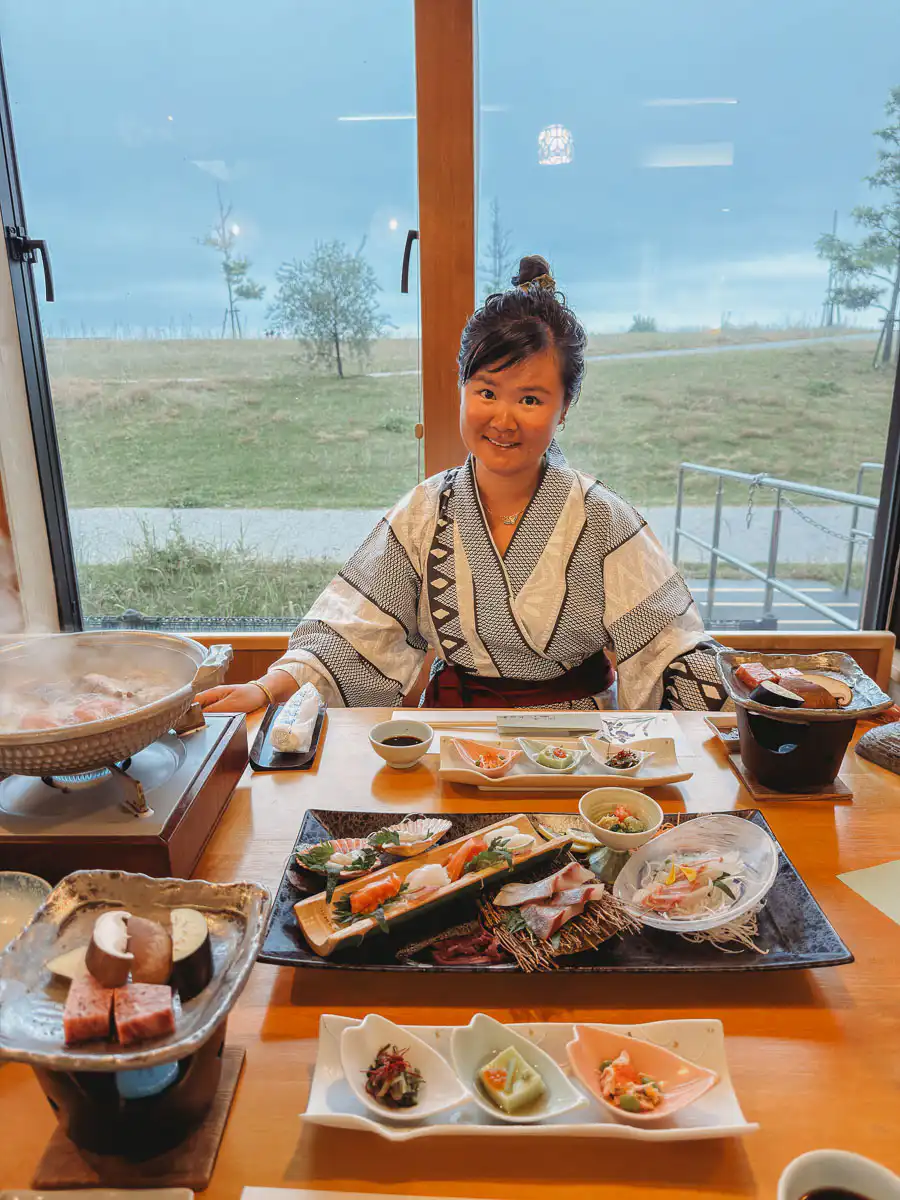
We chose Manrikiya Ryokan because of its affordability, private onsens, and most of all, its famous wagyu beef kaiseki dinners!
Many ryokans in Beppu can easily cost over USD $300 per person per night, so we were thrilled to find one for around USD $150 per person. That included our stay, access to the private onsens, breakfast, and the incredible wagyu dinner.
Seaside Hotel Mimatsu Oeitei (South)
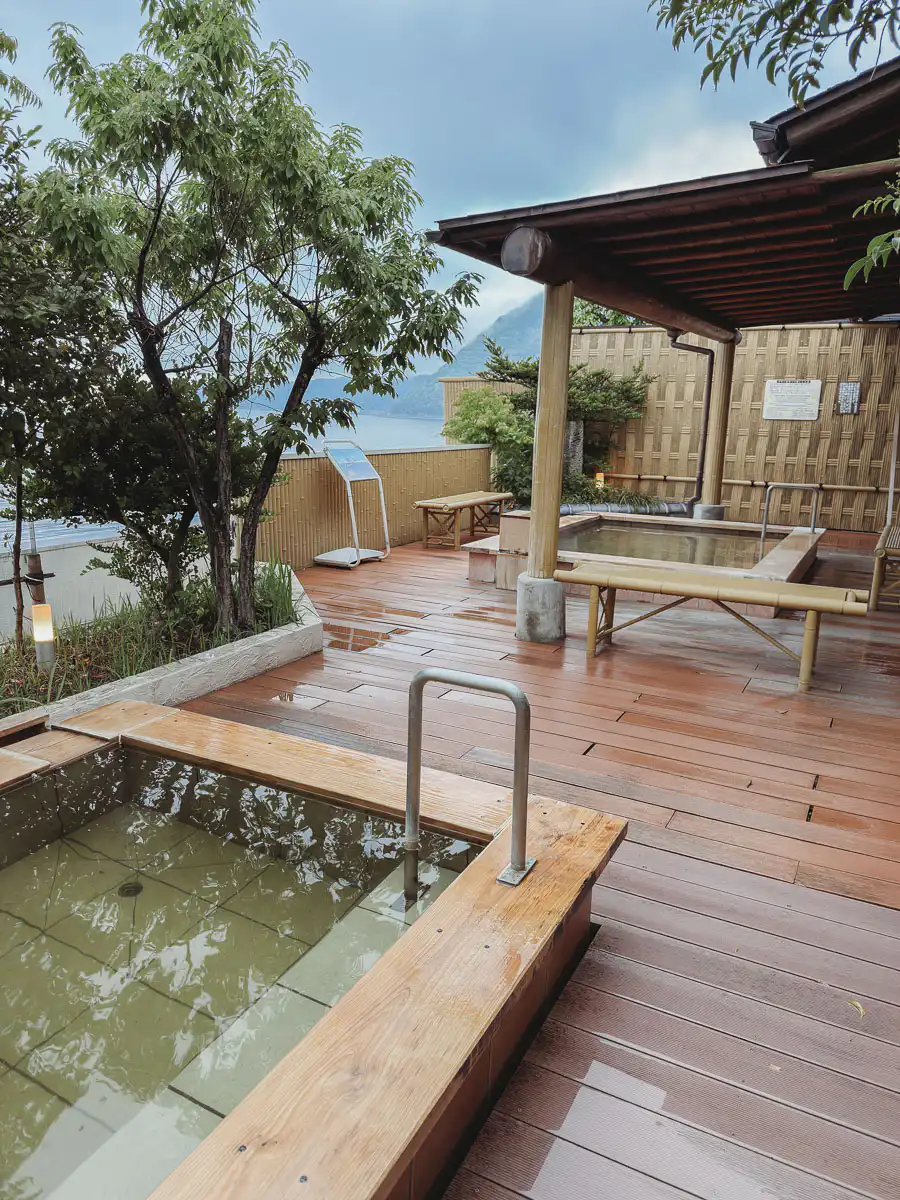
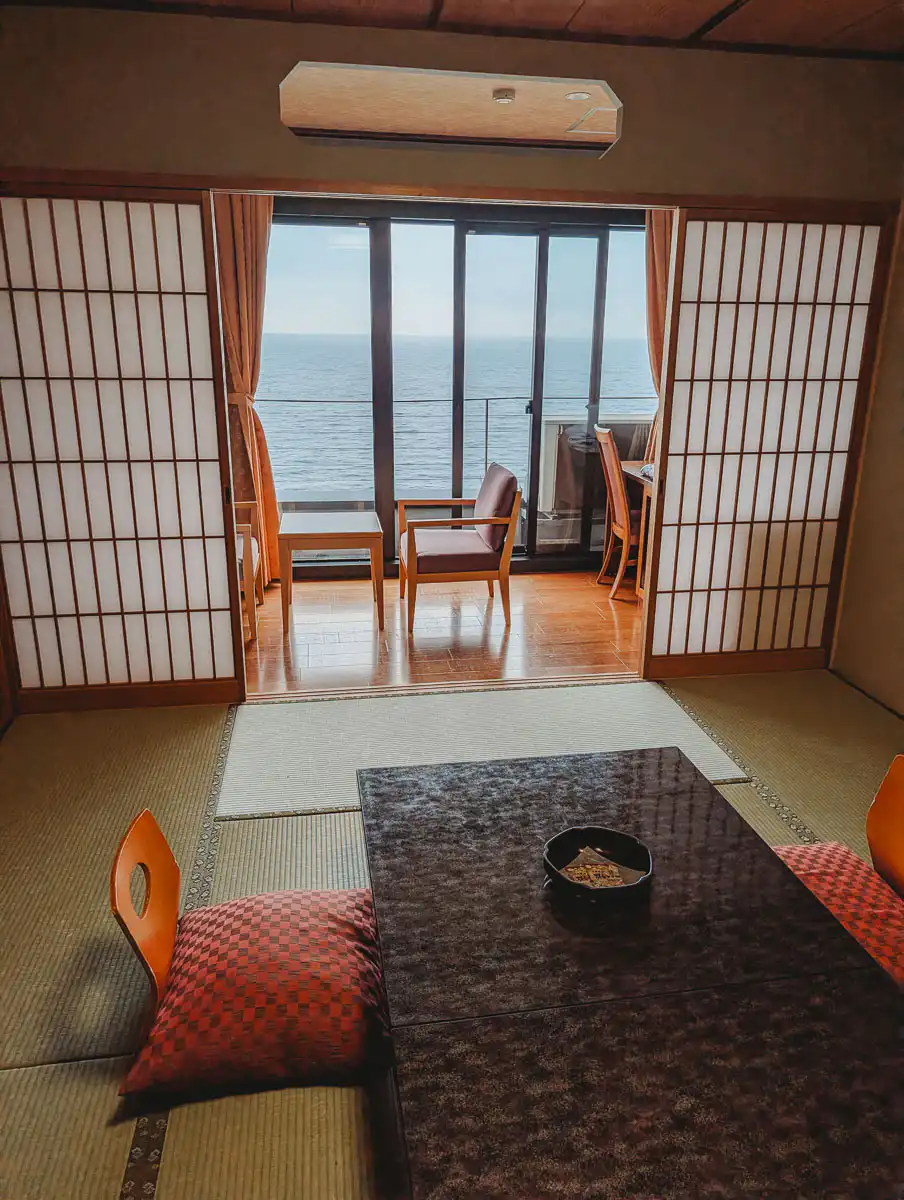
In the southern part of town, we stayed at Seaside Hotel Mimatsu Oetei right along the waterfront. This larger hotel features a rooftop onsen overlooking the ocean, and each room is also traditional tatami-style that comes with a small balcony overlooking the waterfront.
Of the two places we stayed, we enjoyed the onsen and view of Seaside Hotel Mimatsu more, but preferred the wagyu dinner of Manrikiya Ryokan. That’s why we recommend splitting your stay between the two!
Kannawaen Ryokan (Alternative Option)
Another ryokan that caught our eye was Kannawaen Ryokan. It features an impressive variety of onsens, including rooftop baths, private tubs, outdoor garden pools, and indoor baths, all within a beautiful modern property that blends traditional tatami-style rooms with contemporary comforts.
This post is part of our series about Japan. If you want to learn more about Japan, planning your trip, and some of the best experiences there, check out the guides below:
Day 11-14: Aso to Fukuoka and Nanzo-In Temple
Today’s Drive: Beppu to Nanzo-In temple 2 hours, Nanzo-in Temple to Fukuoka 25 minutes
Why Stay in Fukuoka
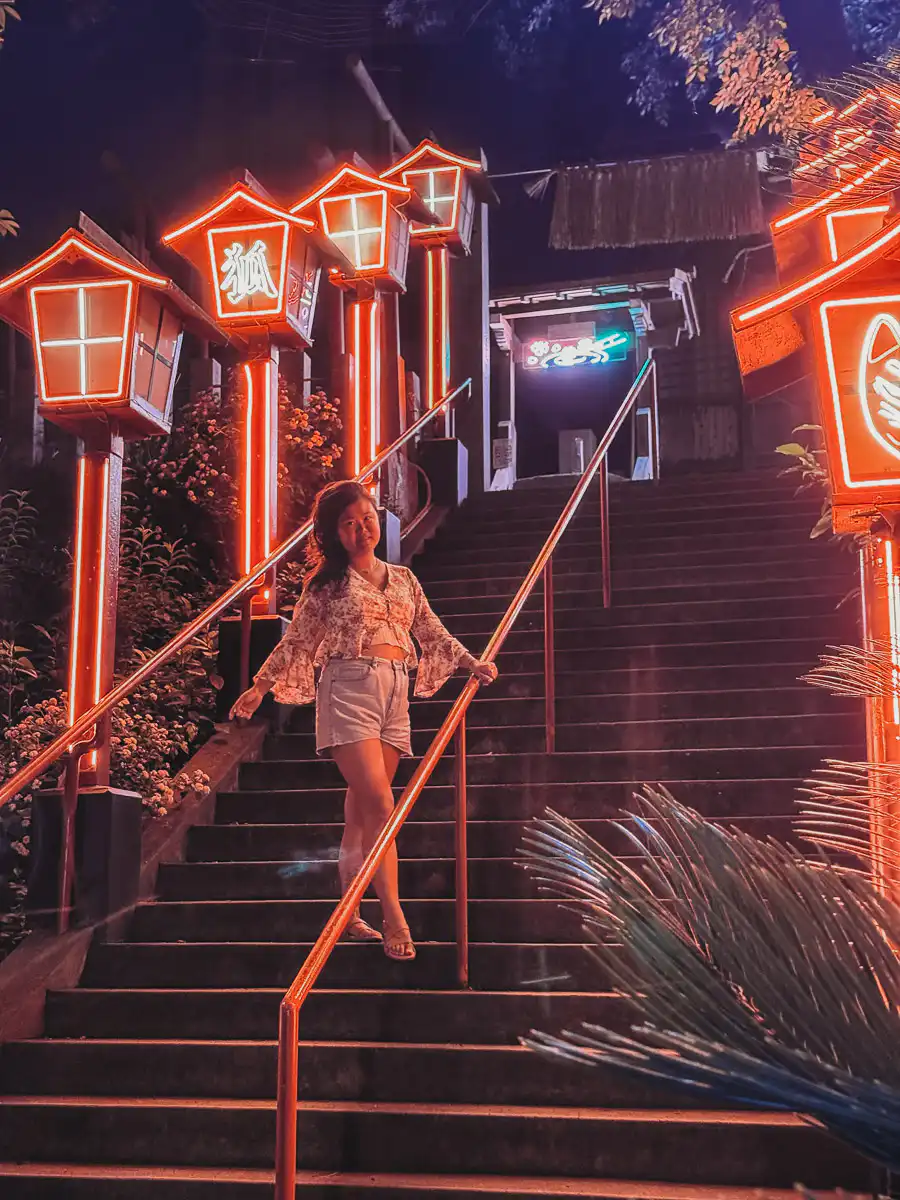
Fukuoka is where you’ll begin and end your Kyushu road trip, and after two weeks on the road, we decided to slow things down and spend a few extra days exploring the city. What we loved most about Fukuoka was its relaxed pace of life, the beautiful network of rivers and waterfronts running through the city, and of course, the incredible food scene.
If you’re wondering what there is to do in Fukuoka and whether it’s worth adding to your Kyushu itinerary, make sure to check out our detailed Fukuoka Guide.
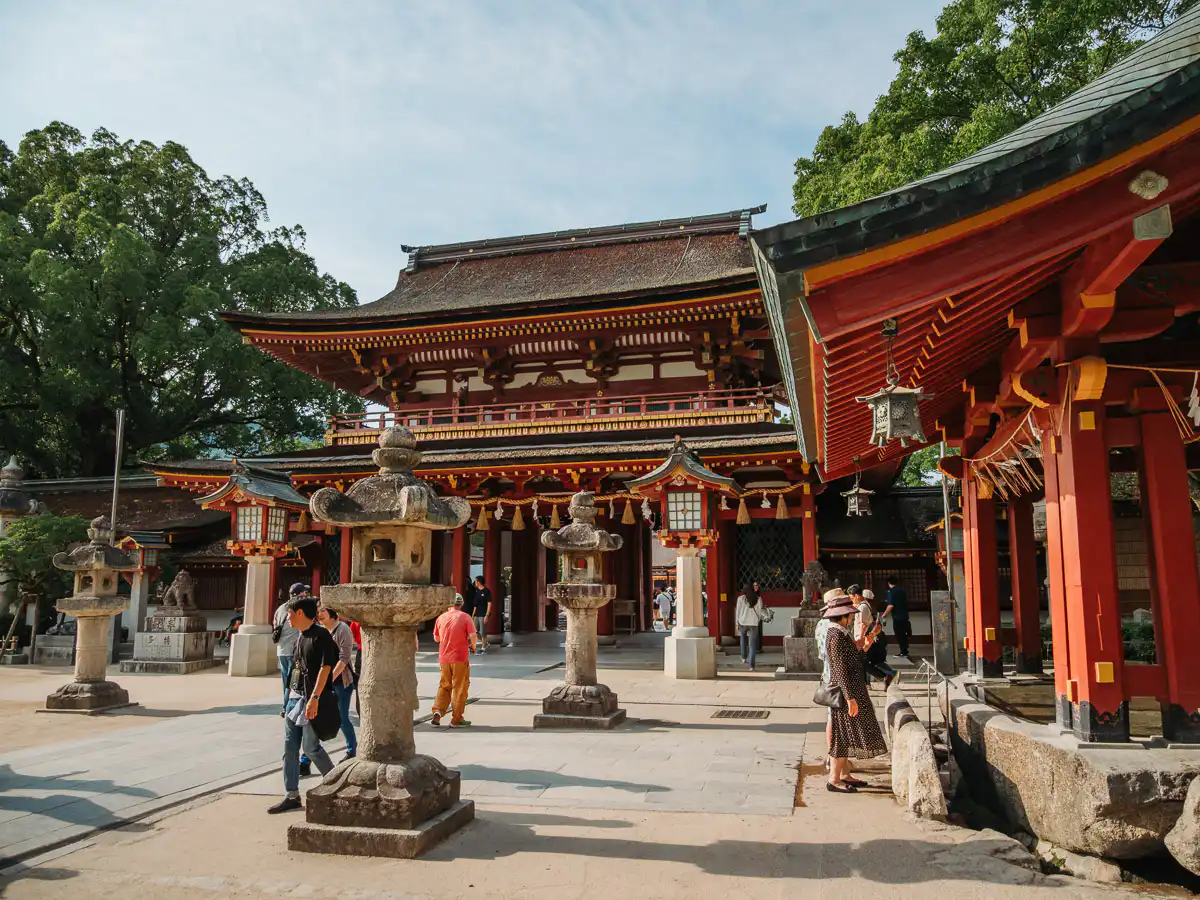
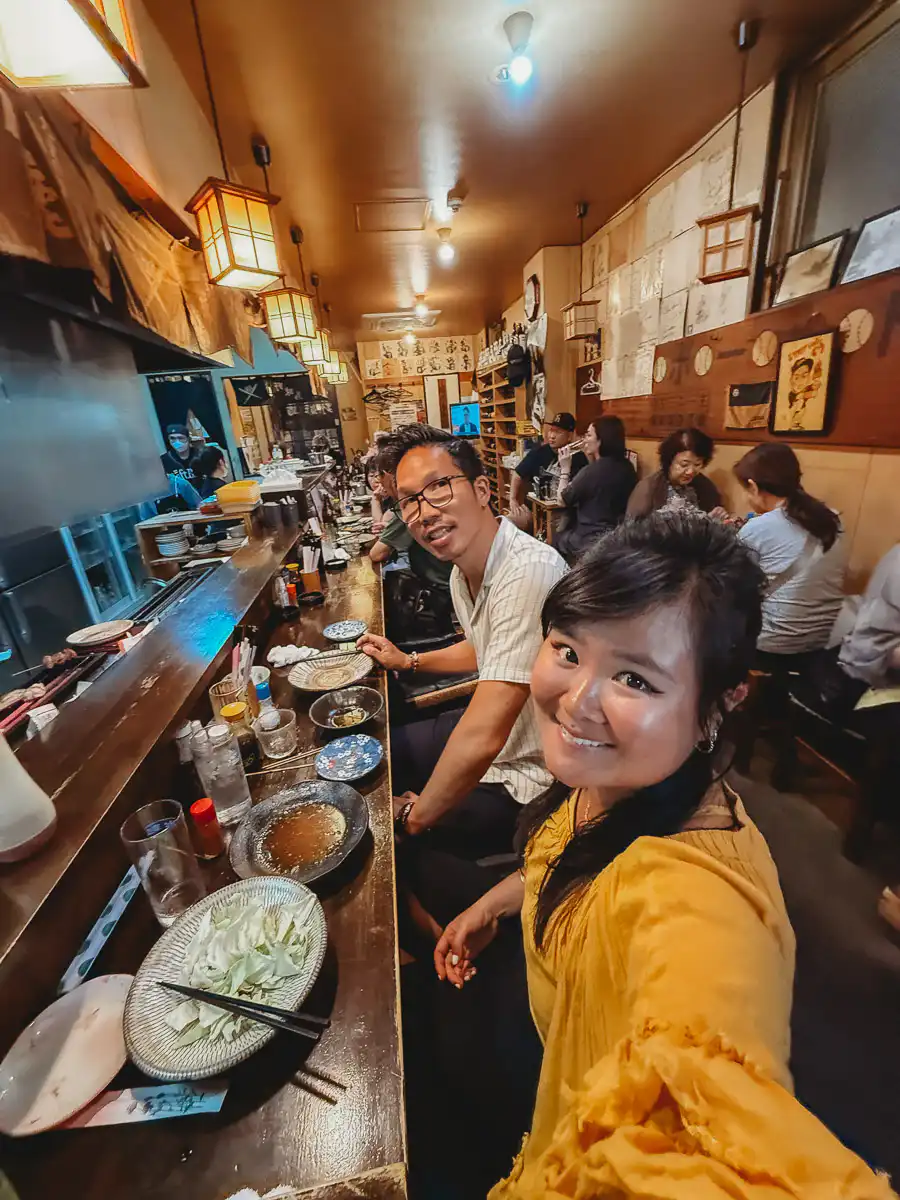
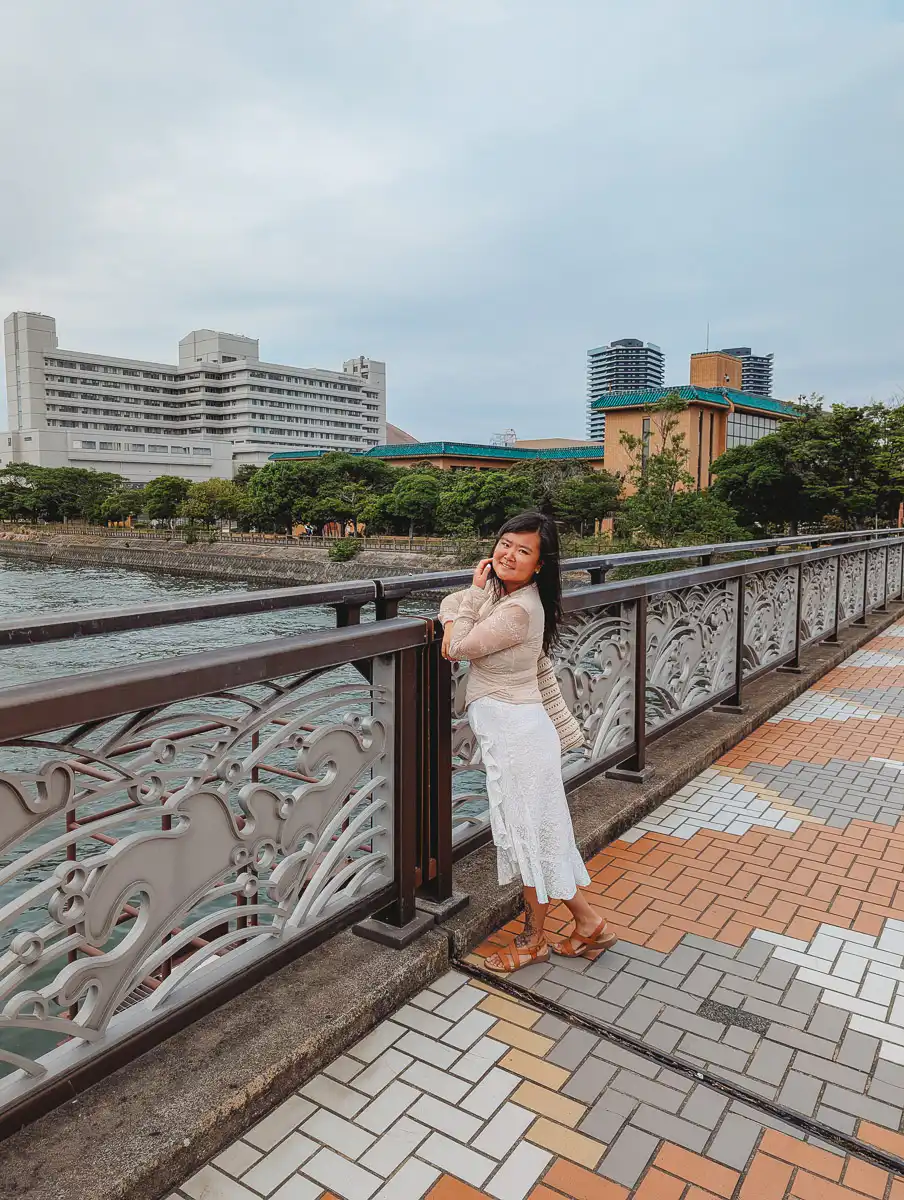
What to do in Fukuoka
Stop 1: Nanzo-In Temple
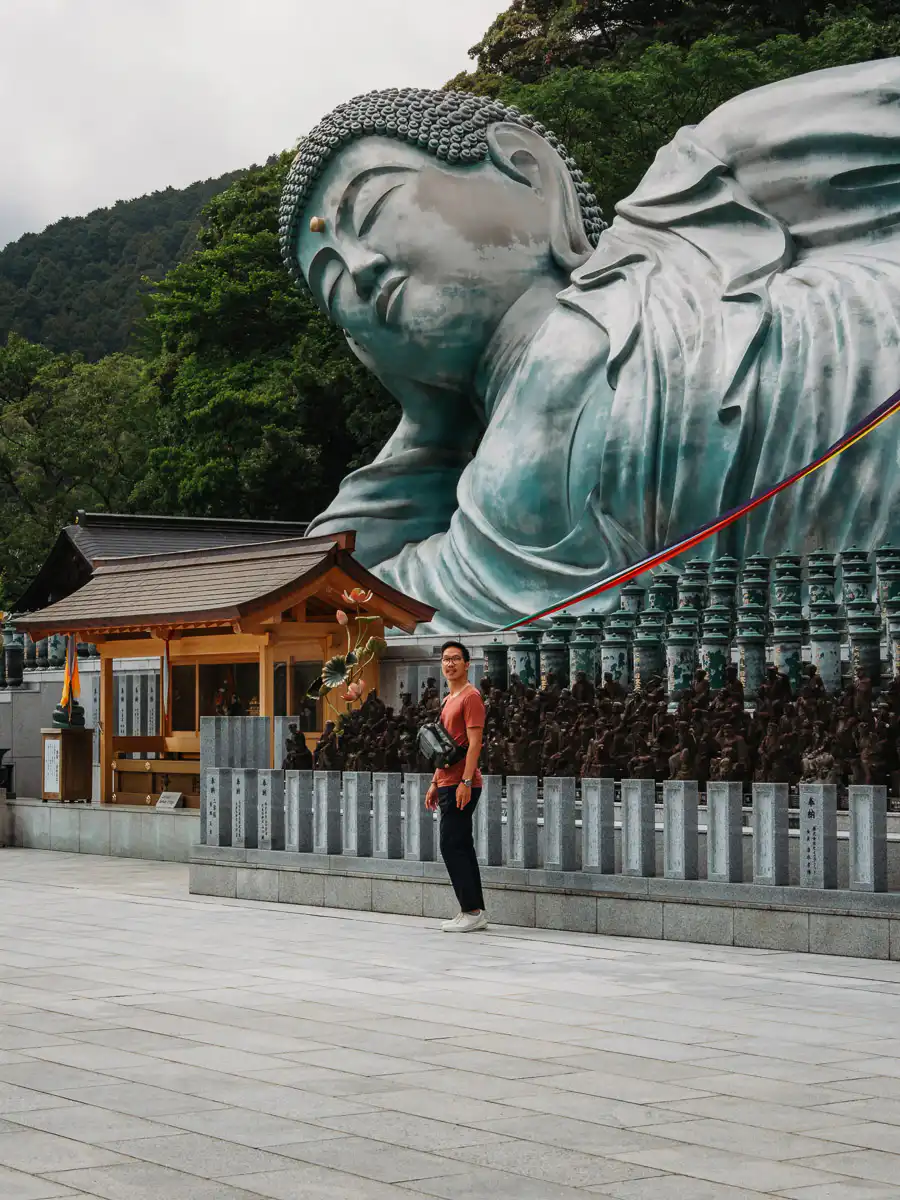
Just 30 minutes from Fukuoka, you’ll find one of the world’s largest reclining buddhas at Nanzo-in temple. Since we still had the car for a few more hours on the way from Beppu to Fukuoka, we decided to make a stop here before our return.
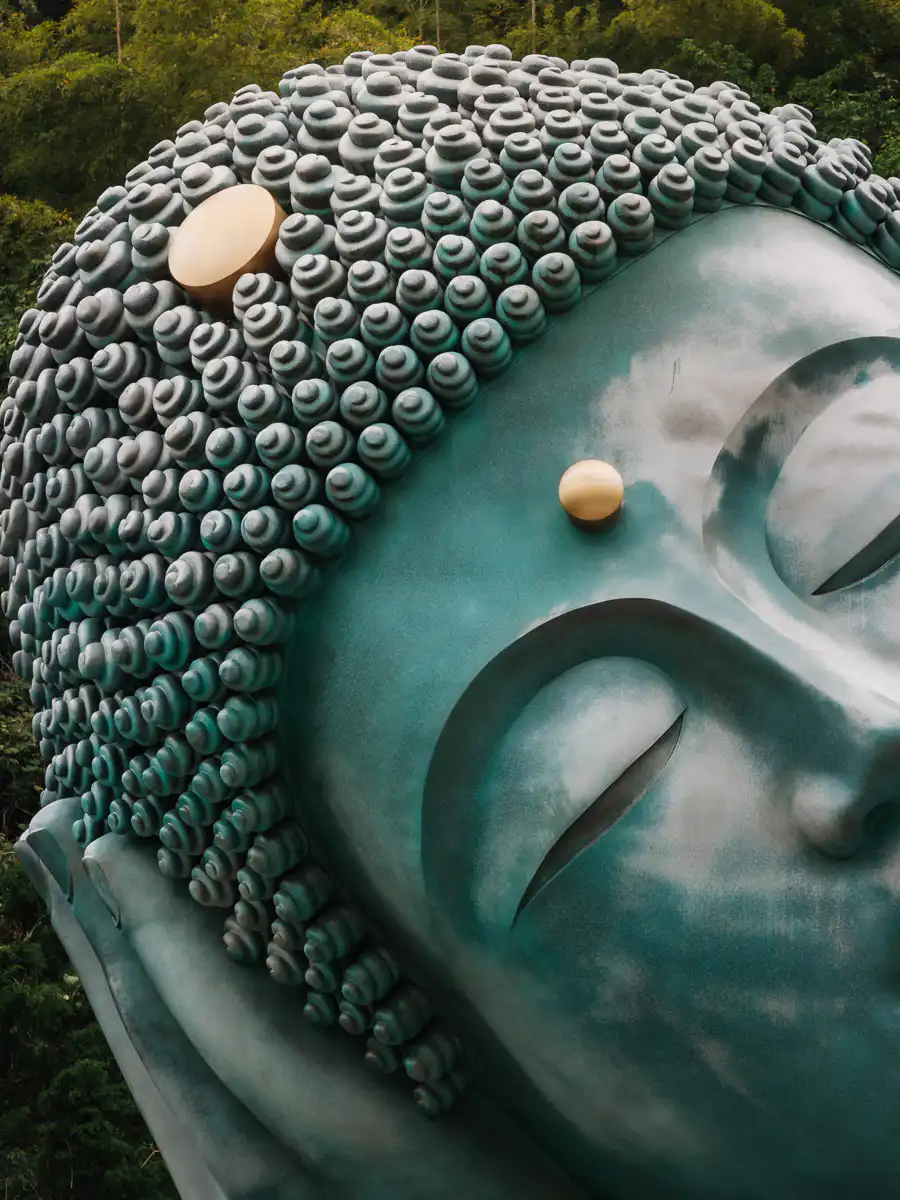
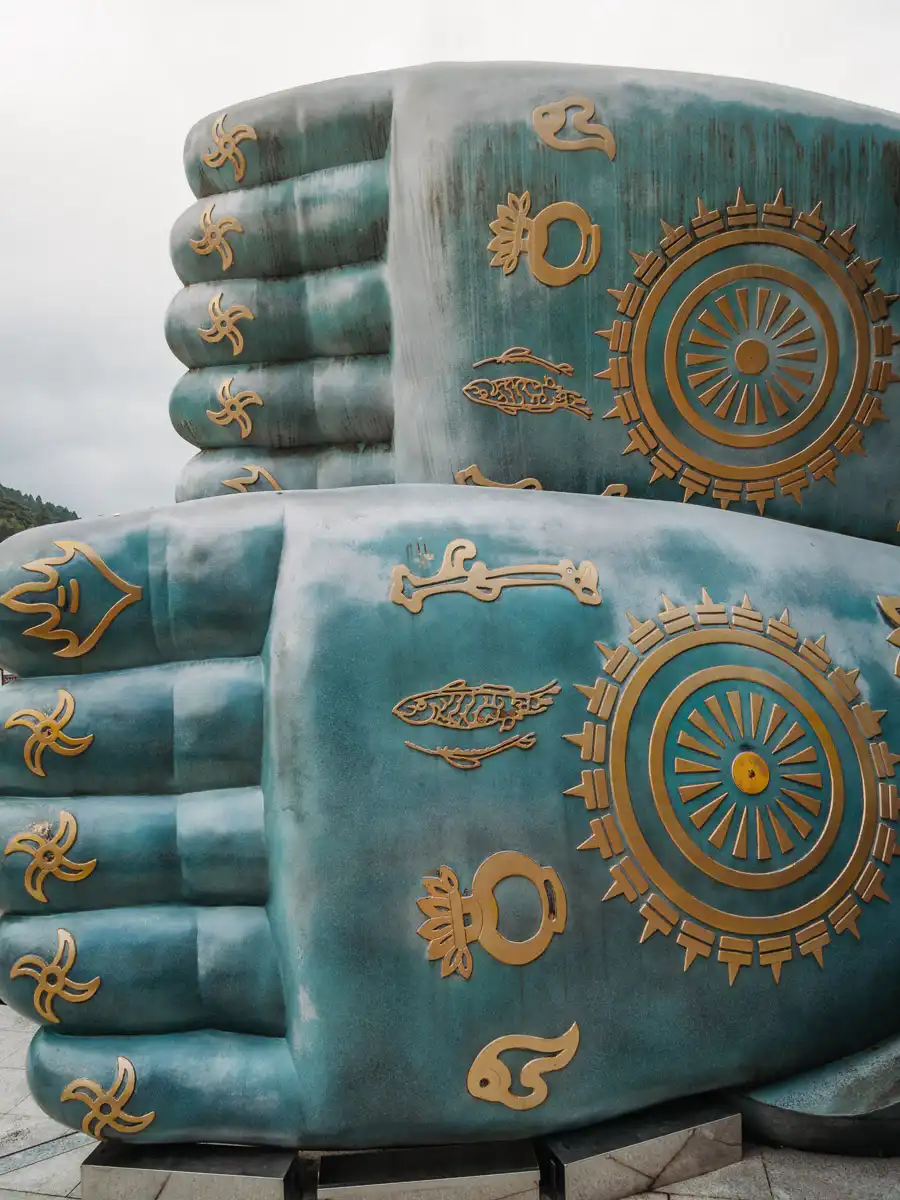
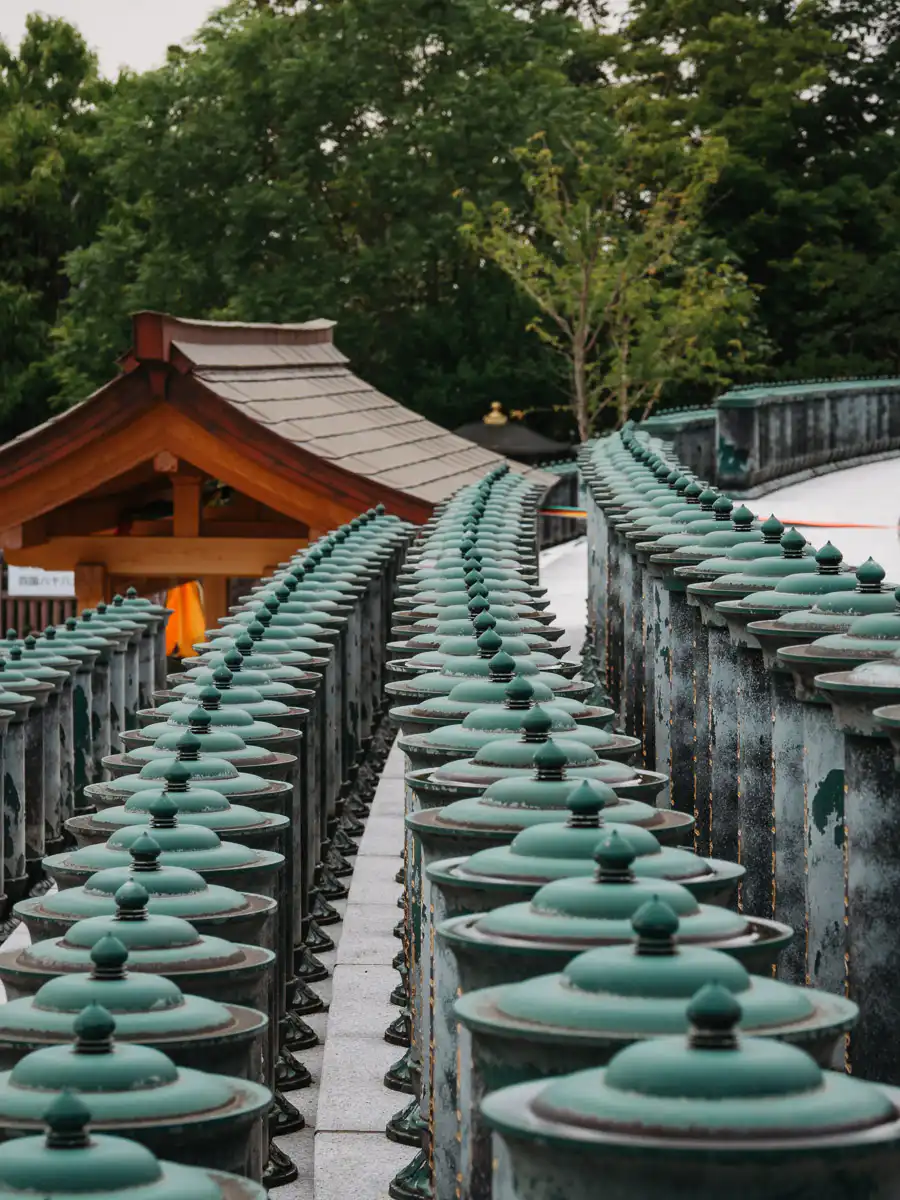
The whole temple complex has such a calm, almost zen atmosphere, and we really enjoyed wandering through it at our own pace. There’s also a nice variety of things to see, from rows of tiny quirky statuettes tucked into the grounds, tori gates lining up the mountain path, and then suddenly you’re face to face with the 135-foot bronze buddha statue.
Also before leaving, don’t miss grabbing one of their matcha ice creams right beside the Buddha. It costs only ¥300 and was the perfect treat to help us slow down and admire the area.
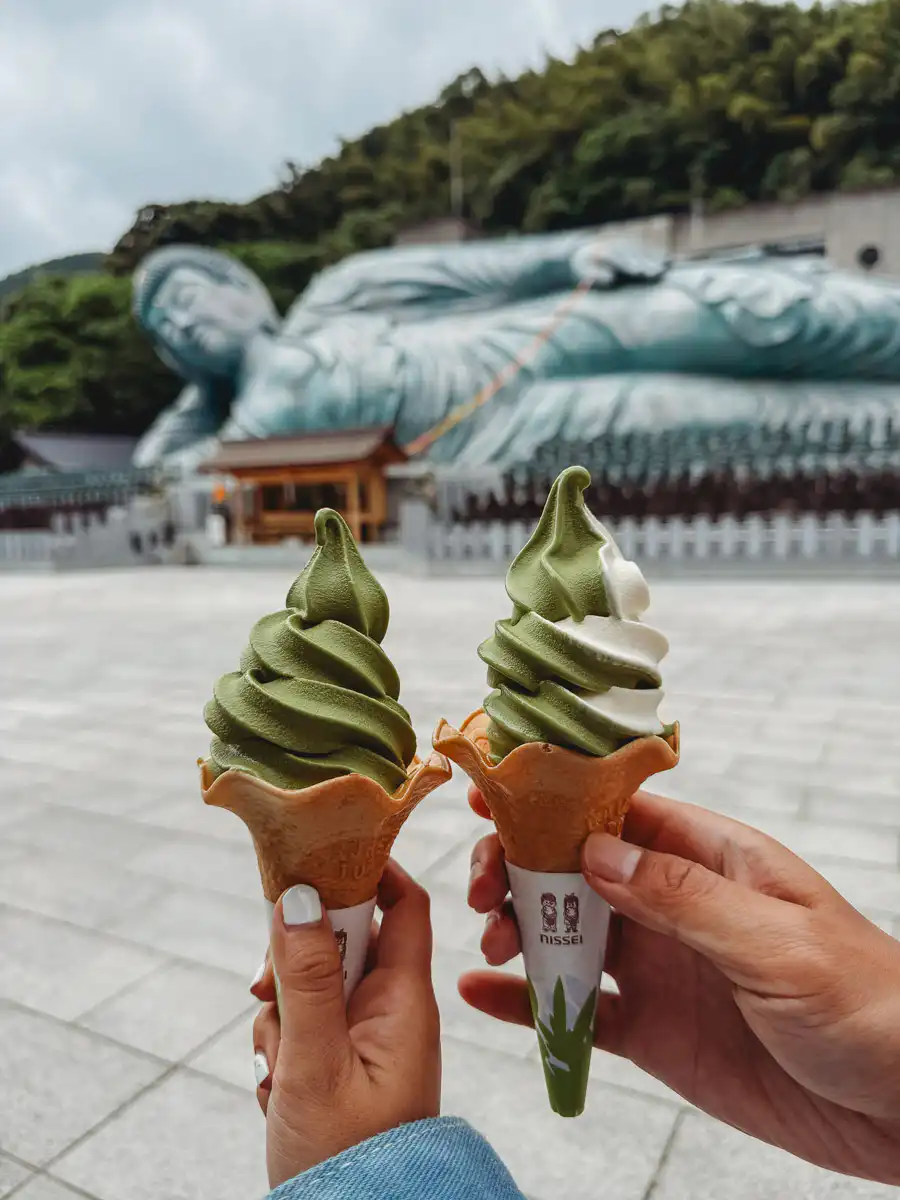
To visit, you can rent a car and self-drive like we did, you can take the train, or you can join this guided Nanzo-in Temple Tour.
- Duration: 1-2 hours
- Ticket Price: ¥500, paid at the door
- Parking: there’s a paid parking lot, but drive just 10 seconds further and you’ll find this large free parking lot!
Stop 2: Best Things to do in Fukuoka (3-5 nights)
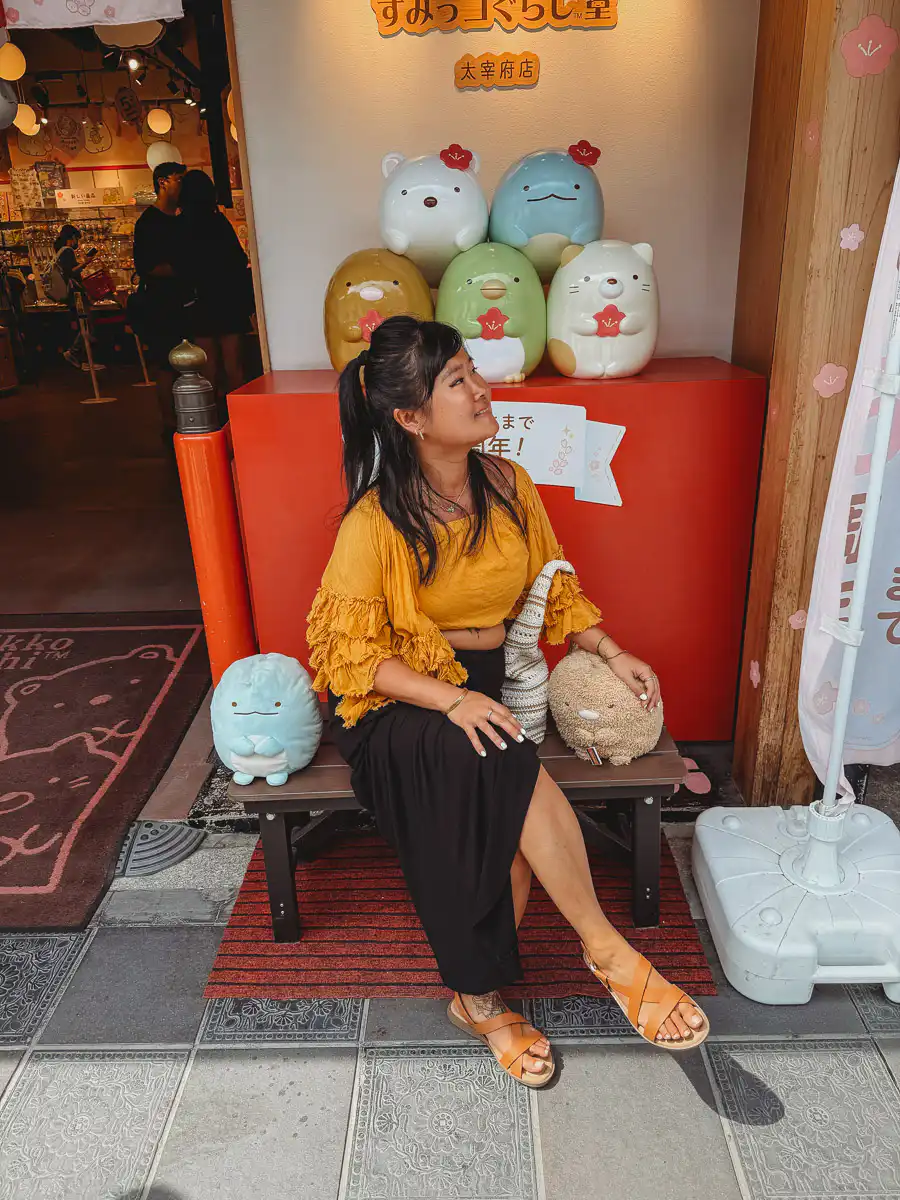
Fukuoka is a city that combines incredible food, unique culture, and easy access to some of Kyushu’s best day trips. We’ve put together all of our favourite activities, along with our personal ratings for each experience, in our detailed Things to Do in Fukuoka guide. But if you’re looking for a quick overview, here are some of the highlights:
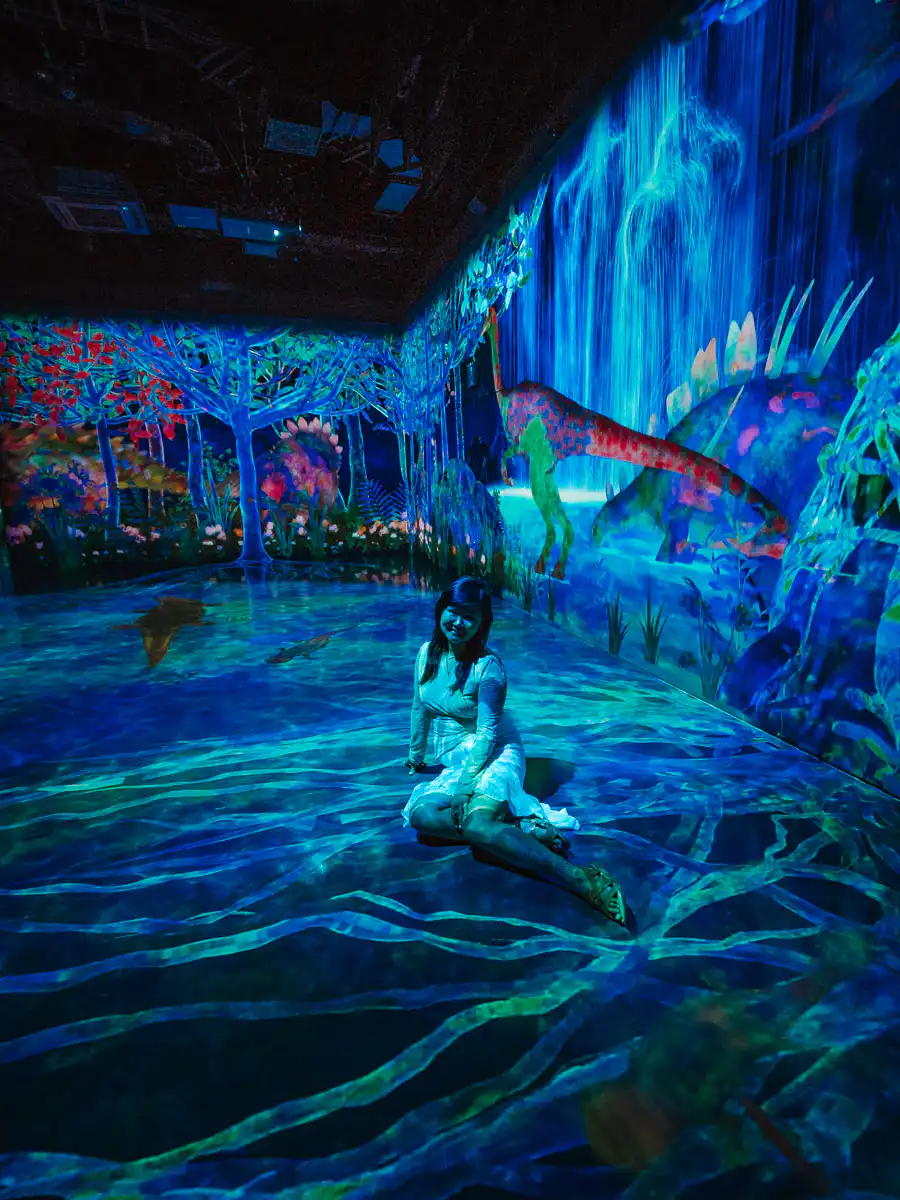
- Team Lab Forest
- Fukuoka Civic Disaster Emergency Centre
- Ohori Park and Fukuoka Castle
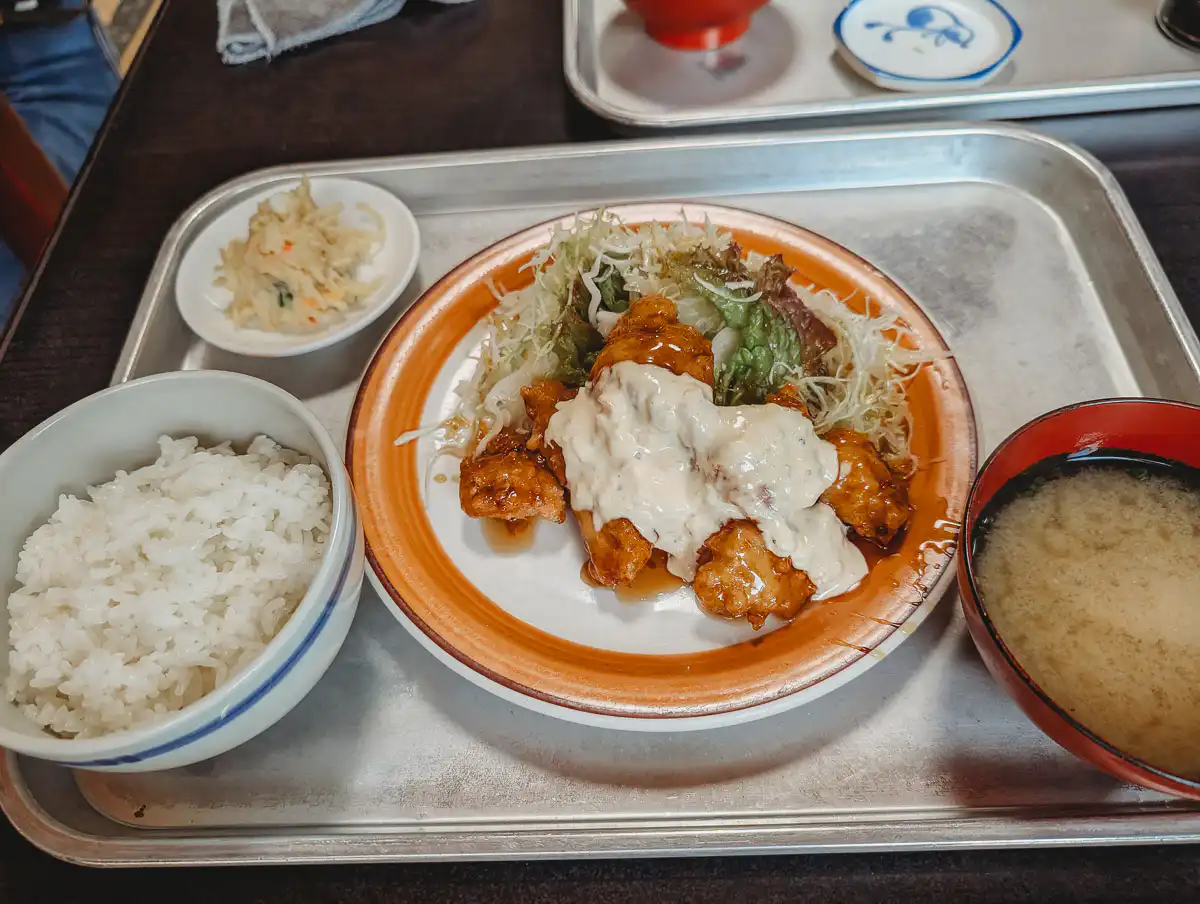
- Explore the delicious food of Fukuoka
- Catch a baseball game with the Softbank Hawks
- Day trips to Itoshima, Nanzo-In Temple, Dafaizu, Yanagawa, Africa wildlife Safari Park and more!
✅ You may enjoy reading – Fukuoka Itinerary Guide
Where to Stay in Fukuoka
We had stayed near Hakata Station at Toyo Hotel for one night before starting our road trip. But for this part of the trip, we decided to switch areas and stay closer to the popular Tenjin area. We actually preferred this neighbourhood as it felt much more local, with plenty of restaurants, a lively downtown atmosphere, and easy walking access to places like Fukuoka Castle and Ohori Park.
In fact, during our 5-day stay, we only ended up taking the bus twice: once to reach Dazaifu and the other time to get to Teamlab Forest. Otherwise, almost everything else we wanted to see could be reached within around 30 minutes on foot!
In the Tenjin area, we stayed in a small AirBnB, but some other affordable and highly rated options include the Lyf Tenjin Fukuoka, Hotel Tenjin Place, and H Hotel.
Although Tokyo isn’t directly part of this itinerary, most travellers will still be visiting as part of the Golden Route. If you’re heading to Tokyo, don’t miss our free PDF guide featuring 28 experiences that most tourists miss! ☝️
Places We Left Off This Itinerary
When researching how we should plan our road trip, we quickly realized that everyone seems to take a slightly different approach to planning their Kyushu itinerary. Some include the entire Kyushu, going all the way down to the souther tip with Kagoshima, others go far west to visit Nagasaki, whereas some only spend 1 week going through a similar itinerary as ours but significantly cutting short the stay in Aso.
In our itinerary, we decided to focus on the northern part of Kyushu, allowing for a beautiful variety of experiences like volcano trekking, onsen towns, porcelain towns, and just the right dose of culture, but without over-exhausting the driving distances.
We ultimately chose to skip Nagasaki since we were going to visit Hiroshima after our stay in Kyushu, and omitted the southern part of Kyushu including Kagoshima and Miyazaki due to the long driving distances and since we were already going to see volcanoes at Aso.
Although closer to our route, we also chose to skip Yanagawa famous for its Venice-like canals, and Kumamoto famous for its castle.
How to Shorten or Extend this Kyushu Itinerary
If you have only 1 week in Kyushu
This is a tough one since all the experiences in Kyushu were amazing, but if we had to modify the itinerary to one week, it would probably look like this:
- Day 1: Fukuoka to Itoshima to Arita, stay at Keramiek Guesthouse (1 night)
- Day 2: Arita to Yutoku Inari Shrine to Tao Taiko Show to Aso, stay at Guesthouse Asobe 民宿 あそ兵衛 (4 nights)
- Day 3: Aso Eboshidake and Kishimadake hike
- Day 4: Aso Sensuikyo Gorge Hike
- Day 5: Aso day trip to Kamishikimi Kumanoimasu Shrine, wagyu lunch, sunset at Kishimadake
- Day 6: Aso to Beppu, stay one night at Seaside Hotel Mimatsu Oetei (1 night)
- Day 7: Beppu back to Fukuoka, stopping at Nanzo-in Temple
If you have more than 2 weeks in Kyushu
If you have more than two weeks, we would definitely consider adding Nagasaki and the volcanic region of Unzen to your itinerary. Alternatively, if you’re comfortable with longer drives, we highly recommend heading further south to Kagoshima to experience the impressive Sakurajima volcano. Another highly praised destination is the island of Yakushima, where you’ll find ancient, moss-covered forests.
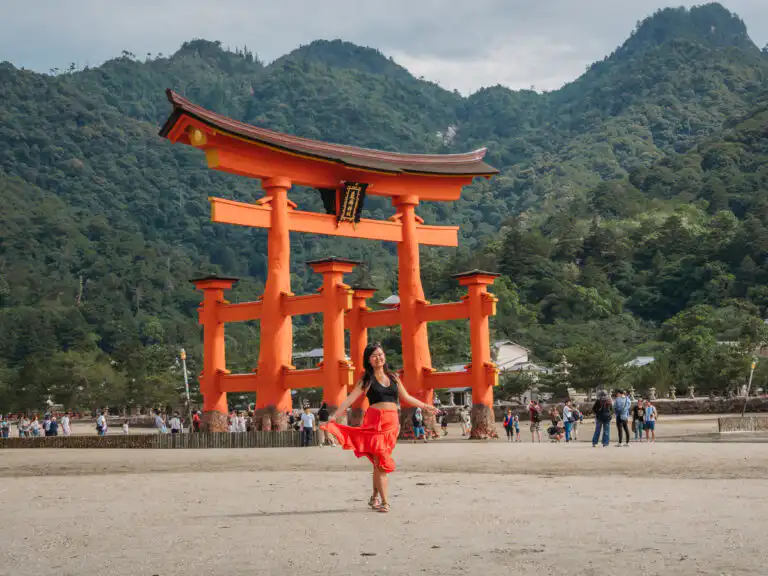
And if you want to explore another nearby region, we highly recommend checking out Hiroshima and the famous Miyajima island. We spent 6 days there and absolutely loved our experience!
Budget for our Kyushu Itinerary
Here is a general breakdown of our expenses for this 2 week Kyushu road trip itinerary (for two people):
- Car rental 14 days: ¥59,268, equivalent of 512 CAD
- Hotel accommodation: 14 days for around ¥206,000, equivalent of 1787 CAD (2 night with half board Ryokan)
- Meals: ¥98,000, equivalent of 847 CAD
- Activities: ¥17,000, equivalent of 146 CAD. Most of the activities included in this itinerary, except for the taiko show, boat ride, Team Lab Forest, and Beppu 7 Hells, the rest are generally free entry. Especially the Aso area and its hikes.
- Tolls: ¥7,390, equivalent of 64 CAD
- Total spending for 2 people on our 2 week Kyushu Itinerary: ¥387,658, equivalent of 3349 CAD. This comes out to about 240 CAD per day for the both of us.
FAQ
How Much Time to visit Kyushu
We recommend spending a minimum of 10 days to do this Kyushu Road Trip. As you can see from our 7 days in Kyushu Itinerary, you will get to see most of the highlights but the pacing will be somewhat rushed. We ended up spending 2 weeks and felt like it was the perfect amount of time.
What things do you need to book in advance
In general, we recommend booking your accommodation and car rental more than 3 months in advance. Since you will be travelling to several smaller towns like Beppu, Arita, and Aso, the hotel options are not huge and tend to book up fast. For the car rental, we were able to get a great price since there was an early bird spring promotion going on.
With regards to the activities, you should definitely try to reserve early the Taiko show, Takachiho Gorge Canoe (if you want to do it), and Ryokan in Beppu.
Tolls while driving through Kyushu (ETC Card)
We recommend getting the ETC card at the car rental counter. It costs only around ¥500 but it will make your road trip so much easier since you can just pass by the tolls without needing to stop and fish out loose change. At the end of the trip, you give the car rental agency back the ETC card and they will let you know the total owing. On our 2 week trip, our total was around ¥7,390, equivalent of 64 CAD.
Do you Need an International Driving Permit to Rent a Car in Japan
Yes, you need an international driving permit to rent a car in Japan. They definitely do check.
Best time to visit Kyushu
Kyushu can be enjoyed year-round, but we think the best time to visit is during spring and autumn when the weather is pleasant and the scenery is incredible. Spring brings blooming flowers (like the ones we experienced in Aso) and fresh green landscapes, while autumn transforms the mountains with beautiful fall colours.
We visited during early May, which was the perfect time to experience Kyushu in spring. The weather was pleasant, and our experience was made even more memorable by the beautiful flowers blooming around Mount Aso!
How much Driving Each Day In This Kyushu Road Trip
We have listed the general driving times and distances in the itinerary, but overall expect to drive around 2 hours when changing from one base to the other. For day trips, usually the drives are under 1 hour each way. The longest drive in this itinerary is going from Arita to Aso, which takes under 3 hours.
Where should you fly in and out of?
We recommend arriving in Fukuoka. Not only does their airport have more available flights, but the car rental pricing and options are better than in Nagasaki.
🗺️ Planning a trip to Japan? Check out our Complete Japan Itinerary Guide where we share our 10 days, 14 days, or longer Japan travel itinerary including what to do each day, where to stay, how to get around the country, and much more! This guide covers visiting the Golden Route including Tokyo, Izu Peninsula, Kyoto, Osaka, and Incredible day trips in the Kansai region. We’ll be creating a Kyushu road trip guide soon!
Using WISE card in Japan
When taking cash out of an ATM while abroad, you will most likely be charged both a foreign exchange fee and a foreign transaction fee by that country’s ATM. With my Canadian card, this can easily be 3-4$ + 2.75% + a markup on the exchange rate charged by my bank, and then another 3-5$ charged by the foreign ATM.

This can be really costly. For this reason, we recommend using WISE card which has only minimal fees and just about no foreign currency exchange markup. This helps me save at least 5-7$ every time I take out money from an ATM. If you want to see our full review of the card showing exactly how WISE can help you save, check out our WISE Travel card Review post.
Summary: 2 Week Kyushu Road Trip Itinerary
When we first started researching Kyushu, it was surprisingly difficult to find detailed information on how to plan the trip. We spent hours scouring different blogs, YouTube channels, and local tourism boards, trying to piece everything together like a puzzle.
So we truly hope this guide helps make planning your own Kyushu road trip a little easier. We’ve also created separate guides covering exactly what to do in Fukuoka, how to plan your stay in the volcanic region of Aso, the best hikes in Aso, and more. We’re sure these will also come in handy as you plan your adventure!