34 Fun Things to Do in Japan: Your Ultimate Travel Guide


When we first started planning our trip to Japan, we were overwhelmed by the abundance of information and the endless variety of incredible experiences this country has to offer. We wanted to experience the Golden Route of Japan but, true to our travel style, craved for a more off-the-beaten-path way to experience the country beyond the typical tourist trail. Having now spent over 3 weeks discovering Japan, and adding countless hours of research, we are excited to share with you our list of 34 unforgettable things to do in Japan that combine classic highlights and our favourite hidden gems with practical planning tips!
We hope this helps inspire your travel planning and makes it easier to figure out what places should be at the top of your must-visit list. And here’s the kicker—our favourite experience turned out to be somewhere we’ve barely seen mentioned in other travel blogs! Keep reading to discover more and start planning your dream Japan Bucketlist itinerary!
Essentials for your Trip to Japan
If you are short on time and want some quick suggestions for what to do in Japan, these are our favourite 8 out of the 34 on the list!
✅ Favourite Activities in Japan:
🧙♀️ Harry Potter Studio tour
Day trip to Nara with the best Tuna Uni Bowl
Omakase Experience with All-you-can-drink Sake in Tokyo
🥁 Taiko Drumming Experience + Wagyu Yakiniku Dinner
👘 Rent a Kimono and do a photoshoot
Road Trip through Izu Peninsula
🍣 Sushi Making Class + Kimono in Tokyo or Mochi-making class
🥩 Wagyu Tasting tour Tokyo
🔪 Legendary Knife-making Workshop Kyoto
🎟️ Regional activity pass for Tokyo, Osaka, Kyoto
Klook Greater Tokyo Pass, Klook Osaka Pass, Klook Kansai Pass
🏠 Where to stay: Toyoko Inn Tokyo, Ryokan LaForet Ito
📲 Recommended E-Sim: Airalo
🚑 Travel insurance we used: Safety Wing
🧭 Essential Navigation app: NaviTime
Best Cities to Visit in Japan
Japan is larger and more diverse than many travelers expect! For first-time visitors, we highly recommend exploring the “Golden Route”—the central region that showcases some of Japan’s most iconic destinations, including Tokyo, Osaka, and Kyoto. This area offers a perfect blend of Japan’s best culinary delights, rich cultural experiences, and stunning natural landscapes.
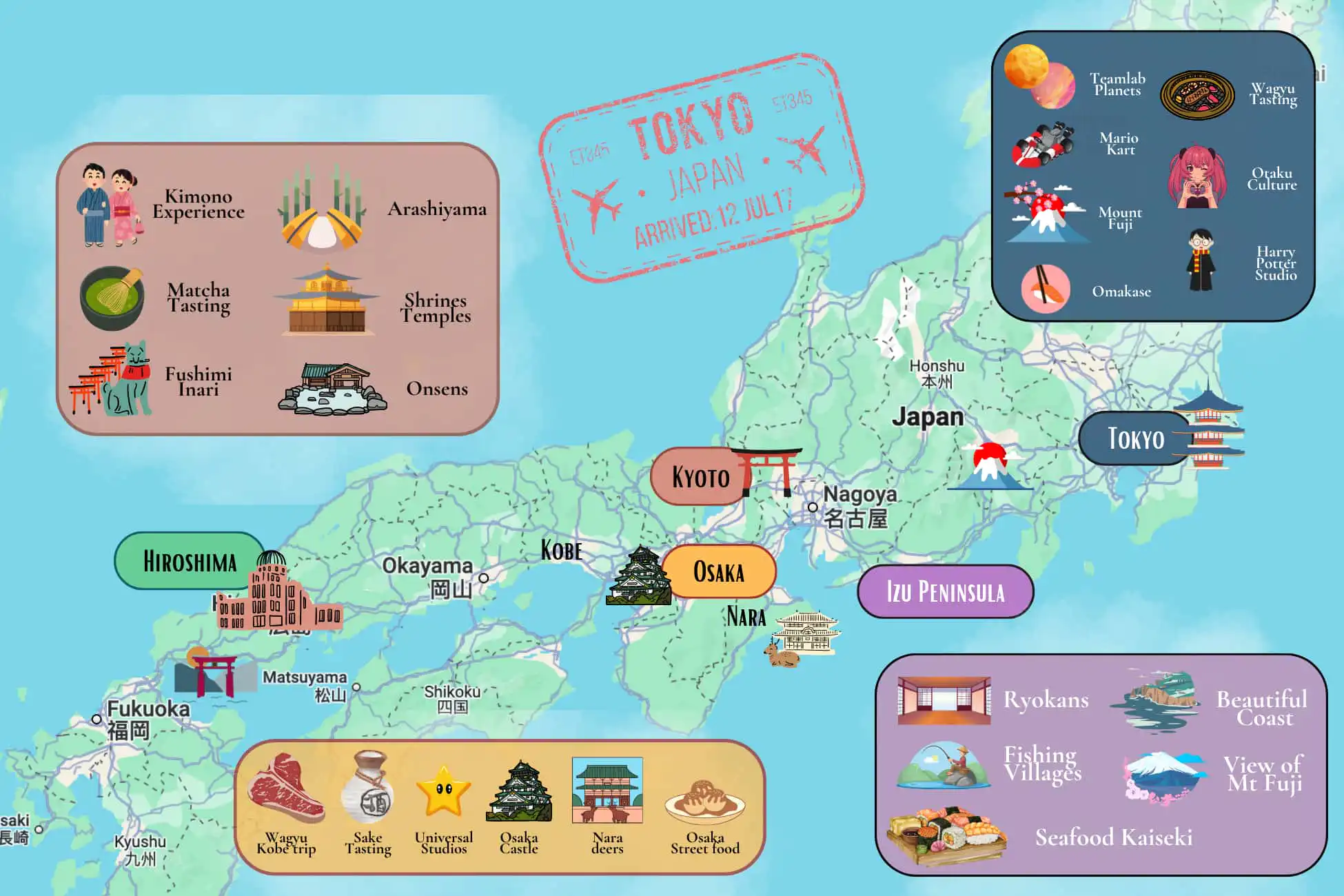
Our ultimate Japan bucket list of 34 unforgettable things to do spans three distinct regions and is designed to fit seamlessly into a 2-3 week itinerary. We have also included some hidden gem destinations, like Izu Peninsula which turned out to be our favourite experience in Japan!
To help you visualize where these incredible adventures are located, here’s a breakdown of the main cities and areas we recommend including on your first trip to Japan:
Tokyo– The Dynamic Capital
Recommended Duration of Stay: 3-4 days
Why Visit Tokyo:
Tokyo is a thrilling mix of modern skyscrapers, historic temples, quirky neighborhoods, and world-class food. It’s a must-see for first-time visitors!
Key Attractions in Tokyo:
- Shibuya Scramble Crossing – Iconic photo spot and one of the busiest pedestrian intersection in the world!
- Harry Potter Studio Tour – Amazing for all Harry Potter Fans! step into the studios where the movies were filmed!
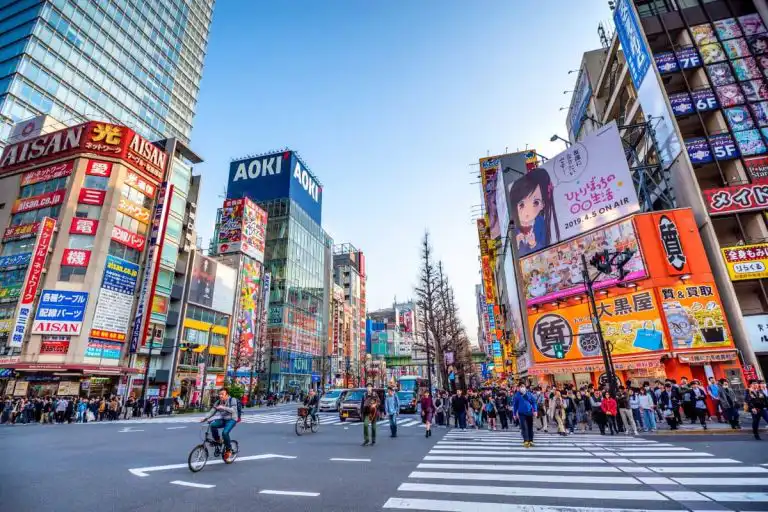
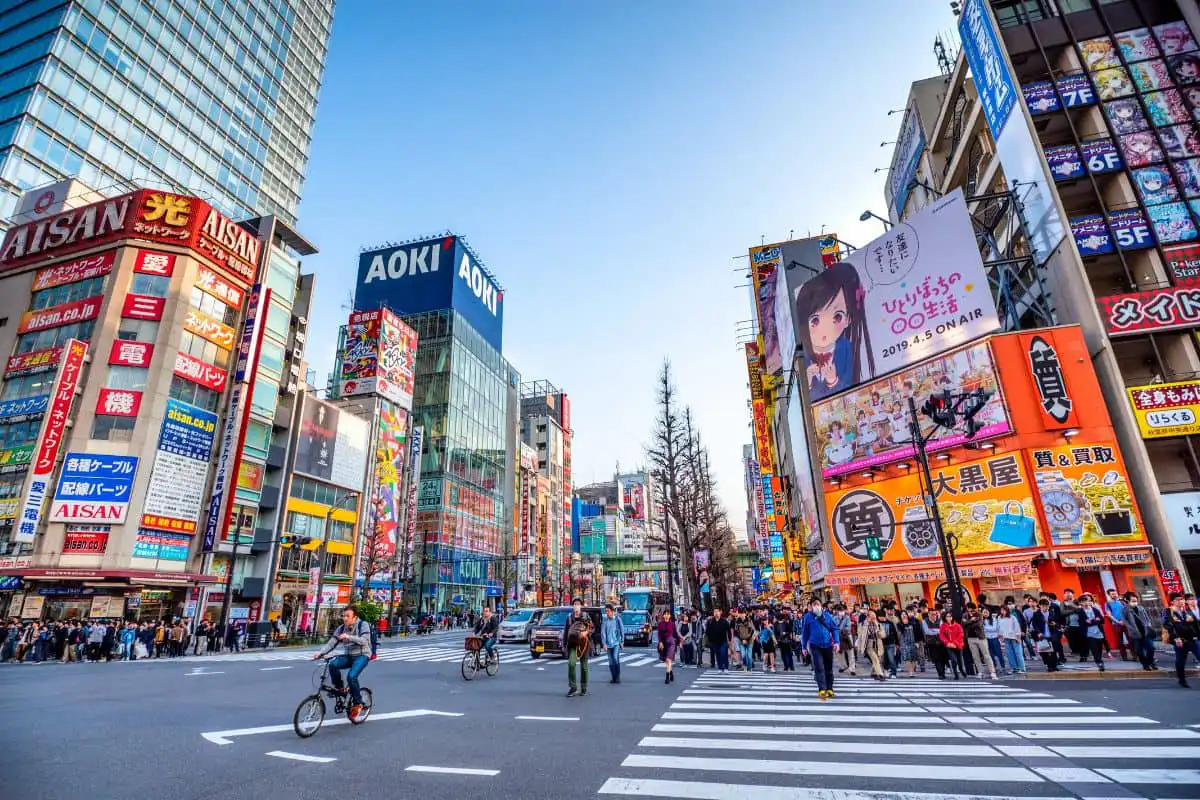
- Akihabara – Electronics, anime, and gaming culture! It’s like walking into a futuristic anime world!
- Tokyo Skytree or Shibuya Sky – Stunning city views of the Tokyo skyline, and you can even see Mt Fuji!
- TeamLab Planets – the famous digital art museum, perfect spot for unique photoshoot!
- Wagyu Tasting Experience, Omakase, Sushi-making, Taiko Drumming, and so much more!
For a full list of our favourite experience in Tokyo, Check out our Tokyo Experiences Travel Guide!
Kyoto – The Heart of Traditional Japan
Recommended Duration of Stay: 3-5 days (Kyoto is excellent as a base to do day trips)
Why Visit Kyoto:
Kyoto is Japan’s cultural gem, with centuries-old temples, shrines, gardens, and traditional streets. This is the perfect place to experience historic Japan. Yes, it is overtouristic, but there is an undeniable charm to experiencing ancient Japan, and is also an excellent base for exploring areas like Nara, Uji, Fushimi Inari.

Key Attractions in Kyoto:
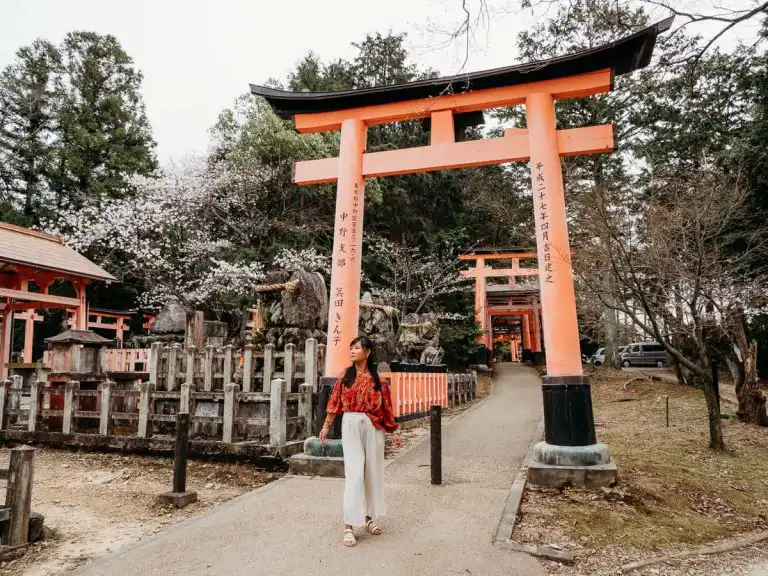
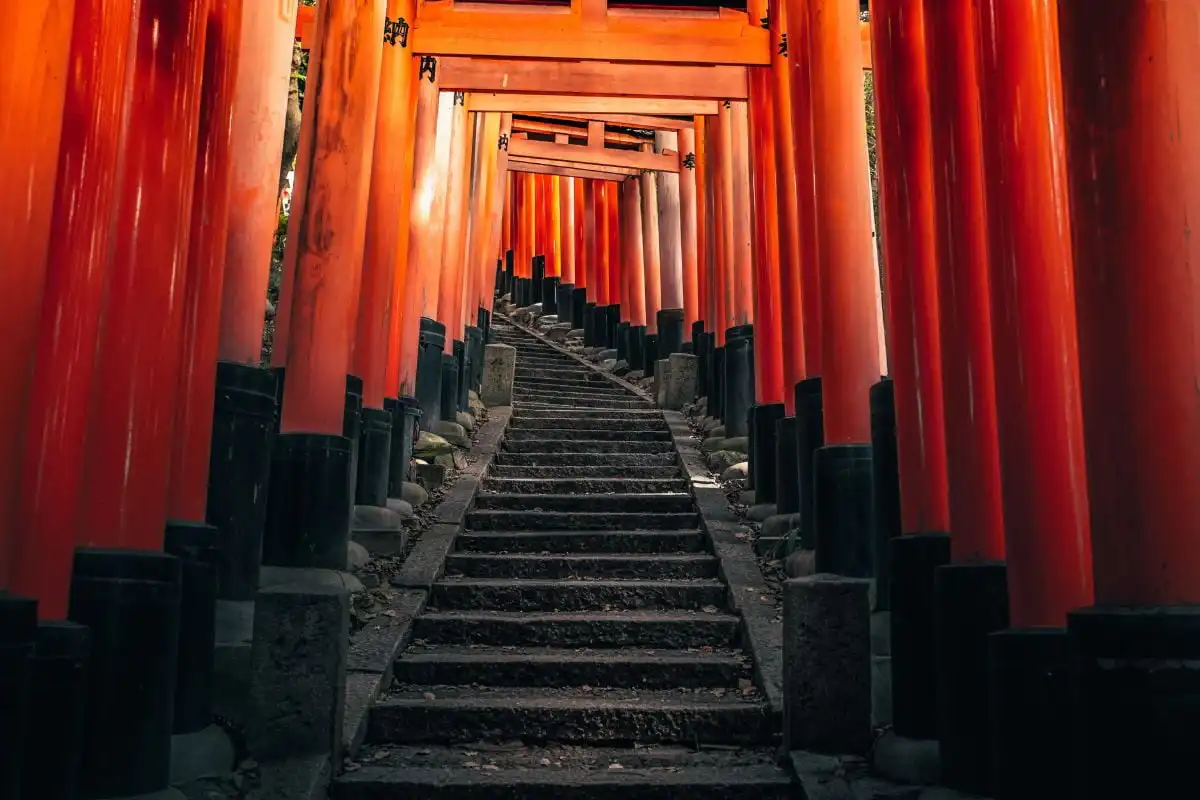
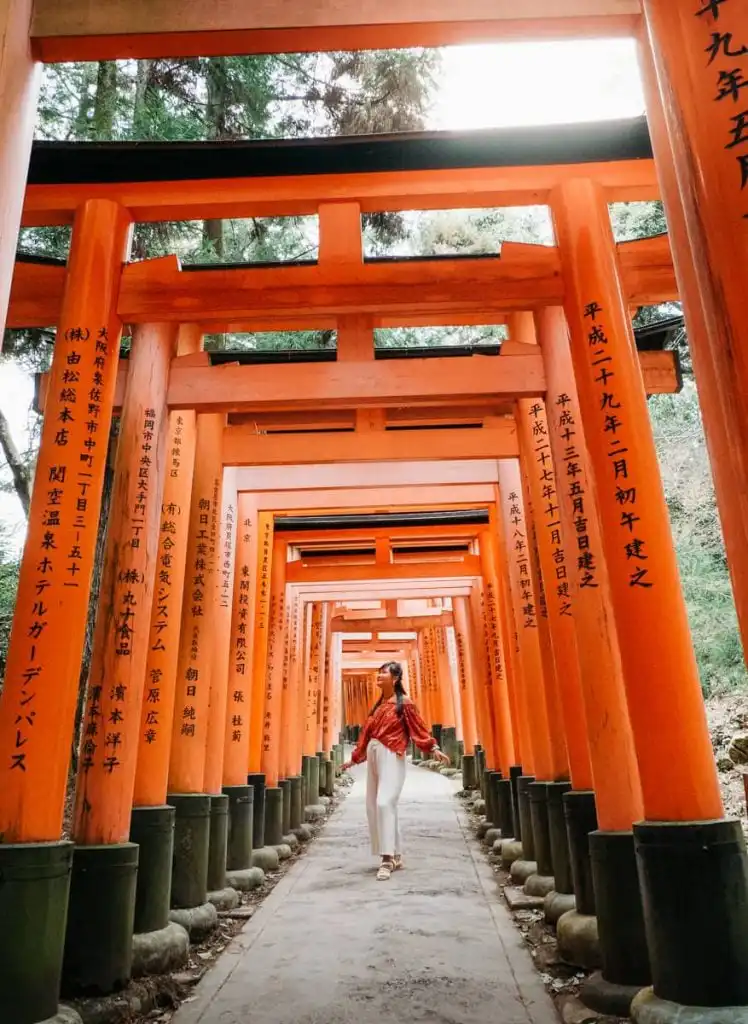
- Fushimi Inari Taisha – I’m sure you’ve seen the famous photo of the hundreds of red tori gates lining the mountain path. It’s totally worth it but make sure to discover the hidden side of Fushimi Inari!
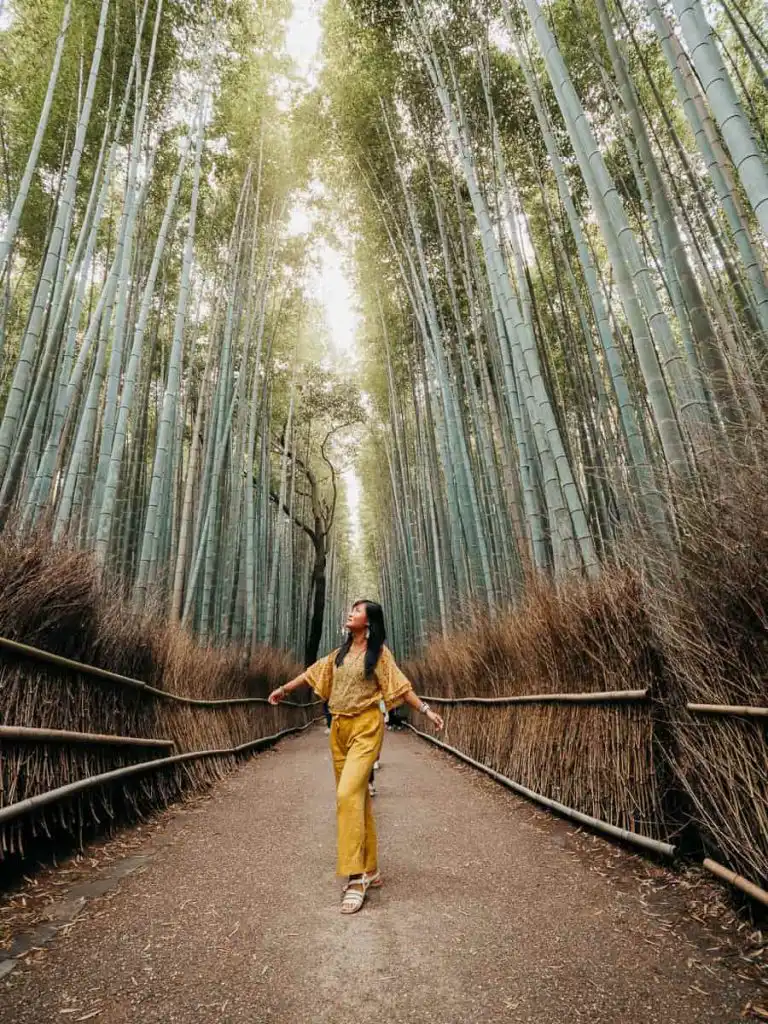
- Arashiyama Bamboo Forest – The famous Bamboo forest
- Kinkaku-ji (Golden Pavilion) – Iconic shimmering Golden temple.
- Gion District – Where you can experience the traditional streets of Japan with geisha sightings.
- Dress up in Kimono to explore the ancient Sannenzaka
- Learn Kintsugi – The Japanese Art of repairing broken ceramics
- Day Trips to Uji for all things matcha, Osaka, and much more!
For a full list of our favourite experience in Kyoto, Check out our Kyoto Experiences Travel Guide!
Osaka – Japan’s Foodie & Entertainment Hub
Recommended Duration of Stay: 3-4 days (We based there for 3-4 days and was an excellent base for day trips to Kobe, Okayama, Kurashiki, Nara, and more!)
Why Visit Osaka: Osaka is famous for its vibrant nightlife, amazing street food culture, and entertainment districts. It was the first city we landed in on our Japan trip, and it felt like the perfect gentle introduction to the country — without the culture shock of Tokyo or the crowds and overtourism of Kyoto.
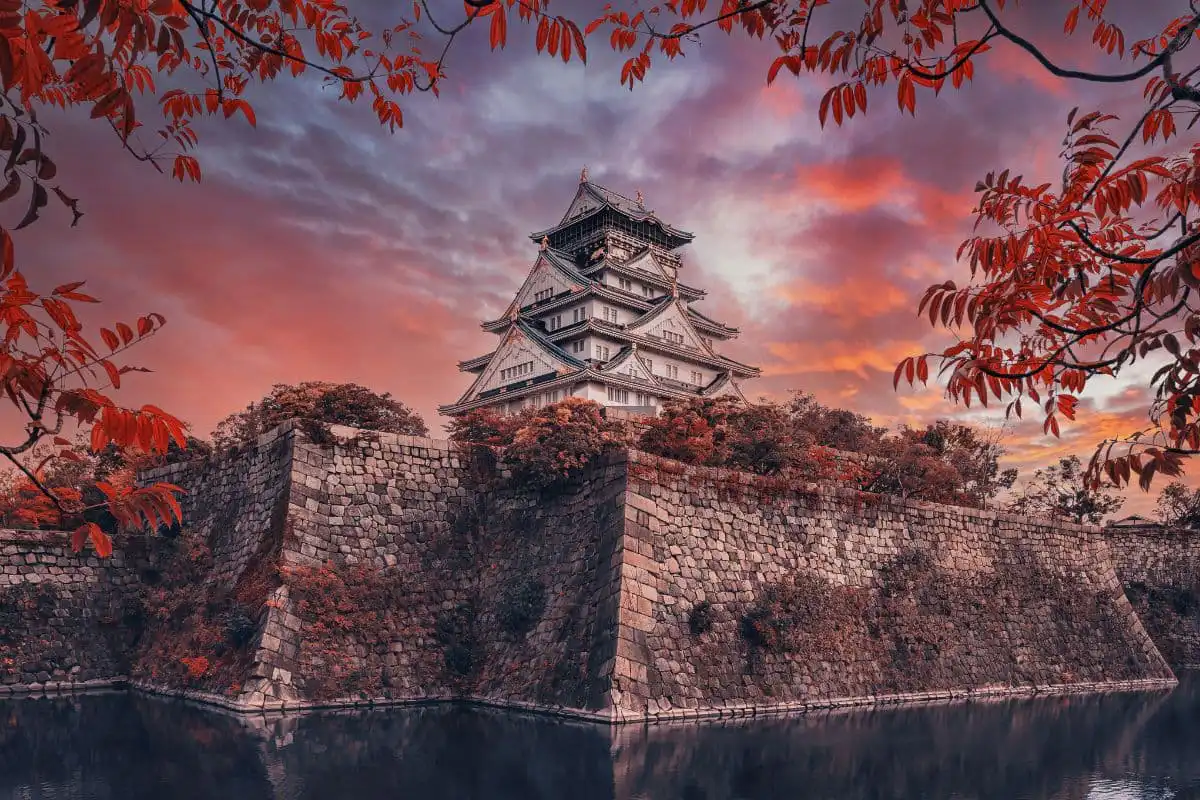
Key Attractions in Osaka:
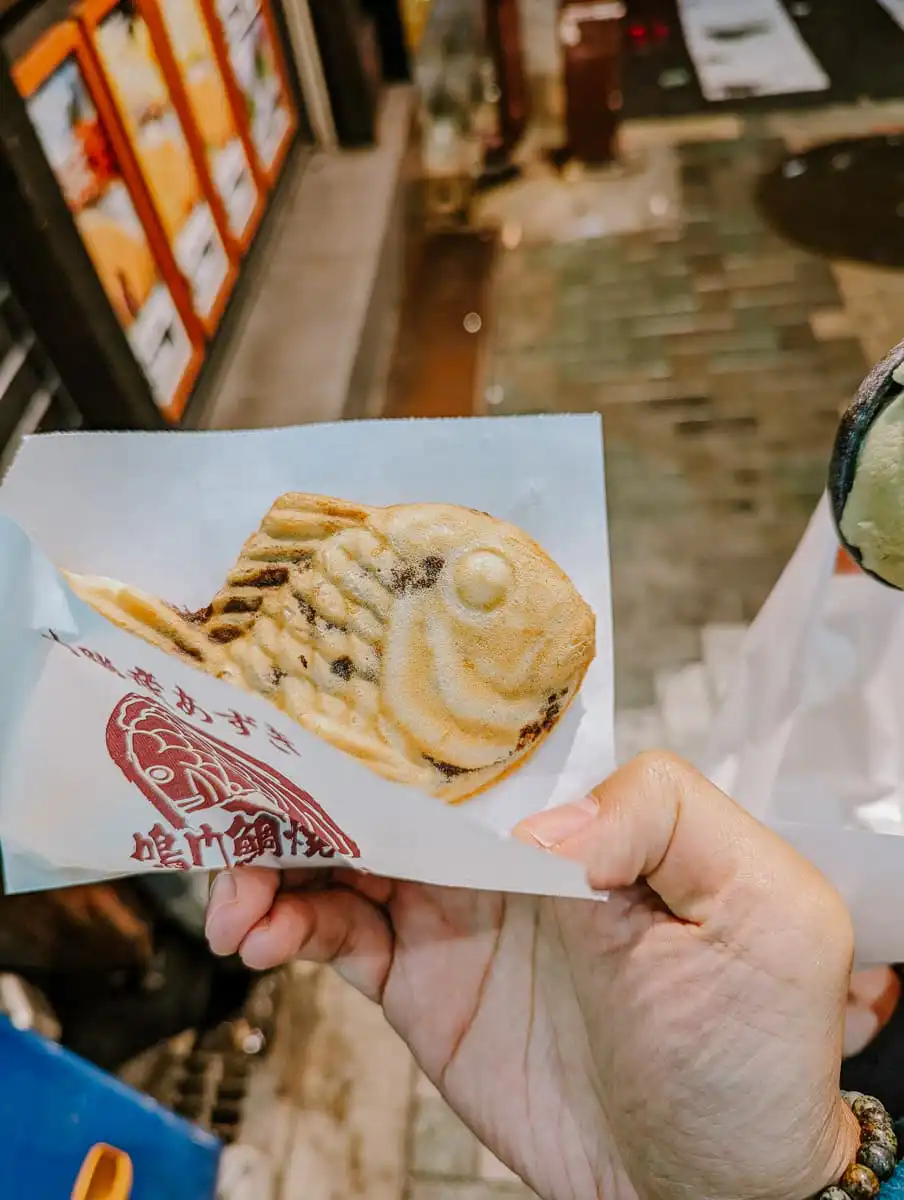
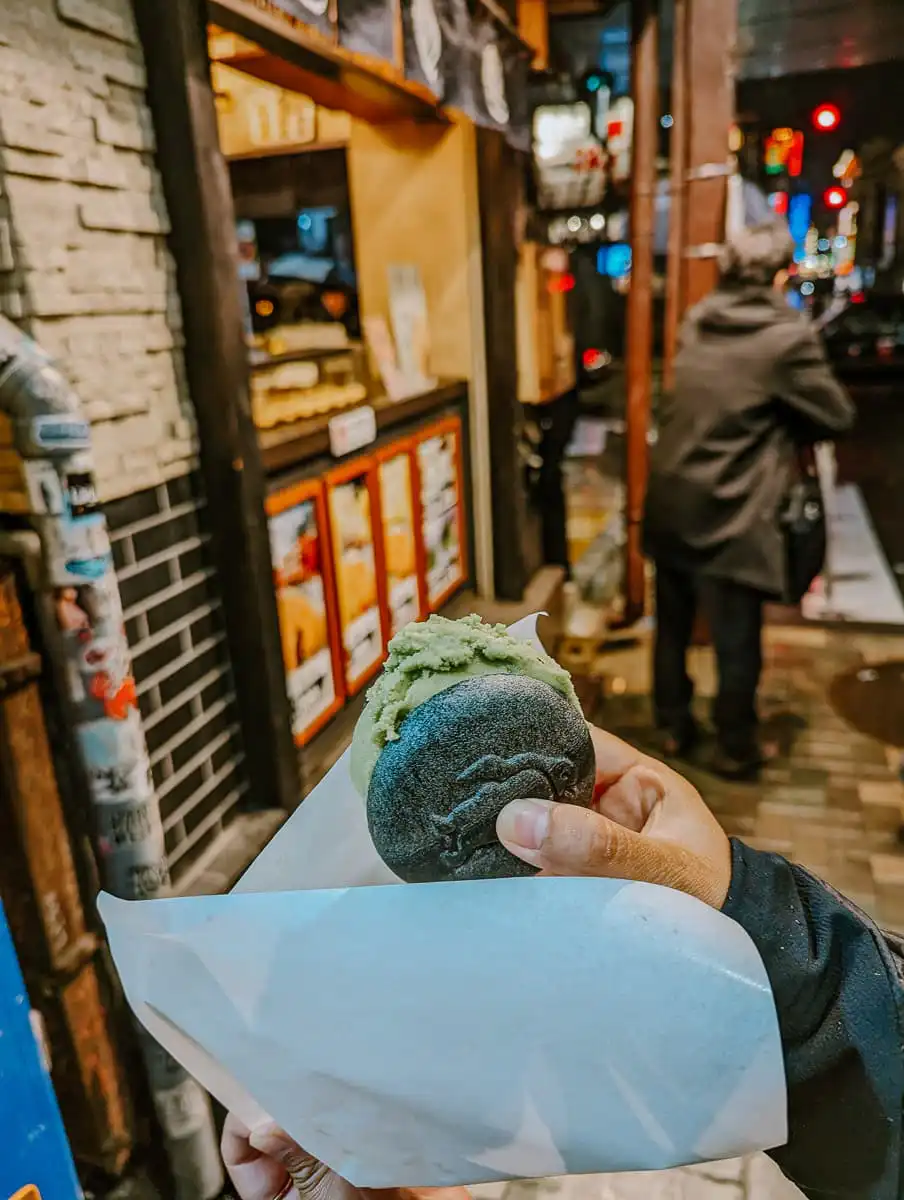
- Dotonbori & Shinsaibashi – Neon lights, street food, and shopping! It’s like the Time Square of Osaka! Make sure to enjoy Taiyaki, Takoyaki, Okonomiyaki, Kushikatsu, and more!
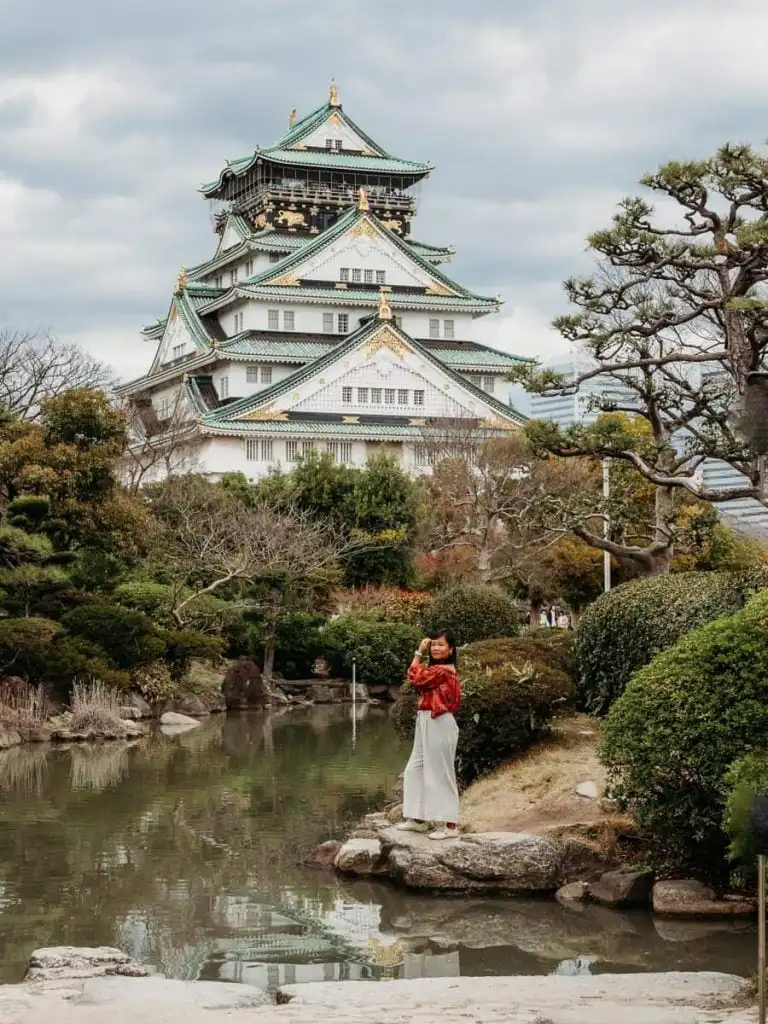
- Osaka Castle – Historic landmark with beautiful gardens. One of the most impressive castles we saw in Japan!
- Universal Studios Japan – Theme park fun, including Super Nintendo World.
- Sake Tasting experience – we loved the more local aspect of sake tasting here!
- Legendary Knife crafting Workshop – Forge, craft, and bring home your very own unique Japanese kitchen knife!
- Perfect base for day trips to Kobe, Okayama, Kurashiki, even Hiroshima!
For a the perfect Osaka 1-2 day itinerary, Check out our Osaka Travel Guide!
Other Cities Include as Day Trips
For your first trip to Japan, we recommend basing yourself in the three main cities: Tokyo, Kyoto, and Osaka.
These form part of the famous Golden Route and are essential stops for any first-time visitor. By using Tokyo, Kyoto, and Osaka as your primary bases, you’ll make your trip easier and avoid constantly switching hotels, and then you can add these additional cities as day trips:
- Nara: See the bowing deers, visit tranquil gardens, and enjoy the BEST Uni Tuna Toro Bowl in all of Japan!
- Uji: Discovering the city of Matcha! taste everything from Matcha lattes, matcha ice cream, matcha soba, matcha beer and more!
- Fushimi Inari: The famous red tori gates! Our guide here shares the secret off-the-beaten path side of Fushimi Inari that we discovered!
- Izu Peninsula: our favourite hidden gem experience in Japan! Road trip along Japan’s coast, see Mt Fuji, spend nights soaking in onsens, and savour the Ryokan-life!
- Hiroshima: Learn about the history of the atomic bomb
- And even more! For a full list of amazing day trips you can add to your Japan Itinerary, check out our 11 Day trips from Osaka/Kyoto

34 Unforgettable Things to do in Japan
Our ultimate list of 34 unique experiences in Japan covers everything from food and culture to nature, road trips, and photography. We’ve also included recommendations for specific tours that offer more immersive or one-of-a-kind experiences when we felt they added real value to your itinerary.
Best Cultural Experiences in Japan
Japan is a country steeped in culture at every turn. From the anime-filled streets of Akihabara in Tokyo, to the historic castles of Osaka, and the traditional homes and lanes of Kyoto, simply wandering through Japan feels like stepping right into its rich cultural world.
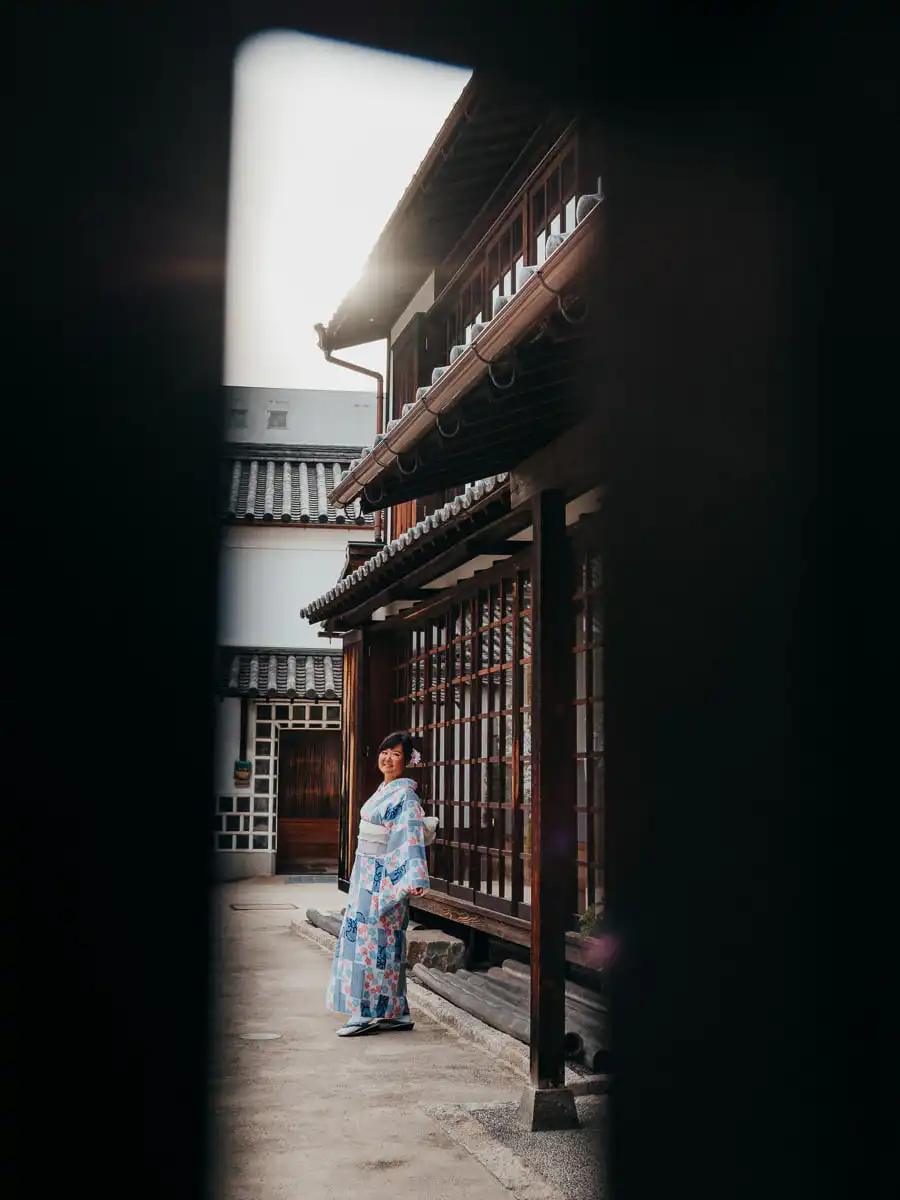
1) Dress up in a kimono and Explore Osaka/Kyoto
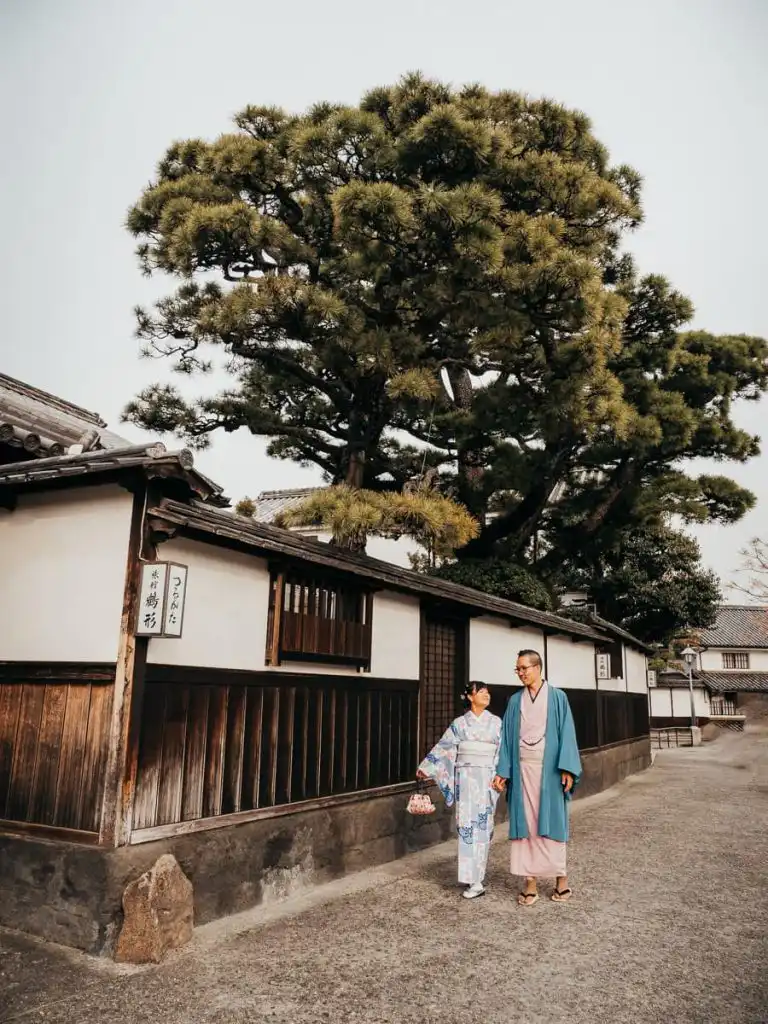
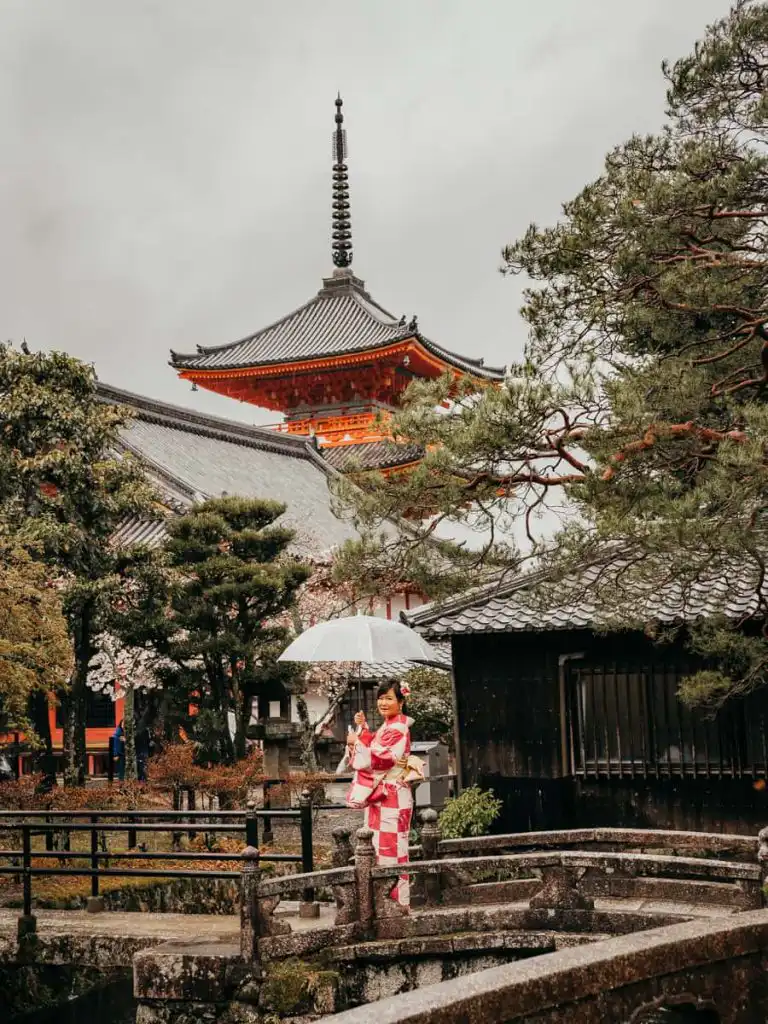
One of the most immersive experiences in Japan is dressing up in their traditional ceremonial attire of the Kimono. This pairs perfectly with visitings some of Kyoto’s scenic historical districts or while visiting one of Japan’s most iconic castles, Osaka Castle. We loved dressing up in the Kimono and doing photoshoots so much that we ended up doing it twice during our trip, once in Kurashiki, and another time in Kyoto!
Renting a kimono isn’t just about wearing the attire, it’s an experience that highlights the precision and artistry deeply rooted in Japanese culture. Even the process of putting on the kimono is meticulous, traditional, and shows the attention to detail that’s at the heart of Japanese tradition!


And if ever you don’t have a photographer friend with you, many Kimono rental offices also offer the option to hire a professional photographer to help you capture this unforgettable moment!
- Where to Book: Many rental shops in Kyoto (Gion, Higashiyama) and Osaka. Online reservations recommended.
- Cost: ~¥3,000–¥6,000 for full kimono rental with some accessories.
- Insider Tip: Pair your kimono walk with a visit to Ninenzaka and Sannenzaka streets in Kyoto for the perfect ancient Japan scenery. Another amazing spot to do the Kimono rental is in Kurashiki Bikan (about an hour from Osaka).
2) Discover the Culture in Tokyo’s Bustling Districts
When you are in Tokyo, you feel like you have stepped into a city from the future. Made up of 23 unique wards, you can easily spend a year there and still find new and interesting things to do!
If this is your first time in Japan, make sure to explore at least a few of Tokyo’s most famous districts. To help you get started, here are a few notable districts in Tokyo and what they are best known for:
- Shibuya is known as the hub of fashion and has the Shibuya Crossing. This is one of the most modern districts and has tons of fashion malls.
- Shinjuku is known for its lively nightlife in Kabukicho and the huge variety of street food and restaurants. You will also find the famous Godzilla figure looming above the skyscraper here.
- Akihabara is the haven for all things Japanese pop culture including anime, manga, and electronics! This is where you can literally shop-till-you-drop!
- Roppongi is the centre of luxury shopping and features the Mori Art Museum. We also found several delicious restaurants and omakases here!
- Tsukiji is famous for its wholesale seafood market. This is where you can tour the famous Tsukiji fish market!
- Ginza is Tokyo’s premiere shopping district, known for its luxury brands, high-end dining, and upscale living.
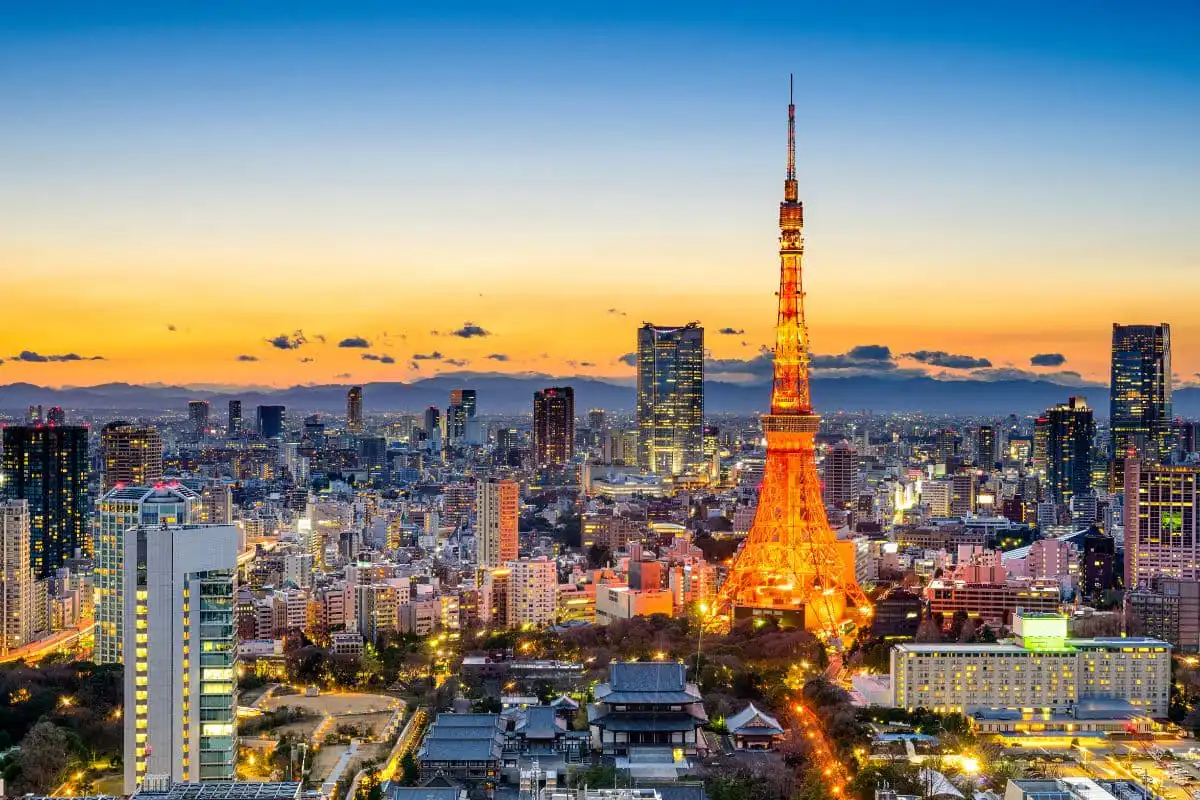
Each of Tokyo’s districts is worth a full day of exploration, but if we had to pick our top three favorites, they would be Shinjuku, Akihabara, and Shibuya!
3) Stay at a traditional Japanese Ryokan
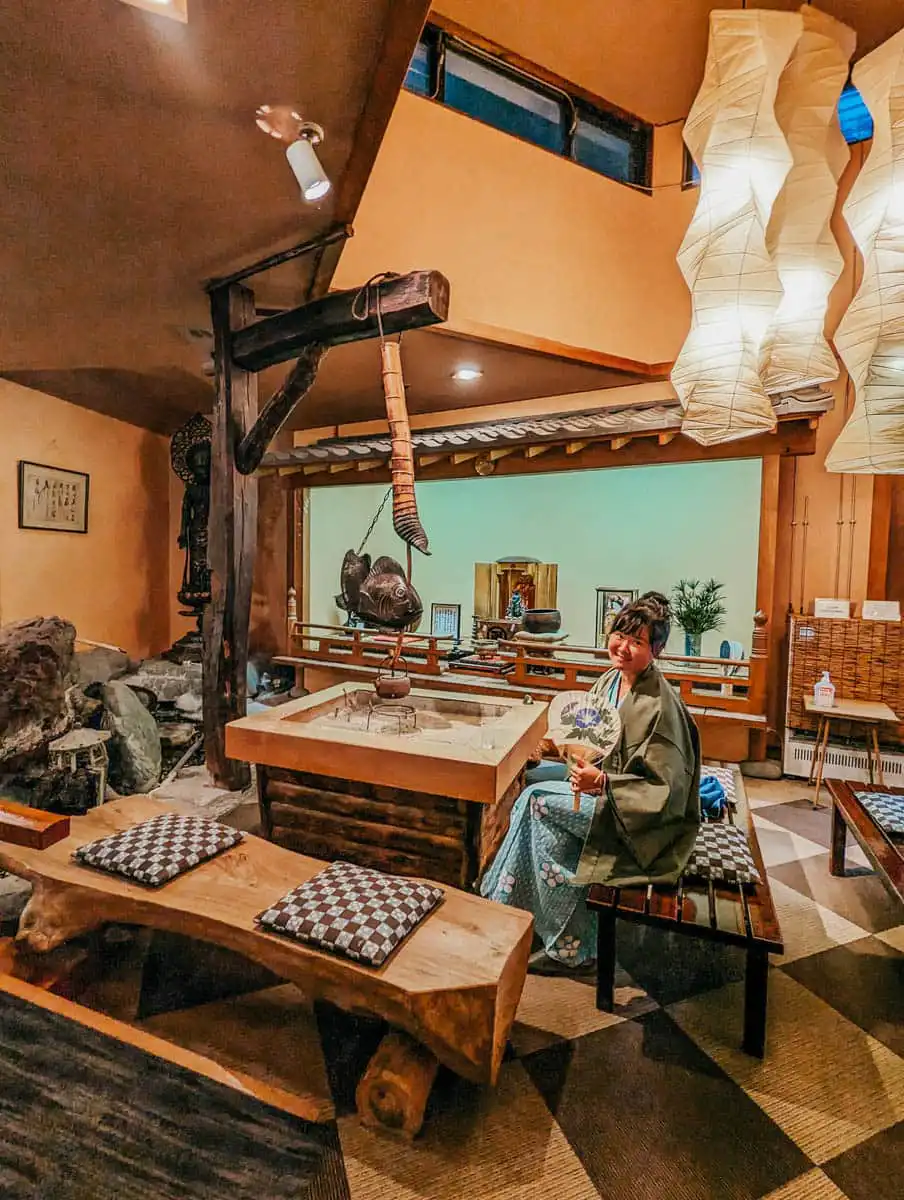
A ryokan is a traditional Japanese inn that offers a cultural and immersive lodging experience. They are known for their serene atmosphere, incredible multi-course meals, and is one of the best ways to enjoy the therapeutic onsens.
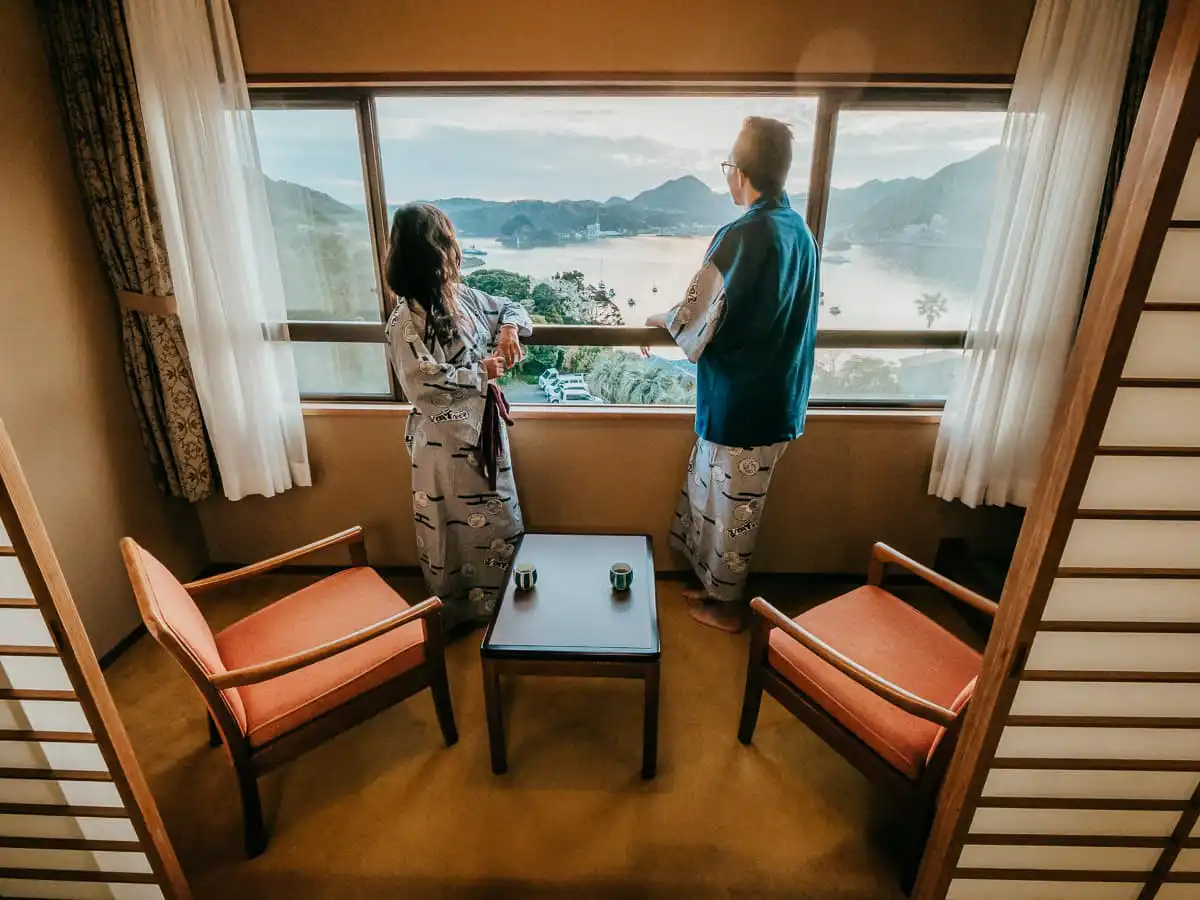
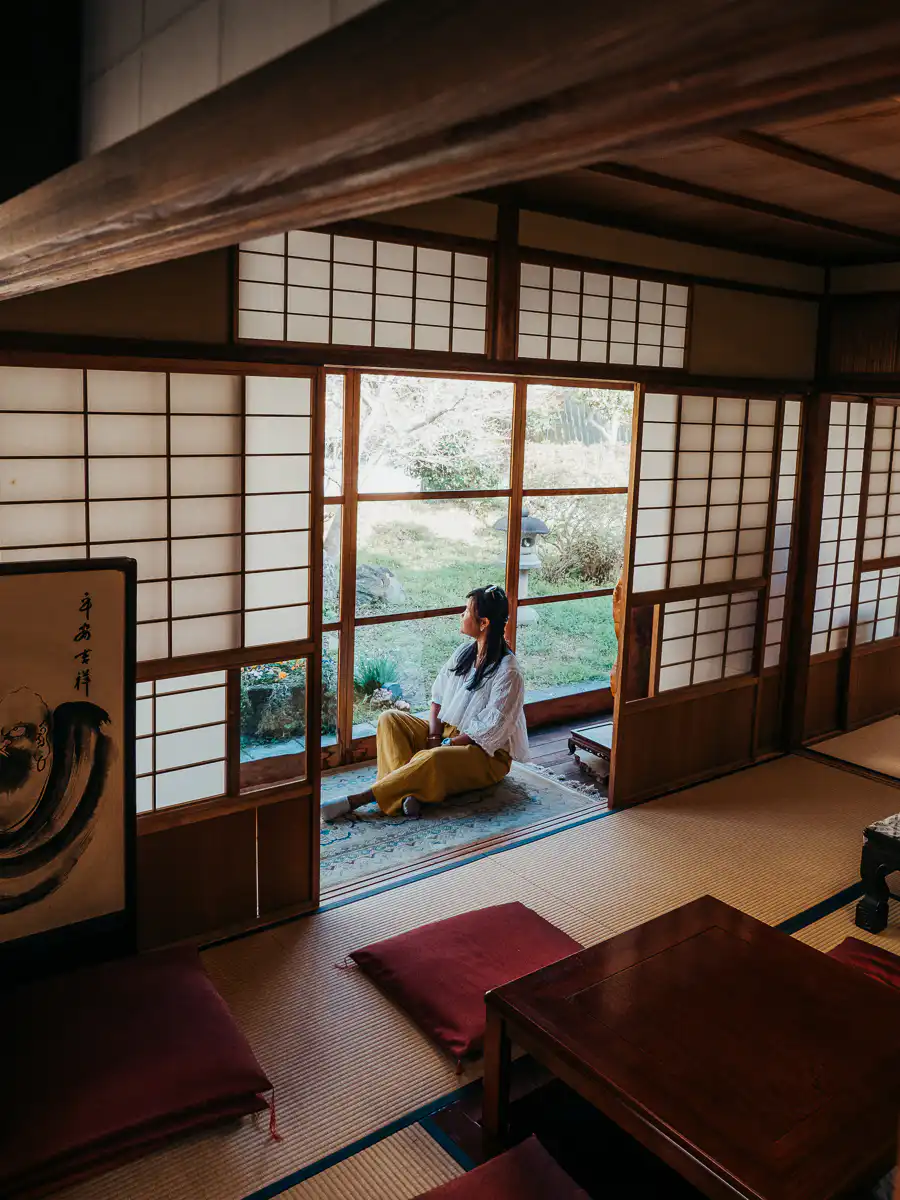
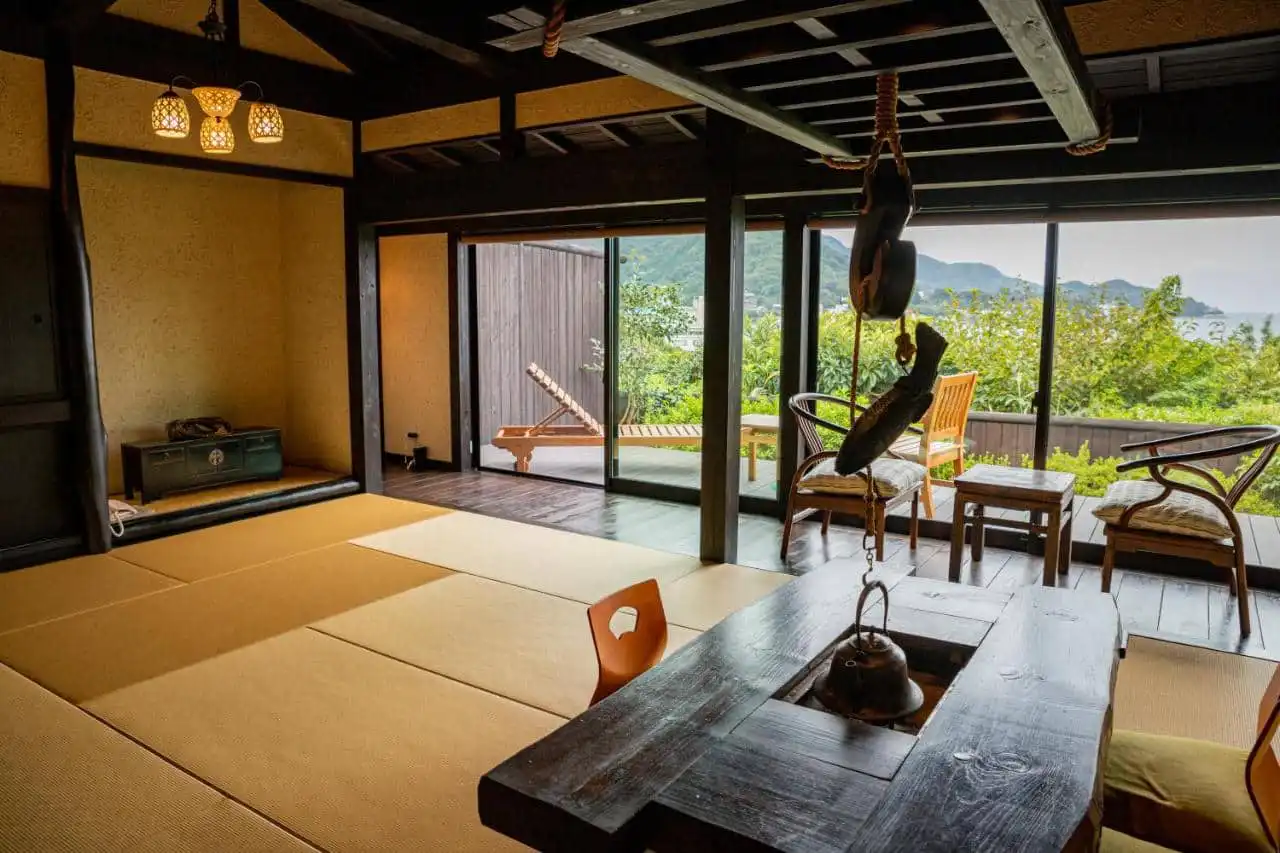
You will spend your entire stay dressed in their comfortable yukata robes, allowing you to fully relax as you savor every aspect of this traditional experience. From sleeping on cozy futons atop tatami mats to indulging in meticulously prepared kaiseki cuisine, every detail is designed to showcase Japanese hospitality and culture.
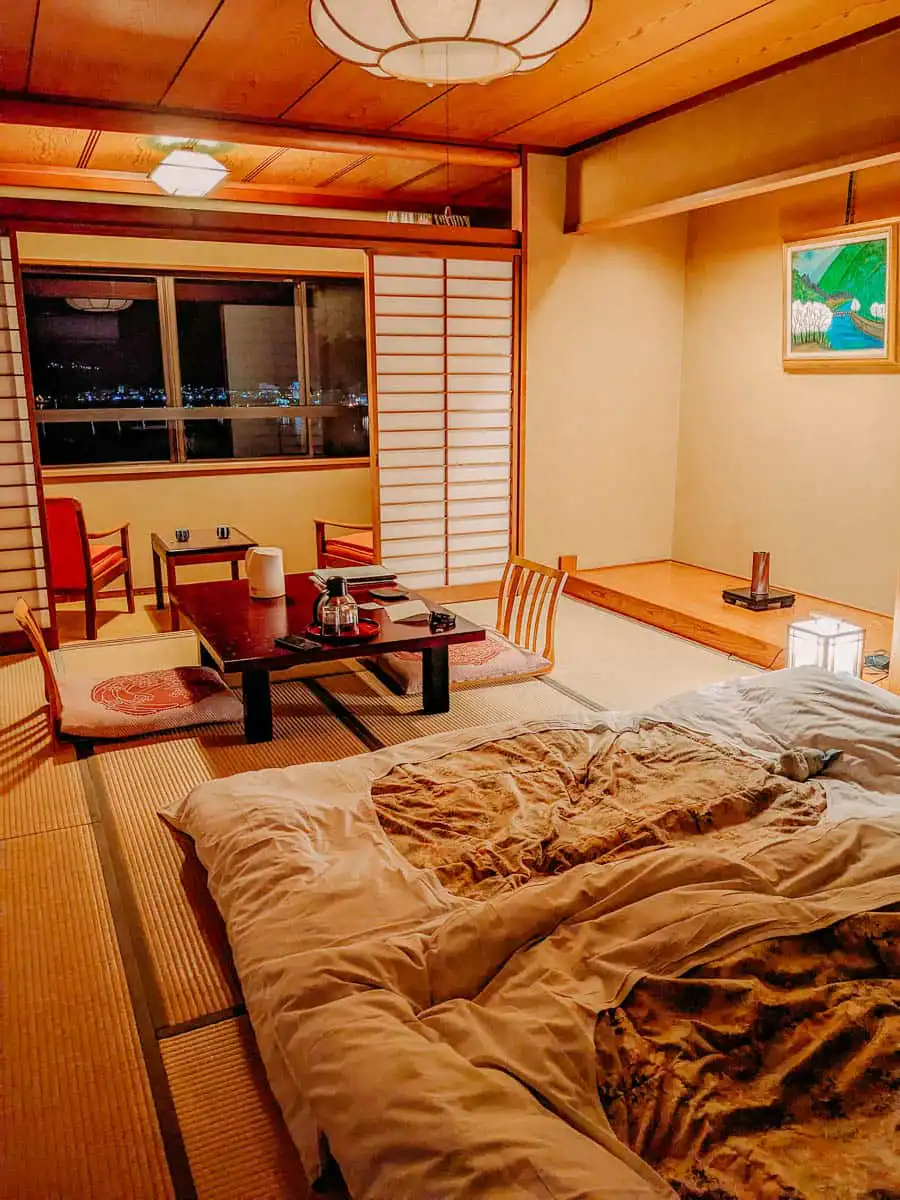
We spent four consecutive nights at different ryokans and it was the most rejuvenating experience of our lives! Many of the famous ryokans are located in Hakone near Mount Fuji, but if you have the chance, I would highly recommend checking out the onsens on the Izu Peninsula. Given its off-the-beaten path location, we feel they provided a more authentic and local experience.
To give you an idea of just how luxurious these ryokans can be, take a look at Hoshino Resorts Kai Ito or LaForet Ito. Although it is located on the Izu Peninsula, you can actually reach it within around 2 hours from Tokyo by taking the JR Odoriko train, making it a great weekend trip idea!
4) Do a day trip to Nara to see the bowing deers
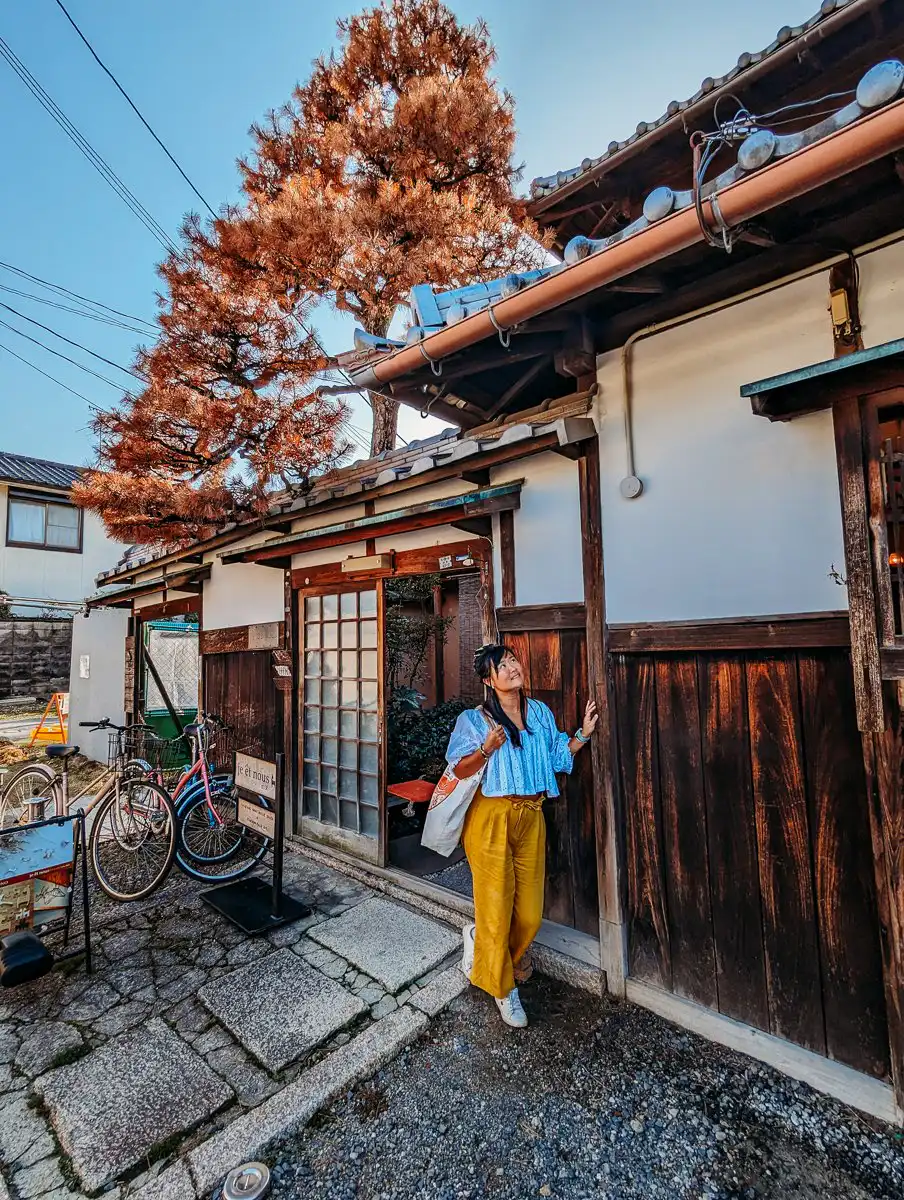
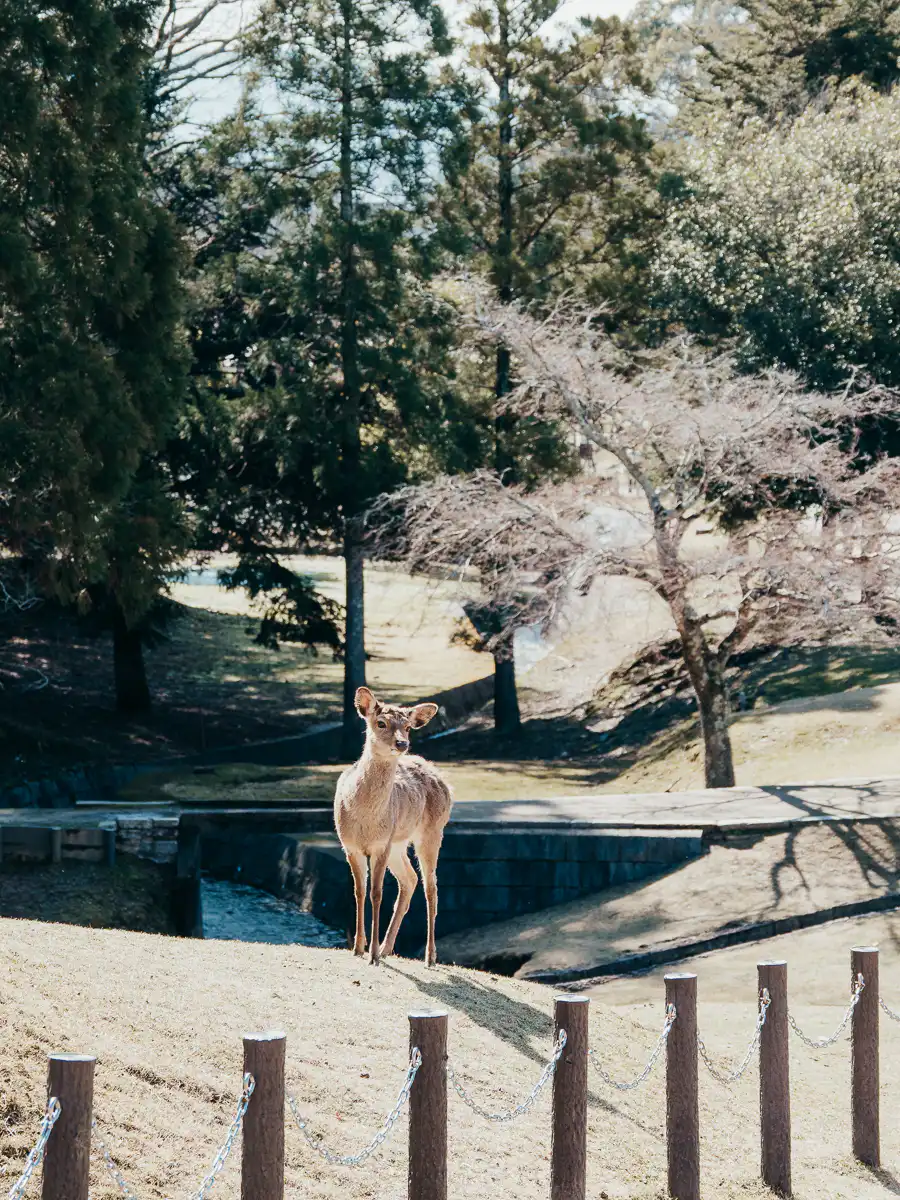
Nara, located just a quick 45-minute trip from Osaka or Kyoto, is most famous for its charming deers that bow politely in exchange for crackers. But here’s the thing: Nara has so much more to offer than these adorable, cracker-loving residents.
Nara is filled with serene parks bursting with sakura trees in full bloom, ancient temples steeped in history and with far fewer crowds, and (in our humble opinion) the absolute best tuna bowl in all of Japan.
If you’ve never had a tuna bowl, let me paint a picture for you. It starts with perfectly seasoned sushi rice, crowned with buttery slices of toro (fatty tuna belly) and drizzled in a heavenly house-made sauce. And as if that wasn’t enough, it’s topped with rich, creamy uni straight from Okinawa.
I can honestly say, I’d hop on a train back to Nara just to indulge in that tuna bowl again. It’s that good!
If you want to learn more about what you can see in Nara, where that tuna bowl restaurant is, and more, check out our Nara day trip guide!
- Transportation: ~30 minutes from Kyoto by train, ~50 minutes from Osaka.
- How much time needed: you can explore Nara in about half a day
- Insider Tip: We weren’t comfortable with the ethicality of feeding the deer, and heard stories of the deer acting aggressively, so decided to skip out on this experience. Nonetheless, Nara’s gardens, temples, and amazing food made it a highlight trip!
5) Try A Sake Tasting experience
When you think of visiting Italy or France, wine tasting is probably at the top of your list. Similarly, when you’re in Japan, trying their national alcoholic drink, sake, is an absolute must!
Sake tasting can be done independently or as part of a guided tour. When we visited Osaka, we opted to explore a sake brewery on our own. The owner spoke only a little English, so it was a fun challenge to learn about the brewing process and the drink’s history using a mix of broken Japanese and creative hand gestures.
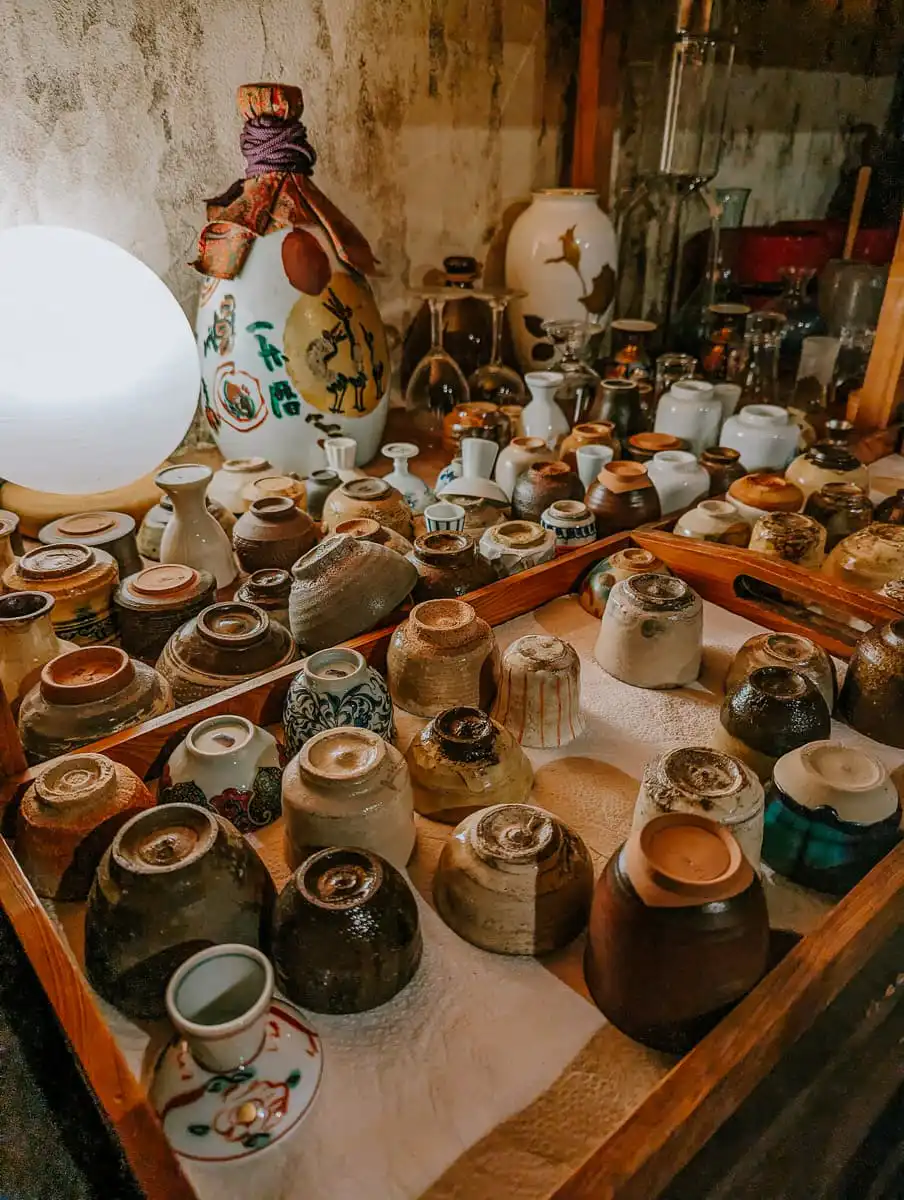

That said, if you prefer a more structured and informative experience, guided sake tastings led by professional sommeliers are a fantastic option. They’ll walk you through the nuances of sake, its different varieties, and the craftsmanship that goes into every bottle
- Where to find Sake Tasting Experiences: You can find them everywhere in Japan. We did ours in Osaka but here are a few interesting combined tours in Osaka and Tokyo, combining sake and food!
- Cost: ~¥200 per tasting glass, ~¥11,000 for the full tour experience including food
6) Learn Kintsugi and experience a Ryokan
Kintsugi is a Japanese technique that doesn’t just fix broken ceramics—it turns each piece into a work of art, celebrating its cracks and imperfections.
On this exclusive two-day tour, you’ll learn two different kintsugi methods, take part in a private tea ceremony, enjoy a delicious kaiseki meal, and stay overnight at one of Kyoto’s finest traditional ryokan inns.
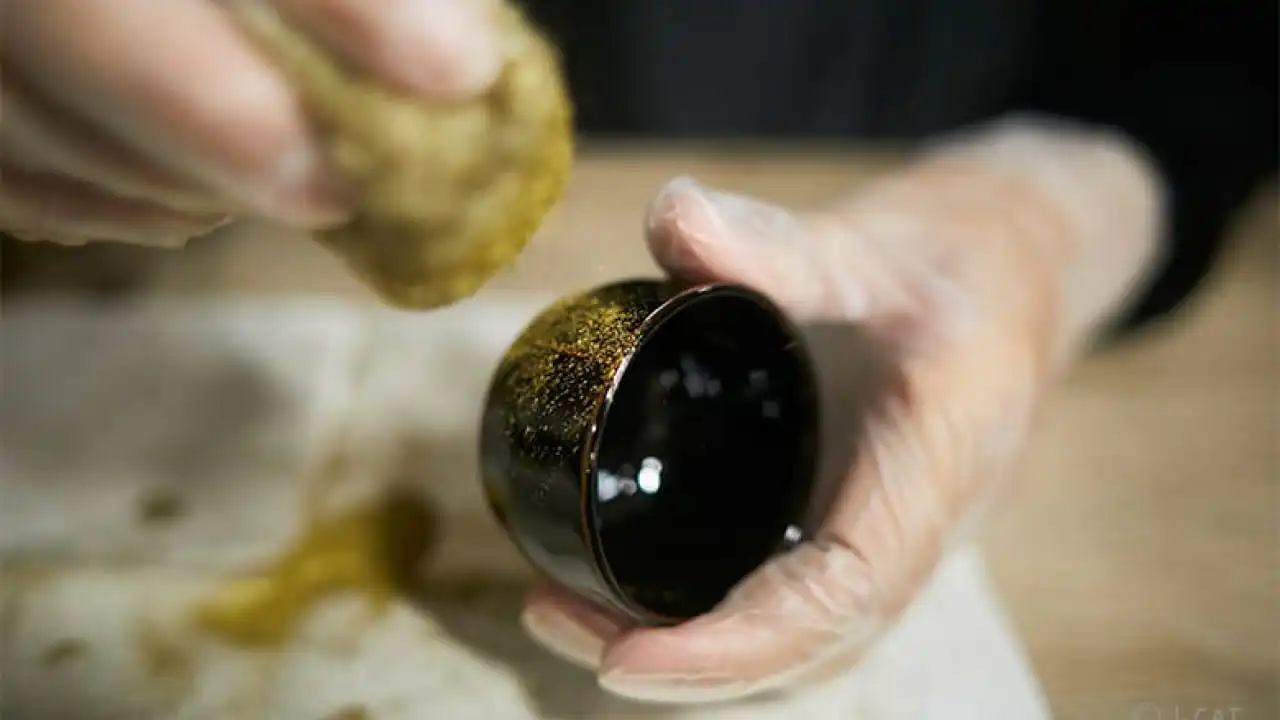
We’ve always wanted to try kintsugi, and what better way to learn it than while enjoying a luxurious ryokan stay? We included this experience in the Culture section because it blends multiple Japanese traditions: kintsugi, tea ceremony, staying in a traditional ryokan, and savouring authentic Japanese cuisine. It’s an amazing all-around immersion in the heart of Japanese culture!
Where to Experience Kintsugi: You can find them across Japan but the two-day tour that includes a Ryokan stay + Kintsugi + tea ceremony + Japanese cuisine is based in Kyoto.
7) Watch a Sumo Wrestling Show With Unlimited Food & Drinks
Last time we travelled to Japan, with all the day trips we were doing from Kyoto, we missed out on the chance to witness a Sumo Wrestling show.
Historically, sumo dates back over 1,500 years, originally performed as rituals to entertain the gods and pray for good harvests. But over time, it evolved into Japan’s national sport. On this tour, you can enjoy a live Sumo wrestling show while savouring unlimited food and drinks including Chanko Hotpot!

And after the show, if you’re feeling brave enough, you can even enter the ring and challenge one of the sumo wrestlers!
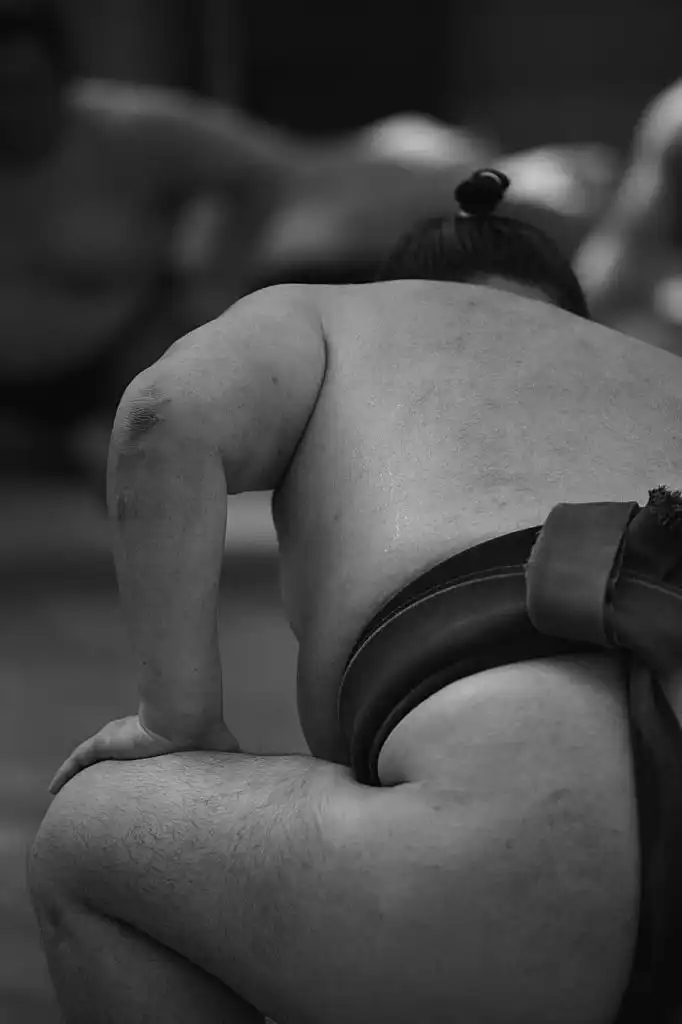
Sumo Wrestling Show
- Location: Sumo Wrestling shows can be found in all the main cities of Japan. However, for the tradition experience and unlimited food, we recommend this Kyoto Sumo Show, nearby Nishiki Market in Kyoto.
- Time: 12:00PM, 3:00PM, 7:00PM
- Highlights: Watch a live sumo wrestling match, enjoy unlimited food and drinks
- Duration: 2 Hours
8) Explore the ancient quarters in Kyoto
When you look up Kyoto, one of the most iconic images is that of the winding street of Sannenzaka and Gion, framed by traditional wooden machiya houses and the towering Hōkan-ji Pagoda in the background.
This area is undeniably stunning, with its historic charm and rows of artisanal shops, but it’s also one of Kyoto’s busiest tourist hotspots. We ended up visiting on a rainy day and there were still crazy amounts of tourists.
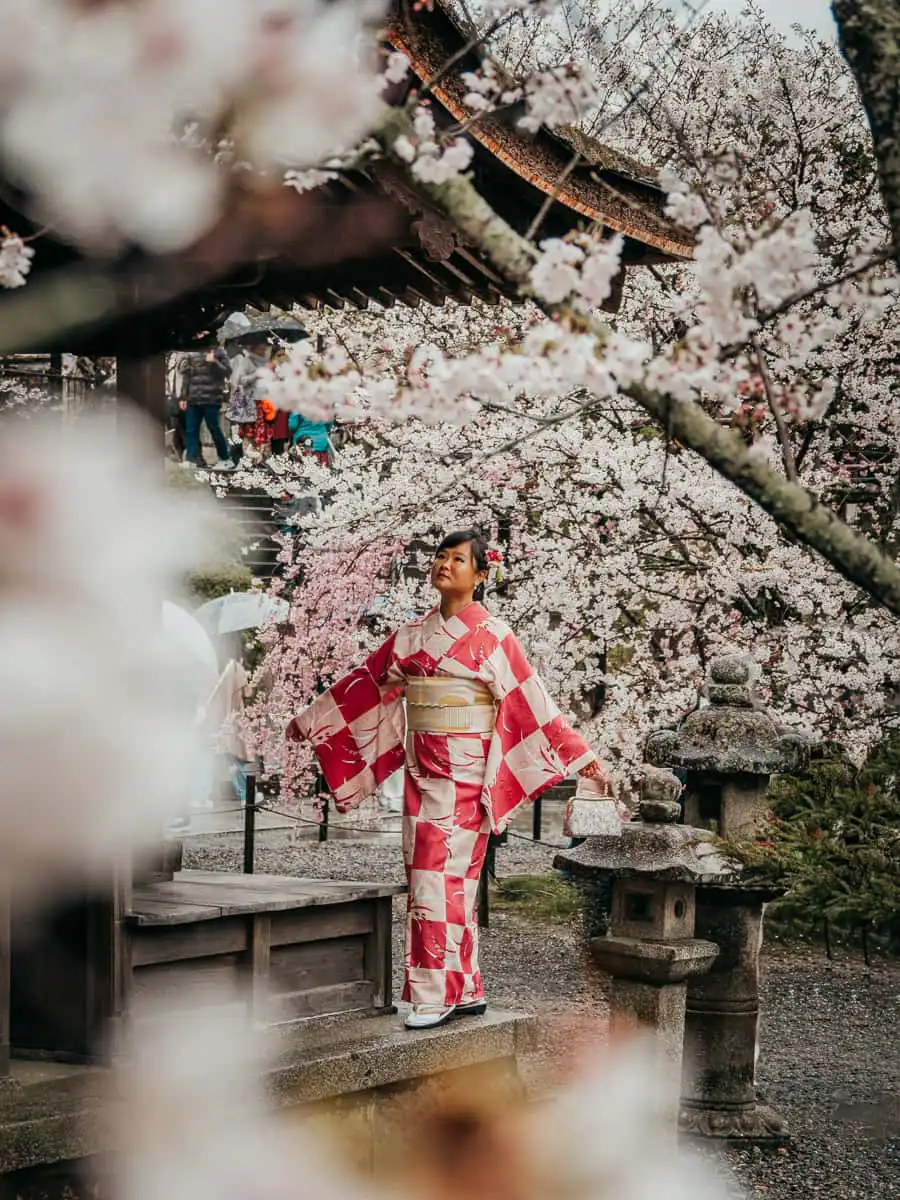
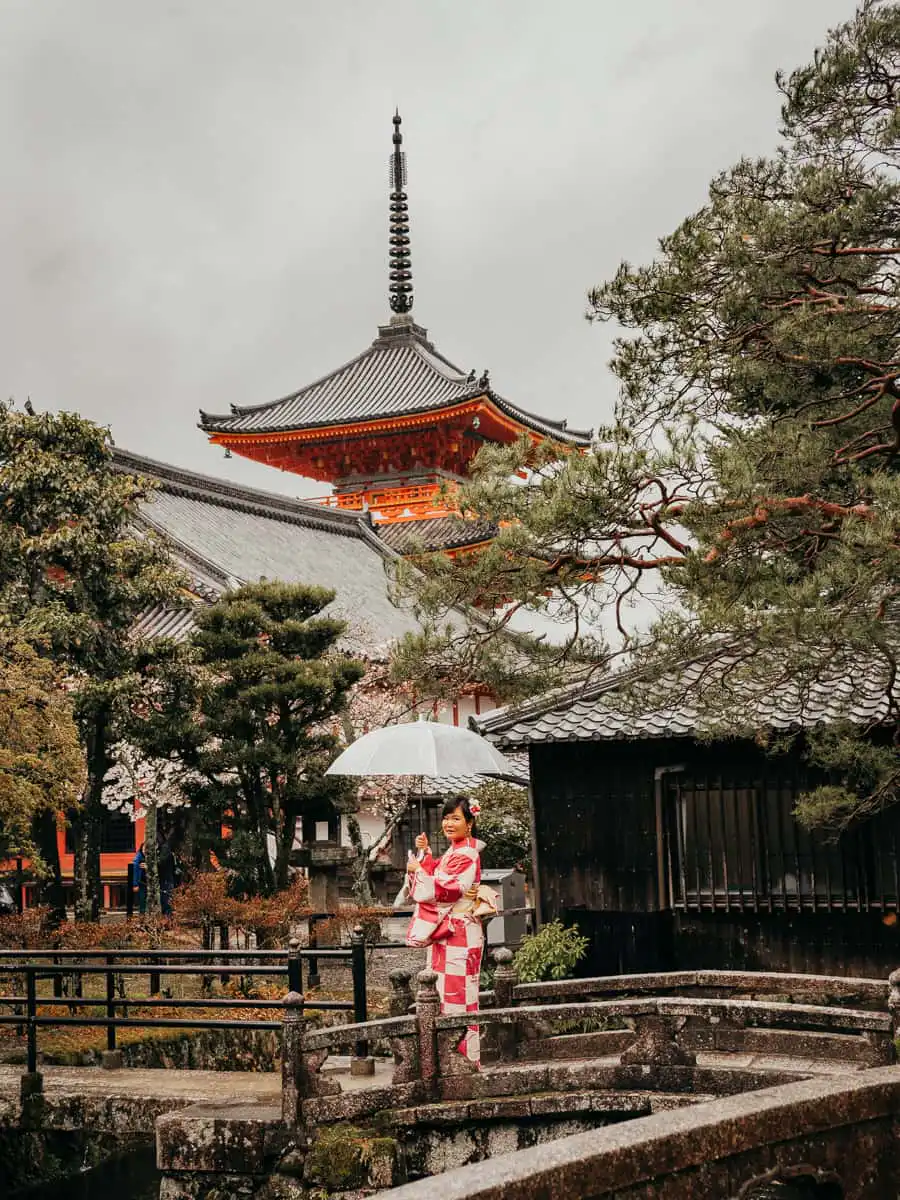
For this reason, to make the most of your visit, we recommend combining it with a kimono experience—it’s a fantastic way to immerse yourself in the atmosphere and take some unforgettable photos against this beautiful backdrop!
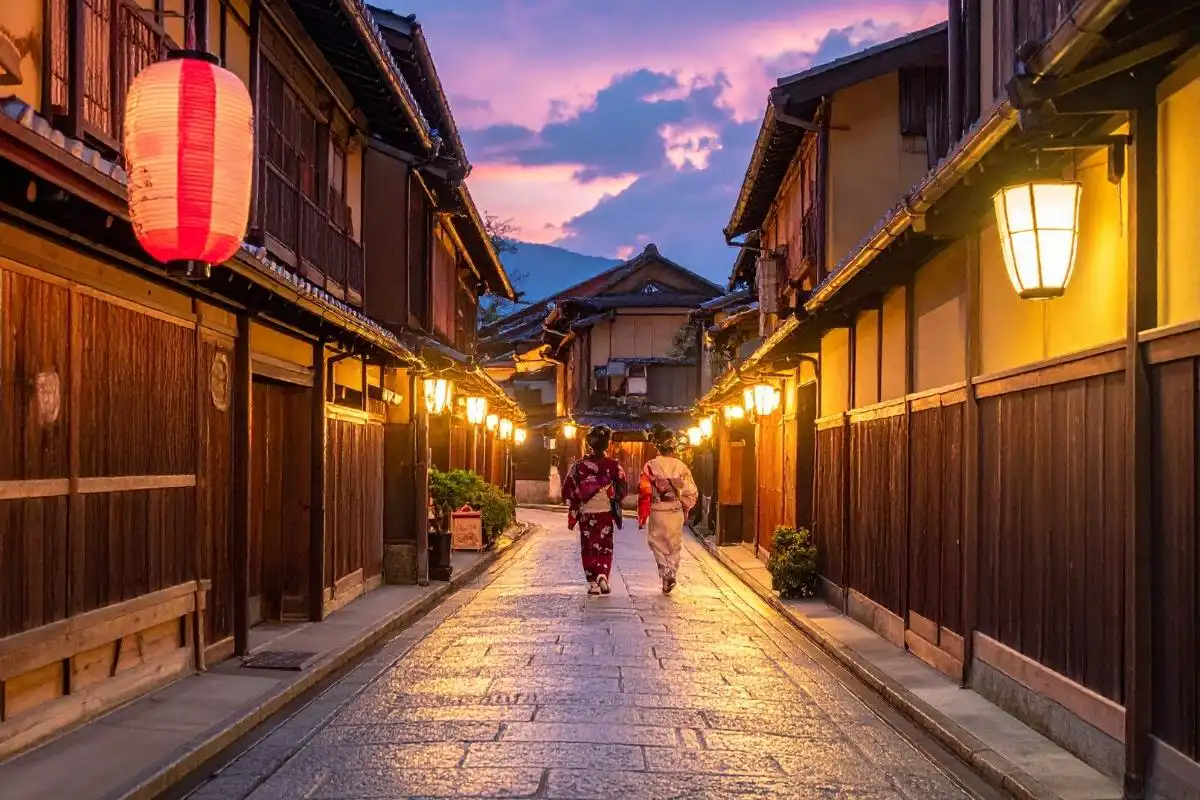
Alternatively, to avoid the crowds completely, you can do this Gion Magical Night Walking Tour where you’ll wander the streets of Gion and Hanamikoji, while learning about the geisha culture and traditions.
Where to Experience: Sannenzaka and Gion are both neighbourhoods within walking distance of downtown Kyoto. From there, you can either join the Gion Magical Night Walking Tour, rent a kimono, or simply stroll and soak in the ambiance.
Best Food & Culinary Experiences in Japan
Japan is an absolute delight in terms of all the high-quality food you can find! From Sushi-making classes, Wagyu tasting experiences, to discovering your own favourite meals (like the Uni Toro bowl we found in Nara), you’ll never get tired of the food here!
9) Try a Wagyu Tasting Experience
Wagyu beef is celebrated globally for its exceptional marbling, tenderness, and rich flavor. You may have heard tales of Wagyu cattle being pampered with the finest grass, daily massages, and even classical music, creating the ultimate in premium beef. This is Wagyu!
So while visiting Japan, don’t miss a Wagyu Tasting experience where you can savour this delicacy prepared in over 7 different ways!
From Yakiniku-style (grilled) and Sukiyaki (sweet savory broth) to Shabu-Shabu (hot-pot), sushi, and steak, it’s a feast for your taste buds. Many of these experiences also offer sake pairings, making the experience even more fun!
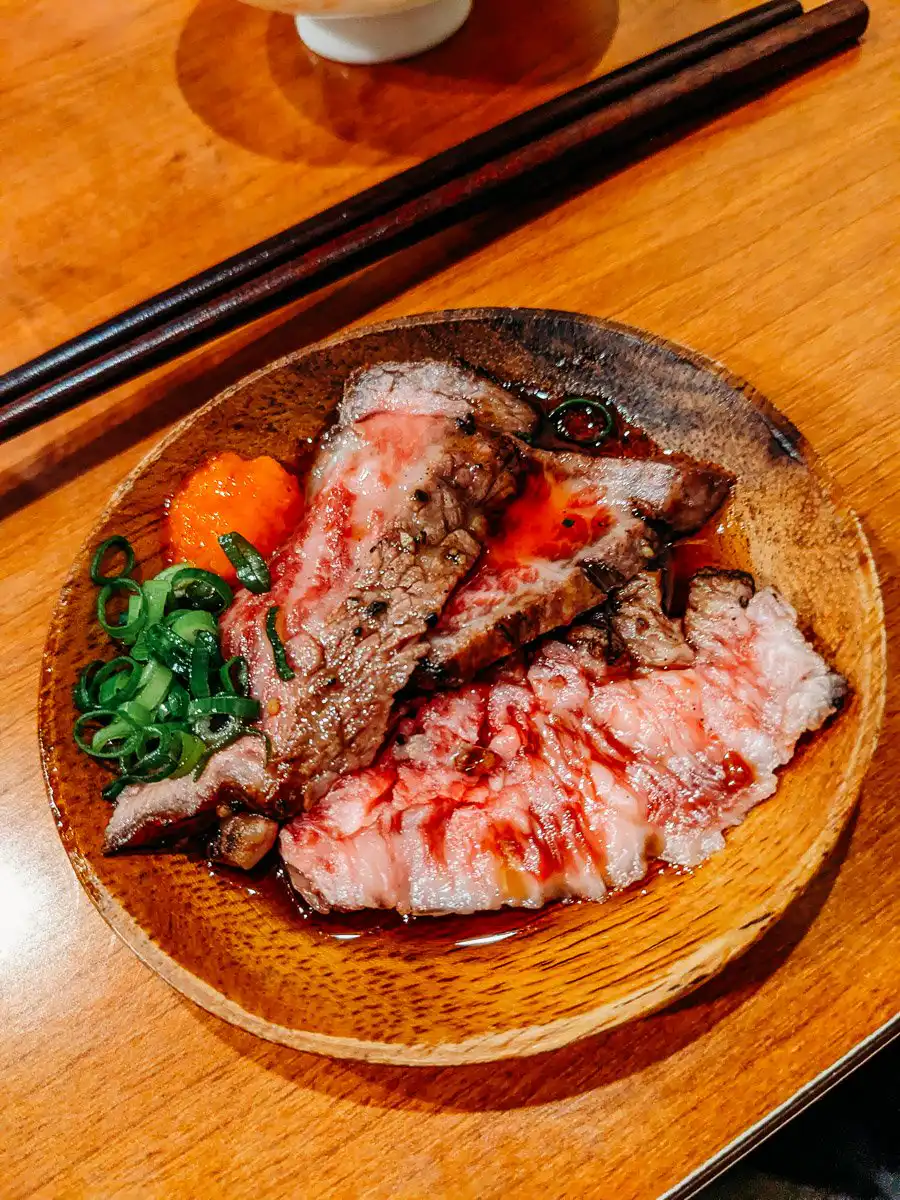
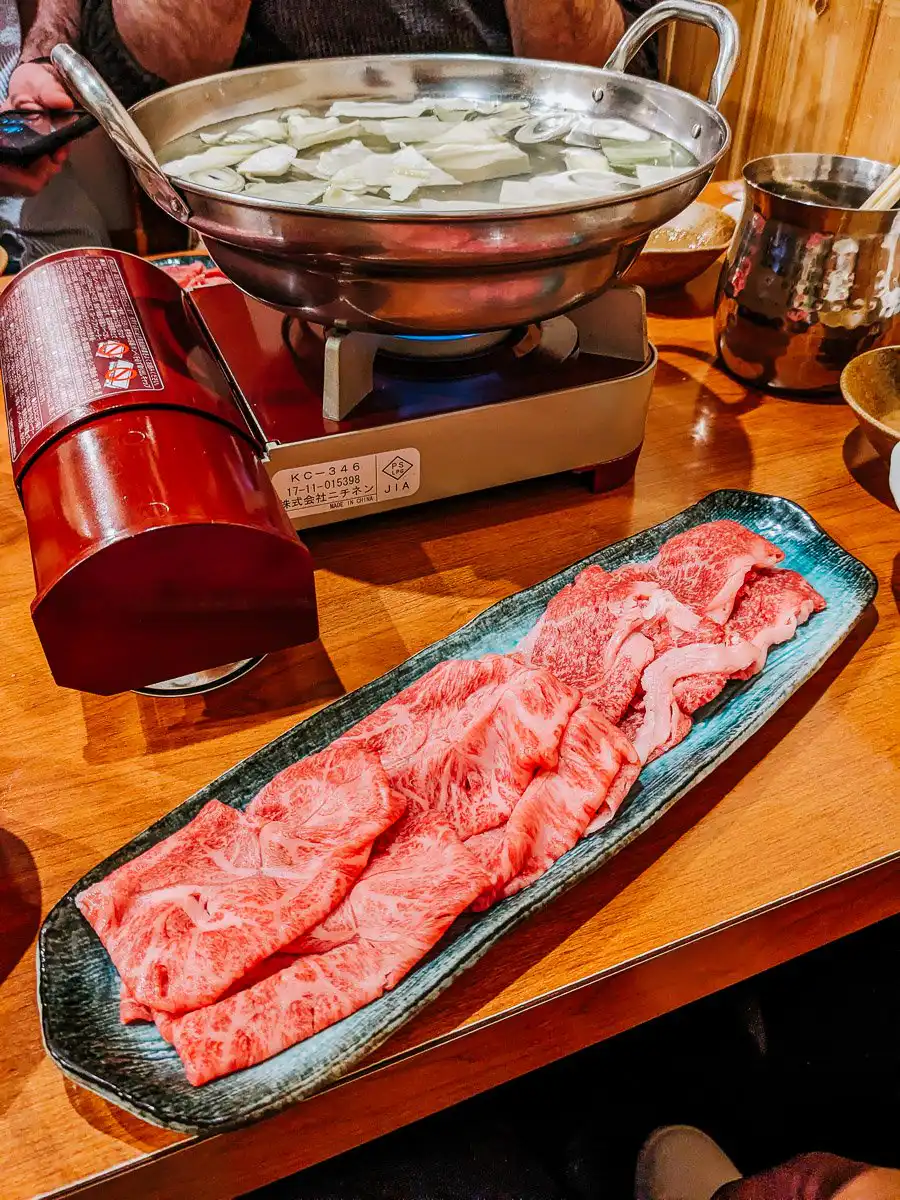
- Where to do Wagyu Tasting: We did our Wagyu Tasting Experience while visiting Tokyo but you can find them also in Kyoto and Osaka. Alternatively, If you want the gold standard, head to Kobe, just a 20 minute train ride from Osaka. This is the birthplace of world famous Kobe Beef, considered one of the highest quality beefs in the world. Here are a few Wagyu tasting experience options:
- Cost: ~¥26,000
10) Try a Seafood Kaiseki meal
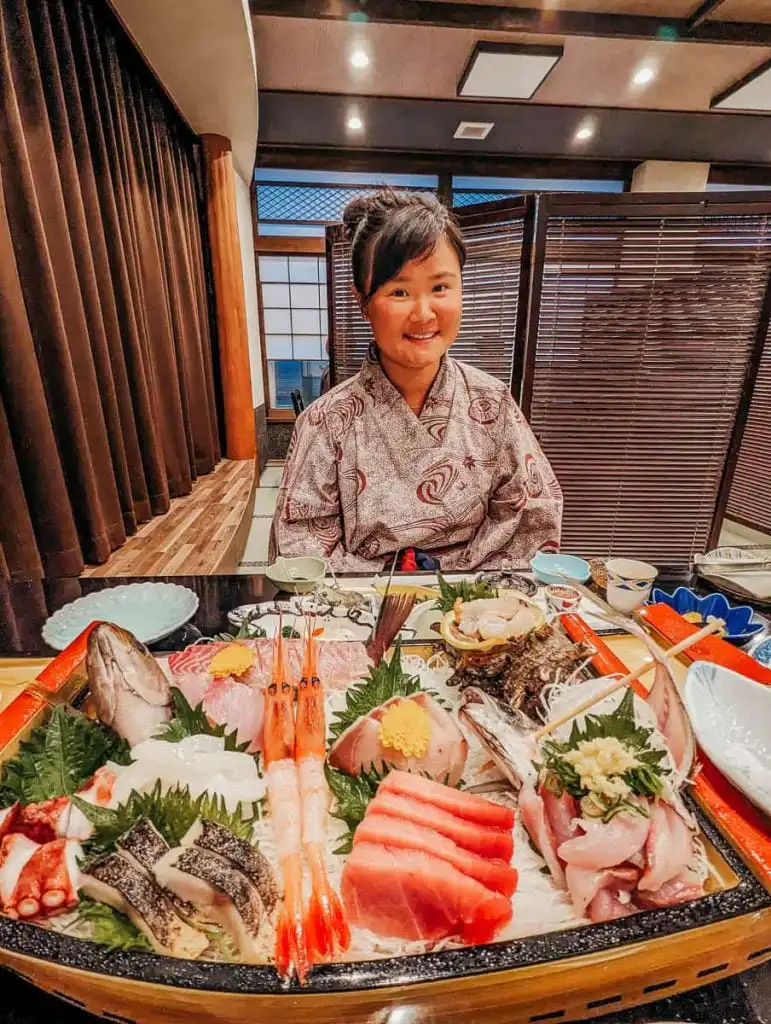
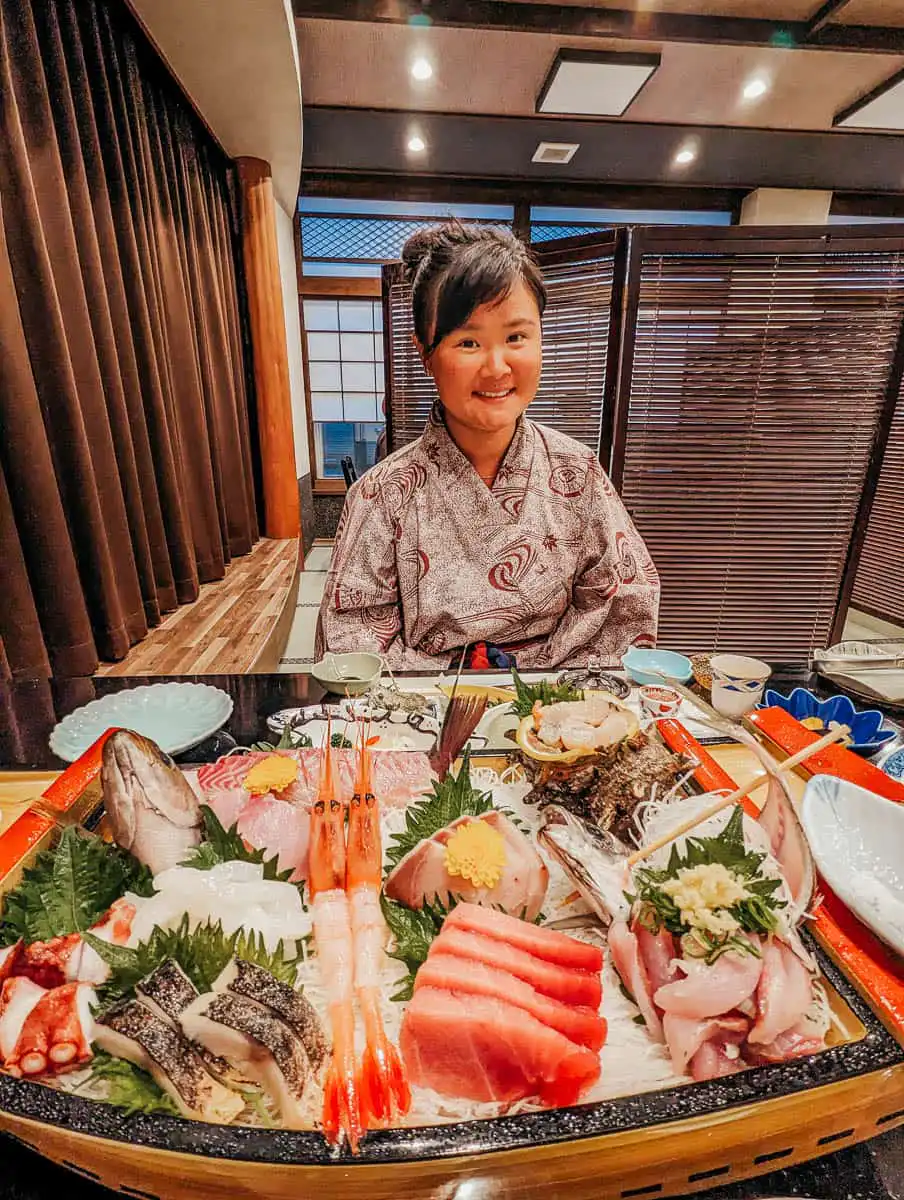
Kaiseki is a traditional Japanese multi-course meal that showcases the pinnacle of Japanese culinary art, focusing on seasonality, presentation, and precise technique. You will typically experience these meals during your stay at a Ryokan, where both the dinner and breakfast are delicately prepared for you.
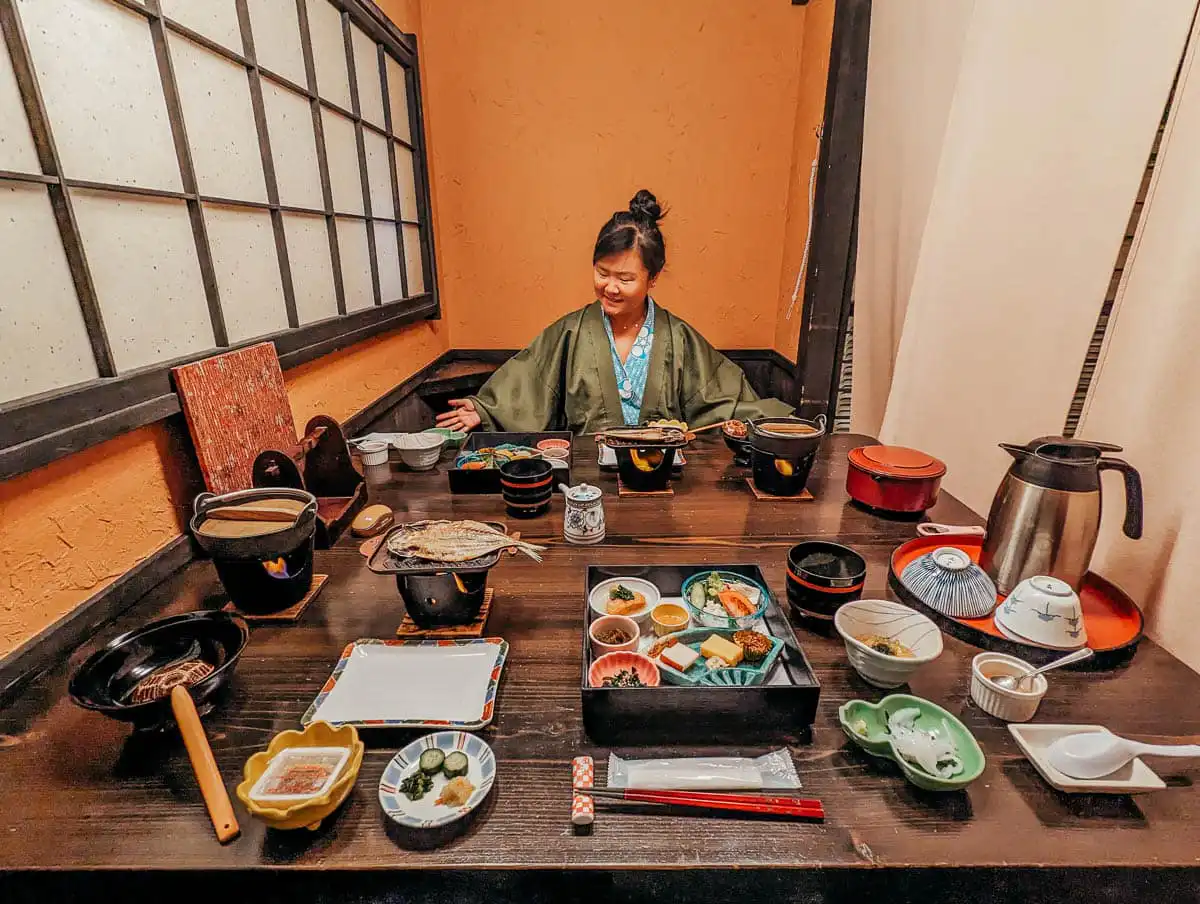
These Kaiseki meals are commonly 10+ courses, featuring soup, sashimi, grilled fish, a stewed dish, seasonal delicacies, and sometimes even abalone or lobster.
You literally feel like royalty sitting in front of all these immaculately prepared dishes, dressed in your Japanese yukata! Of all our travels, these were probably some of the best seafood meals we’ve ever eaten (an equal second place would be during our travels through Sicily!)
- Where to experience Kaiseki meals: Kaiseki meals are often served during stays at ryokans, which are traditional Japanese inns that usually include onsens and multi course seasonal dinners.
We experienced several during our Izu Peninsula road trip, but you can also find kaiseki restaurants throughout Japan, especially in cities like Kyoto, Tokyo, and Osaka. - Cost: ~¥16,000-25,000 which includes one night stay at the Ryokan, unlimited onsen, Kaiseki dinner, and full breakfast
- Some of our favourite Ryokans: Toikan Onsen, Hotel Yamadaya, LaForet Ito Onsen in Ito

11) Experience the haute-cuisine of Japan’s Omakases
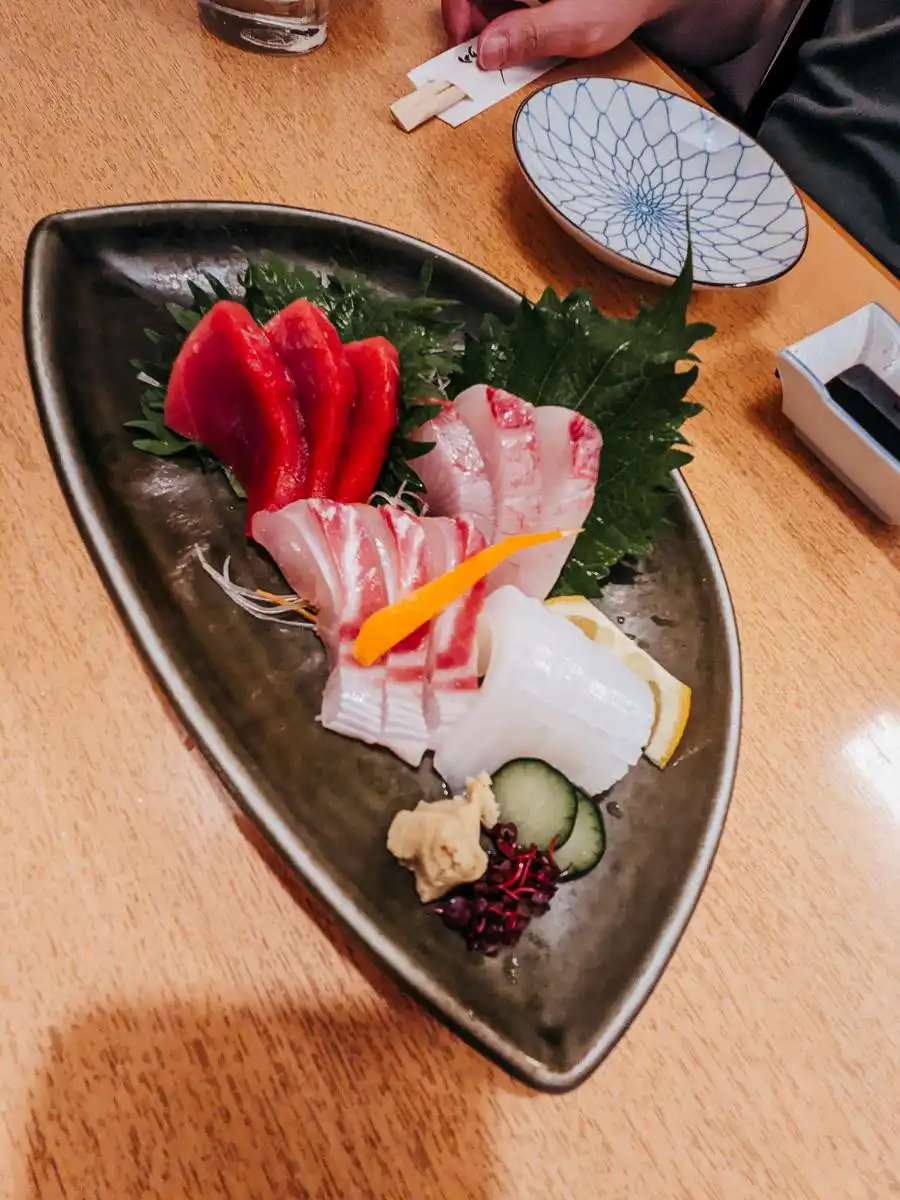
Omakase is a dining experience where you entrust the chef to create a personalized, multi-course meal. Translating to “I’ll leave it up to you,” omakase typically features 12–18 courses, often in sushi restaurants, showcasing the freshest ingredients and regional specialties. Each dish is carefully crafted right in front of you to highlight flavor, balance, and the chef’s expertise.

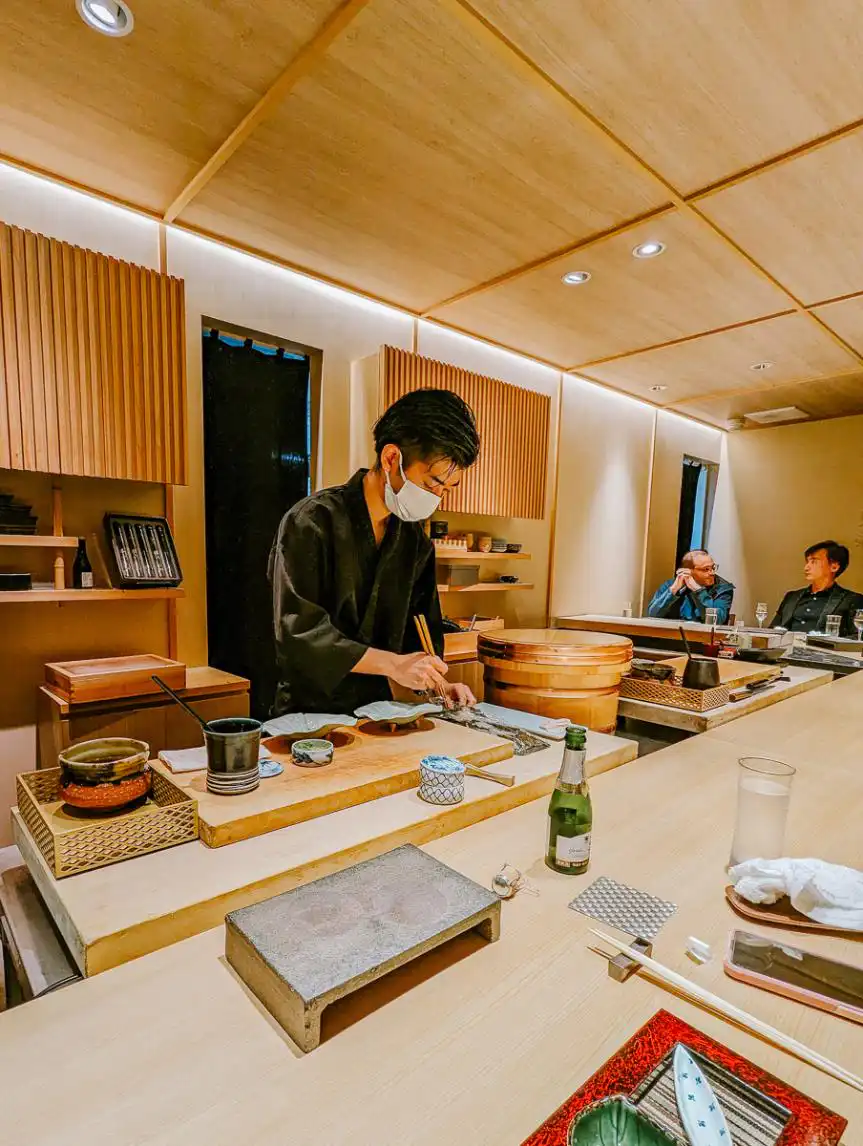
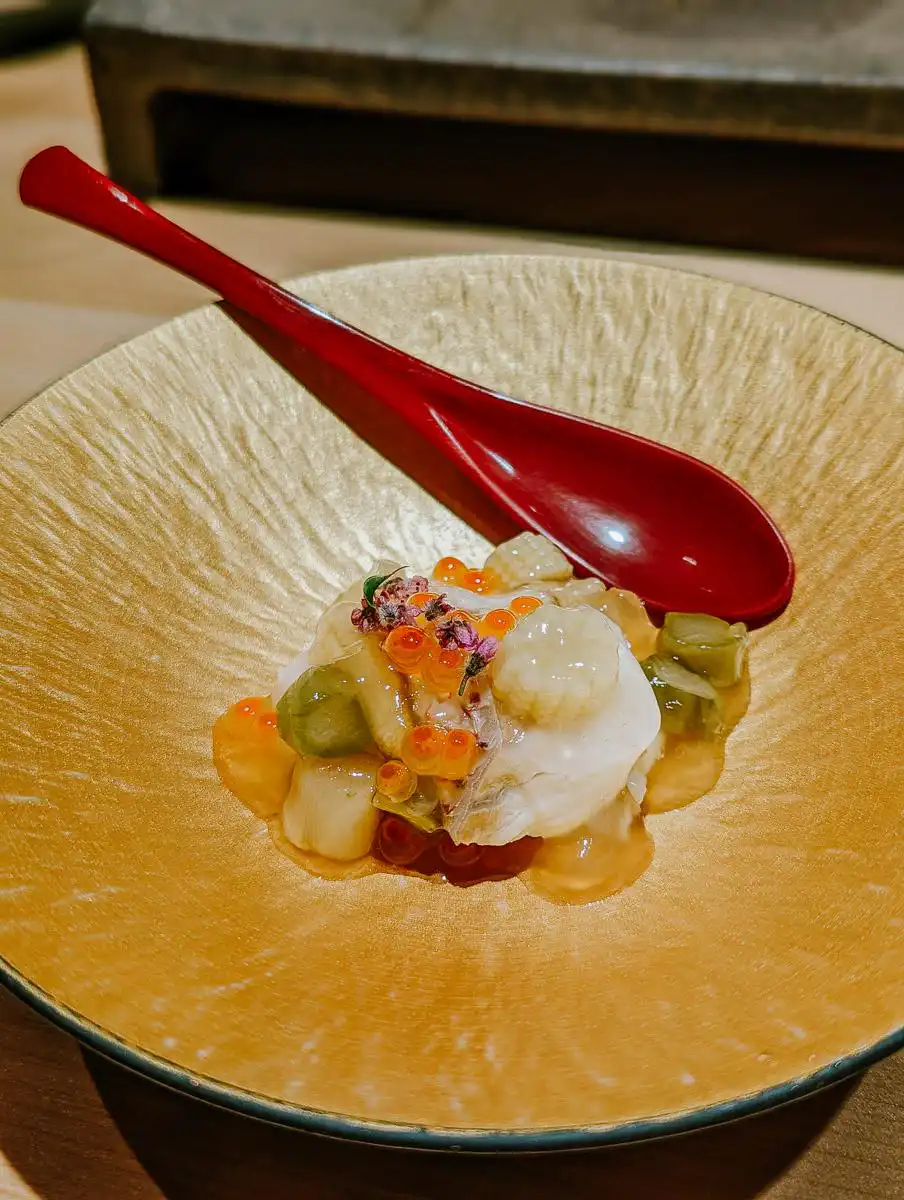
In our opinion, it is one of Japan’s finest dining experiences and a must-try for anyone exploring Japanese cuisine!
- Where to experience Omakases: There are literally thousands of Omakase restaurants in each city. You will have an abundance of choice, with a variety of price ranges.
- Cost: ~¥10,000-30,000 per person for the full omakase meal (depending on how fancy)
- The Omakase we did in Tokyo: We went to Sushi Muku in Roppongi, Tokyo. It was affordable, delicious, and included unlimited sake!
12) Go to a conveyer belt sushi restaurant
Japan is filled with unique and quirky restaurant experiences, so we weren’t surprised to see how they were making sushi dining even more fun! At these restaurants, you sit beside a moving belt where plates of sushi glide past your table.
You simply grab whatever catches your eye, and at the end of your meal, they tally up the number of plates you’ve taken which are colour-coded with the price.
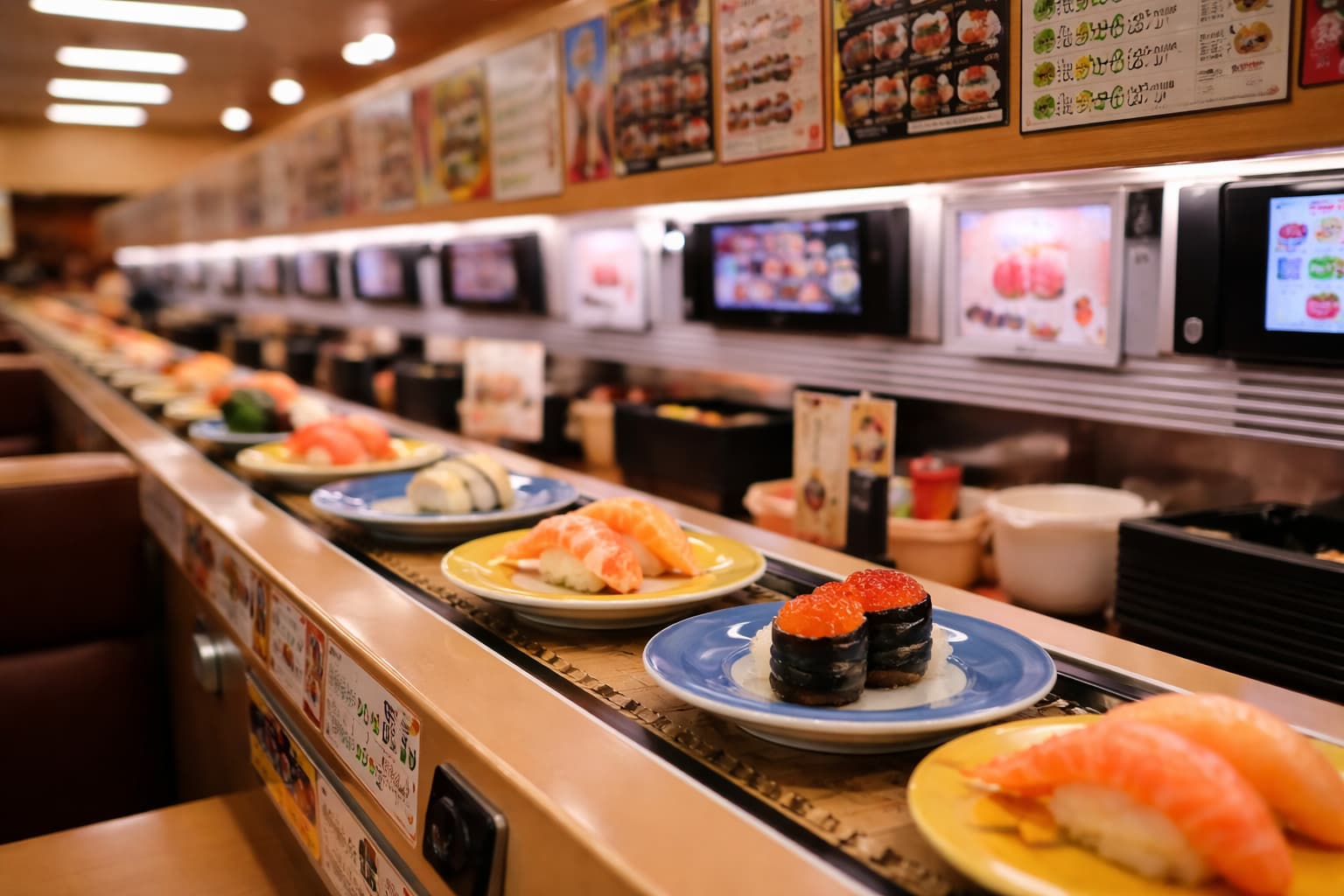
It’s all fun and games though, until you’re completely stuffed, and then, like clockwork, your favourite sushi rolls by on the belt, tempting you for just one more bite! It’s a must-try dining experience that’s as entertaining as it is delicious.
- Where to experience Conveyor belt sushi: Conveyor belt sushi restaurants can be found all across Japan, especially in major cities like Tokyo, Osaka, and Kyoto.
- Cost: ~¥1,000–¥3,000 per person depending on how many plates you grab.
- Recommended Conveyor Belt sushi restaurant: Try out Kura Sushi, a popular and affordable chain known for its fun ordering system and small prize games that activate after every few plates you return.
13) Have the best Tuna Toro Bowl with Uni in Nara
We’ve mentioned this earlier, but it’s worth repeating—if you’re curious about one of our most unforgettable meals in Japan, you absolutely have to try the Tuna Uni Toro Bowl in Nara! We tasted several tuna bowls throughout our trip, but nothing else quite compared to the flavors of this one.
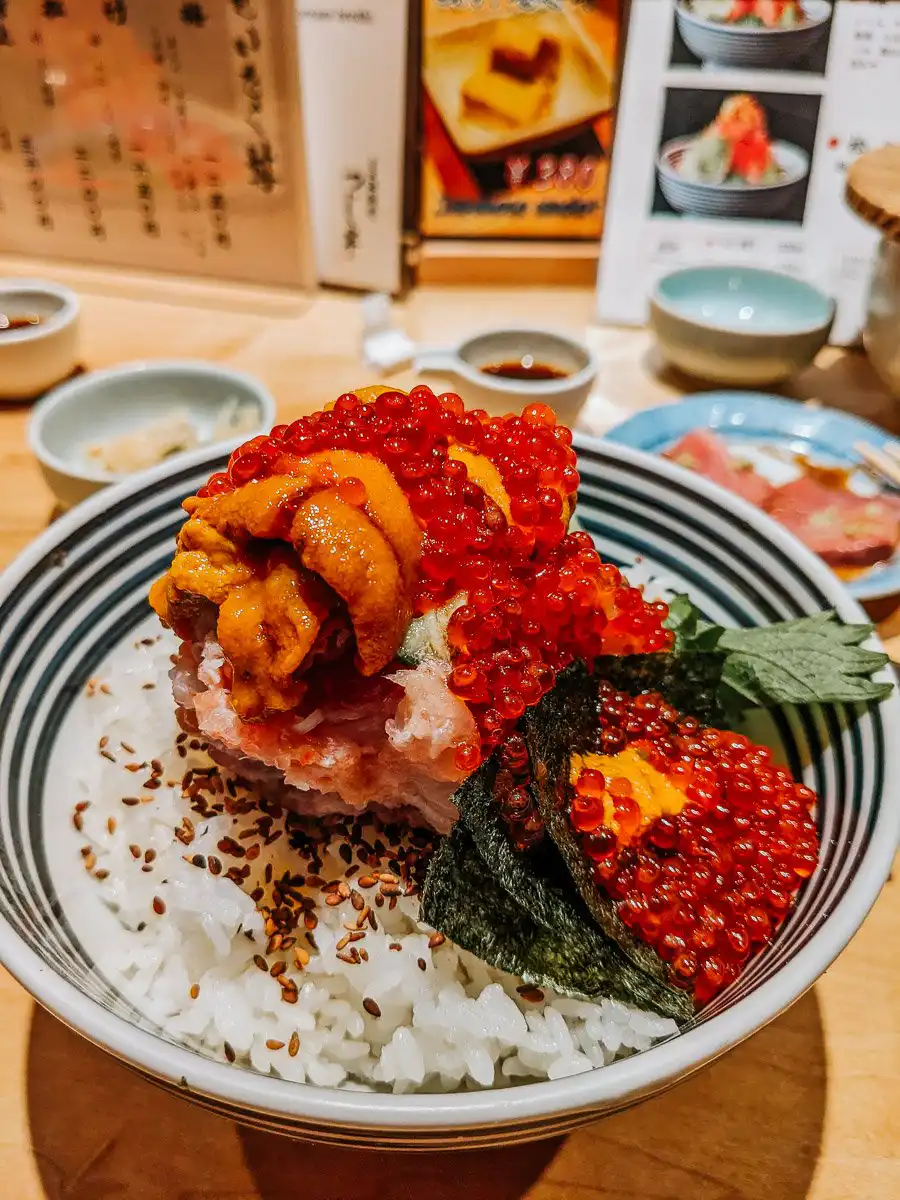 Tuna Uni bowl at Nihonbashi
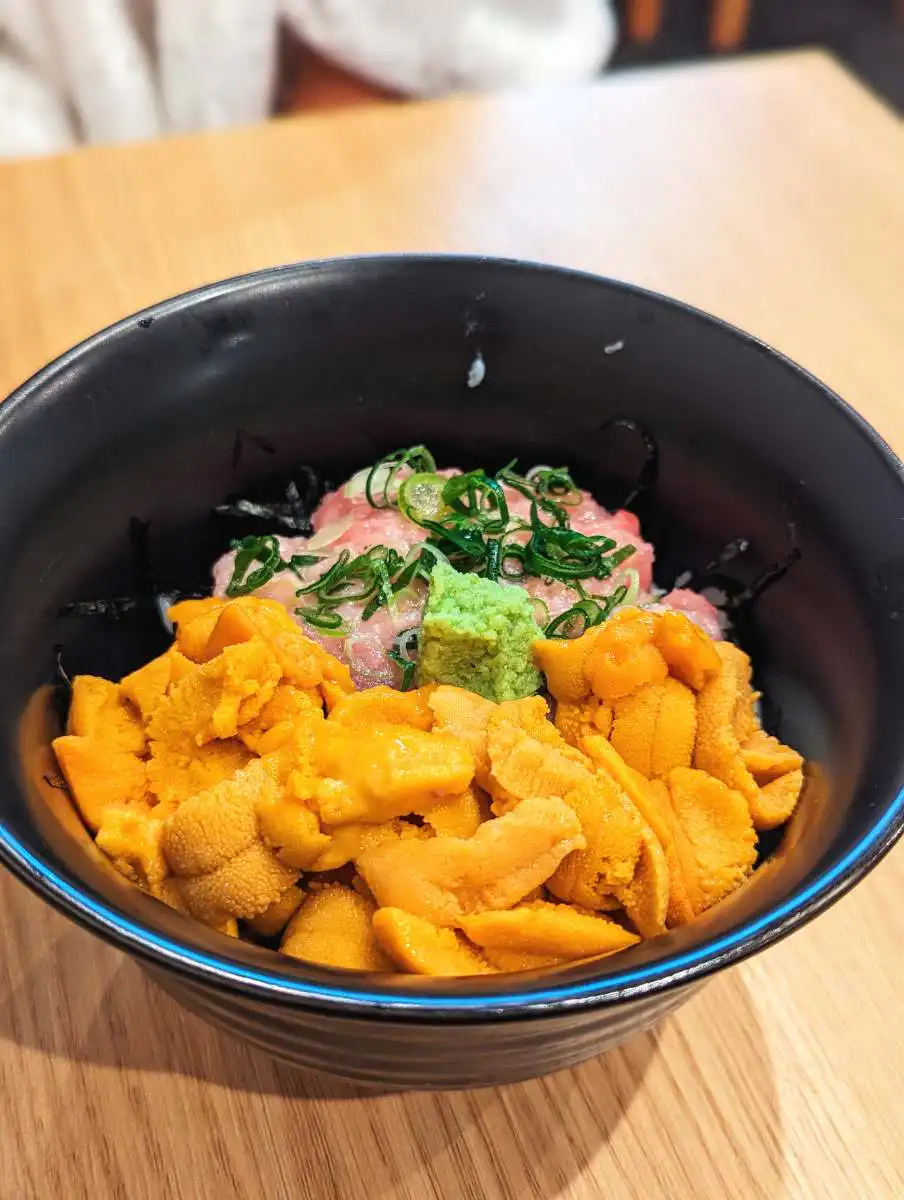 Tuna Uni Bowl in Nara
If we had to pick a runner-up, it would be Nihonbashi Kaisen Don Tsujihan in Ark Hills—another fantastic spot to indulge in a delicious seafood bowl. Just in case you want to search for one nearby where you are staying, try searching for ‘Maguro’ (Japanese for Tuna) and ‘Don’ (Japanese for bowl).
- Where to find the best Uni Toro Bowl: Head over to Maguro Koya in Nara, just a short 30 minutes train ride from Kyoto and where you can find the bowing deers!
- Cost: ~¥2,900-3,900 for one bowl of Tuna Toro Bowl
14) Have our favourite Green tea at Nana’s Green tea
This might not show up on anyone else’s “must-do in Japan” list, but it turned out to be our absolute favorite dessert spot! Japan is famous for its love of matcha and green tea, so naturally, we made it a mission to explore as many matcha shops as we could during our trip.
The winner for us? Nana’s Green Tea.

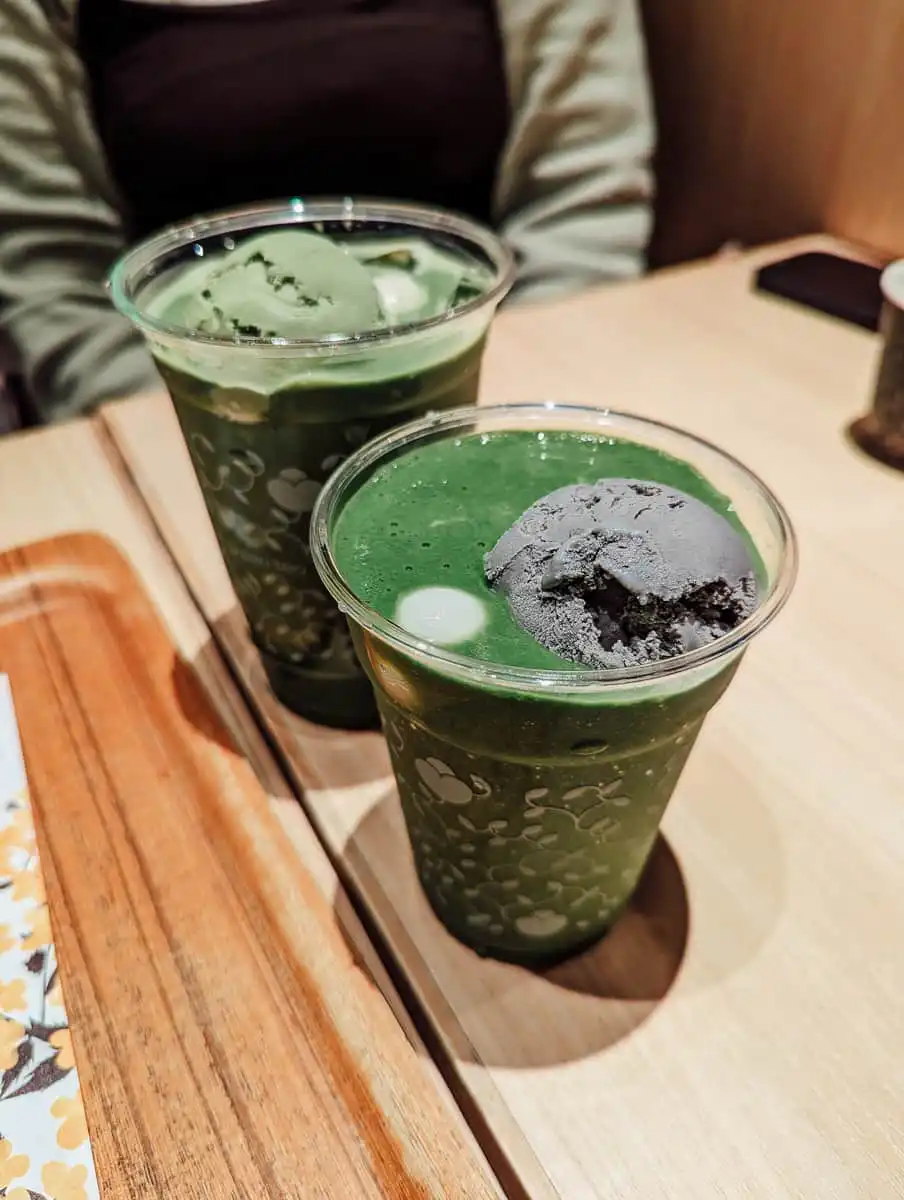
They serve matcha parfaits topped with green tea ice cream, bobas, matcha pudding, red bean paste, and little mochi pieces—basically, a matcha lover’s dream. We loved it so much we went back at least four times! It was the perfect sweet treat after a long day of walking.
The best part? You can find Nana’s Green Tea in both Osaka and Kyoto, so there’s no excuse to miss out!
🍵🍃 BUT, if you want the ultimate Matcha experience, head over to Uji, the birthplace and matcha capital of Japan! They have the highest grade matcha and makes for an amazing day trip! Check out our Uji Day Trip guide for more details!


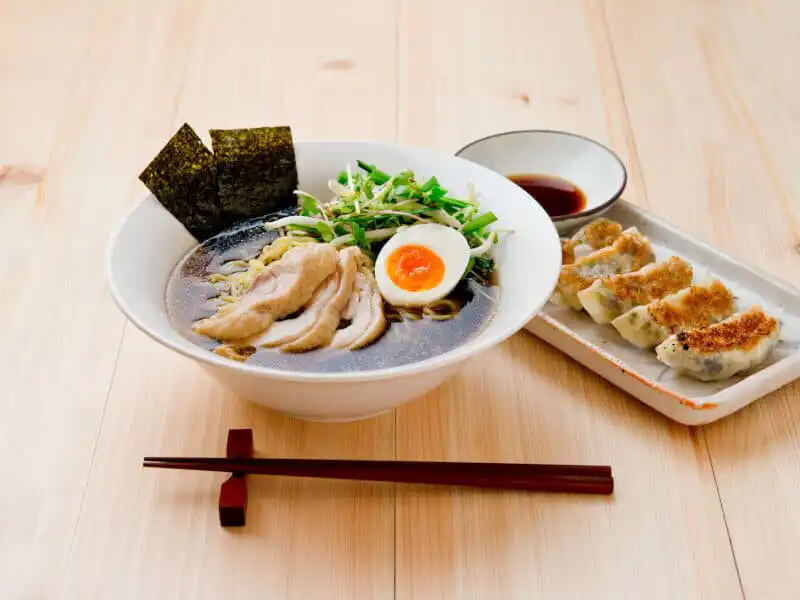
15) Experience Ramen and buying it from a machine
No trip to Japan is complete without indulging in a steaming bowl of ramen! To make the experience even more unique, many ramen shops use ticket vending machines. Simply select your ramen, grab your ticket, and hand it over to the chef. No Japanese required!
Some places even let you dine solo in a cozy little cubicle facing the kitchen, which is perfect for solo travelers looking for a quiet meal.
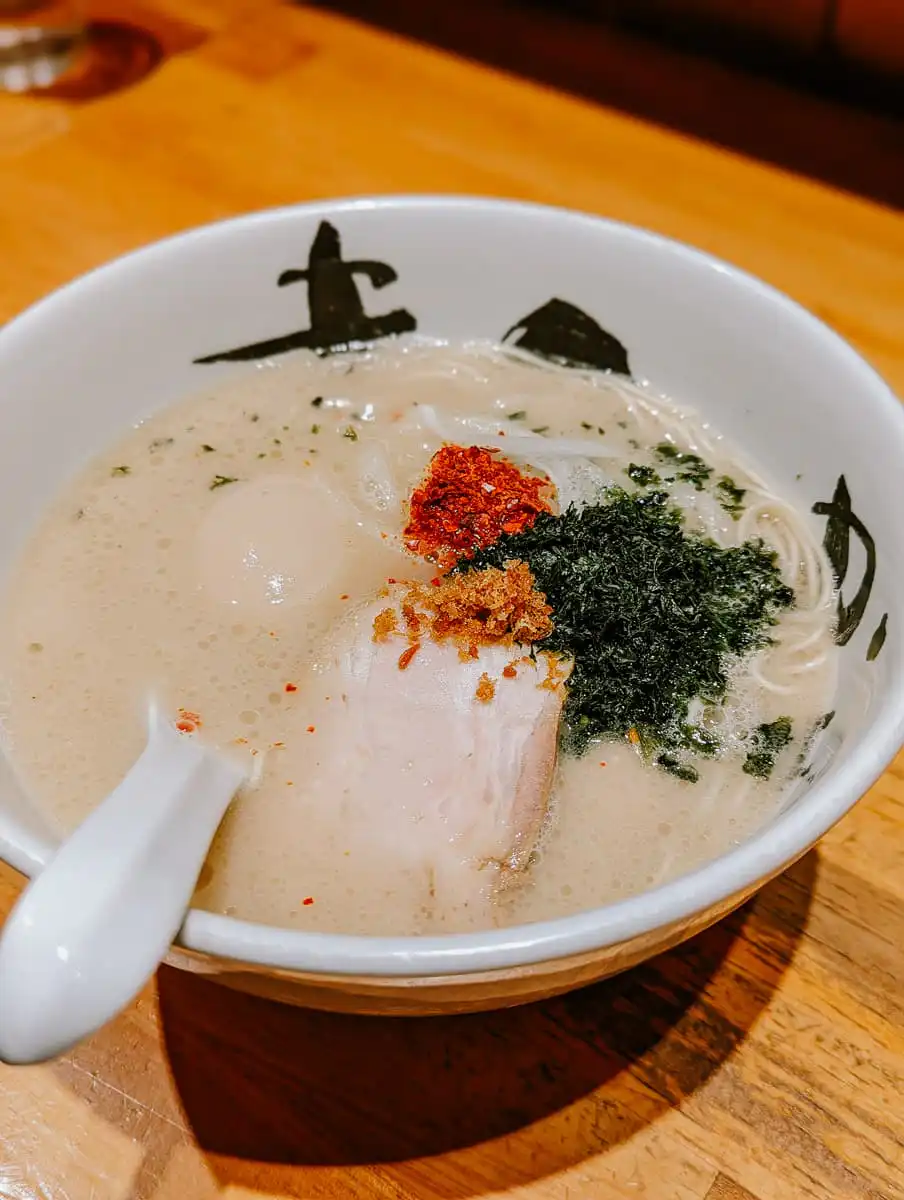
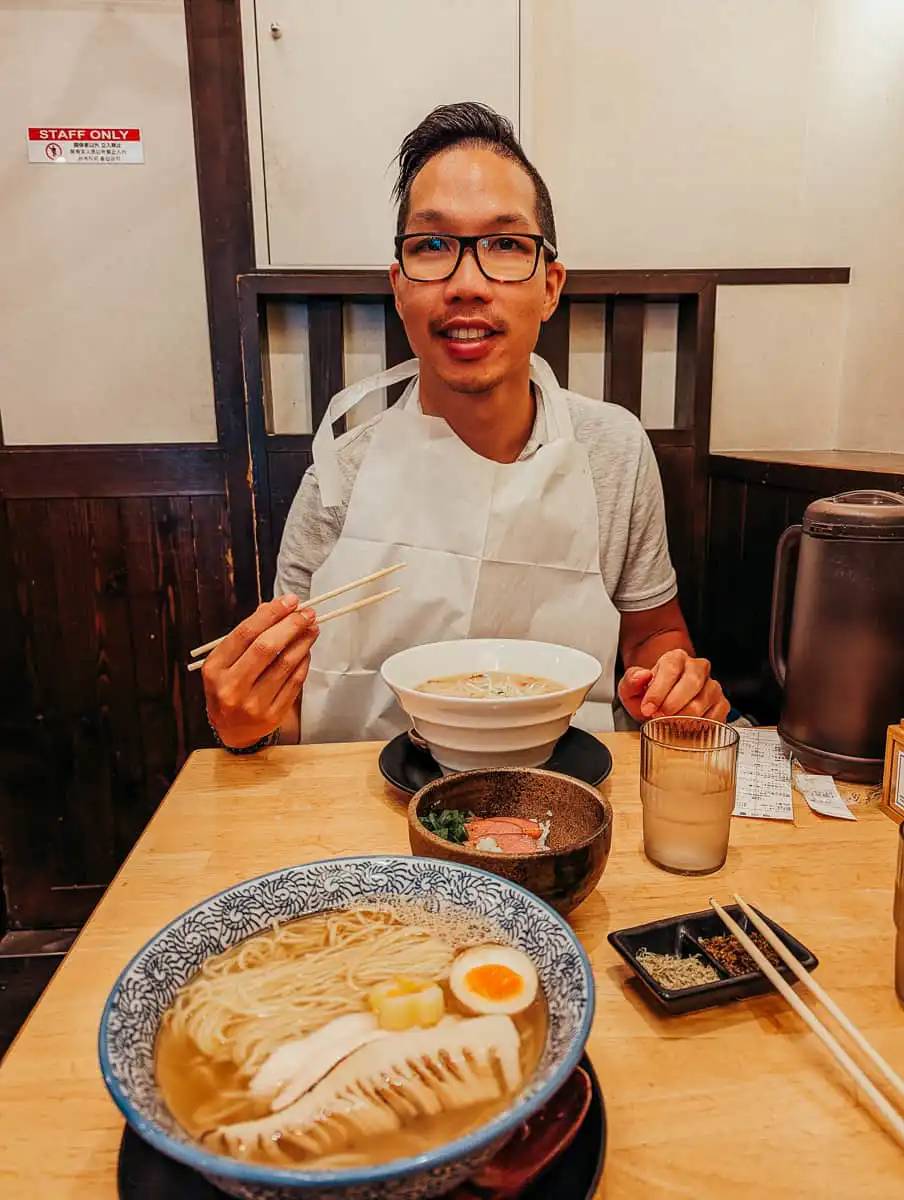
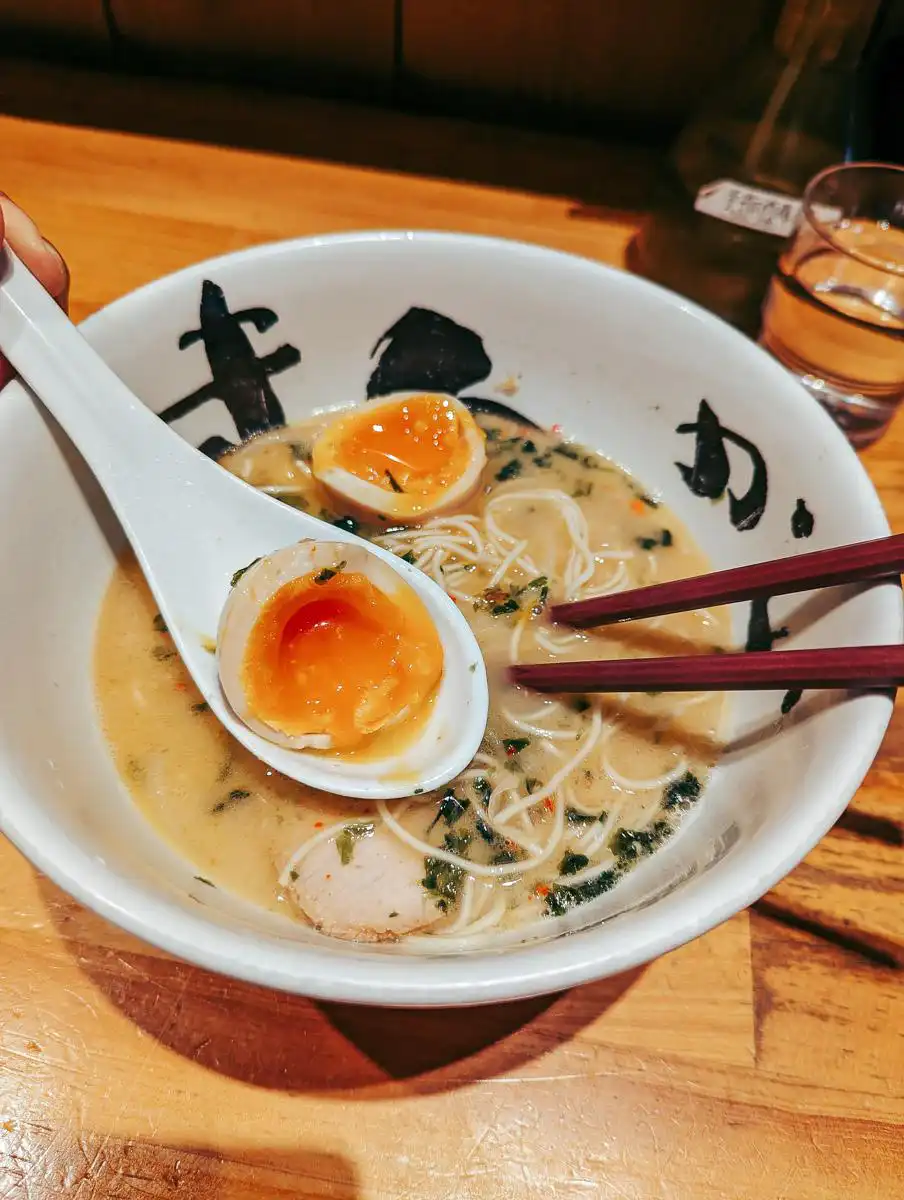
- Where to find the best Ramen: Our advice? Skip the long lines at those Instagram-famous spots. Ramen shops are literally everywhere, and in our experience, nearly all of them serve up equally delicious bowls of goodness.
- Cost: ~¥1,000 for a bowl of Ramen
16) Authentic Cooking experiences led by Locals
One of the best ways to learn about a culture is through their cuisine and the interactions with locals. So we were thrilled when we heard about AirKitchen, which conveniently combines both of these elements.
AirKitchen connects skilled local hosts with curious travelers to offer authentic cooking classes.
Checking through their classes, they provide some amazing experiences such as
- handmade ramen cooking
- homemade sushi making class
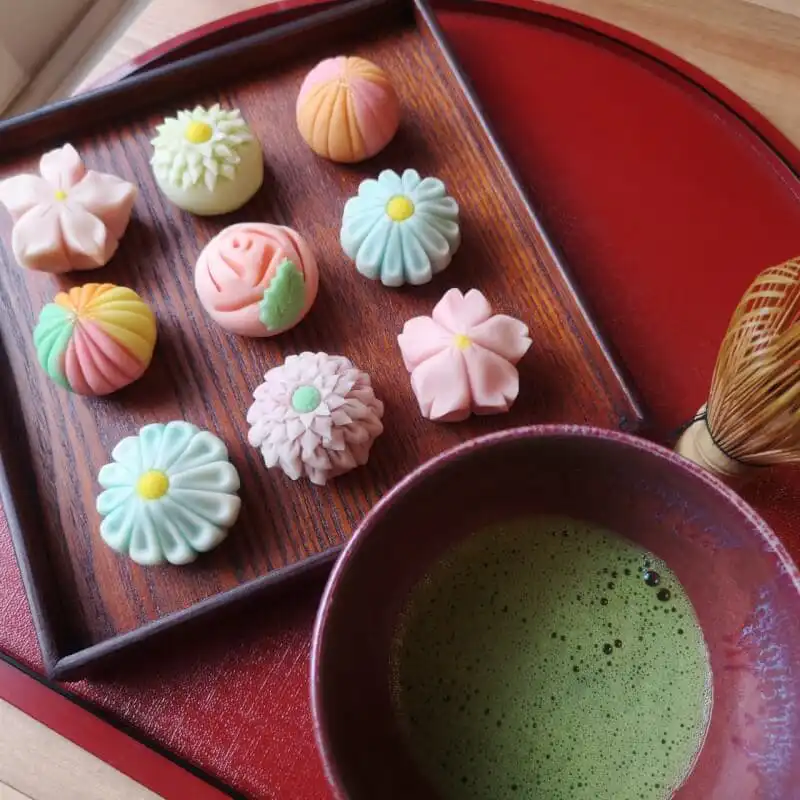
- Mochi and traditional sweets making class
- Japanese Wagashi dessert making, and more!
17) Eat till you drop sampling all the amazing food of Japan
Last but definitely not least, make sure you dive into Japan’s incredible food scene trying everything!
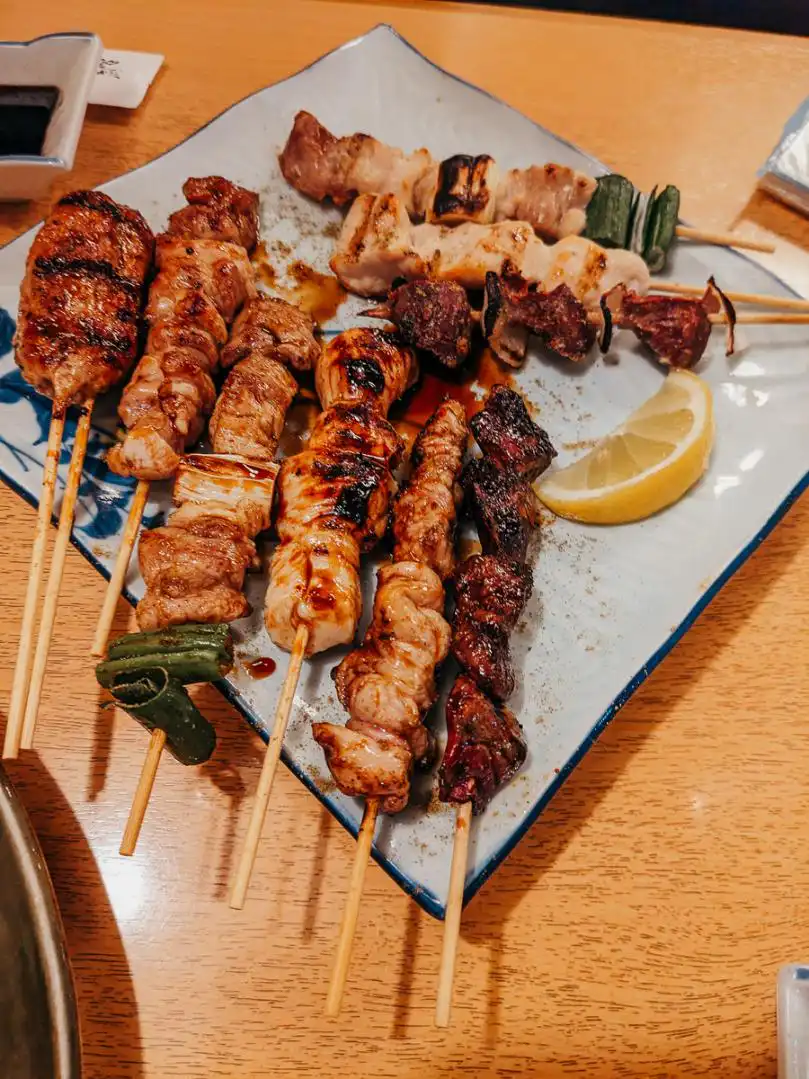
From steaming bowls of ramen to our favorite Tuna Toro bowl in Nara, matcha desserts at Nana’s Green Tea, and unforgettable sushi omakase experiences, there’s no shortage of culinary experiences. Whether you’re savouring rich Wagyu beef, enjoying a fresh seafood kaiseki meal, indulging in crispy tonkatsu or flavourful curries, or indulging your sweet tooth with matcha desserts in Uji, Japan offers a food journey that will leave you craving more.
You’ll undoubtedly have one of the best dining experiences of your life!
top 10 things you must try to eat in Japan:
- Sushi – Japan’s most famous dish featuring fresh seafood over vinegared rice
- Ramen – Rich broth noodle soup with toppings like pork, egg, and green onions
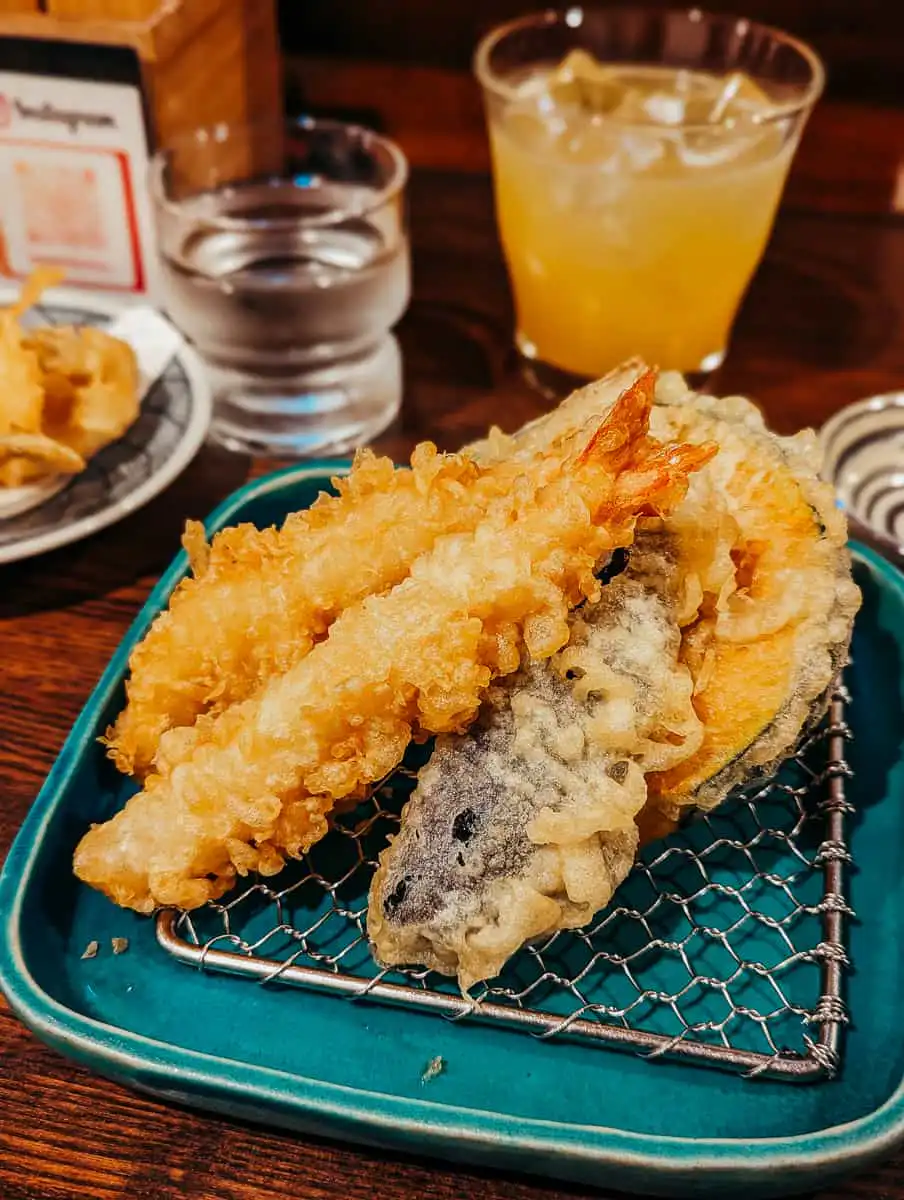
- Tempura – Lightly battered and fried seafood or vegetables
- Okonomiyaki – Savory pancake filled with cabbage, meat, and sauce
- Takoyaki – Fried octopus balls and a classic Osaka street food
- Tonkatsu – Crispy fried pork cutlet served with shredded cabbage
- Wagyu – Highly marbled premium beef known for its incredible tenderness
- Udon – Thick chewy noodles typically served in a light broth
- Kaiseki – Elegant seasonal multi course dining experience
- Matcha – Used in drinks, desserts, and traditional tea ceremonies


Hands-On Workshops / Unique Experiences in Japan
Japan is full of incredible sights and cultural experiences, but the most memorable way to truly immerse yourself is participating in these hands-on workshops. From crafting your own sushi to learning traditional arts like Taiko, these interactive experiences let you do rather than just see!
18) Try out Japan’s famous drumming: Taiko
Taiko, the traditional Japanese art of drumming, is all about powerful rhythms, dynamic performances, and synchronized movements that exude energy and strength. Having played Taiko for over three years, I can confidently say it’s one of the most empowering and exhilarating experiences out there!
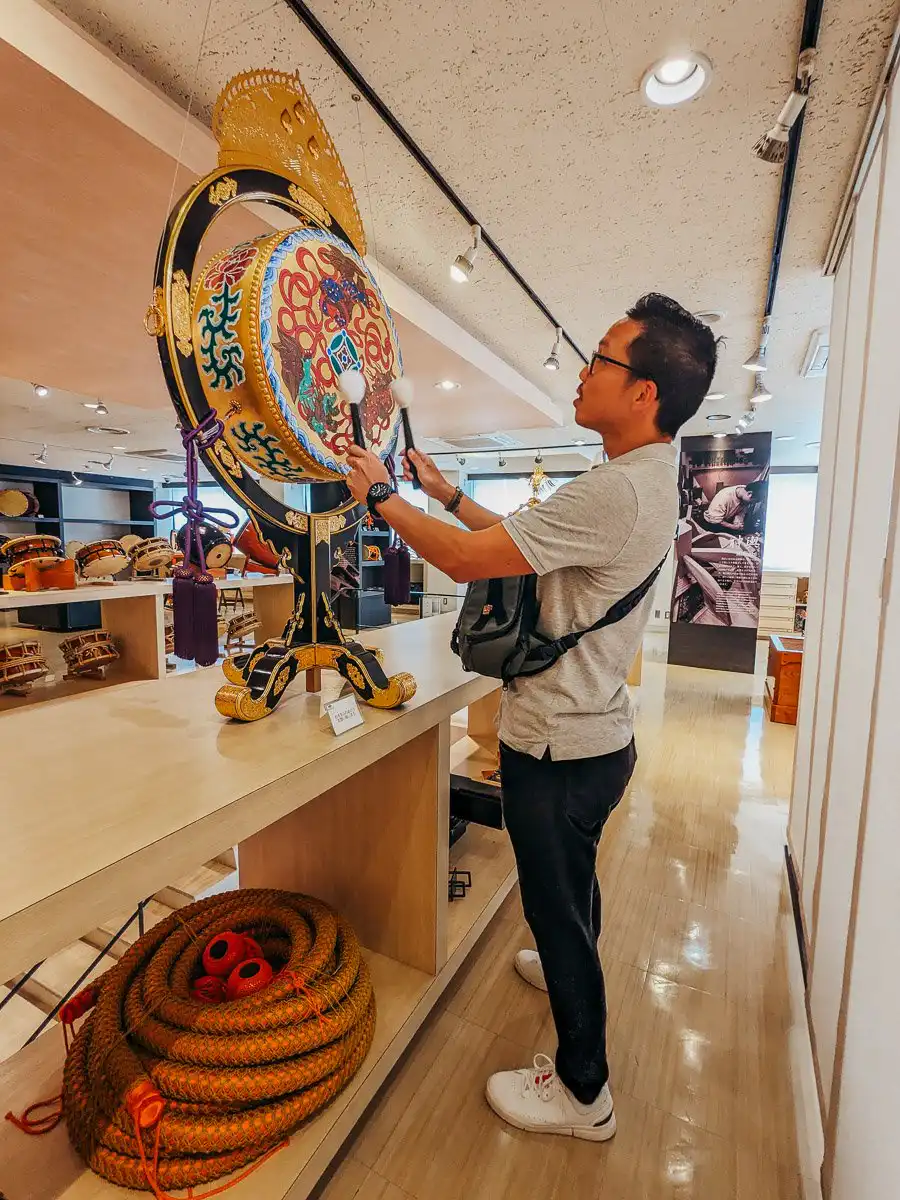
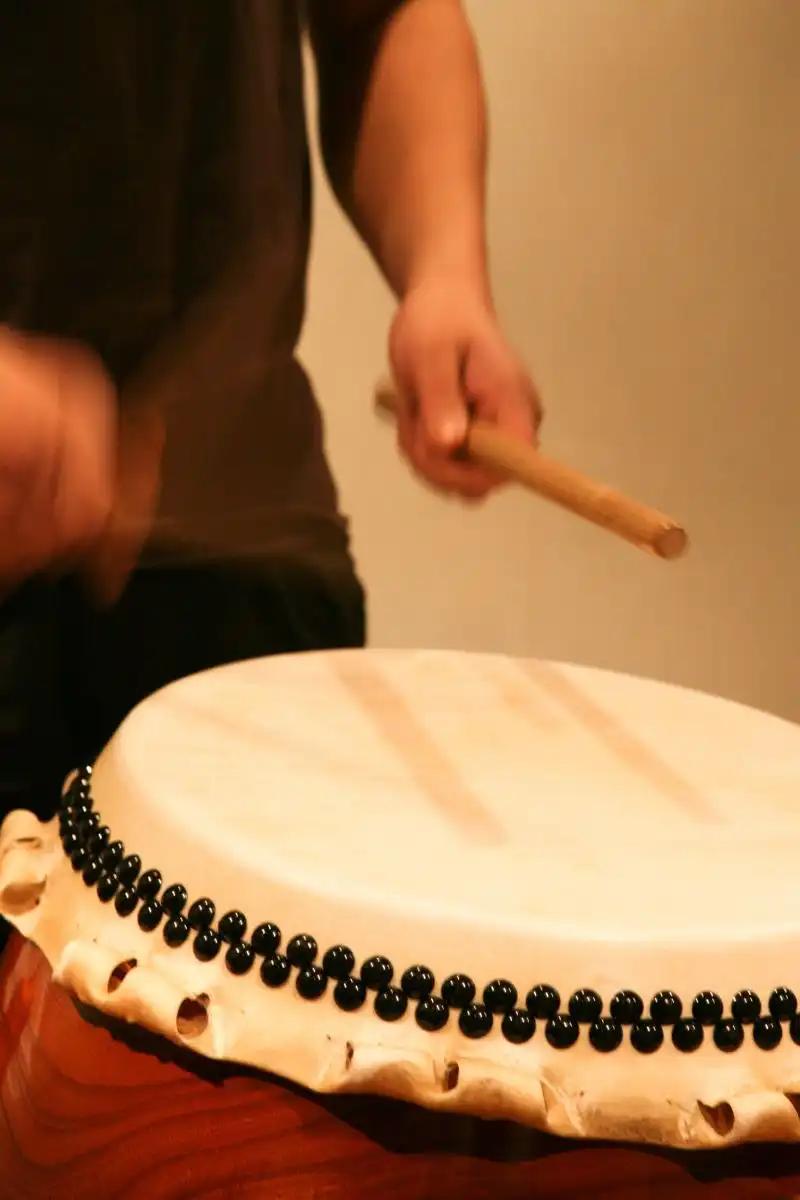
The drums are massive, and you use thick sticks called bachi to create thunderous beats that resonate deep within you—it’s something you have to experience to truly understand.
If you’re curious to try it for yourself, we highly recommend this Taiko workshop in Tokyo, which also includes a mouthwatering Wagyu Yakiniku dinner. It’s an unforgettable way to immerse yourself in Japanese culture!
- Where to do Taiko: The Taiko Workshop we recommend is in Tokyo. If you get the chance, we highly recommend watching a professional Taiko drum performance by the group Kodo.
19) Legendary Knife Making workshop
Step into a centuries-old smithy and craft your very own authentic Japanese knife, forging and hammering the steel with your own hands!
You’ll experience the entire process firsthand, from heating the steel in the furnace to shaping the blade and hammering out impurities.
“Japanese knives are so strong they can cut straight through a bullet,”
says Yamada with pride.
“I want people to truly feel their exceptional quality and the rich heritage of techniques that make them extraordinary.”
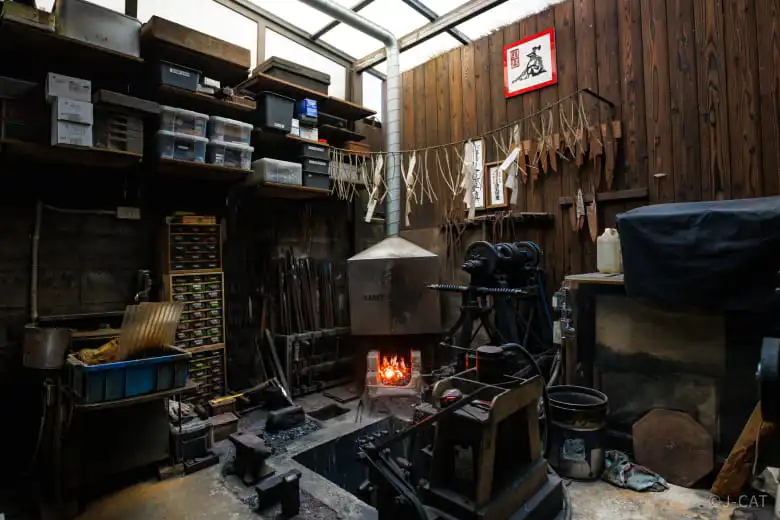 Photo Courtesy of Wabunka
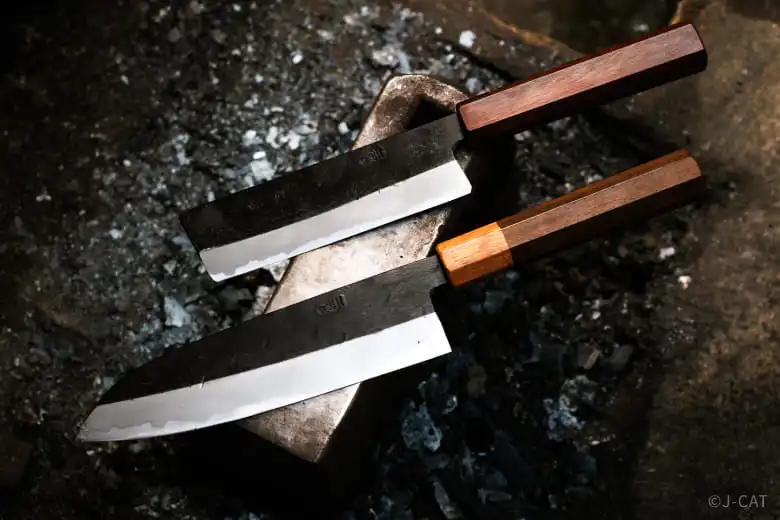 Photo Courtesy of Wabunka
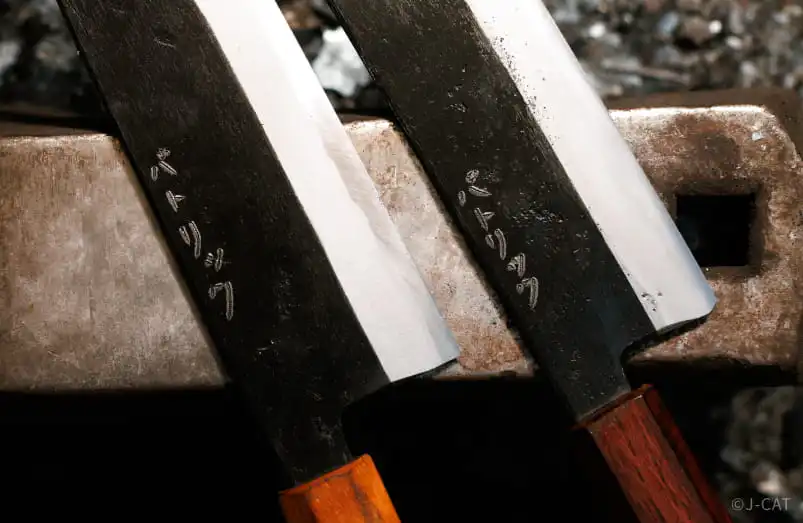 Photo Courtesy of Wabunka
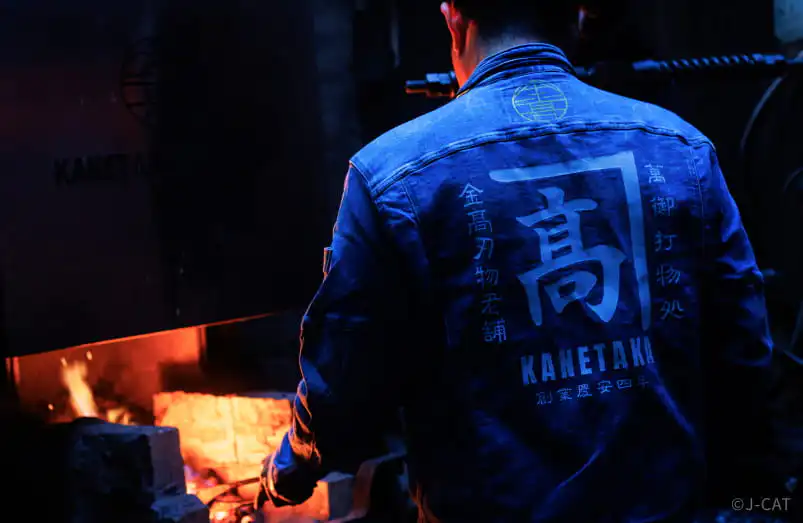 Photo Courtesy of Wabunka
This isn’t just about making a knife, it’s about immersing yourself in Japan’s artisanal traditions and gaining a deeper appreciation for its cultural craftsmanship. And it’s also about bringing home one of the most unique and practical souvenirs from your trip to Japan. You can even customize the knife with your name!
- Where to do Knife Making Workshop: Knife making workshops are available in both Osaka and Kyoto, but the one we recommend is this workshop in Kyoto where you craft a full sized kitchen knife rather than just a small souvenir blade.
20) Learn how to properly make Sushi
Back home, we always enjoyed hosting sushi night with friends – rolling up our sleeves, experimenting with ingredients, and inevitably creating something that was far from traditional but still delicious. So, when we arrived in Japan, we knew we couldn’t miss the chance to take an authentic sushi-making class.
Sushi here isn’t just food; it’s an art form, requiring an incredible balance of simplicity and precision. The skill behind preparing sushi is fascinating, with chefs spending years perfecting even the smallest steps like washing rice. Rumour has it that chefs might spend 3 to 5 years just mastering the art of washing and cooking rice before they’re even allowed to touch sushi!
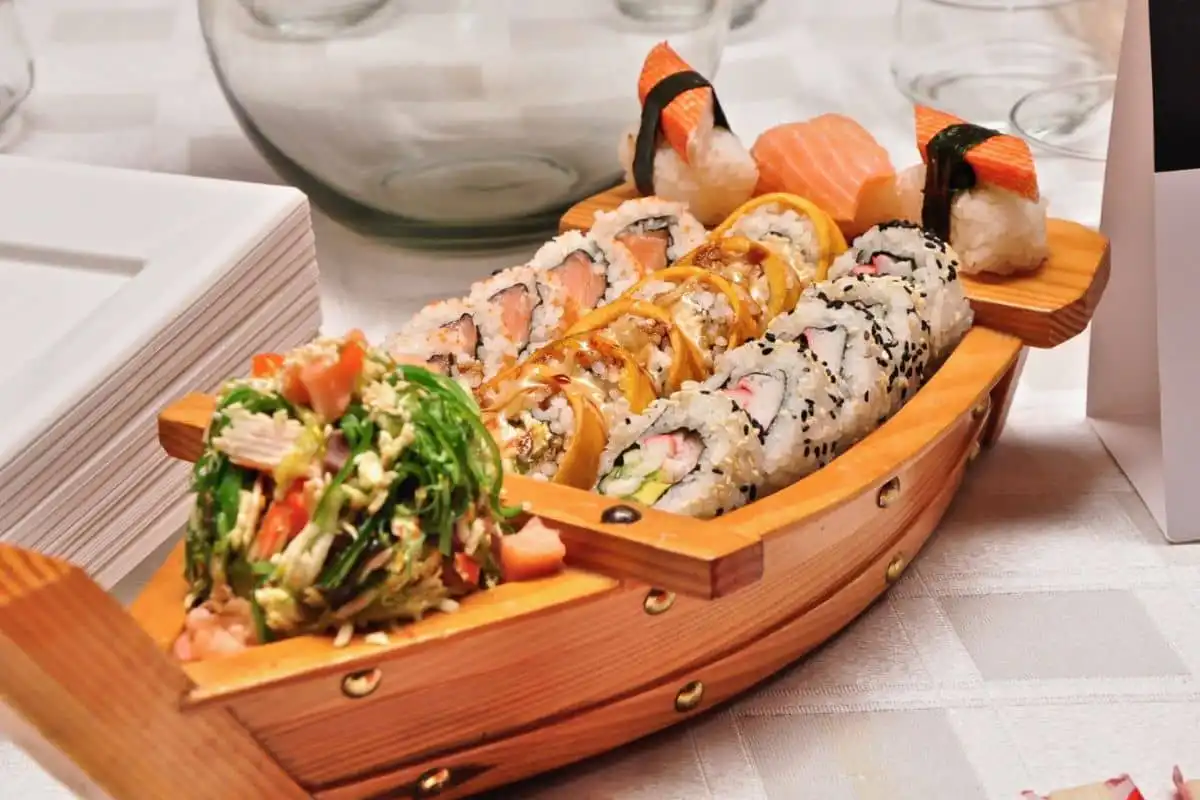
So while you’re in Japan, skip the prolonged 3 years probation period and join a Sushi-making classes. They are available across Japan’s major cities, offering a fun and delicious activity!
We have taken countless cooking classes through our travels, including in Taormina Sicily, Antigua Guatemala, and they are always an excellent way to immerse in the culture!
🍣 Sushi-Making + Kimono in Tokyo
This 2-hour experience near Tokyo combines the experience of wearing a kimono and learning sushi! In this tour, you will get the chance to learn how to prepare more than 11 types of sushi!
🍱 Sushi-Making in Asakusa
Another great tour, which was rated “Traveler’s choice Awards for Best things to do in Japan in 2024”, is this 2-hour Sushi making class in Asakusa! You will learn to make both Maki and Nigiri and it can also be combined with a Japanese Sake Set!
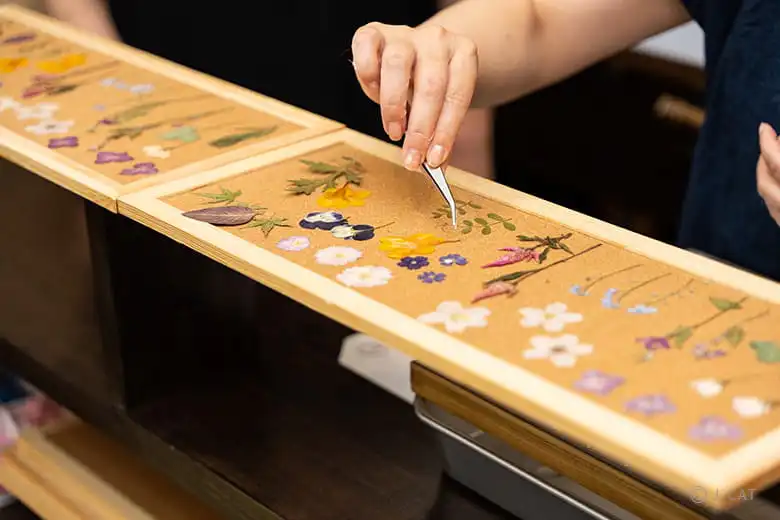
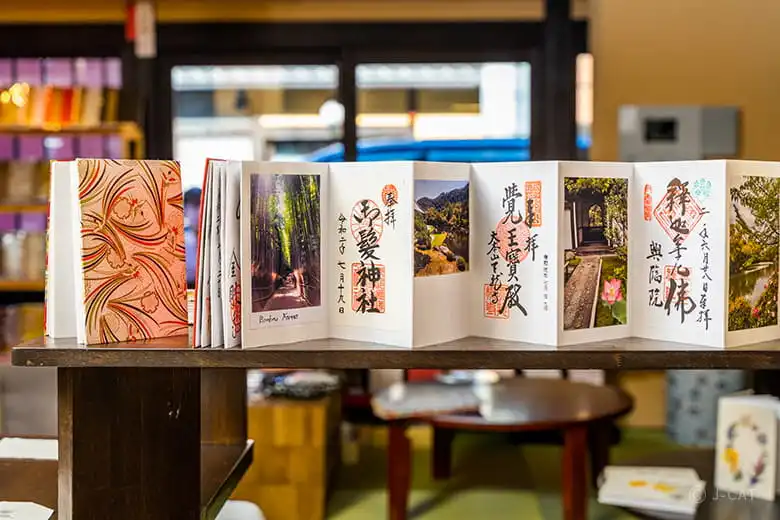
21) Craft your own Journal hand made with Washi Paper
At this Kyoto workshop, you can craft your very own Washi Journal using paper-making techniques that date back 14 centuries.
There’s something magical about working with washi paper—and even more satisfying knowing you made it yourself.
It’s not only a beautiful souvenir to take home, but the perfect place to capture your Japan travel memories! After finishing it, you can then jot down your fondest memories of travelling through Japan, or even try your hand at drawing!
Iconic Attractions & City Highlights
This section highlights Japan’s most iconic sites and urban experiences. But instead of just listing attractions, we show you how to visit them smartly, avoiding the crowds and truly soaking in the culture along the way.
22) See the famous red tori gates of Fushimi Inari near Kyoto
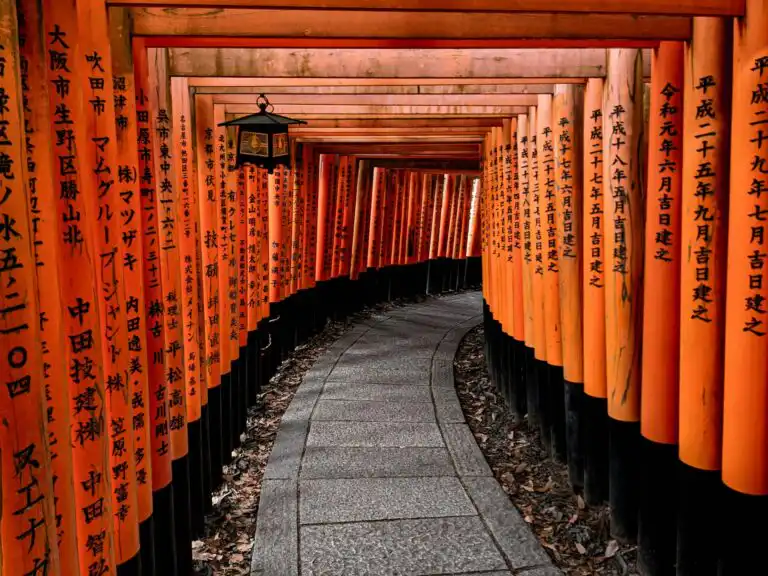
When you search for images of Kyoto, one of the most iconic sights you’ll encounter is the breathtaking rows of a thousand vibrant red Torii gates winding up the mountain pathway. This place is called Fushimi Inari and it is one of Kyoto’s most famous Shinto shrines dedicated to Inari, the Shinto god of rice, agriculture, and business.
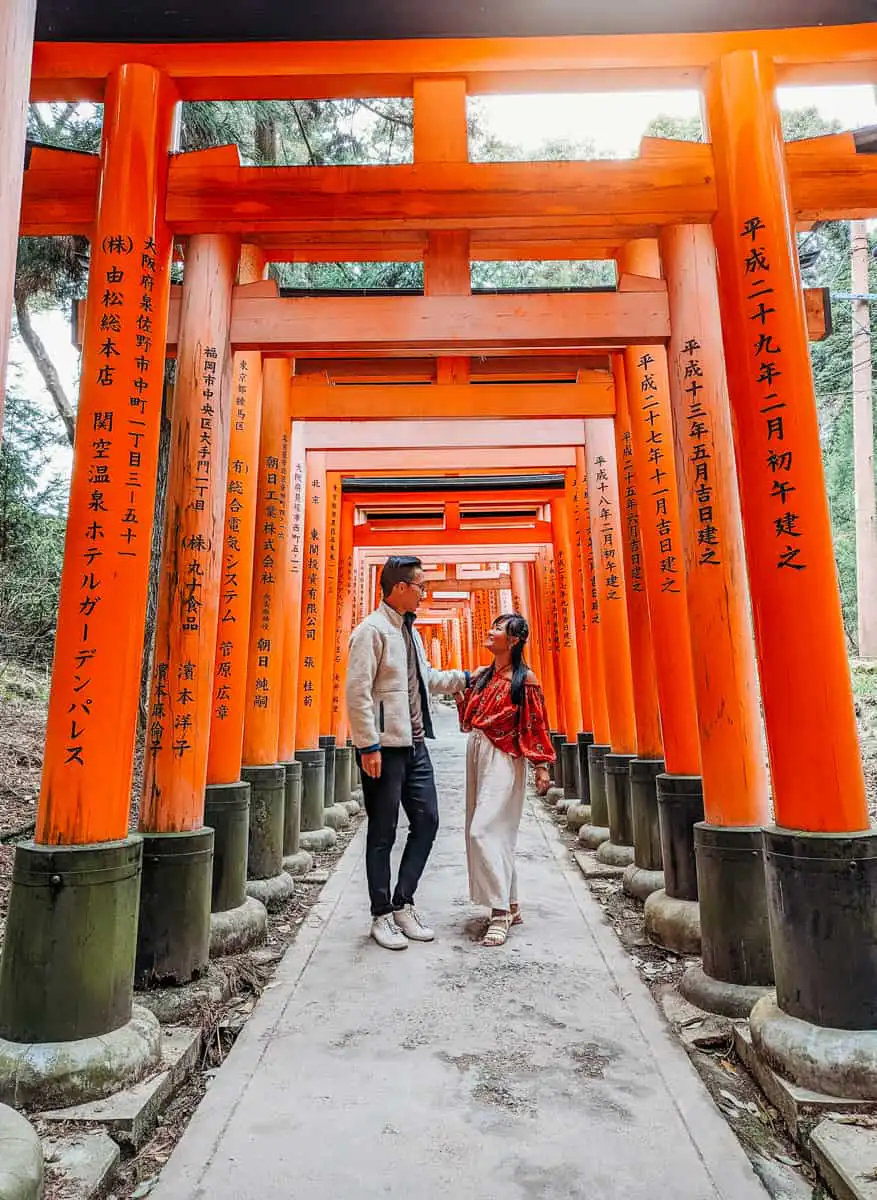

- Where is Fushimi Inari: located just 45 minutes away from Kyoto by train
- How much time needed: Half a day
- Cost: Free!
- How to Visit Fushimi Inari: We found an alternative off-the-beaten path way to experience the Red Tori Gates away from the crowds! You can check out the guide below!
23) Day trip to Arashiyama
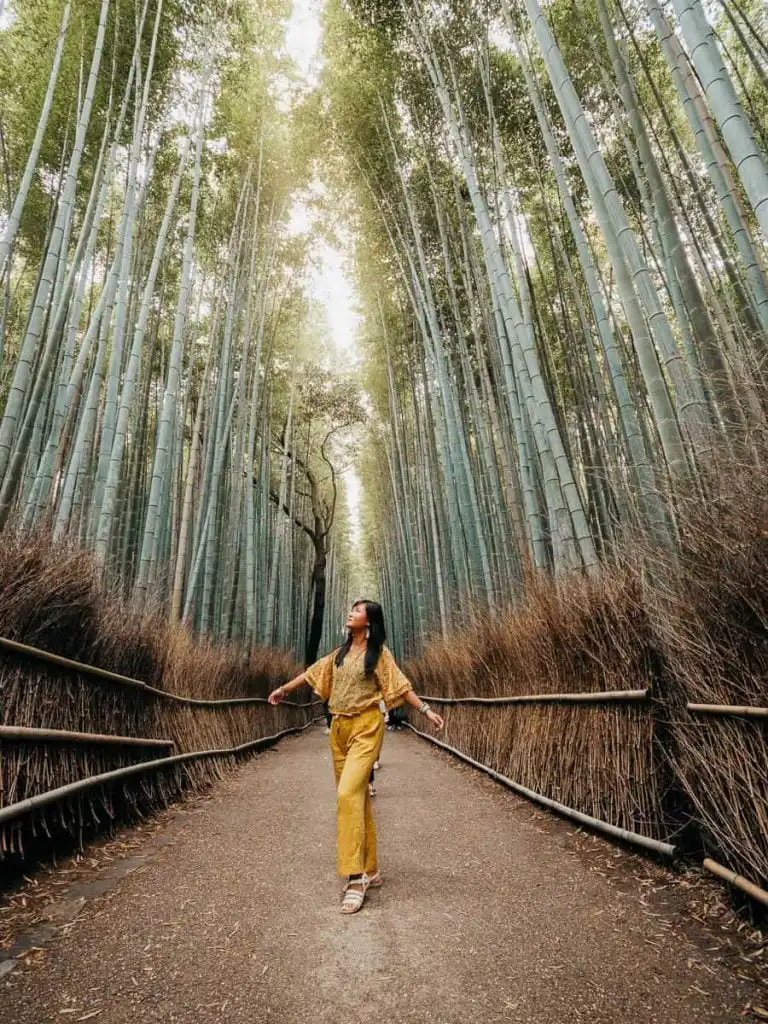
Another hugely popular day trip from Kyoto is to visit the iconic Bamboo Forest in Arashiyama. We went to see it ourselves, and while it’s undeniably beautiful, we have to admit—it didn’t quite live up to the hype. The forest is smaller than expected and usually packed with visitors, which can take away some of the magic.

With that said, Arashiyama is still 100% worth the trip! The area offers so much more than just the bamboo grove. We were surprised to see lush, rolling mountains framing a serene river, a charming little town filled with local shops, and even a wonderful onsen where you can soak away the day’s adventures.
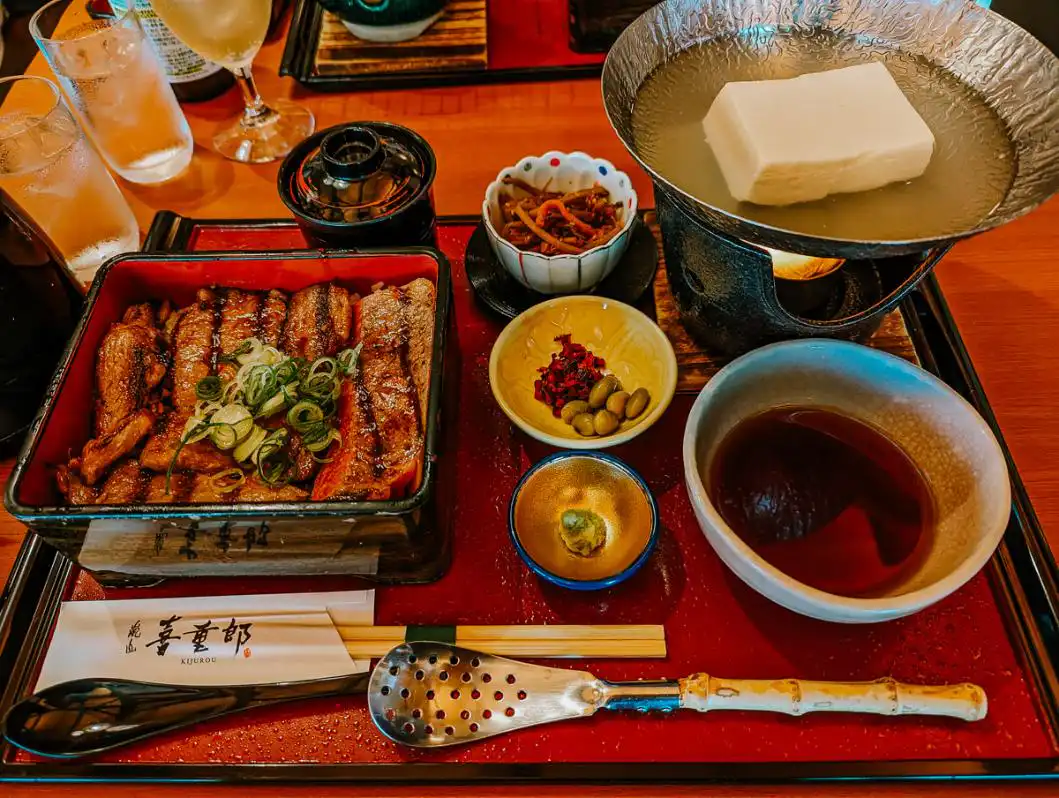
We also stumbled upon a fantastic restaurant serving a beautifully crafted Wagyu steak set. Every bite was melt-in-your-mouth perfection, and we couldn’t recommend it enough. So, while the Bamboo Forest might not have fully lived up to the hype, Arashiyama’s true charm lies in everything else waiting to be discovered.

- Where is Arashiyama: located just 30 minutes away from Kyoto by train
- How much time needed: Half a day
- Cost: ~
- How to Visit Fushimi Inari: Arrive at Arashiyama Station, stroll along the river, visit the bamboo forest, visit the Seiryōji temple, enjoy a wagyu beef lunch at Kijurou, finish the day soaking at Fu Fu No Yu onsen.
If ever you are short on time and want to see Arashiyama, Kyoto, and Fushimi Inarii in a single day, you can check out this Kyoto Full-day UNESCO tour!
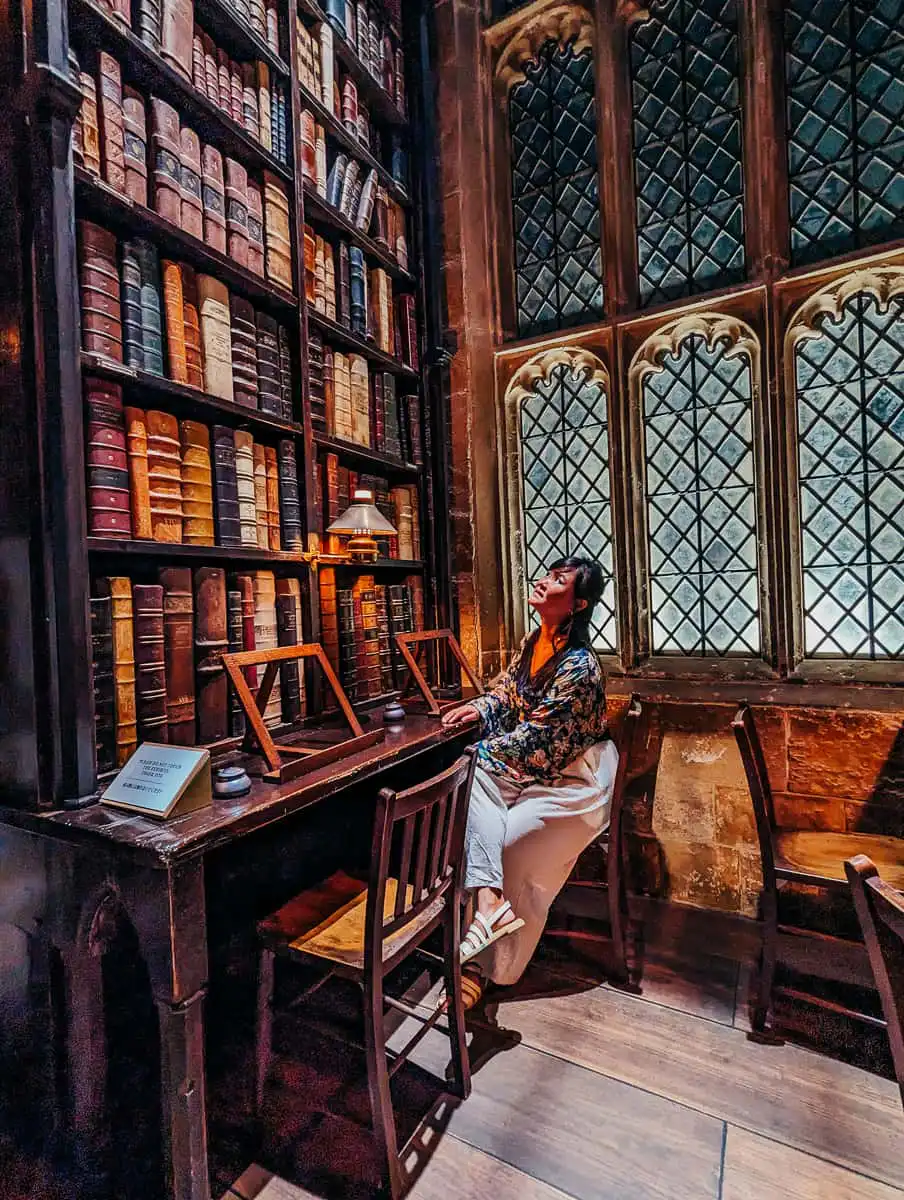
24) See the Harry Potter Studio Tour in Tokyo
Before arriving in Japan, I had just wrapped up reading all the Harry Potter books (yes, very late to the party—I know!). So, when we got to Tokyo, visiting the Harry Potter Studio Tour shot straight to the top of my list.
What’s amazing about this studio tour is that it showcases the actual filmset, costumes, props, decor, and lore from the Harry Potter movies. You’ll quickly realize just how much painstaking detail went into creating this magical universe—it’s truly mind-blowing.
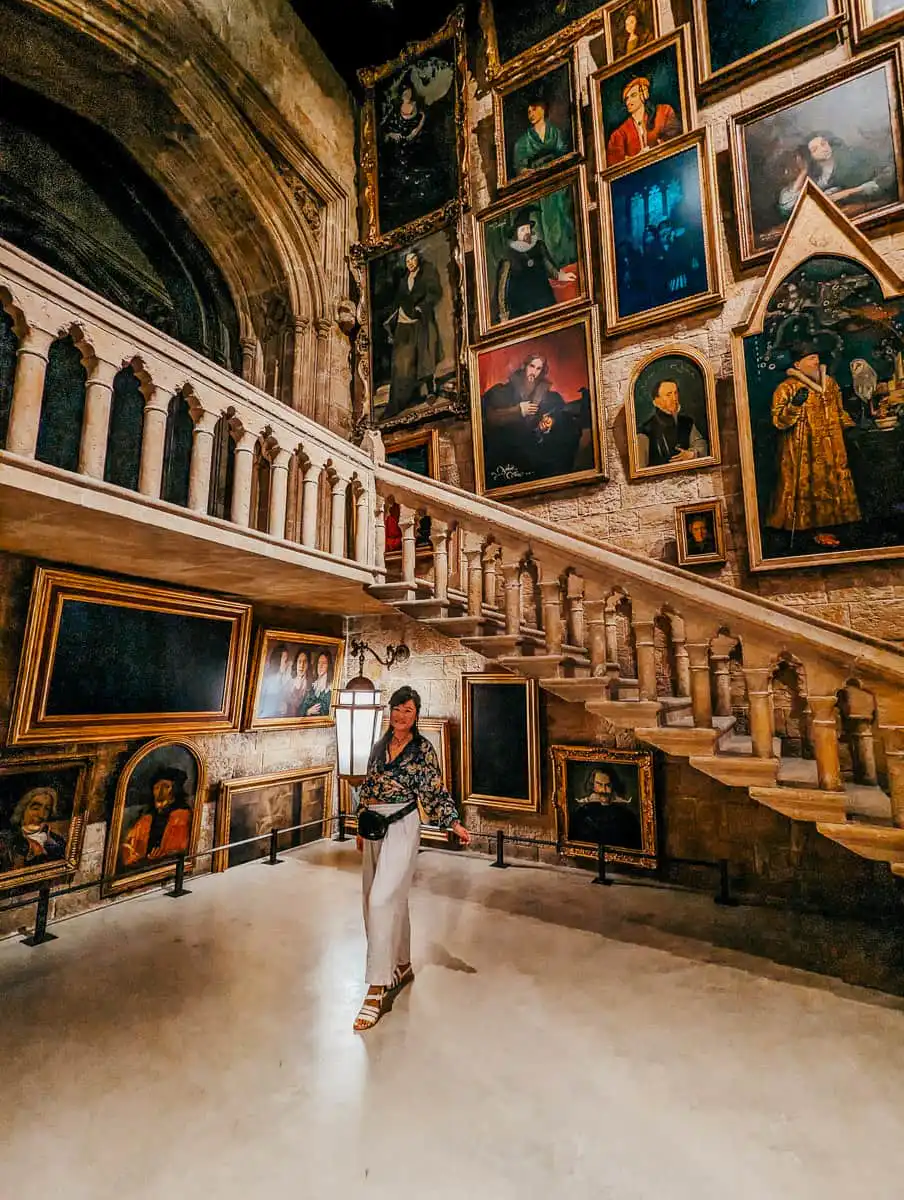
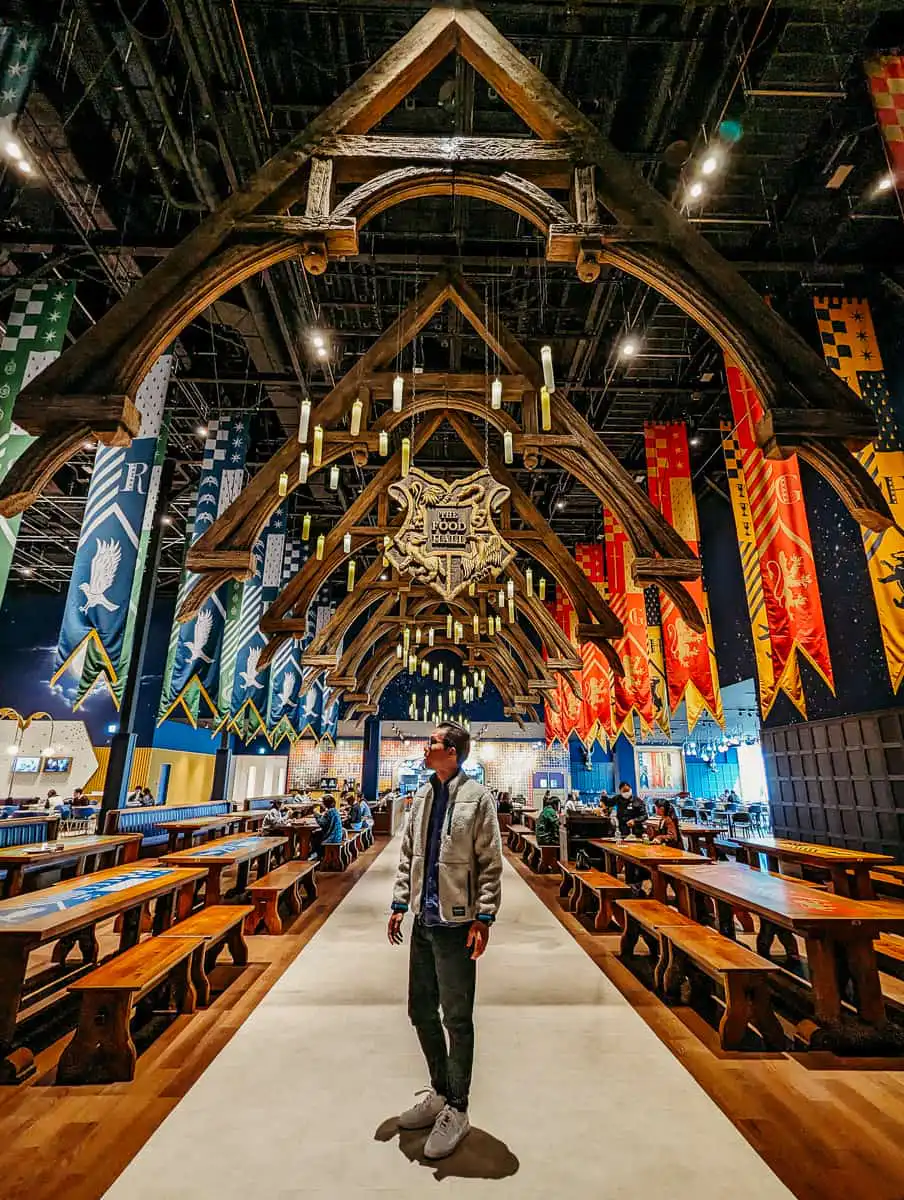
A visit to the studio takes about 4–5 hours, and honestly, it’s an amazing experience for anyone, whether you’re a die-hard fan or haven’t even cracked open the books. For me, it felt like stepping straight into the pages of the series, and I loved every minute of it!
- Where is Harry Potter Studio: located just 40 minutes away from Tokyo Station by Train
- How much time needed: 3-4 hours
- Cost: ¥6,300 per person
25) Explore the many famous art exhibits of TeamLab
TeamLab has become one of the world’s most popular and visited art exhibits, and it’s easy to see why! While in Japan, don’t miss the chance to explore their interactive digital art museums, where cutting-edge technology and breathtaking visuals come together to create immersive, dreamlike experiences.
From the surreal Floating Flower Garden to the Infinite Crystal Universe, it’s also one of the most iconic spots for capturing ethereal, one-of-a-kind photos.
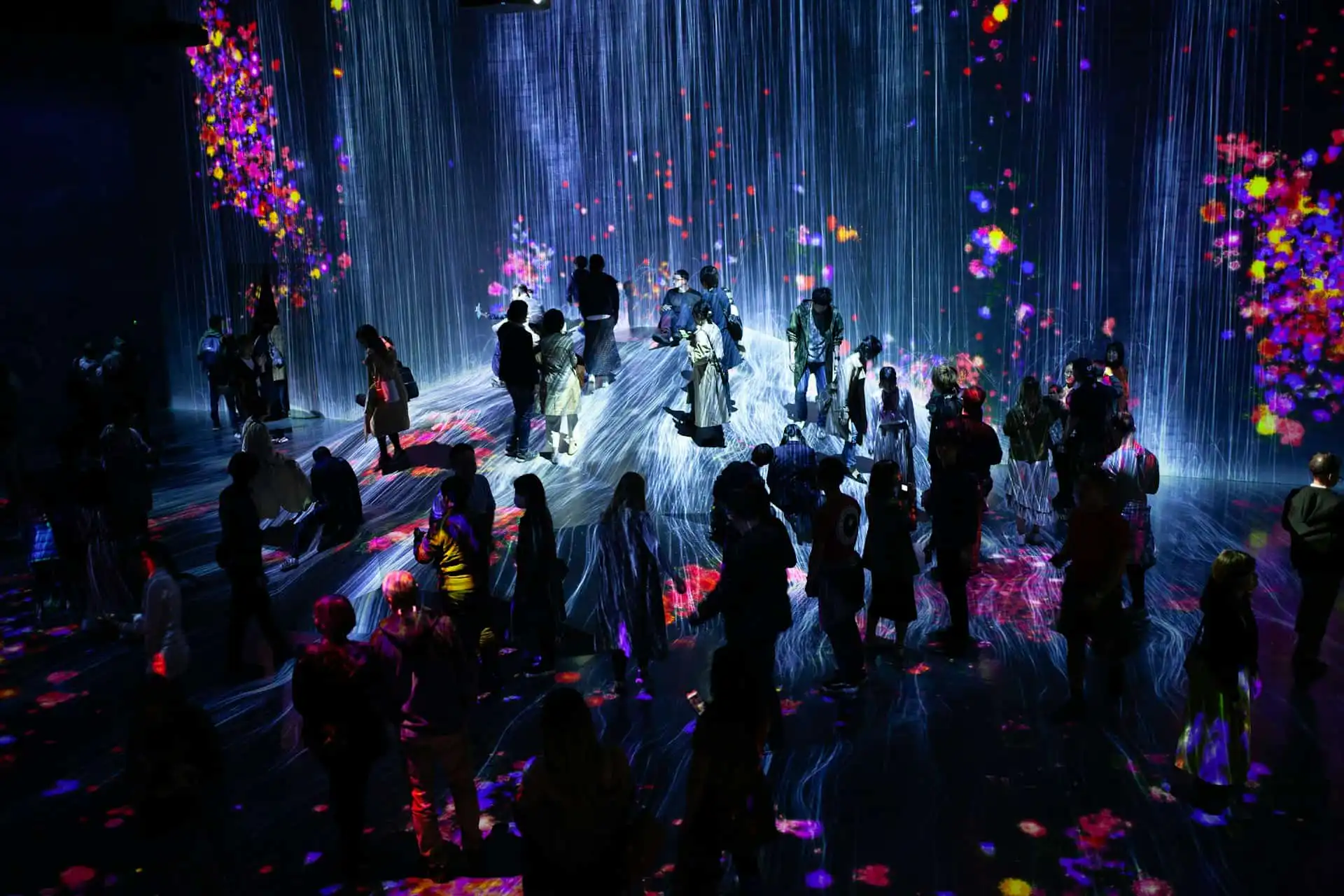
Where to Experience Team Lab: Team Lab Exhibits are all over Japan, from Tokyo, Osaka, Fukuoka, all the way down to even Okinawa! Here are the main ones you can check out during your trip to Japan
26) Go to Universal Studios to explore the Super Nintendo World
Japan is a paradise for anime and video game fans, so it’s no surprise that it’s home to one of the most iconic Universal Studios in the world! At USJ Osaka, you can step into Super Nintendo World, outrun velociraptors in Jurassic World, and cast spells in the magical world of Harry Potter.
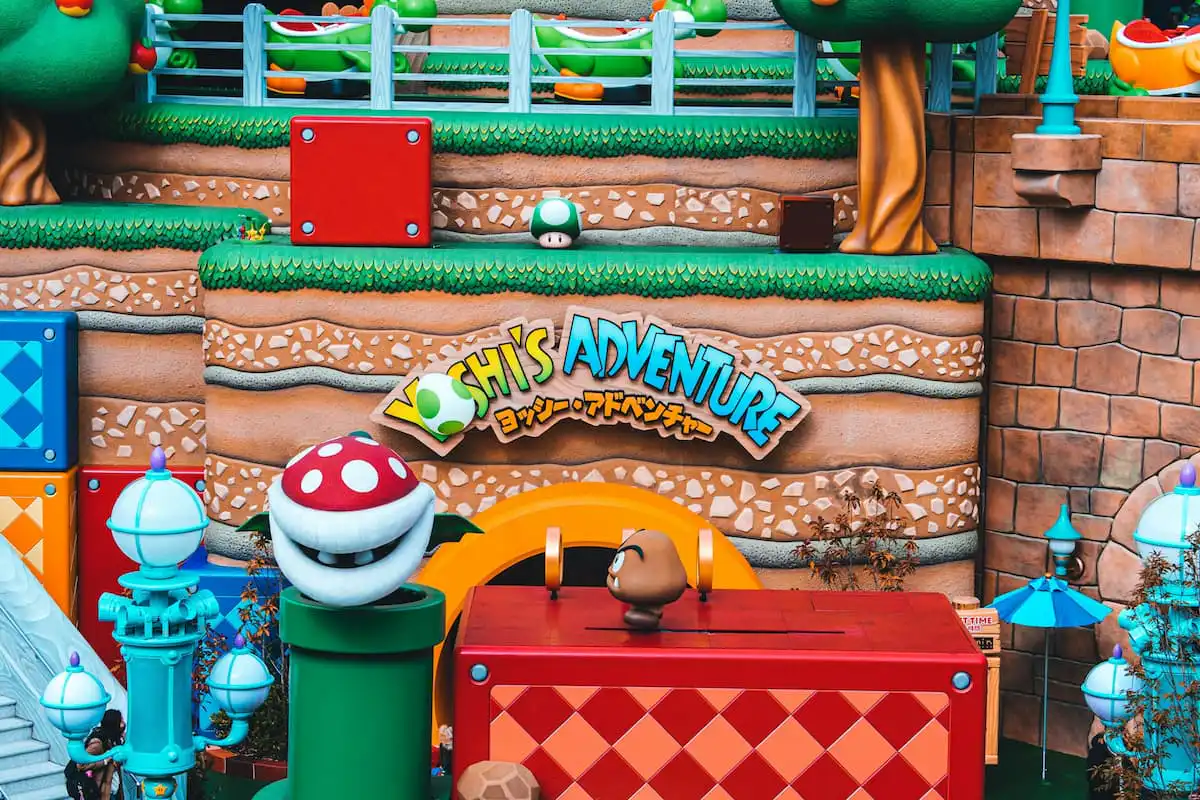
Whether you’re traveling with kids or just embracing your inner child, this park offers a full day of non-stop fun and adventure.
- Where is Universal Studios: located just 10 minutes by train from Osaka Station
- How much time needed: Full Day
- Cost: Starting at ¥8,900 per person
- Tip: Make sure to purchase your Universal Studios Passes including the Timed Entry ahead of time which can help you significantly reduce your wait times, especially for popular attractions like the Super Mario World!
27) See the Tokyo skyline for free!
Tokyo boasts one of the most striking skylines in all of Japan, with sleek skyscrapers dominating the view, and on a clear day, you can even see Mount Fuji in the distance. While there are plenty of popular rooftop observatories to take in the view like Shibuya Sky, Tokyo Skytree, and Tokyo Tower, they are all paid experiences.
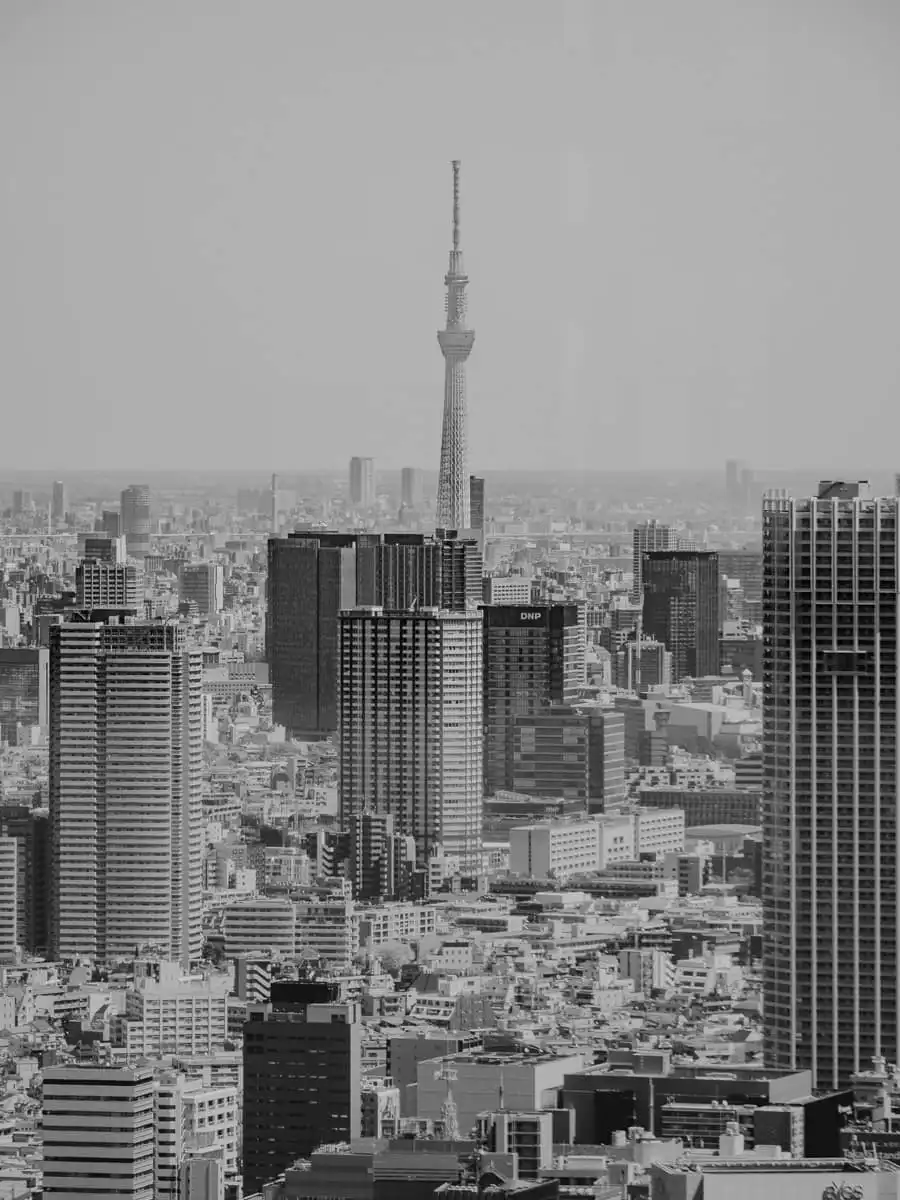
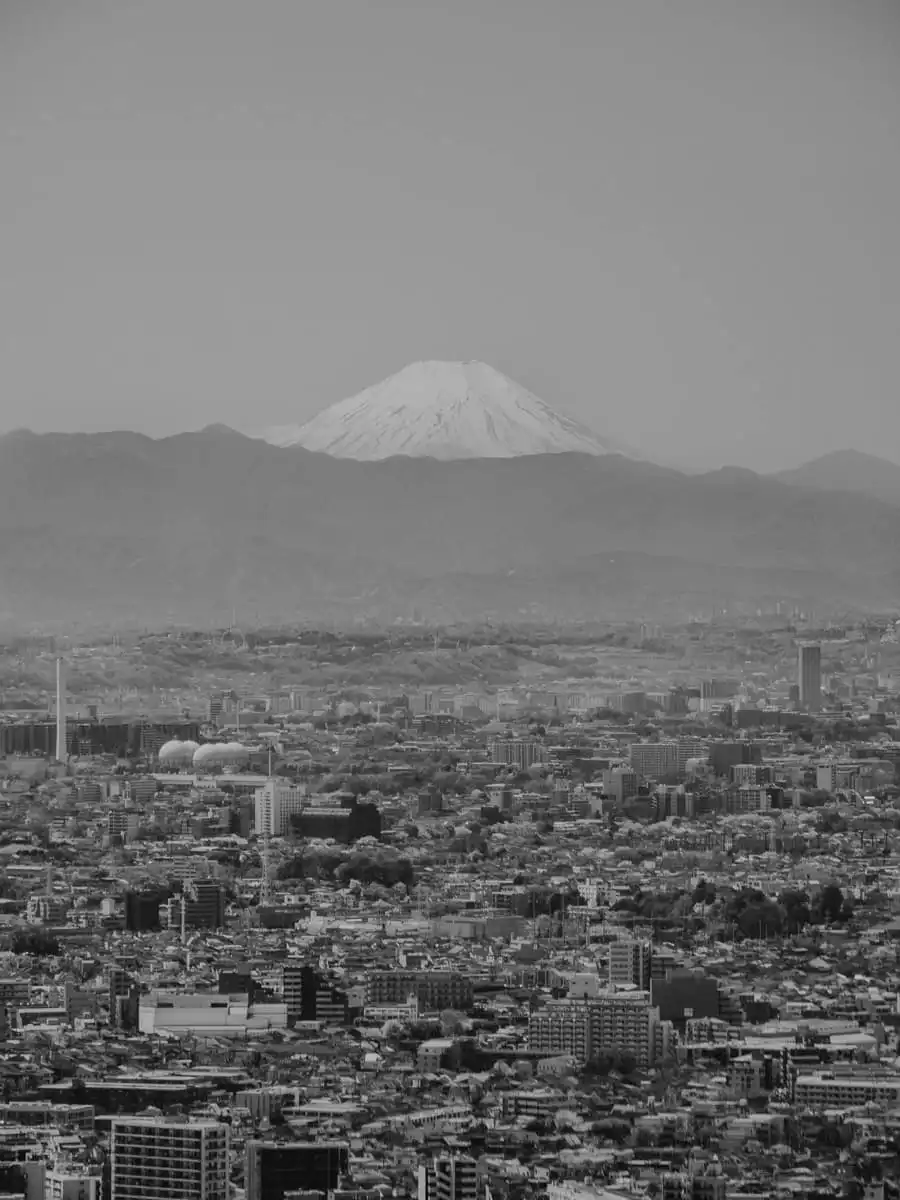
If you’re looking to see this view for FREE, then check out the Tokyo Metropolitan Government Building’s Observatory! To get more details, we share how to do it in our Tokyo Activities guide!
28) Race through Tokyo Mario-Kart style
I’m pretty sure we all grew up playing Mario Kart, right?
Well, did you know that in Tokyo, you can actually dress up as your favourite Mario Kart character and race through the streets in a real Go-kart?
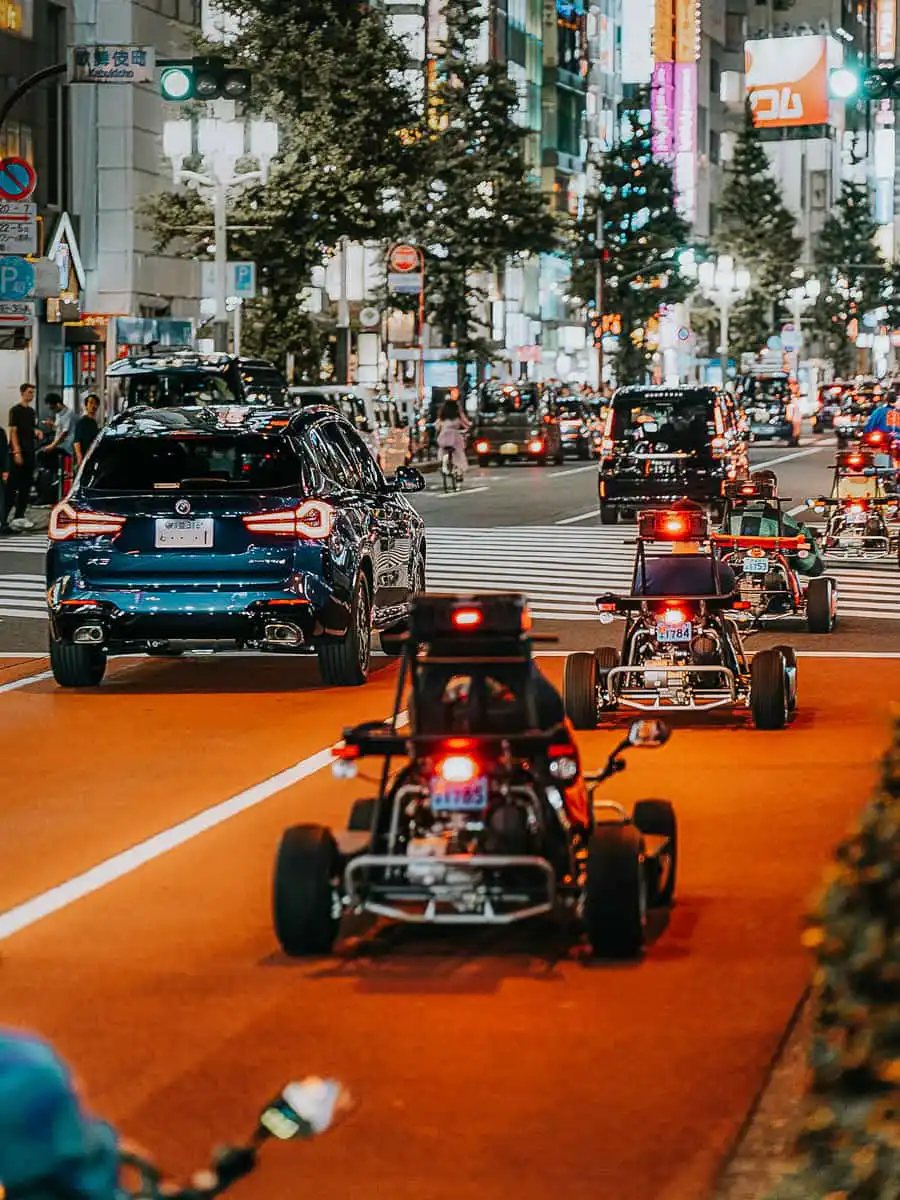

With this Super Mario Go-Kart tour in Tokyo, you can even drive through the famous Shibuya Crossing! The Mario Kart experience is one of Tokyo’s most popular activities, so if you’re interested, make sure to book it early—it often sells out more than a week in advance!
- Where to do Mario Go-Kart Experience: The most popular one is located at Shibuya Crossing in Tokyo, but the Mario Go Kart Experience can also be done in other cities like Osaka, and even in Naha Okinawa!
- How much time needed: 1 Hour
- Cost: ~¥16,500 per person
Nature & Scenic Experiences
Most visitors come to Japan for the vibrant cities and unforgettable urban experiences. But venture a little further, and you’ll find stunning natural landscapes waiting to be explored.
While day trips to places like Arashiyama and Nara let you taste a bit of Japan’s nature and gardens, one destination we highly recommend adding to your itinerary is the Izu Peninsula. Here, you can take in the dramatic coastline, enjoy breathtaking views of Mount Fuji, and fully immerse yourself in charming fishing villages with Ryokans.
29) Witness Mount Fuji from the coast of Izu Peninsula
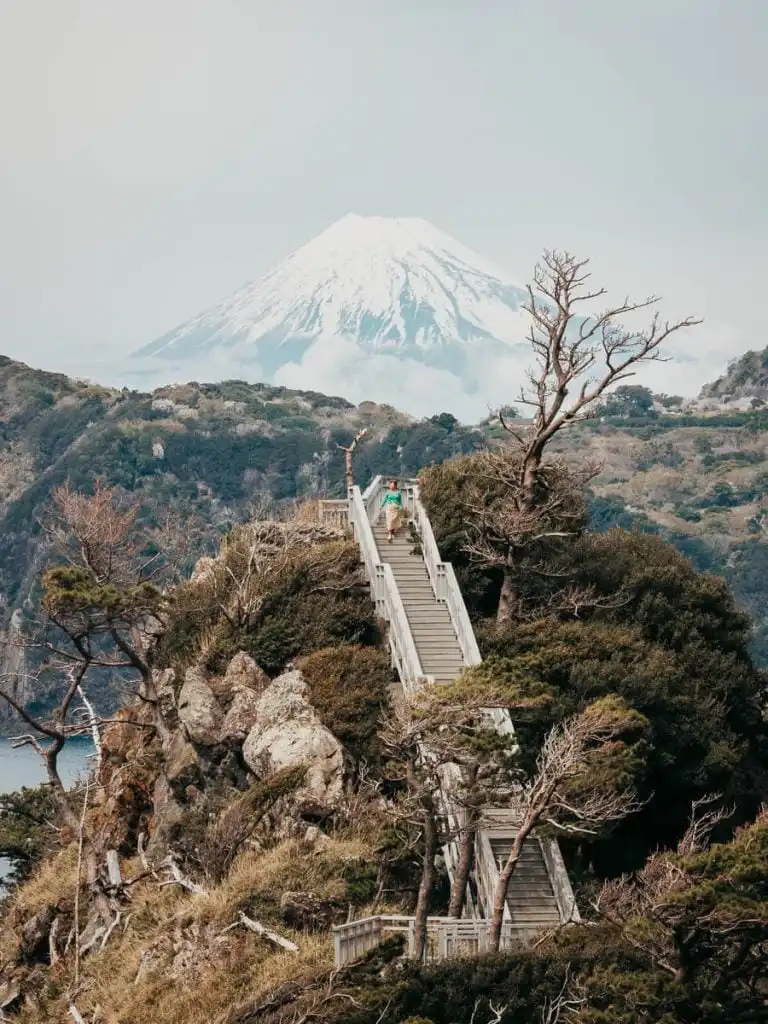
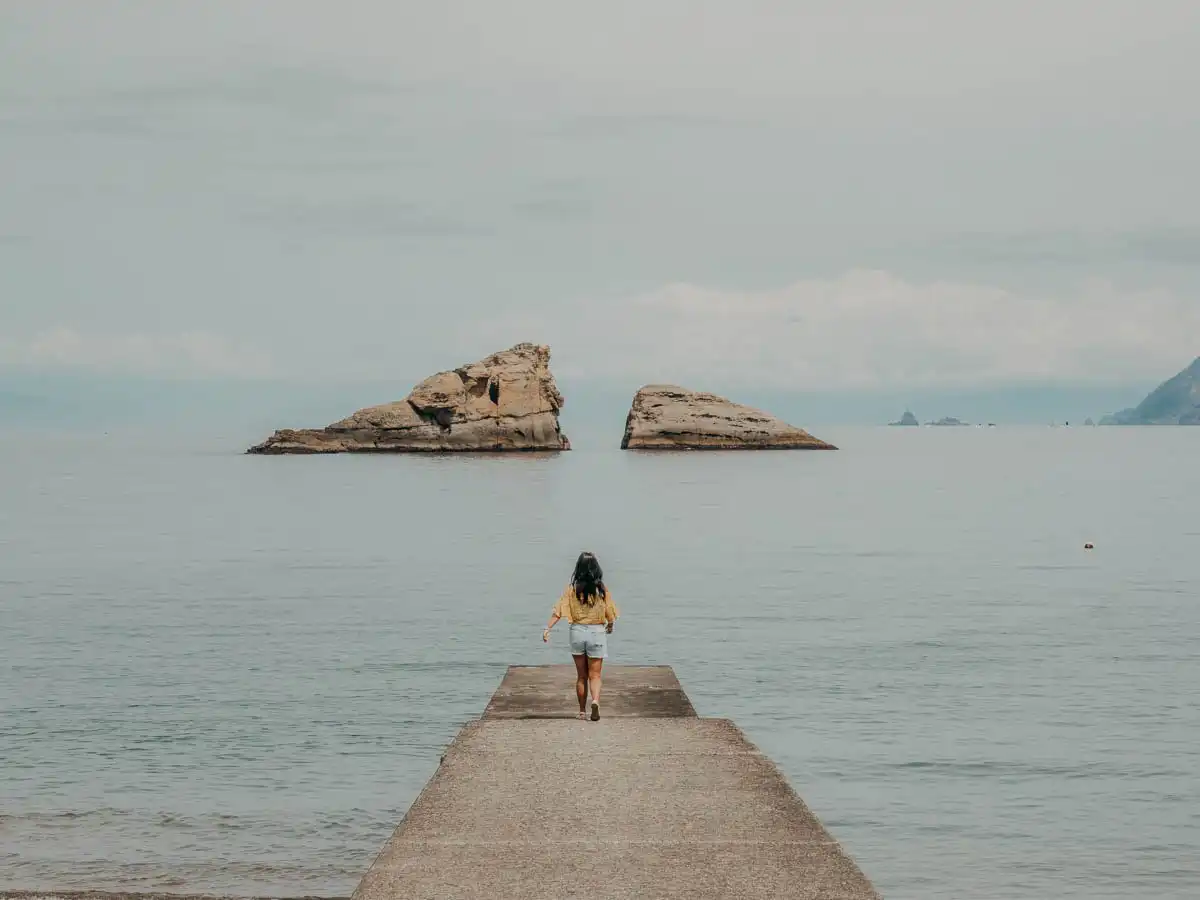
Never heard of the Izu Peninsula? This hidden gem was the highlight of our entire Japan trip! We spent 4 days road tripping through the coast of the Izu Peninsula, making multiple stops to admire the incredible scenery and enjoying some of the most authentic ryokan experiences.
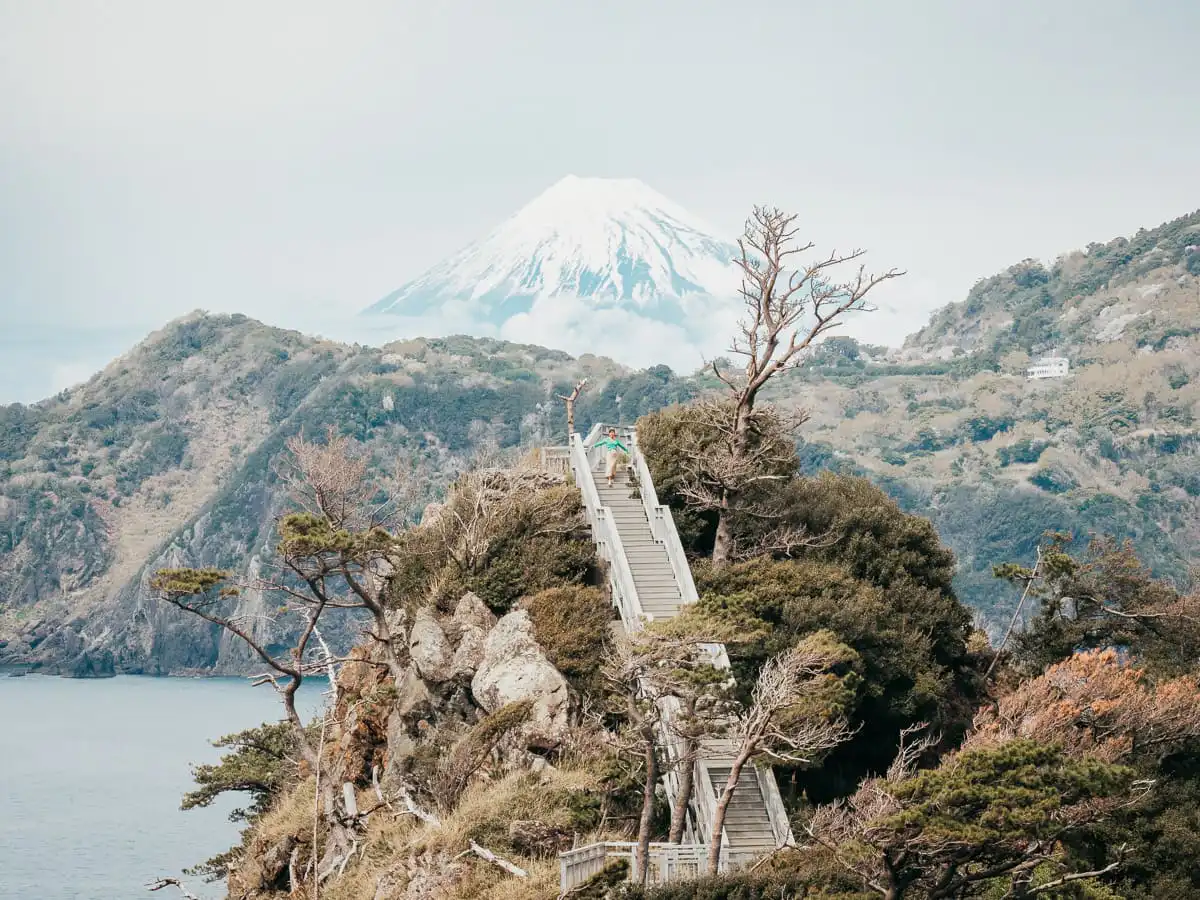
But the most unforgettable part of it all was witnessing Mount Fuji from Koganezaki Park on the Western coast, aligning perfectly with the iconic volcano. While there are many places to view Mount Fuji, like the famous Hakone, nowhere else offered such an immersive blend of natural beauty paired with the iconic volcano.
If you want to learn more, check out our guide on the amazing things to do in Izu Peninsula as well as the full breakdown of planning your Izu Peninsula road trip itinerary.
30) Experience soaking in an Onsen
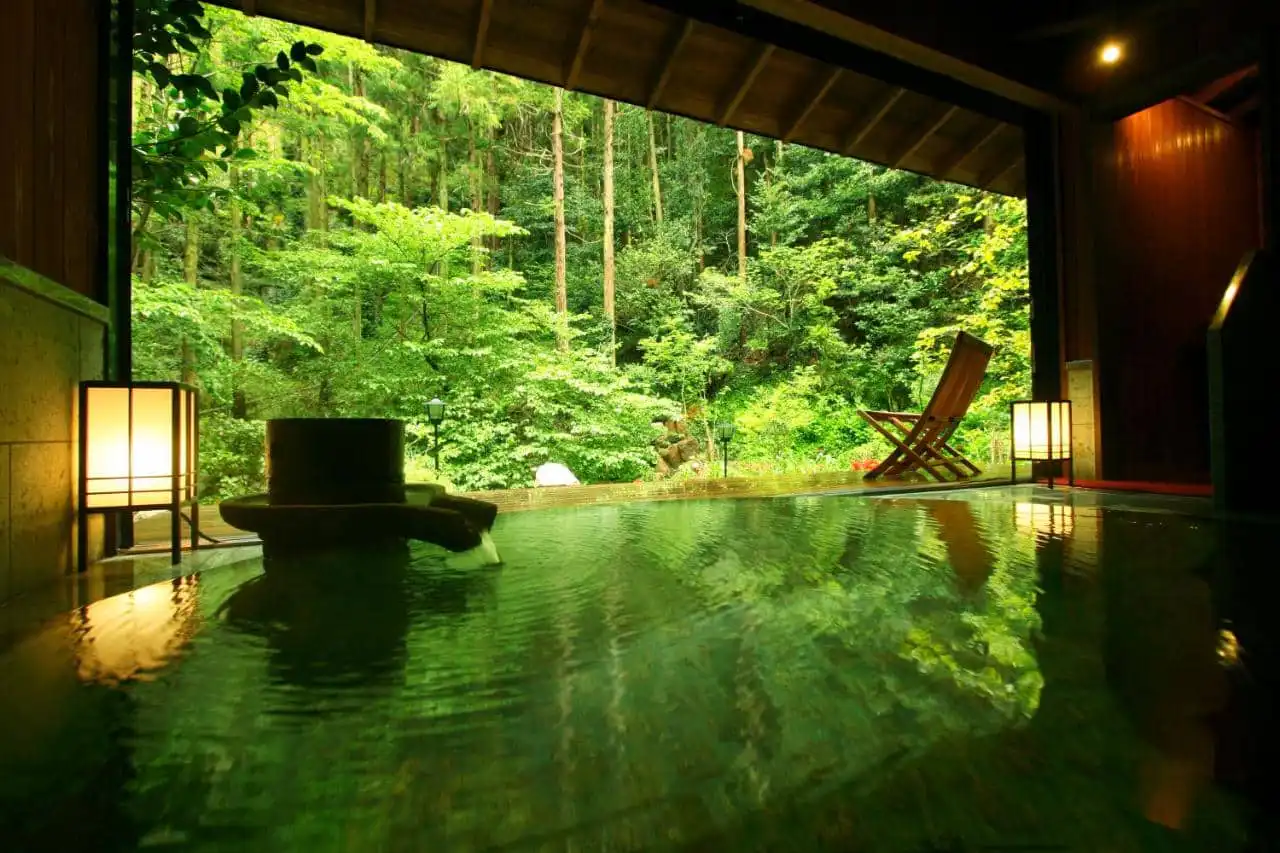
Onsens are natural hot springs, renowned for their therapeutic properties and a cherished part of Japanese culture. Often located within traditional ryokans, these baths provide the perfect way to relax after a day of exploring.
While you can find onsens within the big cities like Tokyo, Osaka, and Kyoto, we would highly recommend visiting an onsen located amidst the nature. We did most of our onsen experiences during our Izu Peninsula road trip and often had direct views of the ocean and natural bays.
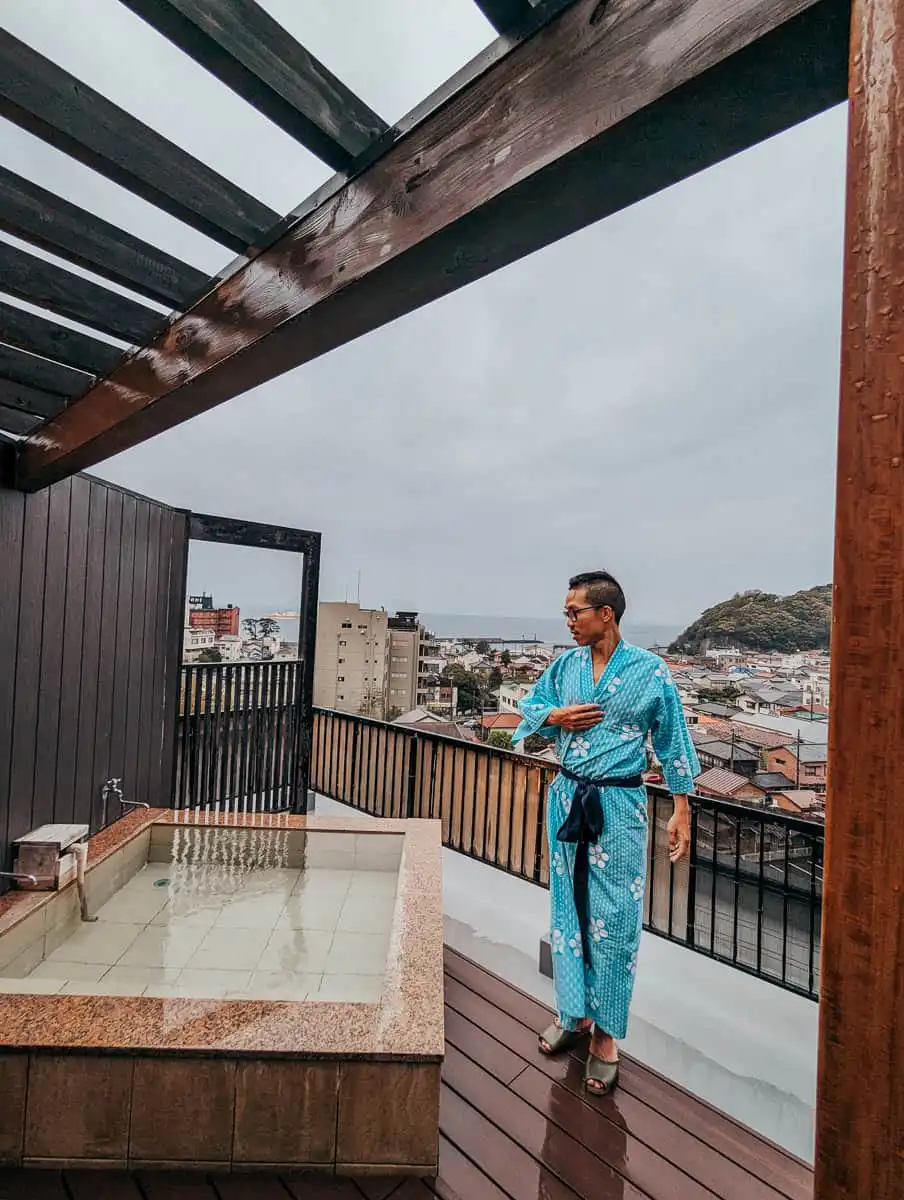
Do note that you need to be fully naked to soak in the onsen, but the baths are separated by gender. Some Ryokans, such as Toikan Ryokan and Sakahijiri, also offer private onsens where you can enjoy the experience with your loved ones.
If you want to simply experience an onsen without a full ryokan stay, you can check out Solaniwa onsen in Osaka or Kyoto Takenosato Onsen Manyo-no-Yu. We also experienced an onsen in Arashiyama called Fu Fu No Yu.
🗺️ Planning a trip to Japan? Check out our Complete Japan Itinerary Guide where we share our 10 days, 14 days, or longer Japan travel itinerary including what to do each day, where to stay, how to get around the country, and much more!

My Essential Travel Gear
📸 Camera: Olympus EM1 Mark II
🔘 Wide Lense: Leica 8-18mm, f2.8-4.0
🔘 Zoom Lense: Olympus 12-100, F4.0 Pro
🎒 Camera Sling: WANDRD 6L Rogue
🎒 Camera Backpack: Shimoda Explore and PGYTECH One Pro Flex
🪝 Camera attachment onto backpack: Peak Design Capture
💾 Portable Hard Drive: Crucial X8/X9 2TB
☁️ Essential Backup of all my photos and files in the Cloud: BackBlaze
🥾 Favourite Hiking Boot: Han Wag GoreTex Hiking Boot
31) Do a roadtrip through the stunning coast of Izu Peninsula
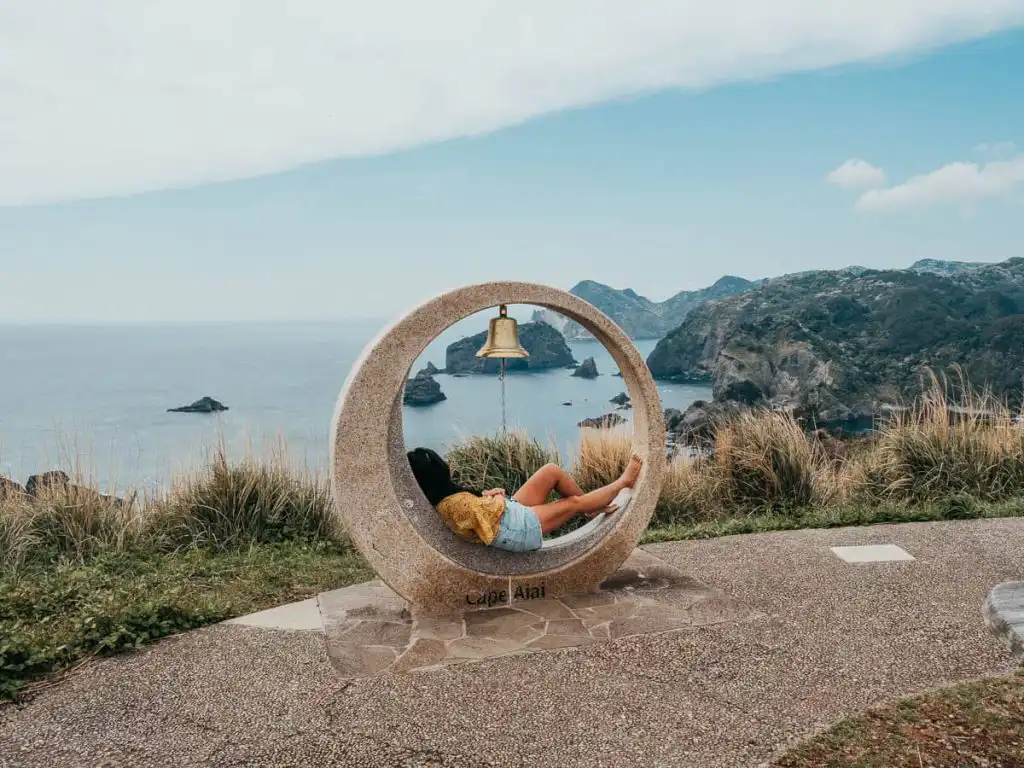
As you can probably tell by now, we absolutely loved our time in the Izu Peninsula. By road tripping through, you will get to see some of the most incredible views of Mount Fuji, the stunning ocean coast, stay at authentic Ryokans, soak in onsens amidst the nature, and enjoy some of the freshest seafood Kaiseki meals!
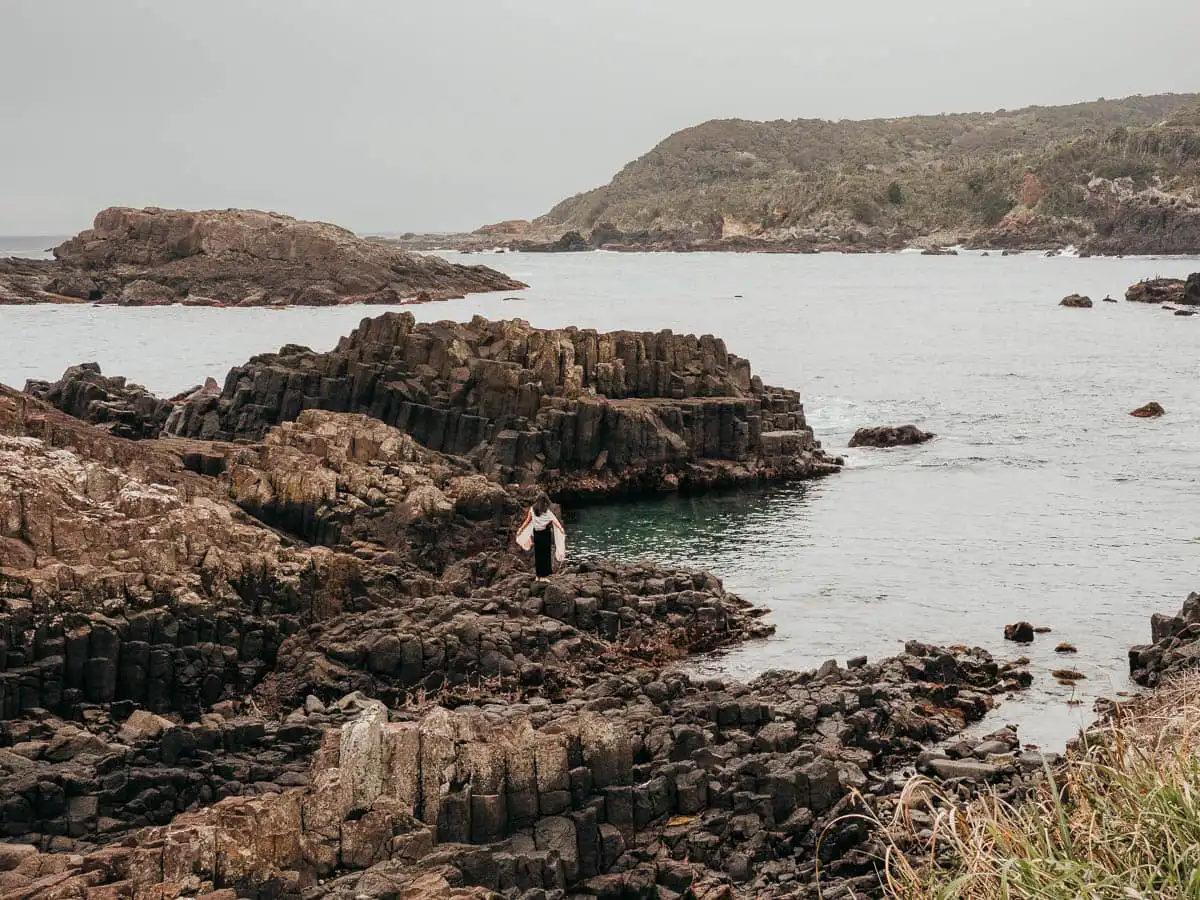
I won’t continue rambling on about how amazing it is, but if you want to take a look at all the stops and experiences, check out our Izu Peninsula activity guide.
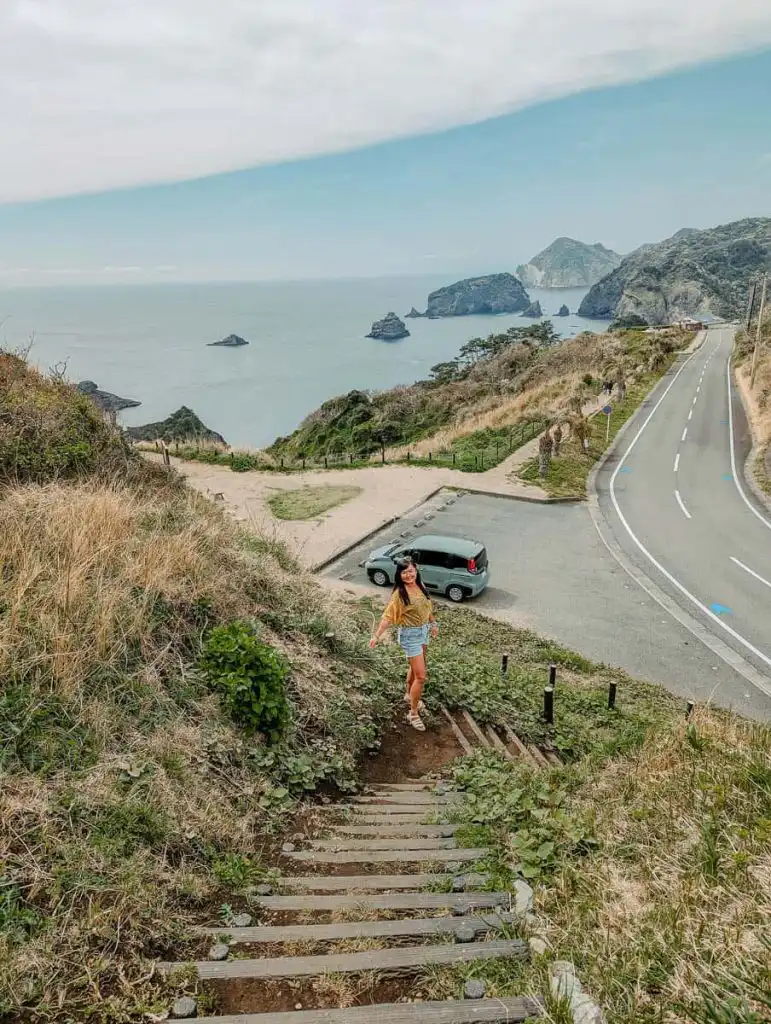
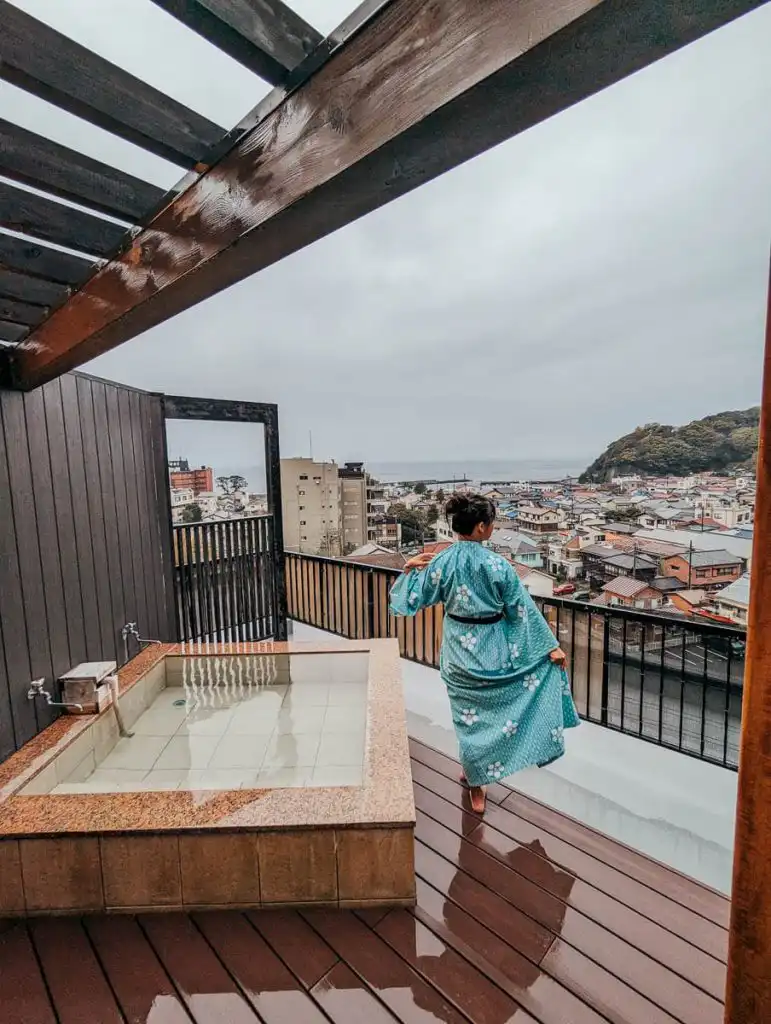
🚘🛣️ If you love road trips, some of our other favourite road trips were through the stunning National Parks of Utah, Safari Camping through Namibia, cruising through the breathtaking mountains of the Dolomites, and discovering the ancient civilizations in Turkey! Check them out for new inspiration!
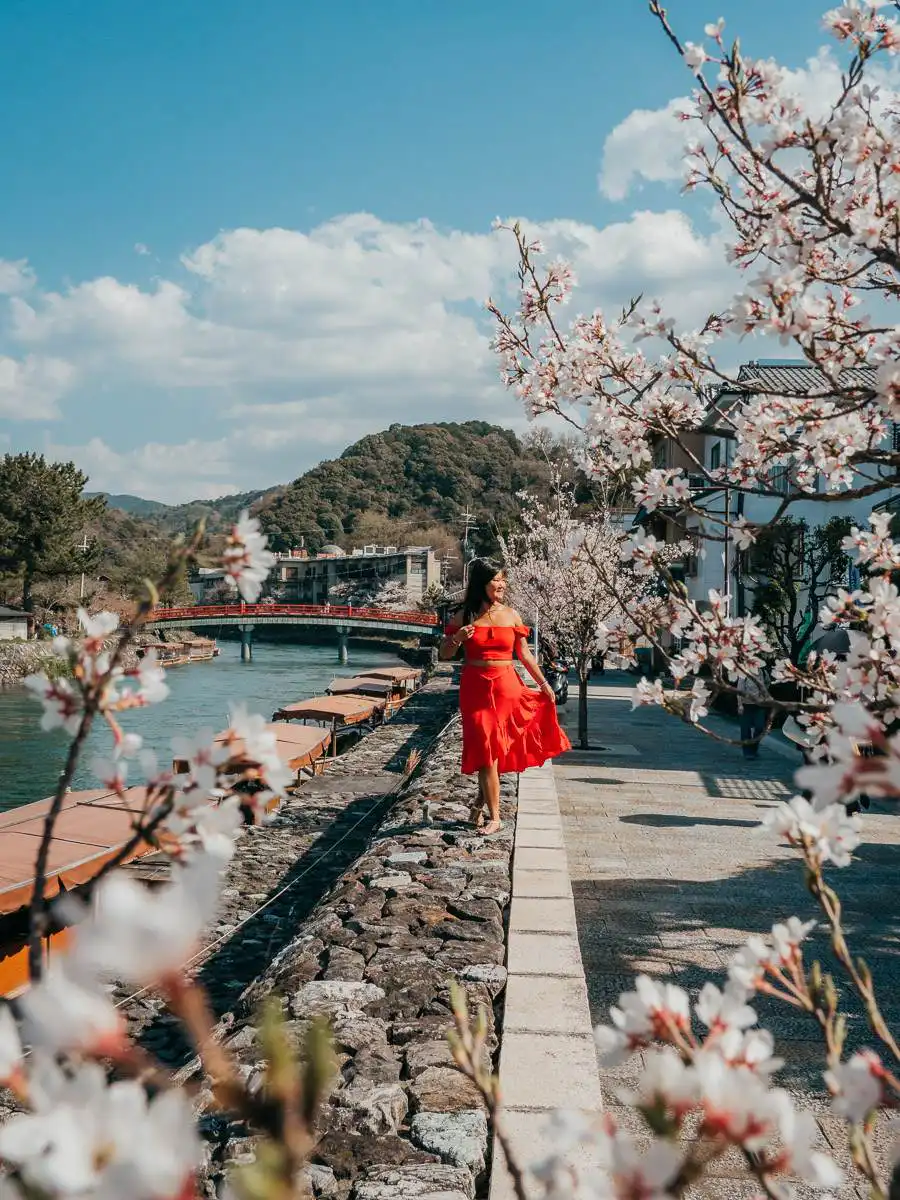
32) Witness the Sakura blossoming in Japan
If you can time it right, witnessing the Sakura cherry blossoms in full bloom across Japan is truly a once-in-a-lifetime experience.
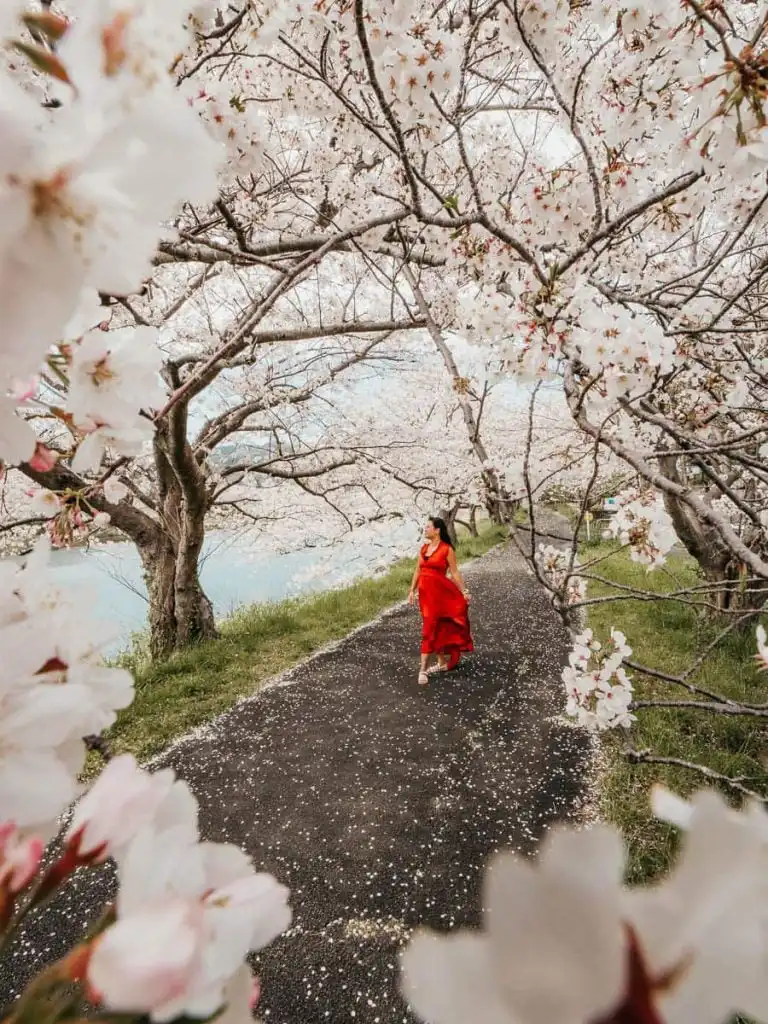
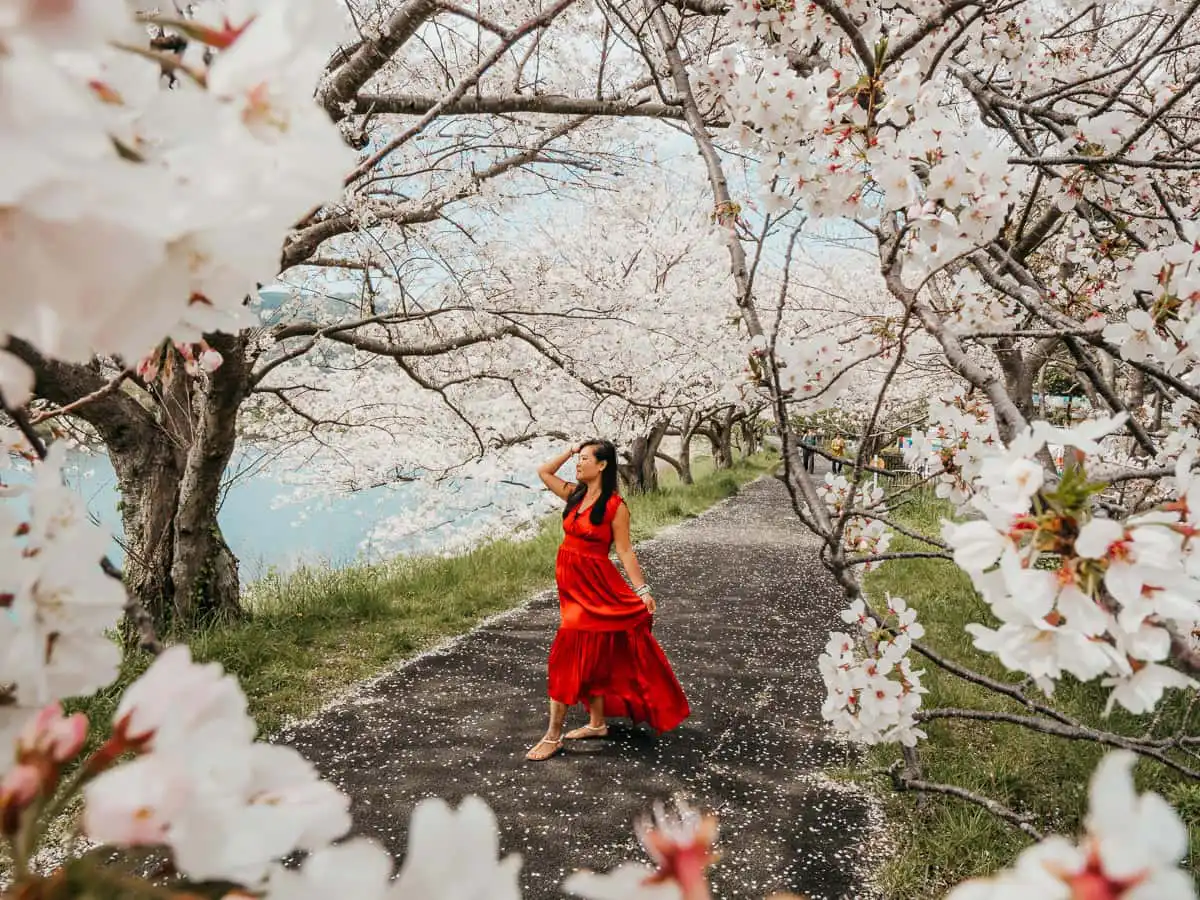
We managed to time our trip with the cherry blossom season, and the views were absolutely magical. One of the most unforgettable moments was traveling through the Izu Peninsula, where we saw Mount Fuji framed by a sea of pink blossoms—a scene that seemed straight out of a dream.
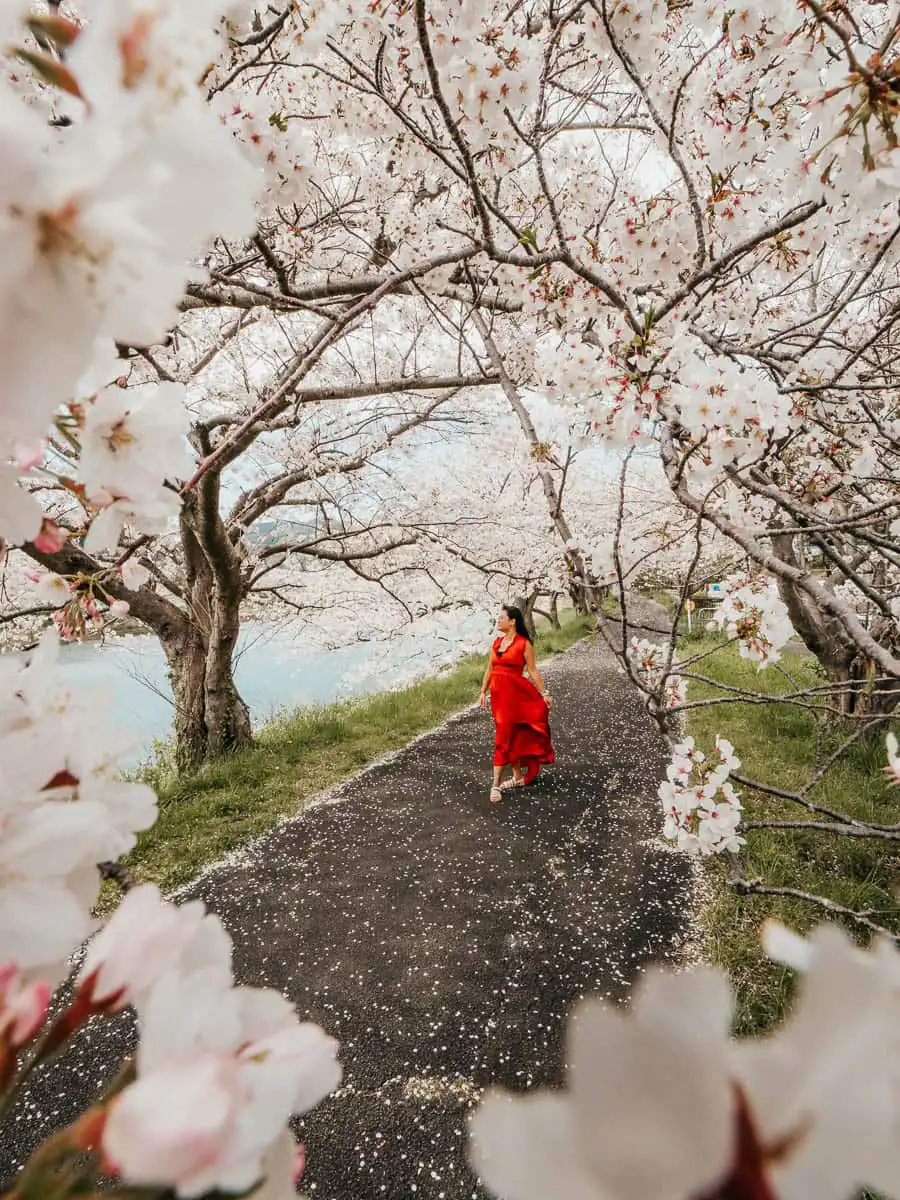
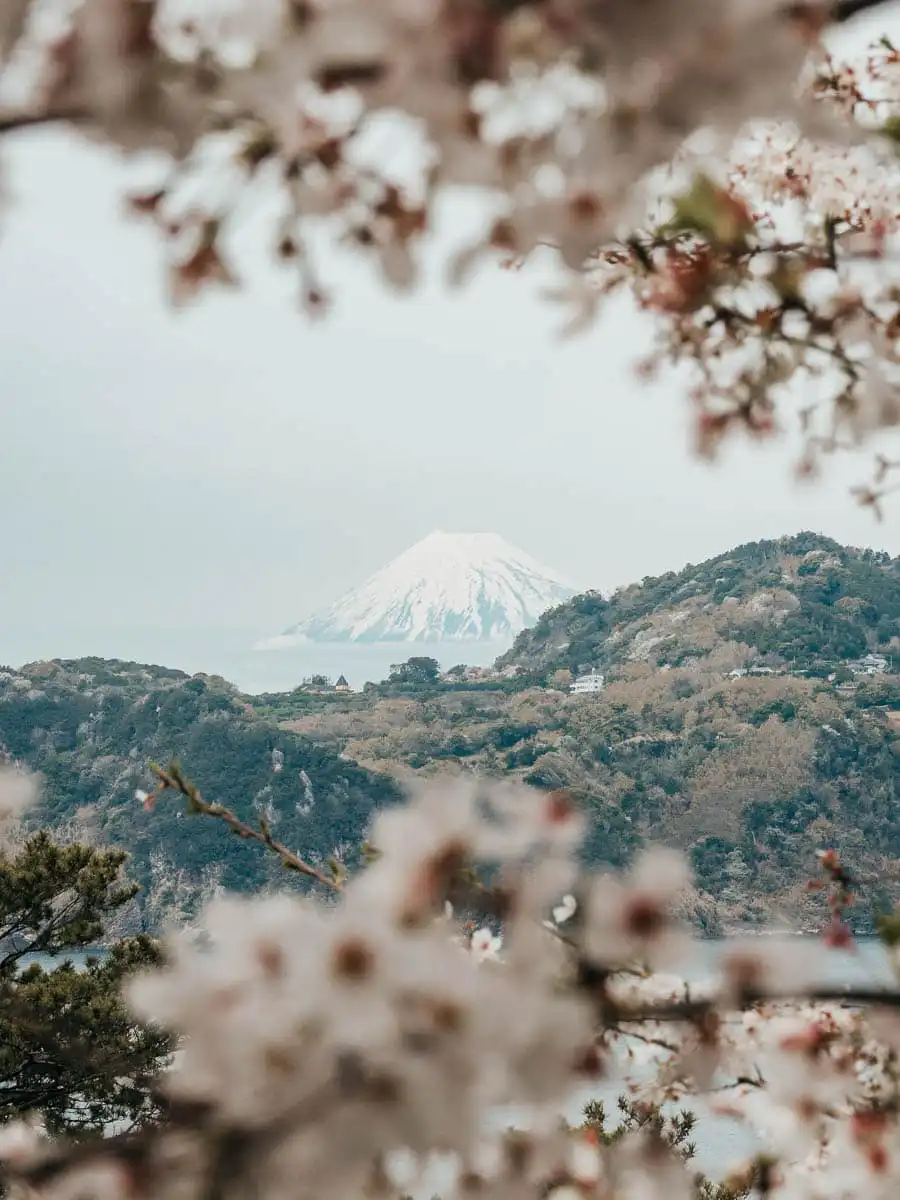

If you don’t get to head out to Izu, you can also experience the stunning cherry blossoms around Osaka Castle, by the waters of Arashiyama, and many of the parks in Kyoto!
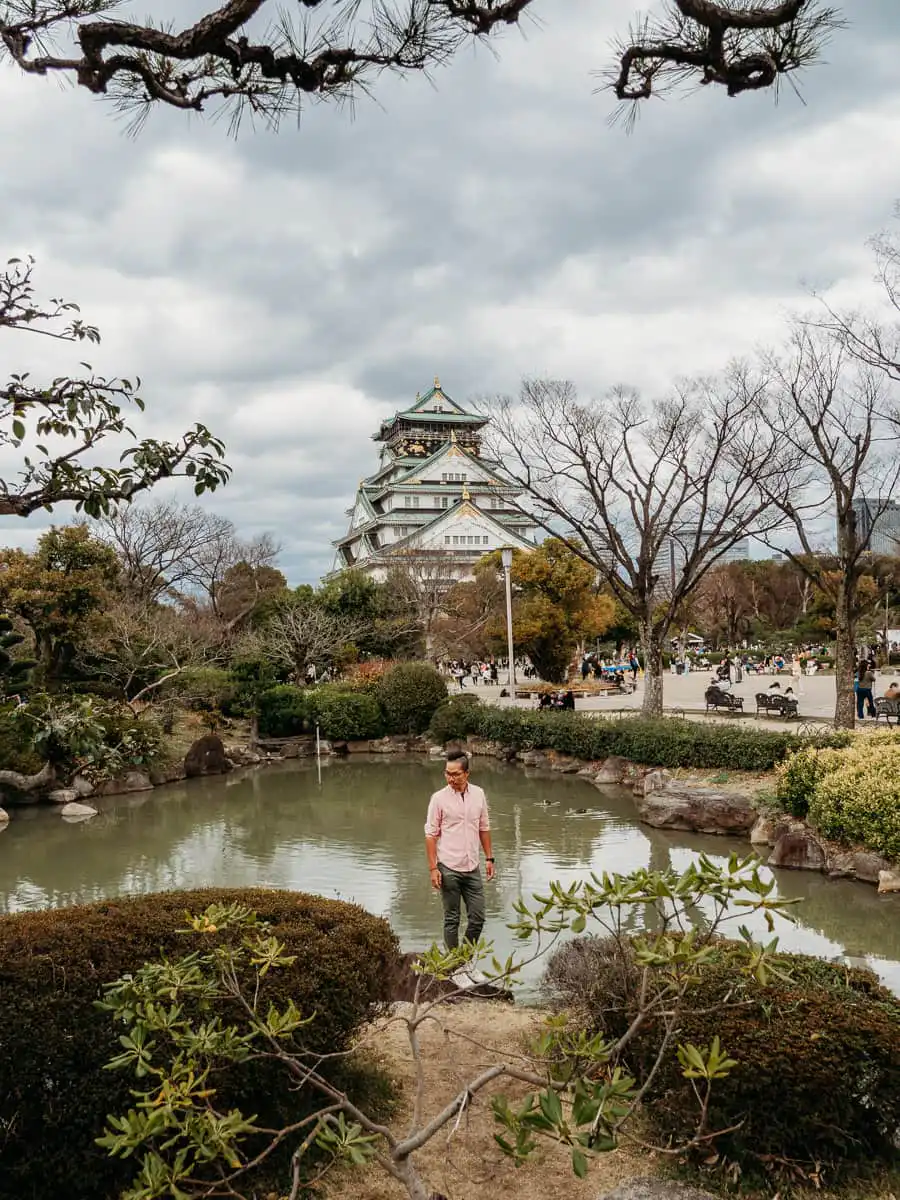
The cherry blossom season usually runs from late March to late April, but it can vary each year, so it’s always good to check the timing if you want to catch this breathtaking spectacle. Check out this Cherry Blossom weather forecast map to figure out the right time to plan your trip!
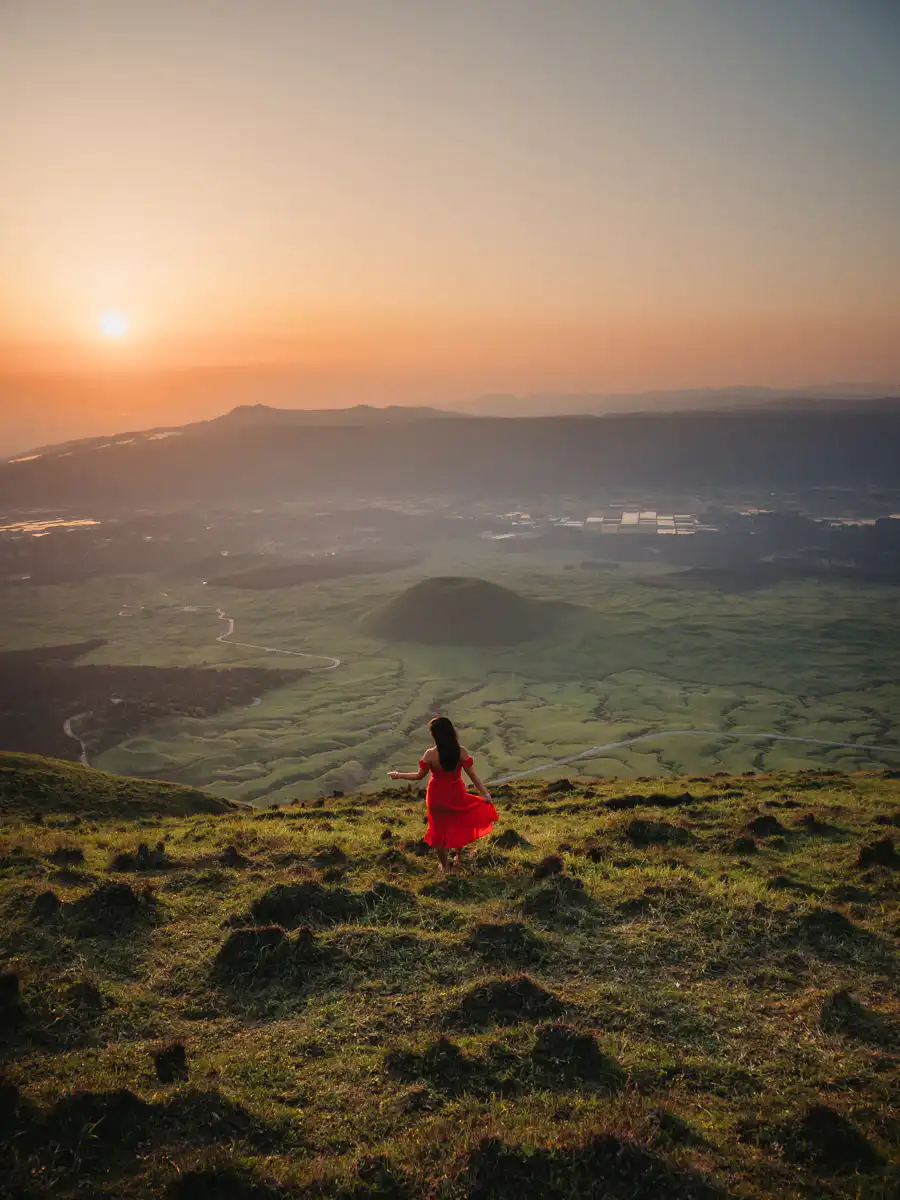
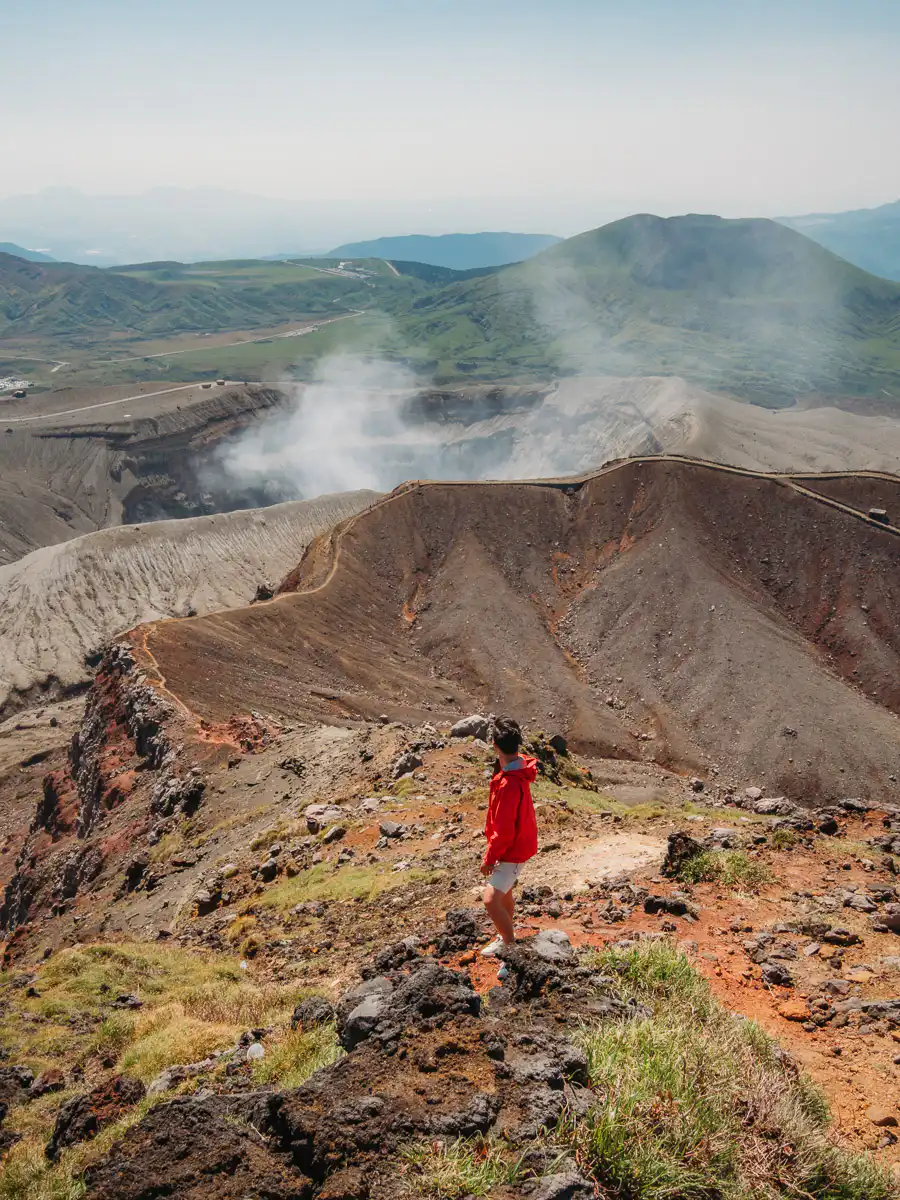
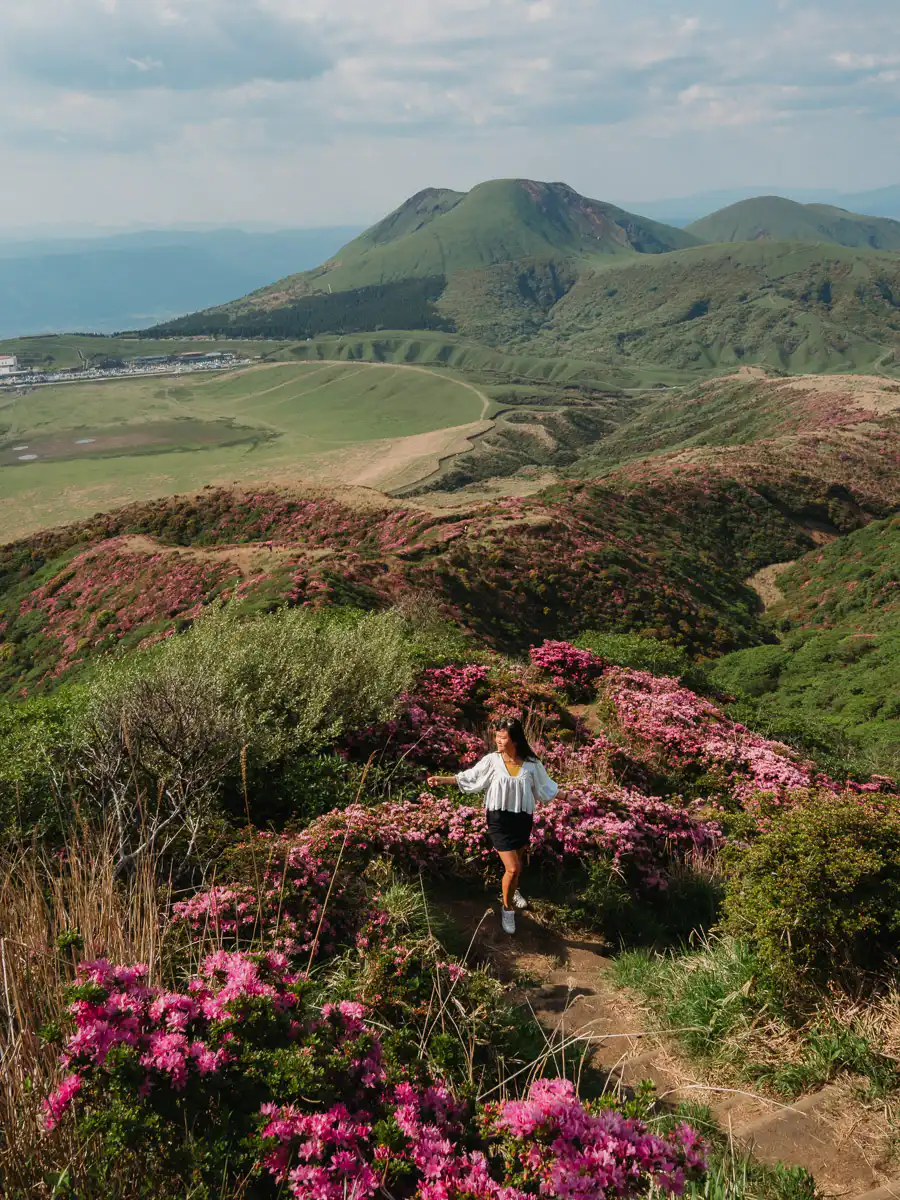
33) Visit the Volcanic Landscapes of Mount Aso
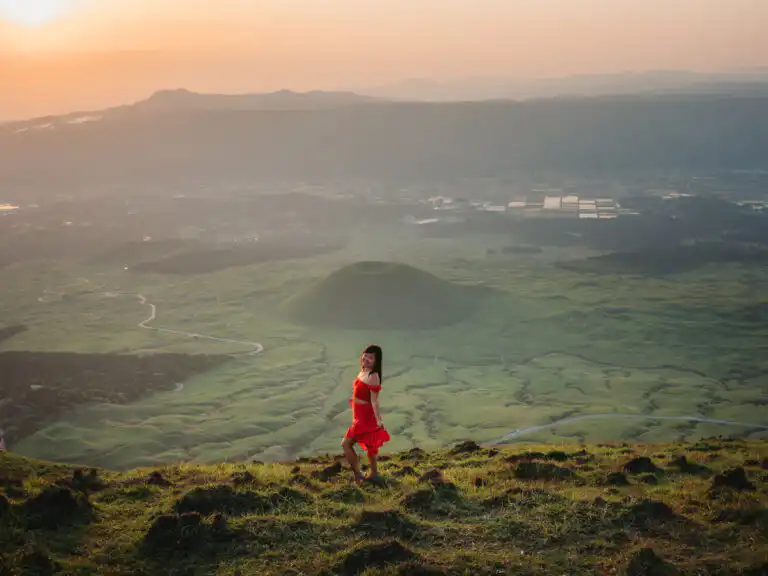
Okay, this one isn’t part of Japan’s classic Golden Route. Instead, it’s located in Kyushu, the southernmost part of Japan. During our second trip to Japan, we embarked on a road trip through Kyushu, and it became one of our favourite experiences in the country, rivaling even our beloved Izu Peninsula adventure.
The highlight was undoubtedly the Mount Aso region, where we found jaw-dropping volcanic landscapes, incredible Volcano hiking trails, vibrant pink seasonal flower fields, outdoor taiko performances, some of the best wagyu beef we’ve ever tasted, and just the right balance of culture and nature.
If you’re looking to venture beyond Japan’s typical tourist trail, we highly recommend checking out our Mount Aso Travel Guide!
Historical Experiences
34) Learn about atomic bomb history at Hiroshima
Another must-do spot in Japan is visiting Hiroshima, and more particularly the Hiroshima Peace Memorial. Here you will get to learn about the history of the atomic bombing, the impact it had on the city and its inhabitants, and the ongoing efforts for peace and nuclear disarmament.

The memorial serves as a powerful reminder of resilience and the importance of promoting a nuclear-weapon-free future. While the history here is undeniably heartbreaking, the overarching message is one of hope and a commitment to peace.
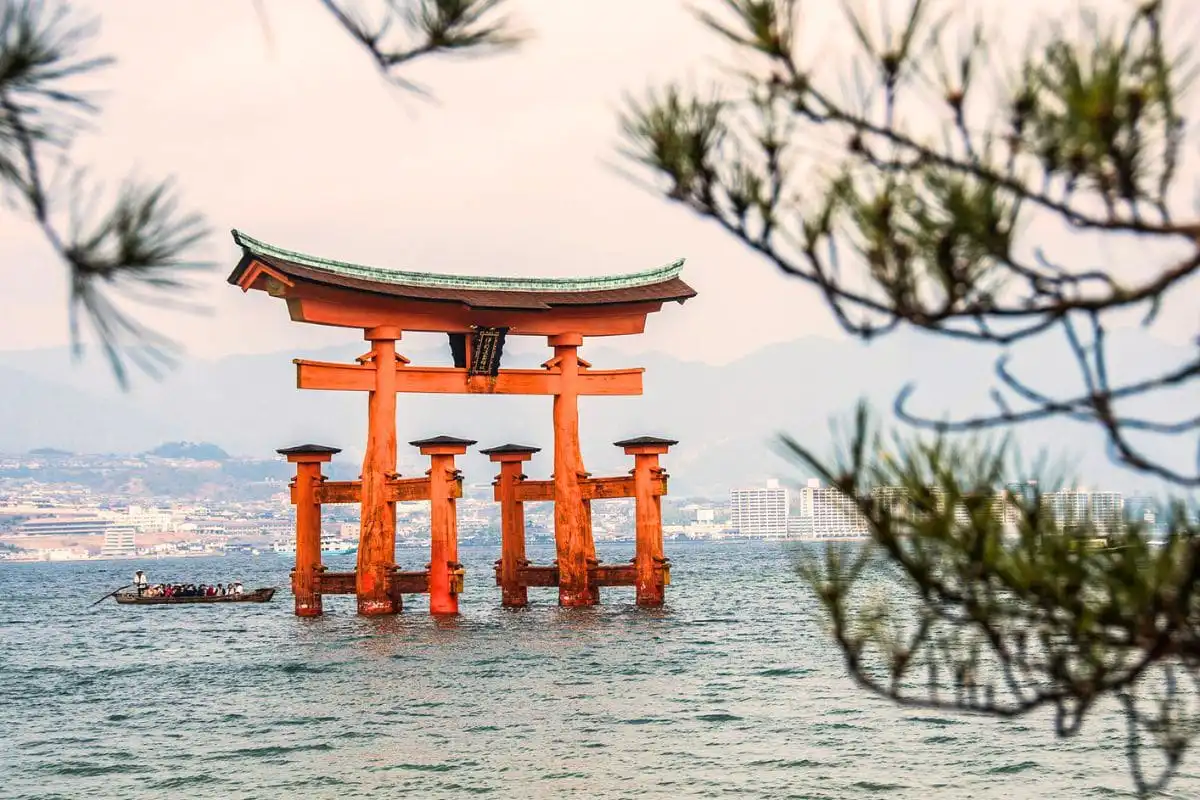
While in Hiroshima, you can also make a day trip to Miyajima, famous for its massive red tori gate that appears to float in the water.
We highly recommend visiting Hiroshima with a government licensed guide in order to get the most of this experience and learn in depth the history here.
You may be interested in reading – For a list of best things to do, where to stay, and best day trips from Hiroshima, check out our Hiroshima Guide.
This post is part of our series about Japan. If you want to learn more about Japan, planning your trip, and some of the best experiences there, check out the guides below:
How to Plan your Japan Itinerary
With so many incredible experiences in Japan, figuring out where to start when planning your itinerary can feel a little overwhelming. For us, it felt like walking through an ice cream store where every flavour looked just as great! But for your first trip, we highly recommend following the famous Golden Route, which runs from Tokyo through Kyoto to Osaka (or the reverse if that works better for your flights, that’s what we did).
By basing yourself in these three cities, you will get to experience many of Japan’s most iconic highlights while still having the flexibility to explore smaller towns and hidden gems along the way.
Yes, Japan has far more to offer beyond the Golden Route. You could head north to Sapporo for world class skiing, explore the volcanic landscapes of Kyushu in the South, or escape to the tropical islands of Okinawa. But for a first visit, Tokyo, Kyoto, and Osaka offer the perfect introduction to the country. Then add a few easy day trips to nearby cities and you will experience an incredible variety of culture, food, history, and scenery in a relatively short amount of time.
How We Planned our Itinerary in Japan
To give you an idea of how you might start planning your Japan itinerary, we will share the route we crafted and followed on our own trip. We began in Osaka for a slightly gentler introduction to Japan, then made our way to Kyoto, followed by a road trip through the beautiful Izu Peninsula, before finishing the journey in Tokyo.
We have also written a complete guide that breaks down exactly what we did in each stop, including where we stayed, how we got around, and plenty of other useful Japan travel tips. You can find the full Japan Itinerary guide here. But for a quick overview, check out the itinerary below
Sample 10 Day Japan Itinerary
- Day 1: Arrival in Osaka (Staying 3 nights in Osaka)
- Day 2-3: Exploring Osaka, including Osaka Castle, Kimono Rental, Universal Studios, and Sake Tasting
- Day 4: Day trip from Osaka to Nara for the bowing deers, zen gardens, and best Uni Toro Bowl
- Day 5: Exploring Kyoto + Day trip to Arashiyama (Staying 3 nights in Kyoto)
- Day 6: Day trip from Kyoto to Fushimi Inari from Kyoto
- Day 7: Kyoto Cultural Activities such as Forging your own Japanese knife, Gion Geisha Tour, or Tea Ceremony
- Day 8-10: Exploring Tokyo (Staying 3 nights in Tokyo) where you can discover the different districts, Mario Kart Race in Shibuya, See Harry Potter Studio, Team Labs, and more!
If you have around two weeks to spend in Japan, we highly recommend using the extra 3 to 4 days for a road trip through the Izu Peninsula. Located just about an hour from Tokyo by train, this stunning coastal region ended up being one of our absolute favourite experiences in Japan! Alternatively, you can head West from Osaka to visit Hiroshima and the floating Tori Gates of Miyajima!
Where to Stay in Japan
For this Japan Itinerary, we recommend basing yourself in Tokyo, Osaka, and Kyoto. The transportation network in Japan is excellent and very quick, so it is preferable to pick 3 bases rather than changing hotels too often. From Osaka and Kyoto, you’ll be able to do over 11 different day trips, each under 1 hour away. If you want some quick suggestions of where to stay, here are the places we stayed on our trip:
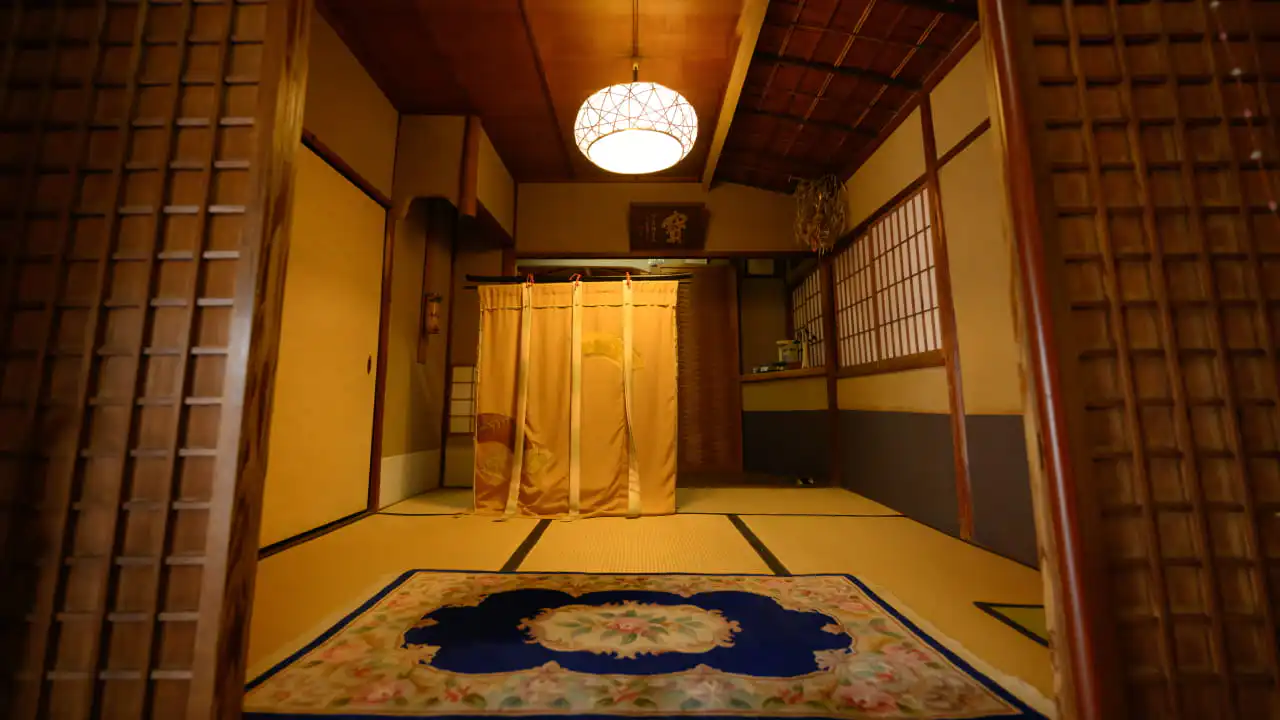
- Osaka: We found a small AirBnB near Temmabashi Station, which is a quaint neighborhoud in walking distance from Osaka Castle. Alternatively, you can check out Hotel Noum which was around the corner from where we were staying.
- Kyoto: Hotels in Kyoto were some of the most expensive we encountered during our trip to Japan. However, we stayed at Inn Kawashima, which ended up being one of the more affordable options while still being perfectly located right in downtown Kyoto.
- Tokyo: There are countless districts to choose from in Tokyo. We personally recommend either staying in Shinjuku for the eateries and lively nightlife or Shibuya for a modern shopping district. We chose to stay at Toyoko Inn Shinjuku Kabuchiko for an affordable stay.
Best Time to Visit Japan
Japan can truly be visited year round, with each season offering something unique.
Winter is fantastic for skiing in Sapporo or whale watching around Okinawa, while spring and autumn is perfect for sightseeing in comfortable temperatures before the summer high season. Then there is also Cherry Blossom season around end of March to early April where the entire country lights up with beautiful pink sakuras!
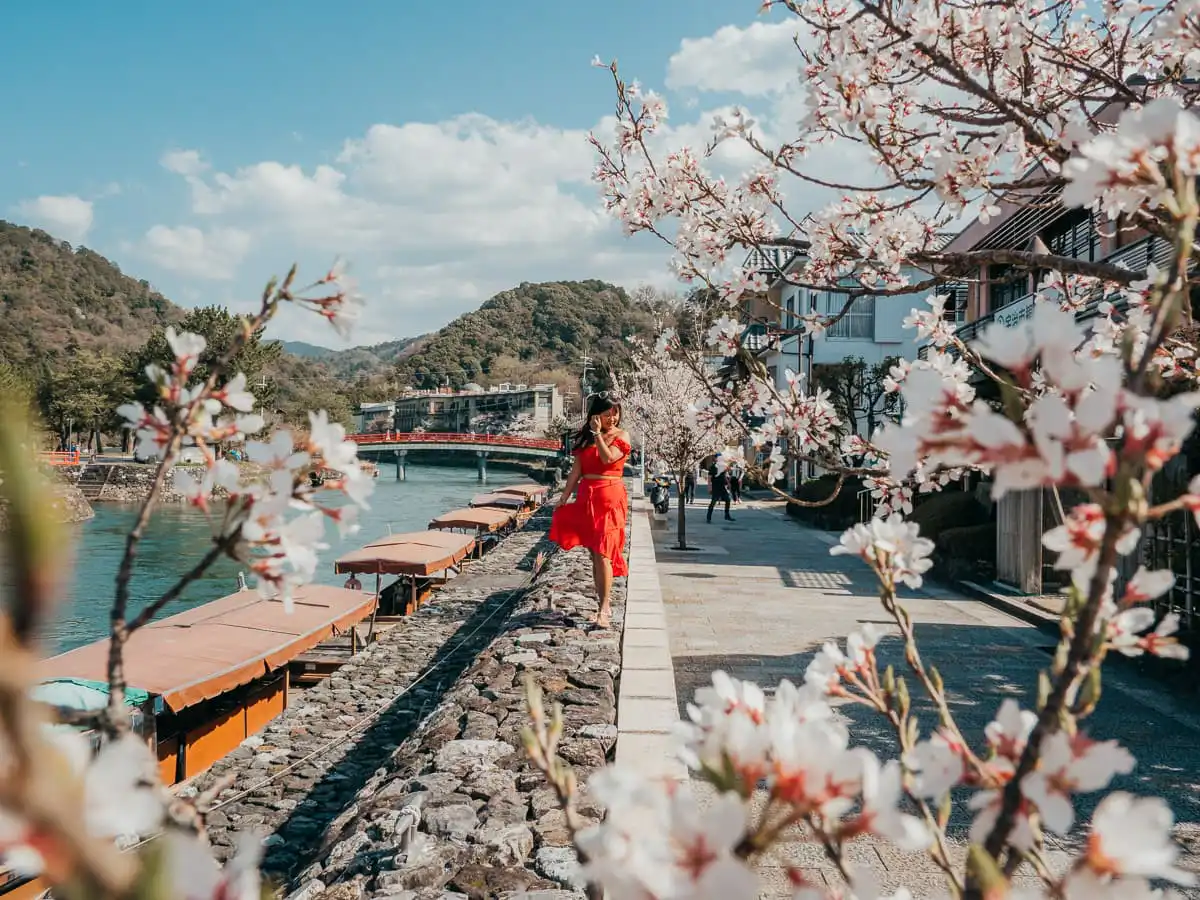
However, for an itinerary focused on Tokyo, Kyoto, and Osaka, the best times to visit are generally spring and autumn. During these seasons the weather is comfortable for sightseeing, with pleasant temperatures that make exploring temples, neighborhouds, and day trips much more enjoyable.
Try to avoid peak travel periods such as late March to early April unless you specifically want to time it with the cherry blossom season, Japan’s Golden Week in early May, and the hot and humid summer months of July and August when crowds and temperatures are at their highest.
Do you need a tour to visit Japan?
Whether or not you need a tour to visit Japan really depends on how much planning you’re willing to do, how comfortable you are navigating a foreign culture and language, and if you prefer traveling with a group.
As a travel blogger, I love diving into the details of planning and embracing the challenges of a new country. However, Japan’s advanced transportation system did trip us up a few times—like the time we missed a train because we couldn’t find it—and finding the right accommodations in the perfect locations also required a bit of effort. If you are planning your own trip, we highly recommend you check out our Japan Travel Tips for first-time visitors!
Recommended Japan Tour
If that doesn’t sound like your idea of fun and you’d rather have everything pre-planned with a group to guide you through it all, I highly recommend checking out the 12-day Iconic Japan Tour by G Adventures. This tour, part of National Geographic Journeys, offers a deeper, more immersive experience than their traditional tours.
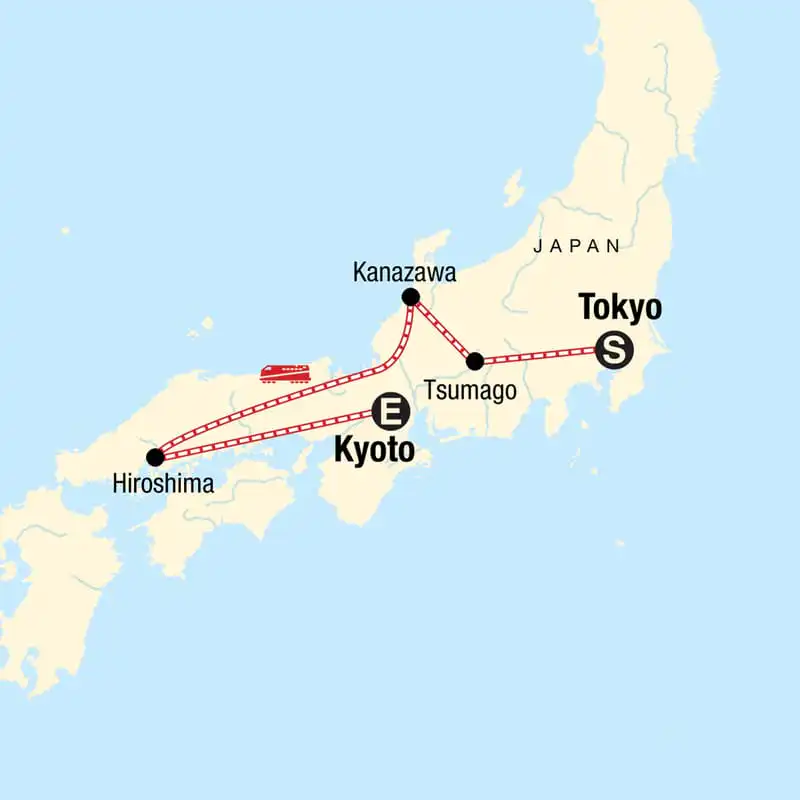
You’ll visit Tokyo, Kyoto, Hiroshima, and Kanazawa while enjoying activities like a Tsukiji sushi experience, zen Buddhist meditation and calligraphy, chopstick and gold-leaf painting, and much more.
Plus, you’ll experience a traditional kaiseki dinner, visit Himeji Castle and the Hiroshima Peace Memorial, and explore Nara. Basically, it covers many of the must-do experiences we loved in Japan!
FAQ
Is Japan Expensive
Overall we found Japan to be mid-range in price, comparable to places like Italy and France. Meals can be as cheap as around 6-10$ for a ramen, to 100-200$ for fancy omakases. For accommodation, our AirBnB was around 50$ a night while our Ryokan stays were close to 250$ per night but including onsen, kaiseki dinner, and breakfast. The final factor is if you’ll be doing a lot of tours, as those tend to be a bit pricier. In total, for our 3 week trip to Japan, we spent about 6,600 CAD (4,700 USD) for the two of us.
How Long to Visit Japan
We recommend a minimum of 10 days to experience the highlights of Japan. Anything less, and you’ll be rushing a lot and likely be tired from the jet lag. For the ideal length, we recommend 2 weeks. This way, you’ll be able to do our 10 day Japan Itinerary + the 4 days in Izu Peninsula Road Trip.
Is Japan Safe
Japan is probably the safest country we have ever travelled to.
Do You need the JR Pass
Several years ago, the JR Pass was a no-brainer for your visit to Japan. But two years ago, the price of the JR Pass increased significantly, making it only worth it in certain circumstances. For the most part, we would say the JR Pass is not needed, and it is probably better to just buy the individual Shinkansen tickets when needed. It will likely work out cheaper this way. The only time the JR Pass is worth it is if you will be taking the Shinkansen almost everyday.
Can You travel in Japan without Speaking Japanese
Yes. The Japanese people are incredibly polite, respectful, and kind. We do not speak any Japanese, but we always felt that people would go out of their way to understand what we needed and do their best to help.
Do you need a Car to Travel in Japan
It is not recommended to rent a car while travelling in Japan since their transportation network is so efficient. The only exception would be if you’re doing a road trip like through Izu Peninsula or Kyushu.
Using WISE card in Japan
When taking cash out of an ATM while abroad, you will most likely be charged both a foreign exchange fee and a foreign transaction fee by that country’s ATM. With my Canadian card, this can easily be 3-4$ + 2.75% + a markup on the exchange rate charged by my bank, and then another 3-5$ charged by the foreign ATM.

This can be really costly. For this reason, we recommend using WISE card which has only minimal fees and just about no foreign currency exchange markup. This helps me save at least 5-7$ every time I take out money from an ATM. If you want to see our full review of the card showing exactly how WISE can help you save, check out our WISE Travel card Review post.
Recap: Best things to do in Japan
To wrap it up, Japan offers an abundance of incredible experiences, from the classic Golden Route to hidden gems that most travelers overlook. In particular, we wanted to share our unforgettable experience road tripping through Izu Peninsula as I believe it is one of Japan’s hidden gems!
Whether you’re seeking culture, nature, food, or adventure, this list has something for every type of traveler. We hope our curated experiences inspire you to explore Japan in a way that’s uniquely your own.
Happy planning, and here’s to making memories in one of the most fascinating countries in the world!
 Exploring the best of Japan
Click ⬇️ to Pin this post on your Pinterest – so you always have it handy!
Looking for more travel inspiration?
Incredible volcanoes and ancient Mayan civilizations: Tikal and Antigua in Guatemala.
Hiking in the Andes and discovering Machu Picchu: Travel itinerary in Peru, hiking to Machu Picchu
Exploring ancient cave dwellings and riding hot air balloons in Cappadocia
Exploring and sailing on the Turkish Coast
Hiking in one of the US’s best national parks and road tripping through Utah
Discover Vietnam and the exciting northern Ha Giang Loop, as well as the Unesco city of Hoi An.