How to Visit Johannesburg for First Timers (What to Know Before You Go)


Johannesburg doesn’t receive nearly the same attention as Cape Town. It’s often skipped by travellers and labeled as dangerous, but don’t make the mistake of leaving it out of your South Africa itinerary. With some of the best cuisine you’ll find in the country, a rich African culture that reflects the continent’s ancient roots, powerful and deeply moving lessons about Apartheid and the dark chapters of segregation, and access to world-class safari wildlife, Johannesburg has become one of our favourite cities in the world.
It’s hard to fully explain. Yes, parts of it can feel dangerous. Yes, it can be chaotic and a little rough around the edges. But there is an undeniable energy and charm that keeps drawing us back.
After returning twice, and already planning another visit, we wanted to share exactly how to experience Johannesburg as a first-time visitor, including safety tips, how to structure your itinerary, our favourite restaurants, and essential logistical details to help make your trip as unforgettable as ours.

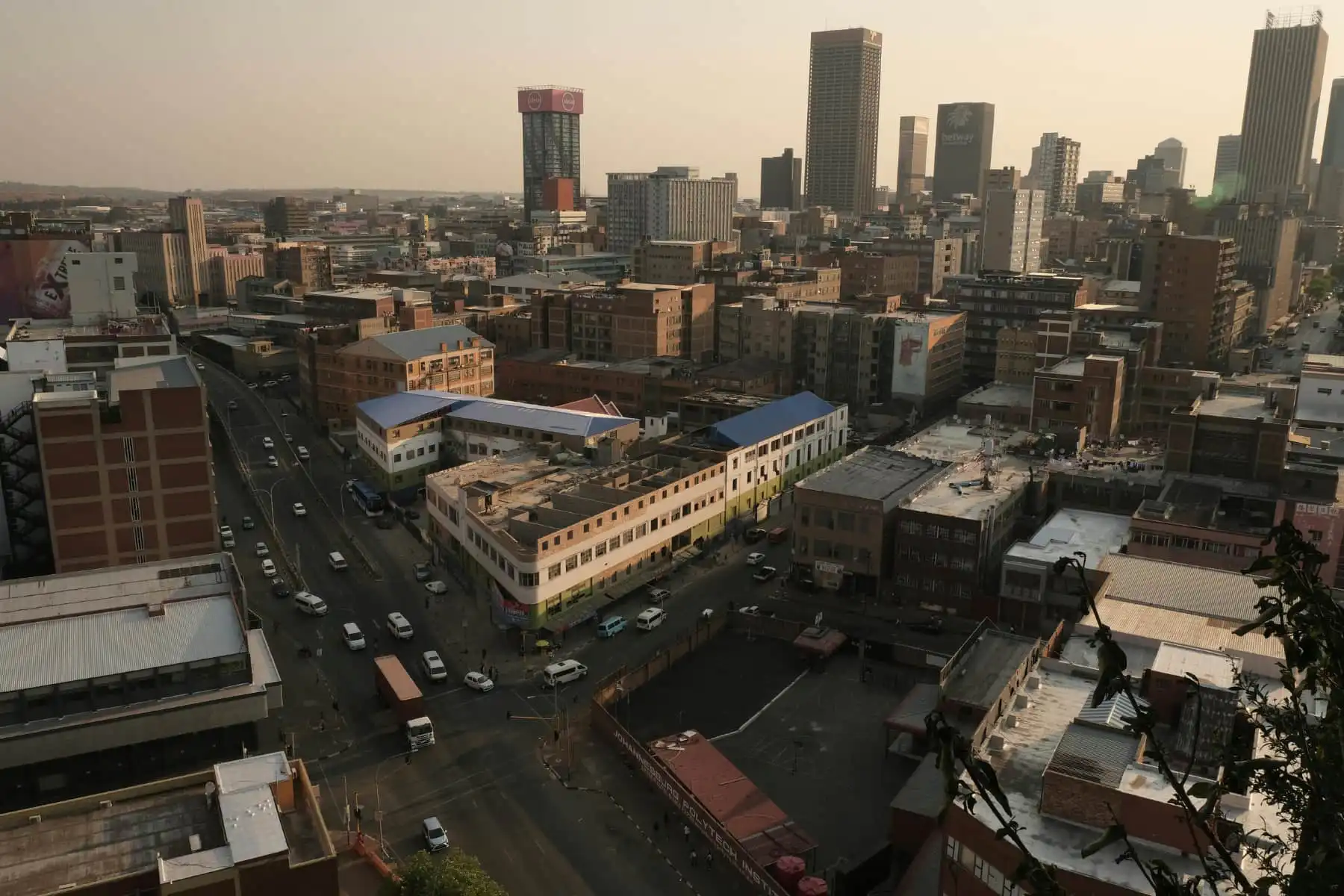
Is Johannesburg Worth Visiting?
We’ve now returned to South Africa twice, and still can’t wait to go back. While Cape Town, the Garden Route, and Kruger are often mentioned as the must visits, Johannesburg is usually seen as nothing more than a gateway into the country, with many travelers recommending to skip it altogether. The first time, we spent just two days there and loved our experience. A year later, we returned and stayed another five days, and we still can’t get enough.
So what keeps pulling us back? Johannesburg has some of the most incredible food we’ve had in South Africa and a local vibrancy that’s hard to describe. Unlike Cape Town and the Garden Route, it retains a deeply authentic African culture, from the languages of Zulu and Xhosa to its art, energy, and everyday life.
And if what you’re craving is a raw, immersive look into South Africa’s indigenous cultures, meaningful connections with local traditions, and landscapes and wildlife that still feel untamed, you’ll love Johannesburg along with the surrounding Panorama Route and Kruger National Park. That’s where we felt truly immersed, with wildlife around every corner and scenery and culture that echo the very origins of humankind.
It’s where we finally felt like we were truly in Africa.
Related – 2 Best Itineraries we would recommend for First-Time Visitors to South Africa
(Safari + Johannesburg Vs. Cape Town + Garden Route)
Johannesburg Itinerary
In this section, we’ll break down exactly how to plan each day in Johannesburg. We recommend spending four days to experience the very best the city has to offer. Below, we’ll share what to do each day, how to visit each attraction, along with helpful safety and transportation tips to make your trip seamless.
Day 1: Apartheid Museum
When visiting South Africa, it is important to look beyond the incredible safaris and also take time to understand the country’s complex and painful history. One of the most significant chapters is apartheid, a period of 46 years where the government system institutionalized racial segregation.
Under apartheid, South Africa’s white minority government enforced laws that stripped Black South Africans and other non white communities of political rights, restricted where they could live and work, and denied them equal access to education, land, and opportunity. Millions were forcibly removed from their homes and relocated to segregated townships or designated homelands.
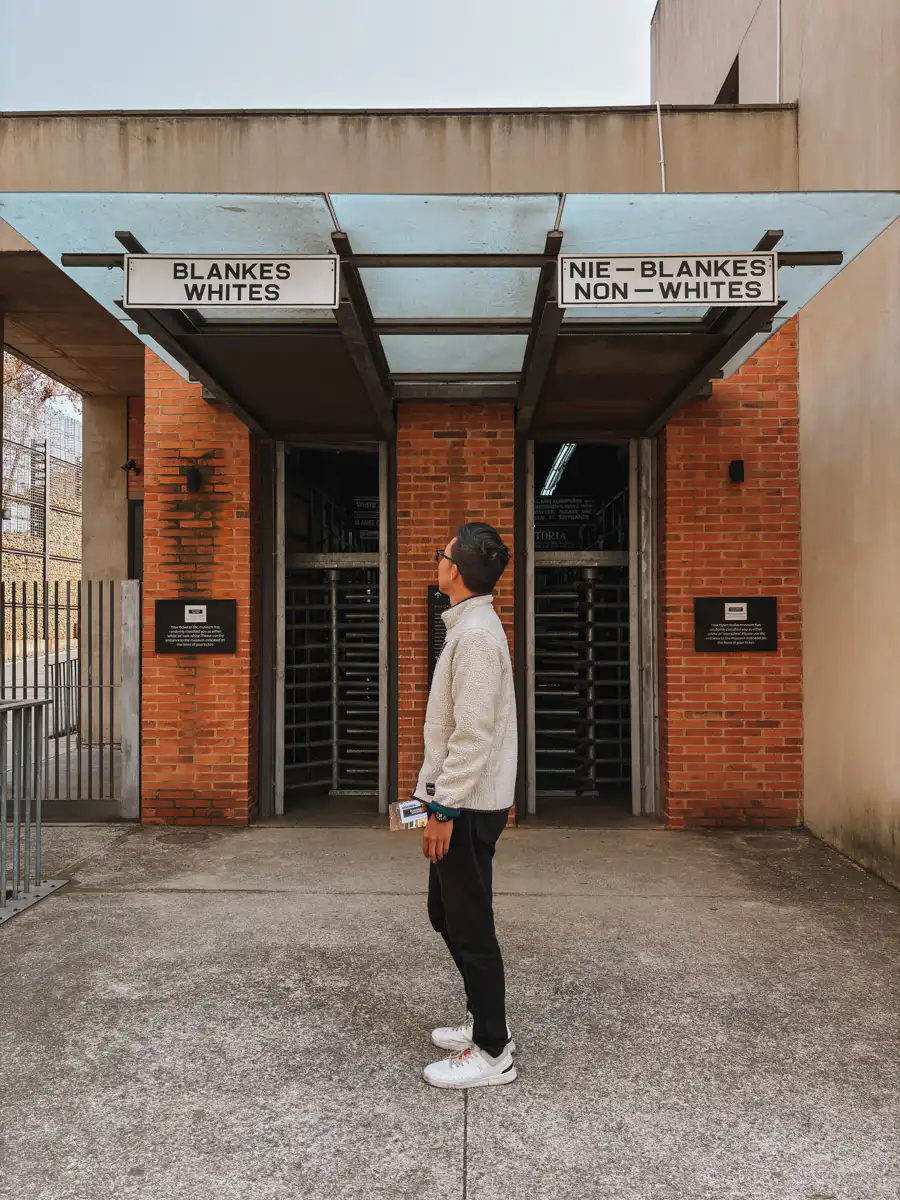
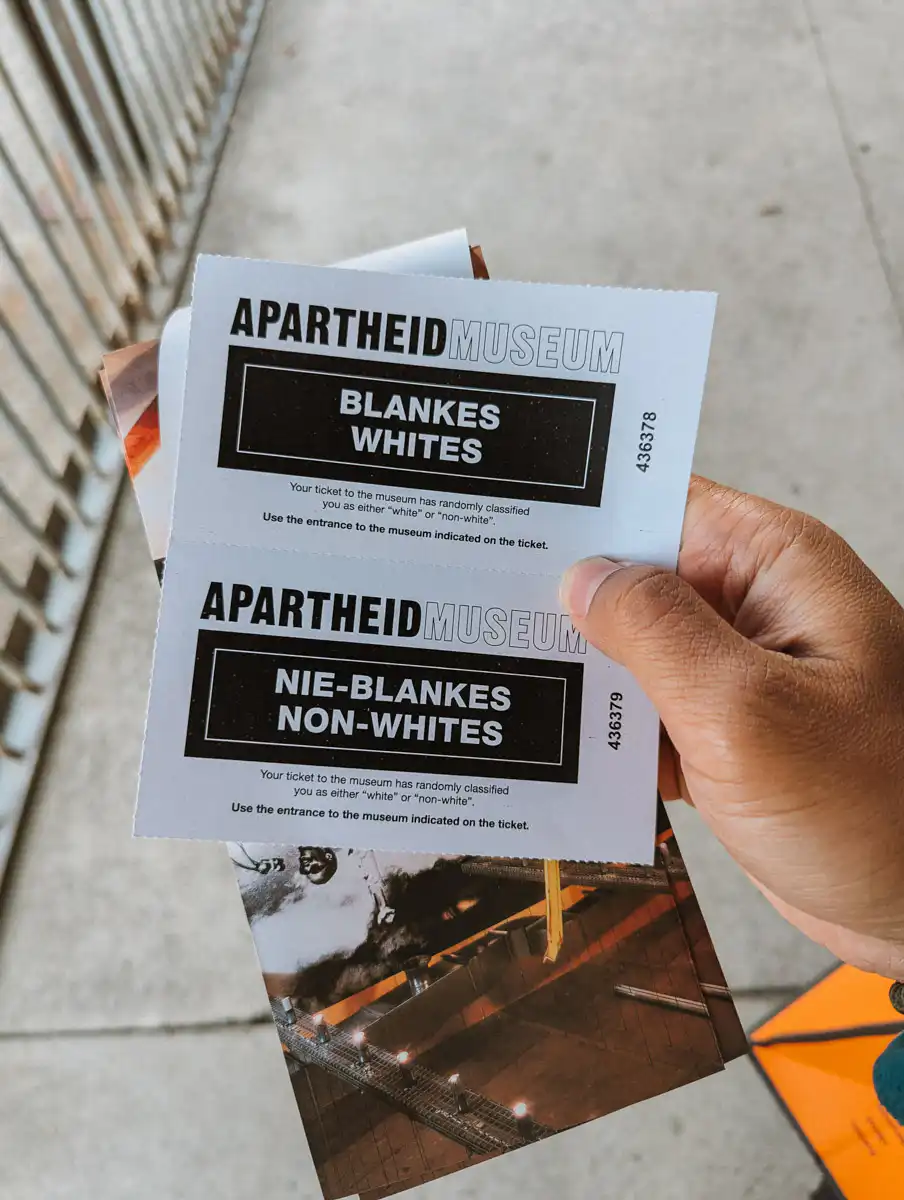
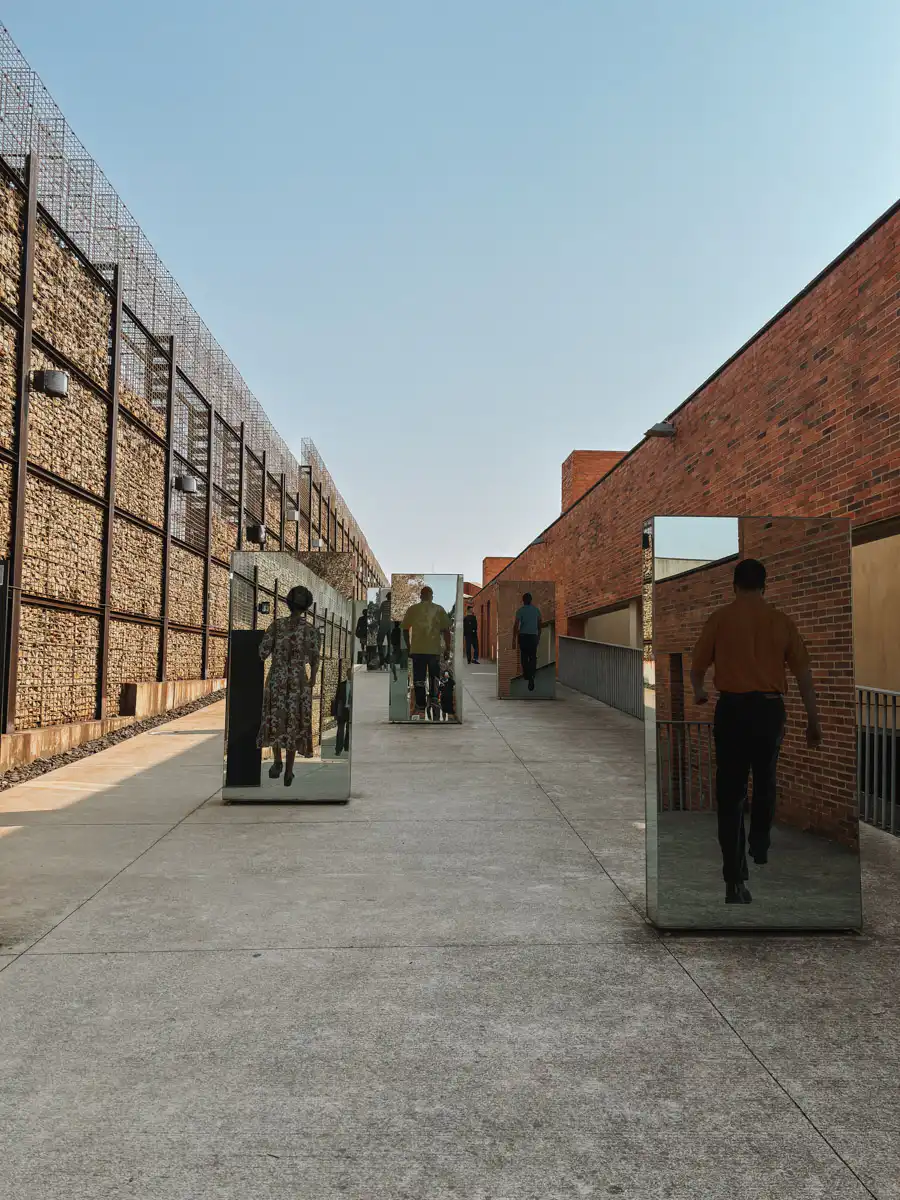
This era left deep scars across South Africa, and is one of the most important chapters in the country’s history to understand. Wanting to learn more about it, we visited the Apartheid Museum and it was both eye-opening and deeply uncomfortable at times. But it is precisely that discomfort that made it so powerful. Learning about this history of systemic inequality is essential, not only to understand South Africa today, but to make sure that such injustices are never repeated again.
You can visit the Apartheid Museum independently or as part of an organized tour. We are notoriously slow museum people who stop to read every single panel, so exploring on our own was the better option for us. With that said, if you are short on time or prefer having a guide to provide local insight and ensure a safe experience, a full day Johannesburg and Apartheid Museum tour can be a great option.
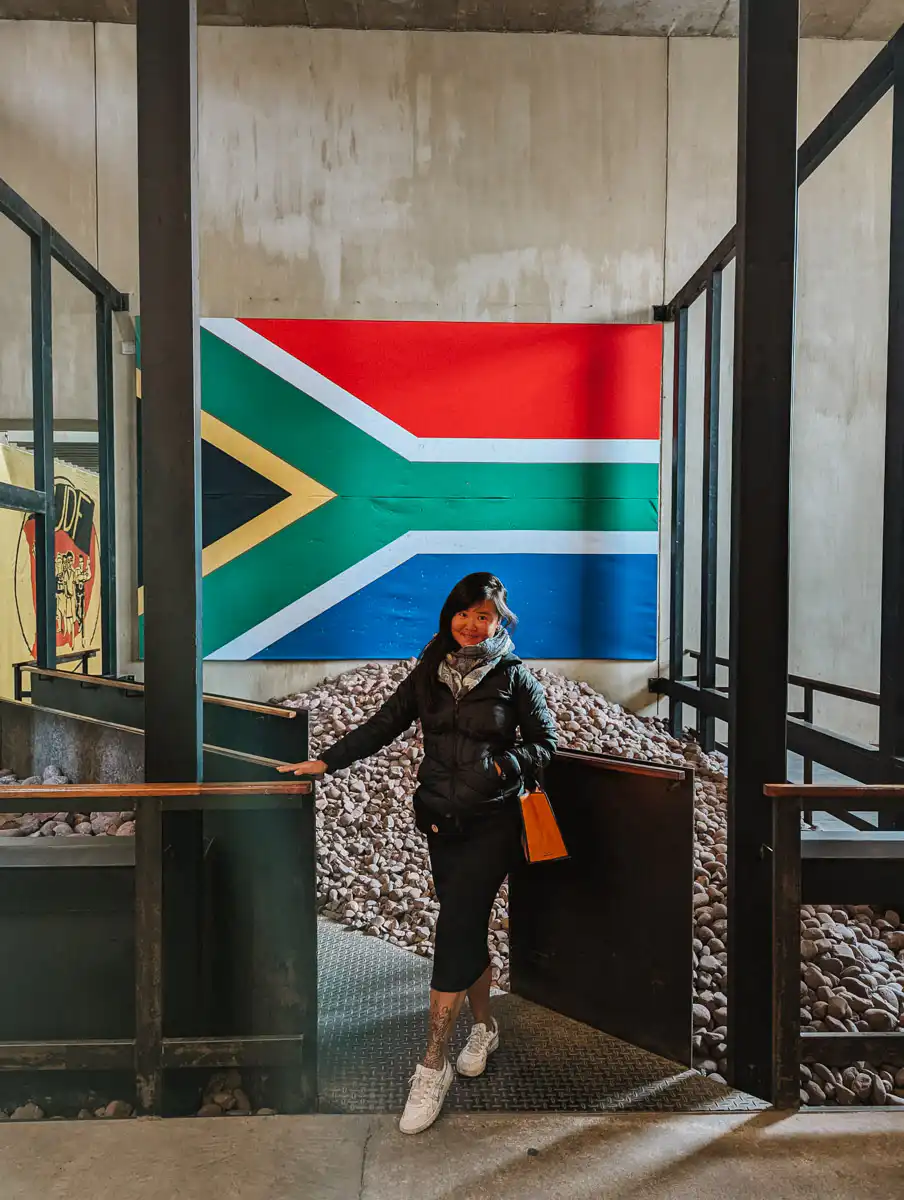
Day 1: Apartheid Museum
- Opening Hours: Tuesday to Sunday from 09:00-17:00
- Visit options: Can visit independently or on a guided tour
- Ticket Price: R170 for adults, or R190 for adult guided tour
- Time needed: We spent just under 3 hours at the museum
- WaylessTravelers Tip: If you are visiting independently and taking a ride with Uber or Bolt, ask your driver to drop you directly at the main entrance of the Apartheid Museum, past the parking lot security checkpoint. This ensures you enter through the secured area. The streets immediately surrounding the museum can feel quite chaotic, and this was also where we witnessed the foiled carjacking attempt.
- Tour Option for the Apartheid Museum: We recommend this full day Johannesburg and Apartheid Museum tour
Day 2: Soweto Day Tour + Mandela’s House
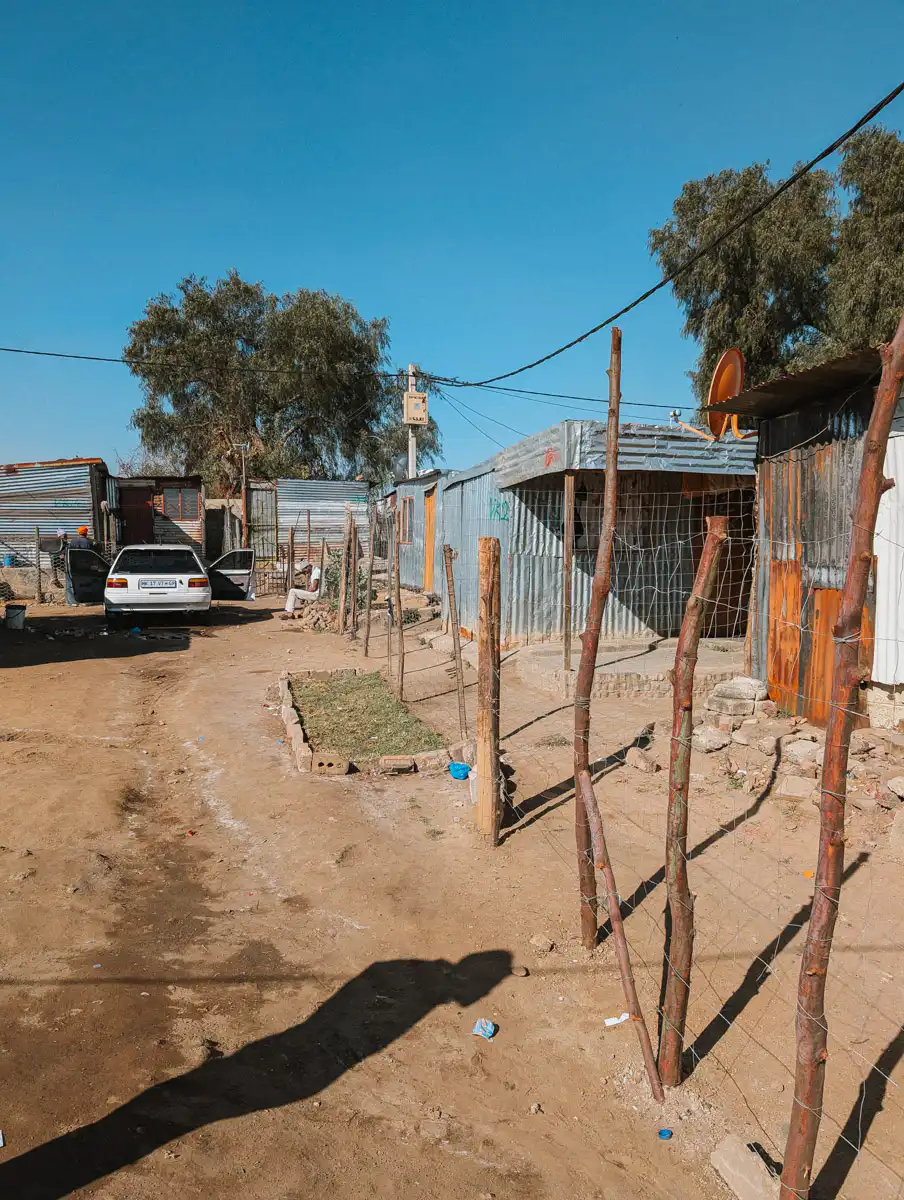
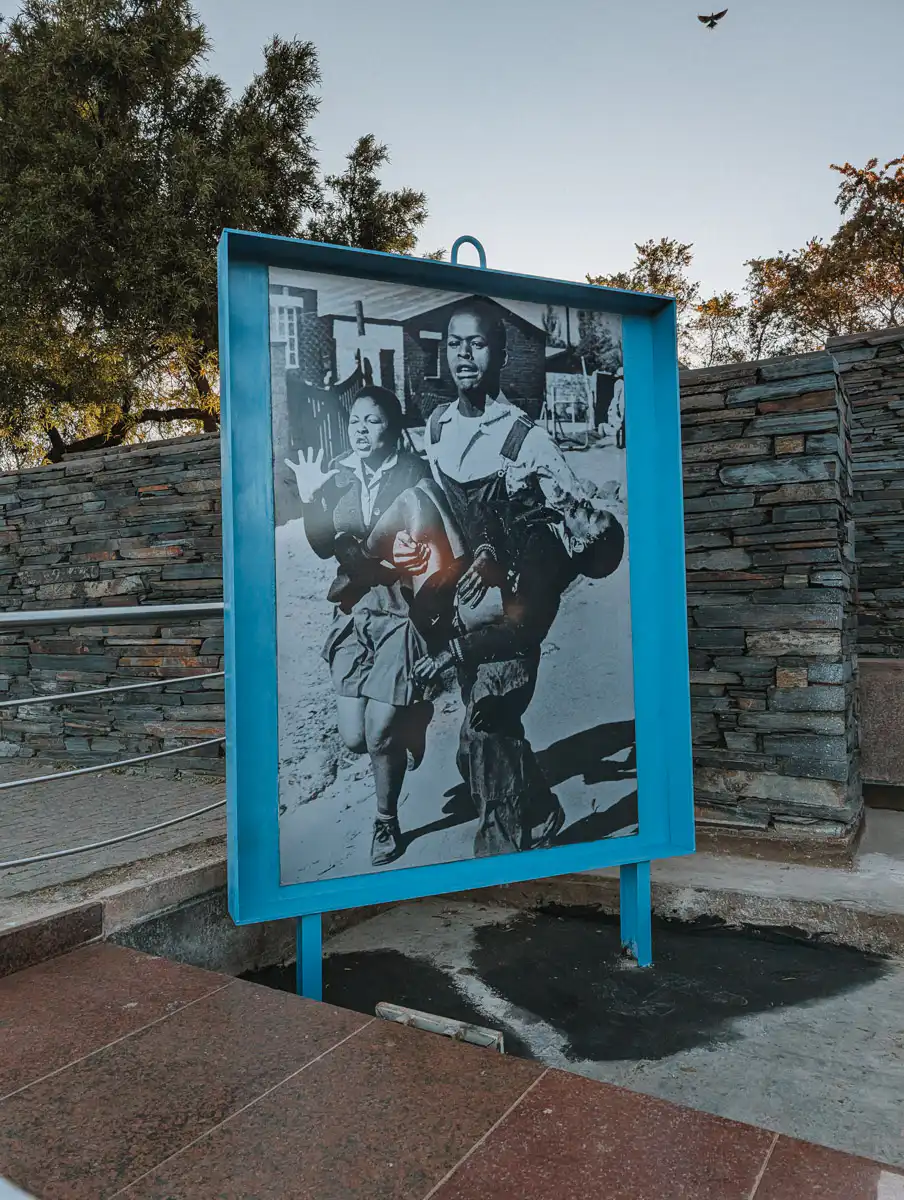
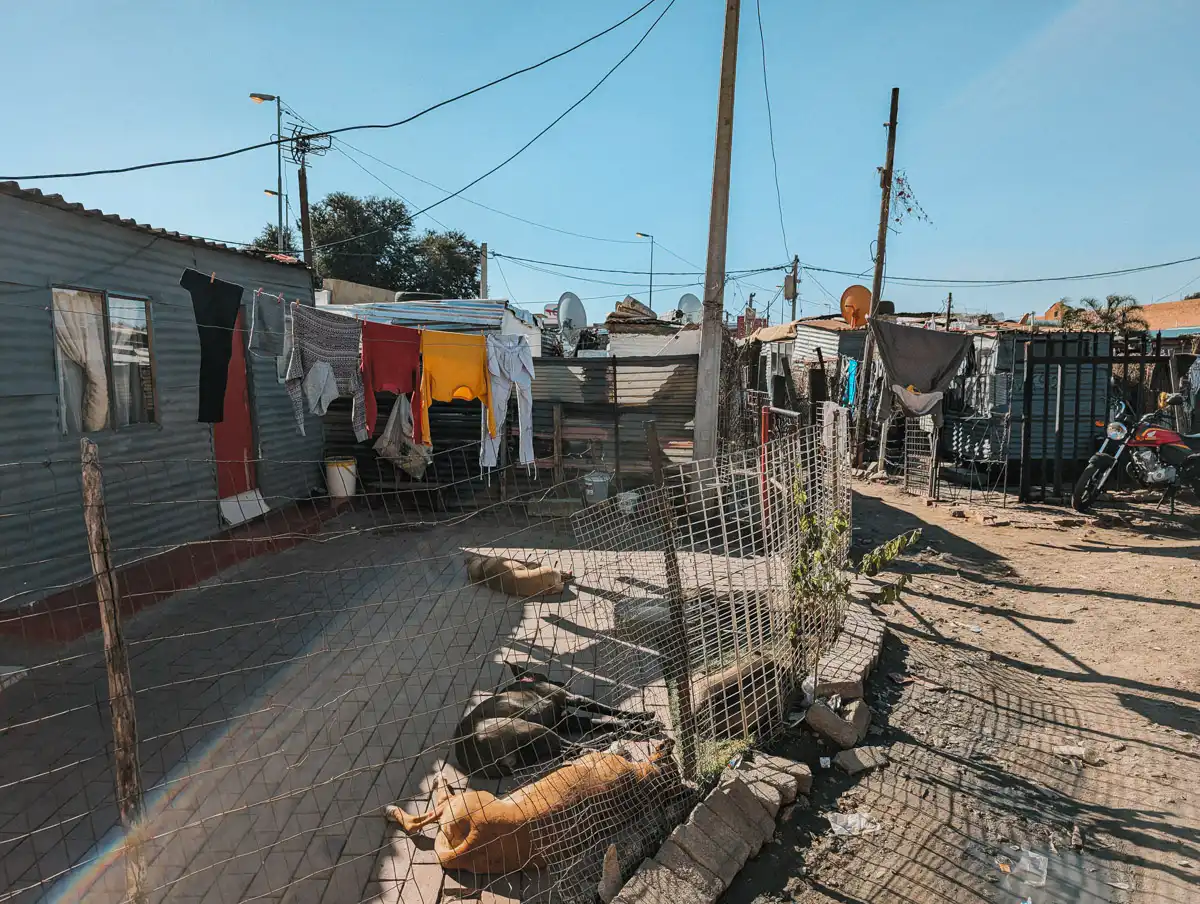
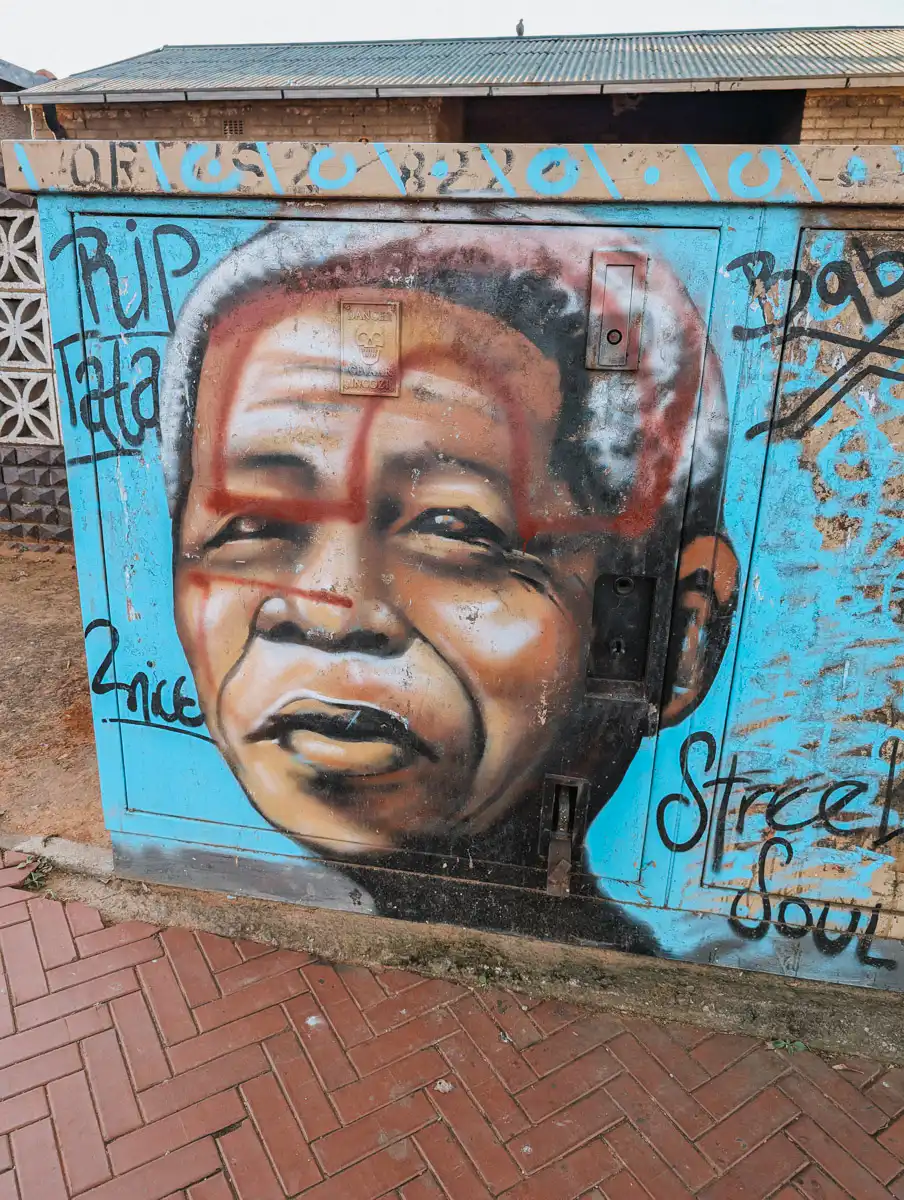
Soweto is one of South Africa’s most historically significant townships and, in our opinion, a must do experience when visiting Johannesburg. The name stands for South Western Townships, and it was established during the segregation policies as an area where Black South Africans were forcibly relocated. These townships were deliberately underfunded and under serviced under the apartheid government, with many communities faced overcrowding and limited access to proper sanitation, running water, and infrastructure.
How to Visit Soweto
A visit to one of these townships gives you important insight into the social and historical impact of apartheid and how communities have rebuilt and evolved since.
As with our visit to Cape Town, properly experiencing a township can be very tricky with regards to safety and we would not recommend visiting on your own. Exploring with a knowledgeable local guide also felt far more responsible and gave us meaningful context we would have otherwise missed.
Even with a guide though, we had to stay aware of our surroundings, but we never felt unwelcome. In fact, this ended up being one of our favourite experiences in Johannesburg. It was eye opening, emotional, and incredibly powerful to witness the strong sense of community and resilience that defines Soweto today.
Which Soweto Tour is Best
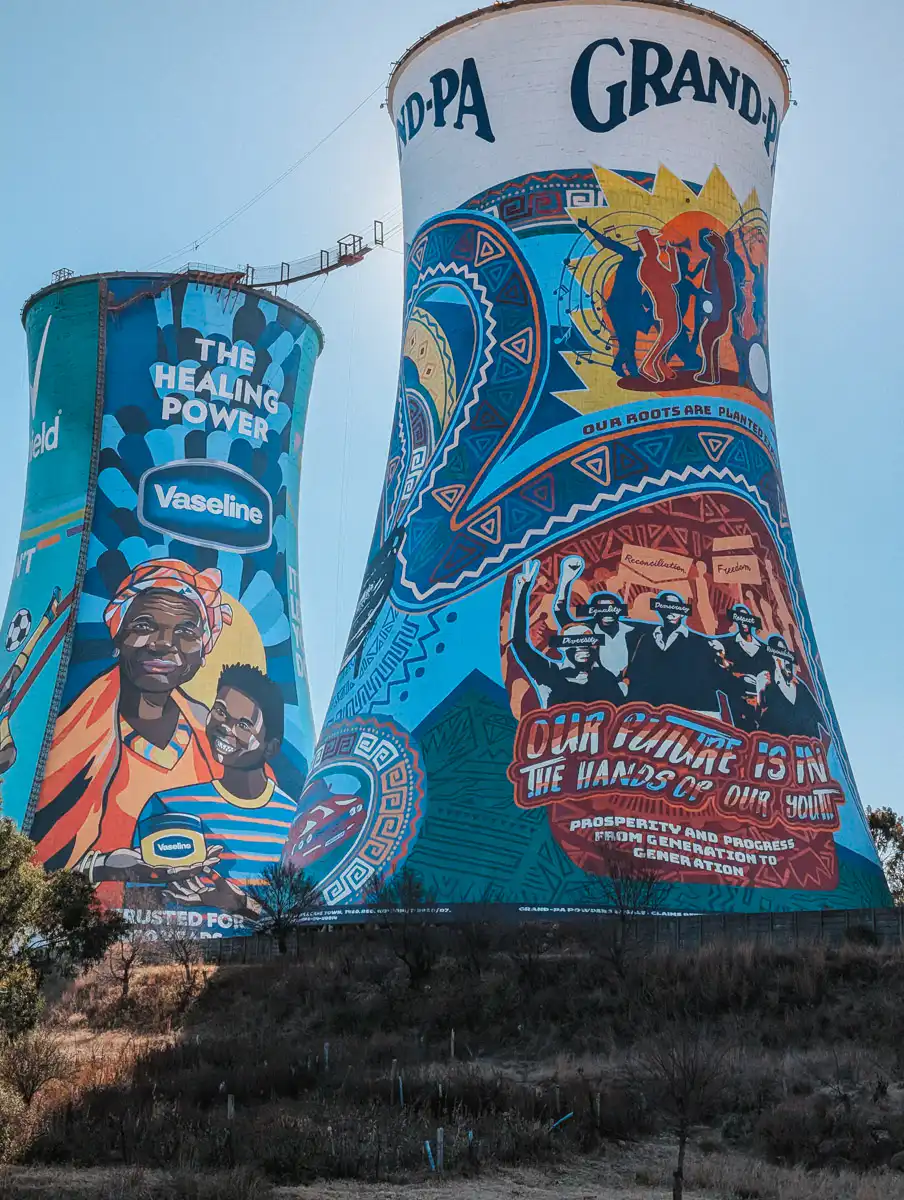
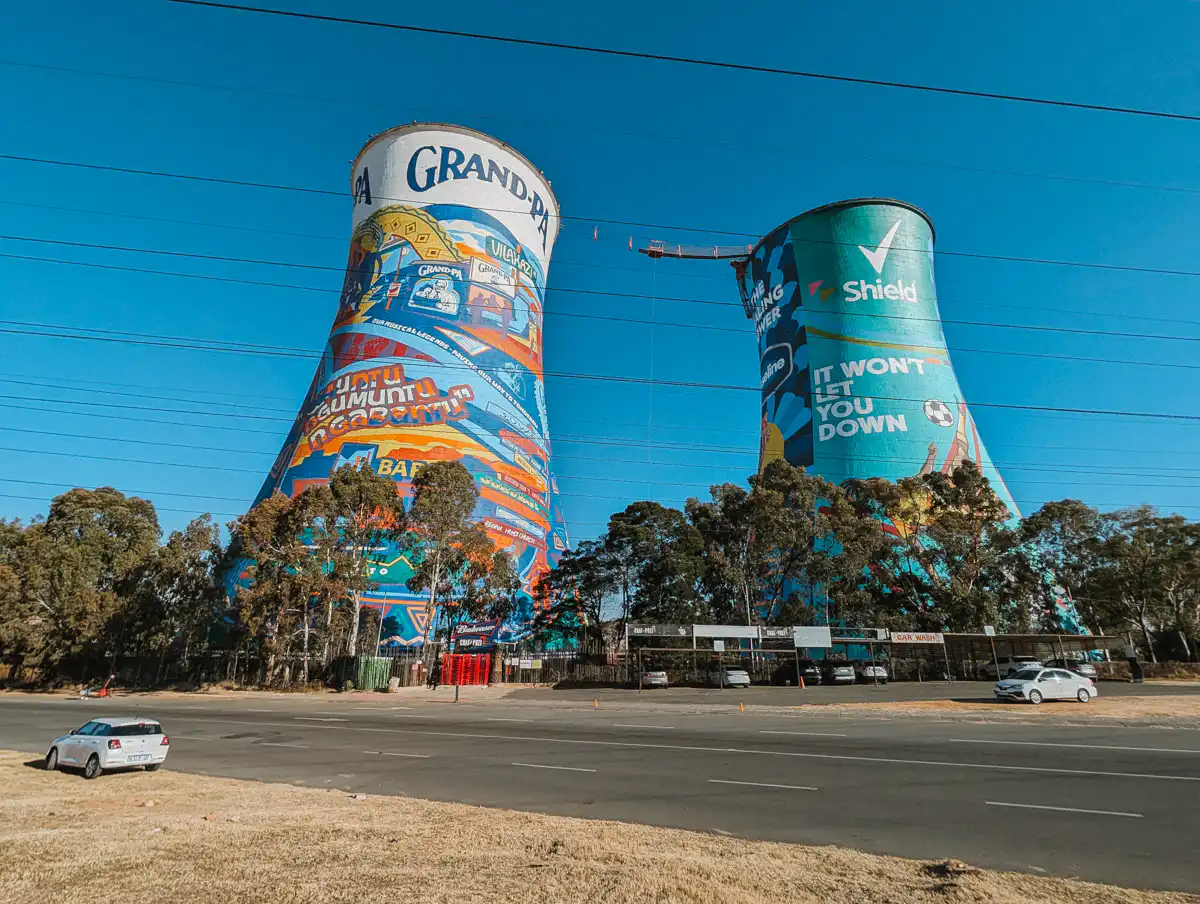
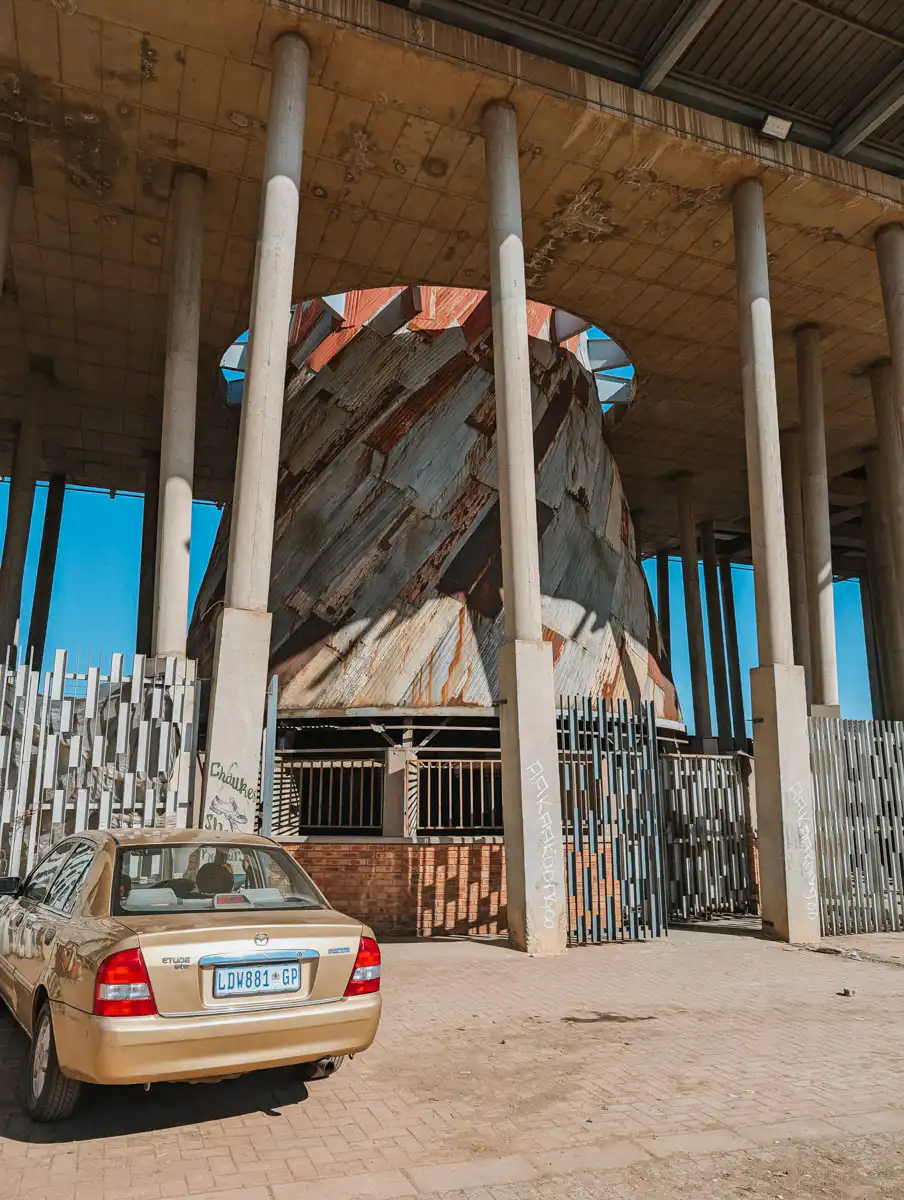
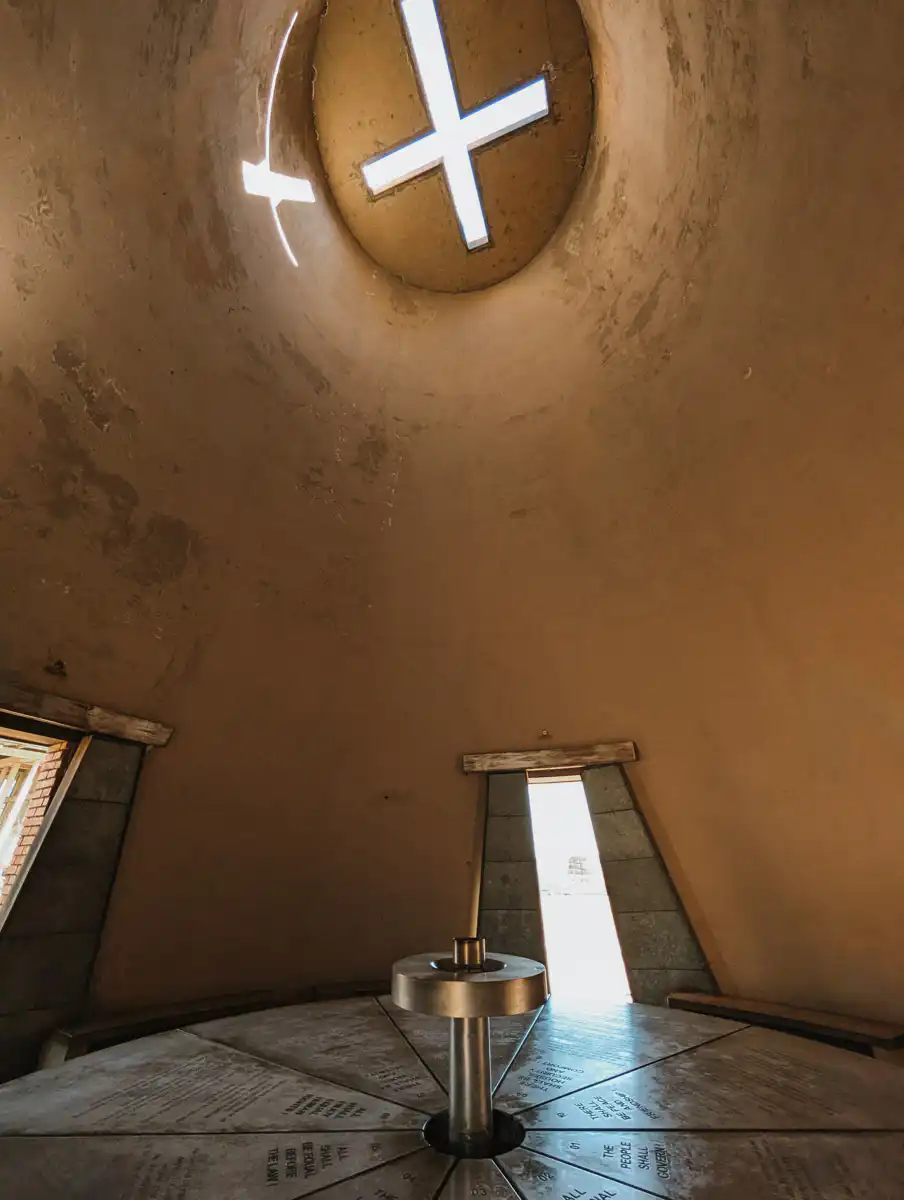
Although many tours are marketed as “Soweto Tours”, most of them only focus on visiting the more ‘touristic’ landmarks like Mandela House, Vilakazi street, and the two colourfully painted Orlando Towers, without going much deeper into the townships.
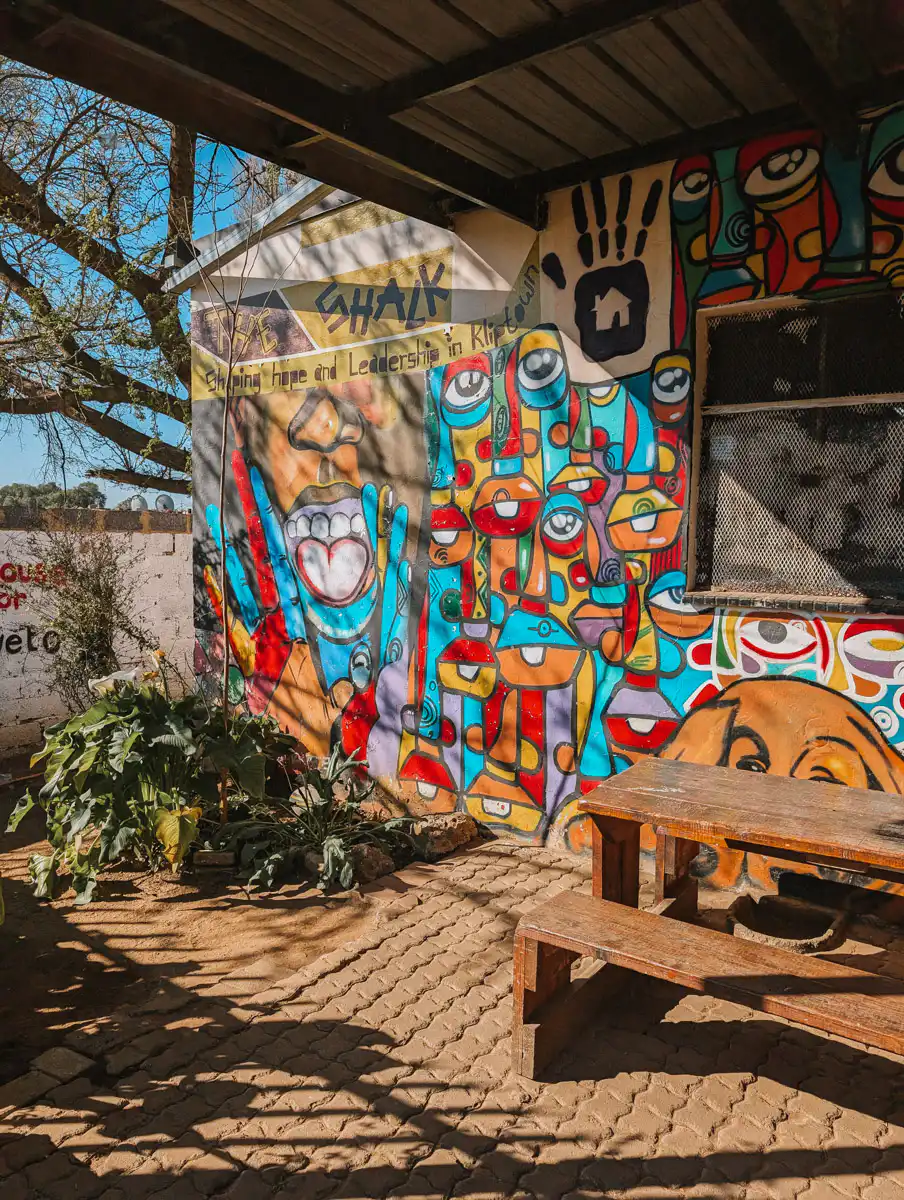
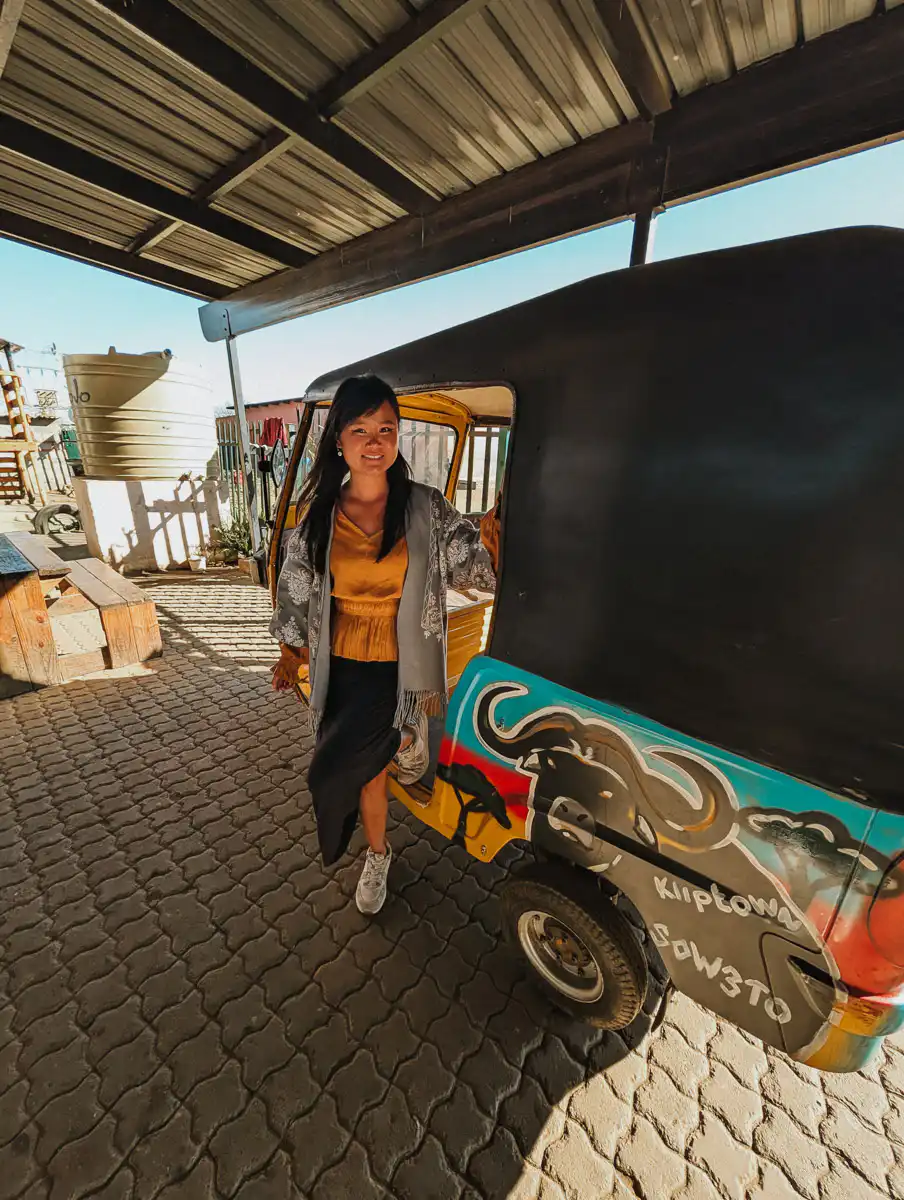
For this reason, we would recommend joining this specific Soweto Tour where beyond the historically important landmarks, you’ll be spending a significant time exploring Kliptown, one of Johannesburg’s oldest and most historically significant townships. Although we found the other historical sites interesting, it was walking through Kliptown that truly left a lasting impression on us.
Day 2: Visiting Soweto
- Visit Options: We would highly recommend joining a guided tour. Visiting townships independently is not considered safe
- Time Needed: You’ll be spending about half a day (5 hours)
- Recommended tour: Join this specific Soweto Tour which includes visiting Kliptown, one of Johannesburg’s oldest Townships
Day 3: Day Trip to Cradle of Humankind
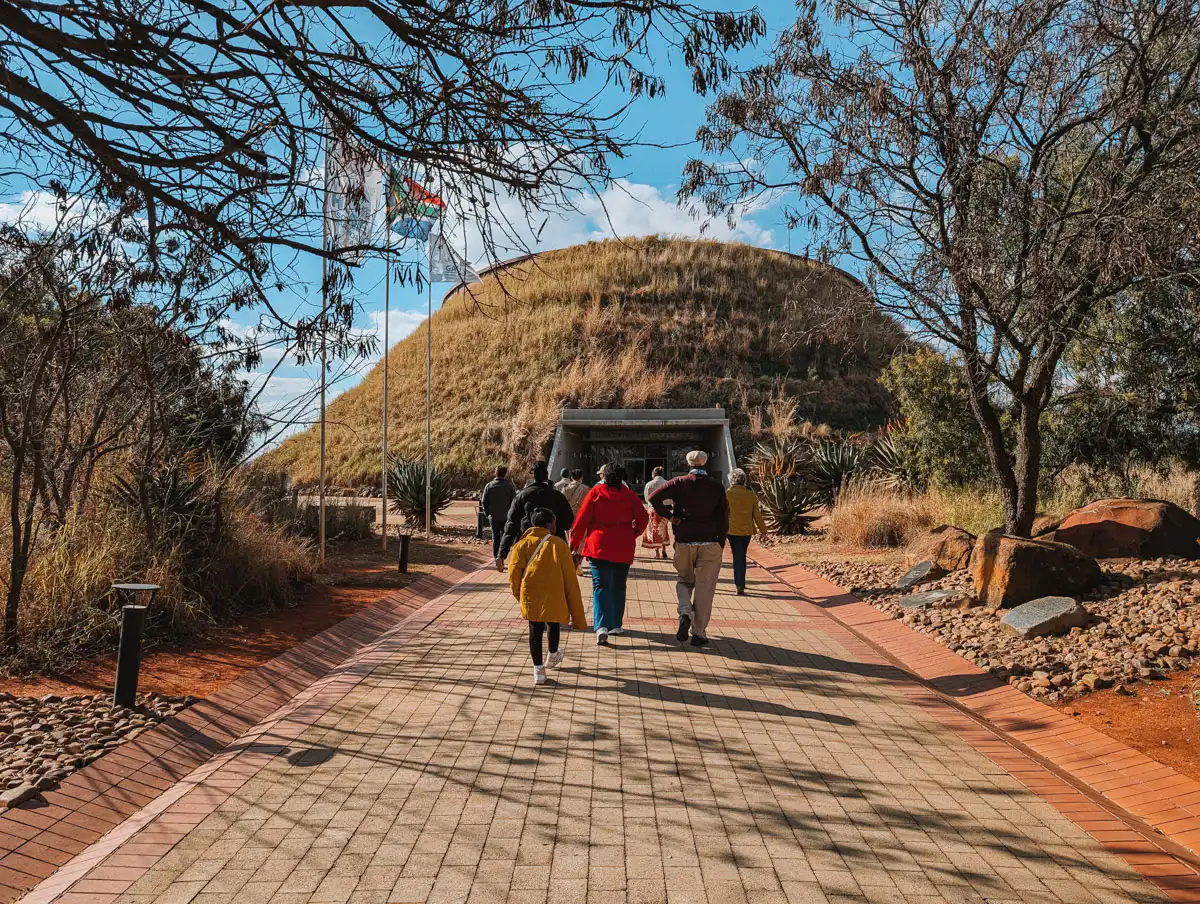
For one of the most fascinating day trips outside Johannesburg, head to the Cradle of Humankind, a UNESCO World Heritage Site located about an hour from the city. Africa is widely recognized as the birthplace of humankind, and this region has produced some of the oldest and most important hominin fossils ever discovered.
After spending time on safaris in Kruger National Park, this felt like the perfect complement to our trip. In Kruger, we were immersed in some of the most diverse and ancient wildlife on the planet. Then at the Cradle of Humankind, we stepped even further back in time, tracing the origins of human life itself. Getting to experience both gave us a deeper appreciation for South Africa not just as a safari destination, but as one of the most significant and rawest stories of life on Earth.
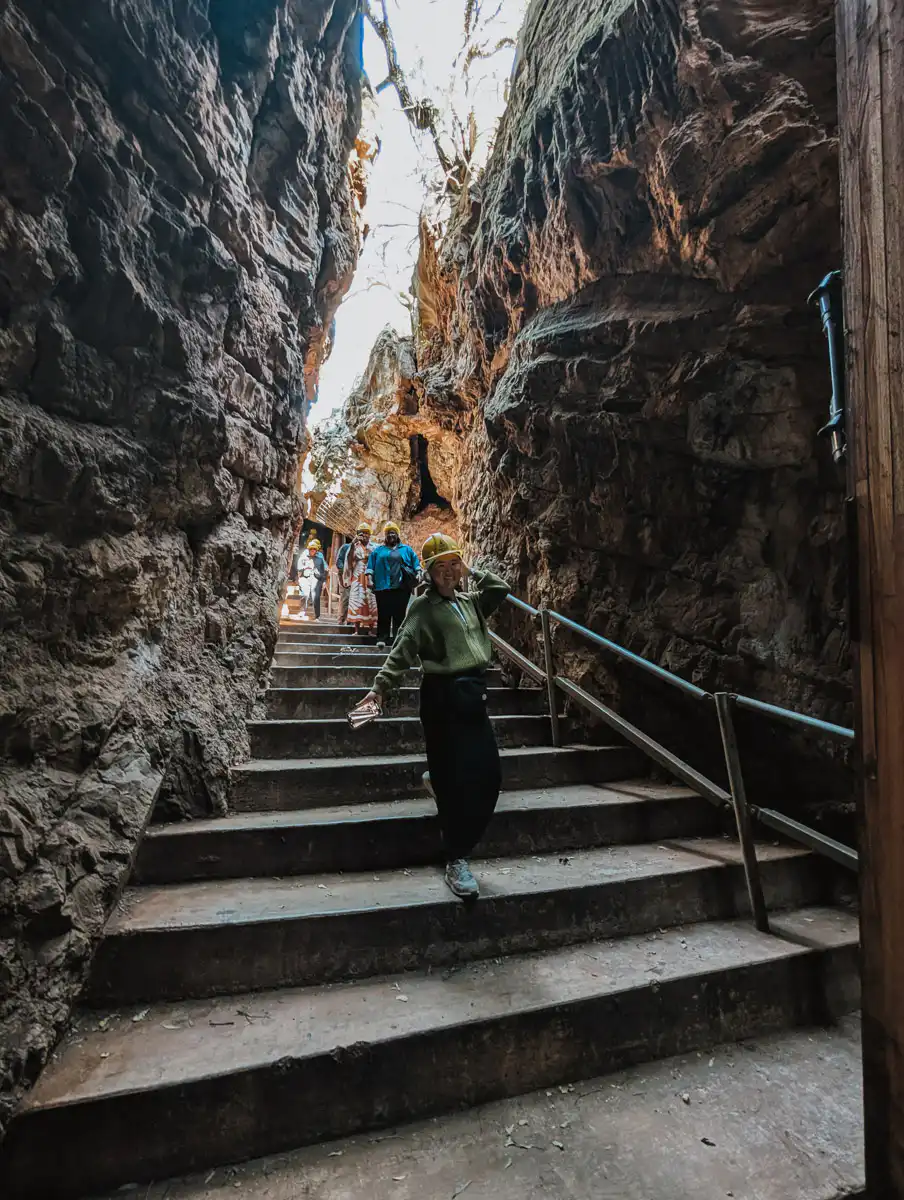
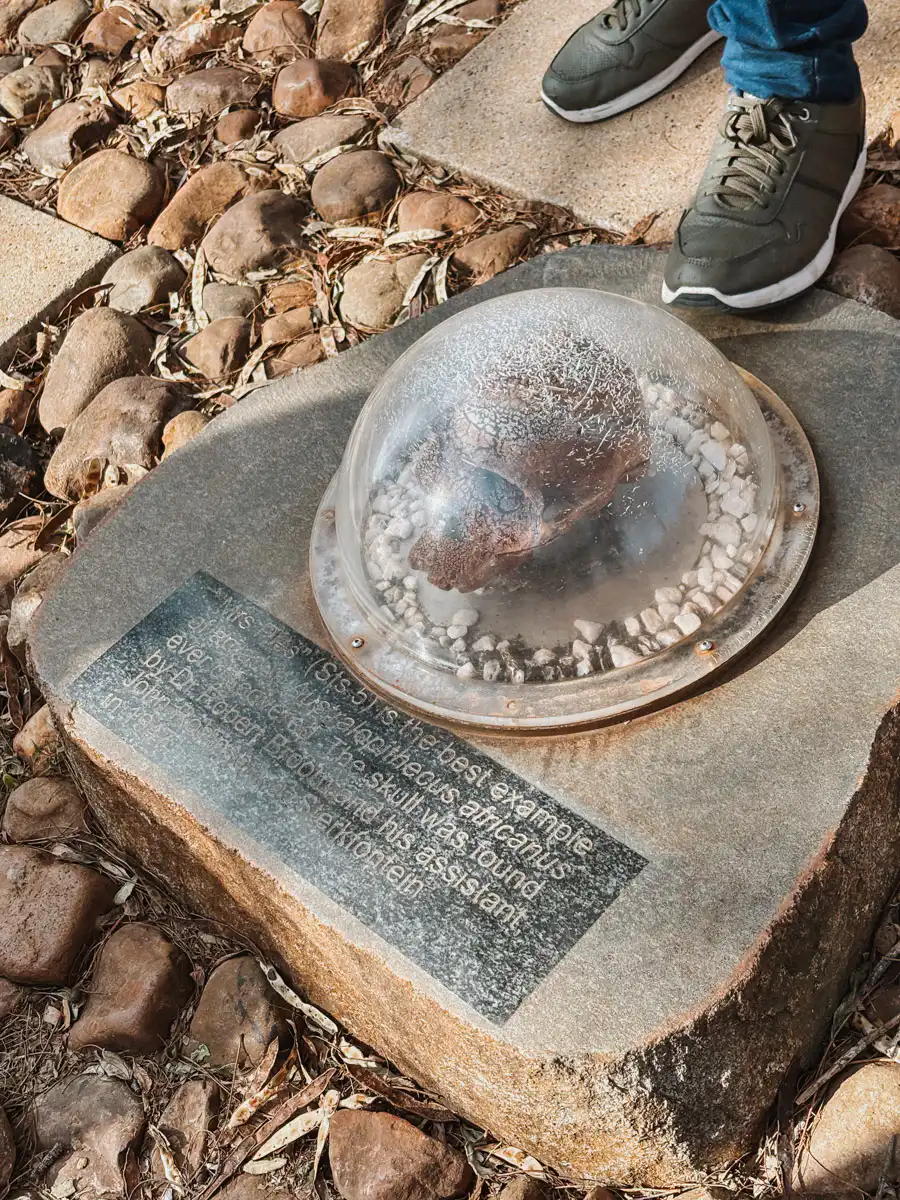
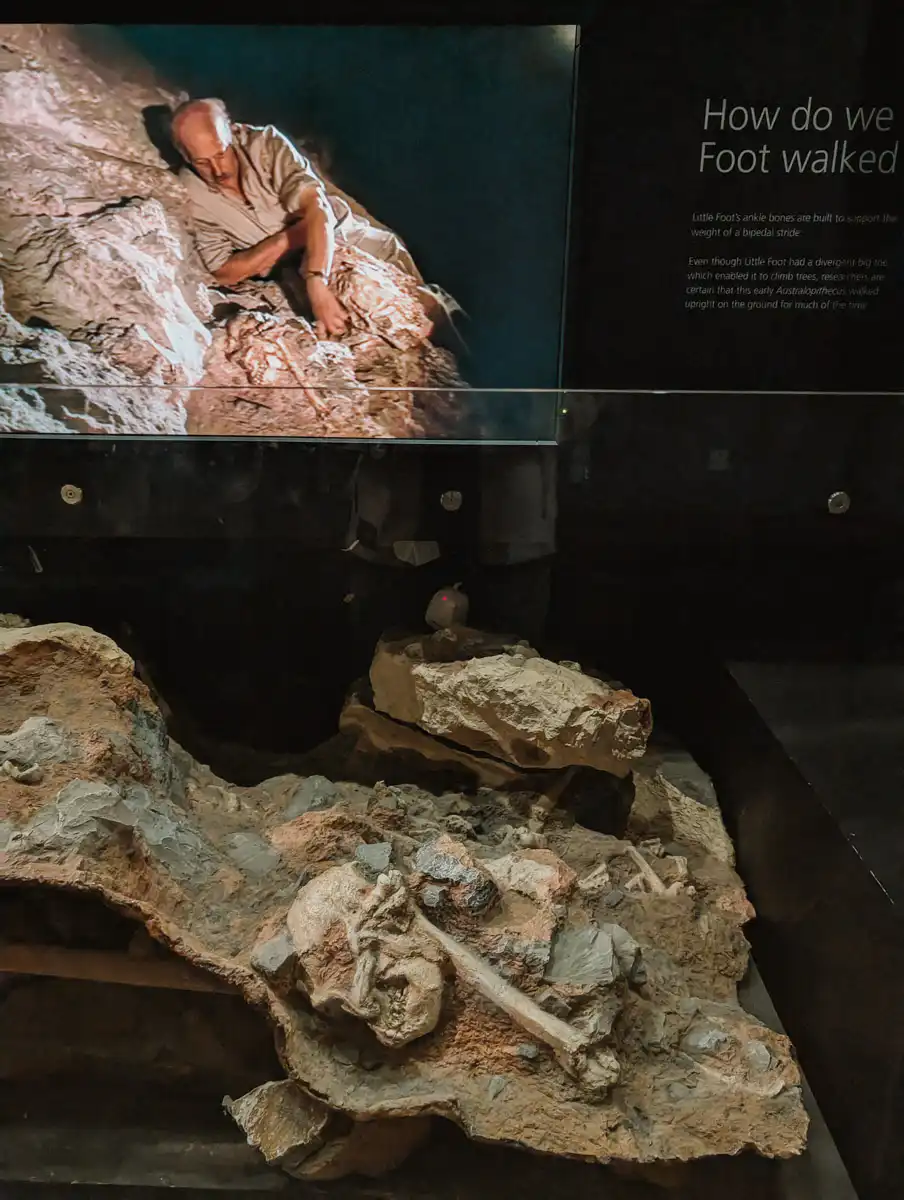
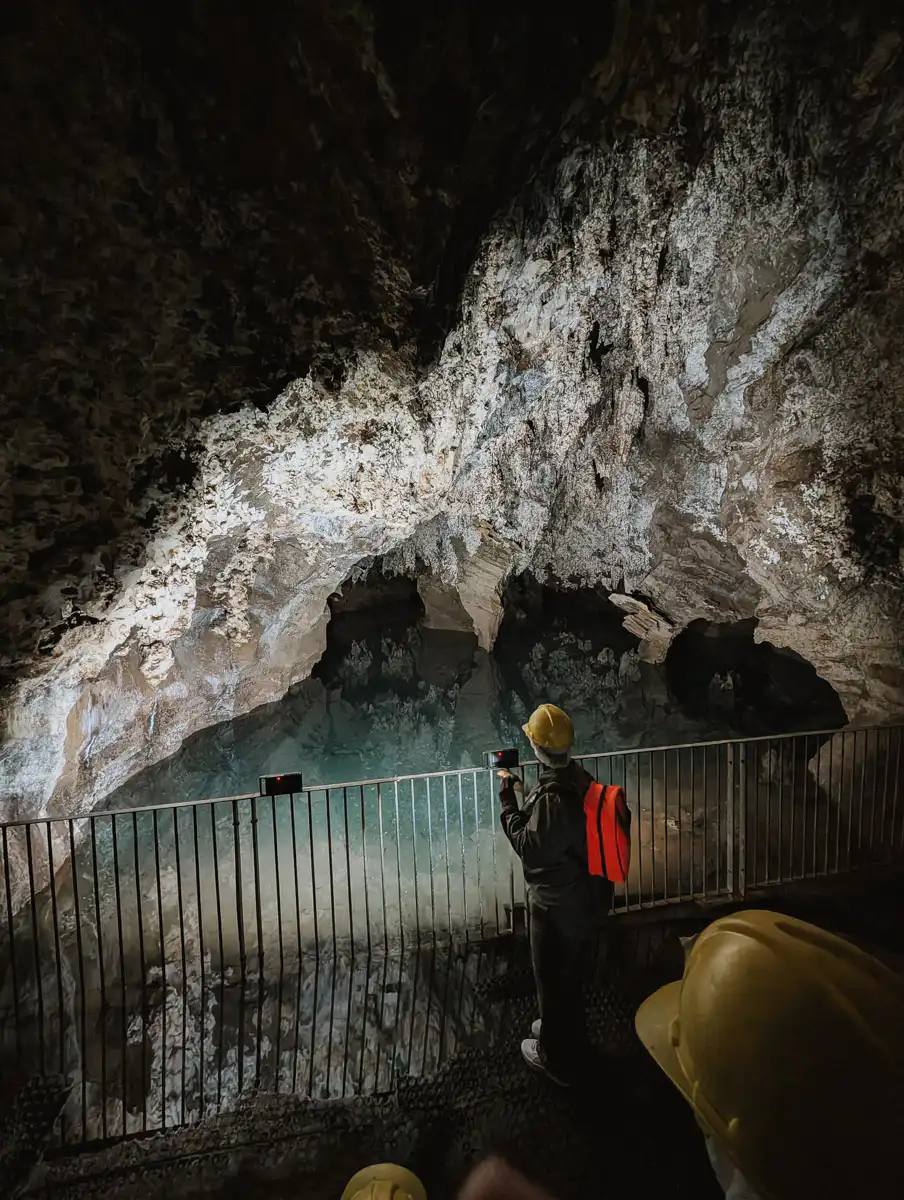
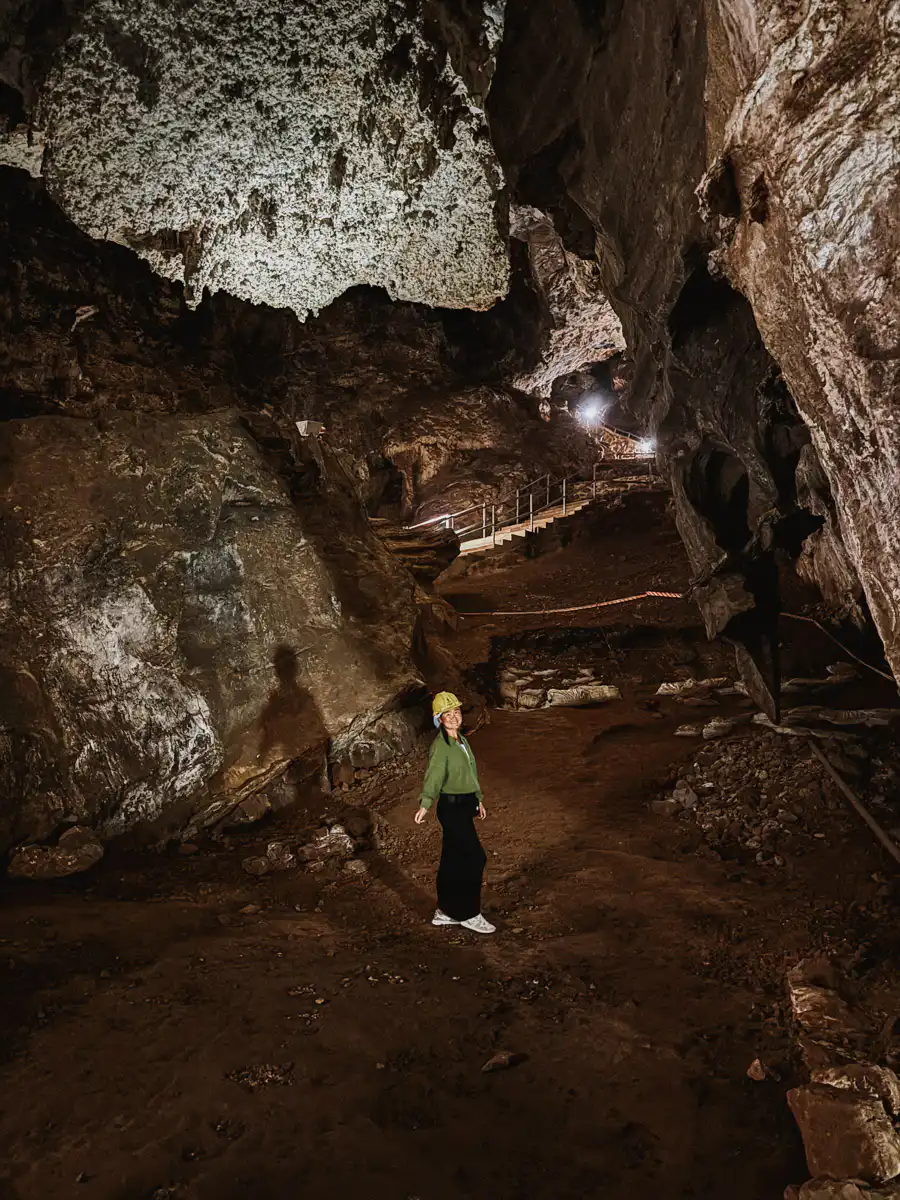
A trip to Maropeng and the nearby Sterkfontein Caves showcases groundbreaking archaeological discoveries, including the famous “Mrs. Ples,” a 2.1 million year old Australopithecus africanus skull found in 1947. You will get to descend deep into the caves where these discoveries were made as well as visit the museum where scientists share their insights on the evolution of early human ancestors over the past millions of years.
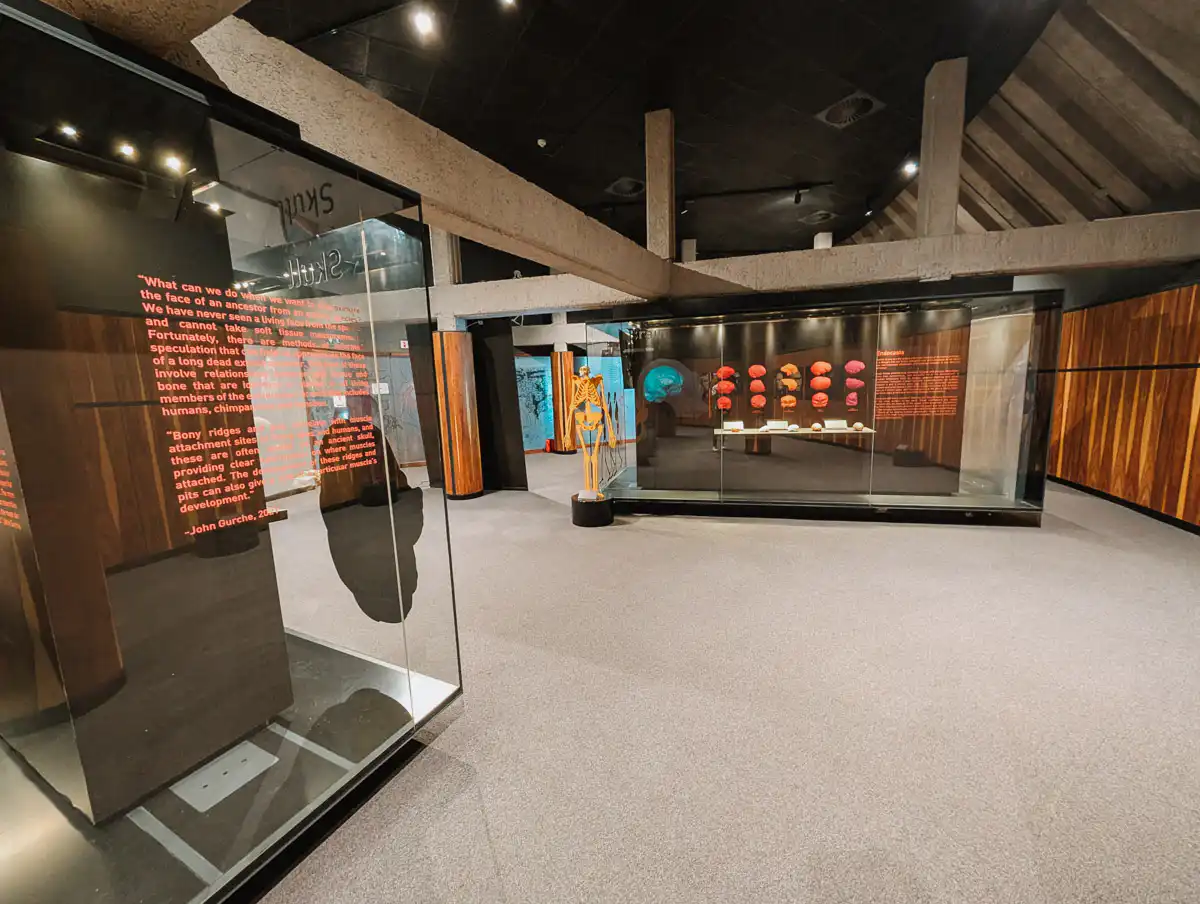
When planning your visit to the Cradle of Humankind, be sure to enter the exact locations for Maropeng Visitor Centre and the Sterkfontein Caves into your GPS. If you simply type in “Cradle of Humankind,” it will send you far off course to a random point deep within the protected area of the park rather than the actual visitor sites.
How to Visit Cradle of Humankind
Maropeng Visitor Centre and the Sterkfontein Caves are located about an hour’s drive from Johannesburg. You have the option of visiting independently with a private driver, attempting to get an Uber there, or joining a guided tour.
We were fortunate enough to befriend one of our Uber drivers, who we then hired as a private driver for our stay in Johannesburg. For our visit to the Cradle of Humankind, we agreed on a set price that included transport there, waiting during our visit, and the return trip back to the city. We loved having the flexibility of exploring independently this way and also the insights of culture and life from a local.
We did consider simply taking an Uber there, which is possible, but getting a ride back to Johannesburg afterward, as well as traveling between the two sites, would likely have been challenging given how remote the area is. For that reason, we would recommend either arranging a private driver like we did or joining a guided group tour for a smoother and stress-free experience.

Day 3: Cradle of Humankind
- Visit Options: Uber is not a viable option, so you can either hire a private driver or join a guided tour like this one
- Opening Hours: 09:00-16:00
- Ticket Price: about R150 for each site
- Time needed: Full day (about 7 hours)
- Recommended Tour: We recommend going with this Cradle of Humankind Guided Tour which has a bade of excellence and is recommended by over 91% of travelers
🦁 Want to discover more of Africa? Some of our most unforgettable experiences include driving the Panorama Route, staying at private game lodges in Kruger, and embarking on a self-drive camping adventure through Namibia. From awe-inspiring sand dunes in Sossusvlei, kayaking with seals in Swakopmund, to chasing the Big 5 at Etosha, Namibia is one of our favourite destinations EVER.
Day 4: Pilanesburg Safari
For your final day in Johannesburg, we highly recommend heading out on safari at Pilanesberg National Park, one of the best and most accessible wildlife experiences near the city. After learning about apartheid at the Apartheid Museum, exploring Soweto’s townships, and visiting the Cradle of Humankind to trace the origins of our species, ending your trip surrounded by Africa’s iconic wildlife feels like the perfect full circle
Although Kruger National Park is widely regarded as the premier safari destination in the country, it is about a six hour drive from Johannesburg and typically requires at least 2-3 days to properly experience. So if you are short on time, Pilanesberg offers an excellent alternative, with strong chances of spotting the Big Five in just a single day trip.
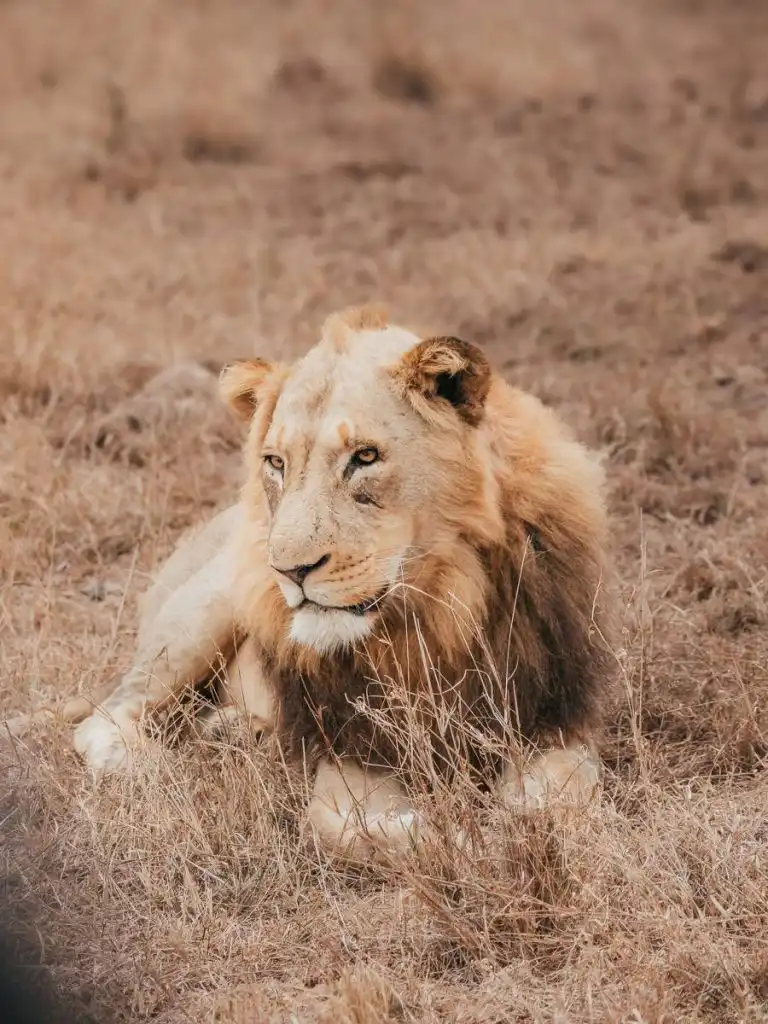
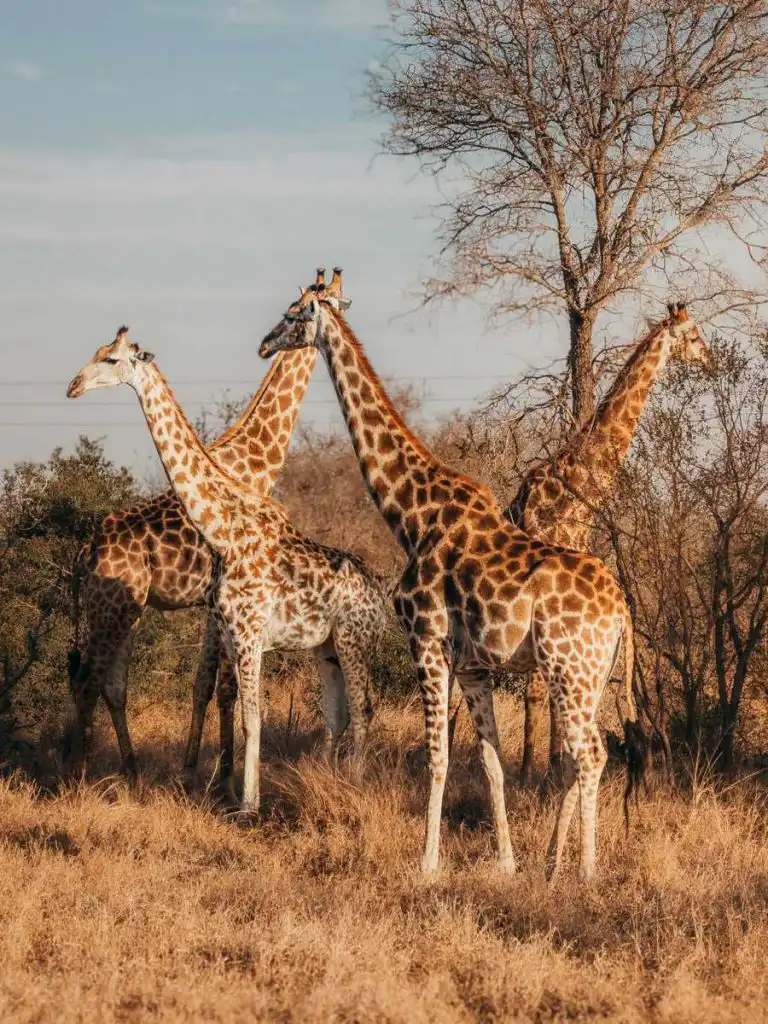
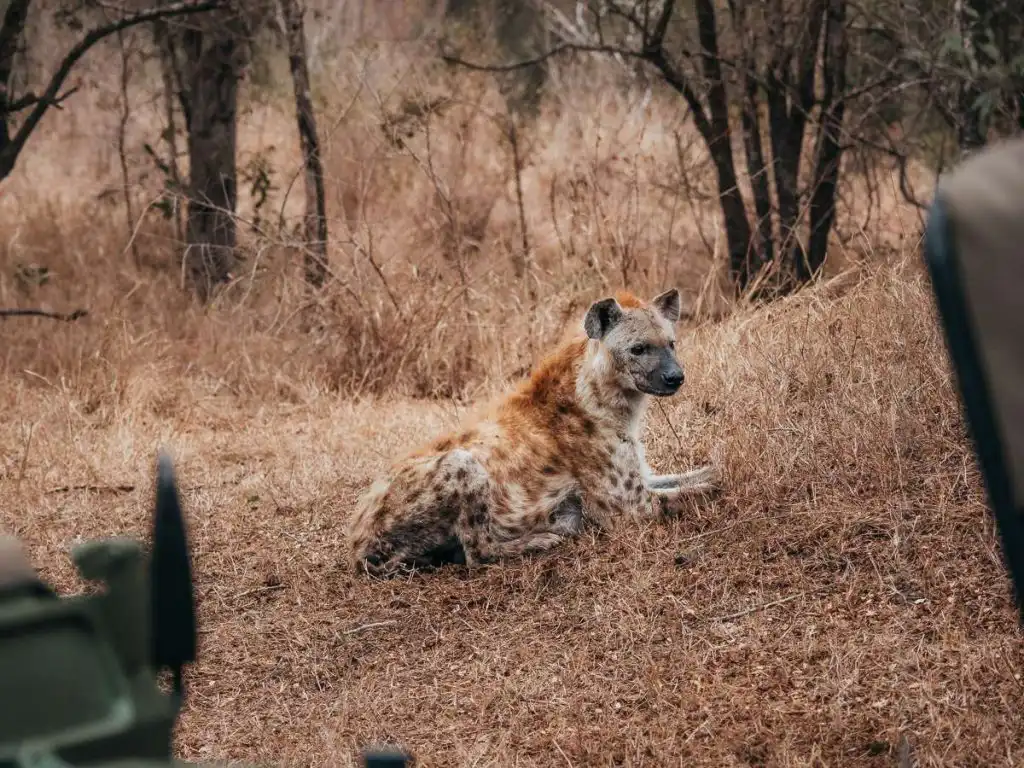
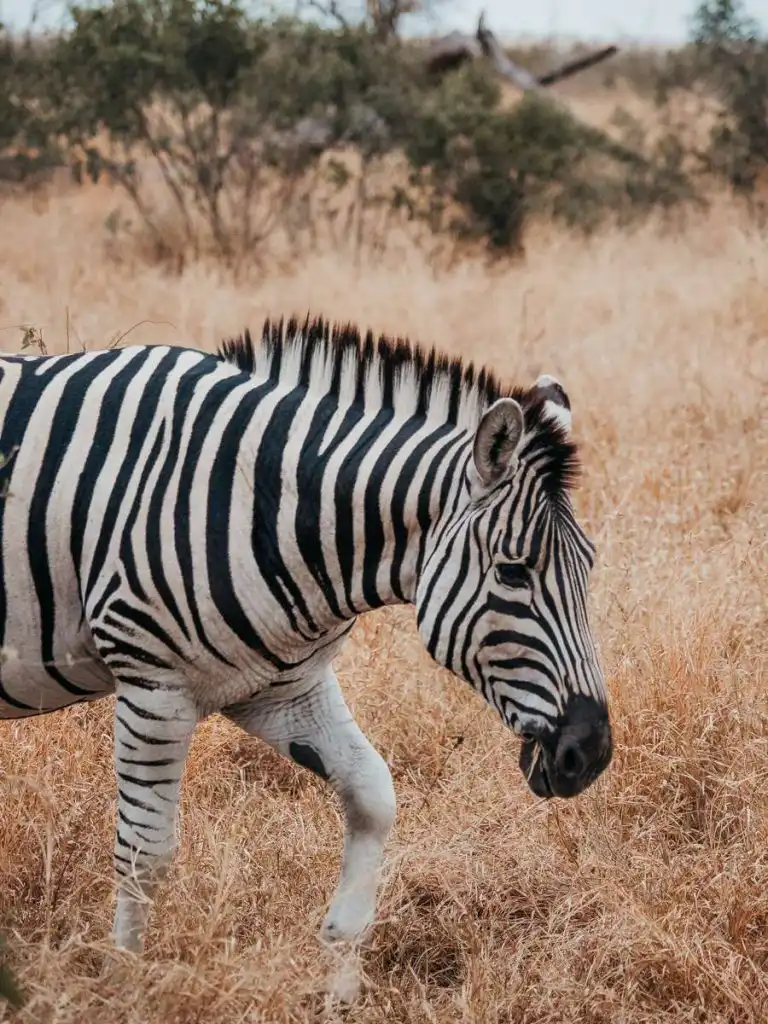
On this full day safari to Pilanesberg National Park from Johannesburg, you’ll head out with a professional ranger in an open air game vehicle in search of the famous Big Five, including lions, leopards, rhinos, and elephants, along with other wildlife such as hyenas, crocodiles, and countless antelope and bird species.
The experience includes two separate game drives, giving you abundant opportunities to spot animals at different times of day, as well as a relaxed lunch break in the afternoon. In total, you’ll spend approximately 4.5 to 5 hours out in the reserve on safari.
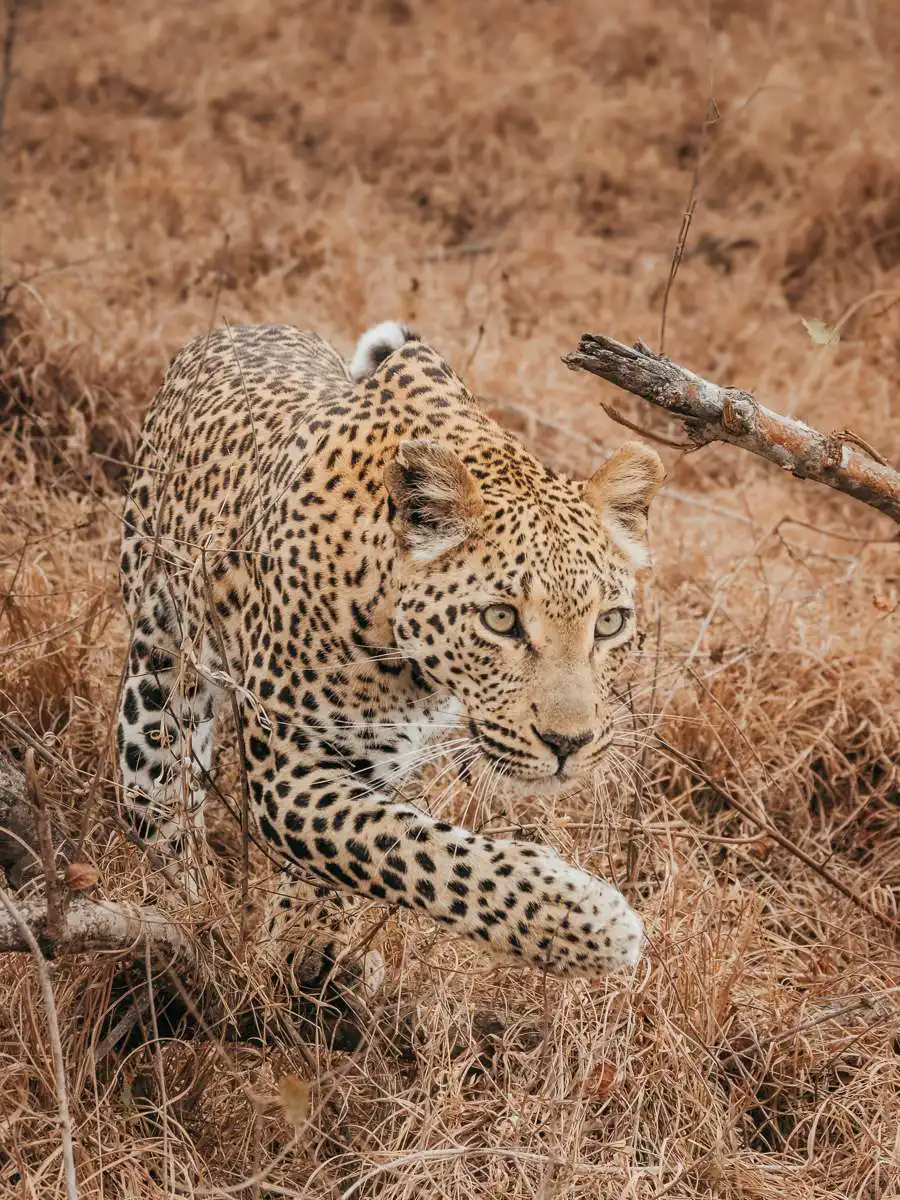
Day 4: Pilanesberg National Park Safari
- Recommended Tour: This full day safari to Pilanesberg National Park from Johannesburg includes return transport to Pilanesberg, 2 game drives with professional rangers, and a delectable lunch
- Tour Duration: 12 Hours
Is Johannesburg Safe to Visit?
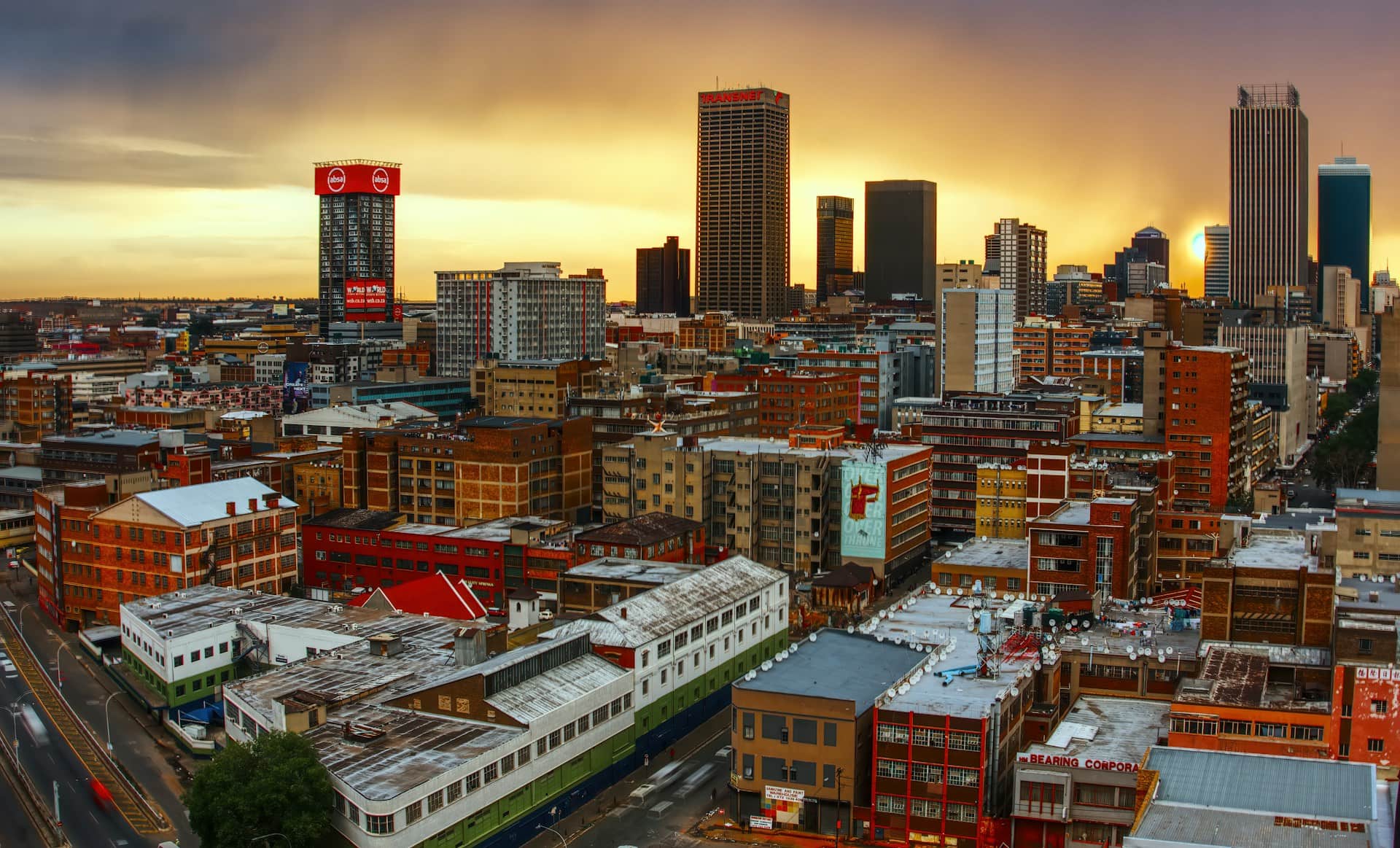
As much as we absolutely love Johannesburg, we also have to be honest about safety. Other than Cali in Colombia, Johannesburg is among the most unsafe places we have visited. That doesn’t mean you can’t visit as a tourist, it simply means you need to do your research beforehand and understand what measures to take to travel safely.
Types of Safety Risks in Johannesburg
While in Johannesburg, we were told to stay in the Uber until the car passed through the entrance gate of our Airbnb, as getting out too early could put us at risk of being robbed.
We were also advised not to walk the streets after sunset and to always take an Uber, even if it was only a few blocks away. We heard the same warning while leaving a restaurant just two blocks from where we were staying.
On the way to the Apartheid Museum, our Uber passed through several very sketchy neighbourhoods, and we even witnessed police stopping a group that was attempting to carjack another vehicle.
This isn’t meant to scare you, but rather to help you understand what to be cautious about. We’ve now returned to Johannesburg twice, and despite the safety concerns, we plan to go back again. By following the necessary precautions closely, we never experienced any danger ourselves, but stayed alert at all times.
Safety Tips
If you want to know the safety tips we followed and recommend, we’ve written a full guide on how to stay safe in South Africa.
So in summary, with the right precautions, Johannesburg can be an incredibly rewarding place to visit, offering rich culture, incredible food, and genuine local hospitality.
This post is part of our series about South Africa. If you want to learn more about South Africa, planning your trip, and some of the best experiences there, check out the guides below:
Where to Stay in Johannesburg (Safest Areas for Tourists)
If it is your first time visiting Johannesburg, choosing the right neighbourhood is extremely important. After reading about safety concerns online, we spent hours researching the safest and most convenient areas for tourists to make sure our stay would go smoothly.
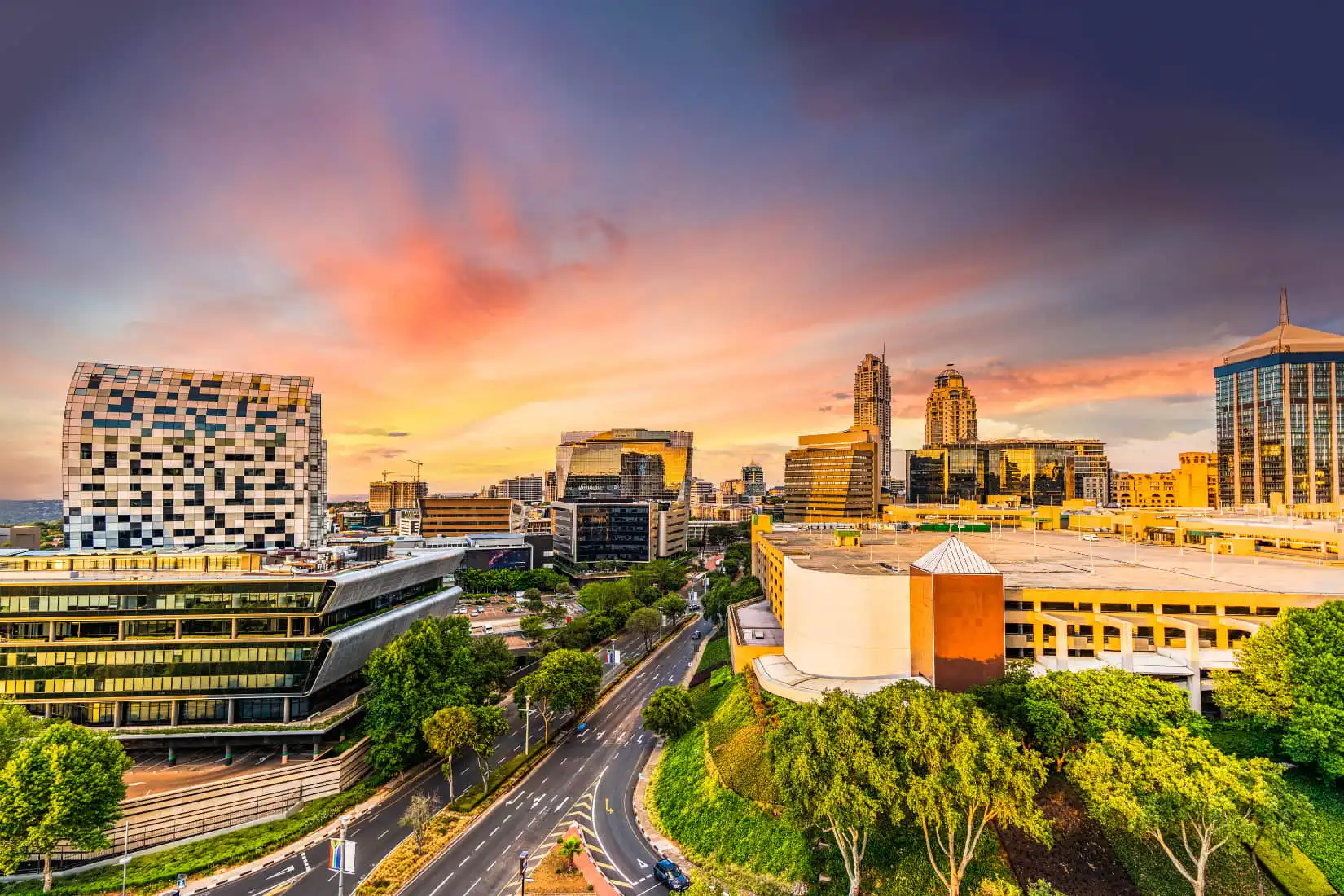
Johannesburg is a large, spread out city with pockets of dangerous districts, so staying somewhere secure and well connected was crucial for us. Now that we have returned to Johannesburg twice and explored the options thoroughly, these are the the three areas we would recommend are Rosebank, Melrose Arch, and Sandton (in that order or preference)
Rosebank (Best Area Overall)
Rosebank is where we stayed during both of our visits to Johannesburg, and we would happily stay there again. We love this neighbourhood because it felt overall safe to walk around during the day, offers plenty of world-class restaurants, is nearby the Rosebank Mall, is lively with local culture, and has direct Gautrain access to the airport.
Everything you need is within about a 10 minute walk, and our favourite restaurant that we returned to over 5 times, Ethos, is conveniently just around the corner. If you will be joining tours, most of them offer pickup service in the Rosebank area, otherwise you can easily take a Grab or Uber downtown.
Among the 3 neighbourhood options, we feel Rosebank has the best balance of local culture, mid-range affordability, while still being a lively and walkable district.
- One Rosebank – This is where stayed, modern condo apartment, within secure complex, great for longer stays, affordable
- Hyde Johannesburg Rosebank – Beautiful boutique stay, higher end, prime location right in the Rosebank mall complex where it is even more secure
Sandton (Best for High End Comfort in Financial District)
Sandton is often referred to as the financial district of Johannesburg. It feels polished, modern, and very secure. Here you’ll find upscale hotels, high end shopping at Sandton City, corporate headquarters, and the famous Nelson Mandela Square. Sandton has the highest concentration of upscale hotels in the city, with 5 star service and rooftop pools.
Because this is the financial district, there is visible private security patrolling the streets with strict controlled building access.
Sandton is the best for first time visitors to Johannesberg who want a higher end comfort, or want to ensure they are staying in a modern and safe district. If you want a high end stay in Johannesburg, we would recommend checking out these hotels:
- Sandton Sun and Towers – Classic upscale comfort, direct access to Nelson Mandela Square, business-friendly feel
- Radisson Blu Gautrain Hotel – Modern franchise hotel, convenient location next to Gautrain, sleek contemporary rooms
Melrose Arch (Best Secure Enclave)
Melrose (specifically Melrose Arch) is a smaller, very secure mixed use development that is almost self-contained. Everything you need is within walking distance, from stylish restaurants to cafés and shops, all within a controlled and well monitored environment. We went to a restaurant in the neighbourhood and were really impressed by the level of safety, the overall design, and how it is a protected enclave while still being lively and welcoming.
Melrose Arch, compared to Sandton and Rosebank, is best for travelers who want a compact, highly secure, and self contained environment where everything from restaurants to cafés to hotels is within easy walking distance.
- African Pride Melrose Arch Autograph Collection – Stylish and upscale, right in the heart of Melrose Arch, boutique luxury feel, located steps from the restaurants
- The Capital Melrose – Apartment style options, spacious suites ideal for longer stays or families, set within the secure and walkable Melrose Arch precinct
How Many Days do you Need in Johannesburg
We would recommend spending about 3 to 5 days to experience the best of Johannesburg. The first time we visited, we had read so many comments online saying the city was simply an international gateway and not worth exploring, so we had only planned for two days.
We ended up loving it far more than expected so immediately planned a return visit the next year. When we returned, we extended our stay to five days and even added a road trip along the Panorama Route on the way to Kruger National Park.
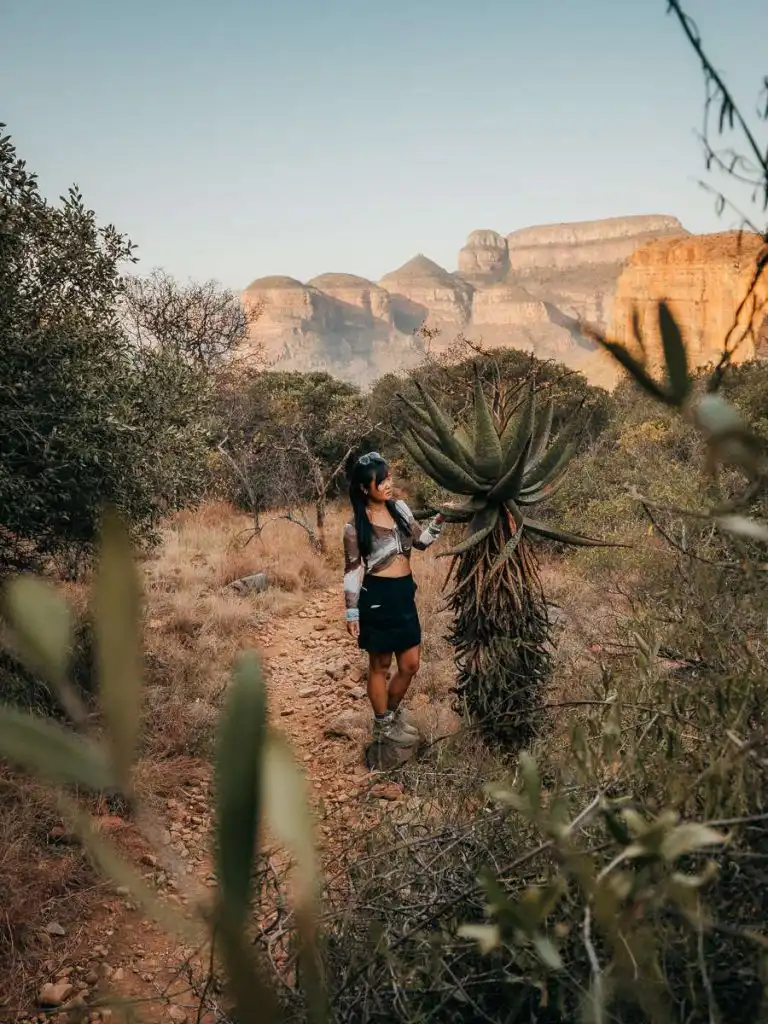
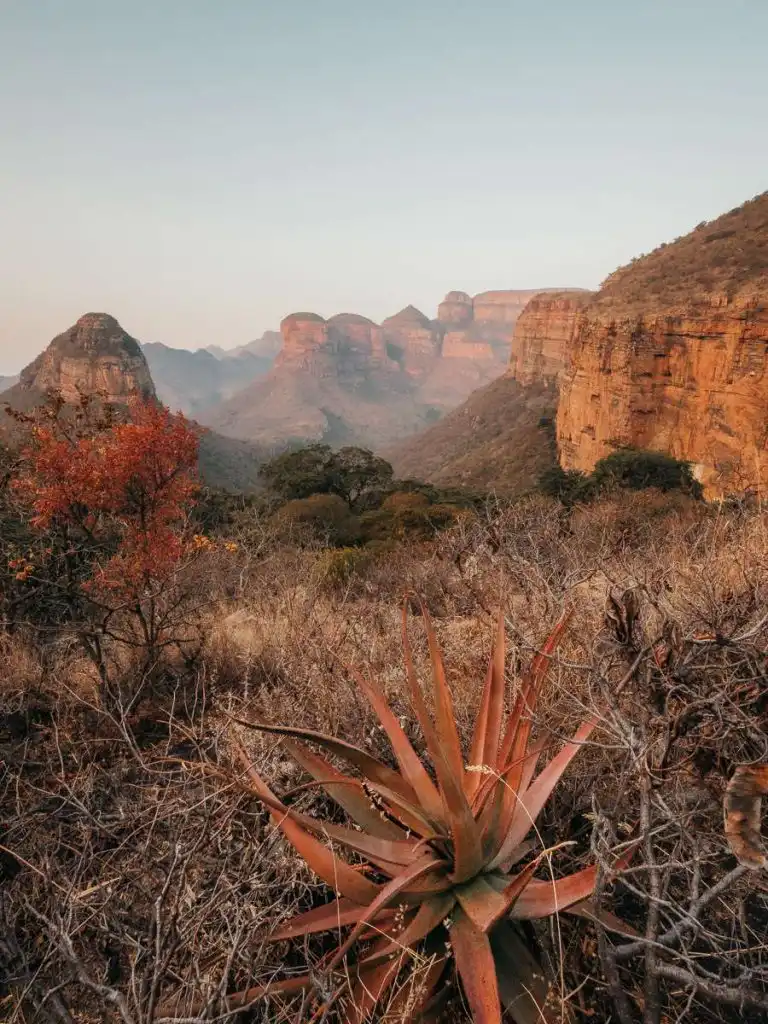

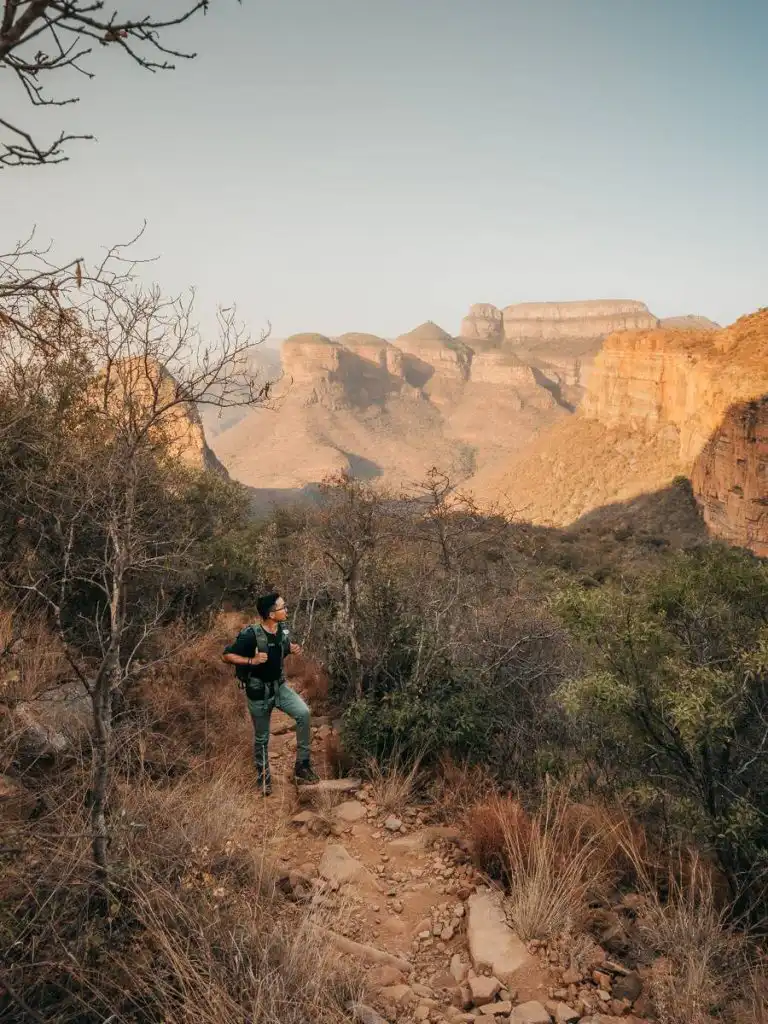
Even after spending that much time there, we are already planning another return because every visit we learn of some new places to uncover.
So if this is your first time in Johannesburg, we would suggest spending around four days and following our detailed Johannesburg itinerary to make the most of it.
How to get from OR Tambo Airport to Johannesburg
O. R. Tambo International Airport is located about 30 km, or roughly a 45 minute drive, from Rosebank, Sandton, and Melrose.
To reach your accommodation, you can request a ride through Uber or Bolt, take the Gautrain, or arrange private transportation. Safety should be your top priority upon arrival, so we personally recommend using Uber or pre booking a private transfer.
On both of our visits to Johannesburg, we used Uber and Bolt and overall had smooth experiences. Pickups typically happen from the designated ride hailing area in the airport parking level 2F, and you will be driven directly to your accommodation. There was one instance where a Bolt driver made us feel slightly uncomfortable, but aside from that, our transfers were straightforward.
If you prefer an even more seamless and professional option after a long international flight, consider reserving a private transfer through Welcome Pickups. We have used their service multiple times and have consistently had excellent experiences. The driver monitors your flight for delays, meets you inside arrivals, speaks English, and ensures a direct and secure transfer to your hotel.
How to get around in Johannesburg
To get around Johannesburg, we highly recommend using ride-hailing services like Uber or Bolt. We used them countless times during our stays and, overall, had smooth experiences. Between the two, Uber is generally considered the safer option, while Bolt often offers quicker pickups and slightly more affordable fares.
We would not recommend renting a car solely to explore Johannesburg itself. On our first trip, we rented a car to drive the Panorama Route and passed through parts of the city when leaving from the airport. Driving in Johannesburg can feel pretty chaotic, and if you are unfamiliar with the city’s layout, relying only on GPS can unintentionally lead you into unsafe neighbourhoods or townships.
Favourite Restaurants in Johannesburg
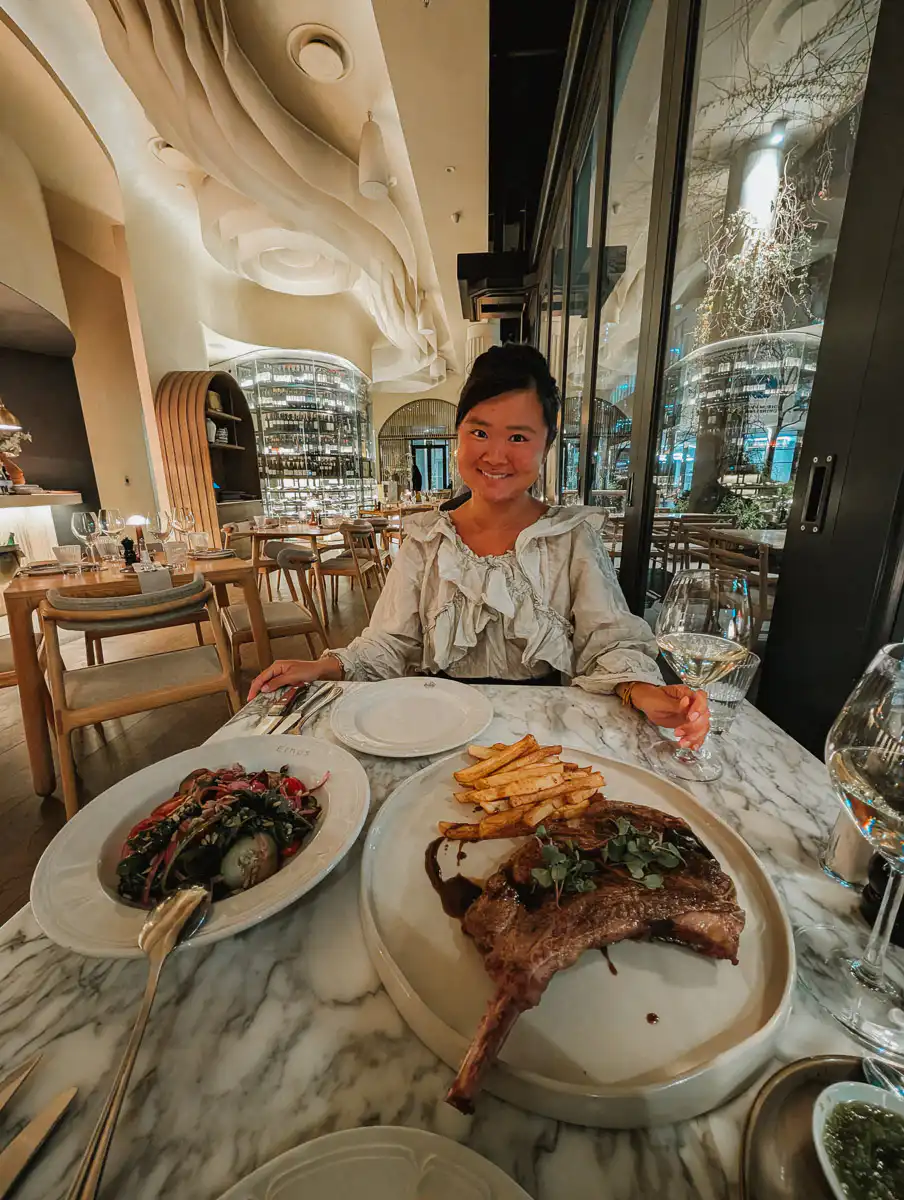
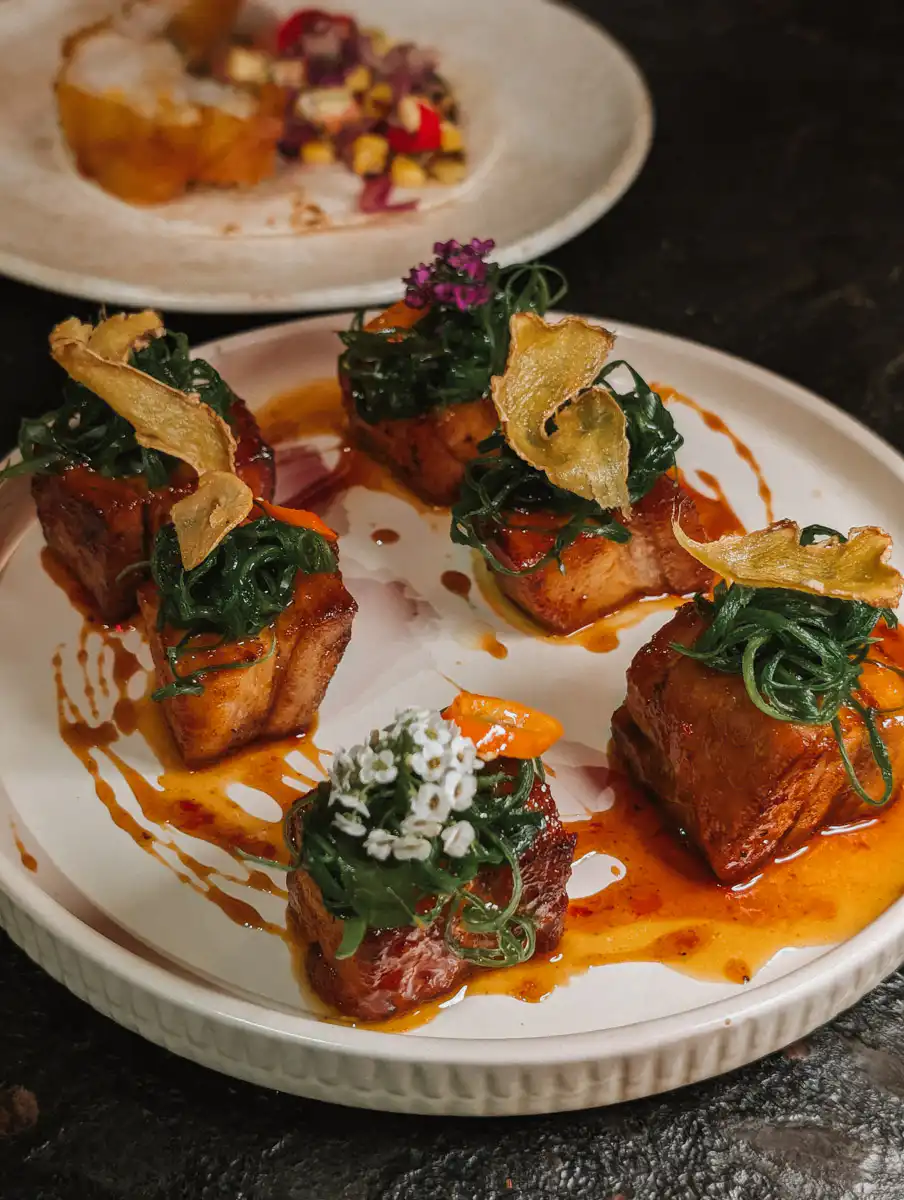
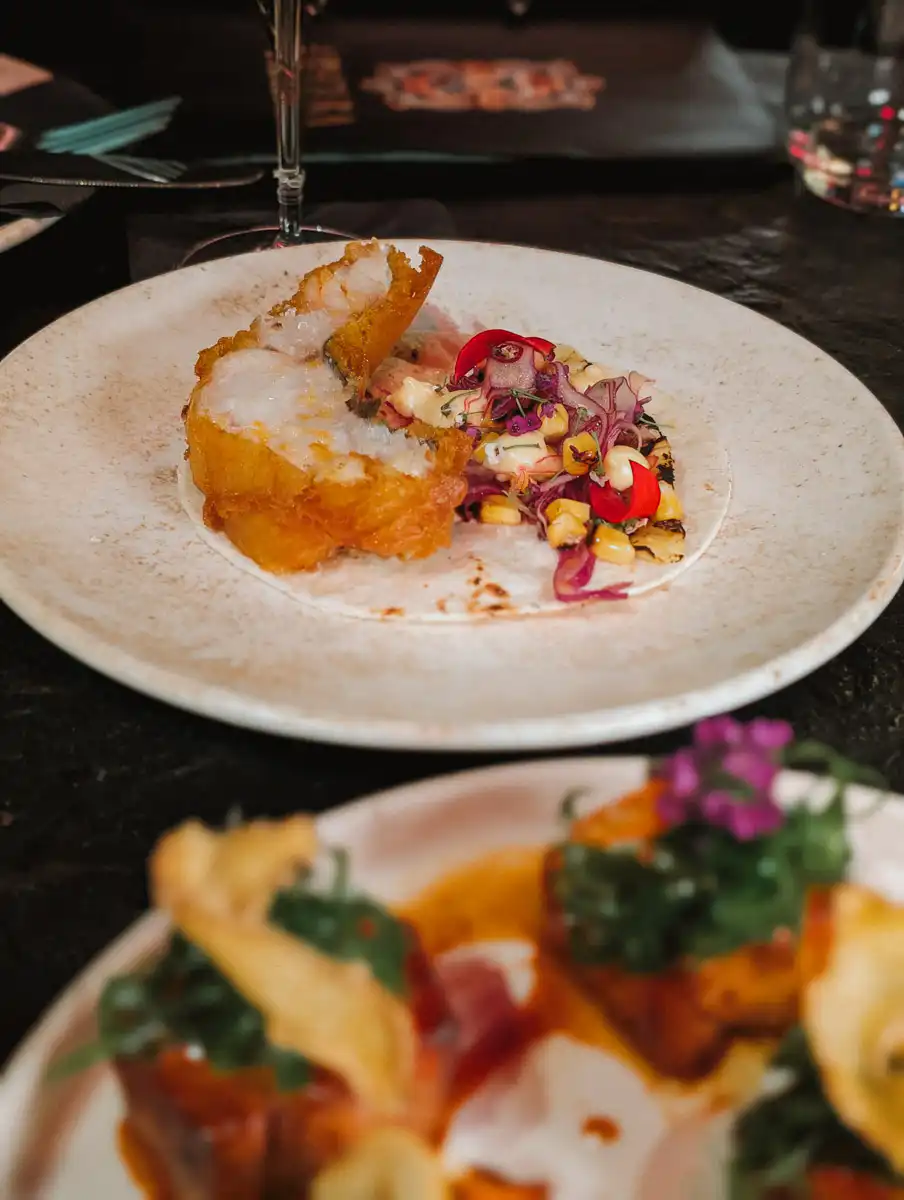
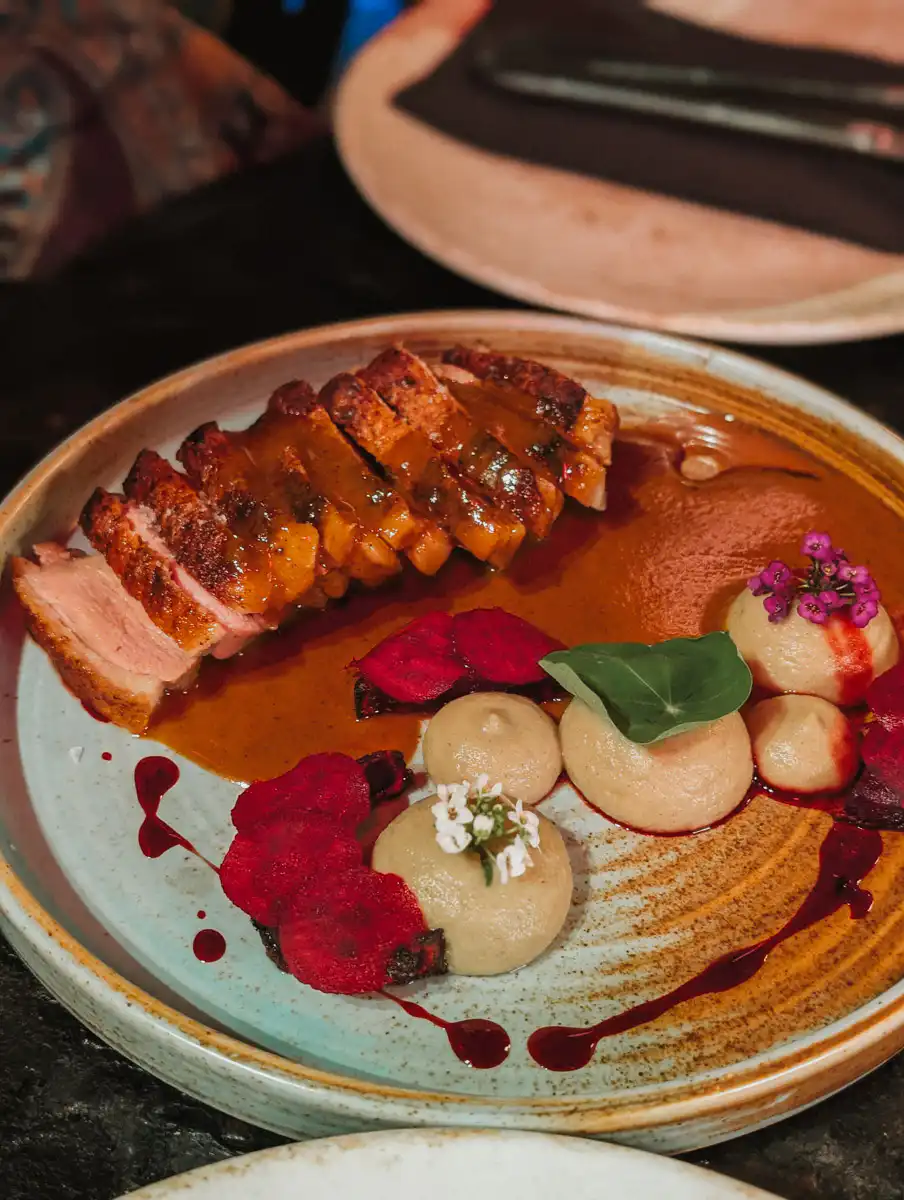
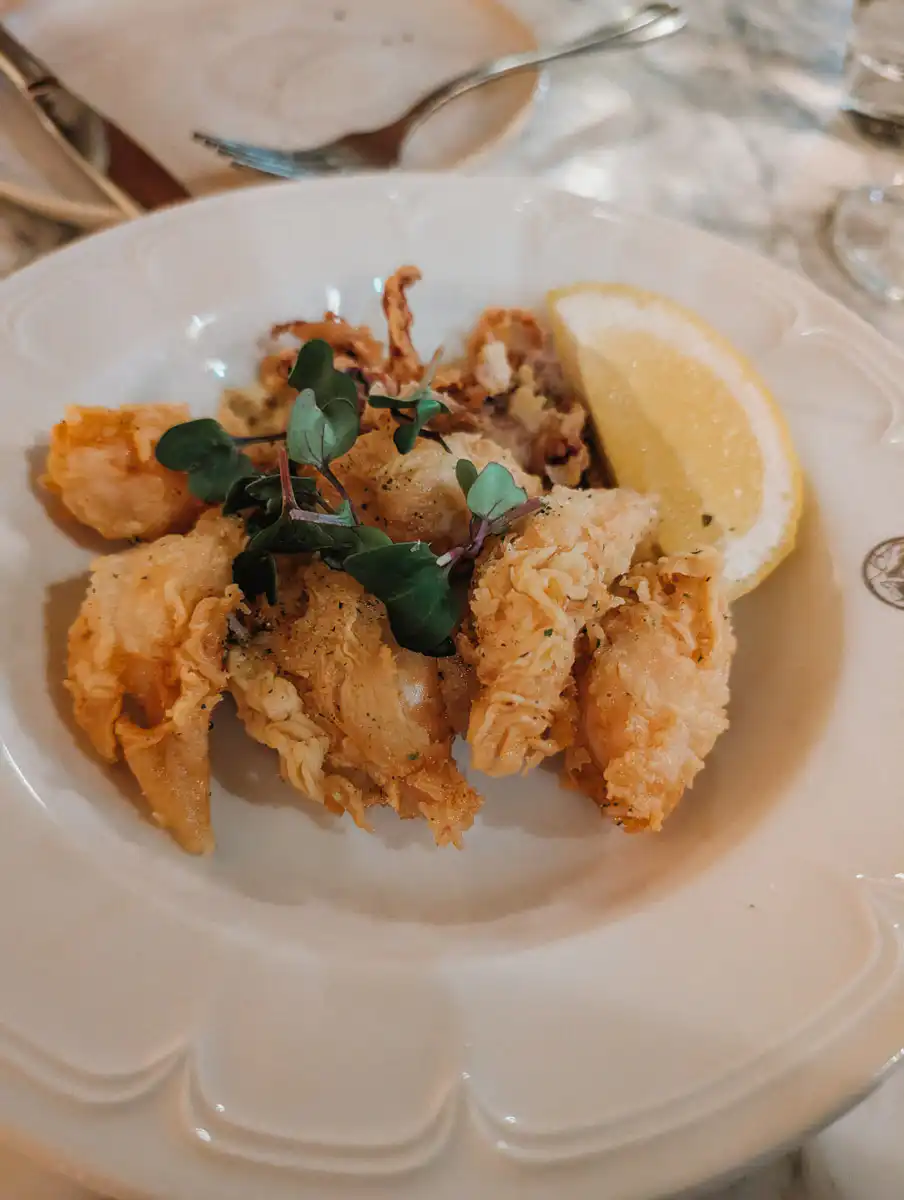
We were completely blown away by the world-class cuisine in Johannesburg. While Cape Town is often praised as the country’s top destination for food and wine lovers, we actually found ourselves enjoying the dining scene in Johannesburg even more!
 Potluck Club
 Potluck Club
 Obscura
 Obscura
 Obscura
 Obscura
 Ethos
Ethos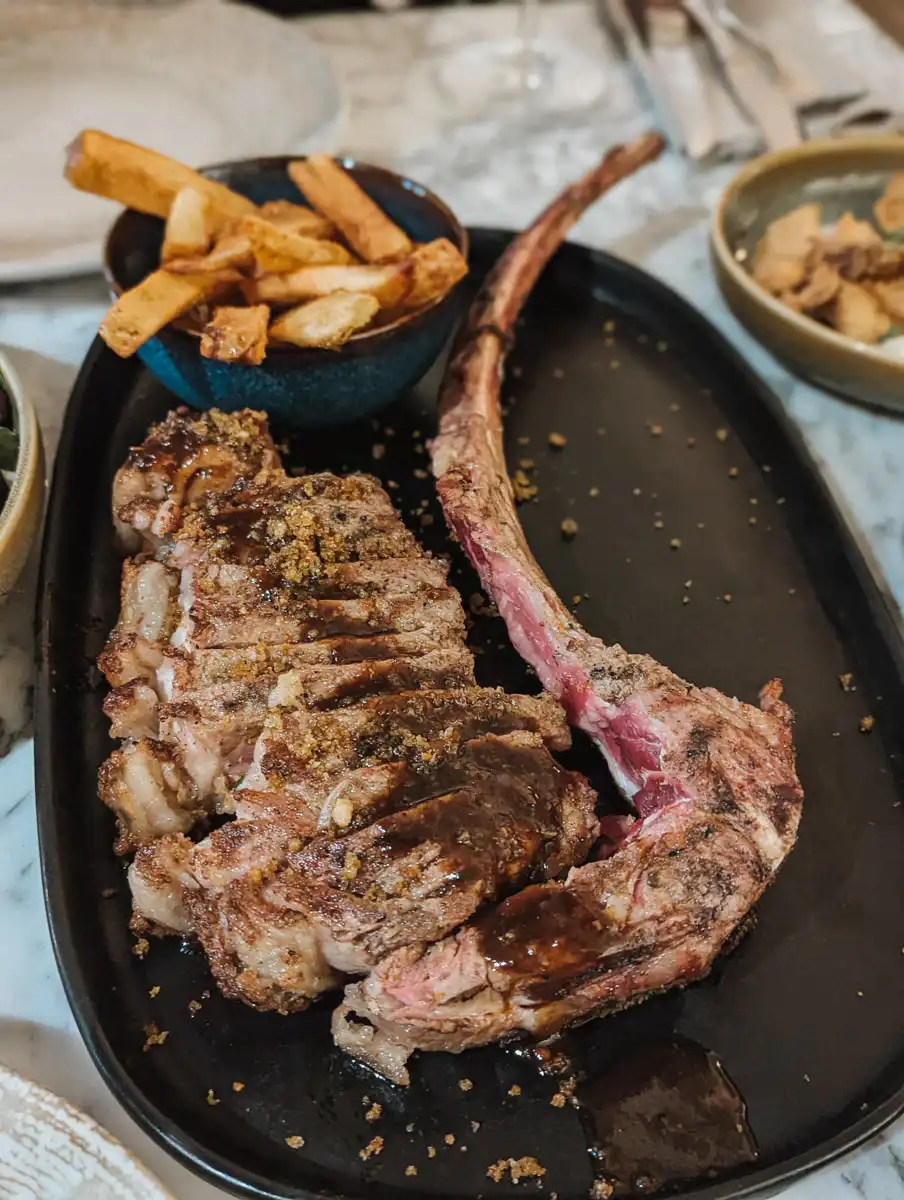 Ethos
Ethos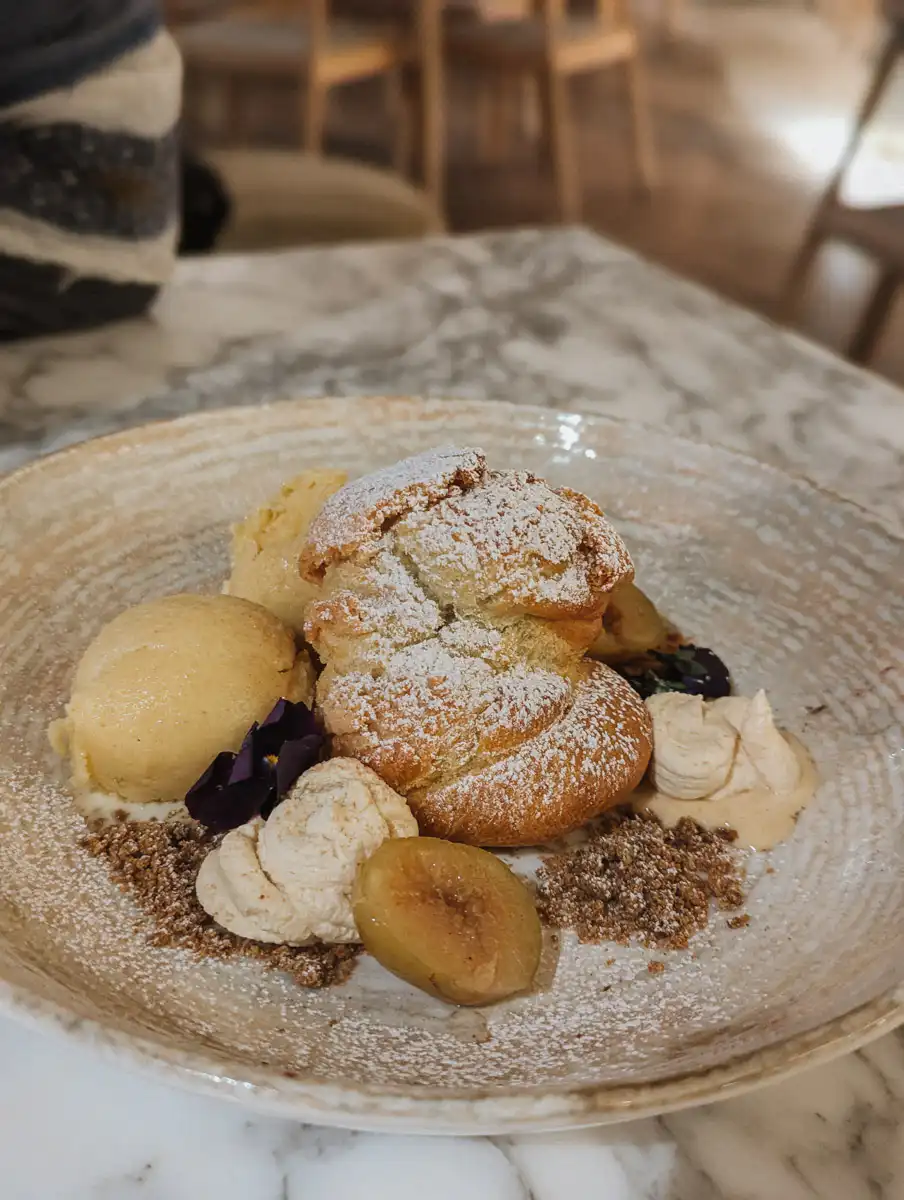 Ethos
Ethos
After two visits, these are the restaurants that truly stood out as our favourites.
- The Potluck Club – Amazing tasting menu with South African and Asian fusion cuisine, located near Melrose Arch
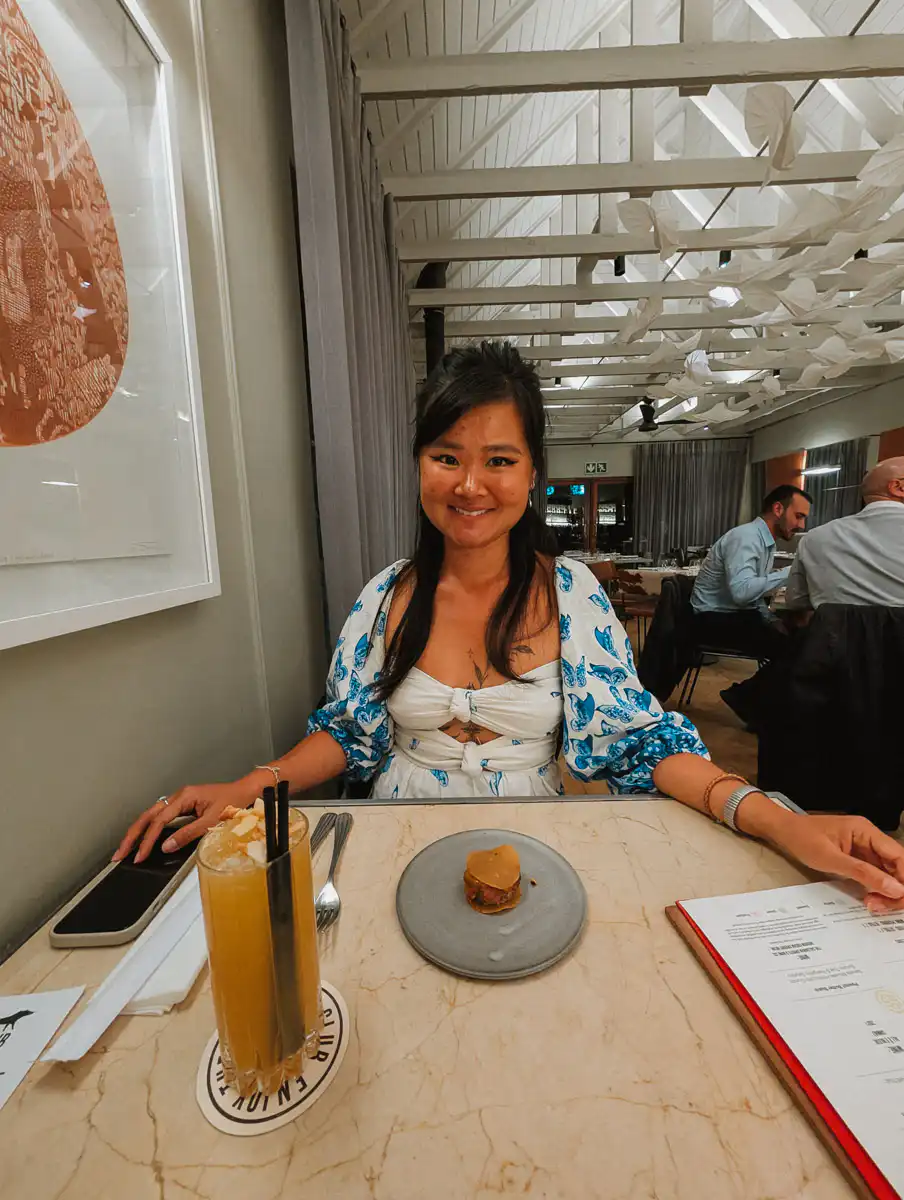
- Ethos – Our favourite restaurant! They have incredible steak, calamari, pastas, wine, all in a beautiful setting
- Obscura Cocktail and Eatery – In Rosebank, excellent cocktails and tapas style food
- Father Coffee Rosebank – In Rosebank, our favourite spot for a morning coffee and healthy avocado toast
- Can do Taste of Africa Food Tour if you want to discover even more hidden cuisines in Johannesburg
Other Places to Include in your South Africa Trip
South Africa is filled with bucket list–worthy experiences, from world-class safaris and epic road trips to breathtaking hiking trails, renowned wine regions, and upscale boutique stays.
In total, we’ve spent over a month exploring South Africa and already can’t wait to return. These are some of the unforgettable experiences you can include in your South Africa itinerary.
Panorama Route
Experience some of South Africa’s most raw and dramatic landscapes along the Panorama Route. Hike through Blyde River Canyon, admire the iconic Three Rondavels, visit a cheetah sanctuary, and then continue onward to Kruger National Park to begin your safari adventure.

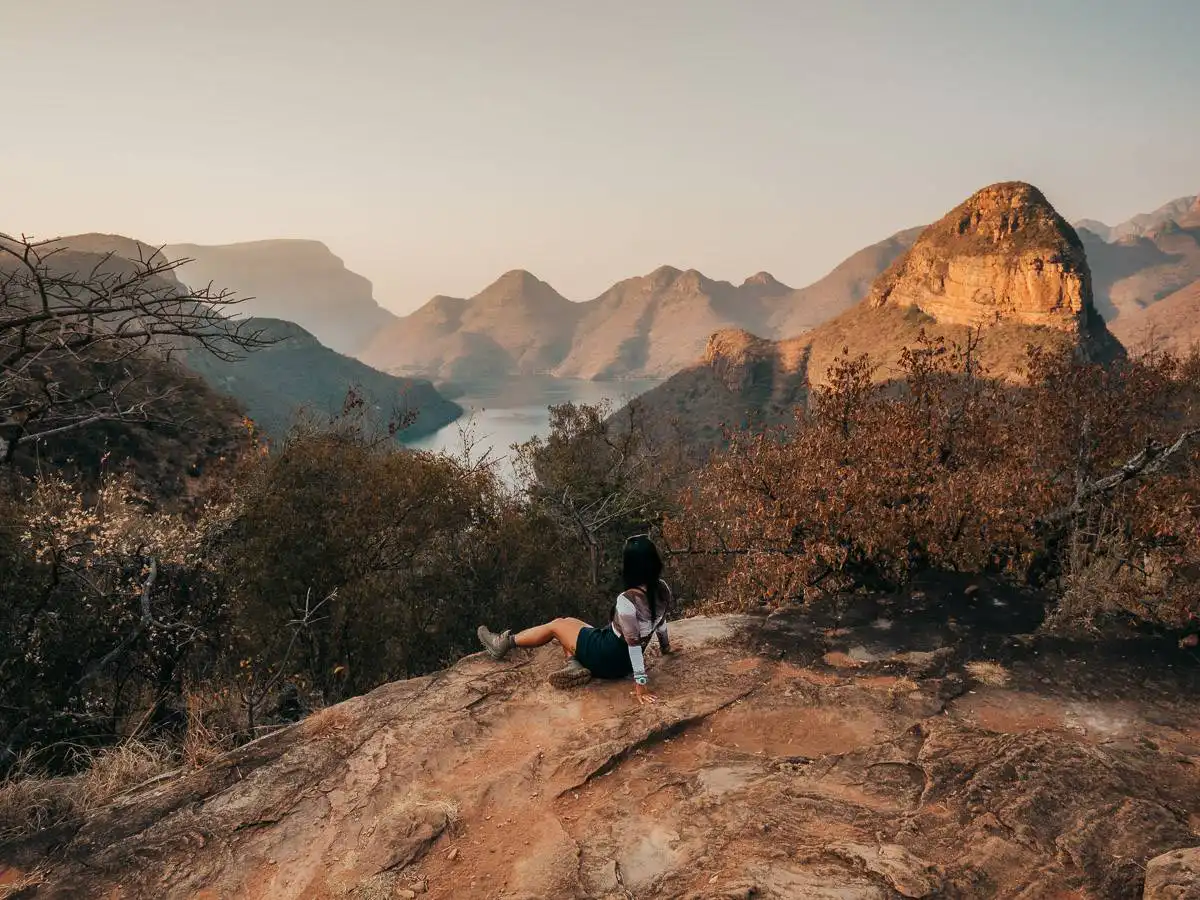
Kruger National Park
Kruger hardly needs an introduction. Widely regarded as one of the best safari destinations in the world, we can confidently say it’s also one of the most accessible — yet no less extraordinary — safaris, especially for first-time visitors to Africa.
Garden Route Road Trip
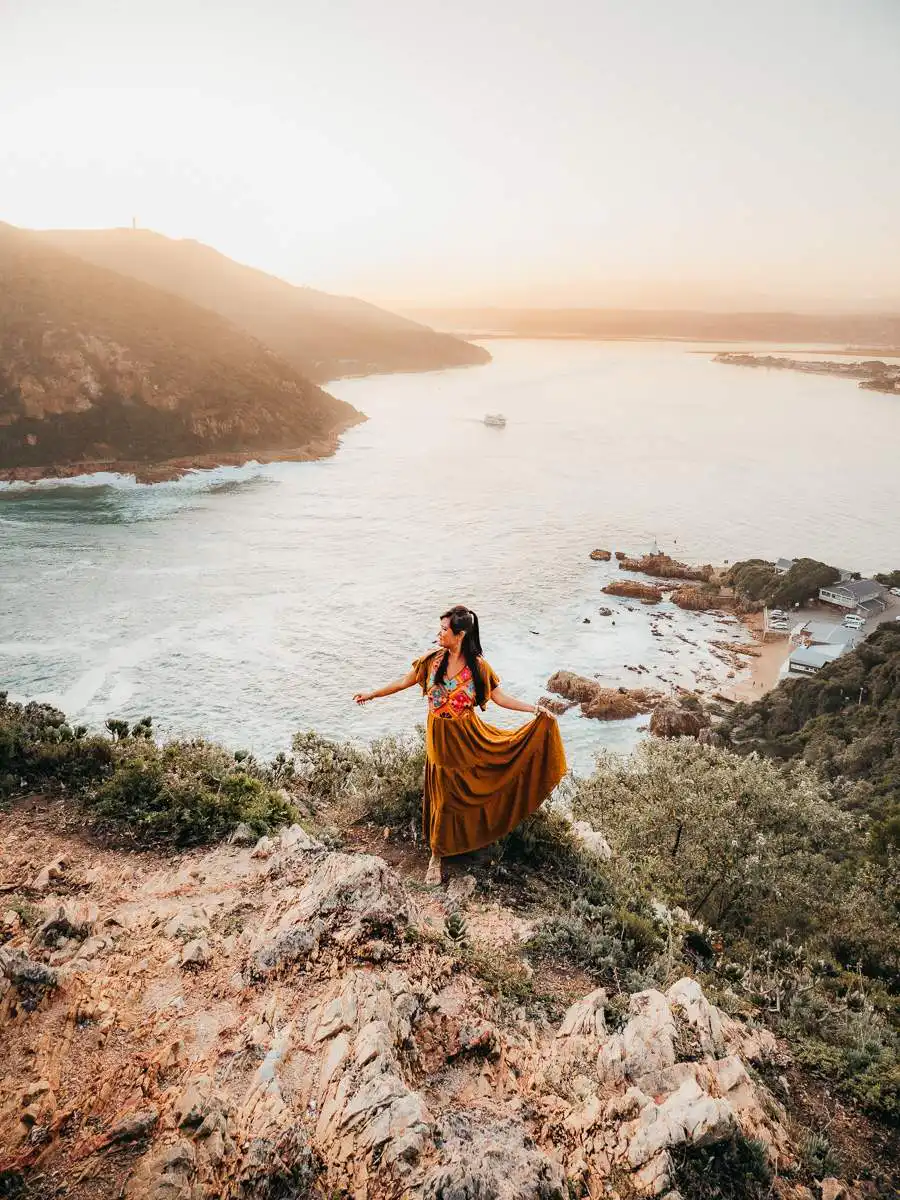
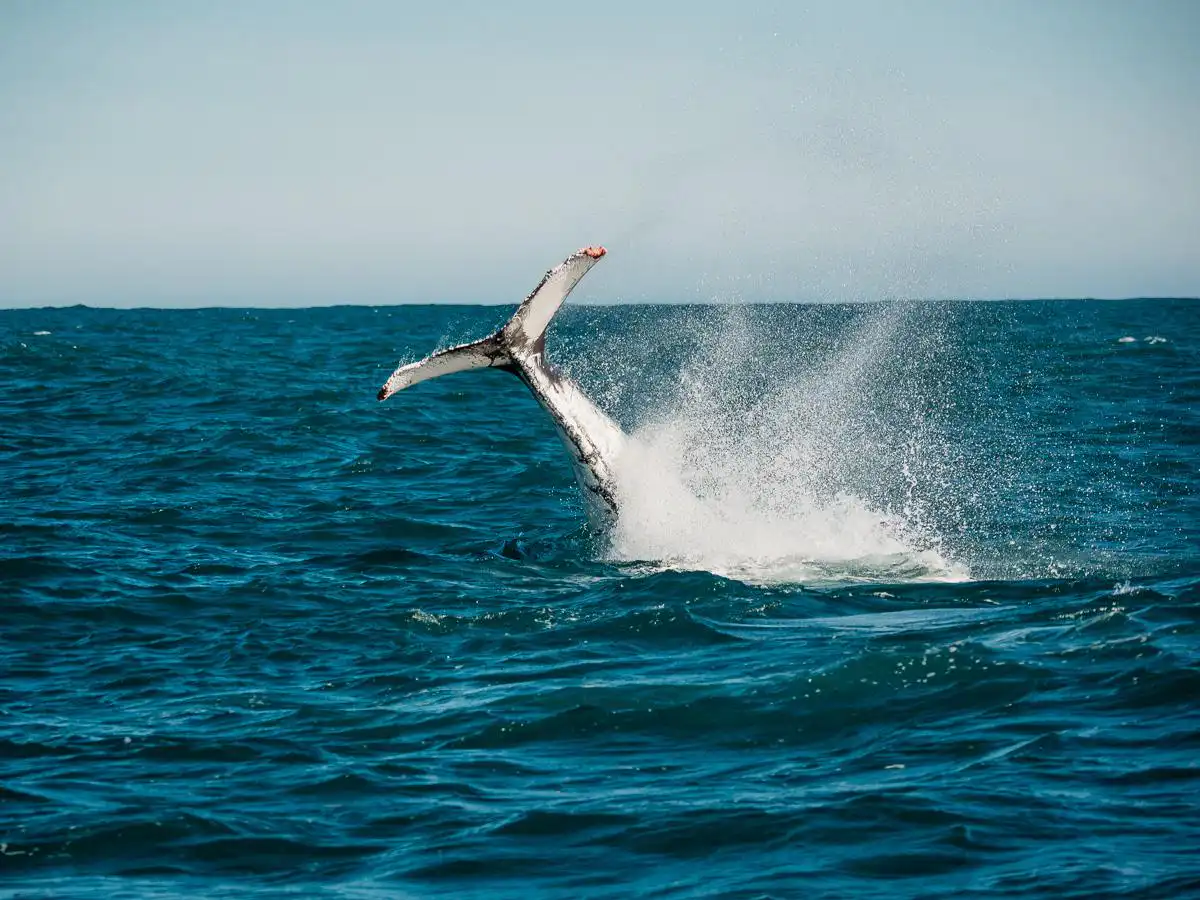
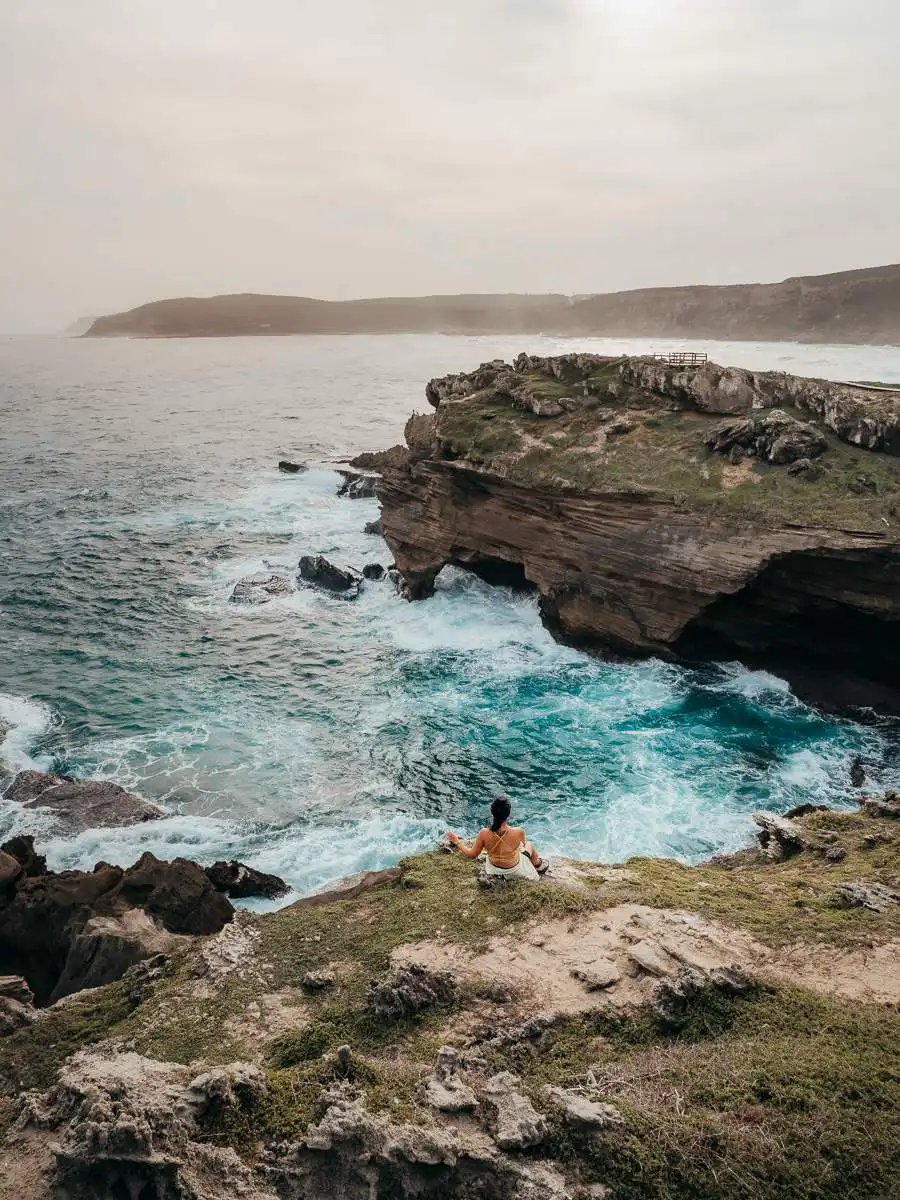
Stretching along South Africa’s southern coast between Port Elizabeth and Cape Town, the Garden Route is widely considered one of the most beautiful road trips in the world. In just one week, you can kayak through an ancient gorge, go whale watching, hike along dramatic coastal trails where dolphins are often spotted offshore, see penguins up close, and explore renowned vineyards, all in a single unforgettable journey.

Drakensberg Mountains
If you’re looking for some of the most dramatic hiking in South Africa, head to the Drakensberg Mountains. Located about 4.5 hours from Johannesburg, this UNESCO-listed range is home to soaring basalt cliffs, panoramic mountain passes, cascading waterfalls, and some of the most rewarding trails in the country.
Cape Town
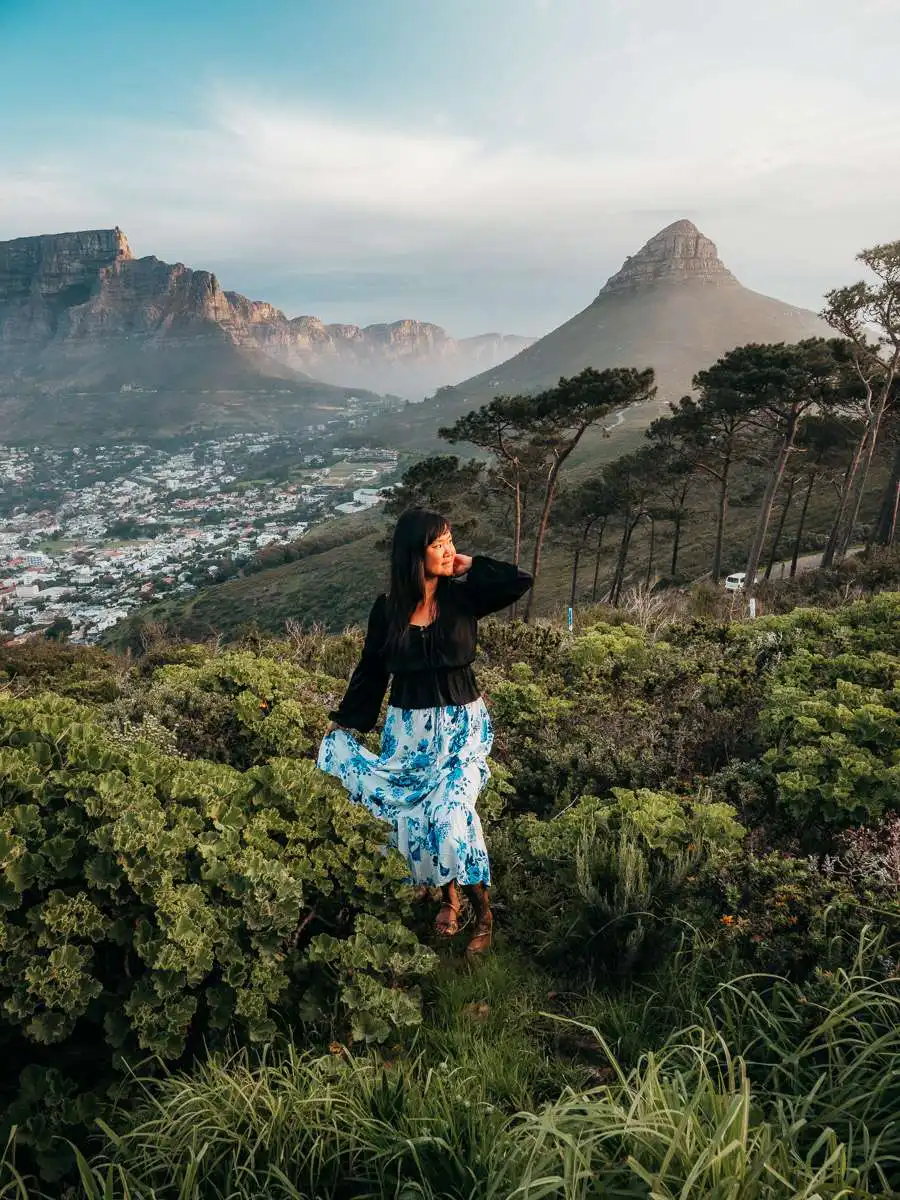
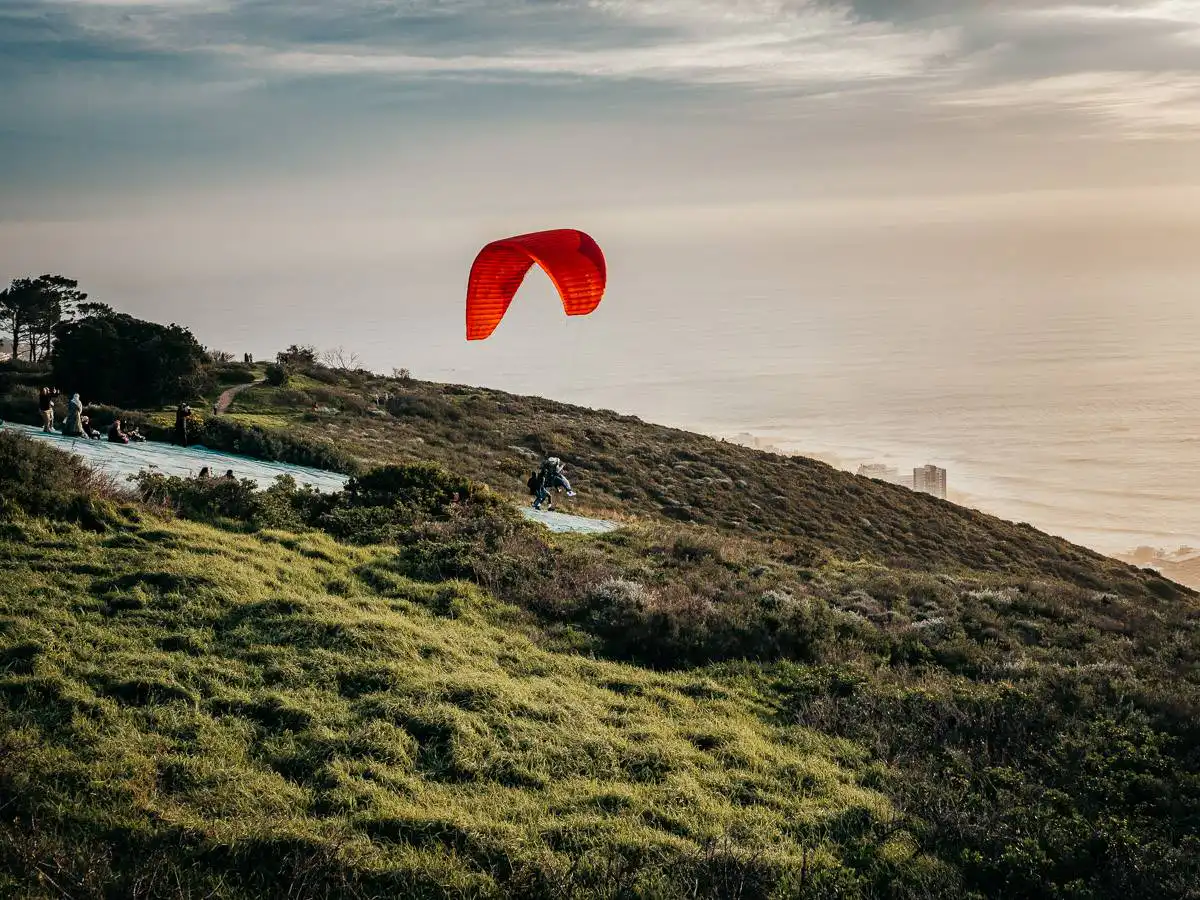
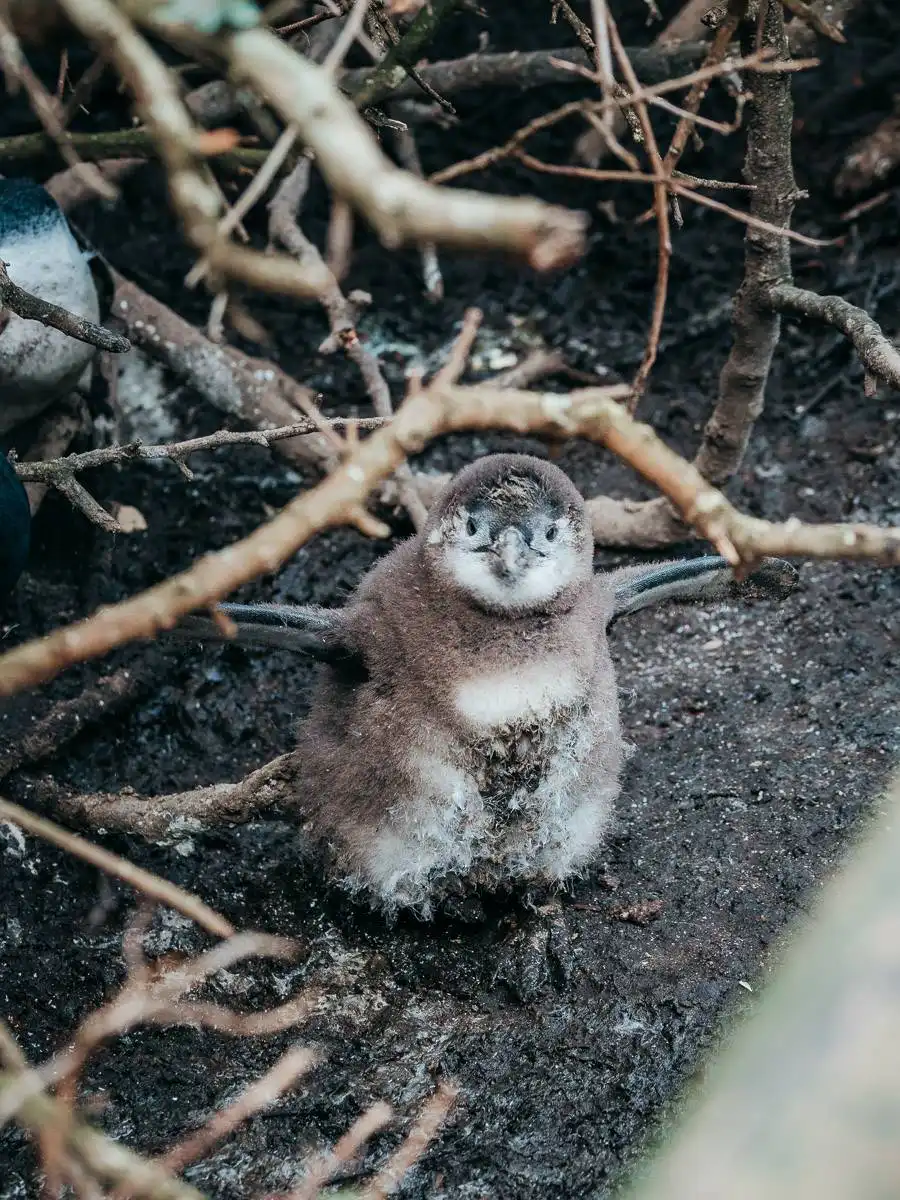
Just a short two-hour flight from Johannesburg, Cape Town is easily one of the most popular destinations in South Africa among travellers. Here, you can hike up Table Mountain, swim at the beach alongside penguins at Boulders Beach, dine at michelin-level restaurants, and even go paragliding — all in a single unforgettable day. Cape town is also the ideal spot to start your Garden Route Road Trip.
Check out our guide on the Best Things to do in Cape Town and How to plan your Cape Town Itinerary.

Using WISE card in South Africa
When taking cash out of an ATM while abroad, you will most likely be charged both a foreign exchange fee and a foreign transaction fee by that country’s ATM. With my Canadian card, this can easily be 3-4$ + 2.75% + a markup on the exchange rate charged by my bank, and then another 3-5$ charged by the foreign ATM.
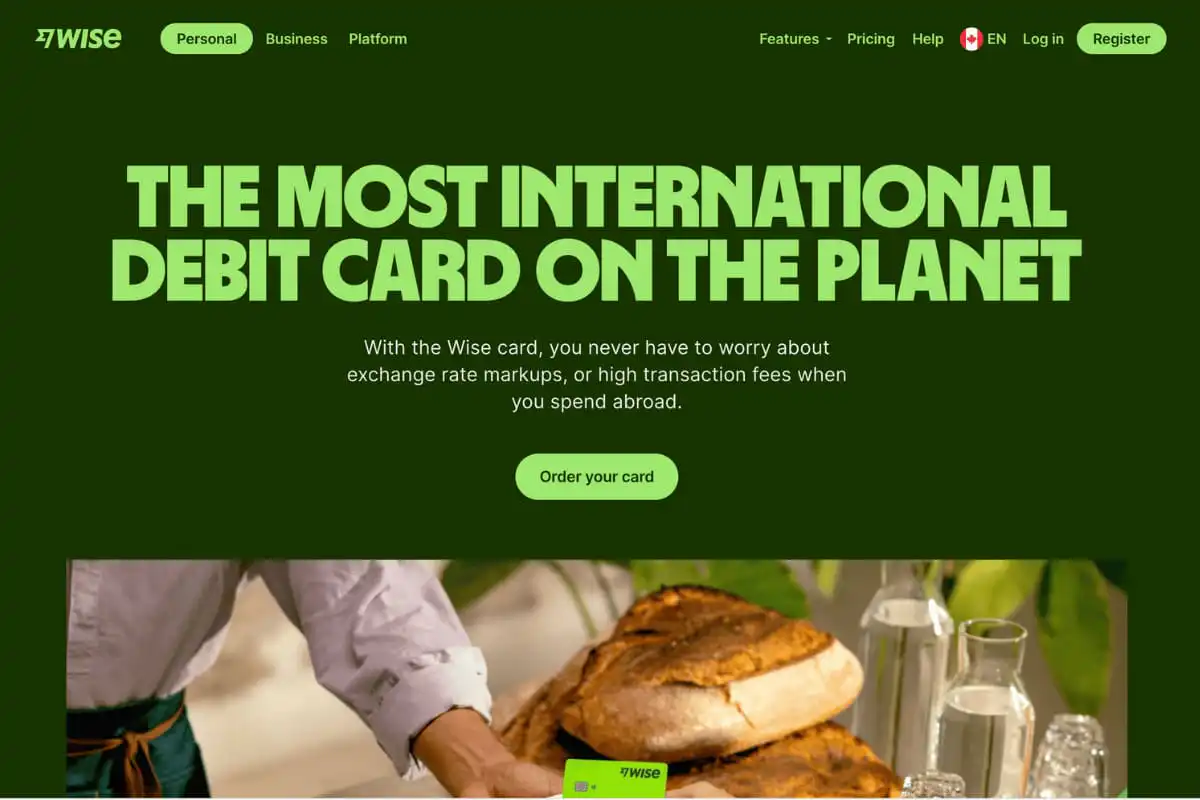
This can be really costly. For this reason, we recommend using WISE card which has only minimal fees and just about no foreign currency exchange markup. This helps me save at least 5-7$ every time I take out money from an ATM. If you want to see our full review of the card showing exactly how WISE can help you save, check out our WISE Travel card Review post.
Recap: How to Visit Johannesburg
Johannesburg doesn’t seem to get the love it deserves, and we believe much of that comes down to its reputation and the fact that many travellers simply don’t know how to experience it properly. It’s not a city that reveals itself instantly, it doesn’t have the flashy tourist hotspots like Cape Town, and it’s certainly not a city you visit without intention. But when you approach it with the right expectations, plan carefully, and stay in the right areas, it has the potential to completely change your perspective.
After returning twice, we’ve come to see Johannesburg as far more than just a gateway to the rest of South Africa. It’s a place of powerful history, incredible resilience, world-class dining, and access to unforgettable safari experiences.
We’re grateful for the time we’ve spent here, and we hope that by sharing our insights on how to visit safely, where to stay, what to eat, and how to structure your itinerary, you’ll be able to experience the same transformative trip that keeps drawing us back.