32 Unique Things to do in Tokyo: Complete Travel Guide (2026)


Tokyo is one of the most vibrant and unique cities we have ever visited. We have heard that even if you stay in Tokyo for over a year, you will still have countless things that you will not have had the chance to experience. After having explored through Kyoto, Nara, Osaka, and the Izu Peninsula, we spent close to a week exploring the best that Tokyo has to offer. This included the eclectic wards of Tokyo, searching for the best gastronomical experiences, immersing in the culture, and venturing off-the-beaten path to discover activities that are truly unique to Japan.
Instead of just ticking off Tokyo’s famous tourist spots, towers, and shrines, this list highlights truly unique and unforgettable experiences you can actually participate in. We believe the best way to experience Japan isn’t by simply looking, it’s by doing! From hands-on adventures to quirky cultural moments, here are our top 32 unique things to do in Tokyo.
Essentials for your Tokyo Trip
If you are short on time and want some quick suggestions for what to do in Tokyo, these are our favourite 8 out of the 32 on the list!
✅ Favourite Activities:
🧙♀️ Harry Potter Studio tour
Teamlab Planets or TeamLab Borderless
🧁 Learn Wagashi Japanese Confection making
Omakase Experience with All-you-can-drink Sake
🥁 Taiko Drumming Experience + Wagyu Yakiniku Dinner
👘 Rent a Kimono and do a photoshoot
🍣 Sushi Making Class in Tokyo
Wagyu Tasting tour Tokyo
🎟️ Regional activity pass for Tokyo
Klook Greater Tokyo Pass
🏠 Where we stayed: Toyoko Inn Tokyo
📲 Recommended E-Sim: Airalo
🚑 Travel insurance we used: Safety Wing
🧭 Essential Navigation app: NaviTime



What Makes Tokyo Special
After spending nearly a week in Tokyo, we finally understand the hype. This city is like no other.
A dazzling mix of futuristic skyscrapers, centuries-old traditions, world-class cuisine, and more hands-on experiences than you could try in a year. Just browsing Viator, you’ll quickly realize how Tokyo is a hotspot for the most interesting and varied interactive tours anywhere in the world.
Sushi Class? Check. Racing Mario Kart? Check. Tea Ceremony? Check. Make your own Japanese Knife? Check. And the list goes on.
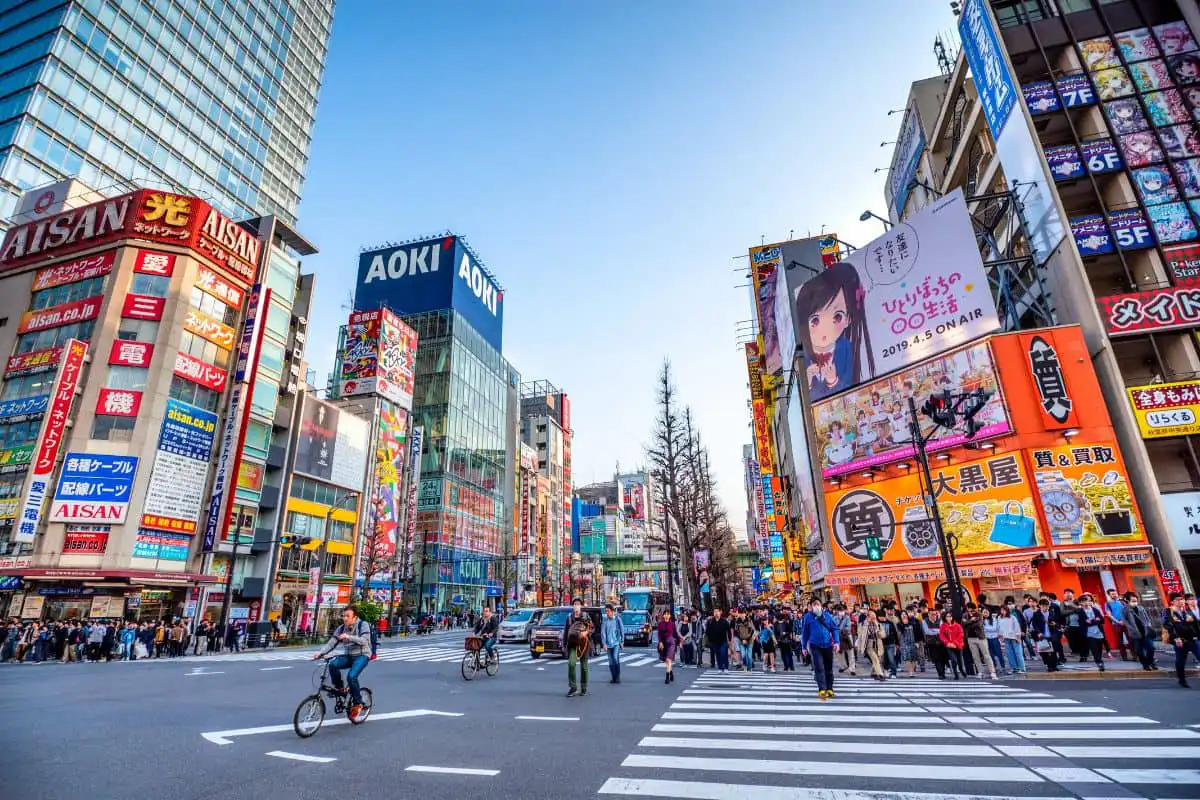
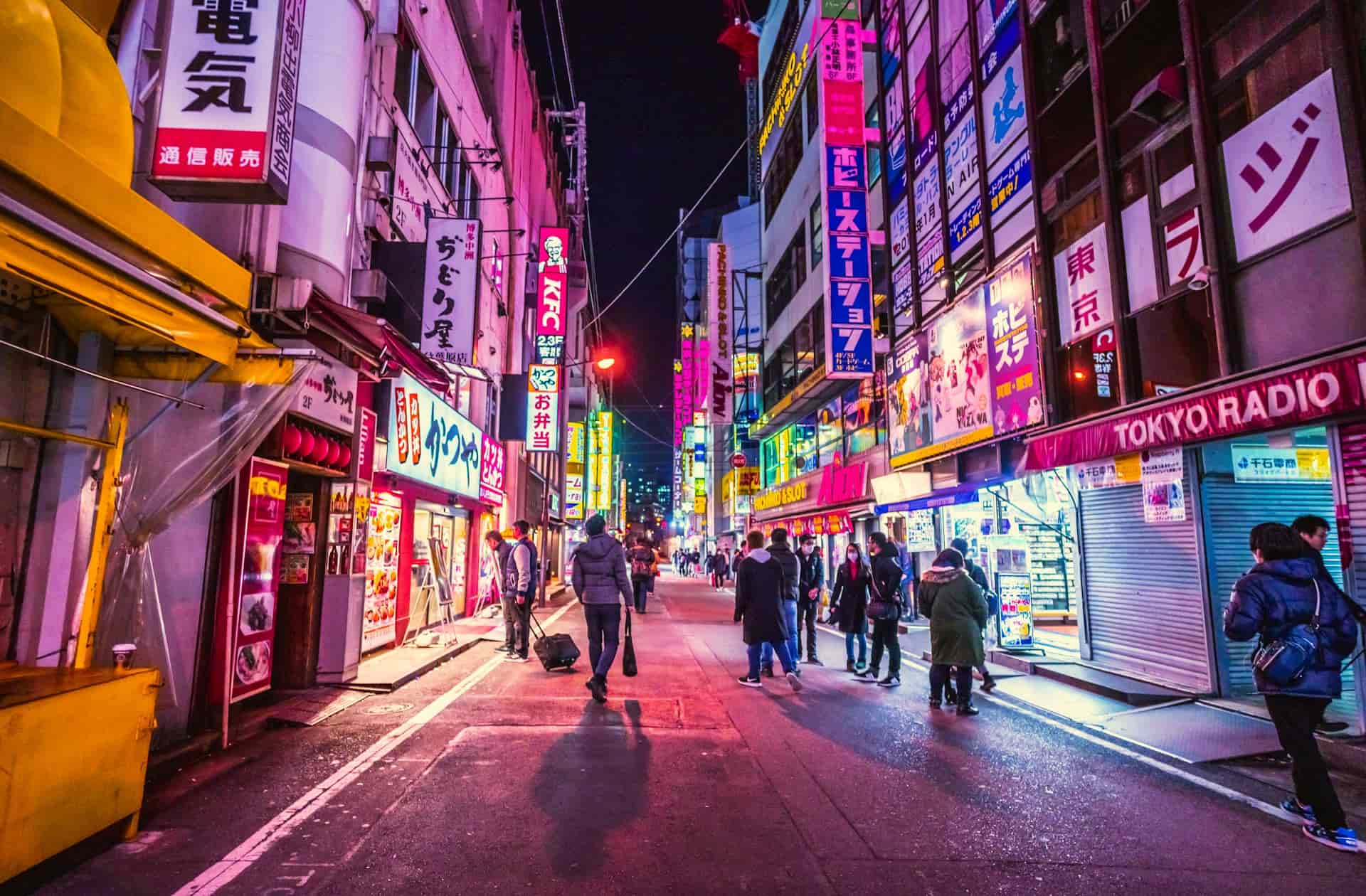
Each district offers its own unique vibe: Akihabara is filled with electric anime culture, Shinjuku buzzes with nightlife and energy, and Roppongi offers a modern and upscale scene.


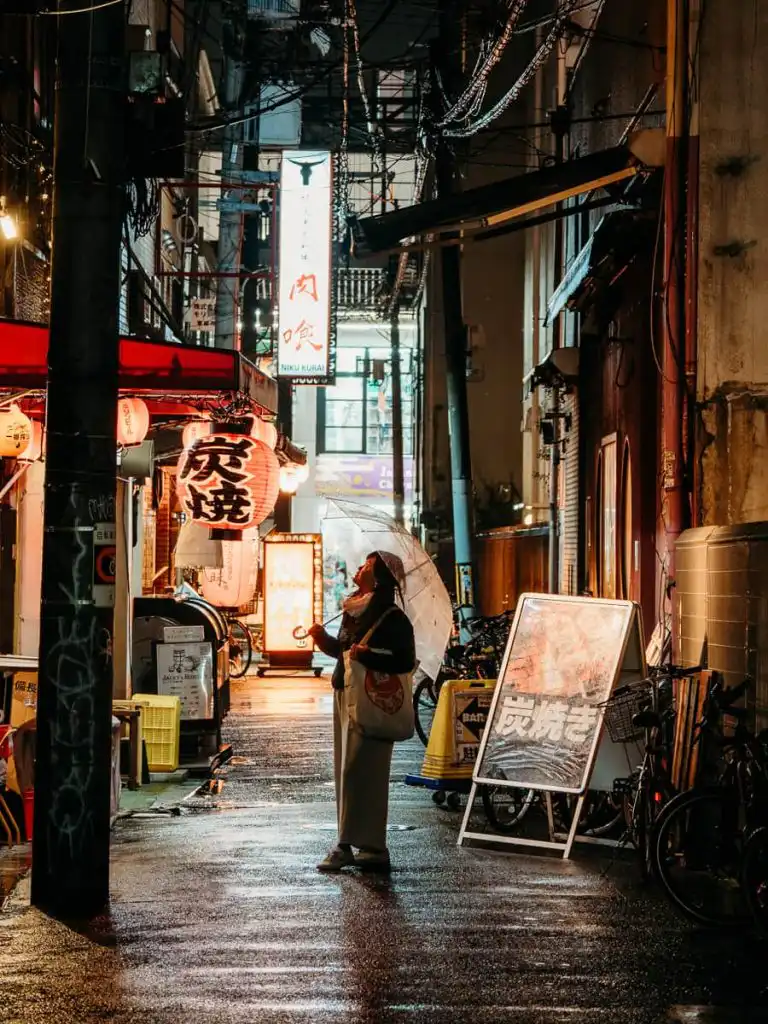
The city’s contrasts are part of its charm: centuries-old shrines sit just steps away from towering skyscrapers, traditional tea houses are tucked amid neon streets, and high-tech innovations such as robot servers and vending machines dispensing everything imaginable make even everyday life feel magical.
For us as adventure travelers, we normally seek out nature and off-the-beaten-path destinations, but there was something truly mesmerizing about Tokyo.
And what’s even more amazing is that despite the population of over 14 million people, the city never feels crowded or chaotic, thanks to the remarkable orderliness and courtesy of its residents.
How many Days do you Need in Tokyo
If it’s your first time in Japan, we recommend spending 3 to 7 days in Tokyo. On our 17-day Japan itinerary, we split our time with 5 days in Kyoto, 3 in Osaka, 4 exploring the Izu Peninsula, and finished with 5 days in Tokyo.
For us, five days felt like the perfect balance with enough time to experience the city’s highlights and still leaving room to explore the other landmarks of Japan. As much as we love the city, staying too long can get overwhelming with the crowds and bright neon city lights, which is why we think around five days is perfect. After that, you can escape to quieter spots and nature, like our favourite four-day road trip along the Izu Peninsula.
32 Unique Things to Do in Tokyo
From unique racing experiences, becoming a samurai, dressing in a kimono, to some of the best dining experiences in Japan, check out our 32 unique and hidden gem experiences in Tokyo. To make it easier for you to browse, we’ve also organized them under the following categories:
- Unique Tokyo Experiences
- Food Experiences
- Cultural Experiences
- Best Views from Tokyo
- Fun/Interactive Tokyo Experiences
Unique Experiences in Tokyo
These are some of the most unique experiences in Tokyo that you’ll find nowhere else in the world. Make sure to include at least a few of them in your Japan Itinerary!
1) Mario Kart Racing in Shibuya
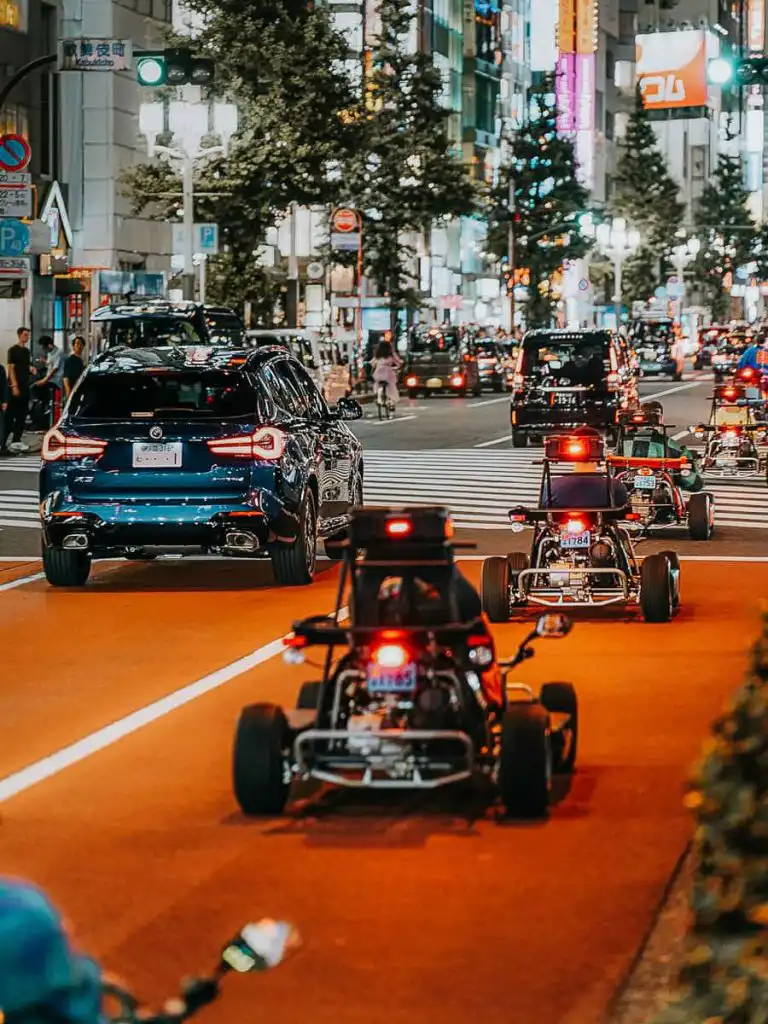
Growing up, Mario Kart was the ultimate video game of our generation. While you won’t be tossing green or red shells at rivals, you can still dress up as your favourite Super Mario character and zip through the bustling streets of Tokyo in a real-life go-kart. Though we wouldn’t call it the safest activity—navigating through Tokyo’s traffic in a tiny kart—it’s undeniably one of the most unique experiences the city has to offer.
Just make sure not to drop any banana peels to throw off the other drivers behind you!

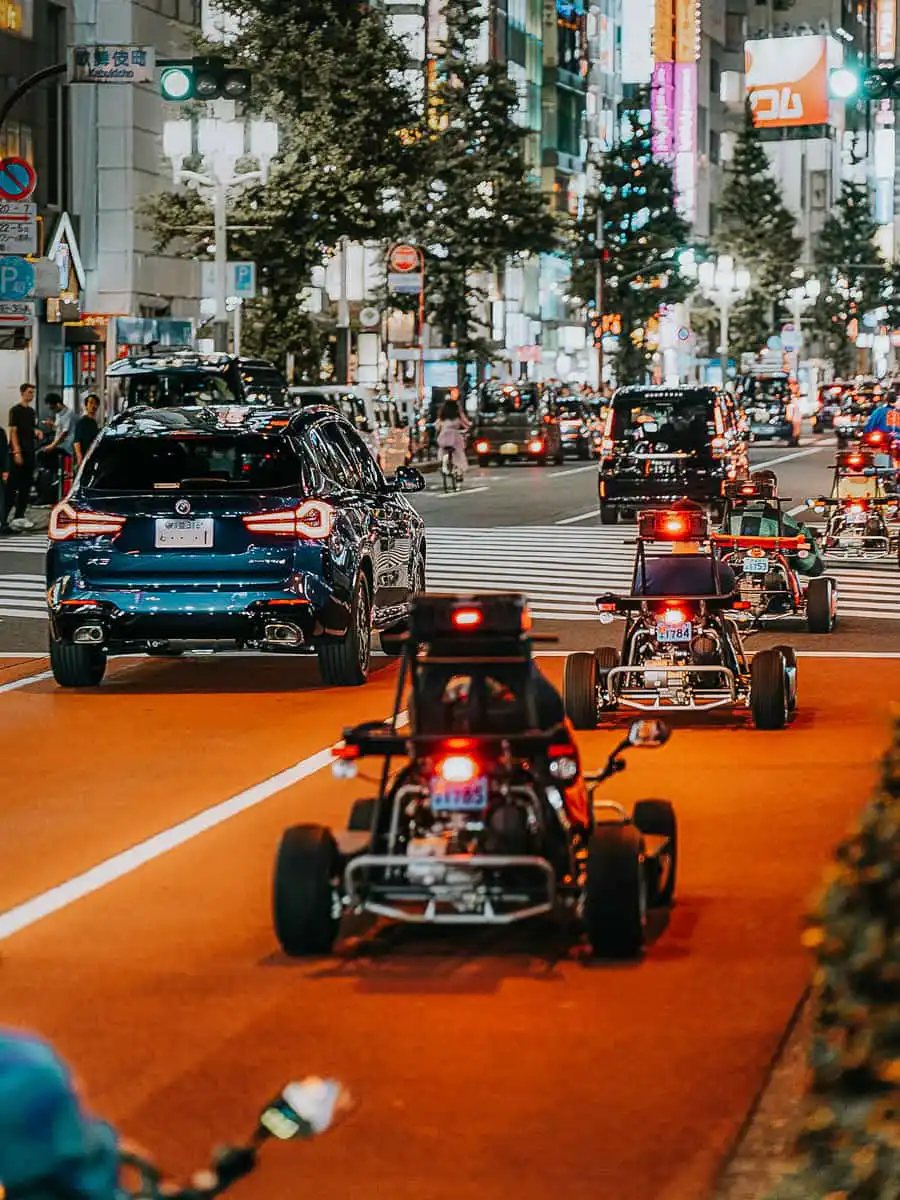
What’s more is that on this Mario Kart racing tour, you will also get to race through the famous Shibuya Crossing! You should account for about 1 hour for this activity and make sure to bring your cellphone and action camera to record your experience.
Also, make sure to book this activity early as they tend to sell out at least 2 weeks in advanced!
🏎️ Mario Kart Racing Shibuya
Location: Shibuya, Tokyo
Time: Every hour from 10am-6pm
Highlights: Venture through famous Shibuya Crossing, Dress up as your favourite Super Mario character, Race through the Tokyo streets on Go-kart!
Duration: 1 Hour
2) Experience TeamLab Planets or TeamLab Borderless
You’ve undoubtedly seen the almost ethereal-looking photos on Instagram of people sitting in what appears to be a floating garden of flowers, or walking through a dark room filled with mesmerizing multi-colored light projections.
These surreal experiences can be found at TeamLab Planets and TeamLab Borderless, two immersive digital art museums in Tokyo. Both locations offer a sensory journey where you become part of the artwork itself, surrounded by ever-changing, interactive displays.
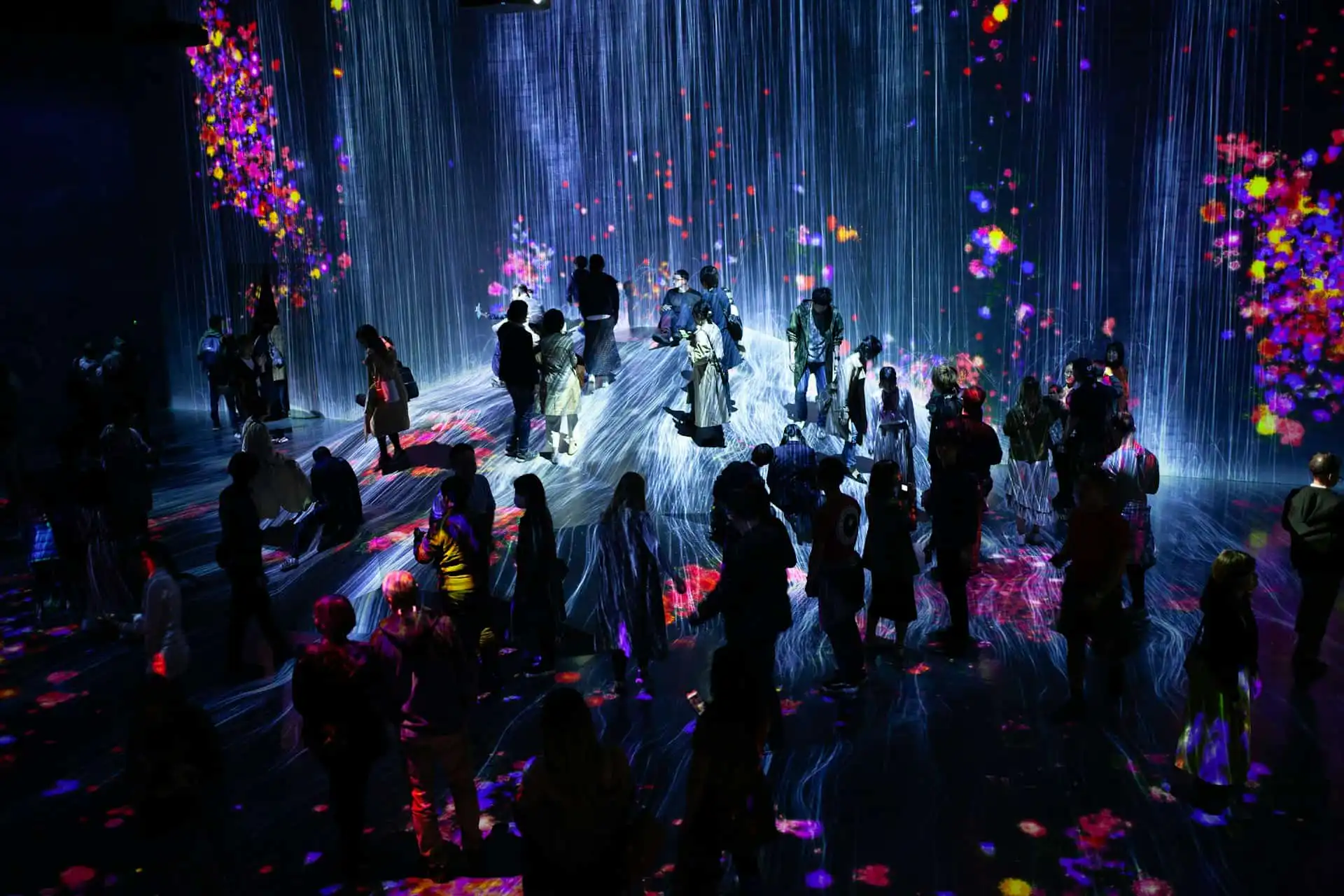
It’s the perfect activity for a rainy day or if you’re looking to capture unique and stunning photos in a one-of-a-kind setting!
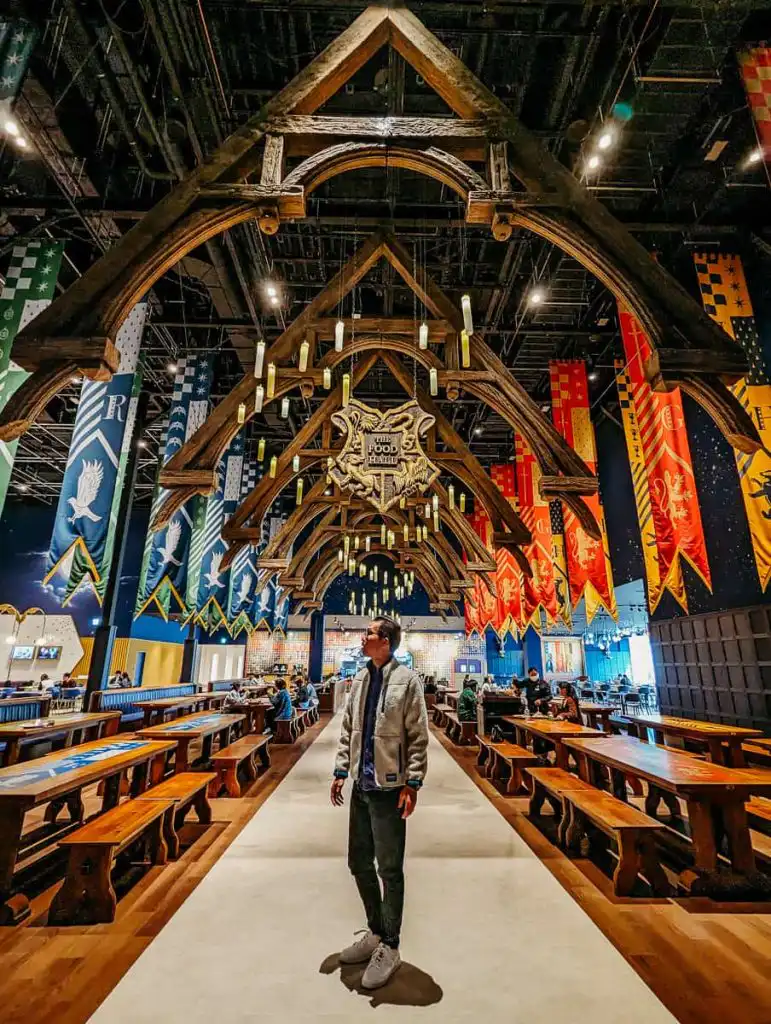
3) Explore the Harry Potter Studio
If you are a fan of the Harry Potter series, then visiting the Tokyo Harry Potter Studio is a must! Even for those who haven’t read the books, it is truly fascinating to be able to walk through the true Hogwarts and Diagon Alley movie sets and marvel at the painstaking details they went through to create this fascinating world.

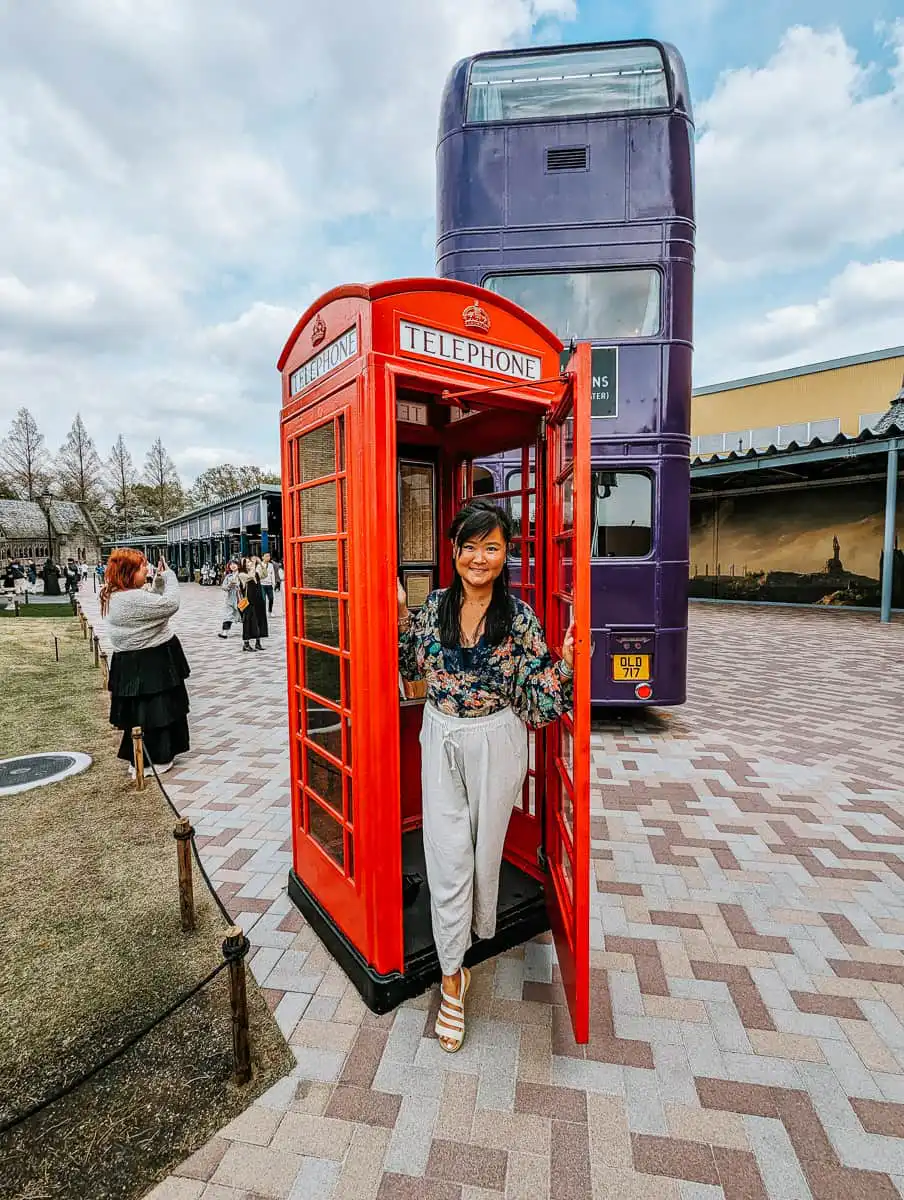
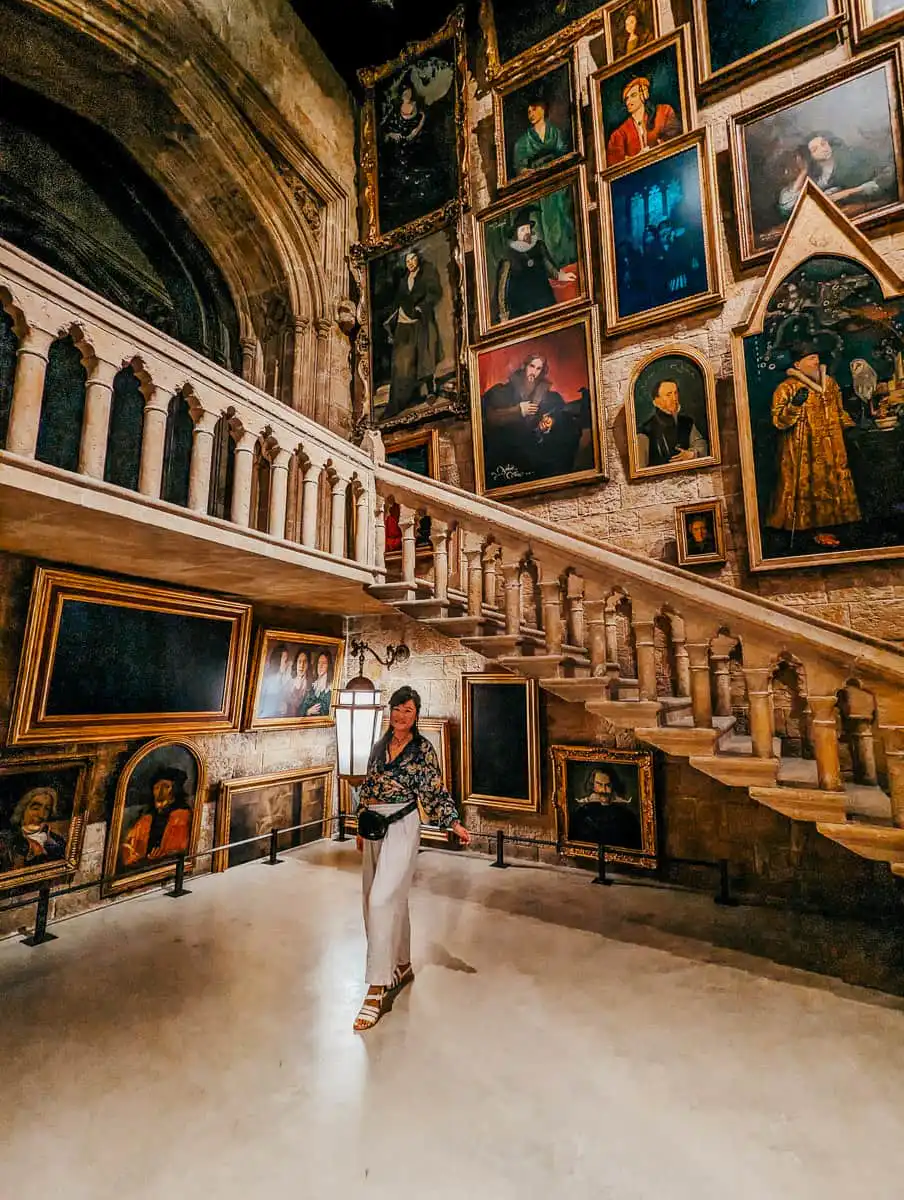
You get to see the costumes, how they created all the magical creatures, and even walk through and interact with the potions lab. I had read all the books but Nan did not but we both thoroughly enjoyed the experience!
Keep in mind that the studio is massive, and it took us around 4-5 hours to see the whole thing. Also, make sure to pick up a Butterbeer at the midway point and they give you a free Beer chalice with different Hogwarts house emblems!
4) Learn Wagashi Confection
Dive into the enchanting world of traditional Japanese wagashi sweets with renowned confectioner Makumi Suzuki. In this hands-on experience, you’ll craft stunning Nerikiri creations inspired by seasonal flowers and elegant Heian-era kimono colors.
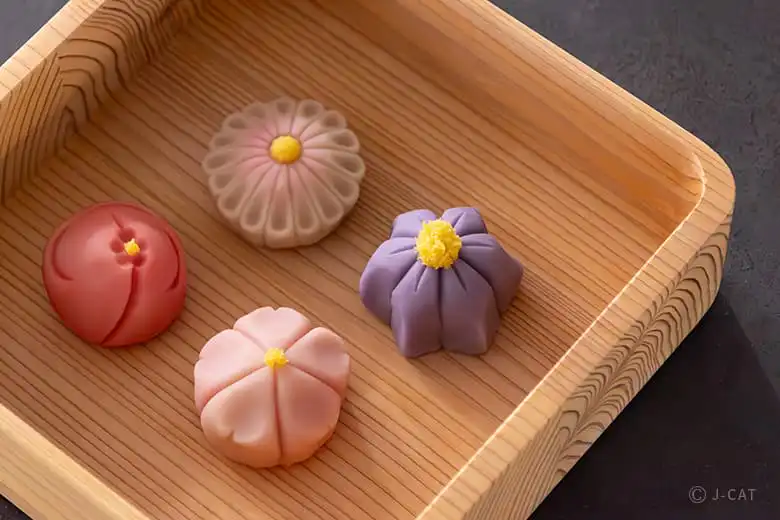 Photo Courtesy of Wabunka
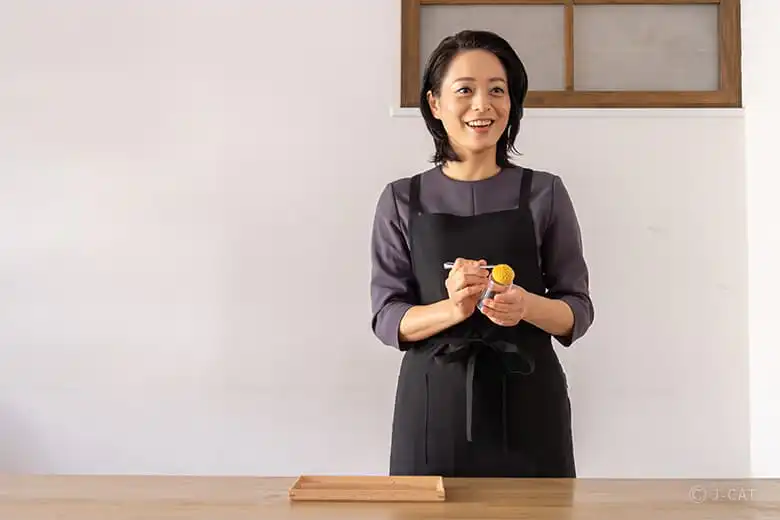 Photo Courtesy of Wabunka
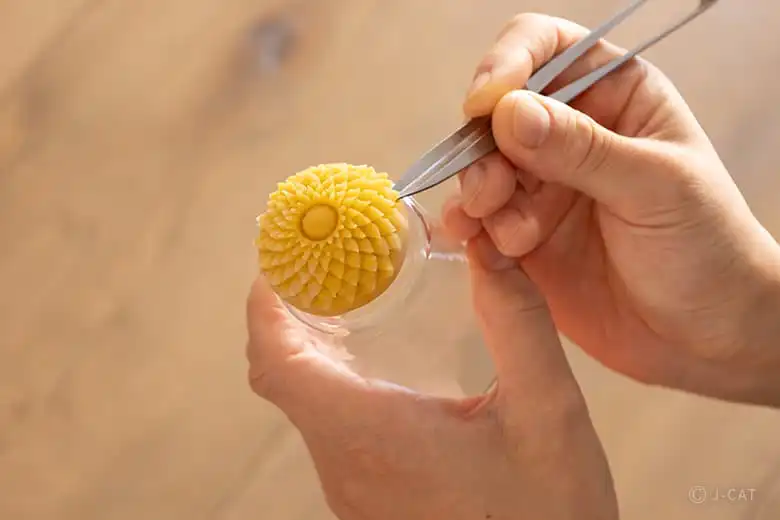 Photo Courtesy of Wabunka
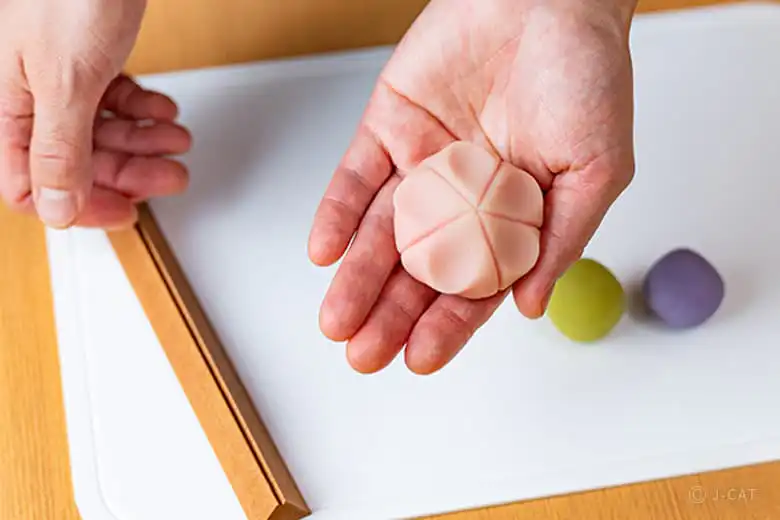 Photo Courtesy of Wabunka
Learn the rich history behind wagashi, then indulge in freshly made sweets and tea while marvelling at a mesmerizing demonstration of the intricate hasami-giku (“scissor chrysanthemum”) technique.
Conveniently located near Shibuya and Harajuku, this unforgettable experience blends artistry, culture, and flavor into one perfect outing!
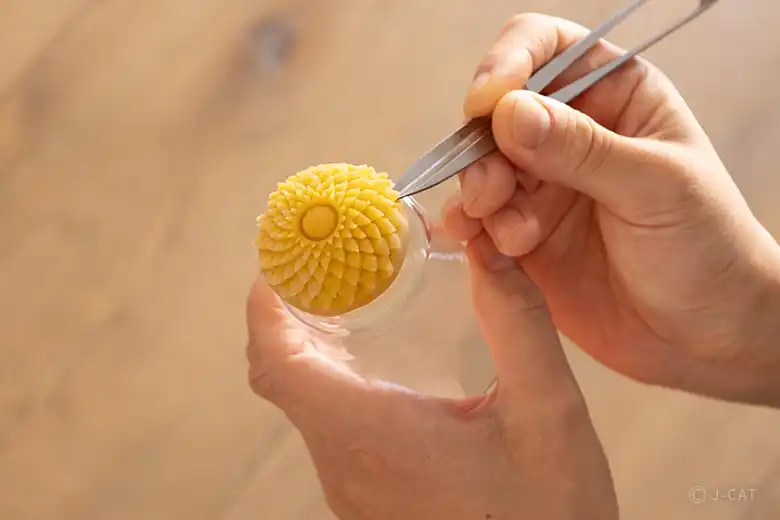
🧁 Learn Wagashi Confection
Location: Shibuya, Tokyo
Time: 10:00pm and 6:00pm
Highlights: Join renowned confectioner Makumi Suzuki for a hands-on Nerikiri wagashi workshop near Shibuya and Harajuku. Learn the history of wagashi, craft two seasonal designs, and enjoy fresh-made sweets with tea. Watch a live demo of the intricate hasami-giku (scissor chrysanthemum) technique—an unforgettable experience between sightseeing stops.
Duration: 1.5 Hours
5) Do a Tokyo E-bike Tour
One of the biggest complaints I heard from people traveling to Japan was how tired their feet were after the 20,000+ steps they did each day!
If you think that might be you, then make sure to check out this Tokyo E-bike tour. By riding on these E-assisted bikes, you will be able to cover a lot more ground than on foot, all the while enjoying the ride exploring off-the-beaten path.
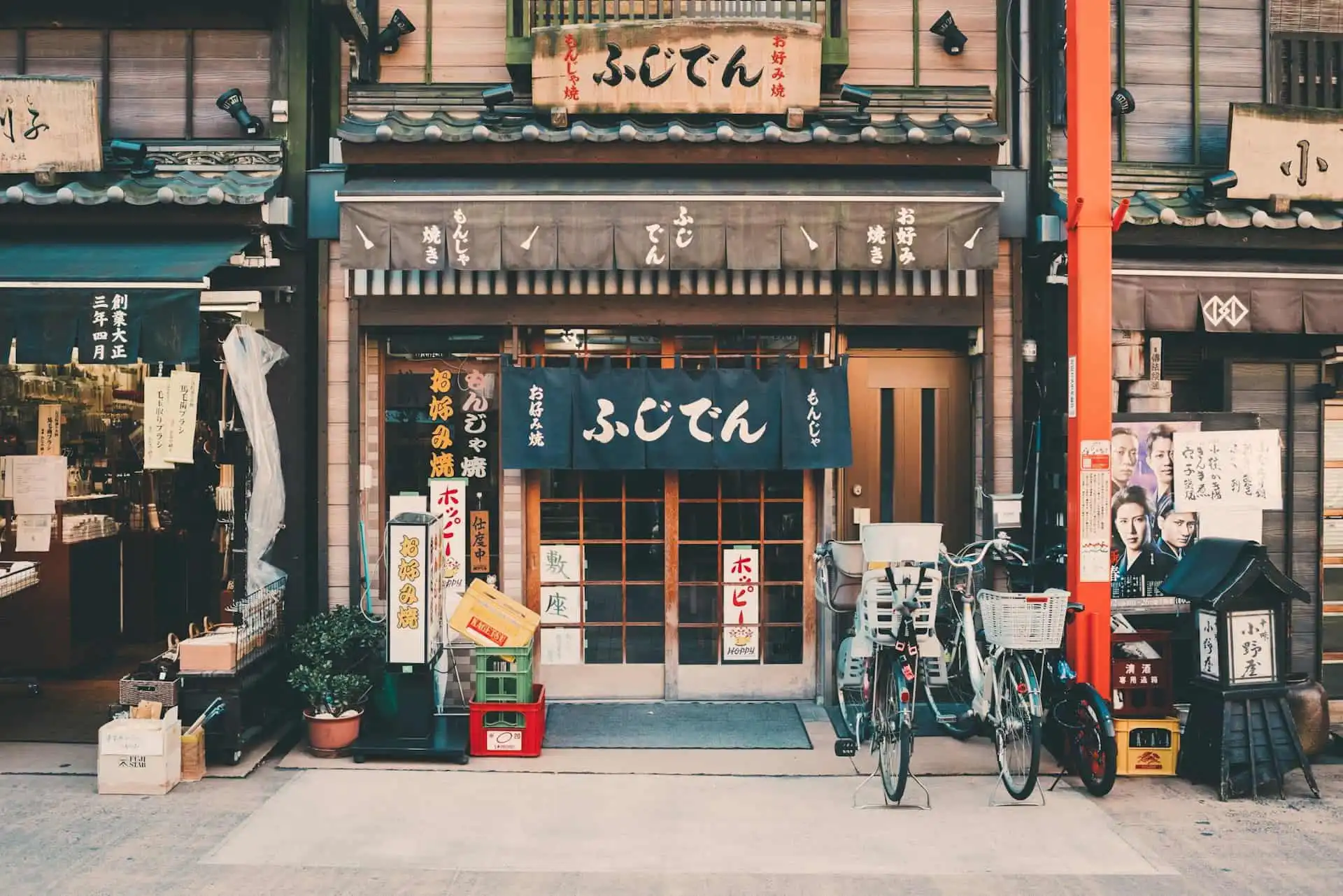
This tour will bring you to spots like Tokyo Station, Akihabara, Asakusa, Imperial Palace, and Ryogoku, and is offered both in the morning and afternoon. It’s a 3 hour tour and is led by an experienced guide who can help you better understand Japan’s history and culture.

🚲 Tokyo E-Bike Off-the-beaten path tour!
Location: Throughout Tokyo
Time: 9:00am or 1:30pm
Highlights: Explore Tokyo on E-bike. If you take the morning route, you’ll see the imperial and historical side of Tokyo, whereas the afternoon tour features more the Dynamic and modern side of Tokyo!
Duration: 3 Hours
6) Take Selfies at Tokyo’s Purikuras
If you are looking for a quick and fun activity to do, then check out some of Tokyo’s Purikuras. Purikura is short for ‘purinto kurabu’ – Japanese pronunciation for ‘Print Club’, which are essentially big selfie picture machines!


You’ll often find these photo booths in malls, and for just a few dollars, you can snap fun group selfies that the machine will print out for you. What’s even better is that after taking the photos, you have complete control over customizing them with filters, accessories, facial modifications, and personalized messages! If you want to look your best, do this Purikura experience while you have your kimono rental!
7) Experience a Traditional Ryokan
A ryokan is a traditional Japanese inn that typically features tatami-matted rooms, futon bedding, and sliding shoji doors. Staying at a ryokan offers guests a unique experience of Japanese hospitality, where attention to detail and service is paramount.
Ryokans often include multi-course seafood kaisekis (a multi-course dining experience), and most include natural volcanic geothermal hot springs (called Onsens).
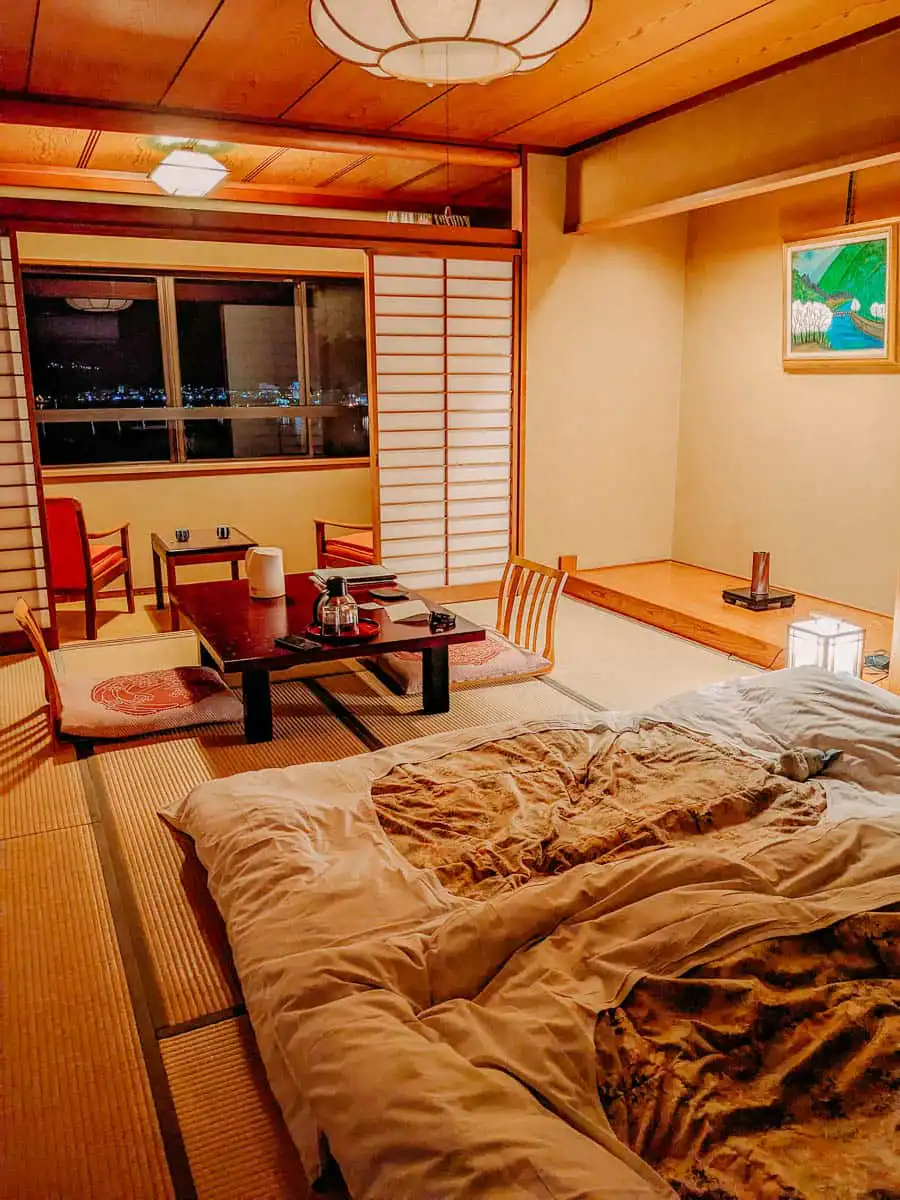
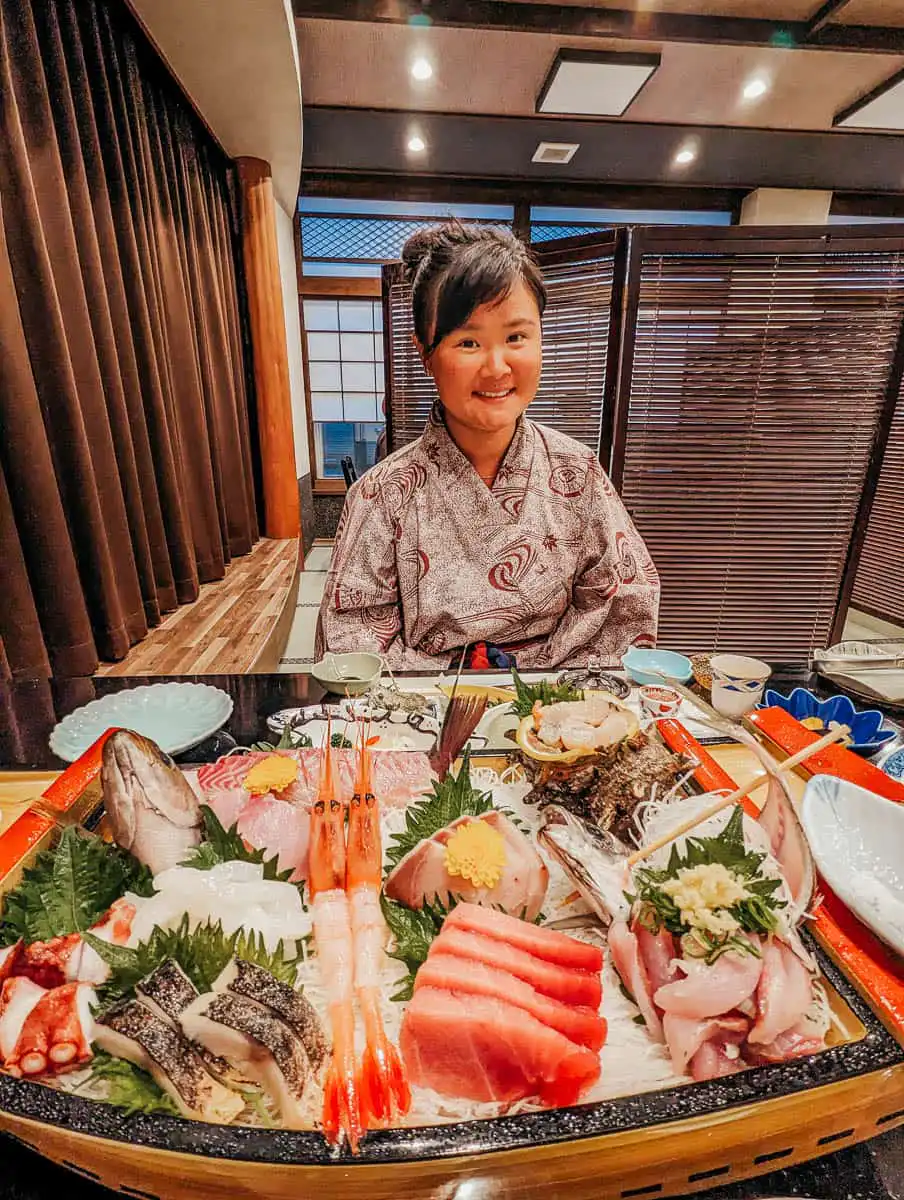
Soaking in an Onsen is not only relaxing, but is believed to have significant health benefits due to the mineral rich waters. There are countless Ryokans and onsens in Tokyo, however, if you have the time, we would highly recommend trying to go more into the countryside to maximize your enjoyment.
Hakone, nearby Mount Fuji, is one of the famous onsen towns closest to Tokyo.
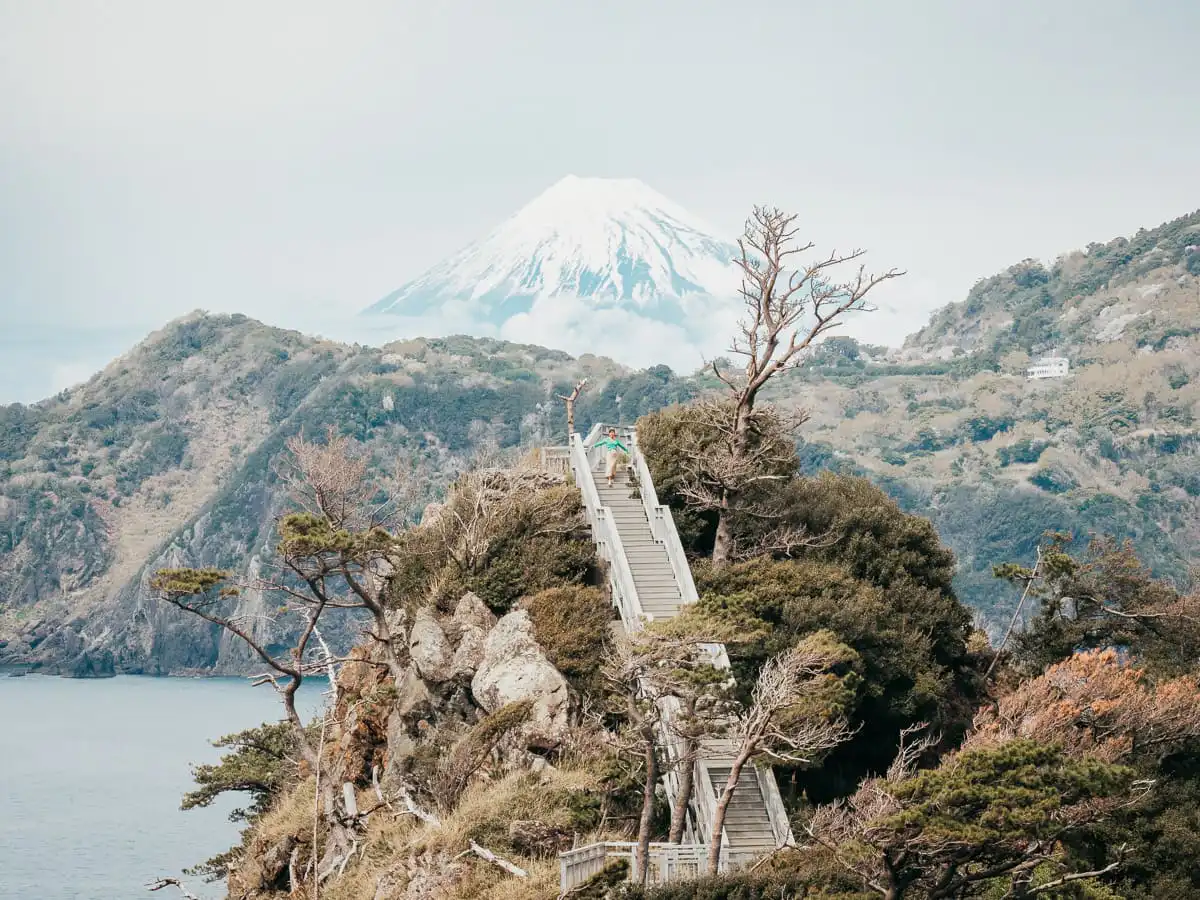
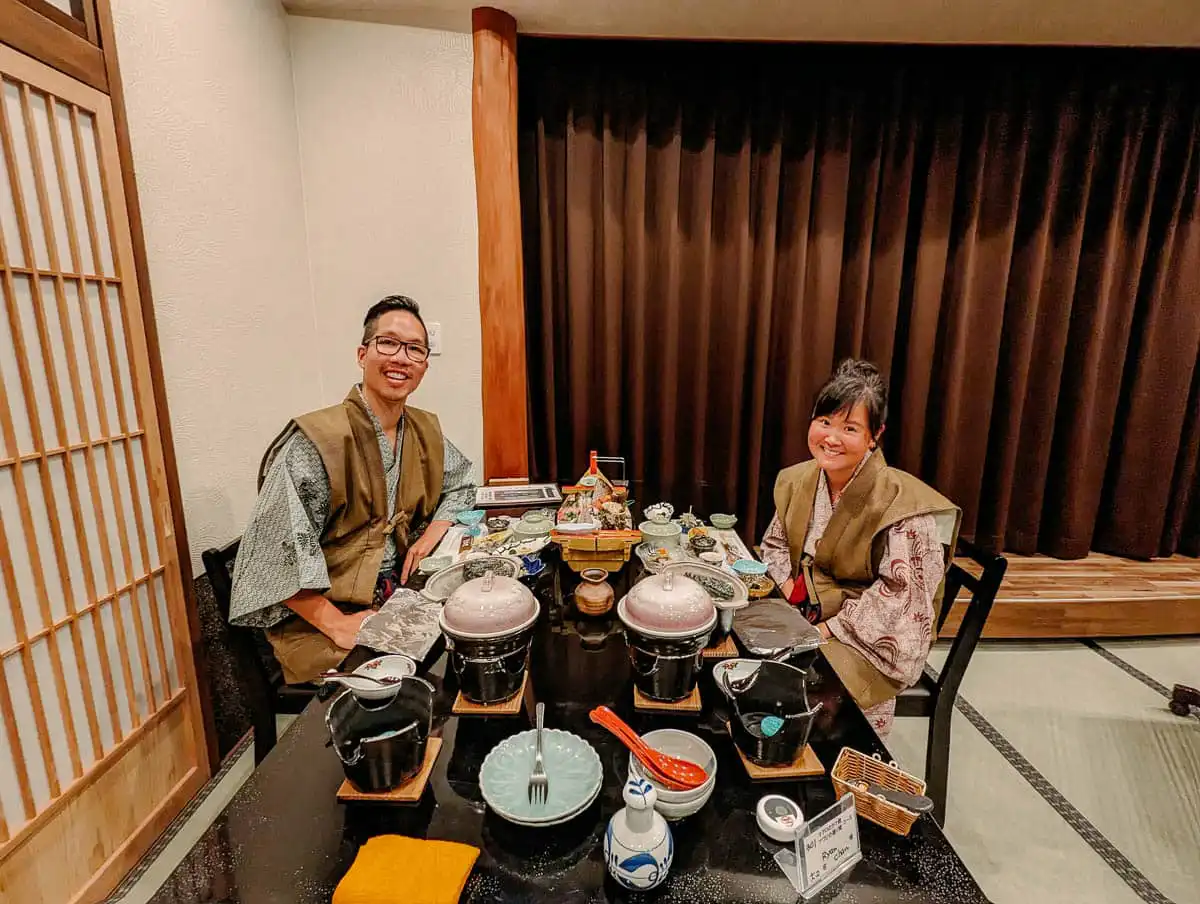
During our trip though Japan however, we went off-the-beaten path and did several Ryokans as well as enjoyed some of the most incredible coastal landscapes during our road trip through the Izu Peninsula, located only 50 minutes from Tokyo on their high speed Shinkansens.
8) Watch the Tuna Auction at Toyosu Market
Did you know the world record for the most expensive Tuna Sold in Japan was set in 2020, when a 276-kilogram bluefin tuna was sold at Tsukiji market for a staggering $3 million USD? If you’re interested in seeing first-hand the bustling morning fish market where the freshest catches are put under auction, then make sure to check out the Toyosu fish market.
Tsukiji fish market used to be the most famous but the inner market was closed in 2018 and moved to the newer Toyosu market. Here, everything is more structured and organized so if you want a chance to score one of the 100 tickets each day that allow you to watch the auction from the observation deck, then make sure to visit the official Toyosu market website and apply for the lottery at least 1 month in advance!

Also, keep in mind that the market starts at 5:30am so you will need to arrive there even earlier!
Alternatively, if it sounds too complicated, you can also join this Toyosu + Tsukiji market private guided tour. But make sure to book at least 2 months in advance as it is incredibly popular!

🐟 Toyosu + Tsukiji Market Tour
Location: Toyosu and Tsukiji Markets
Time: 5:00am
Highlights: Discover the world’s largest fish market and tuna auction! You’ll also get to taste the seafood including eel, fried fish cakes, tune steak, and more! They will also guide you on buying tickets for the Tuna auction observation!
Duration: 3 Hours
9) Learn to make the Fake Food of Japan
While walking through the streets of Tokyo, you will undoubtedly notice the delicious-looking fake food examples displayed in restaurant windows to show what their specialty dishes are.
Did you know that you can actually take a workshop where you get to create your own fake food? In Tokyo, there is a workshop for everything! In this 1-hour Japanese Sampuru (sample food model) workshop, you will have the choice of learning to make a ramen bowl display, tart charm food sample, or a real-size ice cream parfait sample!
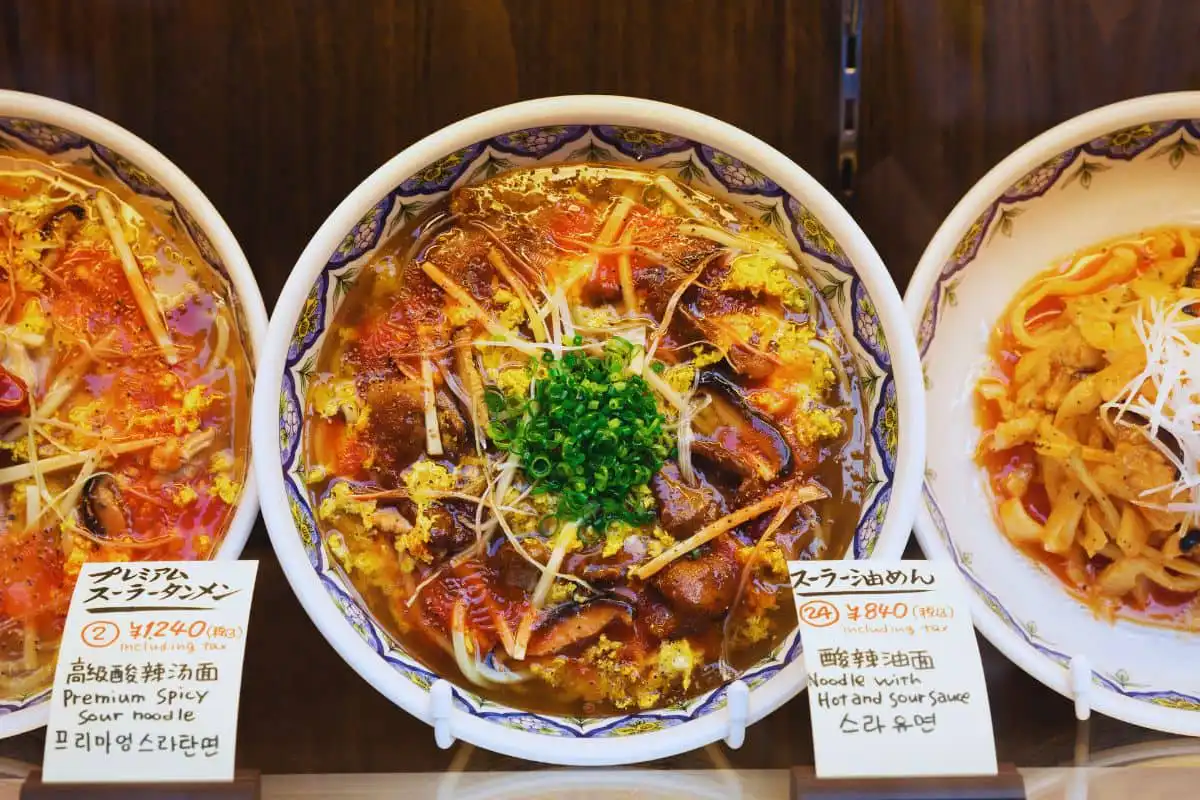
This is an amazing activity for families and kids, or if you want to bring back a unique souvenir. Definitely make a Ramen bowl so you will be reminded of eating more ramen when you are back home.
Food Experiences in Tokyo
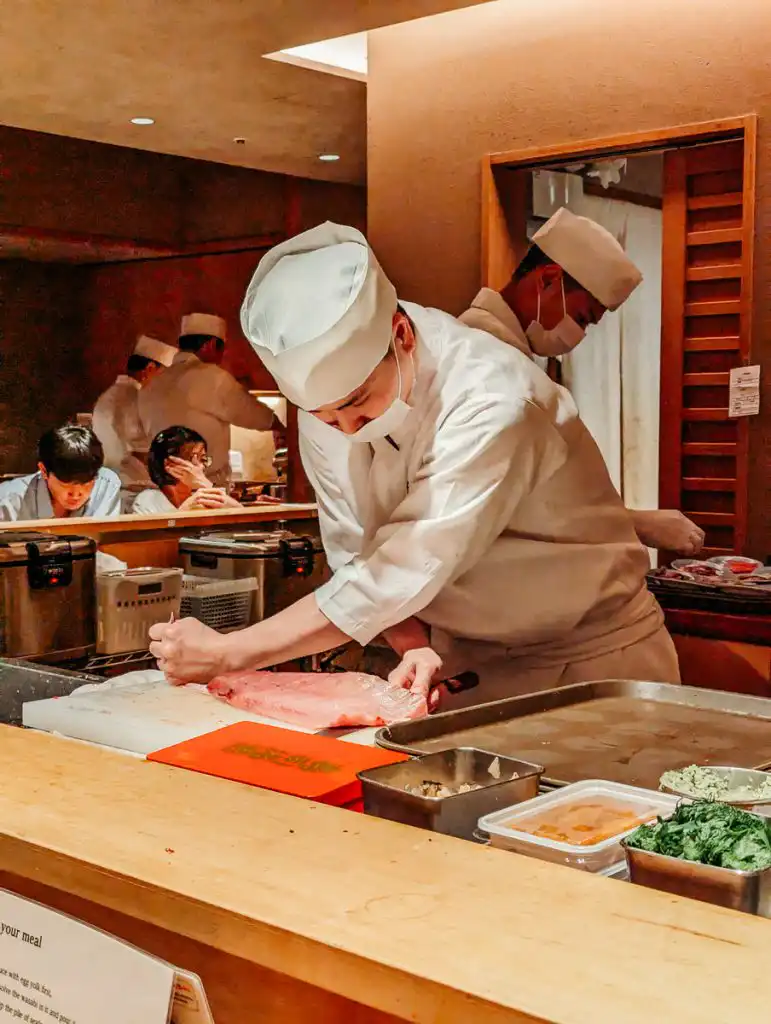
10) Omakase Experience with All-you-can-drink Sake!
Omakase is a Japanese dining experience where the customer entrusts the chef to select and prepare their meal. The word “omakase” translates to “I’ll leave it up to you” in Japanese. Typically found in sushi restaurants, omakase allows the chef to create a 12-18 multi-course meal tailored to the freshest ingredients of the day. The Chef delicately prepares each course which highlights the specialties of the region, which is usually seafood.
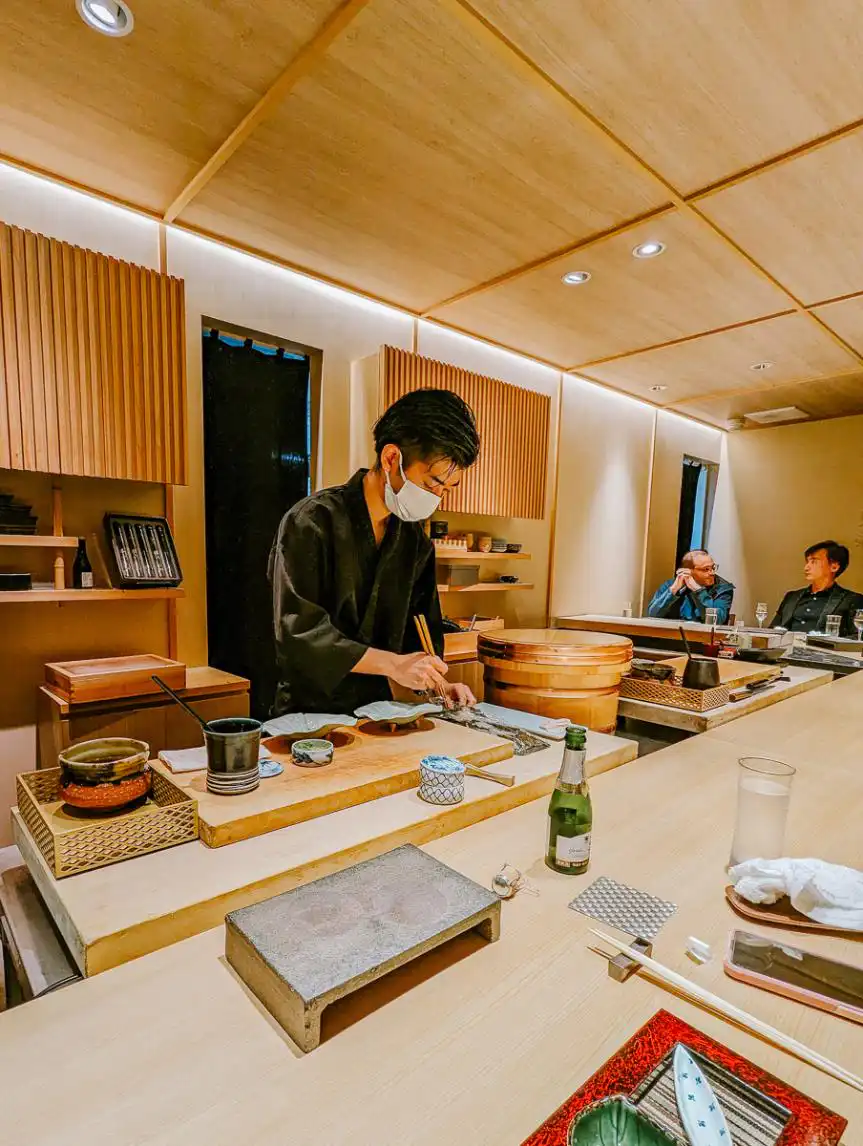
In our opinion, an Omakase is a must-do when visiting Japan. There are hundreds of omakase options available in Tokyo, ranging from 10,000 yen to 40,000 yen per person.
We did an omakase experience at Sushi Muku in Roppongi and really loved our experience there. Not only was it on the more affordable end, but there was also all-you-can-drink sake from a menu of over 8 sake choices.
11) Wagyu Tasting Experience
Wagyu beef is a premium beef from specific breeds of Japanese cattle that is renowned around the world for its intense marbling, tenderness, and rich flavour. The term “Wagyu” literally means “Japanese cow” (和牛), and it refers to four main breeds: Japanese Black, Japanese Brown, Japanese Shorthorn, and Japanese Polled.
This can include Wagyu beef Yakiniku-style (grilled), pan-seared, Sukiyaki-style (cooked in sweet savoury broth), Shabu-Shabu Style (hot-pot), as a Wagyu Sushi, and as a Wagyu Steak, all within one meal. We highly suggest also choosing an experience where you get to pair sake tasting with the wagyu tasting.
Although the ultimate experience would be to visit Kobe and taste their Kobe beef, Tokyo offers amazing Wagyu Tasting experiences where you get to taste Wagyu beef prepared in over 7+ different ways.
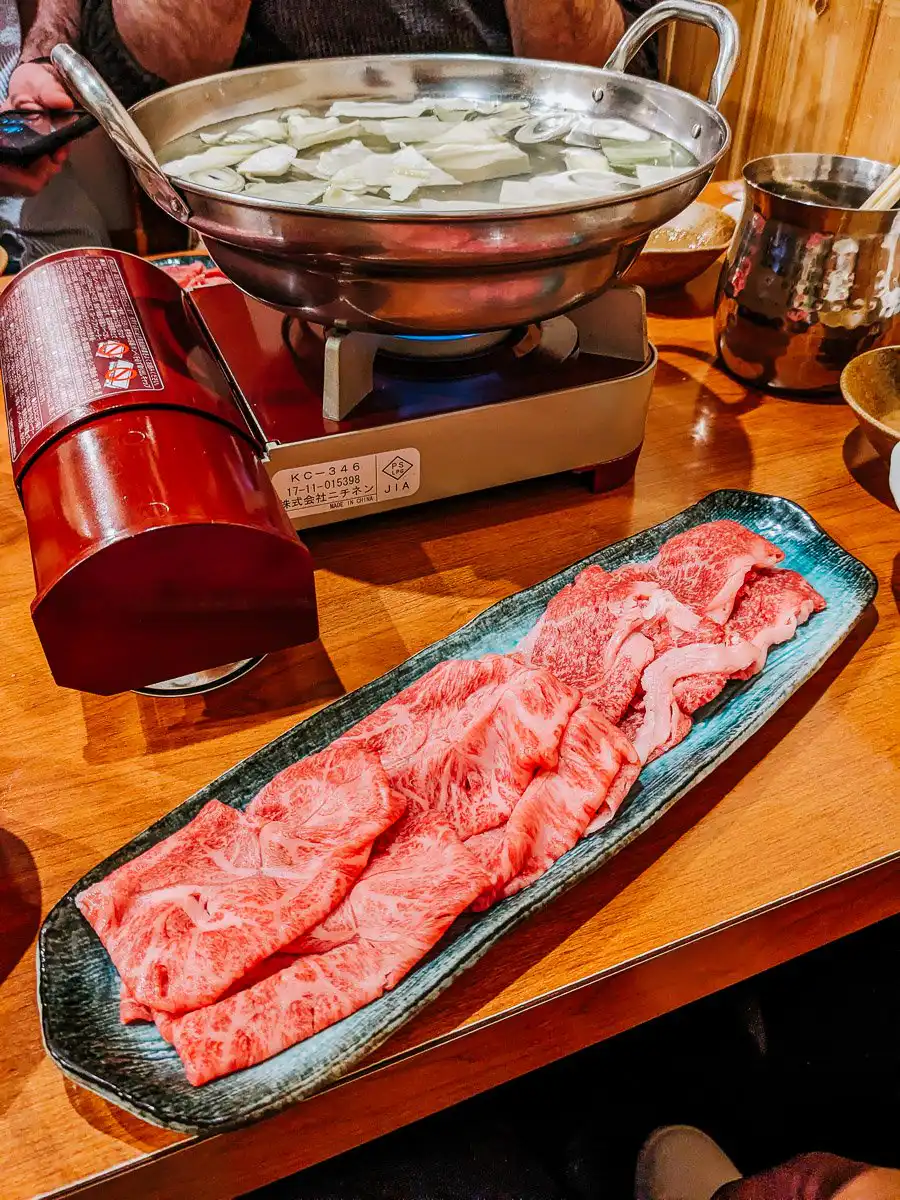
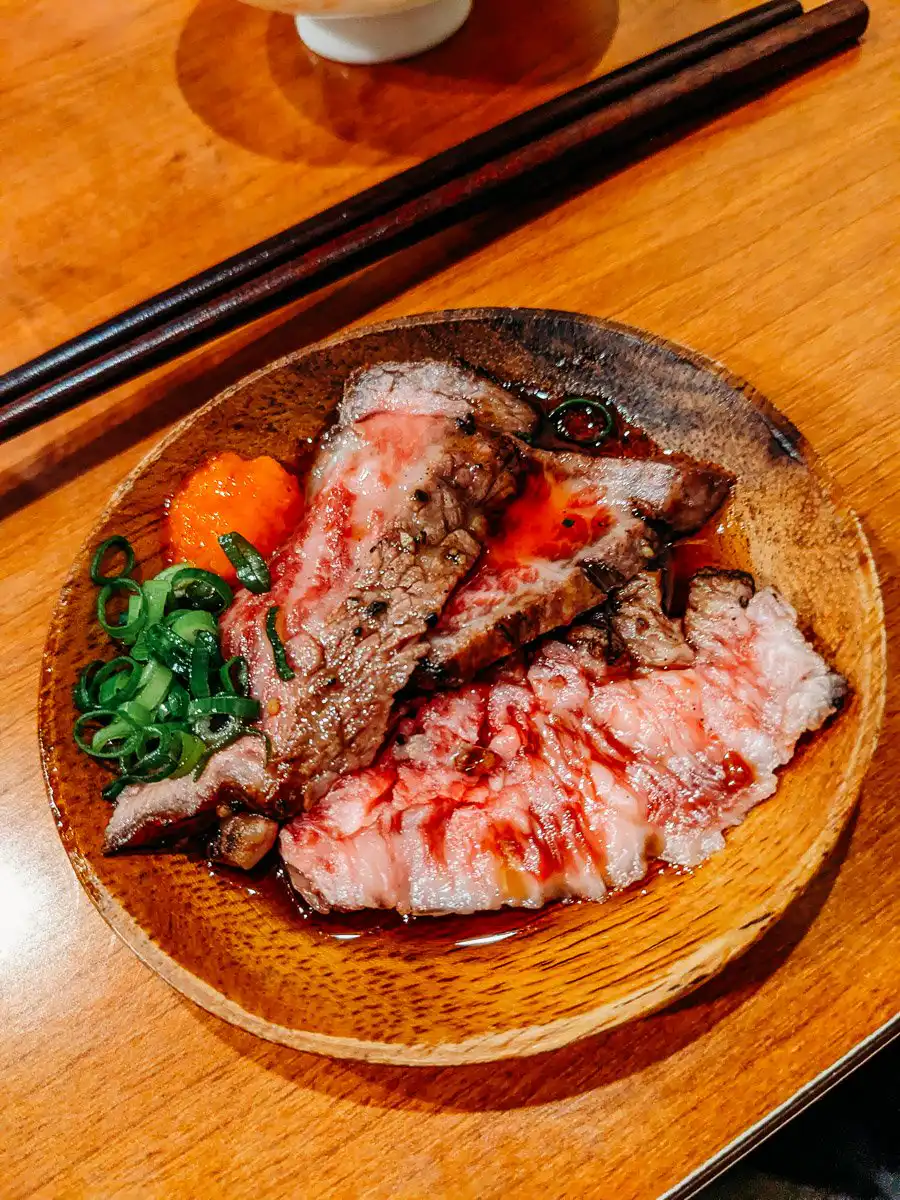

Wagyu Tastings, like omakases, can be quite pricey but we would say that it is a must-do experience at least once!
Check out these two highly recommended Wagyu + Sake Tasting experiences. We participated in the first tour but both are very highly rated!

🥩 Wagyu + Sake Tasting Experience Tokyo
Location: Shinjuku city, Tokyo
Time: 6:00pm
Highlights: Indulge in a luxurious 8+ course meal showcasing multiple cuts of high-quality wagyu beef sourced from different regions, each course paired with Sake!
Duration: 3 Hours
This is the tour that we did in Tokyo and the experience was excellent!
Alternative Wagyu Tasting Tour with Sake Pairing in Sumida City, Tokyo, perfectly located near Tokyo Sky Tree!
This post is part of our series about Japan. If you want to learn more about Japan, planning your trip, and some of the best experiences there, check out the guides below:
12) Grill your own Yakiniku meal
In addition to doing the omakase experience, another very fun and unique dining experience is doing a Yakiniku dinner. Yakiniku (焼肉) is a Japanese style of barbecue where diners grill bite-sized pieces of meat, typically beef, pork, or chicken, over a charcoal or gas grill at their table. The term “yakiniku” literally means “grilled meat” in Japanese. You’ll be seated at a small table with a built-in grill, typically with a vent overhead.


Once you’ve chosen your selection of raw meats and vegetables, you can cook them directly on the grill right at your table, creating a hands-on, interactive dining experience!
Grilling your food this way is surprisingly fun, and we’ve found it to be the perfect activity for enjoying a meal while catching up with friends and family.
13) Learn how to make Sushi
Sushi is practically synonymous with Japan.
Some unique ways to enjoy it include visiting a conveyor belt sushi restaurant, indulging in exquisitely crafted sushi at an omakase experience, or even taking a workshop to learn how to make sushi yourself!
Back home, we used to gather with friends and turn sushi-making into a fun night, even though we were total beginners with no idea what we were doing! So when we arrived in Japan, we knew we had to take a sushi-making class to learn how to do it the right way!
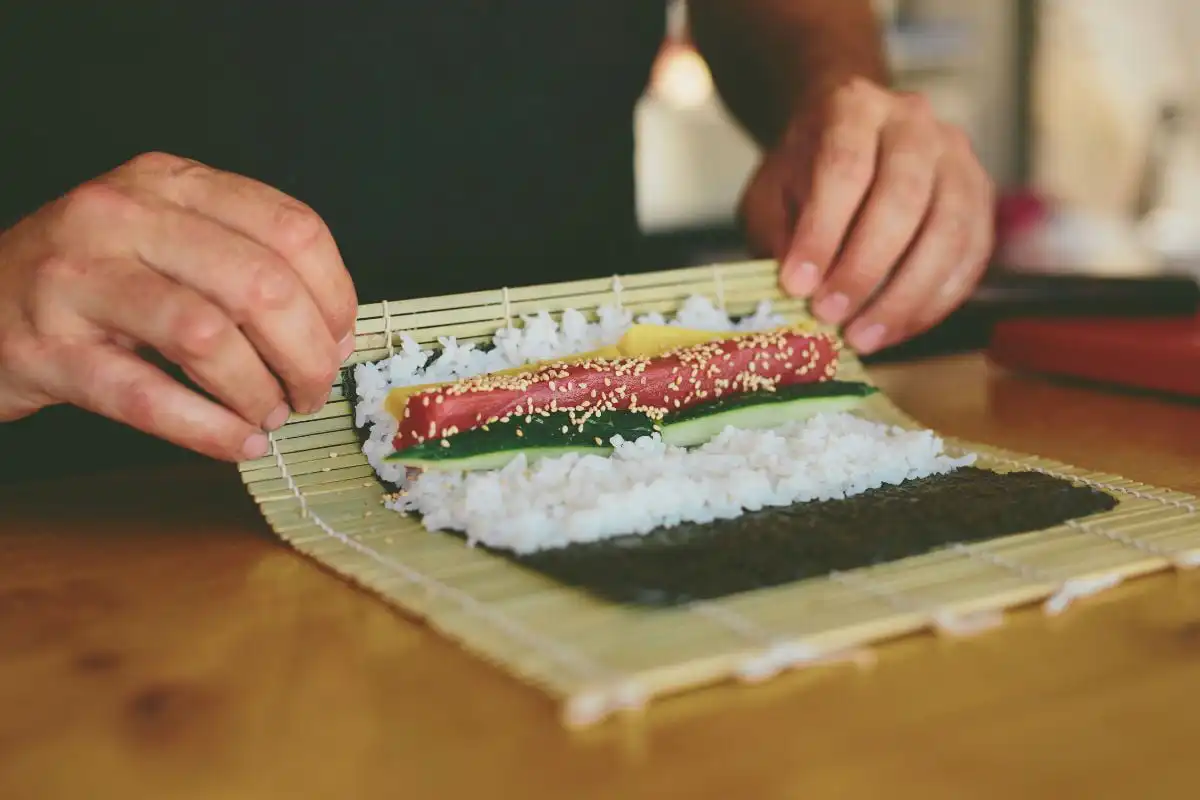
Here are a couple of options for Sushi making classes:
This 3 hour Sushi making Class in a small group setting located in Shinjuku
This 2 hour Asakusa Sushi making class will teach you how to make Nigiri Sushi, and Maki Sushi
This 4 hour Sushi class will not only teach you how to make sushi, but also give you an in-depth tour of the famous Tsukiji fish market.
If you want a truly unique experience, I highly recommend this Sushi-making class taught in Nobu’s restaurant. This class is provided through AirKitchen where you get to try authentic Japanese experiences led by locals.
14) Eat Conveyor Belt sushi
Conveyor belt sushi is a unique dining experience in Japan where you sit at a table next to a conveyor belt filled with various sushi dishes. As the plates of sushi glide by, you can easily grab whatever catches your eye, allowing you to sample a variety of flavors. Each plate is colour-coded, which indicates its price, so you can keep track of your orders effortlessly. Normally, each dish includes only 2-4 sushi pieces which gives you the freedom to try as many types of sushi as you would like.

Be careful though, because this also means that even after you are full, you may see that delicious piece of Tuna Toro gliding by, and it may be hard to resist!
At the end, the waitress will come by with a machine that scans all the dishes and sums up the total of your bill. The conveyor belt sushi is a super fun way of eating sushi and a must-do experience while you are in Tokyo and Japan.
15) Go Sake Tasting
If you still haven’t had enough sake after the omakase experience and the Wagyu + Sake Tasting experience, then head over to one of the Sakaguras where you can learn about the intricate process of sake-making while sampling some of Tokyo’s best sakes.


You can do this experience independently by visiting one of the Sakaguras, and normally it costs only 200-300 yen per tasting of sake. We did this while in traveling through Osaka and Kyoto, but the owners of the Sakaguras only spoke limited English.
For this reason, we would highly recommend checking out this 2-hour Sake Tasting experience led by a professional sake sommelier.

🍶 Sake Tasting Experience
Location: Shinjuku, Tokyo
Time: 1:00pm and 5:00pm
Highlights: Discover the rich world of sake in this guided tasting experience led by a certified sake expert. You’ll sample at least six distinct types of this iconic Japanese drink, each paired with thoughtfully selected snacks that enhance the flavor profiles. It’s the perfect way to deepen your appreciation for sake and learn which varieties pair best with different foods.
Duration: 2 Hours
Cultural Experiences in Tokyo
16) Rent a Kimono
Kimonos are traditional Japanese garment that dates back centuries. Historically, they are worn by both men and women during special occasions, tea ceremonies, festivals, and other cultural events. Each element of the kimono, from the colour to the pattern that is worn, holds a cultural significance.
During our trip through Japan, we rented kimonos twice, and it was a fun, unique, and deeply immersive cultural experience. Be sure to bring your camera, or consider hiring a professional photographer to capture the perfect shots for you!

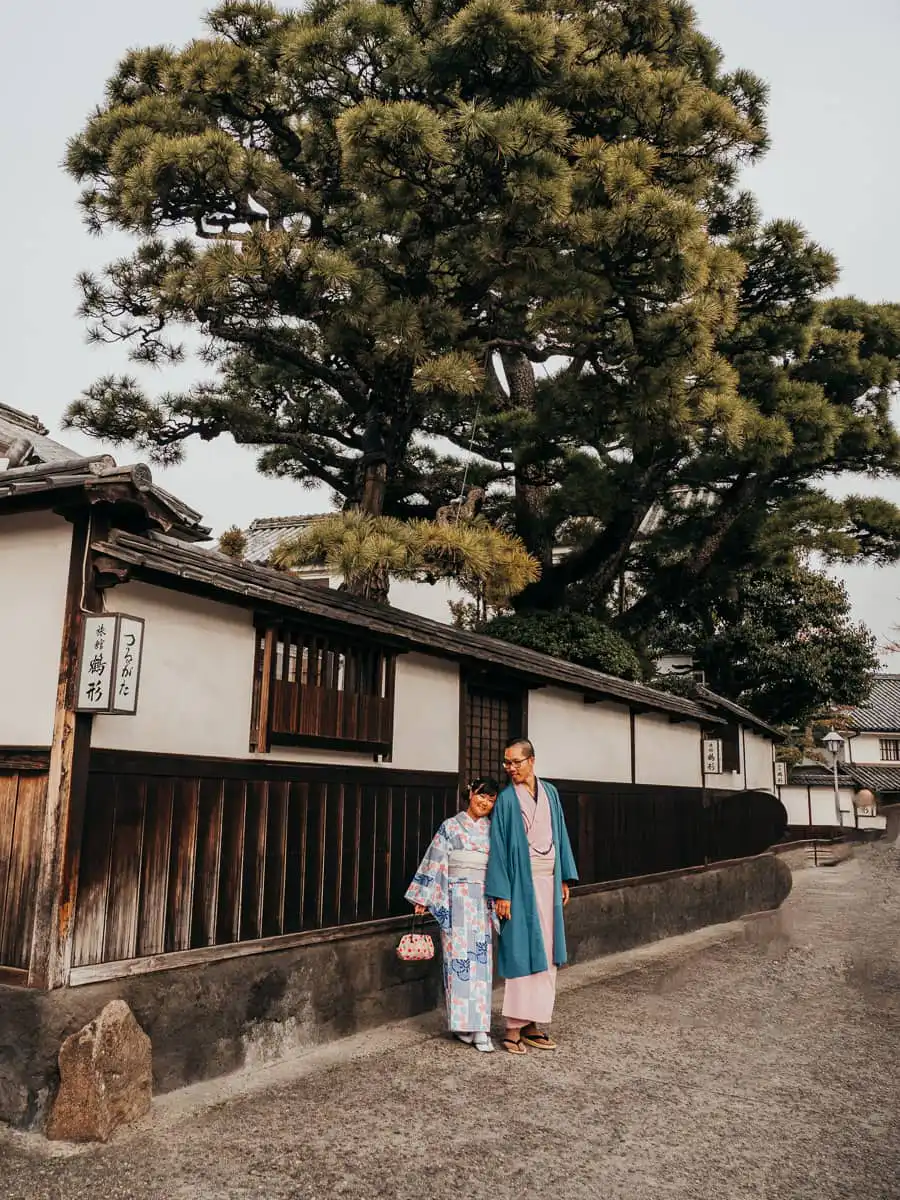
Check out this Kimono rental place in Asakusa where you can choose from a selection of beautiful kimonos for both men and women, and also you can add on a photography service!
While in Asakusa, you can go visit the famous and beautiful Sensoji Temple.

👘 Kimono Rental Experience
Location: Asakusa, Tokyo
Time: Available from 9:00am to 3:00pm
Highlights: Wear an elegant traditional kimono and choose from over 1000 different styles and colours! You can also add on accessories!
Duration: Full day (return at 5:00pm)
17) Watch a Sumo Wrestling match
When I think of Japan, the first thing that comes to mind is sushi, the second is samurais, and the third is sumo wrestling. Maybe it was from my young days playing Street Fighter and seeing the character E.Honda.
Nonetheless, Sumo wrestling is Japan’s national sport and a centuries-old tradition that holds great cultural significance. It’s more than just a competitive sport—sumo is deeply rooted in Japanese history and Shinto rituals, with each match beginning with ceremonial purification and prayers for victory.

While in Japan, we highly recommend catching a sumo wrestling tournament if the timing works out, or at least attending a sumo practice to get a glimpse of this fascinating sport.
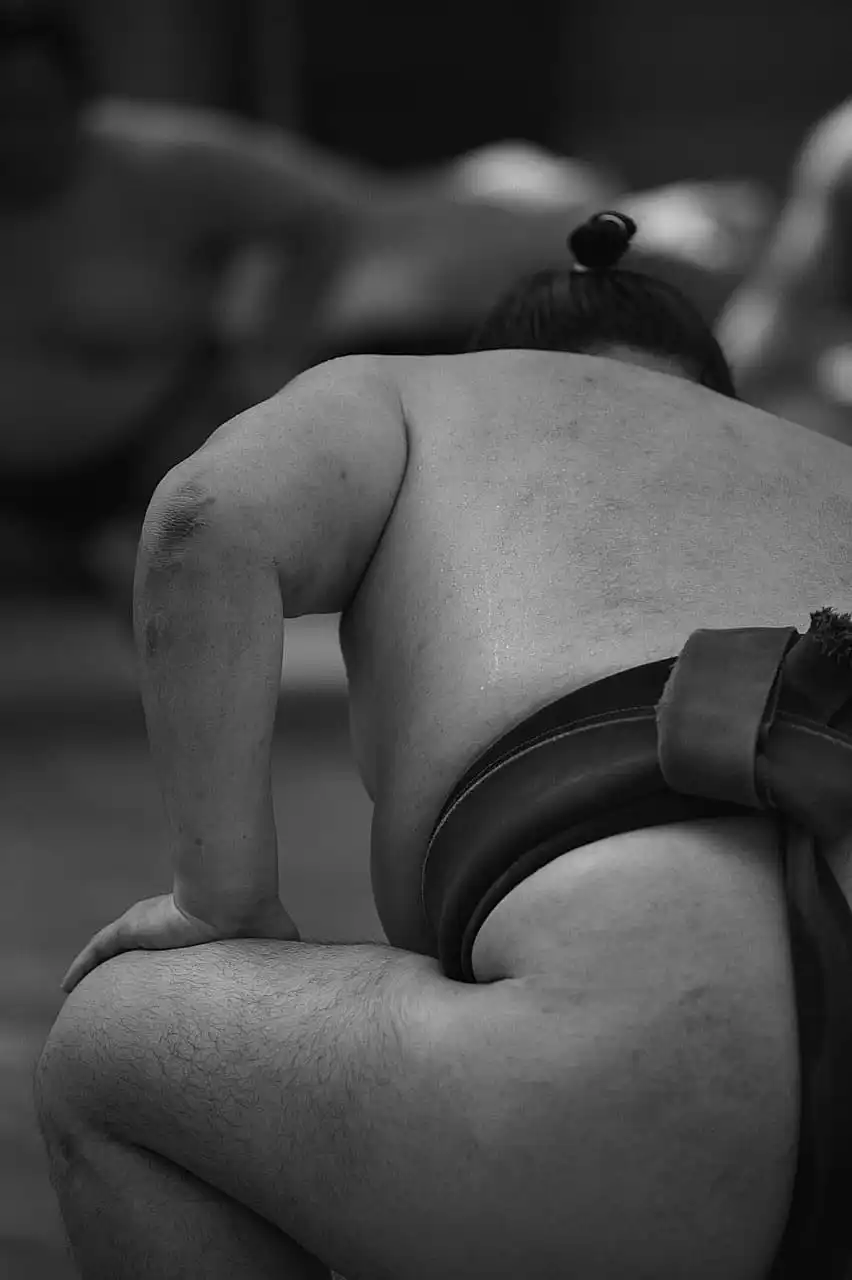
🤼 Sumo Wrestling Show
Location: Sumida City, Tokyo
Time: 7:30am
Highlights: Watch the Sumo Wrestling morning practice and learn about what the life of a wrestler is like! You’ll also have a chance to take a photo with the wrestlers!
Duration: 2 Hours
18) Experience a Japanese Tea Ceremony
A Japanese tea ceremony tour is a unique cultural experience that offers much more than just drinking tea—it’s a window into Japan’s deep-rooted traditions and values. The ceremony is a highly ritualized practice that emphasizes mindfulness, respect, and simplicity.
By doing this Japanese Tea ceremony experience, you will learn the symbolic significance behind each step of preparing the tea, from the purification of the utensils to the presentation of the tea.

This 90 minute Japanese tea ceremony tour is in Taito city whereas you can also do this other Practicing Zen Japanese Tea Ceremony experience which is held in Minato City, close to Tokyo Tower.
19) Learn to play Taiko Drumming
Taiko refers to the traditional Japanese drums and the art of playing them. It is known for its powerful, rhythmic beats and dynamic performances, often involving highly synchronized movements in groups and a strong physical presence.
Traditionally, Taiko drumming was used in religious festivals, ceremonies, and even to signal a battle.
Having spent several years learning Taiko drumming back home, we highly recommend trying a Taiko drumming experience during your visit to Japan. It’s an immersive and powerful way to connect with the country’s rich cultural traditions, and it is also incredibly fun!
You’ll be amazed by the sheer power and volume of the drums, as well as the hypnotic effect of striking them in perfect synchrony. It’s truly something that you can only fully understand from feeling it!
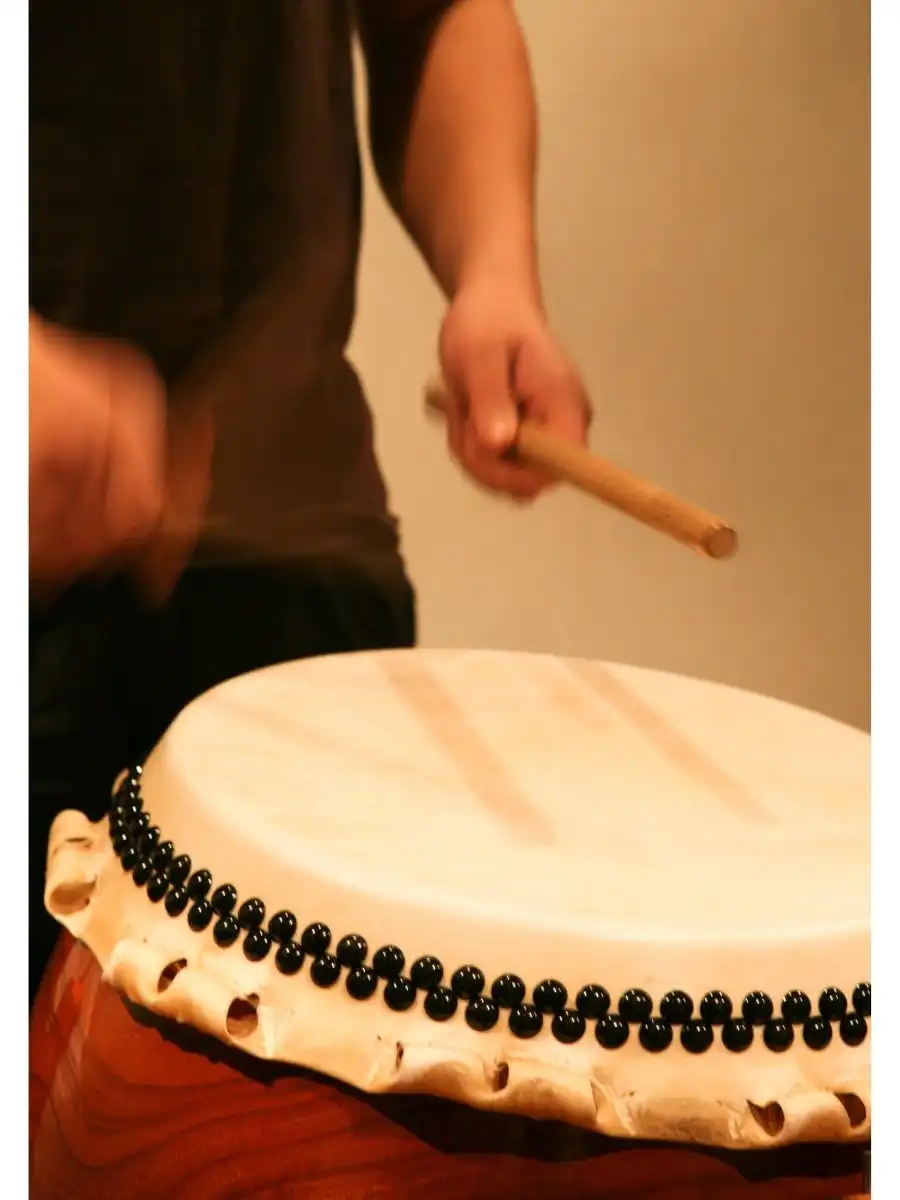
There are a couple of options for Taiko classes available in Tokyo.
Taiko Lab offers 1 hour lessons in a professional Taiko Studio, where you will get to play some of the bigger drums.
This 50 minute Taiko group class allows you to play some of the smaller drums, and is conveniently located in Shinjuku.
Finally, this ultimate Taiko drumming experience also includes a Premium Wagyu Yakiniku dinner! This combines two of our most recommended activities in one: Wagyu tasting + Taiko drumming!
If you will be visiting Kyoto, then you can also join this Kyoto Japanese Taiko Class.
20) Explore the Ghibli Museum
If you’re a fan of Studio Ghibli or just love Japanese culture, the Studio Ghibli exhibit in Tokyo is a must-see. It brings the magic of films like My Neighbor Totoro, Spirited Away, and Princess Mononoke to life with detailed sets, character models, and original artwork.

You’ll get a behind-the-scenes look at how these incredible worlds were created, and even interact with some of the exhibits. It’s the perfect way to dive into the whimsical universe of Ghibli and experience the charm that makes these films so special—definitely a fun stop for all ages!
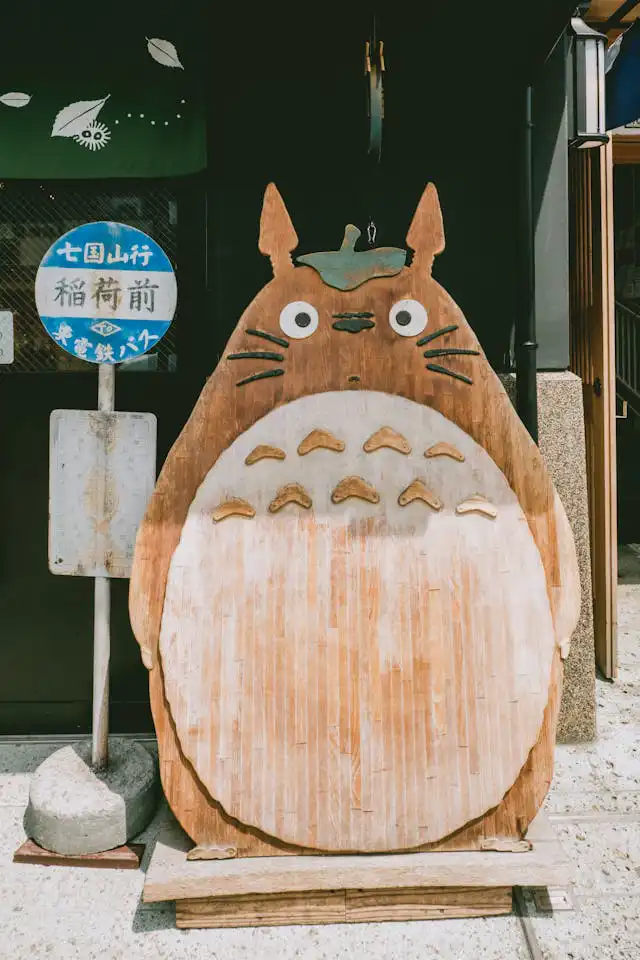
🐰ྀི Studio Ghibli Tour
Location: Mitaka (40 minutes from Tokyo)
Time: 10:20am
Highlights: Visit the Edo-Tokyo Open air museum + Ghibli museum, enjoy a delicious lunch, receive a Ghibli museum teacup souvenir!
Duration: 9 Hours (full-day)
21) Train like a Samurai
One of the first things that comes to mind when imagining Japan is the samurai! So why not immerse yourself in history by trying out a Samurai training workshop?
You’ll learn the fundamentals of sword handling, traditional stances, and even practice a simple chambara (sword fight), all while dressed in authentic samurai attire.
Guided by experienced instructors who have appeared in major Japanese films, this hands-on experience allows you to step into the shoes of a real samurai! Plus, the instructors will help you take awesome photos and videos for you so you can prove to everyone back home that you were a samurai!
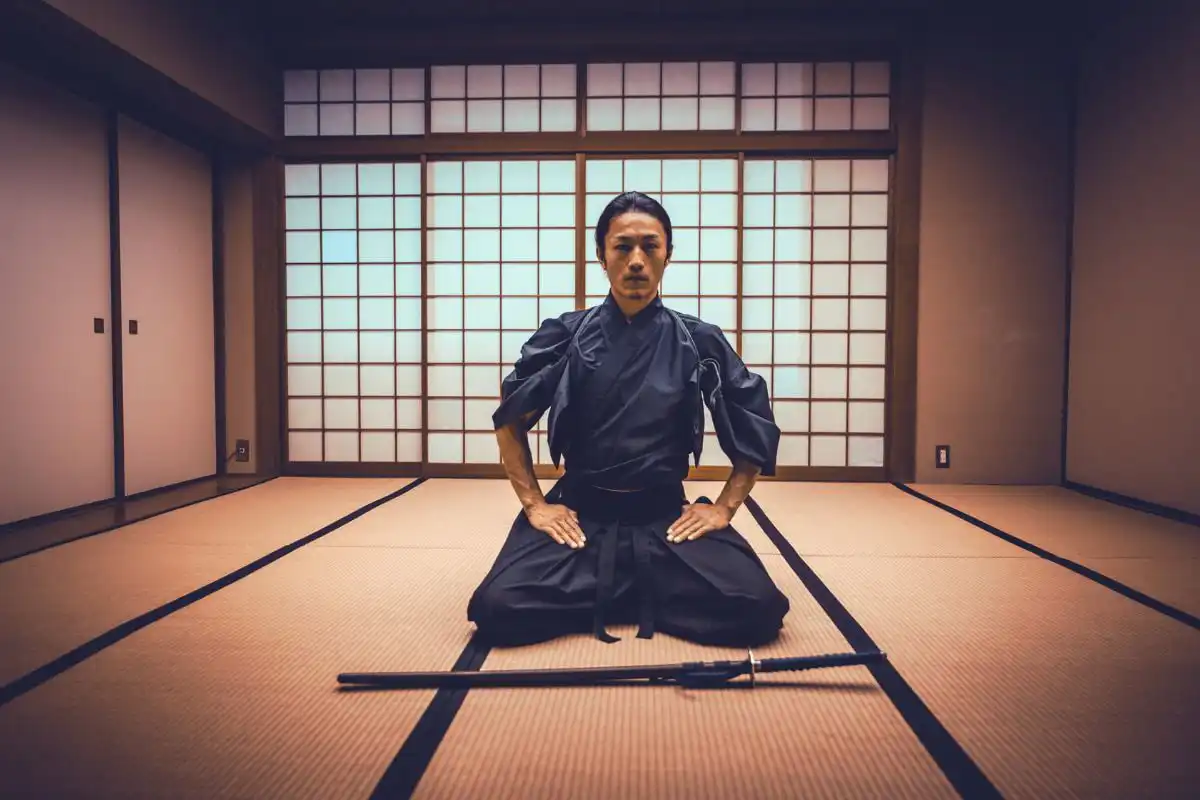
If you would like a Samurai training workshop that is combined with Ninja techniques such as the Shuriken (ninja star) and Ninja Blowgun, within a small-group setting, then check out this 2-hour hands-on Samurai lesson.

👹 Samurai Experience Tokyo
Location: Shinjuku, Tokyo
Time: 10:30am, 1:00pm, 2:30pm, 4:00pm, 7:00pm
Highlights: Change into your samurai costume and learn the samurai sword techniques (the teachers are professionals featured in many Japanese dramas and movies)
Duration: 1 Hour
22) Visit a Themed Café
Tokyo is renowned for its imaginative and quirky themed cafés, where visitors can immerse themselves in entirely different worlds. Popular options include Maid Cafés, Owl Cafés, Hedgehog Cafés, Puppy Cafés, and various Anime-themed cafés.
These spots go beyond just decor—everything from the music to the menu is crafted around the chosen theme. Take, for instance, the Vampire Café, where you can enjoy dishes like blood-coloured beet salad, Vampire Steak, and Dark Chocolate Coffin Cake, all designed to enhance the eerie, gothic experience.

If you would like to experience an animal cafe, we recommend doing some research beforehand to make sure it is ethical and that the animals are treated well.
23) Visit the Ninja Trick House in Tokyo
If you didn’t have time doing the Samurai or Ninja workshop, then make sure to at least check out the Ninja Trick House in Tokyo. One of the highlights here is the chance to try your hand at traditional ninja skills, such as throwing shurikens (ninja stars) and practicing stealth techniques.

The house is designed to resemble a classic ninja hideout, complete with secret passages, trapdoors, and hidden mechanisms that engage guests in a playful way. Visitors can also explore a variety of themed rooms filled with ninja-related puzzles, challenges, and tricks. The experience lasts around 1 hour in total and is available in English.
For the Best Views in Tokyo
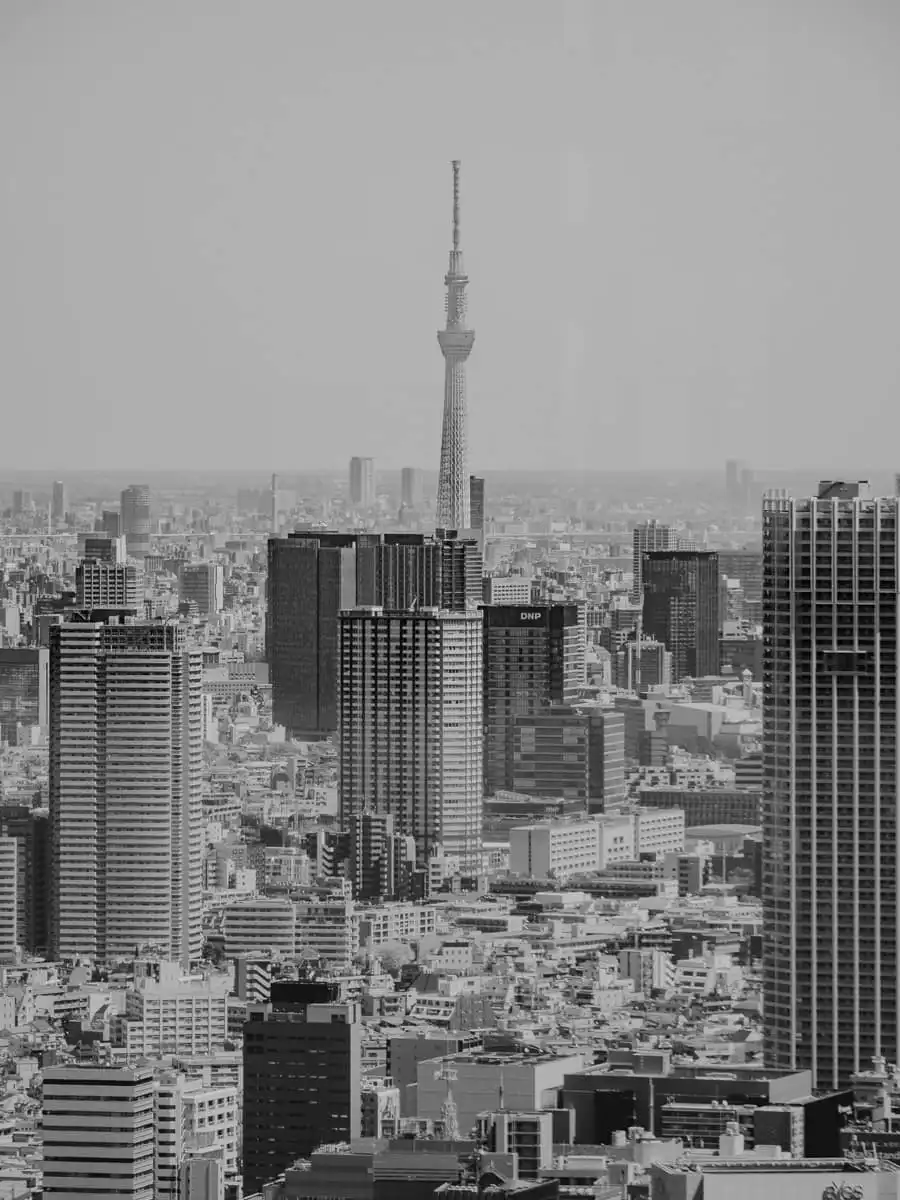
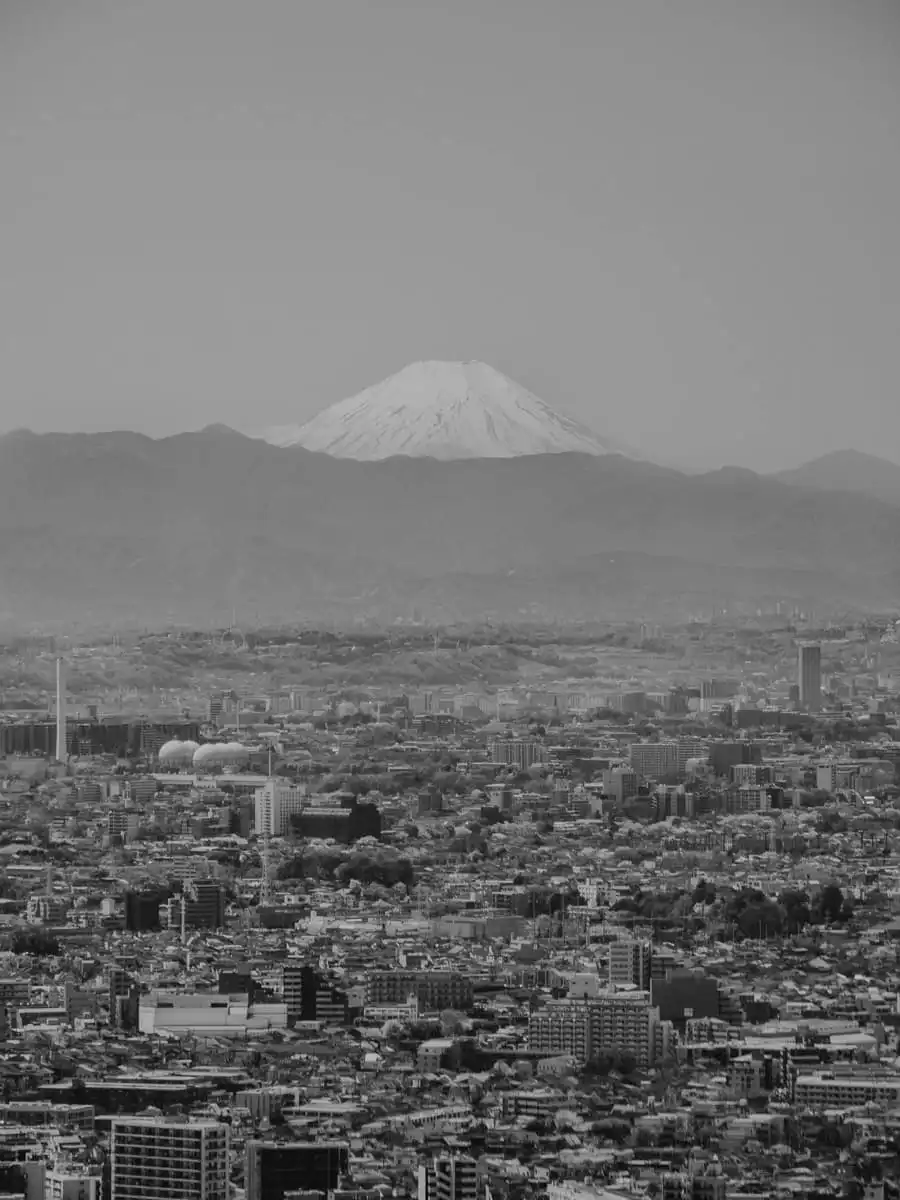
24) See Mount Fuji from the top of the Tokyo Metropolitan Building
For a chance to take in the Tokyo skyline, and possibly catch a glimpse of Mount Fuji on a clear day, head to the Tokyo Metropolitan Government Building.
Although there are other more popular rooftop observatories, including Shibuya Sky, Tokyo Skytree, and Tokyo Tower, the Tokyo Metropolitan Government Building’s Observatory is the only one that is FREE!
What’s more is that the Tokyo Metropolitan Government Building’s Observatory is located 243 meters high on its 45th floor, which provides a very comparable view to the other options. If you get lucky, you might also catch a live piano performance there.
Make sure to go there early to avoid a long lineup. We visited around 11 am and had to wait around 45 minutes, which we found very reasonable.
Other best rooftop viewpoints of Tokyo
The one main advantage with Shibuya Sky is that they have a fully outdoor observation deck where you get a 360-degree panoramic view of the Tokyo Skyline! Whereas the Tokyo Metropolitan building is fully indoors. If you are planning to see Shibuya sky, make sure to reserve around one week in advance!
If you want to see Mount Fuji amongst some of the most incredible coastal views surrounded by small Japanese finishing villages, then you have to go check out the Izu Peninsula.
25) See the Godzilla at Shinjuku
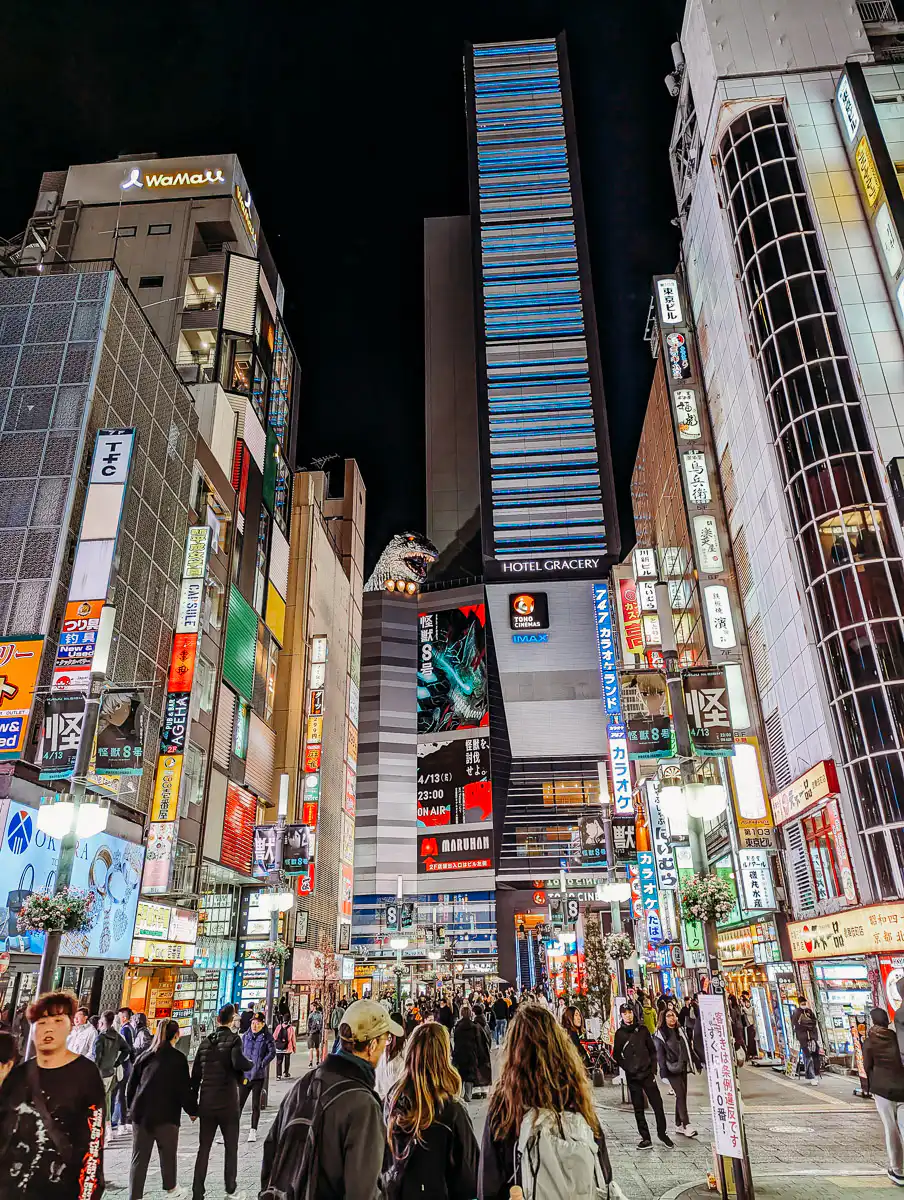
Japan is packed with quirky nods to popular video games, TV shows, and anime from years past. One iconic example is the towering Godzilla figure looming over the buildings in Shinjuku.
For the best view, stroll down Central Road in Kabukicho, facing the Shinjuku Toho Building. We found this to be especially impressive at night when all the buildings are lit up in bright colours and you can see the glowing figure of Godzilla at the top.
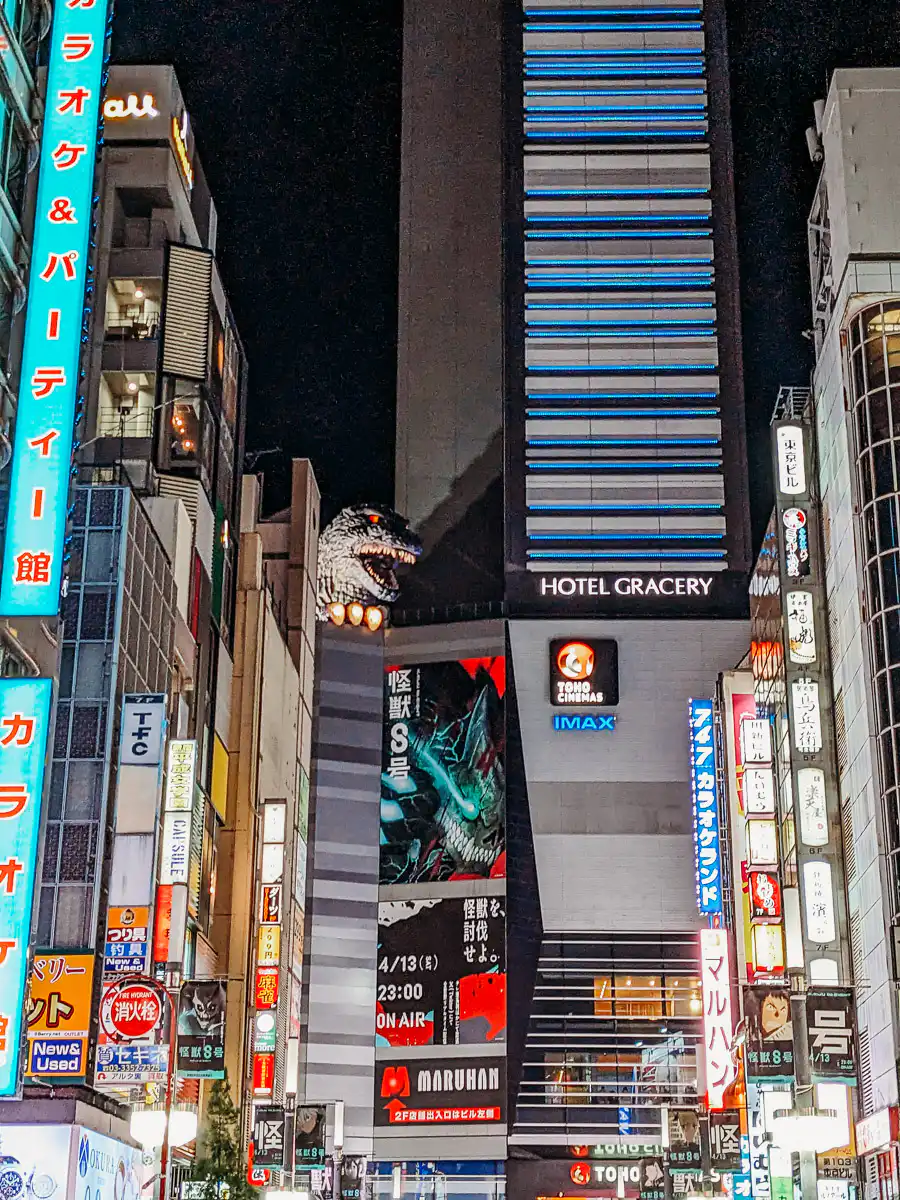
You can also head to the top of the building for a close-up view of Godzilla. However, access is limited to guests of Hotel Gracery or those dining at the restaurant on the 8th floor. The best part? The hotel offers Godzilla-themed rooms and the restaurant offers Godzilla-themed drinks and desserts!
🗺️ Planning a trip to Japan? Check out our Complete Japan Itinerary Guide where we share our 10 days, 14 days, or longer Japan travel itinerary including what to do each day, where to stay, how to get around the country, and much more! You can also check out our Ultimate Guide to the Best Things to do in Japan.
26) See Shibuya Scramble from above
The Shibuya Scramble is one of those touristic things that we kept on seeing recommended online! Having experienced it ourselves, we recommend two ways of visiting that will help you optimize your experience. It is difficult to fully appreciate just how massive this intersection is by simply crossing the street amongst the hordes of pedestrians.
Instead, we recommend either Go Karting through Shibuya Crossing, or going high up to get a bird’s eye view. Shibuya Sky is one of the best viewpoints but if you prefer seeing it for free, head over instead to the 7th floor viewing platform in the Shibuya 109 mall.

Fun/Interactive Experiences in Tokyo
27) Japanese Knife-Making Workshop
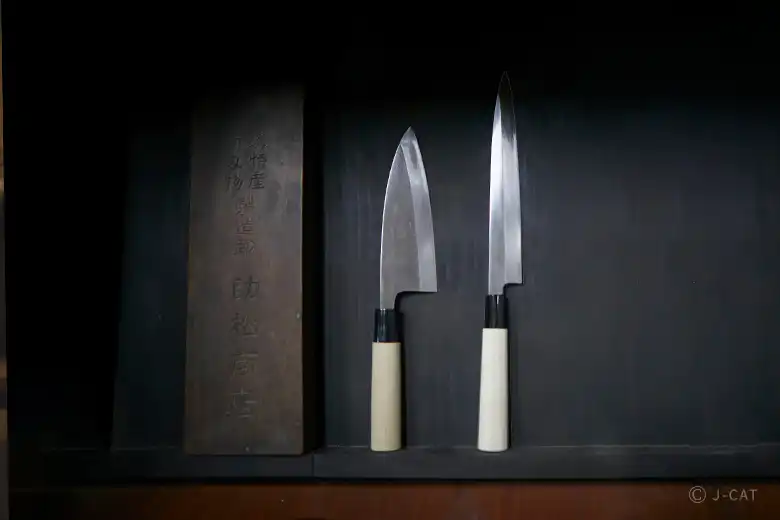
When we think of Japan, images of samurai and their world-renowned swords often come to mind. While you can’t bring a katana home, the next best thing is forging your own Japanese knife. Known for being some of the sharpest in the world, this hands-on experience lets you work alongside a traditional blacksmith to forge your own blade from start to finish.
And the best part? You get to take it home with you, making it one of the most unique, meaningful, and actually useful souvenirs you can bring back from Japan.
In this 1.5-hour knife-making workshop, you’ll choose your knife type, sharpen the blade, attach the handle, and even engrave your name in Japanese with a sakura leaf design, creating a truly one-of-a-kind keepsake. And unlike the 20 plushies you might pick up in Akihabara, this Japanese knife is practical and totally useful once you’re back home!
Knife-Making Workshop
- Location: Knife-Making Workshop, located in Asakusa
- Time: 11:00AM, 2:30PM
- Highlights: Craft your own Japanese knife, sharpen it, put on the handle, engrave with your name, and bring it home!
- Duration: 1.5 hours
28) See an Imax 4DX Movie
While this experience isn’t exclusive to Japan, it’s a delightful way to spend a rainy day or simply relax. Head to TOHO Cinema in Roppongi, or any of the other cinemas offering IMAX 4DX, and check the schedule for movies available in English.


Look for films being shown in IMAX 4DX to enjoy an even more immersive experience, complete with motion seats and environmental effects like wind, fog, scents, and flashing lights. We chose to see Ghostbusters, which perfectly showcased all these additional sensory elements!
29) Learn Kintsugi – Art of repairing broken Ceramics
Kintsugi is a Japanese technique that doesn’t just fix broken ceramics, it turns each piece into a work of art, celebrating its cracks and imperfections.
On this exclusive hands-on tour, you’ll learn the traditional Japanese art of repairing broken ceramics with natural materials like lacquer and gold. Apparently, many people find this process of turning something broken into something beautiful truly meditative and therapeutic.

At the end of this 1.5 hours workshop, you’ll take home your own finished piece. It’s one experience we can’t wait to try ourselves when we return to Japan later this year!

Learn Kintsugi
- Location: Learn Kintsugi, located in Asakusa
- Time: 1:00PM, 3:00 PM, 5:00PM
- Highlights: Experience the meditative art of Kintsugi where you repair vintage broken ceramics with lacquer and gold, bring it home as an art piece and souvenir from Japan
- Duration: 1.5 hours
30) Play the Taiko Arcade Game
While in Tokyo, bring out your inner child and go check out their arcades. In particular, I would recommend trying out the Taiko drumming game.
As kids, we loved playing Dance Dance Revolution, so trying this experience was a no-brainer for us! Essentially, a series of drumming notes scroll across the screen, and you use two drumsticks to hit the taiko in time with the music.

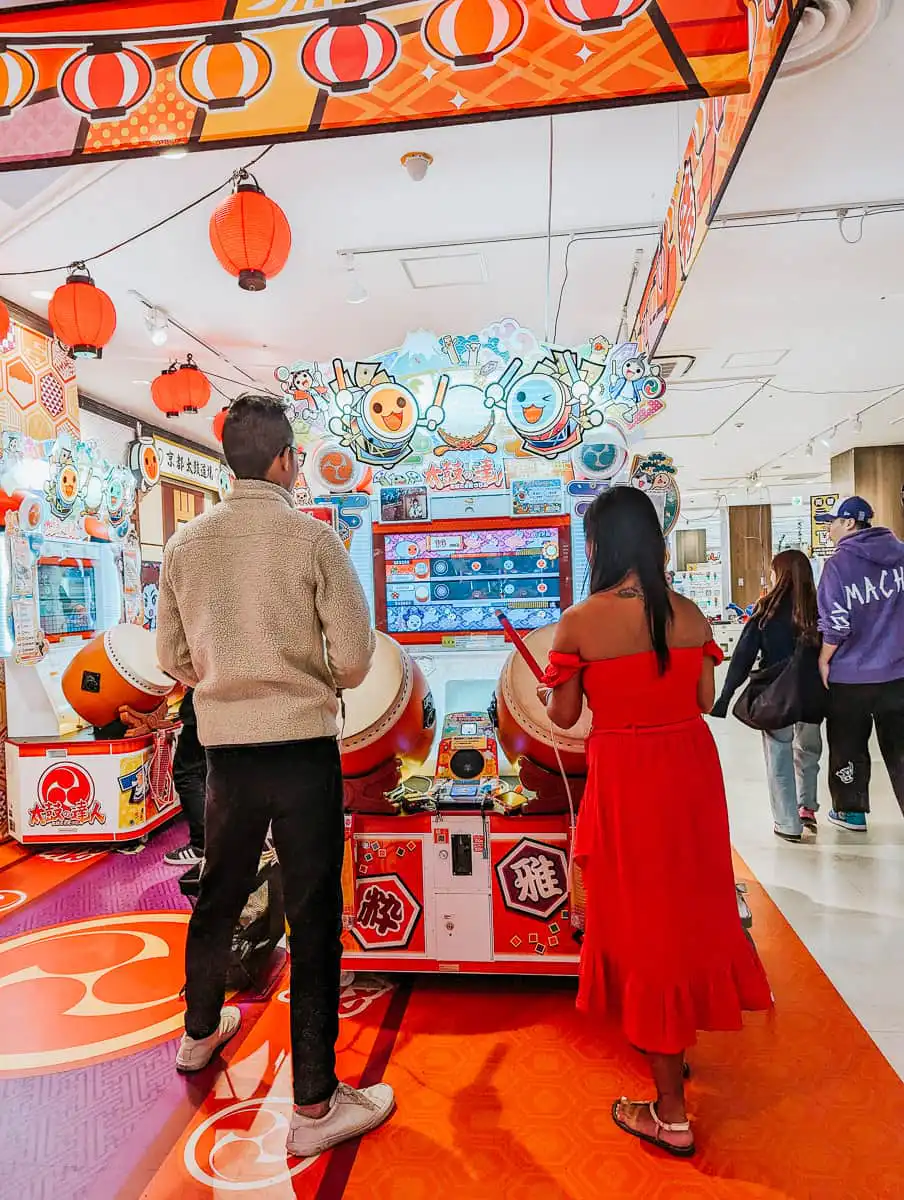
It’s an incredibly fun activity, especially to do right after the Purikura selfie experience, as they’re usually located nearby! One round of the game, which consists of 3 songs, only costs about 100 yen per person.
31) Drink in Golden Gai
Golden Gai is often recommended in Tokyo, so we decided to check it out with some new friends we met after the Wagyu Tasting Experience. It’s a series of narrow streets packed with quirky little bars, each with its own personality, music, and sometimes even games or activities.
Keep in mind that most bars charge an entrance fee, usually in cash. If you’re a group of friends looking for a quirky bar-hopping experience in Tokyo, Golden Gai is worth a visit. But with that said, we personally found the fees a bit high and preferred drinking in izakayas, where the ambiance felt livelier and more authentic.

32) Japanese Calligraphy Class
Unlike the Latin alphabet, Japanese uses characters that turn writing itself into an art form. If you’re intrigued by these beautiful characters, there’s an amazing Japanese calligraphy class in Asakusa. In this 1.5-hour experience, an master instructor will guide you through the art of brush writing, and by the end, you’ll have your own calligraphy piece to take home.
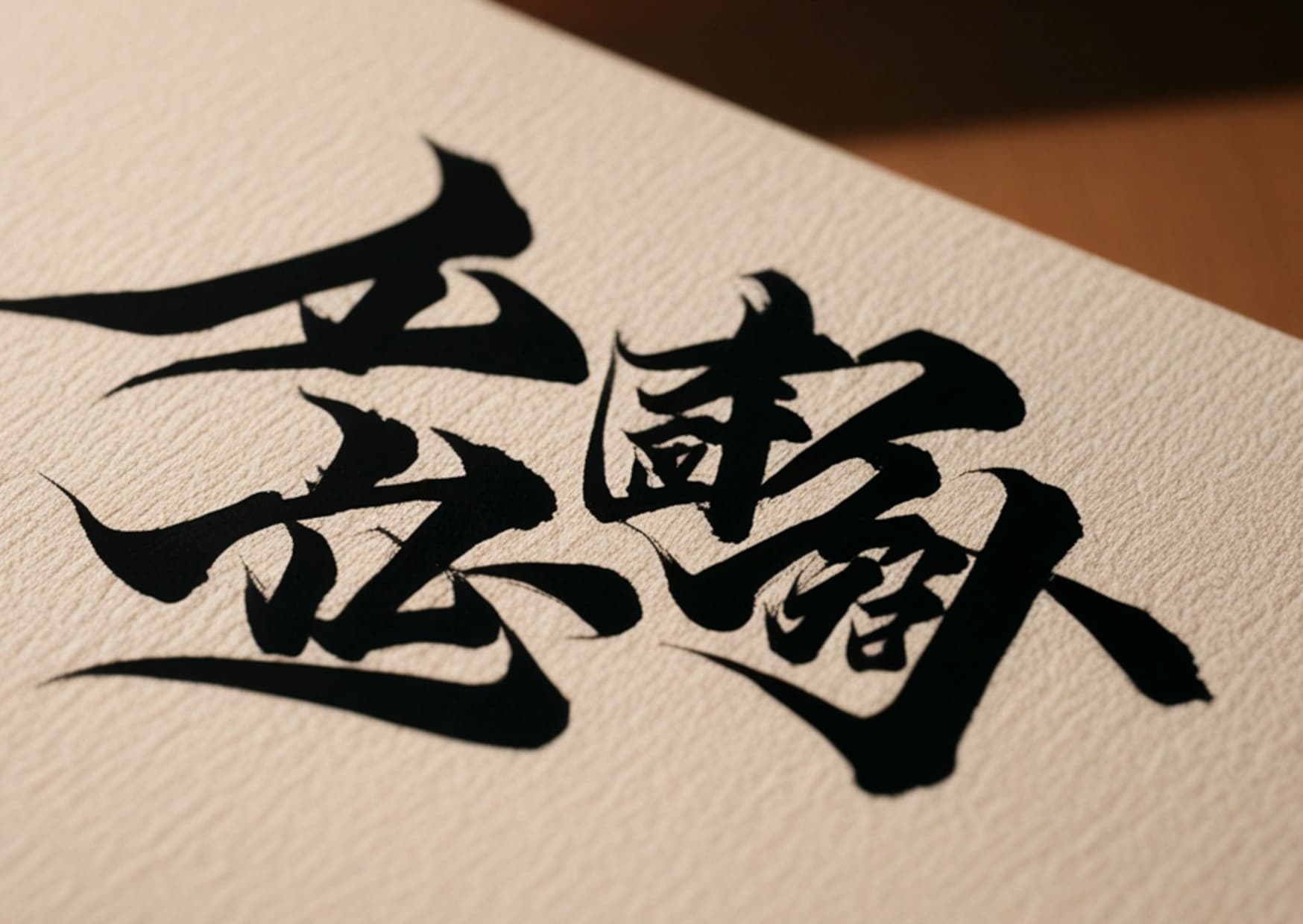
This activity pairs perfectly with a visit to Sensoji Temple and the Taiko Museum which are both also located in Asakusa.
Tokyo neighbourhoods Explained
Tokyo is a city of over 23 neighbourhoods, each with its own personality, vibe, and unique experiences. I remember while planning our trip to Japan, we spent countless hours researching each neighbourhood to figure out where we wanted to stay and which ones we wanted to explore. Whether you’re after neon-lit streets, traditional temples, or world-class shopping, understanding the districts can help you make the most of your visit, because let’s face it, you don’t have unlimited time in Tokyo.
Here’s a breakdown of some of the city’s most iconic areas:

Shibuya
Tokyo’s fashion and youth culture hub. Famous for the iconic Shibuya Crossing, one of the busiest pedestrian intersections in the world, this area is perfect for shopping, people-watching, and catching the latest street style trends. For us, Shibuya felt a lot like New York’s Times Square, with towering skyscrapers, bright lights, massive screens (we even saw cute panda animations!), and international shopping at every turn.

Shinjuku
A city within a city, Shinjuku is known for its bustling nightlife in Kabukicho, one of Japan’s largest entertainment districts. During the day, you can explore department stores, towering skyscrapers with Godzilla on the rooftop, and peaceful spots like Shinjuku Gyoen, or head up to the Tokyo Metropolitan Government Building for free panoramic views of the city. At night, the streets come alive with neon lights, street food stalls, and endless dining options. This is where we stayed, and we loved the more local, authentic shop vibes here. This is also where you’ll find Omoide Yokocho, a tiny alley full of cozy izakayas that give that “old Tokyo” feel.
Akihabara
The ultimate neighbourhood for pop culture and anime lovers. From anime and manga shops to cutting-edge electronics, gaming centres, and themed cafés (everything from Dracula to Maid Cafes), Akihabara is a must-visit for fans of all things Japanese pop culture. It’s also the perfect place to hunt for unique souvenirs, or dive into six-story electronics meccas like BIC Camera and Yodobashi to find every quirky or high-tech Japanese gadget you could ever dream of.

Roppongi
The ultimate neighborhood for local luxury. From sleek high-end shopping and art at the Mori Art Museum to some of our favourite dining experiences, Roppongi blends upscale sophistication with a quieter, more intimate vibe. This is where we experienced a high-tech 6D cinema, and later stumbled upon an all-you-can-drink Sake Omakase.
Unlike the neon and bright light chaos of other districts, Roppongi feels like a local, relaxed luxury neighborhood. It’s also where we discovered one of our favourite Uni Toro Bowls, proving that indulgent food is definitely part of the scene here.
Tsukiji
While the famous fish wholesale market has moved to Toyosu, Tsukiji Outer Market remains a sea-foodie paradise and a must visit during your stay in Tokyo. This is where you can catch the famous fish auctions, sample fresh sushi, seafood snacks, and a variety of Japanese street food. It’s just a short metro ride from Tokyo Central Station, it makes for an amazing half-day or full-day outing.
It’s not necessarily a place we’d choose to stay, but it’s definitely worth exploring while you’re in the city.
Ginza
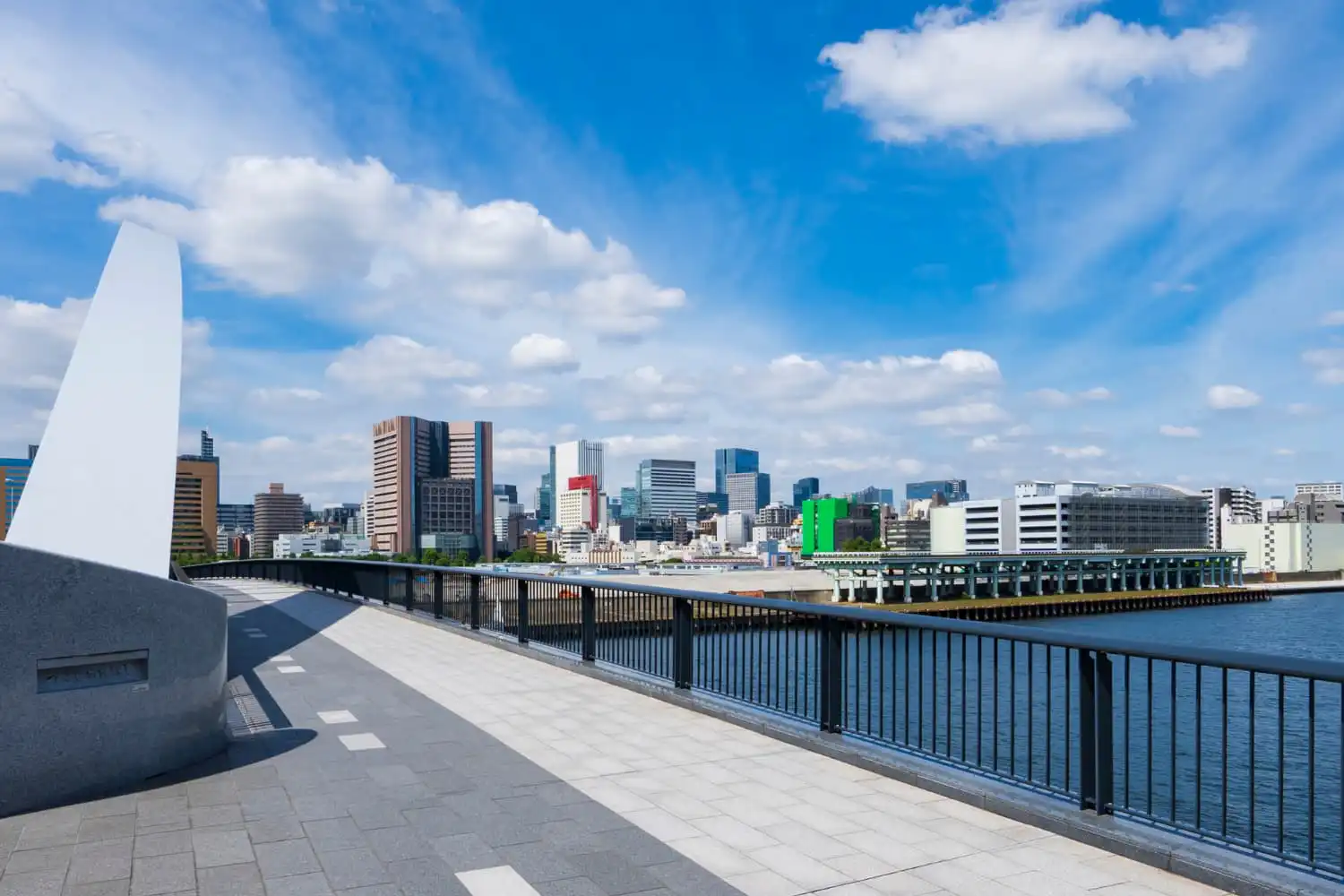
Located just one metro stop from Tokyo’s Central Station, Ginza is Tokyo’s premier shopping district, known for luxury brands, designer boutiques, and high-end dining. The area is sleek and elegant, perfect for wandering through iconic department stores like Wako, Mitsukoshi, and Ginza Six, stopping for a fancy tea or dessert at a stylish café, or exploring hidden art galleries and rooftop gardens.
It’s like the luxury style of Shibuya, but without the crowds and chaotic neon energy. Ginza brings the elegance and polish of a classic city centre.
Harajuku
Located just above Shibuya, Harajuku is the ultimate neighborhood for quirky street style, youth culture, and all things colorful. Takeshita Street is Harajuku’s downtown, packed with candy-colored shops, crepe stands, and cosplay-inspired boutiques, while side streets hide more unique fashion finds and cozy cafés.
Compared to the polished luxury of Ginza or the pop culture overload of Akihabara, Harajuku feels younger, more whimsical, and a little chaotic, making it an interesting neighbourhood to explore while in Tokyo. During our stroll, we even stumbled upon some fancy pop-up luxury discount stores (where clothing items were discounted from like 4000$ to 1000$, no thanks!), picked up a pair of On Cloud shoes, and shopped for glasses. This area offers a low-key, hidden shopping feel that surprised us.
Asakusa
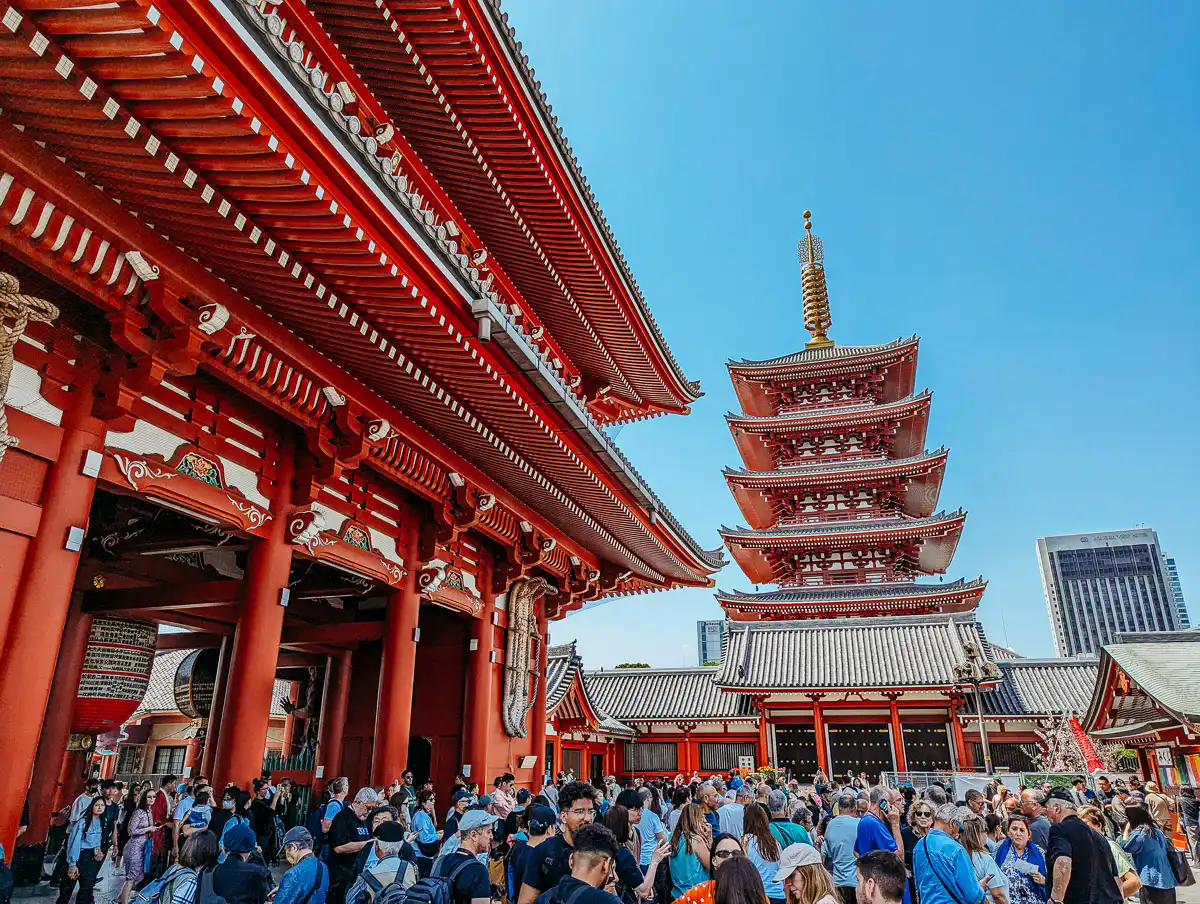
Asakusa is home to Sensoji Temple, one of Tokyo’s most famous landmarks. Located in the north-eastern corner of the city, it is a bit less convenient to reach compared to central districts, making it ideal for a day trip but probably not the neighbourhood you want to stay in.
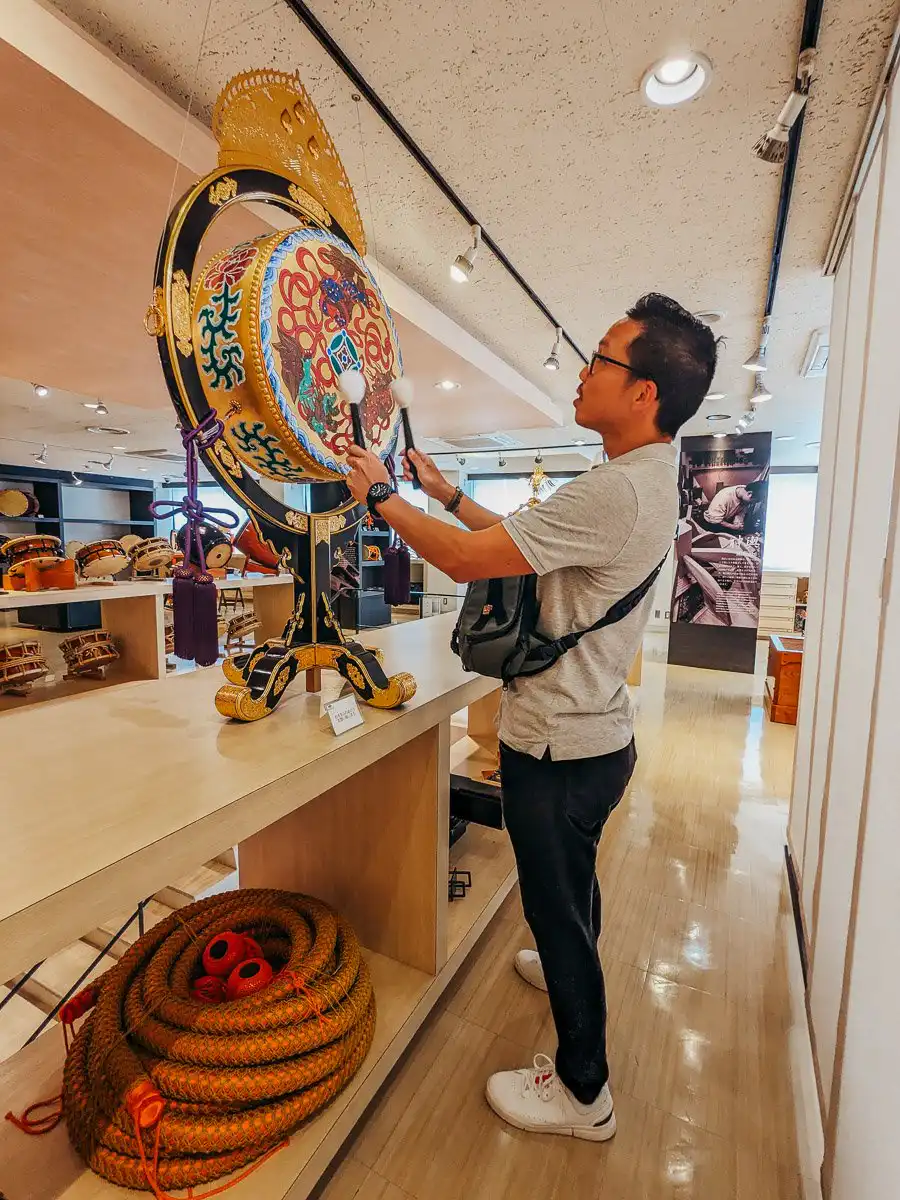
When we visited, we explored Sensoji Temple. It is beautiful, but so touristy, and the streets around it were crowded with souvenir shops and people. So we wandered off path and found a hidden gem, a Taiko Museum, where you can actually try out different taiko drums. It was a fun, hands-on experience that made our visit extra memorable.

Odaiba
Odaiba is Tokyo’s futuristic waterfront playground, full of entertainment, shopping, and quirky attractions. Highlights include the teamLab Borderless digital art museum, the giant Gundam statue, and the relaxing Odaiba Seaside Park with stunning views of Rainbow Bridge.
It is also home to shopping complexes like DiverCity Tokyo and Aqua City, making it easy to combine sightseeing with shopping. Odaiba is perfect for spending a day exploring the mix of high-tech attractions and scenic spots, and it feels more spacious and laid-back compared to the crowds of central Tokyo.

Tokyo Itinerary
As you can see from this extensive list of activities, there’s more than enough to fill your time in Tokyo. If you’re staying around five days like we did, you’ll probably only be able to fit in about 10 of these experiences while still keeping your itinerary relaxed and enjoyable.
To help you visualize how to plan your trip, here are a few sample itineraries showing how you could structure your stay.
3 Days in Tokyo
With only 3 days, you’ll have to really pick and choose the main priority activities for you depending on your interest. If we were to do Tokyo again in 3 days, this is how we would organize our days:
- Day 1: In the morning, head over to the Tokyo Metropolitan Government Building for one of the best skyline views of Tokyo for FREE! Then take the train to Shibuya Station where you can experience Shibuya Scramble a bit of retail therapy. After that, take the train to Minato to visit Teamlab Borderless. Finally, at night, you can go to the nearby Roppongi for an Omakase dinner. We went to Sushi Muku and it was affordable and had all you can drink Sake.
- Day 2: Do a day trip to visit the Harry Potter Studio Tour. It is located around 50 minutes from Downtown Tokyo but is one of the most unique experiences for Harry Potter fans. Account for around 3-4 hours there since the studio tour is quite massive. Finally at night, you can head on over to an Izakaya in Shinjuku, or if you love steak, do a Wagyu Tasting Tour.
- Day 3: Start the morning racing Mario Go-karts down Shibuya on this tour, then spend the afternoon exploring different districts in Tokyo including Shinjuku and Akihabara for all things Anime. Each district is quite massive so you can easily spend a full day just exploring, shopping, and picking up some treats! also make sure to visit Yodobashi and Bic Camera.


5 Days in Tokyo
If you have two extra days, you can follow the same itinerary for the first three days in Tokyo and then add the following two days:
- Day 4: Experience the Toyosu Market Auction on this exclusive 3 hour tour. After the tour, you can experience the waterfront district of Odaiba, where you can also see the huge Gundam statue and explore some of the freshest sushi/sashimi seafood stalls. If you missed the other TeamLab Borderless on Day 1, you can instead visit TeamLab Planets in this district.
- Day 5: You can’t visit Japan without trying on a traditional kimono or yukata. During this Kimono Experience, you’ll rent and dress up in beautiful traditional attire before heading out to explore the historic streets of Asakusa and visit Sensoji Temple. To make the experience even more memorable, you can also add a professional photography session so you’ll have stunning photos to take home.


One week or More Tokyo Itinerary
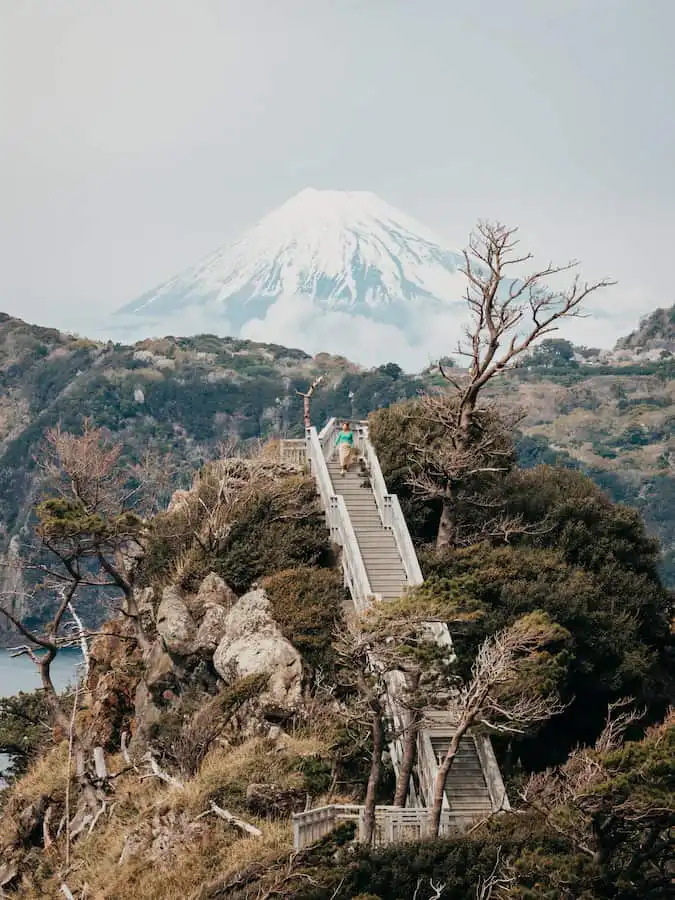
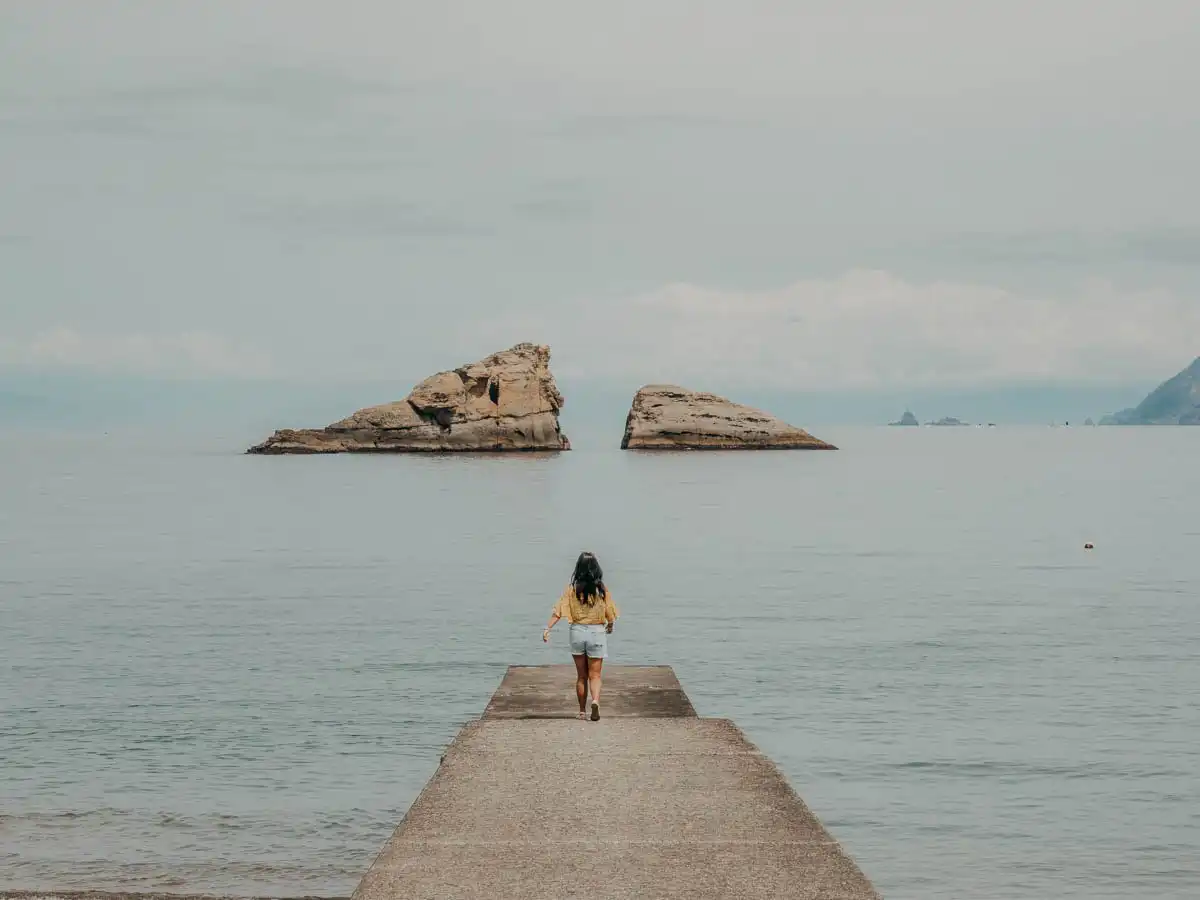
If you have one week or more in Tokyo, we highly recommend adding a multi-day trip to the Izu Peninsula.
Located about an hour away by high-speed train, it’s the perfect starting point for one of the most memorable road trips in Japan. Here you’ll find quaint fishing villages, dramatic coastal scenery, some of the freshest seafood in the country, and traditional ryokans where you can unwind in relaxing onsens each night.
Exploring the Izu Peninsula felt like stepping into a quieter, more traditional side of Japan, far away from the crowds and modern bustle of Tokyo. After spending almost 3 weeks in Japan, Izu Peninsula was our fondest memory.

Where To Stay in Tokyo
Tokyo is a huge city and is comprised of several districts, each of which offer a completely unique experience. We’ll highlight the main districts of Tokyo and what they are known for so you can better choose where to stay.
Recommended districts of Tokyo
- Shibuya is known as the hub of fashion and has the Shibuya Crossing
- Shinjuku is known for its lively nightlife in Kabukicho and the huge variety of street food and restaurants
- Akihabara is the haven for all things Japanese pop culture including anime, manga, and electronics!
- Roppongi is the centre of luxury shopping and features the Mori Art Museum
- Tsukiji is famous for its wholesale seafood market.
- Ginza is Tokyo’s premiere shopping district, known for its luxury brands, high-end dining, and upscale living.
Where to stay in Tokyo?
As you can see from the previous highlights of each ward, where you stay in Tokyo will highly depend on the environment you want and your budget. Shinjuku is incredibly lively, with the streets filled even late into the night. It also has the red light district there so the crowds around there are different. If you prefer something more upscale, then you can stay in Shibuya or even Roppongi.
Also, ideally, pick an accommodation somewhere within walking distance to the main train stations or the Pink Toei Oedo line (Circular loop line that goes around the main central districts in Tokyo).
We chose to stay in Shinjuku’s Toyoko Inn and it was super convenient as it was connected to the Toei Oedo line as well as several of the other main lines.
If you want to save some money, you can also opt to stay in a business hotel such as Toyoko Inn (We stayed there and it was excellent), APA Hotel, or Tokyu Stay Hotels (a bit more upsacle).
Business hotels in Japan are simple, comfortable, and conveniently located hotels. There are no frills or fancy decor, but serves as an excellent budget-friendly accommodation.
Quick Tips For Visiting Tokyo
Tokyo can feel overwhelming before your first visit. It’s one of the largest cities in the world, and planning logistics like trains, reservations, and neighborhoods can seem complicated. But once you understand a few basics, traveling around Tokyo can be stress-free. Here are a few quick tips.
For our complete list of 36 must-know tips, check out our First-Timer’s Guide to Japan.
Best time to Visit Tokyo
The best time to visit Japan depends on what you want to experience.
Spring (March–May) is famous for cherry blossoms and mild, pleasant weather. This is when we visited and experiencing the landscapes and historical sites of Japan surrounded by Sakuras was unforgettable.
Summer (June–August) in Japan is festival season at its liveliest. Streets come alive with colourful matsuri, traditional dances, and fireworks displays. But the months of July to August can get hot and humid, especially in cities like Tokyo and Kyoto. Despite the heat, summer is the perfect time to experience Japan’s energetic street festivals, but because of this it tends to be quite crowded.
Fall (September–November) offers stunning autumn foliage and comfortable temperatures, ideal for sightseeing and enjoying seasonal foods.
Winter (December–February) has fewer crowds, making it perfect for snow sports, relaxing in hot springs, and enjoying seasonal city illuminations. There are also several festivals like the Sapporo Snow Festival with massive snow sculptures, Nowaza Onsen Fire Festival which is one of Japan’s three great fire festivals, and Yokote Kamakura Festival featuring small igloo-like snow houses in Kamakura.
How to Get from Tokyo Airport to City Centre
The instructions for how to get from Tokyo airport to the city centre will depend on whether you land at Narita Airport or Haneda Airport.
It takes between 30 minutes from Haneda airport to around 60-80 minutes from Narita airport, and you can either ride the designated airport bus/trains, or arrange for a private transportation.
We go into full details on all the available and best routes to get from Tokyo Airport to the city centre in our 10 day Japan itinerary post.
How to get Around Tokyo: SUICA/PASMO Cards
When you arrive in Japan, getting a SUICA or PASMO card is a must.
These rechargeable transport cards can be used for local buses, trains, metros, and even to pay at some convenience stores. We tried sticking to cash at first, but it became such a hassle having exact change so we picked up a SUICA card.
Keep in mind that SUICA cards can only be picked up at the large hub transport stations, so we recommend picking up right after you get off the plane at Narita Airport. Once you have it, it is easy to get around Tokyo using their extensive metro system.
Cash Vs. Card
Although more and more modern restaurants are starting to accept credit cards, we still recommend always having enough cash on you. This is particularly the case for mom-and-pop restaurants, or when you want to purchase your ramen from those machines.
Do you need the Japan Rail Pass
In the past, the unlimited Japan Rail Pass was a no-brainer, but recent price hikes mean it’s only worth it in certain situations.
For most travelers, buying individual shinkansen tickets is usually cheaper. The Rail Pass makes sense if you’ll be riding the shinkansen every 1–2 days. For our trip, we got the Klook Kansai Pass during our stay in Osaka, which bundled four attraction tickets with the JR Kansai Area Shinkansen Pass at a discount. It ended up being worth it for us since we were taking the shinkansen frequently from Osaka for day trips.
Choosing Restaurants in Tokyo
Quick tip: Don’t get caught up chasing Tokyo’s Instagram-famous restaurants. In our experience, they often have huge lines and the food can be underwhelming. Instead, seek out hidden mom-and-pop spots and local eateries—delicious food, authentic experience, and no long wait.
Common Mistakes First Time Visitors to Japan Make
Finally, here are some mistakes we commonly see first time visitors to Japan make:
- Trying to see too much: Cities in Japan are big. Don’t try to cram too many attractions in one day.
- Not grouping activities by neighborhood
- Not Making restaurant reservations: Many times we were turned away from restaurants because we didn’t make reservations and the lineup was already too long.
- Not arriving early to attractions: Japan has seen record-breaking tourism levels. Make sure to arrive early at attractions to avoid the crowds (although in truth, there will still be crowds).
Using WISE card in Japan
When taking cash out of an ATM while abroad, you will most likely be charged both a foreign exchange fee and a foreign transaction fee by that country’s ATM. With my Canadian card, this can easily be 3-4$ + 2.75% + a markup on the exchange rate charged by my bank, and then another 3-5$ charged by the foreign ATM.
This can be really costly. For this reason, we recommend using WISE card which has only minimal fees and just about no foreign currency exchange markup. This helps me save at least 5-7$ every time I take out money from an ATM. If you want to see our full review of the card showing exactly how WISE can help you save, check out our WISE Travel card Review post.
Where else to explore in Japan?
Japan is filled with so many incredible experiences! If you need help getting an overall idea of how to travel through the country, check out our 10 days Japan travel Itinerary Guide!
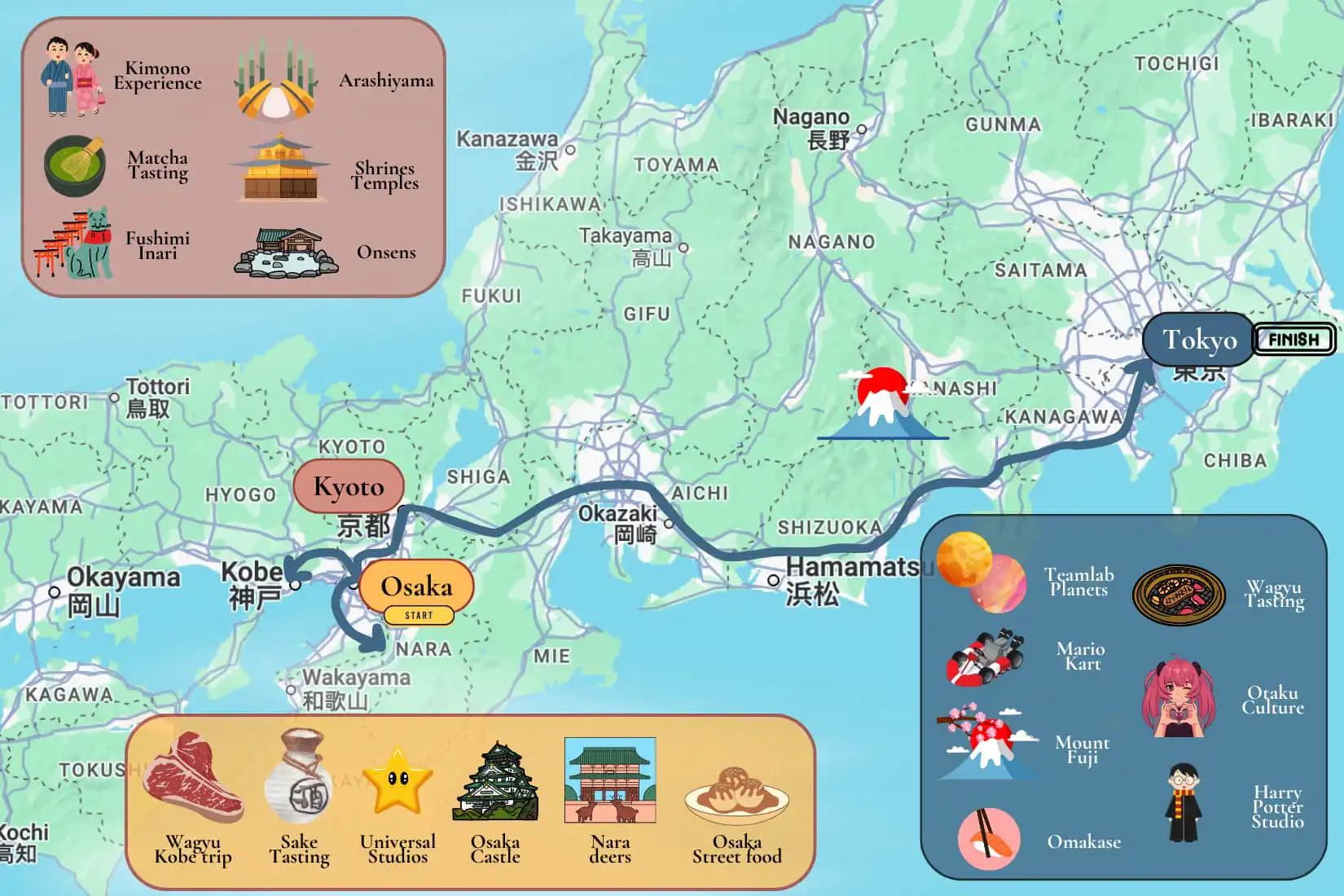
There we delve into some of the highlight spots of Japan including exploring Kyoto, Fushimi Inari, day trip to Nara, experiencing the best that Osaka has to offer, indulging in matcha desserts in Uji, going off-the-beaten path road tripping through the Izu Peninsula and seeing some of the most amazing coastal views and having Ryokan experiences, and much more in-between! Also, don’t forget to check out our essential travel tips in Japan so you can make sure your trip goes as smoothly as possible!
Recap: 32 Unique things to do in Tokyo
Tokyo is a city brimming with an incredible array of activities. As we mentioned, even if you spent a year there, you’d still find endless new experiences waiting for you. This list of 32 unique things to do in Tokyo will inspire you to explore some of Japan’s finest experiences, immerse yourself in its rich culture, and savor some of the best cuisine the country has to offer!
We hope you have an amazing trip to Tokyo!
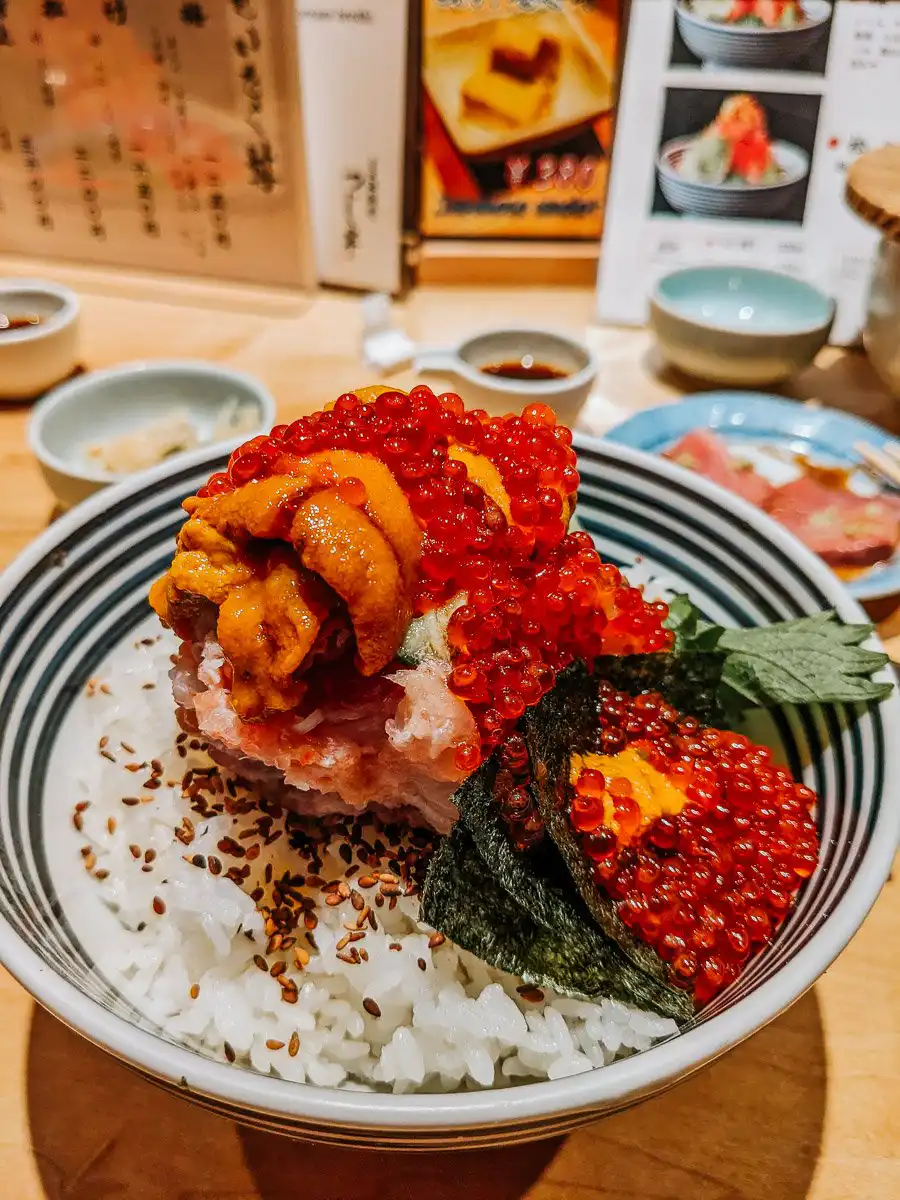 Tuna Uni bowl at Nihonbashi
Click ⬇️ to Pin this post on your Pinterest – so you always have it handy!
Looking for more travel inspiration?
Incredible volcanoes and ancient Mayan civilizations: Tikal and Antigua in Guatemala.
Hiking in the Andes and discovering Machu Picchu: Travel itinerary in Peru, hiking to Machu Picchu
Exploring ancient cave dwellings and riding hot air balloons in Cappadocia
Exploring and sailing on the Turkish Coast
Hiking in one of the US’s best national parks and road tripping through Utah
Discover Vietnam and the exciting northern Ha Giang Loop, as well as the Unesco city of Hoi An.