6 Days in Hiroshima: Itinerary, Best Things to Do & Travel Tips


When you think of Hiroshima, the first thing that probably comes to mind is the atomic bomb and the dark history surrounding it. And while that history is an incredibly important part of understanding Hiroshima, after spending nearly a week exploring the city, we realized there is so much more to Hiroshima that deserves your time and attention.
In fact, out of all the cities we visited in Japan, Hiroshima is one of the few where we could genuinely see ourselves living. It has a fascinating history, a surprisingly great food scene, easy access to incredible day trips like Miyajima and Onomichi, and a peaceful atmosphere that we absolutely loved. Oh, and the locals are some of the kindest we met in Japan.
So, if you were thinking of adding Hiroshima as a quick one-day stop on your Japan itinerary, we highly recommend you rethink that. We ended up spending 6 days here and still found plenty to discover.
That’s why we put together this 6-day Hiroshima itinerary, sharing our favourite experiences, from local spots and hidden gems to the essential sights, along with all the tips you need to make your time in Hiroshima as meaningful (and enjoyable!) as possible.
Key Takeaways: Hiroshima Itinerary
- We recommend spending at least 2-3 days to explore Hiroshima, but ideally around 4-5 days
- Our favourite experiences in Hiroshima included visiting the Peace Memorial Museum, Walking Tour to learn the history, Day trip to Miyajima, and Kyudo Japanese archery
- Don’t just visit Hiroshima for the Peace Memorial Park. The city has a surprisingly fun food scene, interesting neighbourhoods, and plenty of lesser-known experiences worth discovering.
- Miyajima deserves at least a full day
- Stay centrally in Honkawacho or Kamiyacho so you can easily explore Hiroshima on foot
How Many Days to Visit Hiroshima
We’ve noticed that many travellers and guides online include Hiroshima only as a day trip, or maybe recommend 2–3 days, but in our experience, Hiroshima deserves a lot more time (at least 4-5 days)!
We ended up spending close to a week there and absolutely fell in love with Hiroshima. From its rich history and amazing food to its joyful yet calm pace of life, there was something about Hiroshima that we couldn’t find anywhere else in Japan. It definitely deserves more than just a quick visit to the Atomic Dome.
In fact, after spending close to 2 months in total across two trips to Japan, Hiroshima is one of the places we could actually see ourselves living.
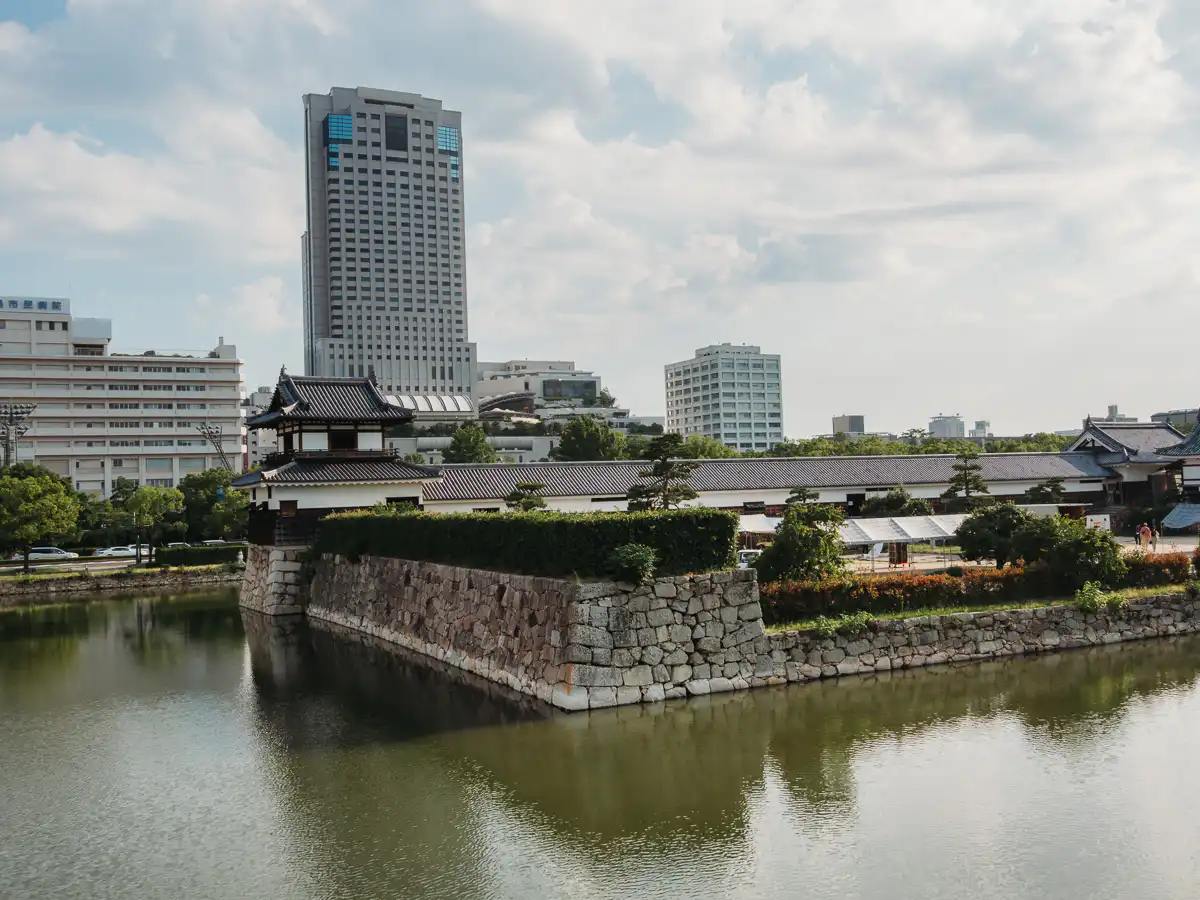
But if you’re a traveller, we highly recommend trying to dedicate at least 5 days here. This gives you enough time to experience the city beyond its most famous sights and really appreciate what makes Hiroshima so special. For us, what made our experience there so special wasn’t checking places off a list, but the people we met, the experiences we had, and the overall vibe of the city.
In our guide, we’ll share our 6-day Hiroshima itinerary to hopefully inspire you to allocate more time to this wonderful city.
Hiroshima 6 Days Itinerary
With 6 days in Hiroshima, you’ll have plenty of time to explore the city at a comfortable pace, discovering the food scene, the rich history, the atomic bomb museum, and even fit in some day trips! To help you easily visualize what you’ll experience, these are the highlight experiences included in the itinerary:
- Hiroshima Walking Tour
- Peace memorial Museum
- Finding the best Okonomiyaki, Yakiniku, and Izakaya
- Kagura performance
- Hondori Street shopping
- Hiroshima Castle and Archery Experience
- Shukkein Garden (optional)
- Day trip to Miyajima for the floating tori gate
- Day trip to Kure for naval history and entering a submarine
- Cycling Day Trip in Onomichi, Izakaya Hopping, or a visit to Bunny island
Day 1: Hiroshima’s History & Japanese Culture
Activities included in Day 1 in Hiroshima:
- Walking Tour to learn the history of the Atomic Bomb in Hiroshima (2.5 hours)
- Explore Hondori Shopping street in the afternoon (2 hours)
- Watch a Kagura Performance at night (1 hour)
Morning: Walking Tour in Hiroshima
For your first day in Hiroshima, we highly recommend doing a walking tour. Whenever there is a deeper story behind a place, we often recommend starting your trip with a walking tour, since you’ll be able to get so much information in just 2 hours, from the city’s history all the way to restaurant recommendations.
We did a walking tour through Guru Walk, but if you want a more official tour experience, you can check out this Historical Hiroshima Walking Tour. Over the 2+ hours, we learned about the history of what happened with the atomic bomb. At times, it can be very hard to listen to all the suffering, from the acid rain and people being burned alive to the ensuing radiation that plagued survivors, but it is an important part of history to understand in order for it to never repeat itself.
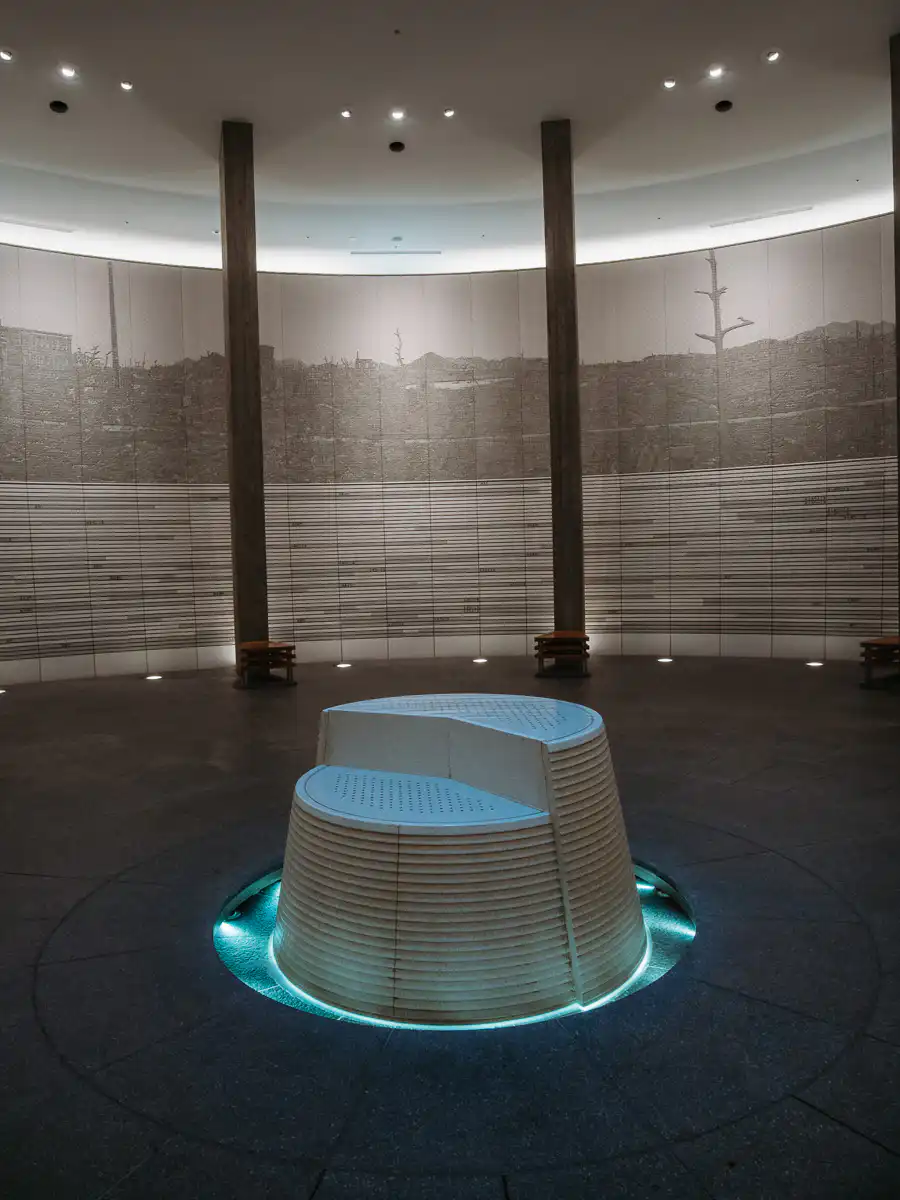
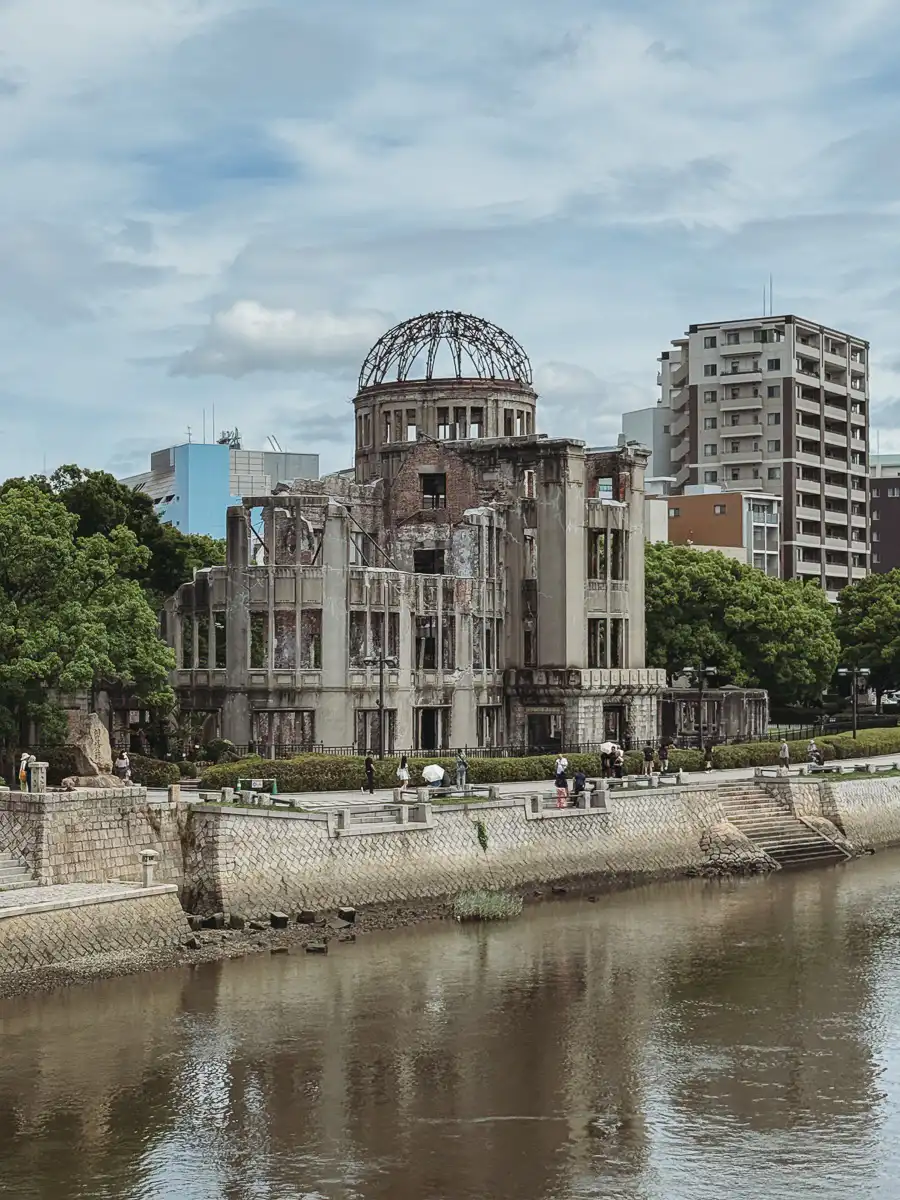
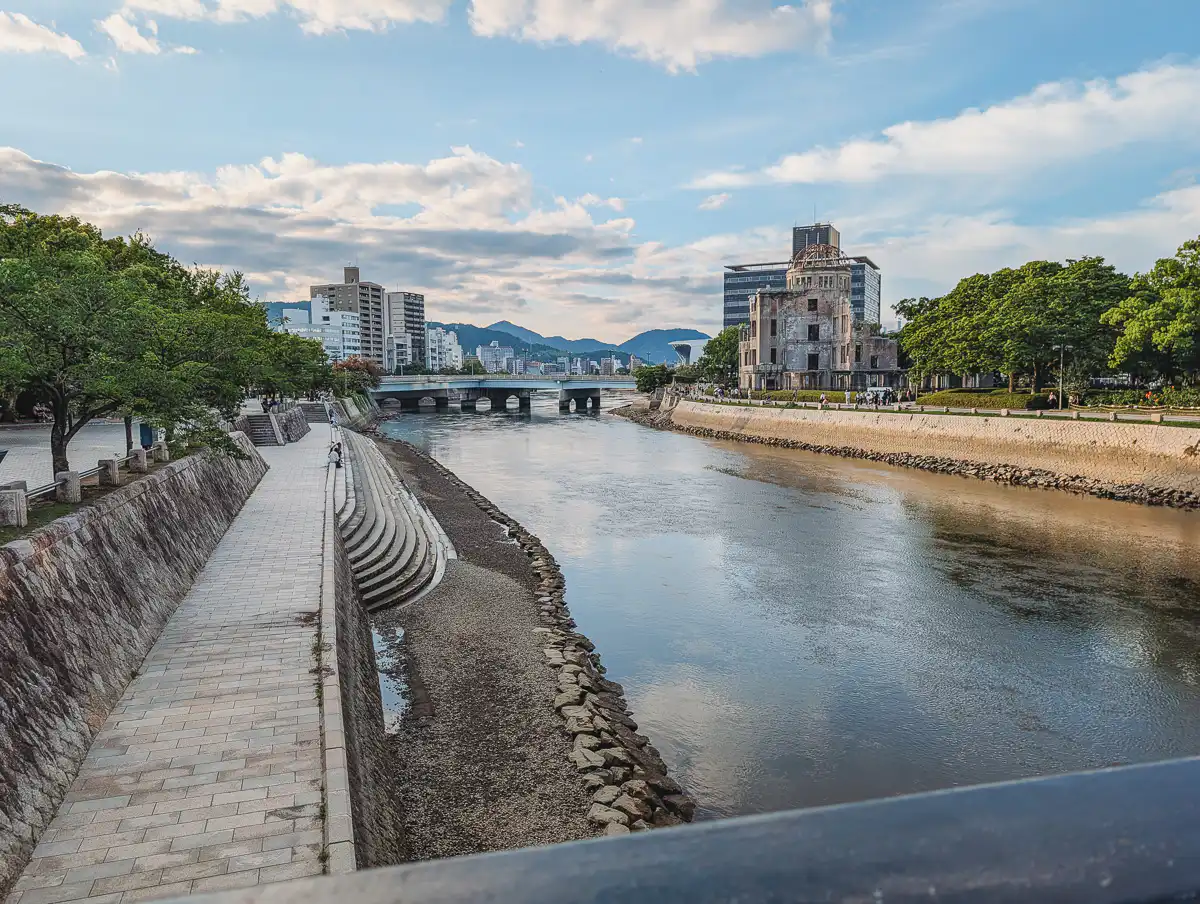
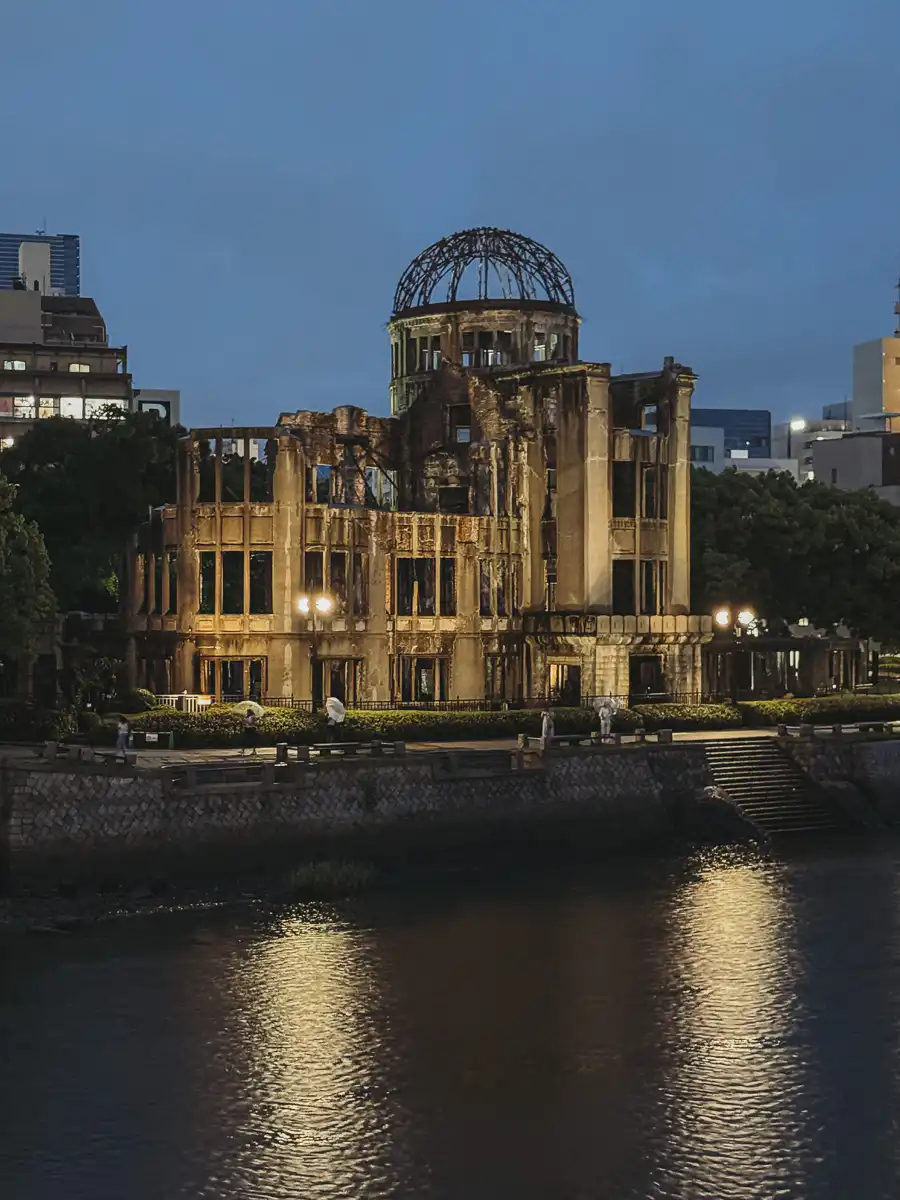
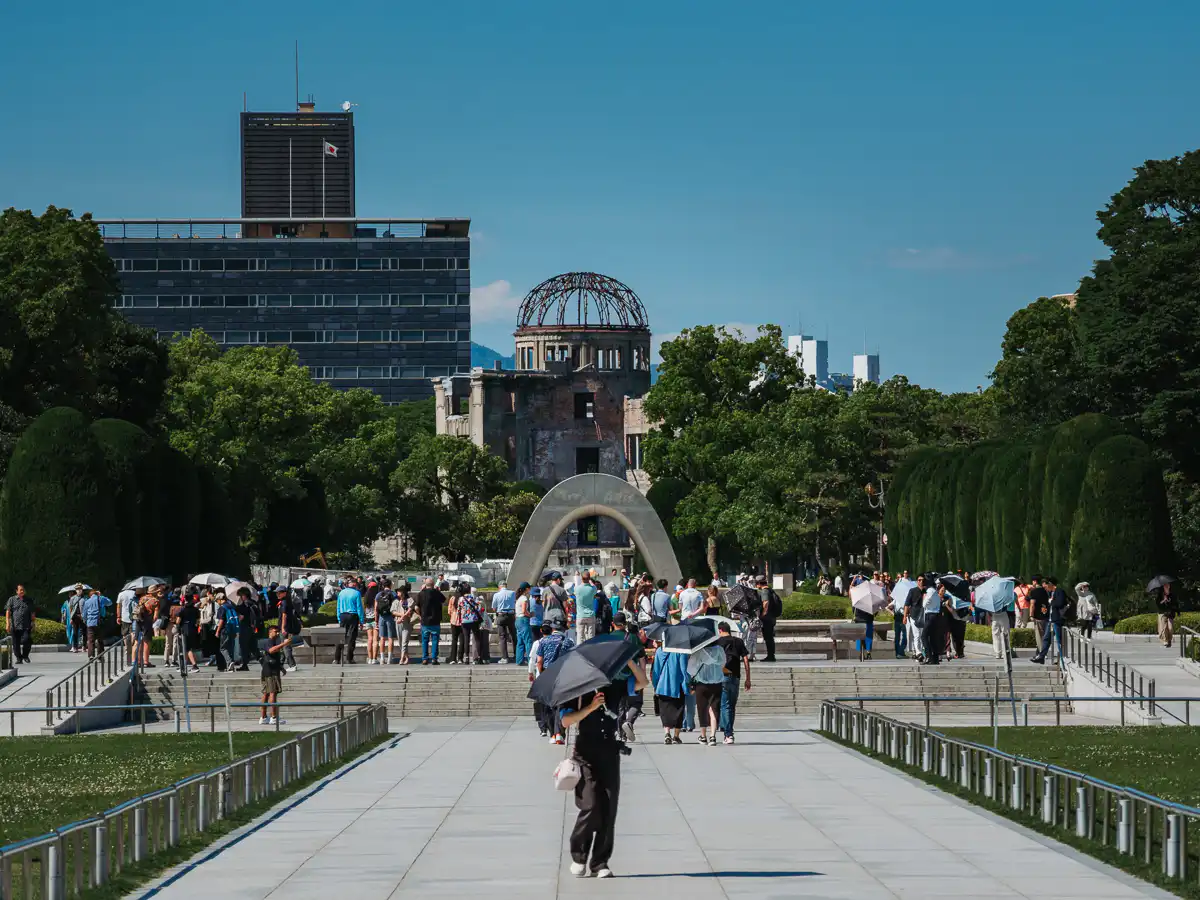
This tour lasts about 2.5 hours, and you’ll get to visit the Atomic Bomb Dome, Children’s Peace Memorial, Hiroshima Victims’ Memorial Cenotaph, as well as Hiroshima Castle. You’ll notice that the actual Hiroshima Peace Memorial Museum is not included in the tour, and this is intentional, since a visit there can easily take 3–4 hours. We recommend exploring the museum on your own the next day.
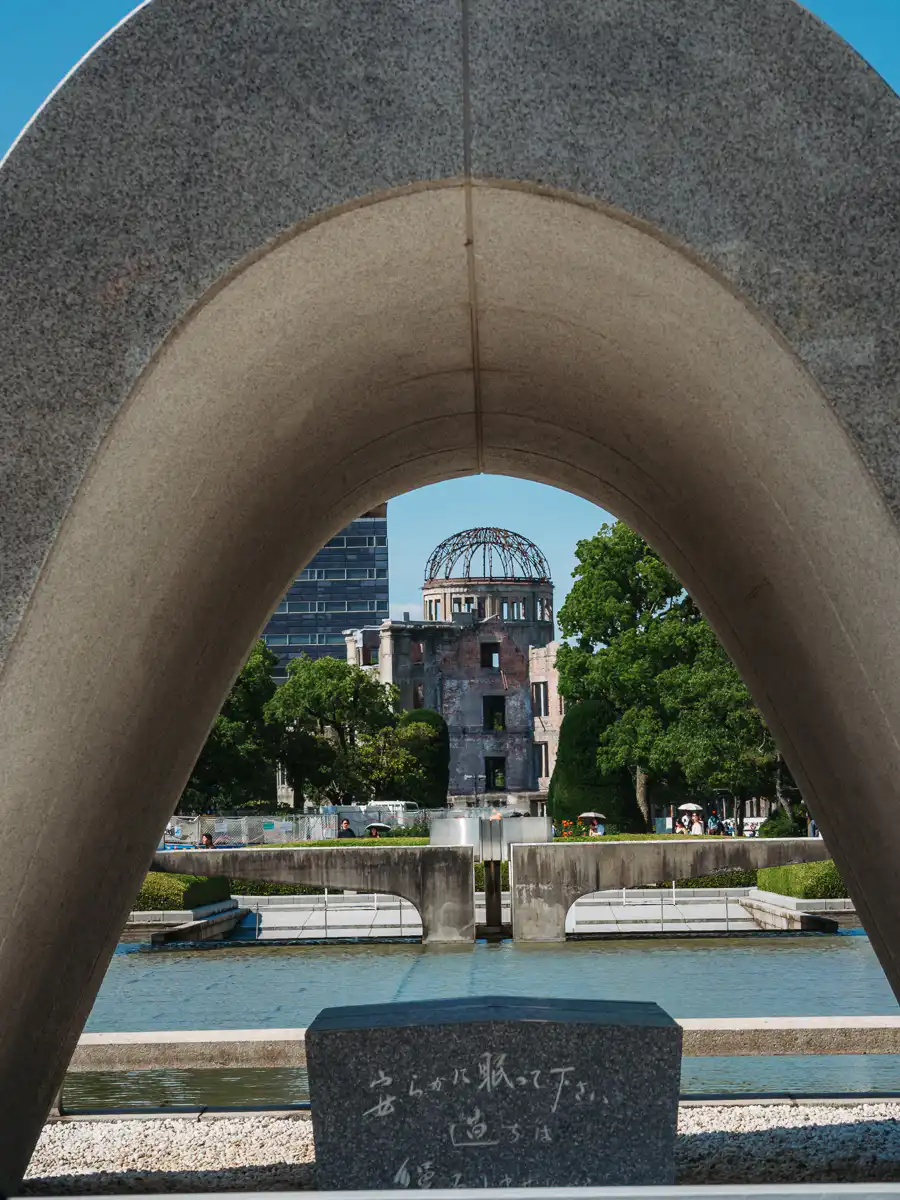
Historical Hiroshima Walking Tour: Details
- Recommended Tour: Historical Hiroshima Walking Tour
- Starting time: 9:30am, 10:30am, 1:30pm, 2:00pm
- Duration: 2.5 hours
- Meeting point: Hiroshima Gokoku Shrine
- Includes: Atomic Bomb Dome, Children’s Peace Memorial, Victims’ Memorial Cenotaph & Hiroshima Castle
- Cost: ~4,500¥
- 💡 Good to Know: The Hiroshima Peace Memorial Museum isn’t included in the walking tour. We recommend visiting it separately the following day, as you’ll want to allow 3–4 hours to properly explore it.
Afternoon: Hondori Shopping Street
After the heavy topic of the atomic bomb, spend the afternoon relaxing and shopping along Hondori Street. We’re normally not big fans of touristy shopping districts, but we actually really enjoyed Hondori. It felt much more authentic and local, with plenty of interesting things to buy at affordable prices.
Whether you’re looking for souvenirs, unique Japanese knives, or clothing, you’ll find it here. We spent the afternoon browsing the shops and ended up buying a pair of Salomon Gore-Tex hiking shoes for only about ¥12,000, which would normally cost double in another country! What’s more is that in Japan, there’s Tax free shopping providing yet another 10% off!

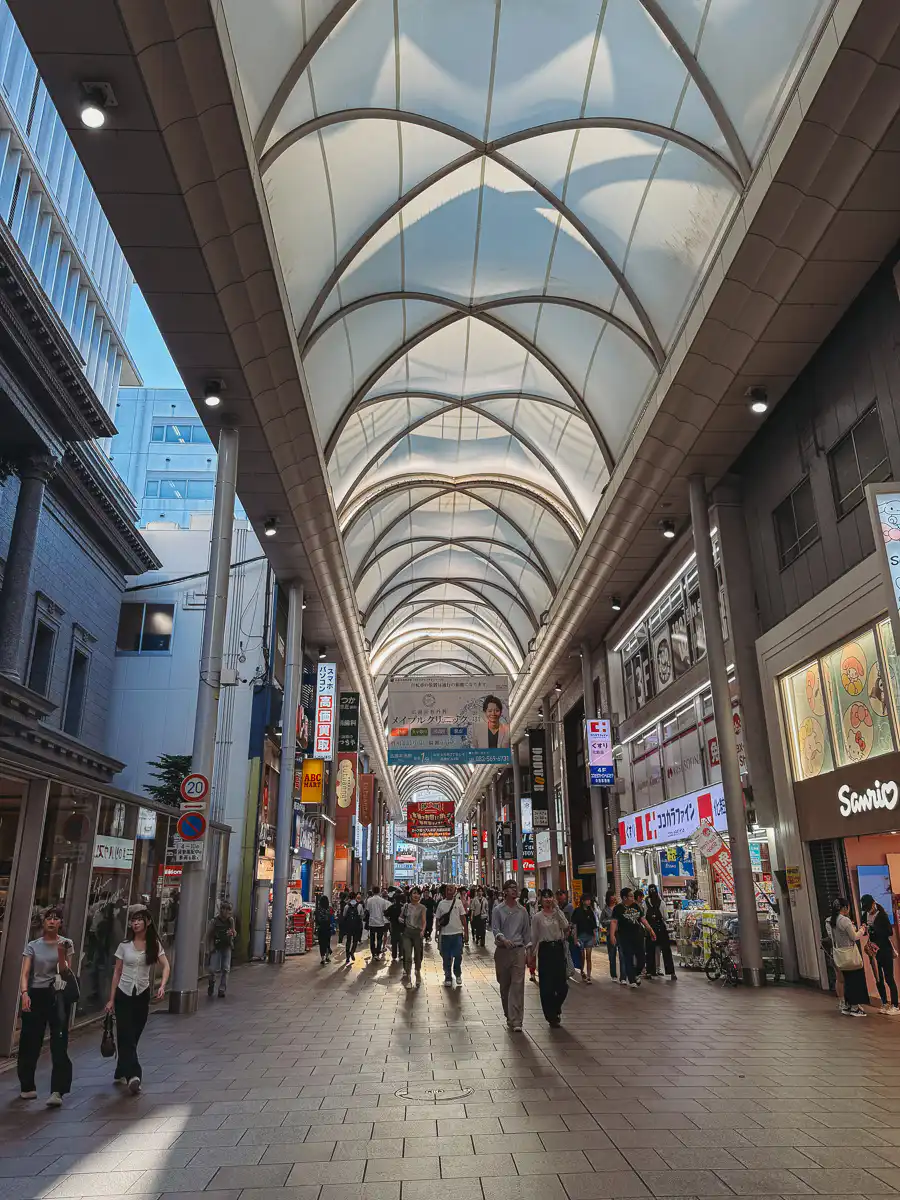
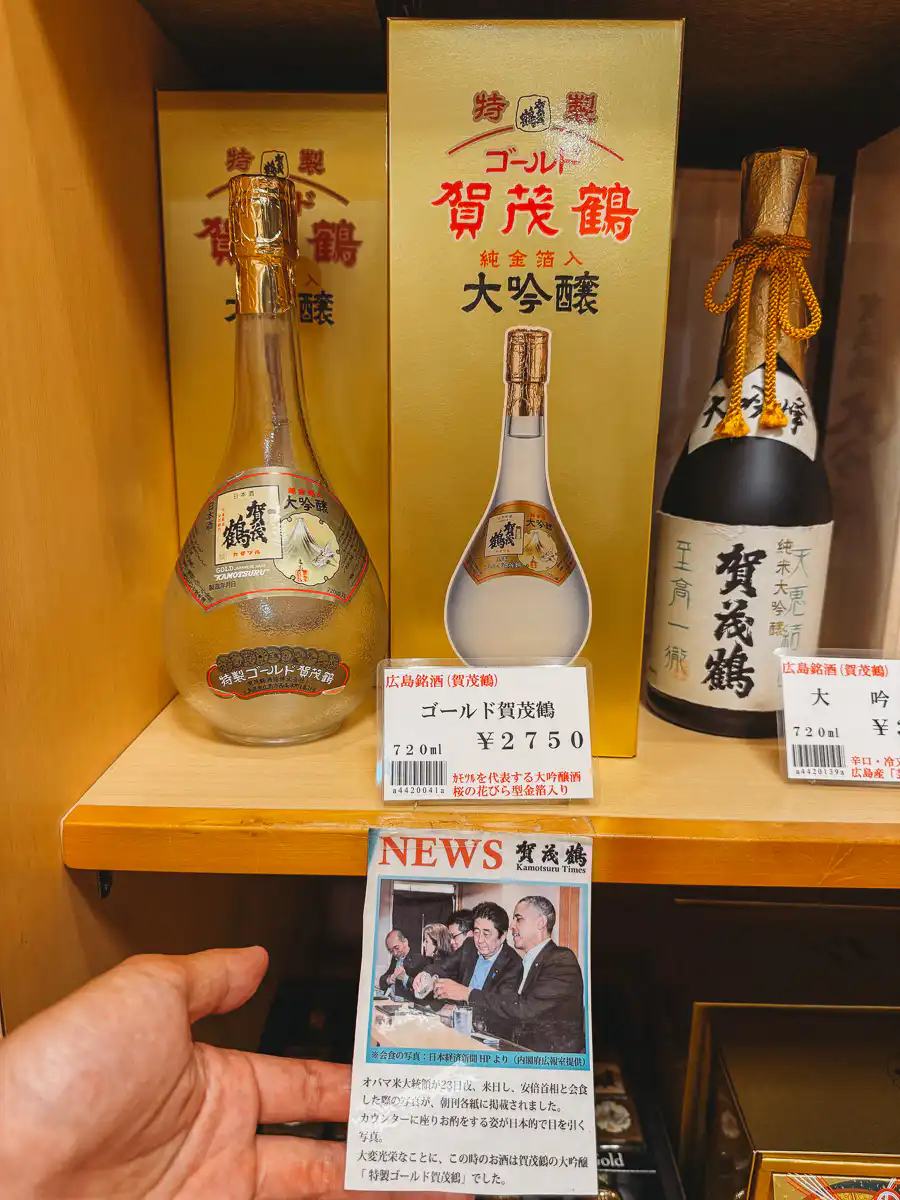
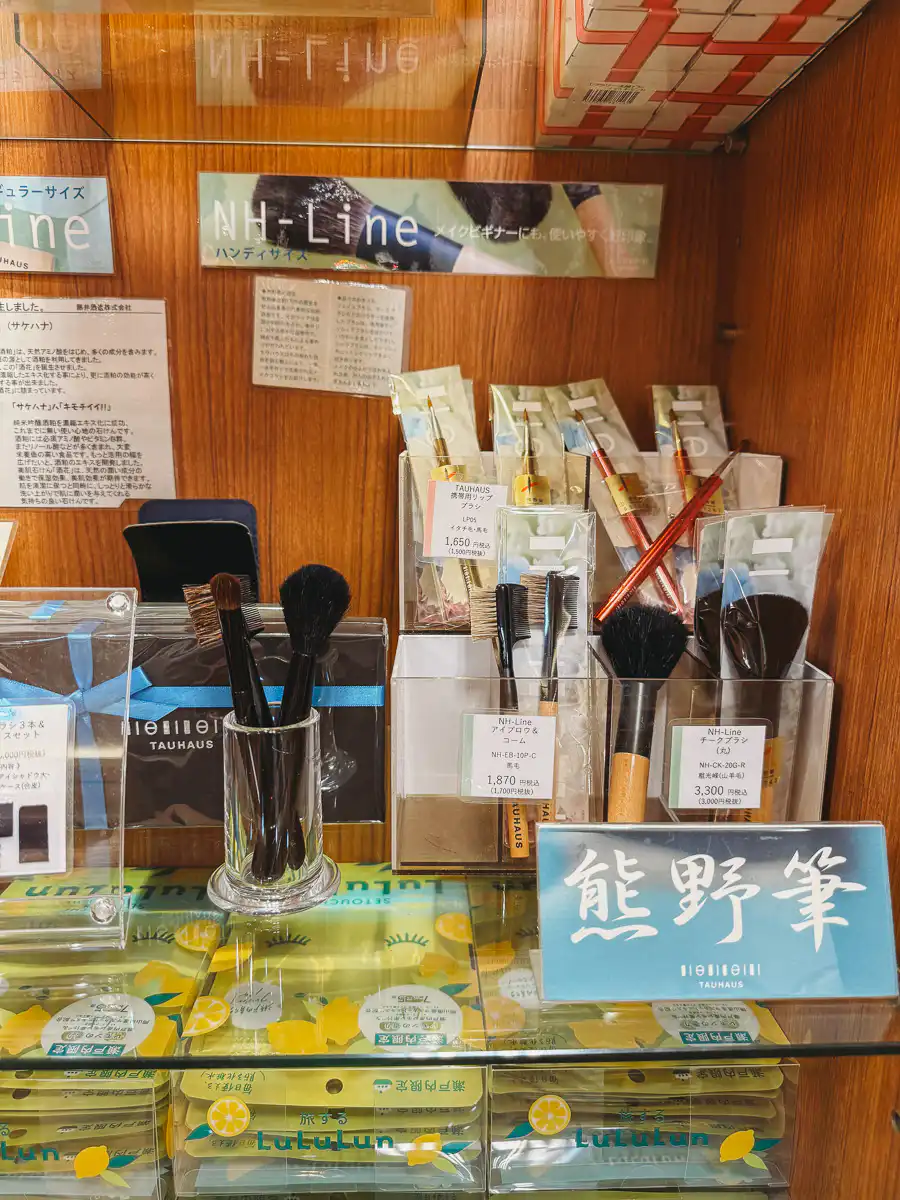
Hondori Shopping Street is also lined with some amazing restaurants. We ended up finding 2–3 restaurants here that we kept going back to during our week-long stay. We particularly enjoyed Yakiniku Hakuri Hondori Store for amazing grilled meats, and Hiroshima Kakidokoro Baketsu Kamiyacho for a local and delicious izakaya experience.
What to Look for on Hondori Shopping Street
- Delicious Food: Yakiniku Hakuri Hondori Store, Hiroshima Kakidokoro Baketsu Kamiyacho
- Clothing: If you also need shoes, take a look at ABC Mart Grand Stage
- Souvenirs: A super useful and unique souvenir would be a Japanese kitchen knife at Musashi Japan
Evening: Kagura Performance
To finish off your first day in Hiroshima, we recommend catching a Kagura performance.
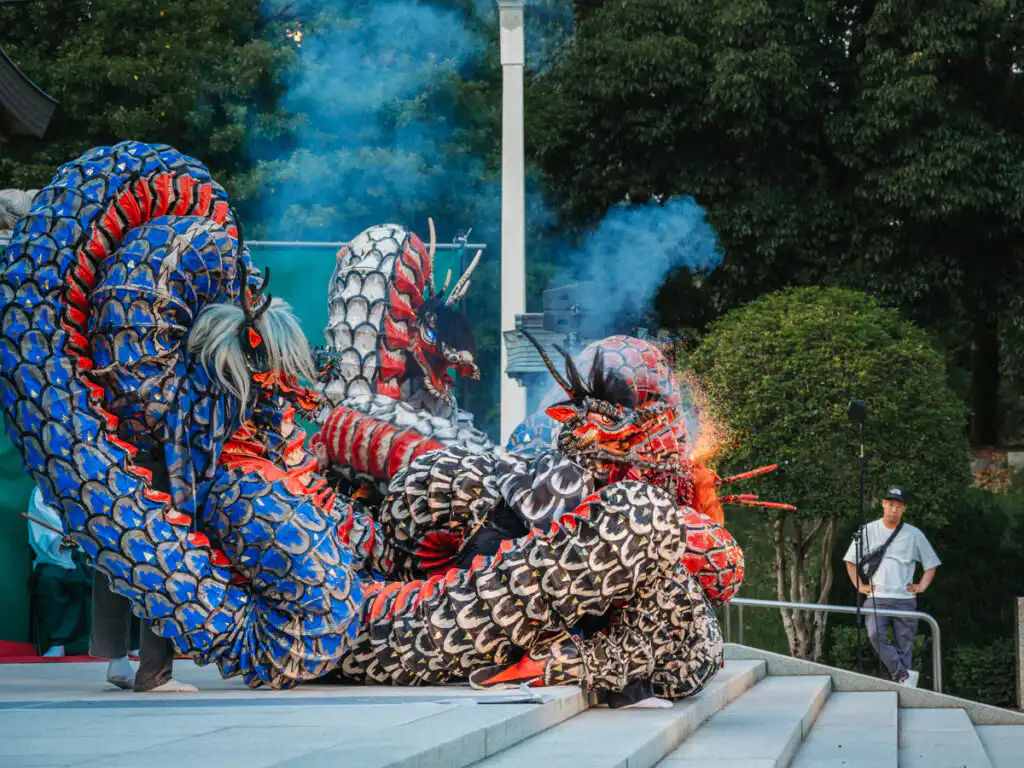
Kagura is a traditional Japanese form of theatrical dance and storytelling that has its roots in Shinto rituals. The performances often tell stories about Japanese mythology, legendary heroes, battles, gods, and demons, with incredibly colourful costumes, dramatic expressions, music, and movements.
We had the chance to see a Kagura performance at Hiroshima Castle during their anniversary celebration, and we absolutely loved it. The best part? We didn’t understand a word of Japanese, yet we were still completely captivated by the story. The performers are incredibly expressive, and between the elaborate costumes, fire breathing dragons, music, and larger-than-life characters, it was surprisingly easy to follow along with what’s happening.
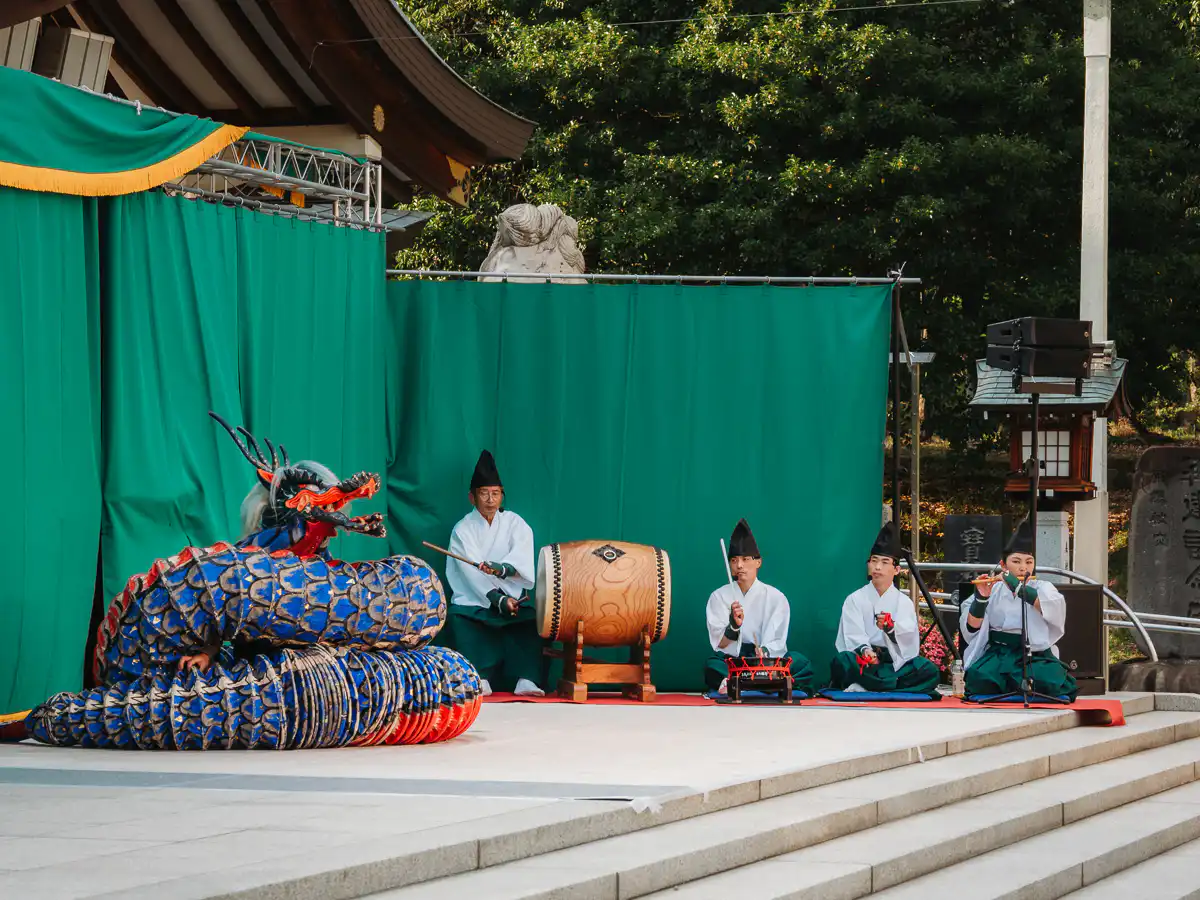
This will wrap up your first day in Hiroshima with both a look into its dark chapter of history and a glimpse into the traditional and mythological side of Japan’s Shinto culture.
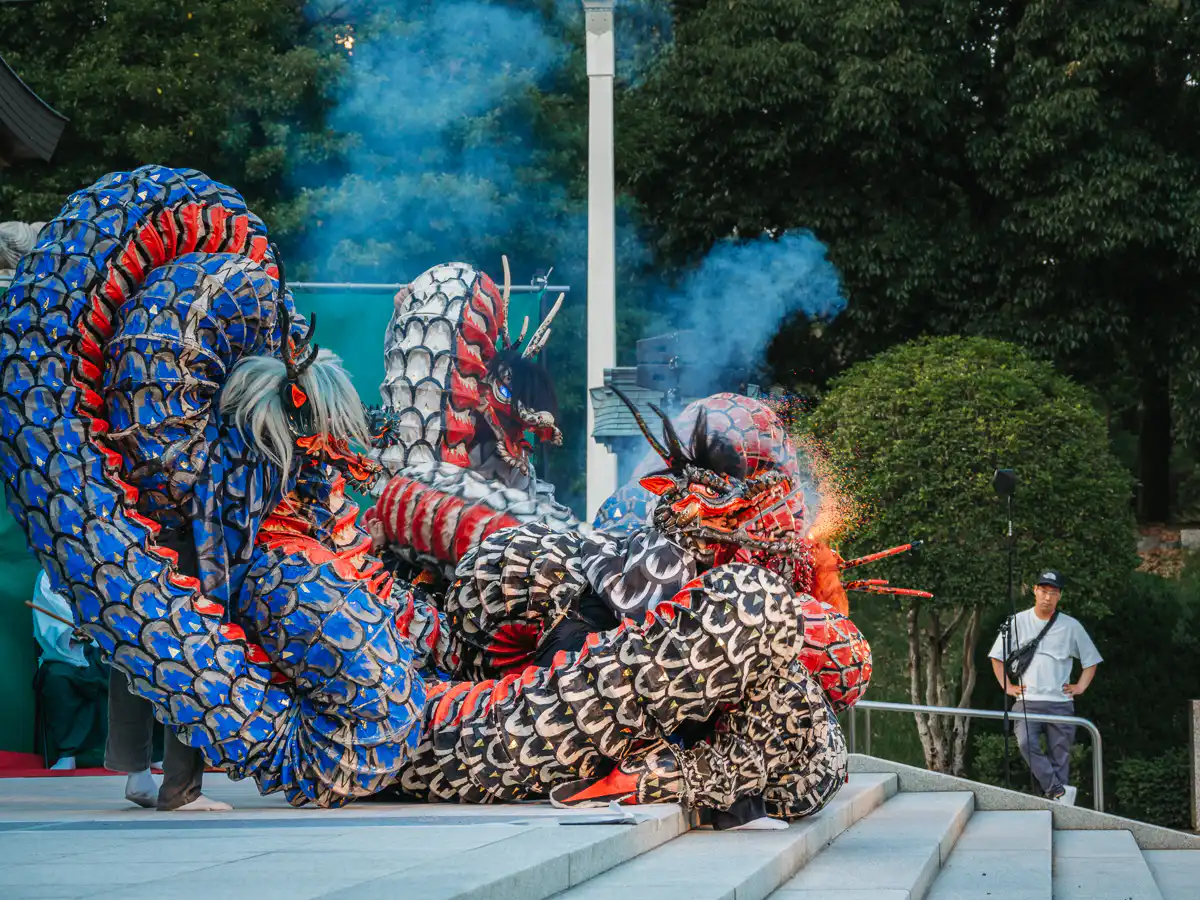
Kagura Show: Details
- Recommended Tour: Kagura performance at night
- Starting time: 7:00PM
- Duration: 1 Hour
- Cost: ~1,800¥
- 💡 Good to Know: Performances are only available on Wednesdays!
🇯🇵👨🏫 Want to uncover more hidden gem ideas for your Japan trip? Check out our guide on 32 unique things to do in Japan and our comprehensive 10+ day Japan Itinerary guide! And before you go, save yourself the stress and learn from our mistakes — read our 36 Essential tips for traveling in Japan: First time visitors guide.
Where to Eat in Hiroshima
Over our one week in Hiroshima, we got to enjoy plenty of the local delicacies, from Hiroshima-style Okonomiyaki and Wagyu beef to oysters and other local specialties. But honestly, what stood out the most was that we ended up going back to the same 2–3 restaurants because they were just that delicious!
Yakiniku Hakuri Hondori Store
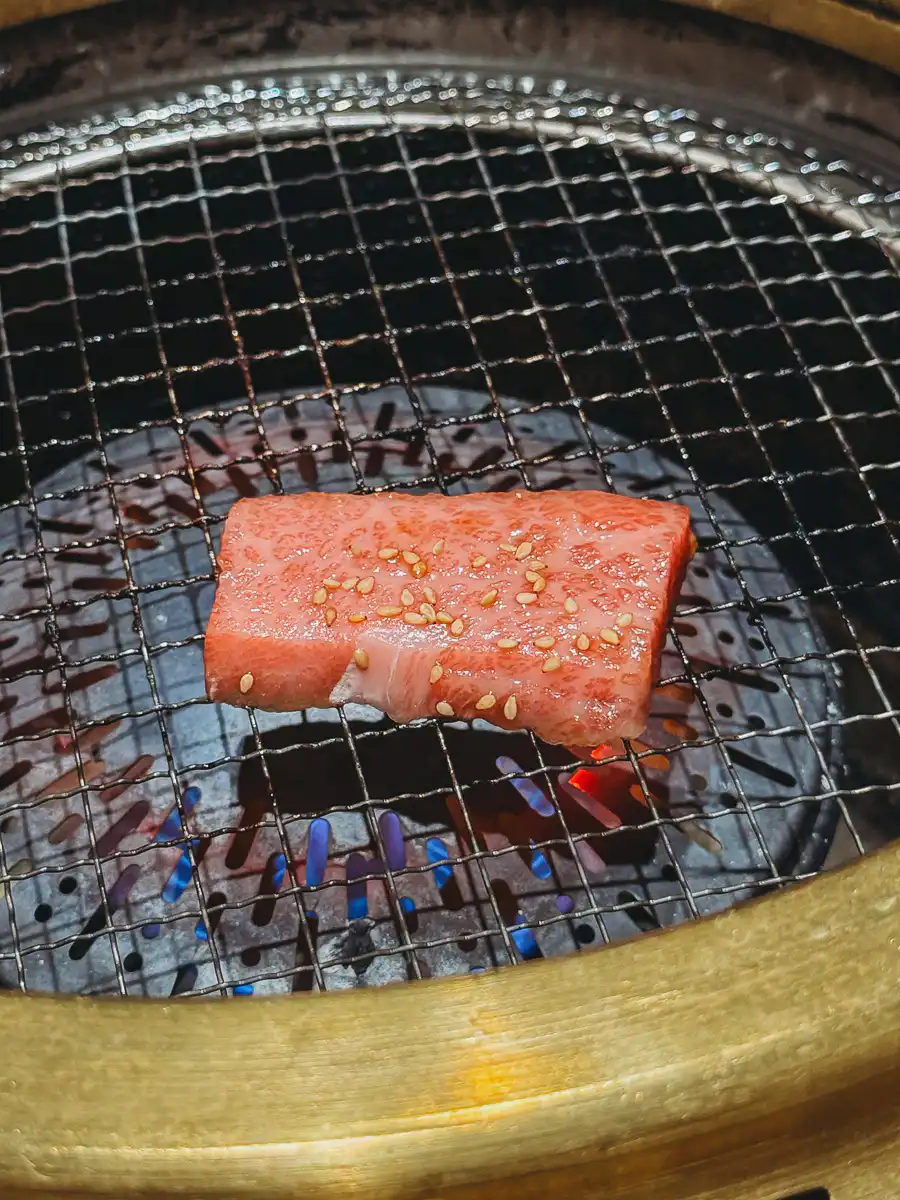
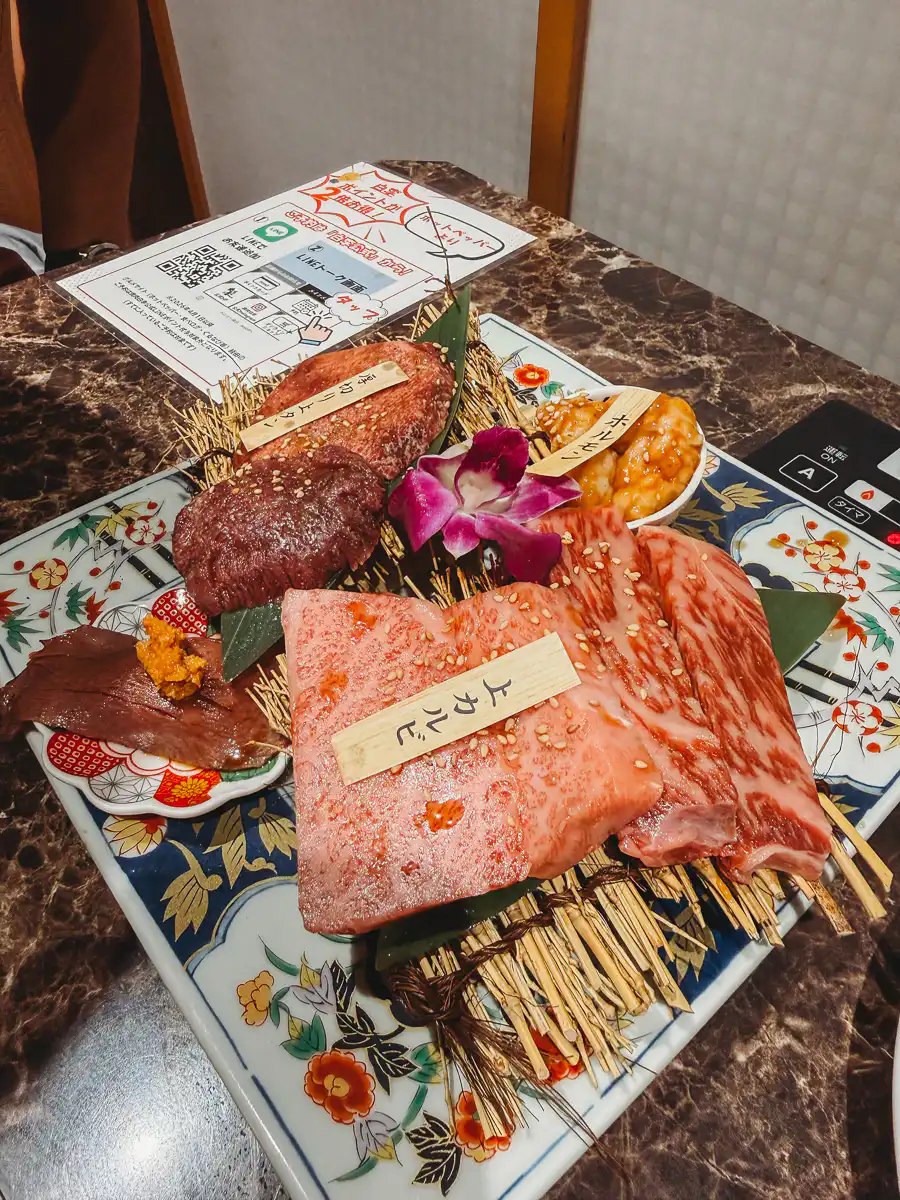
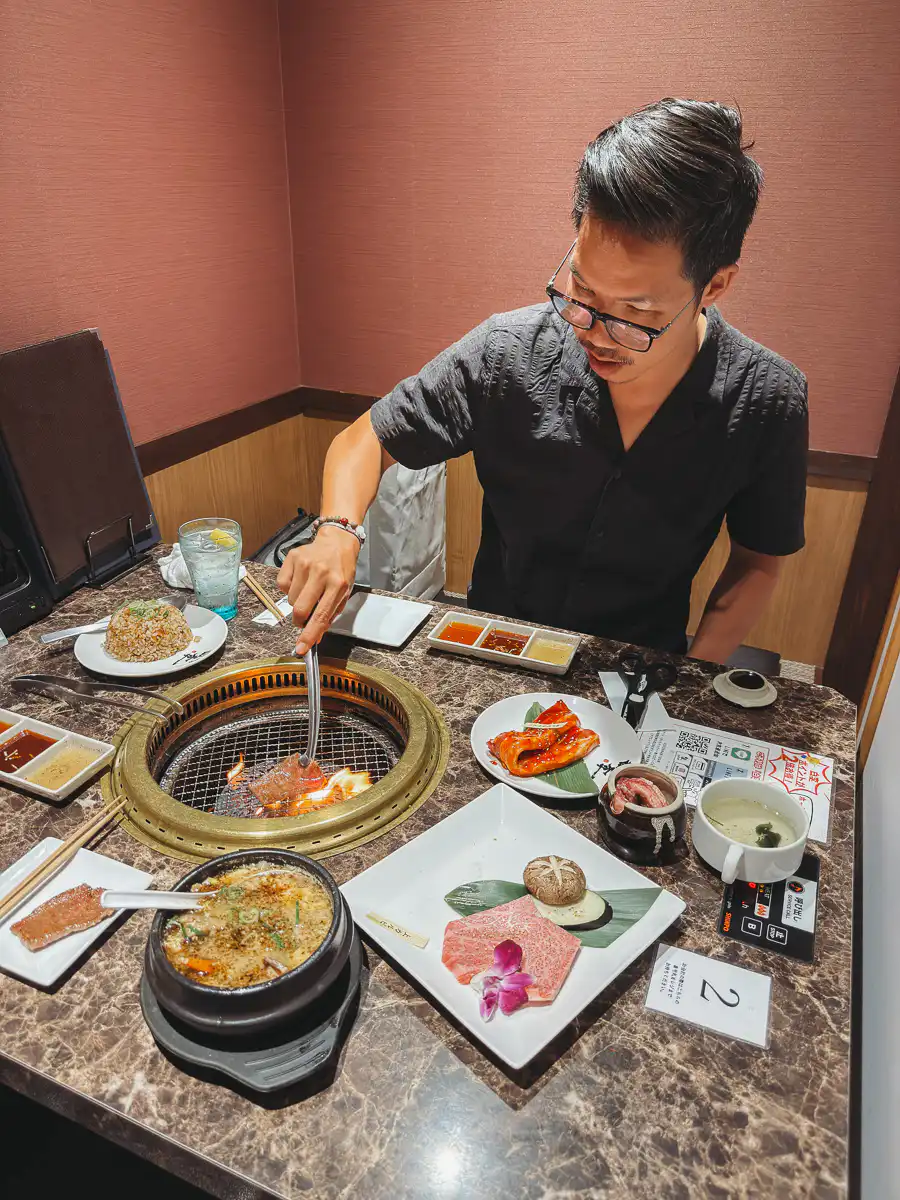
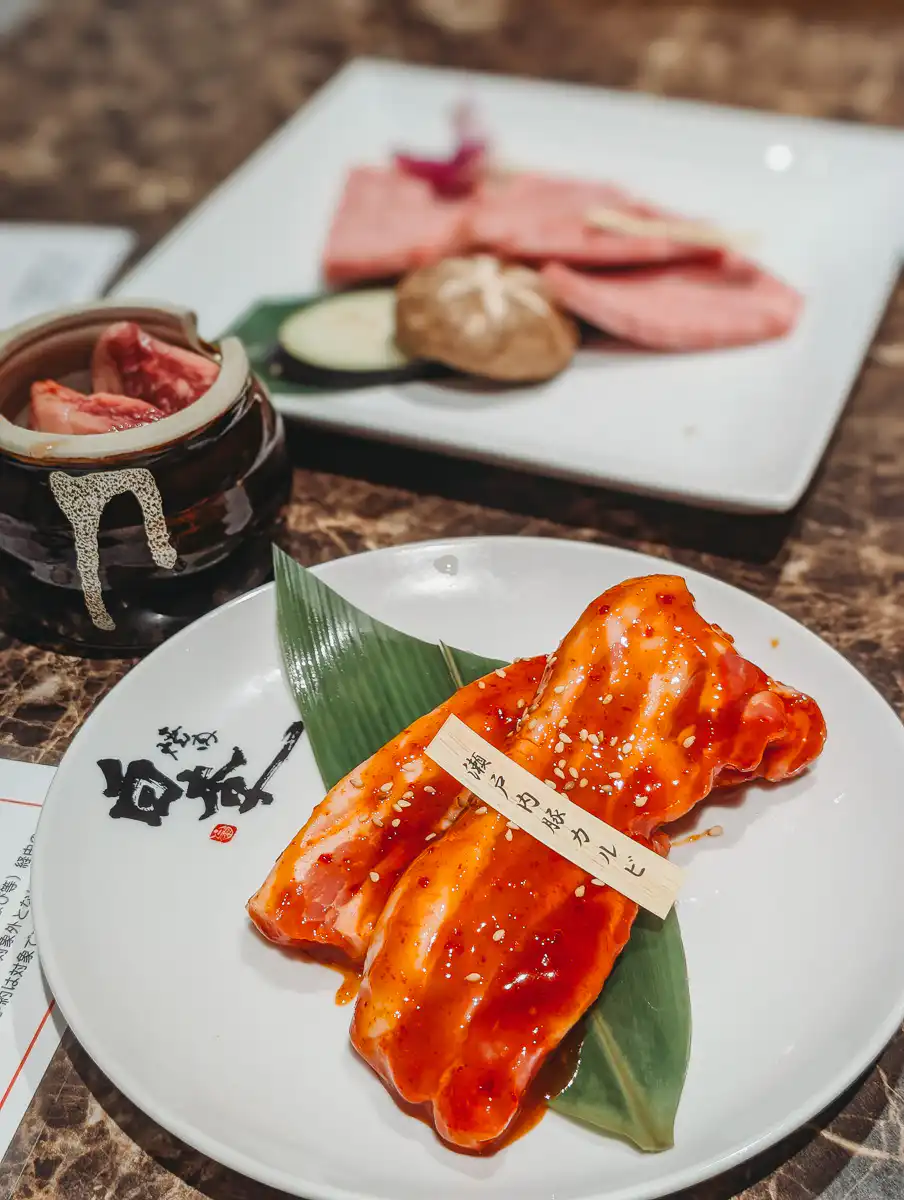
At Yakiniku Hakuri Hondori Store, they serve some of the most delicious and tender Wagyu beef we’ve ever had, which you get to grill yourself over your own charcoal grill. We loved it so much that we went back twice, and would have gone back a third time, but unfortunately, it was closed that day!
Hiroshima Kakidokoro Baketsu Kamiyacho
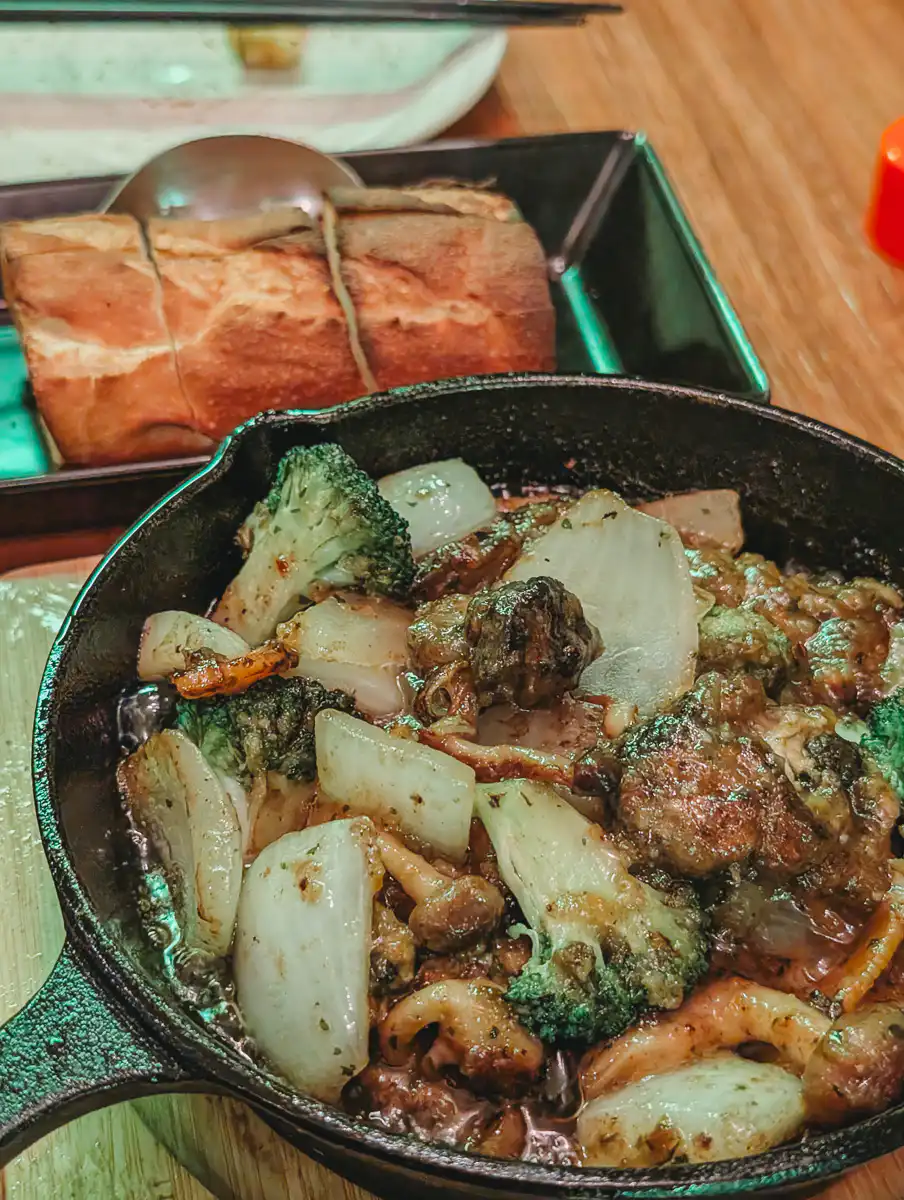
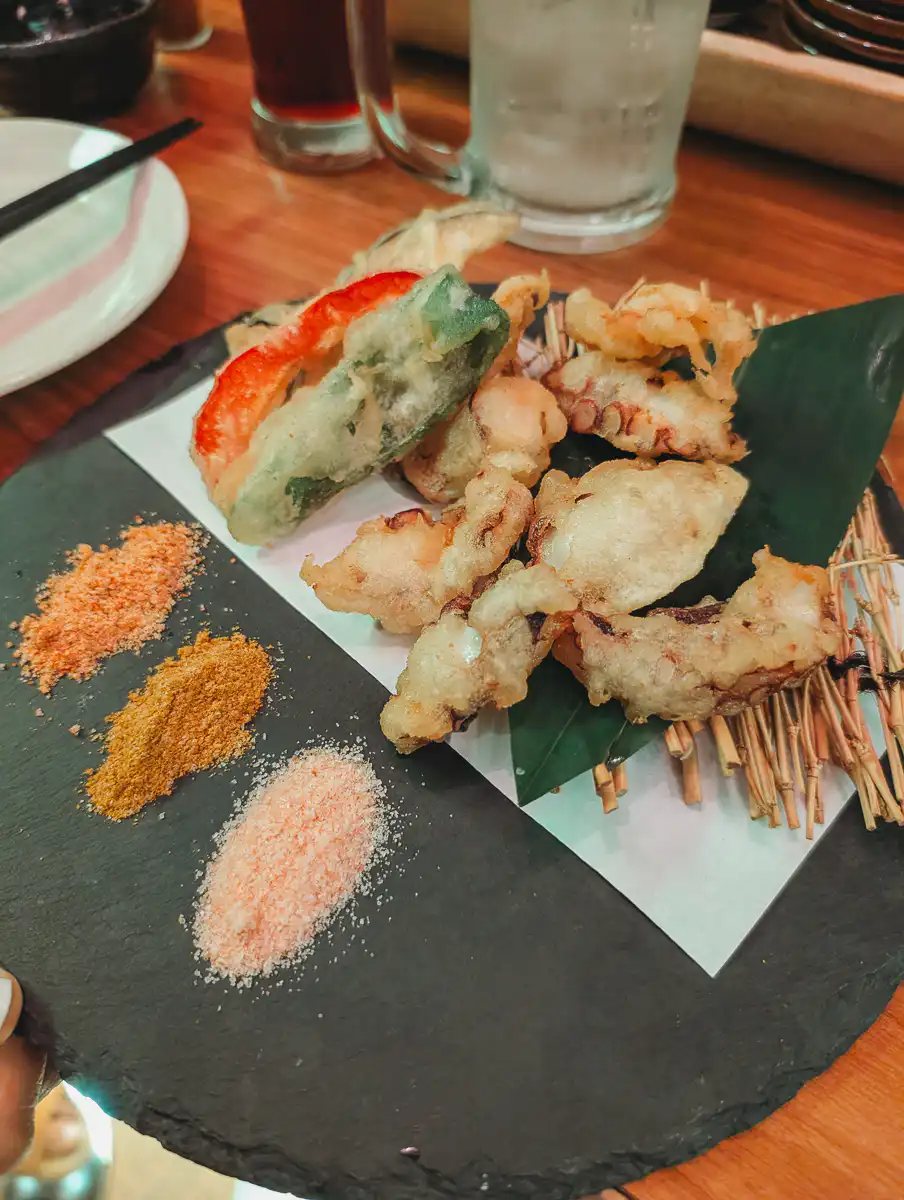
We also absolutely loved Hiroshima Kakidokoro Baketsu Kamiyacho for a local and delicious izakaya experience. This is a tiny one-man shop where the owner cooks some of the best Japanese izakaya food we’ve ever had. From Hiroshima’s local specialty, oysters (whether gratinée with cheese, raw, or grilled), to deep-fried calamari and wasabi Kune beef, every dish we tried was impeccable.
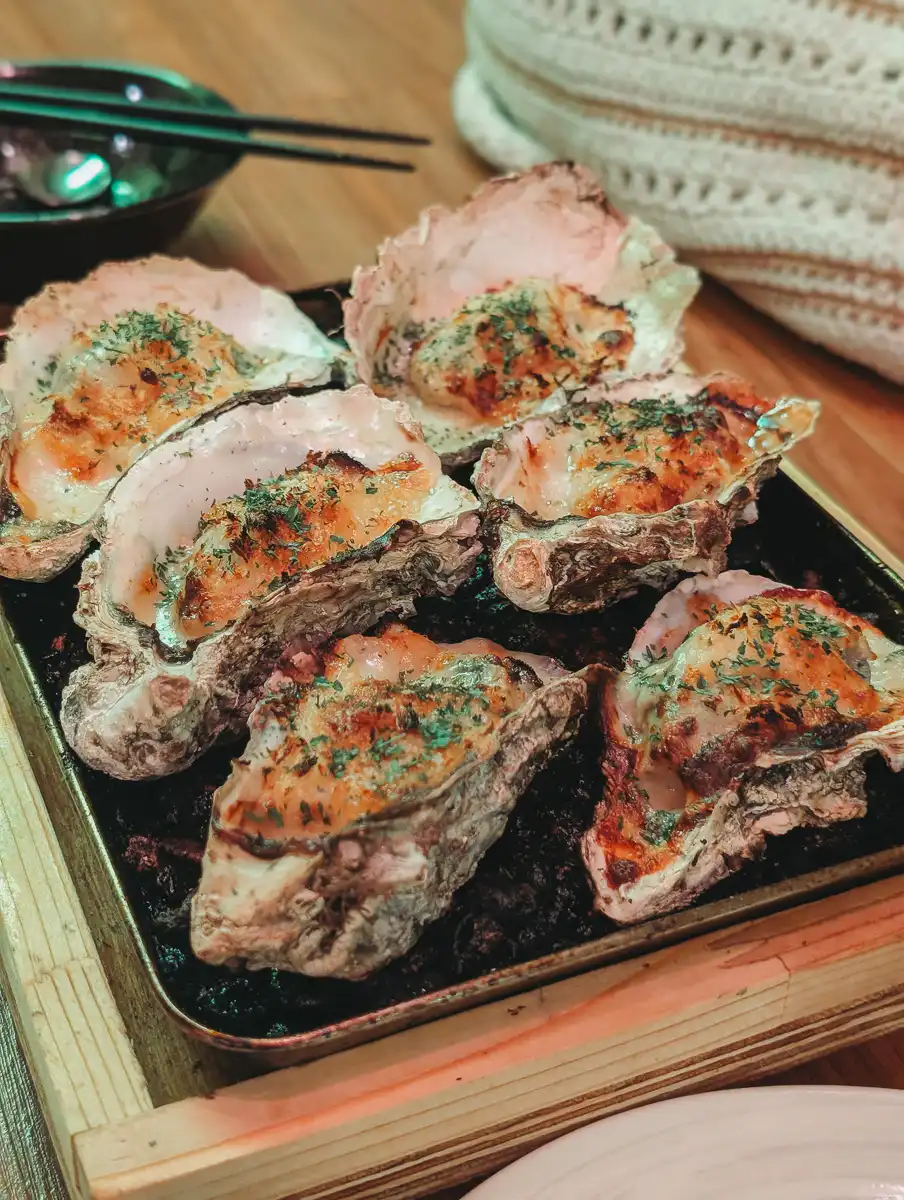
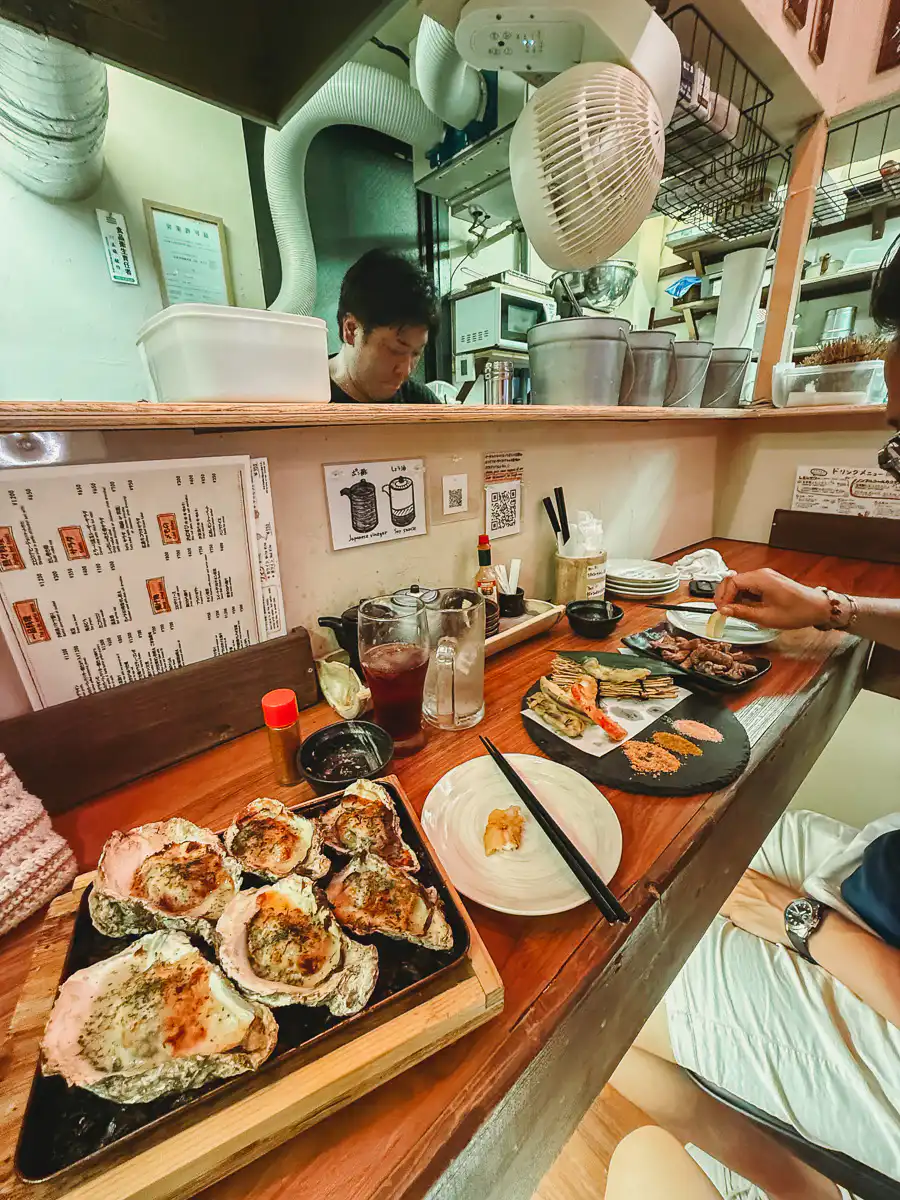
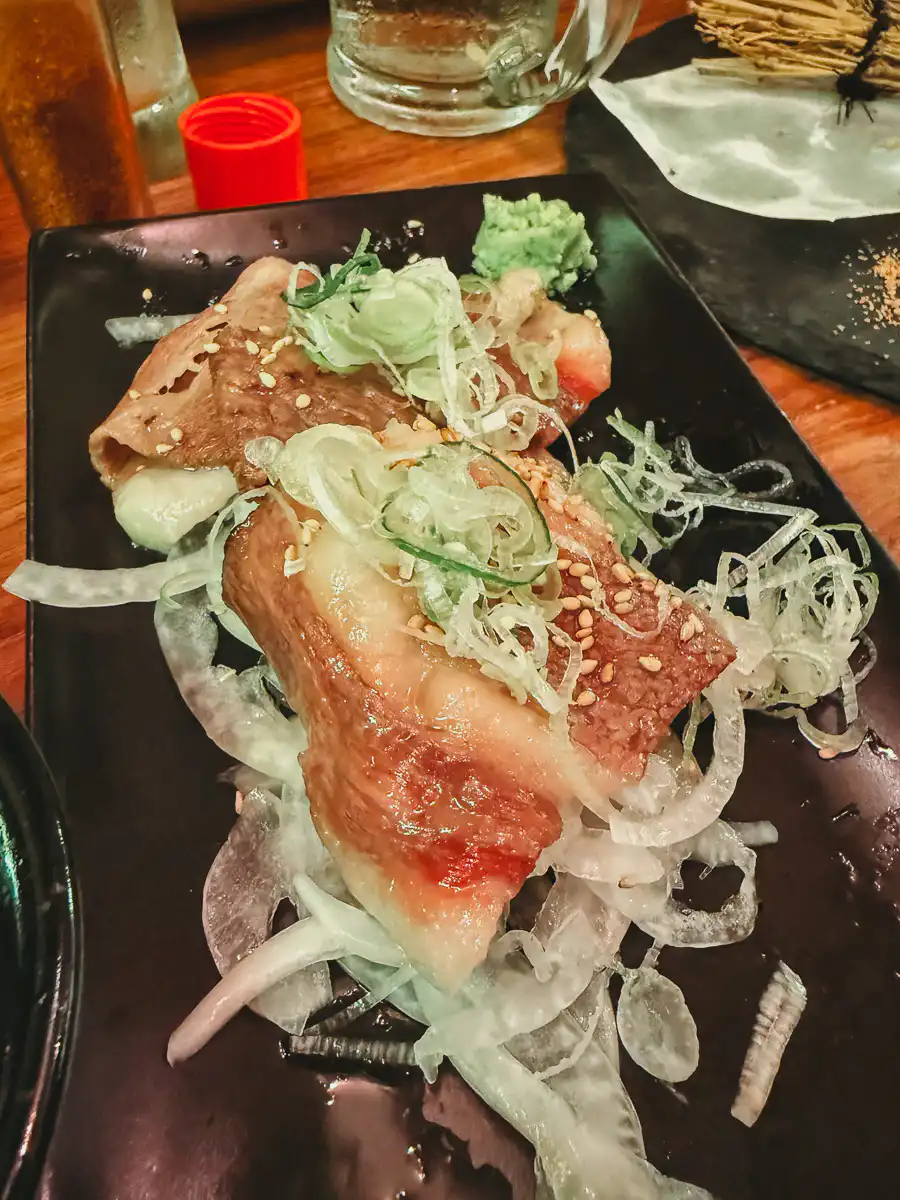
Whenever I ask Nan about Hiroshima, she always mentions this as one of her favourite food experiences in Japan, right alongside the Uni Toro bowl we had in Nara!
Day 2: Atomic Bomb History + Enjoy the local life
Activities included in Day 2 in Hiroshima:
- Independent exploration of Hiroshima Peace Memorial Park and Museum (3-4 hours)
- Explore Orizuru Tower (30-60 minutes)
- Enjoy local performances at River Do! Park (1 hour)
Morning: Hiroshima Peace Memorial + Museum
Now that you’ve gained some insight from the walking tour and have had some time to recharge, visiting the Hiroshima Peace Memorial Museum will be a lot more meaningful and easier to understand. We purposely set these experiences on different days because the topic is quite heavy and intensive, and we felt it required some mental space to properly digest everything.
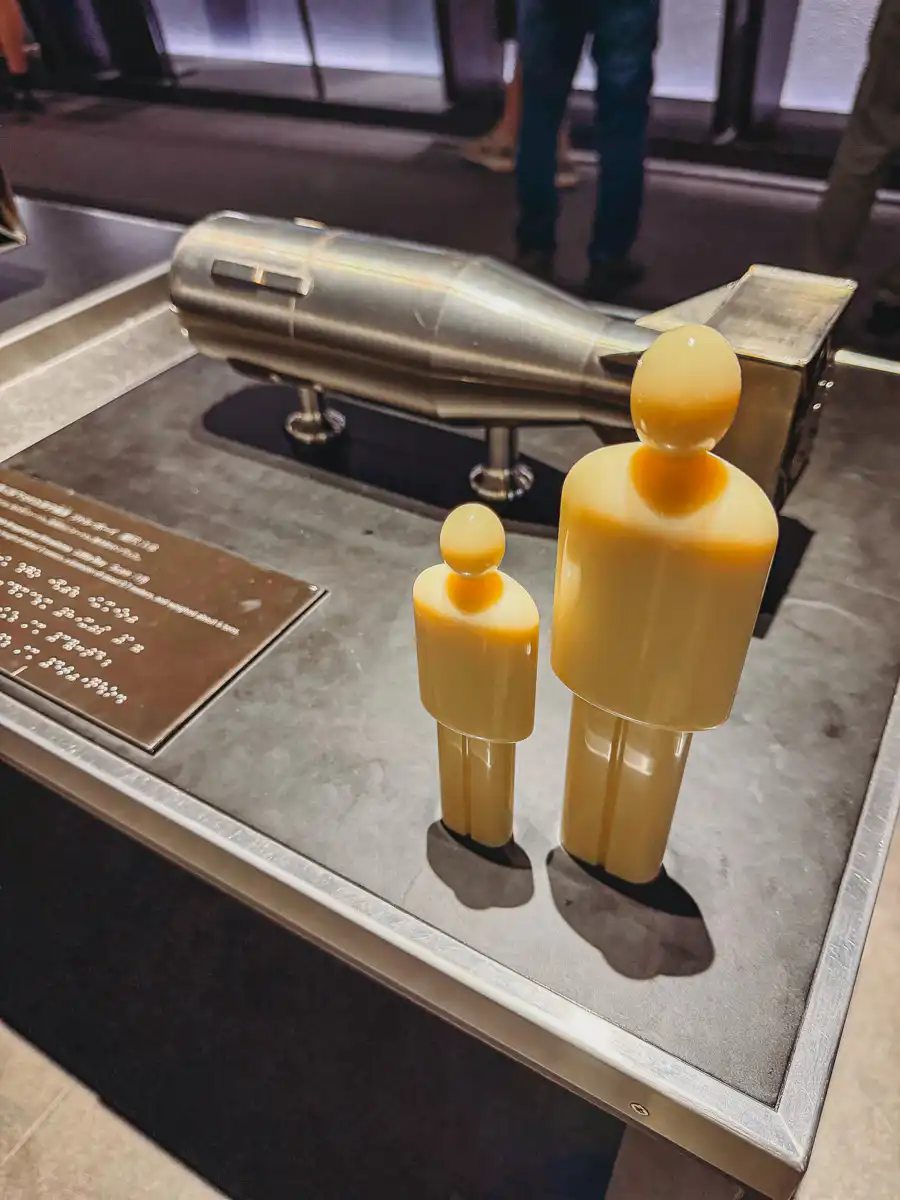
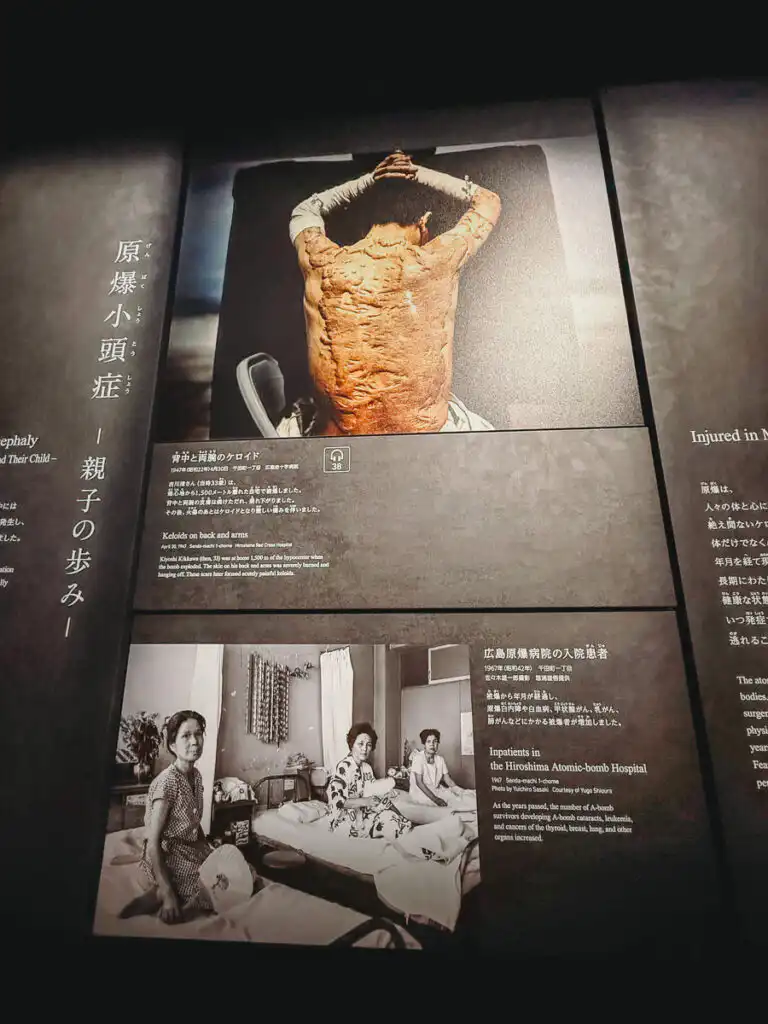
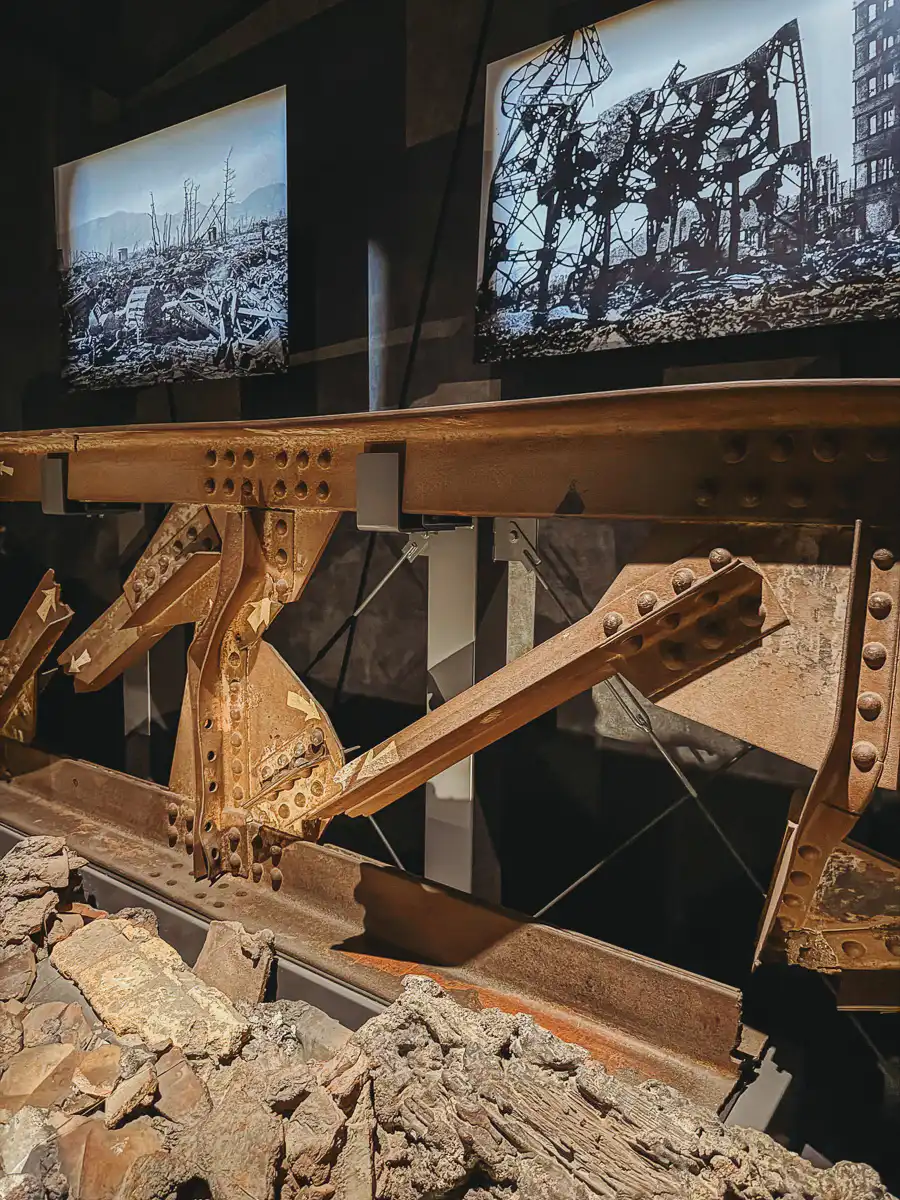
At the Peace Memorial Museum, you’ll gain a deep insight into the level of destruction caused by the atomic bomb and hear the personal stories of people who lived through it. Bear in mind that it is very dark and heavy, both physically and emotionally, and at times, it can be difficult to watch and read.
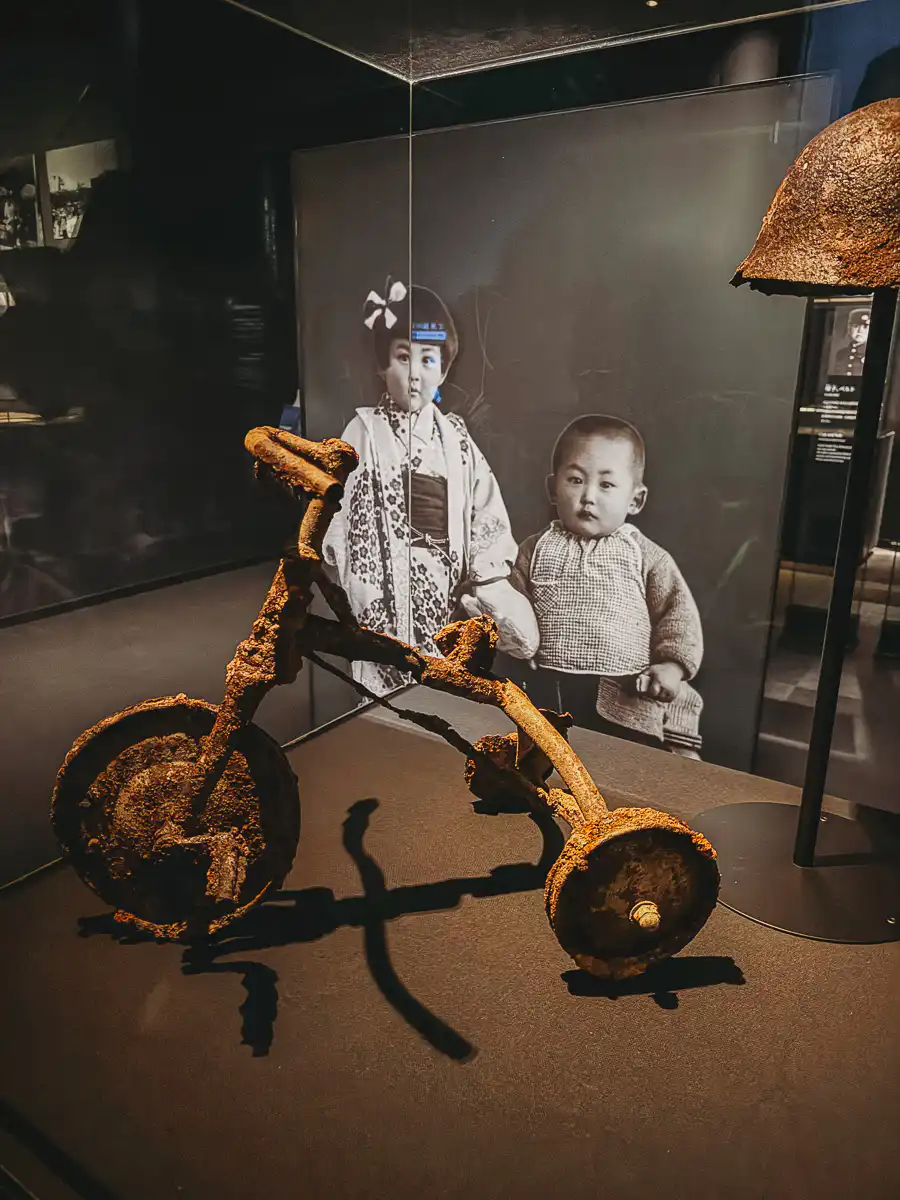
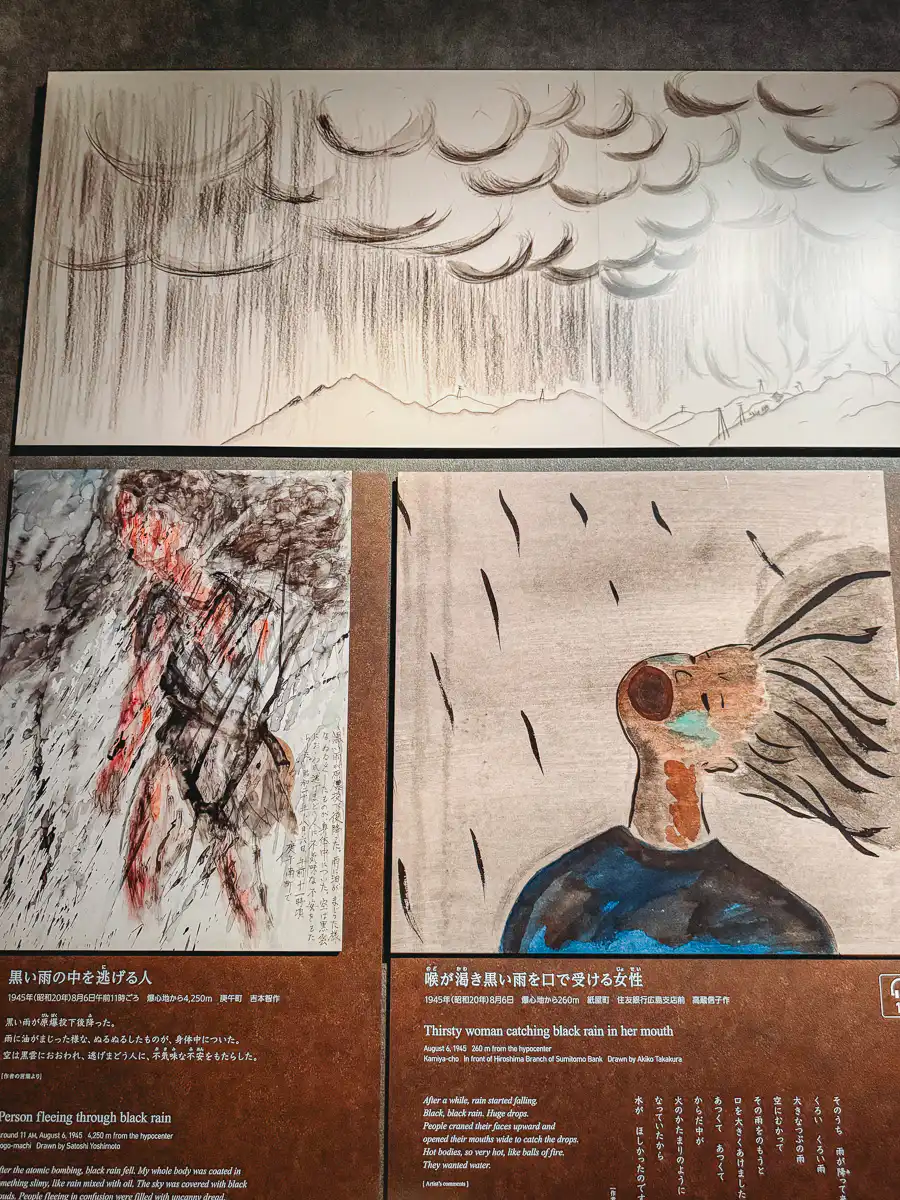
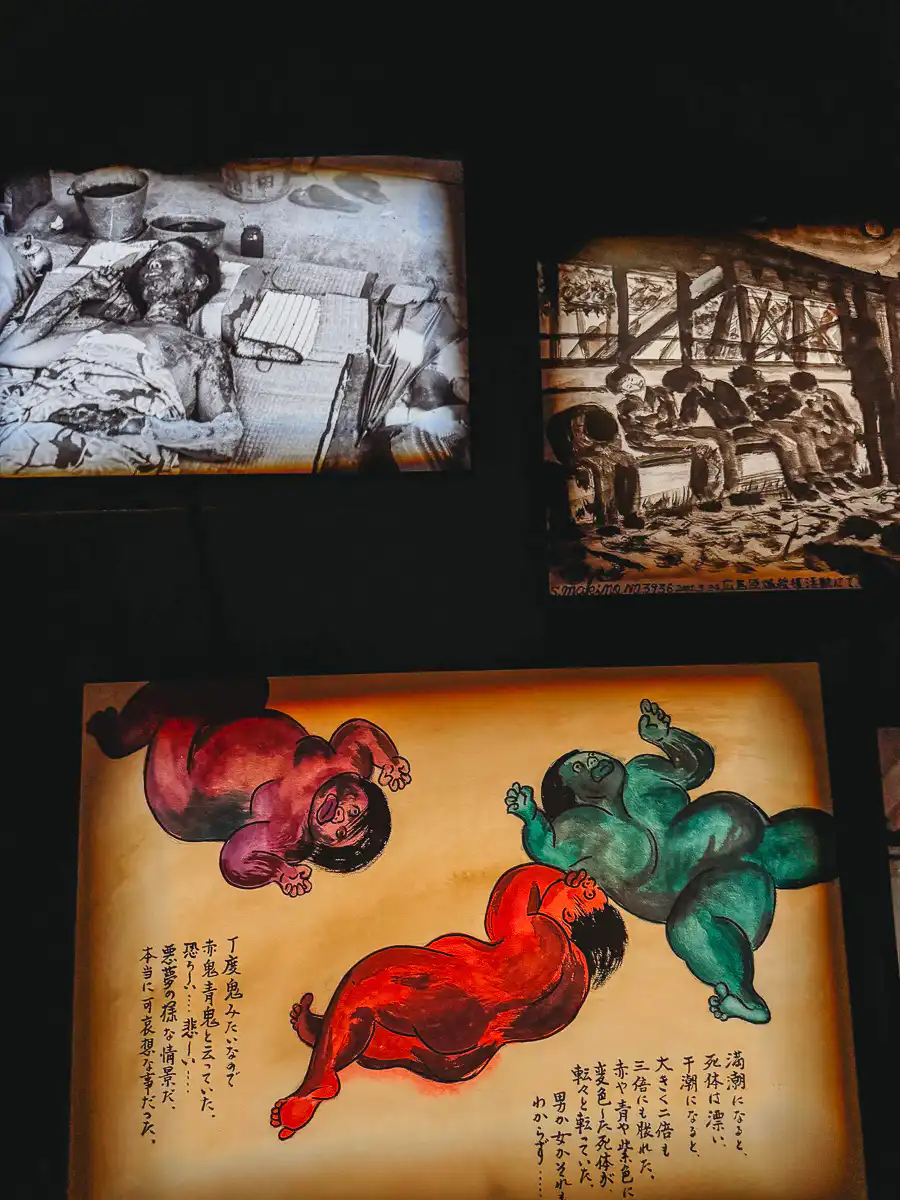
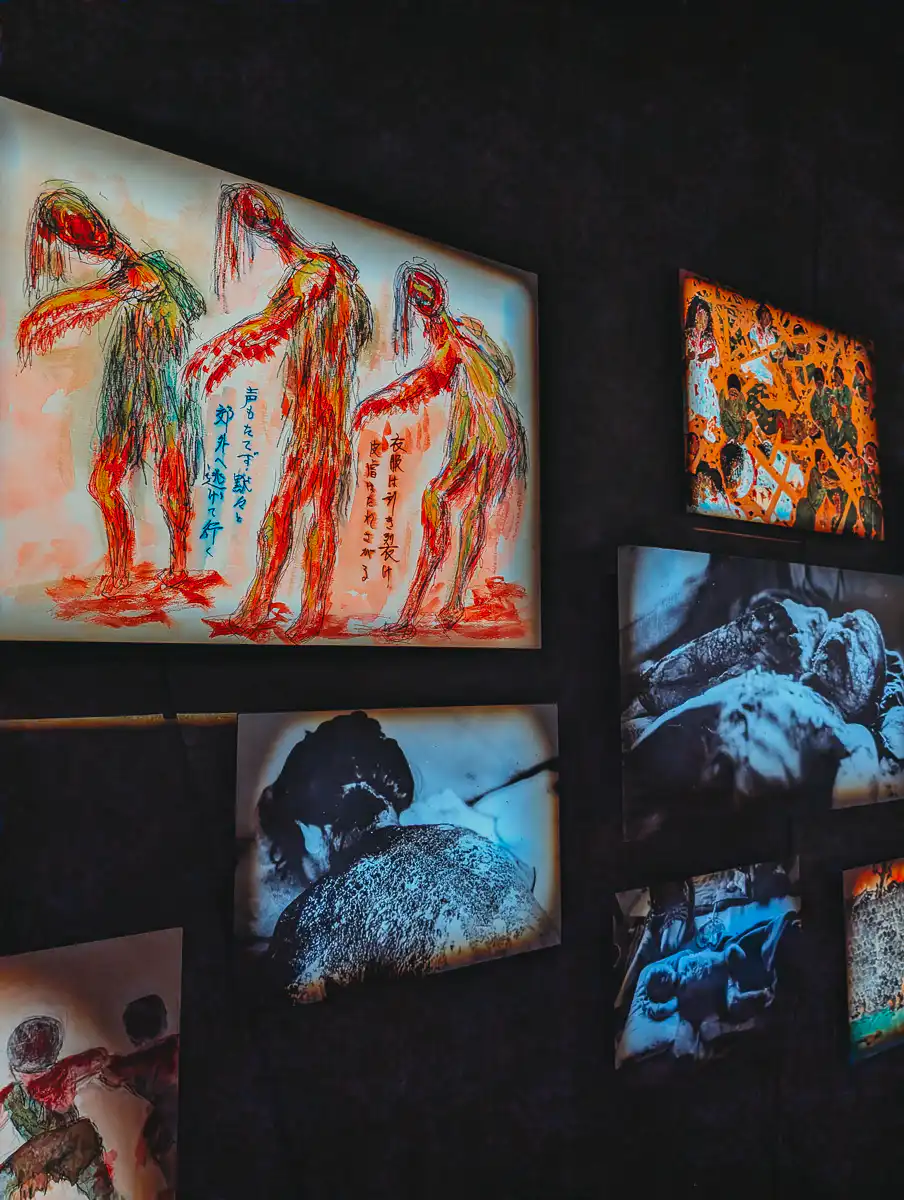
The museum shares stories of children who were lost, the acid rain that burned flesh from people’s skin, and people jumping into the river to try to cool themselves down, only to realize that the water was boiling from the intense heat. Some of the exhibits are incredibly difficult to take in, but they give you a much deeper understanding of what happened beyond simply knowing the facts and numbers.
The museum itself is very well laid out and walks you through the entire history, from the events leading up to the bombing to its devastating aftermath. Despite the dark theme, the overarching message is ultimately a positive one. Rather than focusing on blame, the museum’s message is about preventing this from ever happening again and promoting a brighter and more peaceful future.
This message of peace extends beyond the museum itself, with Hiroshima continuing to advocate for the abolition of nuclear weapons and for countries around the world to work toward a world without nuclear weapons.
Hiroshima Peace Museum Visit: Details
- Activity: Hiroshima Peace Museum
- Opening Hours:
- March-July 7:30am-7:00pm
- August 7:30am-8:00pm (Open until 9:00pm on August 5 and 6)
- September-November 7:30am-7:00pm
- December-February 7:30am-6:00pm
- Time Needed: we spent around 3-4 hours walking through the museum
- Admission fee: ¥200, you can buy the tickets at the entrance
- Guide: Audioguides are available to rent for ¥500 per unit. Guided tour by volunteers seemed to be temporarily suspended. If you want to have a tour guide walk you through the museum, this is one of the Guided tour options available.
Afternoon: Local performance at River Do!
River Do! is located right across from the famous T-Bridge of Hiroshima. We were living on the western side of the bridge, so we frequently got to cross it. We then noticed that often times, right on the banks of the river, there were many locals chilling on the lawn, cycling, and enjoying local performances.
When we went, there was a local Japanese live band playing and singing salsa songs. How cool is that? Although we couldn’t find any set schedule or information on when there are performances, it’s easy to spend a few hours there enjoying some snacks, the refreshing river breeze, and people watching. And if you’re lucky, maybe you’ll even catch a local performance!
Evening: Explore Orizuru Tower
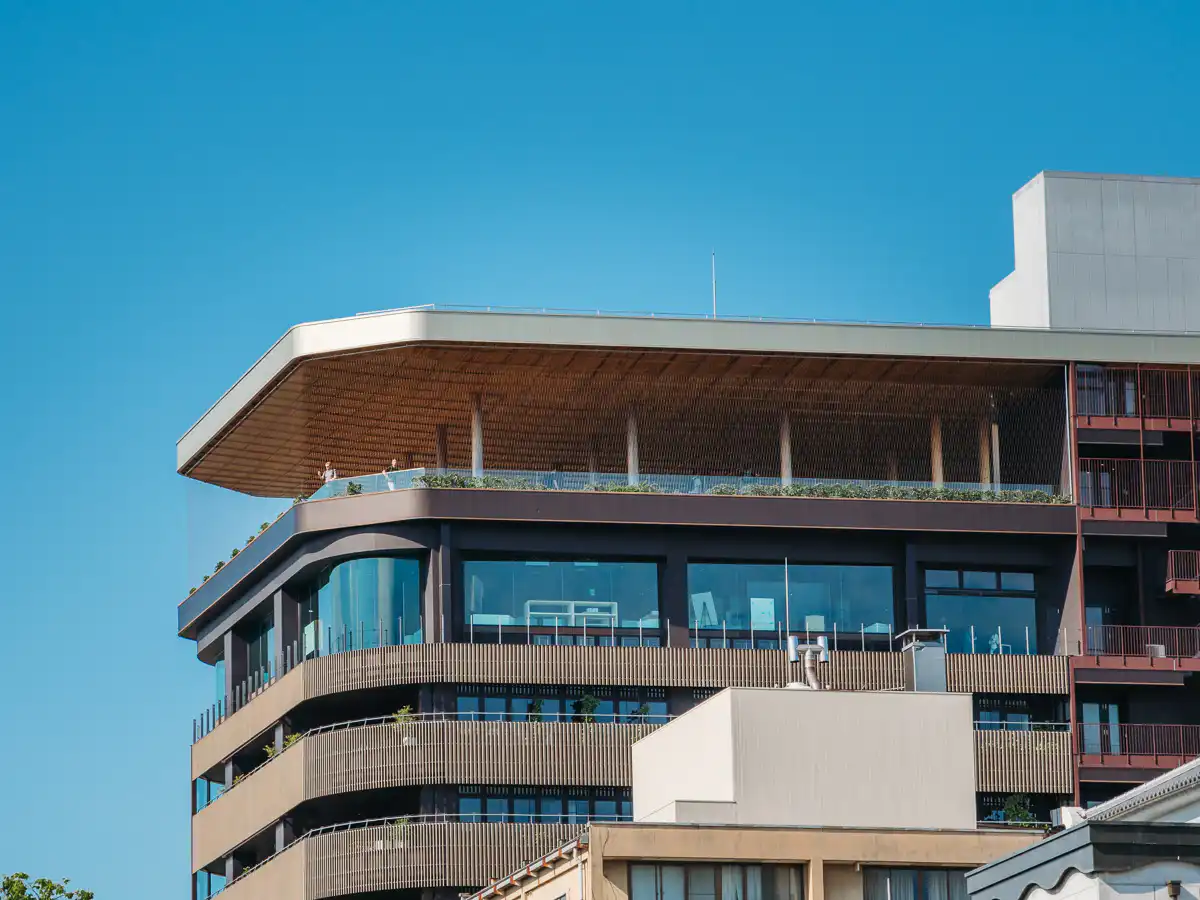
You can also add Orizuru Tower to your itinerary for some beautiful views overlooking the Atomic Bomb Dome and Peace Memorial Park from above. The tower is centred around the origami crane, a symbol of peace in Hiroshima, and promotes hope, peace, and looking towards the future. It is located just diagonal from the atomic bomb dome and we would especially recommend visiting around sunset time to get the best lighting and an amazing bird’s eye view of the area!
Day 3: Hiroshima Castle and Archery
Activities included in Day 3 in Hiroshima:
- Optional: Shukkein Garden (1-2 hours)
- Hiroshima Castle (1 hour)
- Kyudo Archery Experience (1 hour)
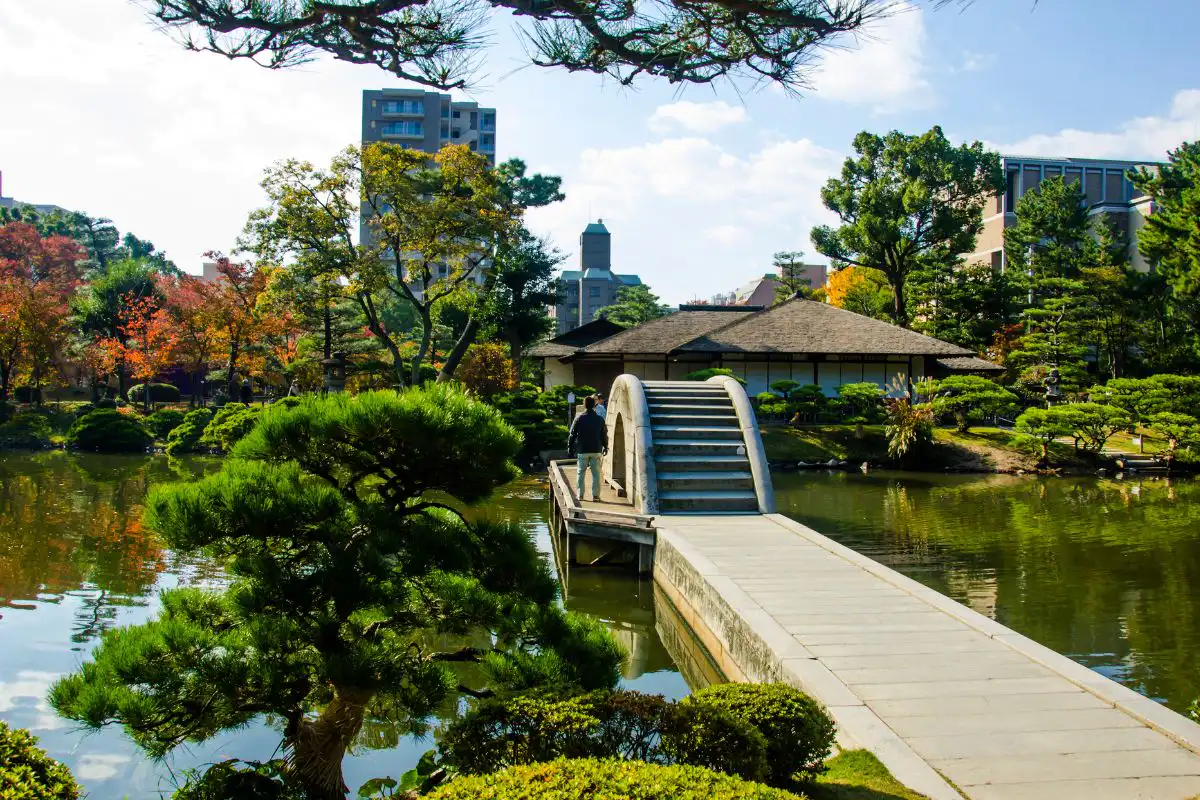
This was one of our favourite days in Hiroshima! Today, you’ll discover one of the region’s most impressive castles and get hands-on with the experience of true Kyudo archery! If you know us, you know we love finding unique ways to participate in and immerse ourselves in the culture, and the ancient art of archery was an incredibly fun way to do so! And if you have extra time, you can also go and visit Shukkeien Garden, a beautiful traditional Japanese garden designed to recreate miniature landscapes.
Hiroshima Castle
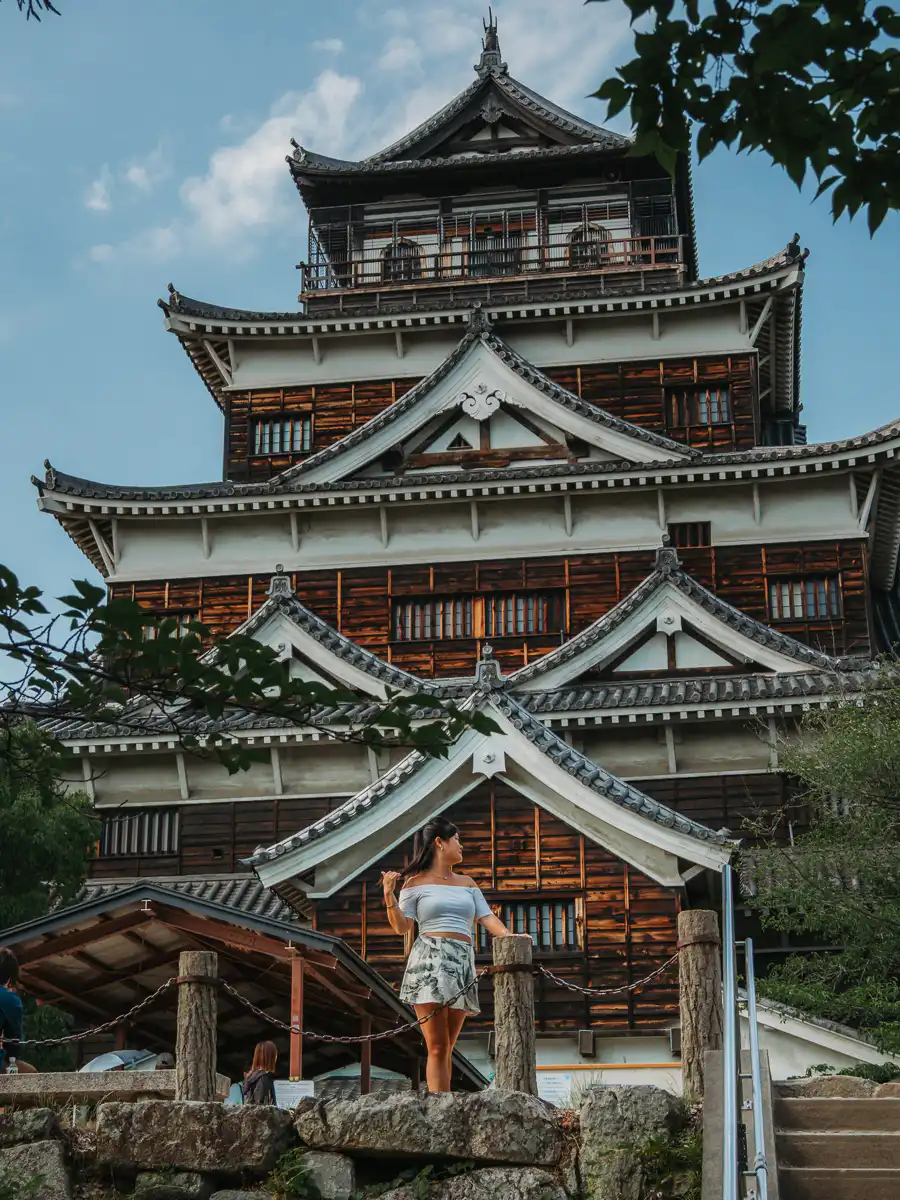
We’ve now been to Japan twice and have gotten to experience several castles across Japan, including Osaka Castle in Osaka, Kifune Castle in Kyushu, Himeji Castle, and more. And although Hiroshima Castle is not the most impressive, it was incredibly interesting to experience its layout, with the moat and secondary defence compounds.
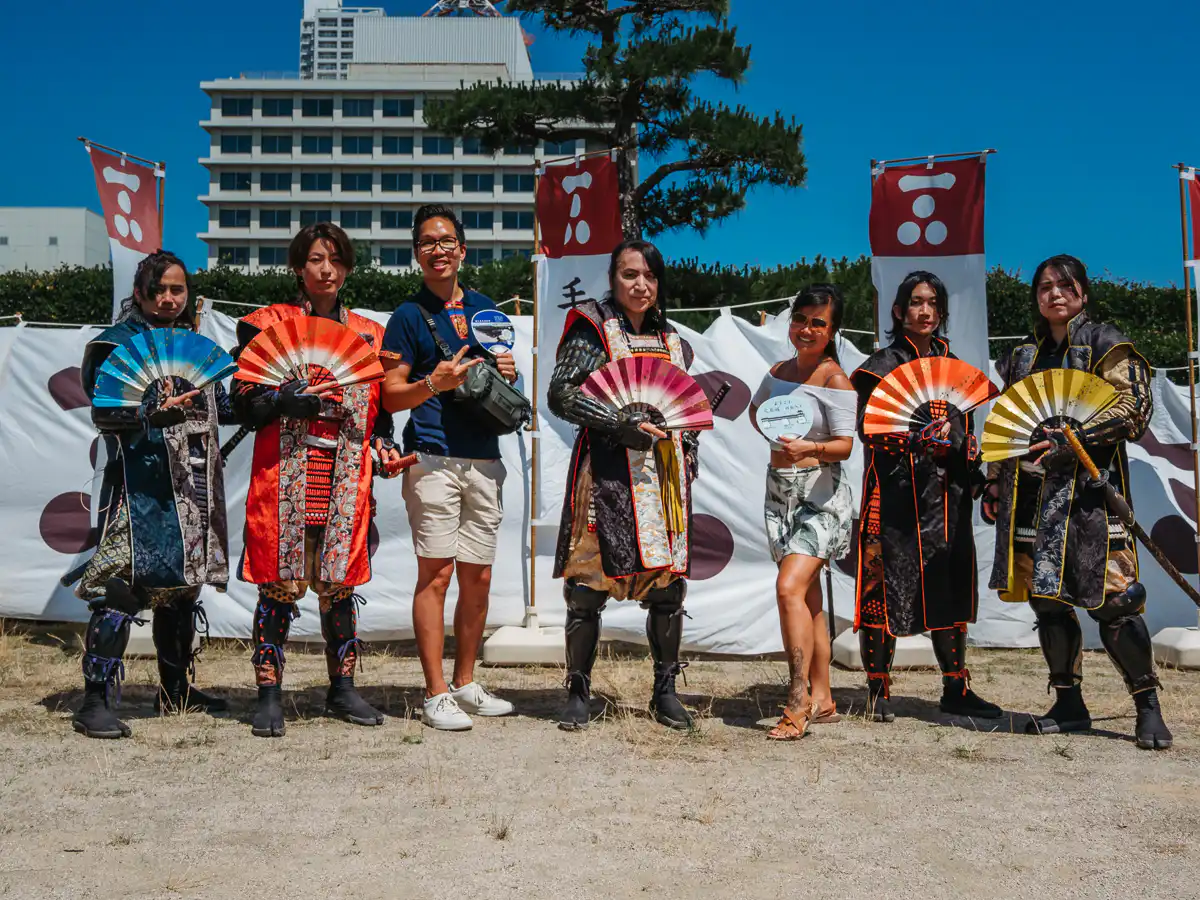
When we went, it was also its anniversary festival, so there were several events happening, including some sort of samurai ninja show! It is important to keep in mind though that as of March 22, 2026, the interior main keep of Hiroshima Castle is closed to public due to renovation.
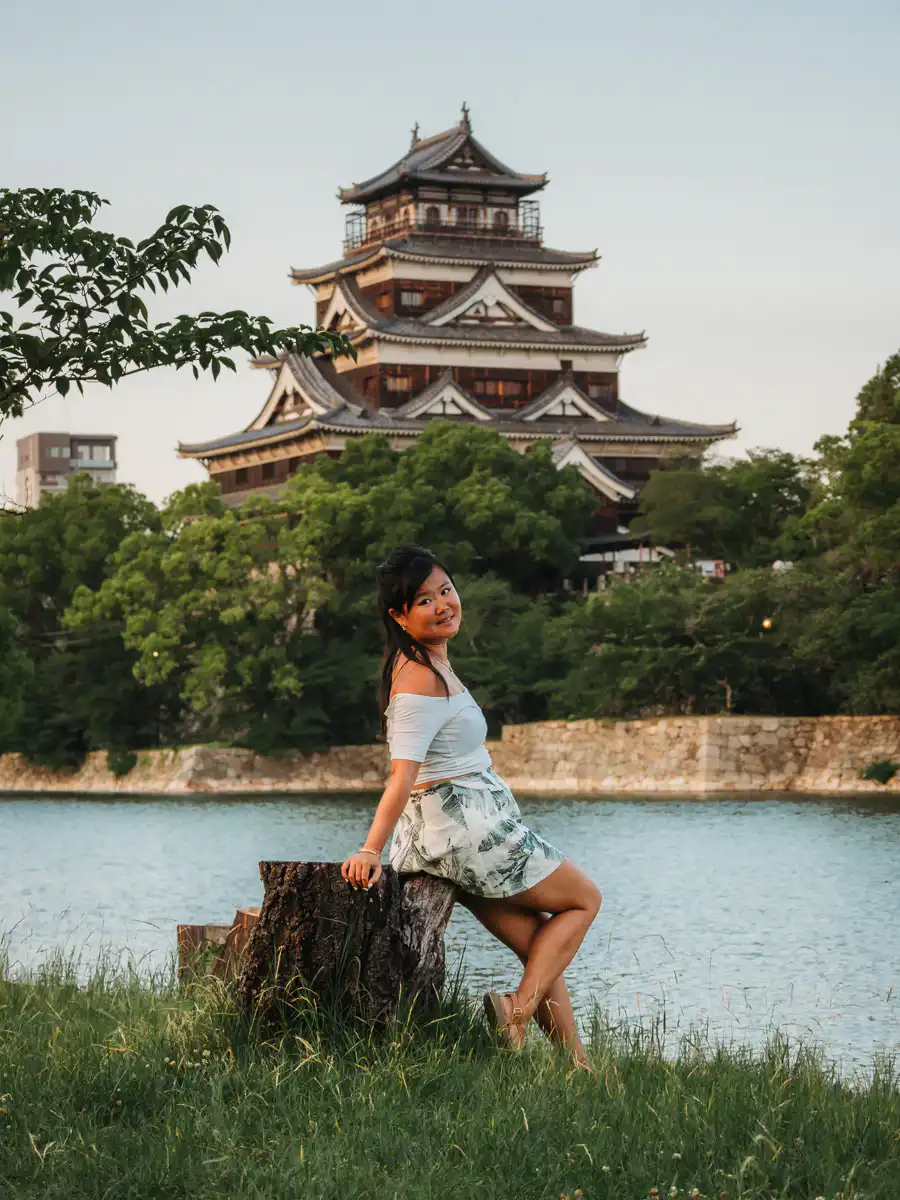
Make sure to see Hiroshima Castle not only from its moat, but also from across the water to get the best view!
Hiroshima Castle Visit: Details
- Activity: Hiroshima Castle
- Opening Hours:
- 9:00-18:00
- Duration: we spent around an hour exploring the moat and outside of the castle
- Admission fee: ¥370 to go inside but it is currently closed
Kyudo Archery Experience
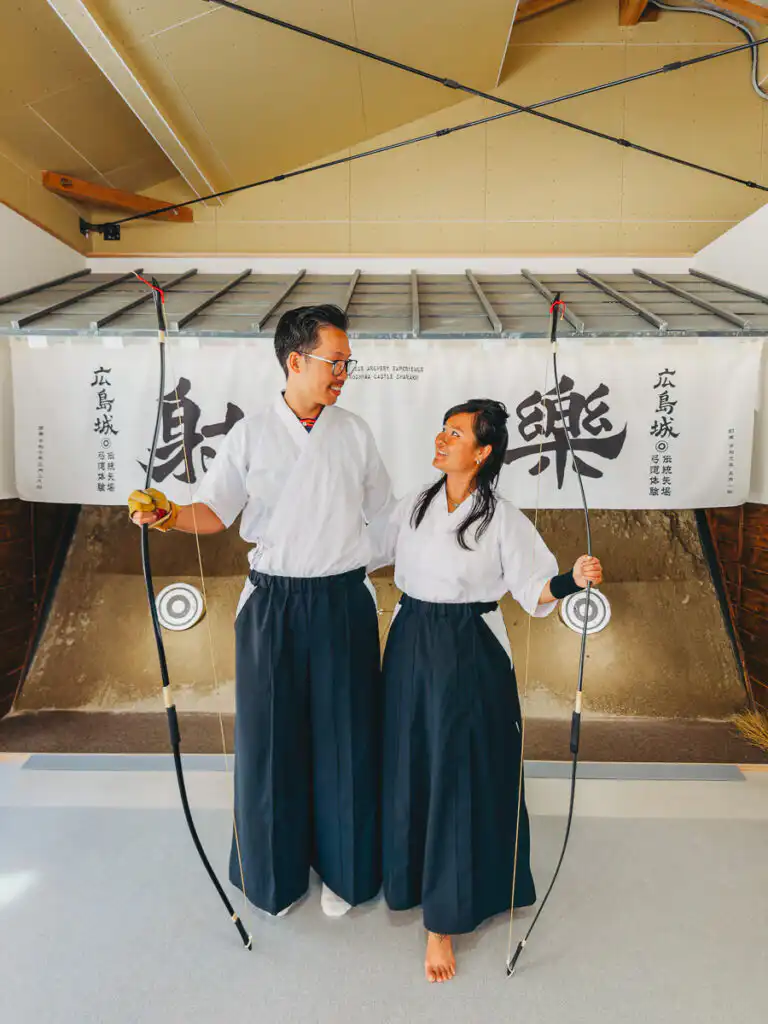
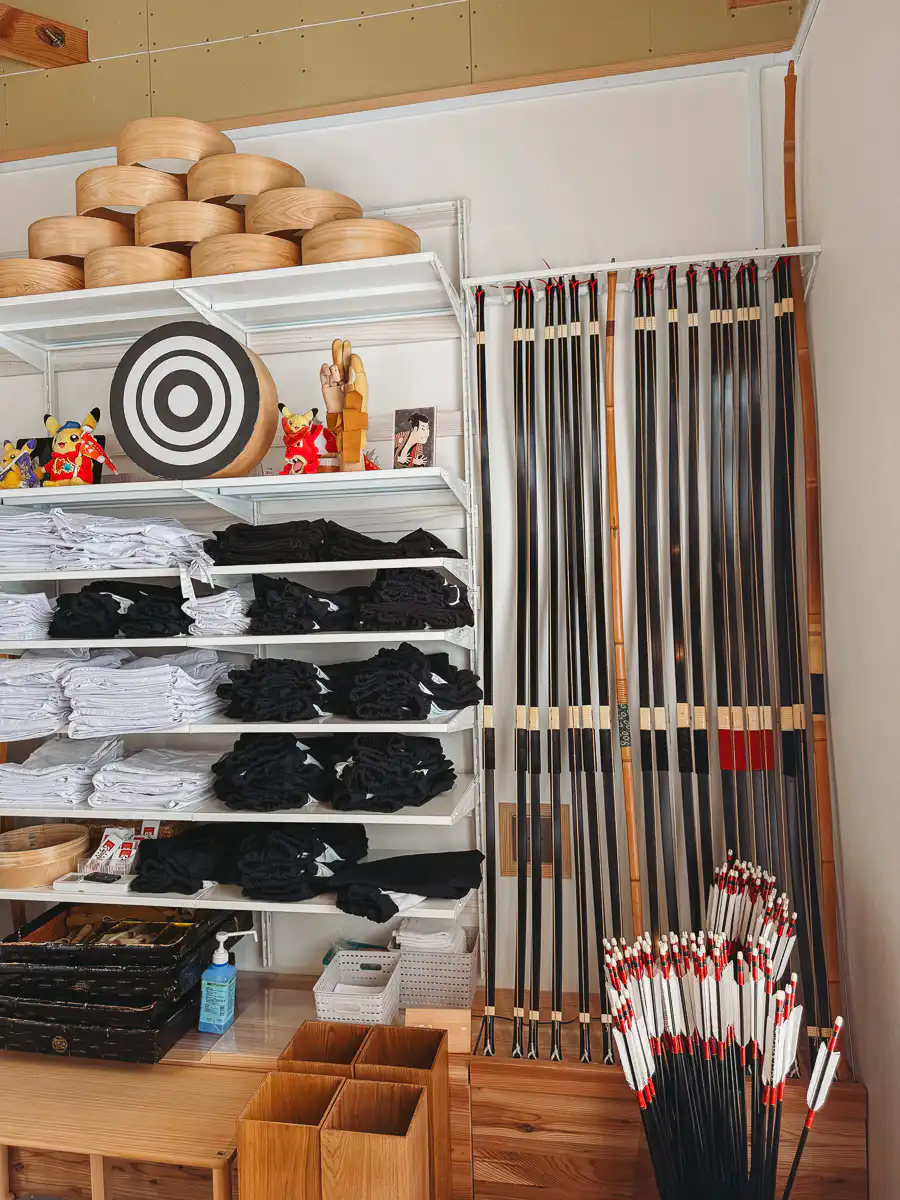
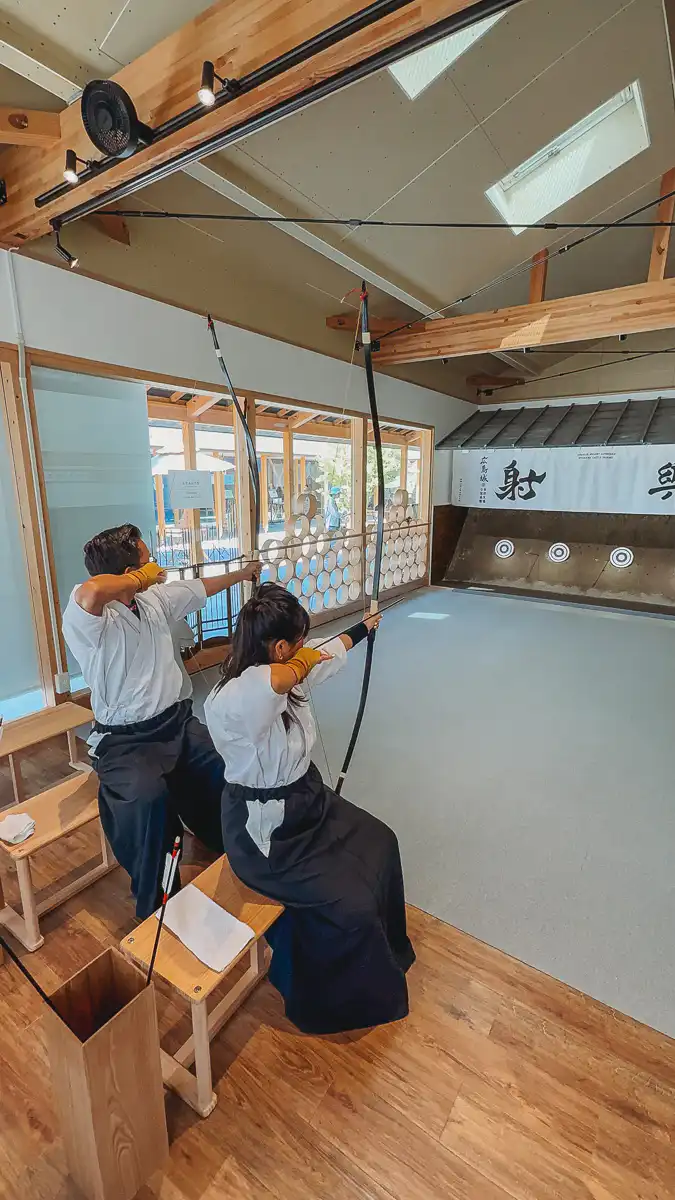
This was by far one of our favourite experiences in Hiroshima. Here, you’ll get a hands-on, one-hour guided experience learning the art of Kyudo archery. You’ll get to don the traditional outfit and learn exactly how to shoot the bow. The bow itself is far larger than the ones we’ve tried in the past in other countries, and true to Japanese-style, there are over 10 progressive steps to properly shoot an arrow. After about 10 minutes of learning, you’ll then get to practise and actually shoot arrows at a target.
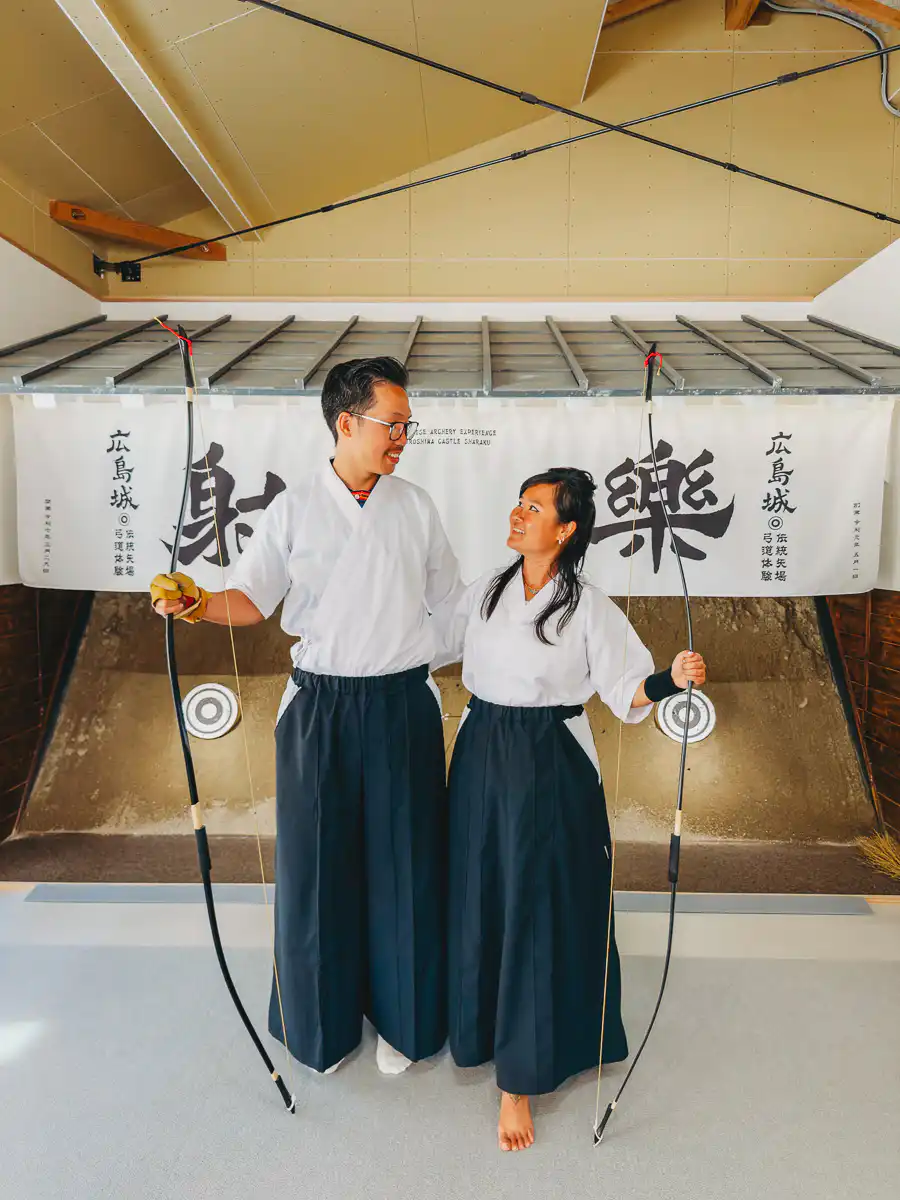
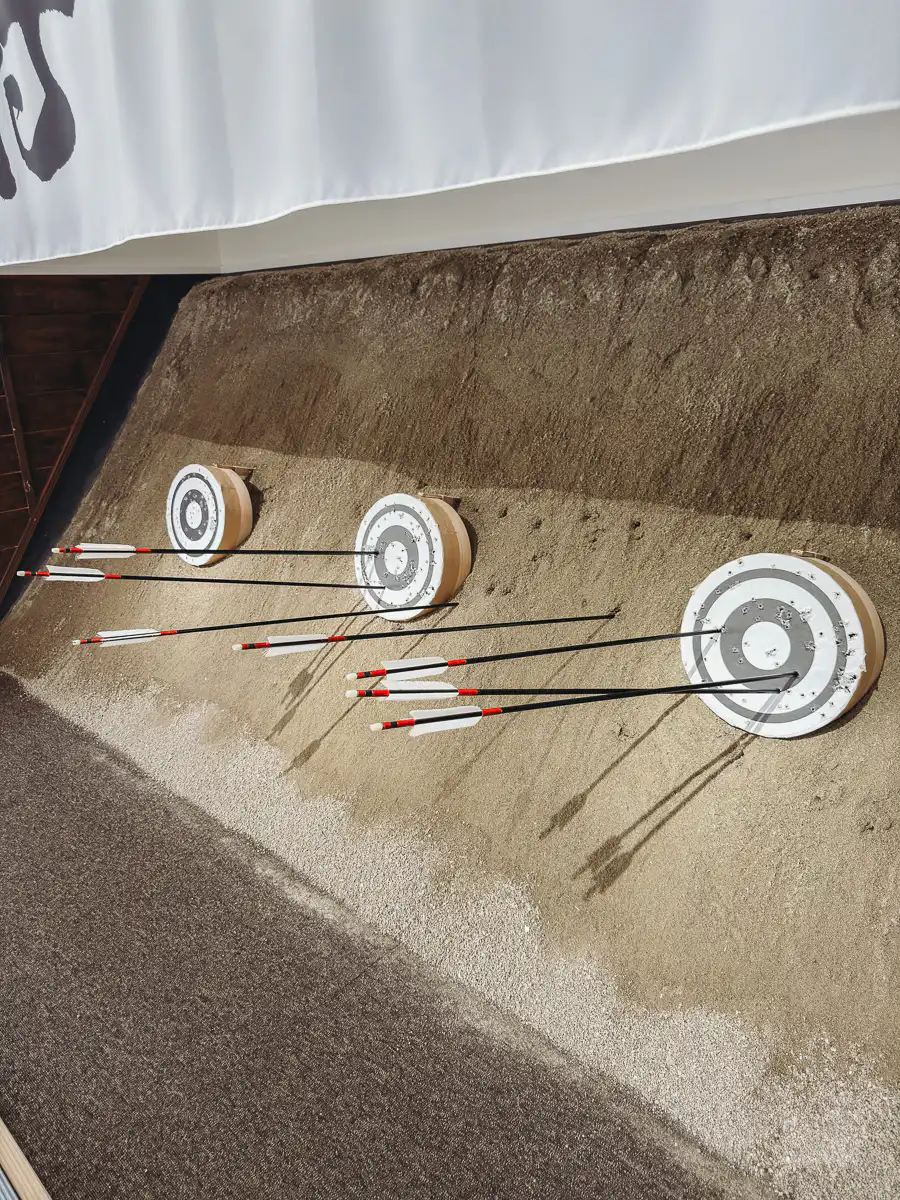
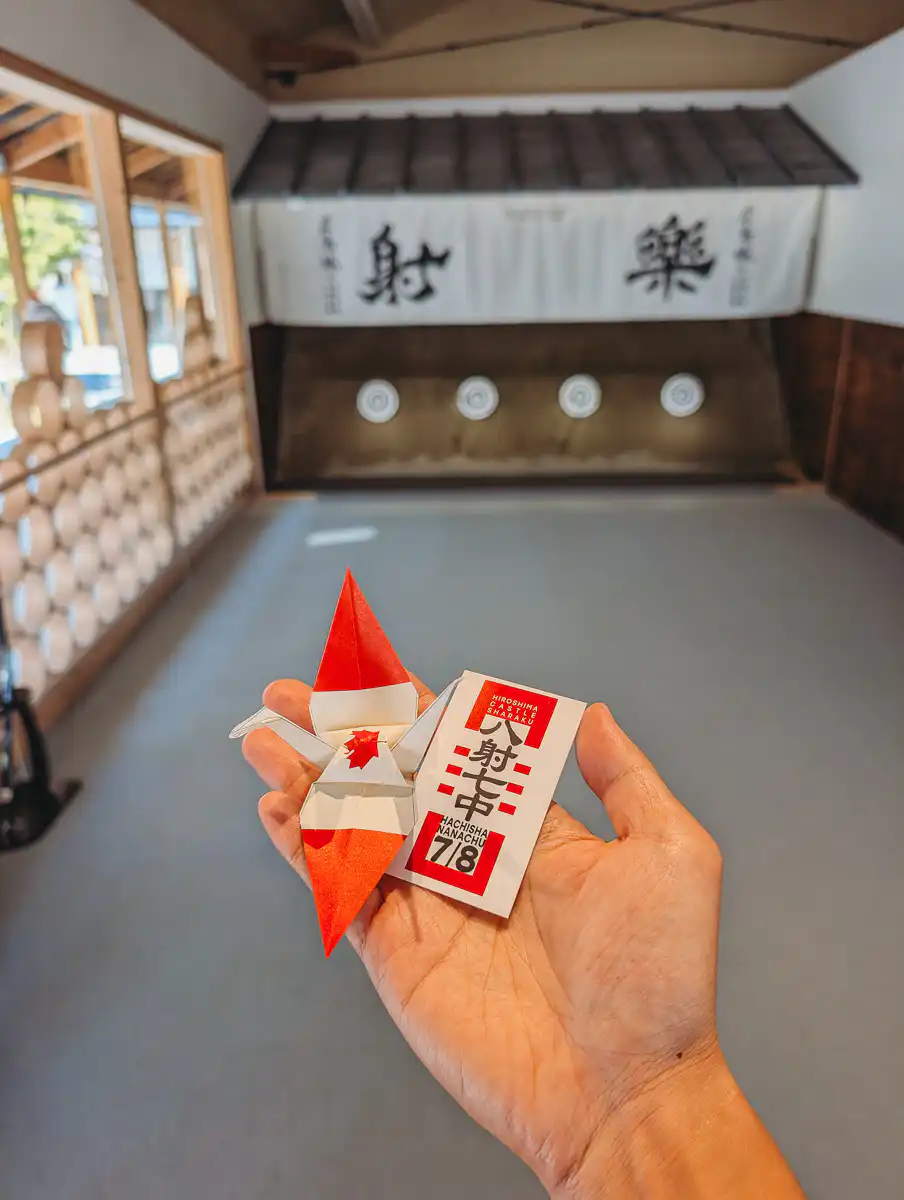
Finally, towards the end, you’ll get to compete with your partner or the other participants in the group to see who can get the most shots on target. The total experience lasts an hour, and it was so much fun that the time just flew by!
The venue is also very small, fitting only 4 people at a time, so it felt very personal, which we really liked! The centre is also conveniently located right at the entrance of Hiroshima Castle so can be easily integrated in your itinerary.
Kyudo Archery Experience: Details
- Recommended Tour: Kyudo Archery Experience
- Starting time: 10:00am, 11:15am, 1:15pm, 2:30pm, 3:45pm, 5:00pm
- Duration: 1 Hour
- Meeting point: Entrance of Hiroshima Castle
- Includes: Traditional archery outfit, gloves, bow and arrow, training for 1 hour
- Cost: ~7,150¥
This post is part of our series about Japan. If you want to learn more about Japan, planning your trip, and some of the best experiences there, check out the guides below:
Day 4: Miyajima Day trip
Activities included in Day 4 in Miyajima (6 hours):
- Floating Tori Gate
- Itsukushima Jinja (floating temple)
- Mount Misen
- Daishoin Temple
- Henjo Cave
- Optional: Kayaking right to the Miyajima Floating Tori Gate
Day Trip to Miyajima’s Floating Tori Gate
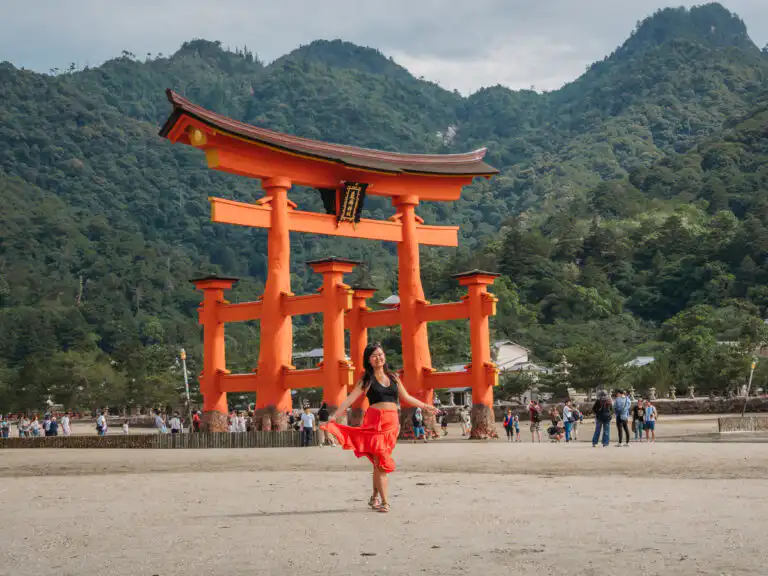
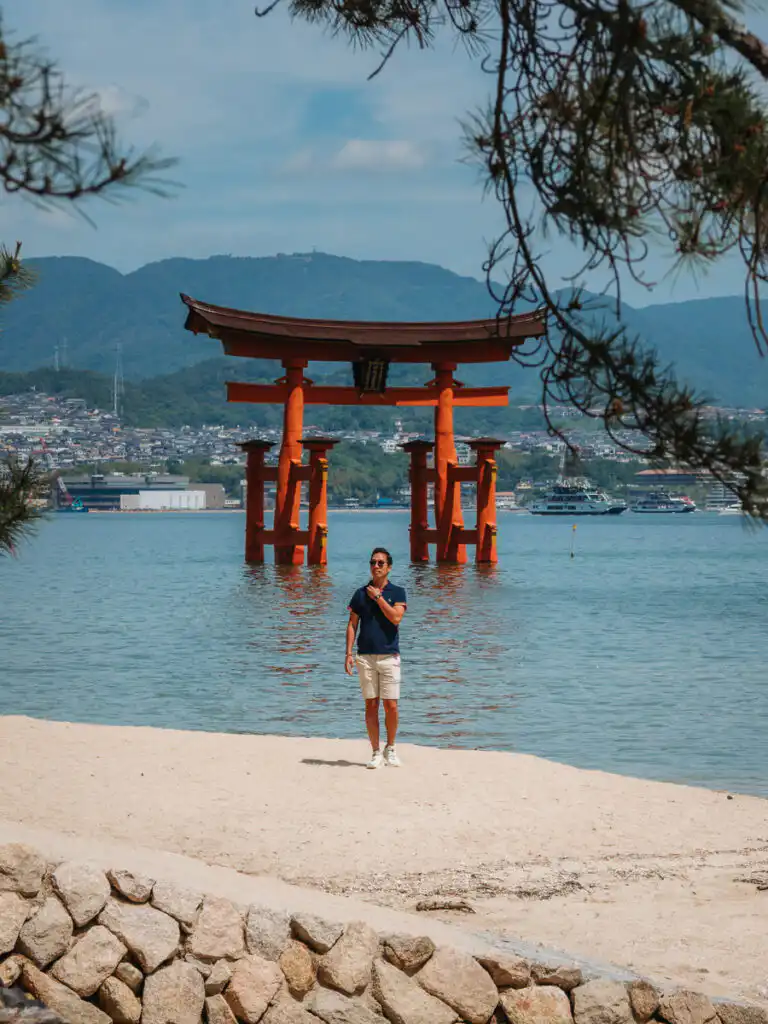
Beyond the Atomic Bomb Museum, the second reason most visitors come to Hiroshima is to take a day trip to the famous floating torii gates of Miyajima. And to see if they were really worth all the hype, we decided to go and explore them ourselves. And to our surprise, Miyajima completely lives up to it!
The floating torii gate is truly something unique in Japan, but beyond that, we absolutely loved the tranquil atmosphere of the island and how unique Daisho-in and Henjo Temples are.
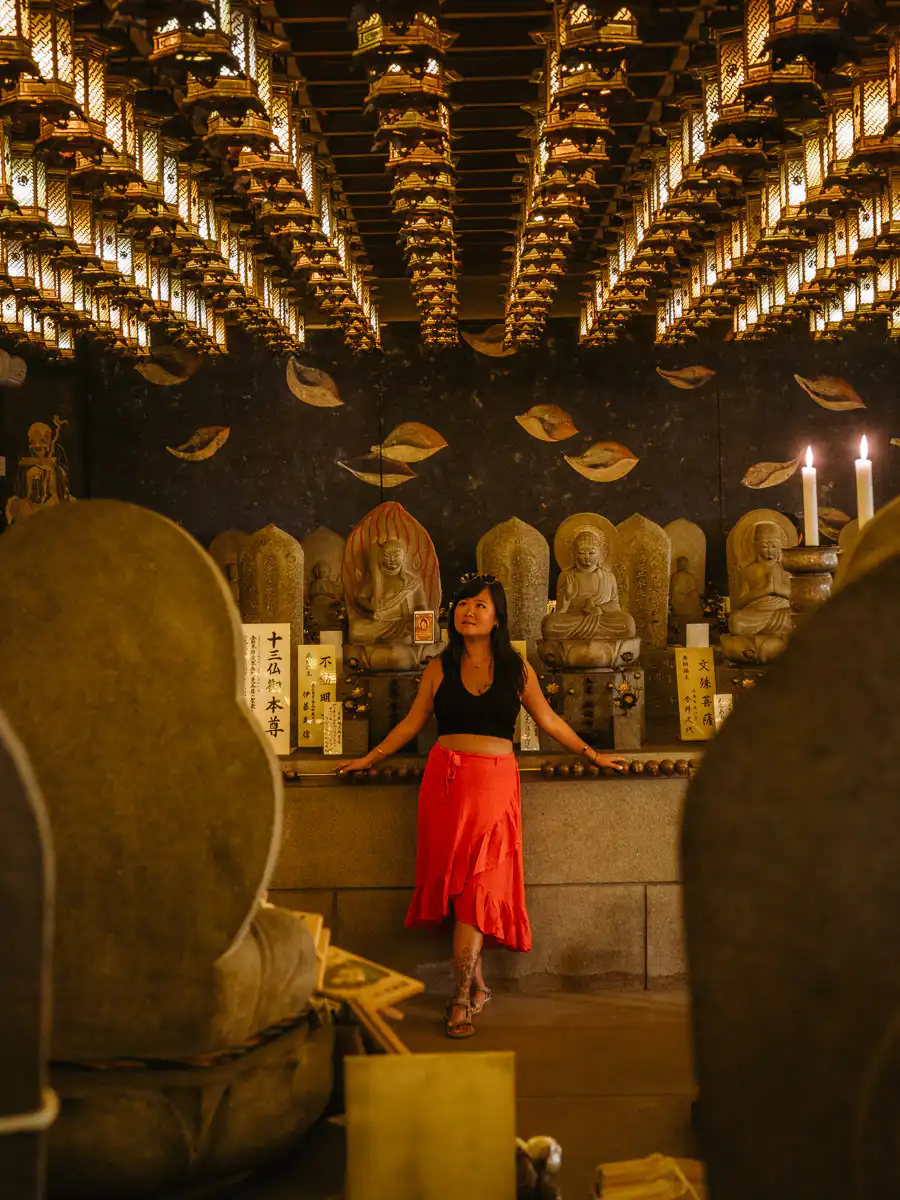
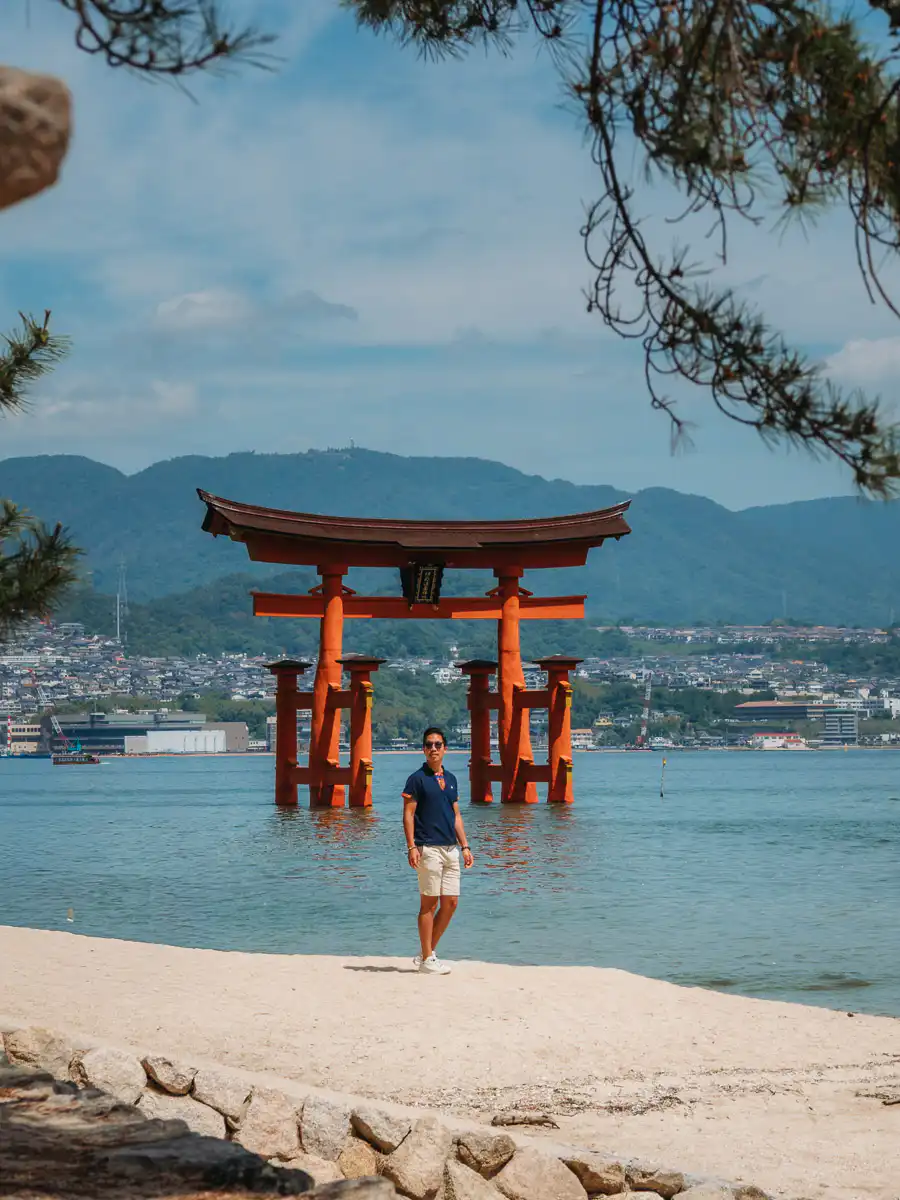
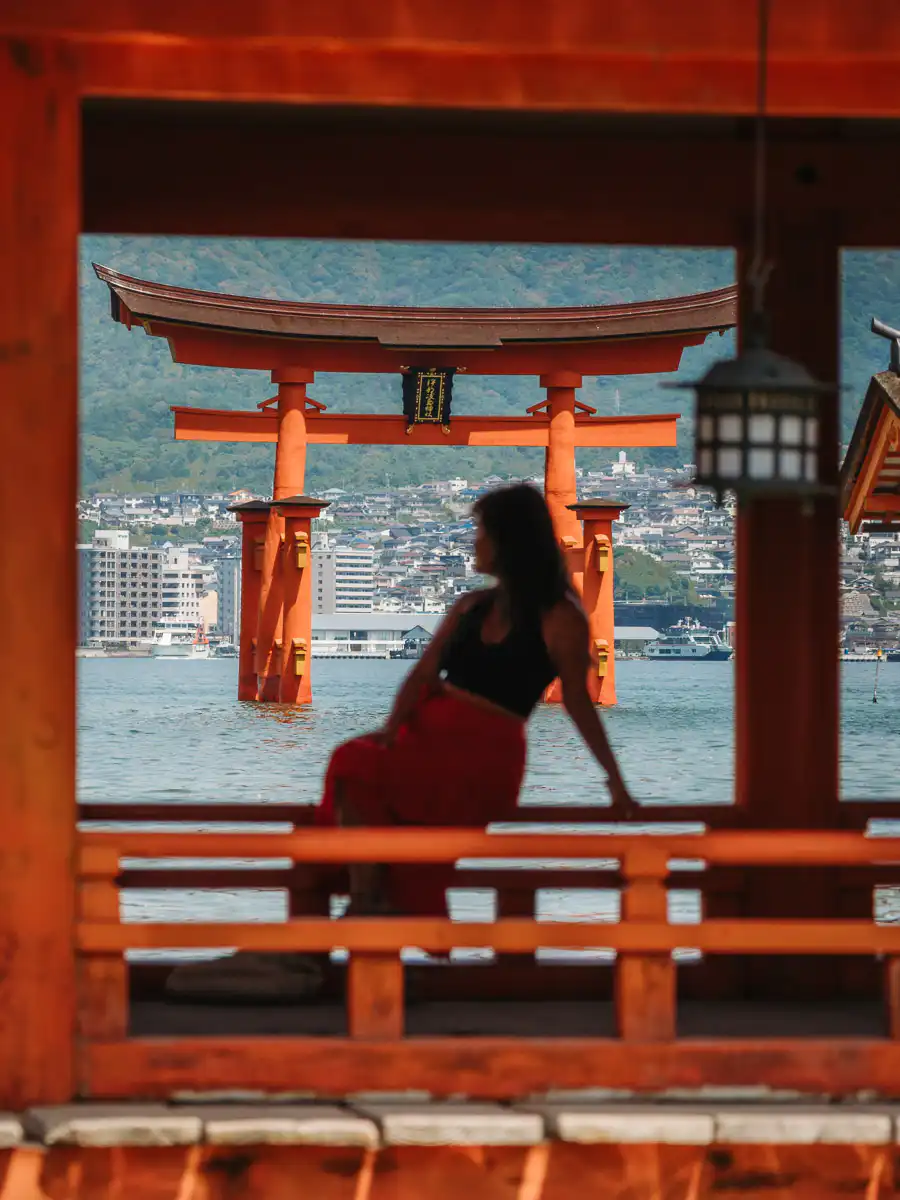
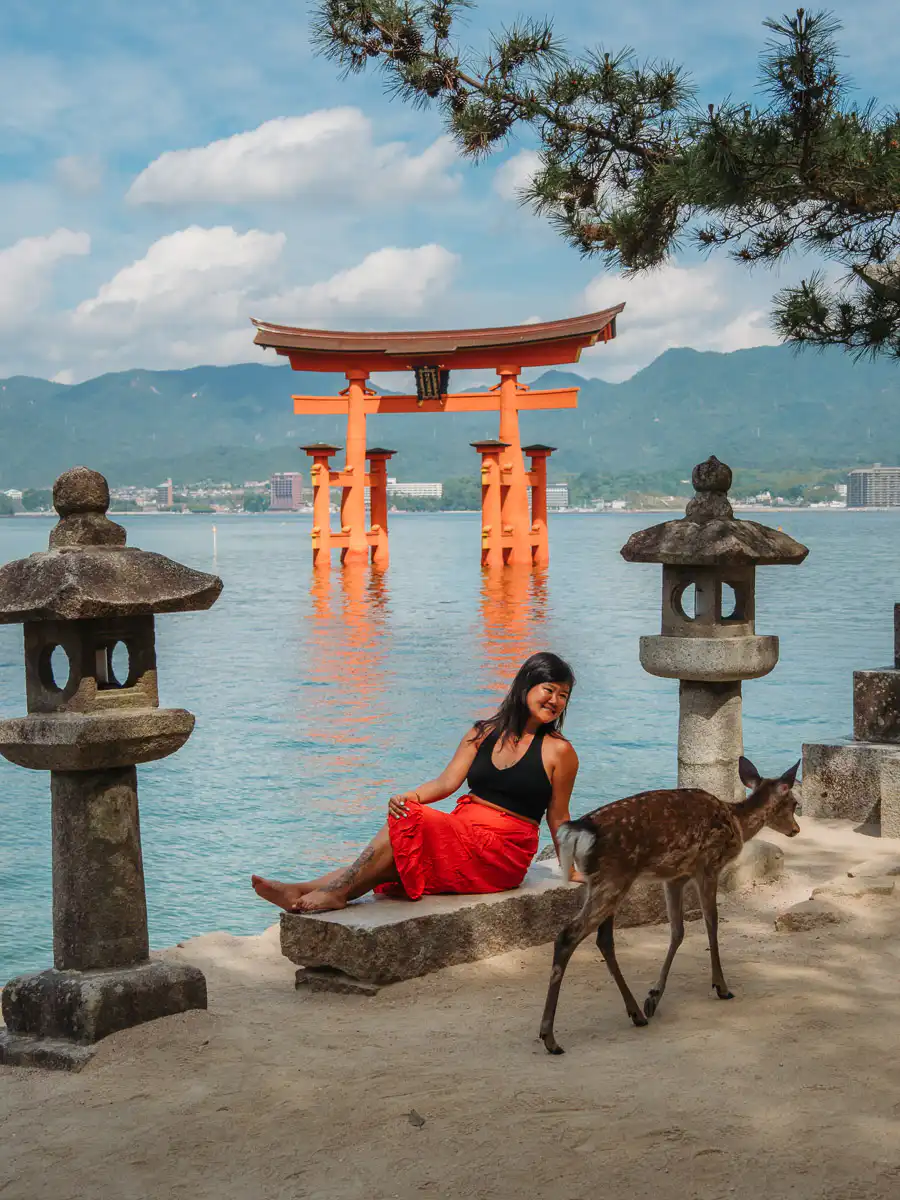
Miyajima can easily be explored in one day (we’d recommend allowing around 5–6 hours there), and reaching the island takes about an hour. You’ll need to take a tram to reach Miyajimaguchi station and then take a short 5 minute ferry across. Alternatively, there is an express boat that leaves from the Peace memorial Park and goes directly to Miyajima Island.
📒 In our Miyajima Day Trip Guide, we cover exactly how to get there, the best experiences (we took a different route than most travellers), what is actually worth doing there, and all the other essential details.
Or if you prefer a guided tour, you can either do a Combined Hiroshima + Miyajima Tour or Half-day Miyajima Island Tour.
💡 Good to Know: Check the tide times before visiting Miyajima. At high tide, the famous torii gate appears to float in the water, while at low tide you can actually walk out onto the beach and get close to it. If seeing the “floating” torii is important to you, plan your visit around high tide.
Day 5: Naval History and Submarines on a Day trip to Kure
Activities included in Day 5 in Kure (6 hours):
- Yamato Museum
- JMSDF Kure Museum
- Japanese Submarine curry
- Japan Maritime Self-defence Force
- Go inside a Submarine or see a Battleship
Another completely worthwhile day trip from Hiroshima would be to the naval city of Kure. Once one of Japan’s most important naval ports and shipbuilding centres, Kure is now a fascinating place to learn about Japan’s naval and wartime history.
On a day trip to Kure, you can visit the Yamato Museum, where you can find an enormous 1:10 scale model of the Yamato, see historic WWII aircraft and naval artefacts, and even get a glimpse of the modern-day Japan Maritime Self-Defence Force. Then at the JMSDF Kure Museum, you can actually walk inside the Akishio, a real retired Japanese Submarine, and this is one of the few places in Japan where you can do so!
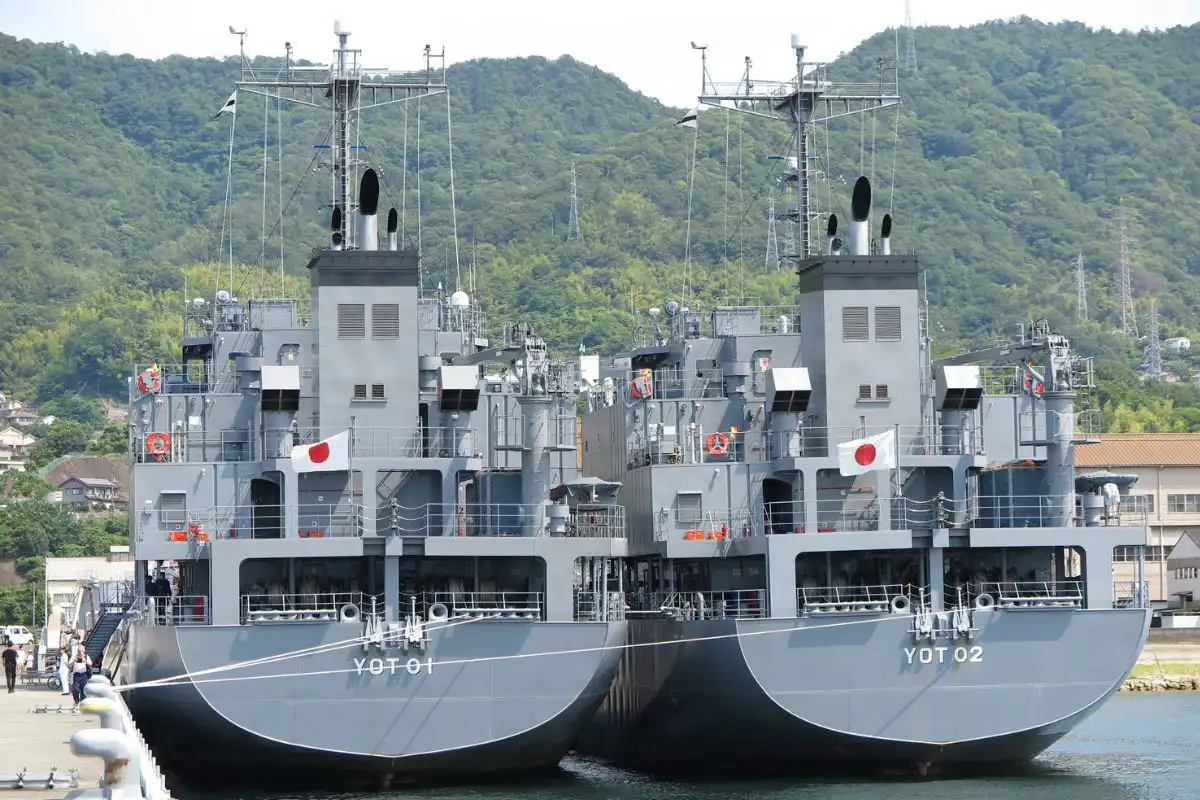
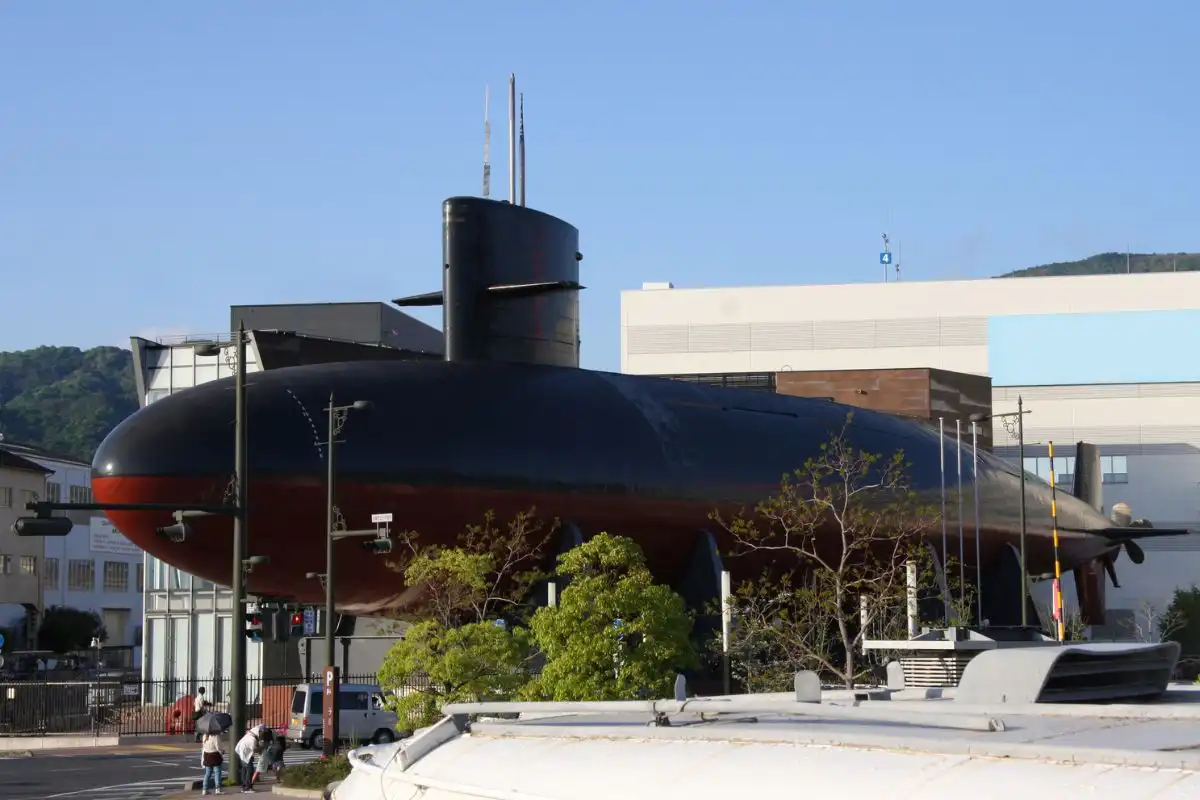
Then outside on the bay, you can take a scenic cruise to see active JMSDF ships from up close. After four days of exploring the Atomic bomb history, ancient castles and temples, we think diving into the city’s military and naval history in Kure is a really interesting way to round out your time here.
And while you’re there, don’t forget to try Kure’s famous naval curry! Some restaurants serve curry based on recipes associated with specific JMSDF ships, and typically you’ll find a submarine made of rice floating on a bed of curry. It’s pretty cute!
Kure is also very easy to reach from Hiroshima, taking only about 35 minutes by train or you can also join a Kure Day Trip from Hiroshima (or join This tour that combines Saijo Sake Brewery street with Kure)
Day 6: 3 different Hiroshima day trip options!
For your final day in Hiroshima, you have the option of 3 different types of activities. One active cycling option, one to visit a cute bunny island, and the third that is focused on food with Izakaya hopping.
Activities included in Day 6 of Hiroshima:
- Option A: Cycling trip at the famous Shimanami Kaido in Onomichi
- Option B: A day trip to Bunny Island and a visit to Takehara (little Kyoto)
- Option C: Hiroshima Izakaya Hopping Tour
Option A: Cycling trip at the famous Shimanami Kaido in Onomichi
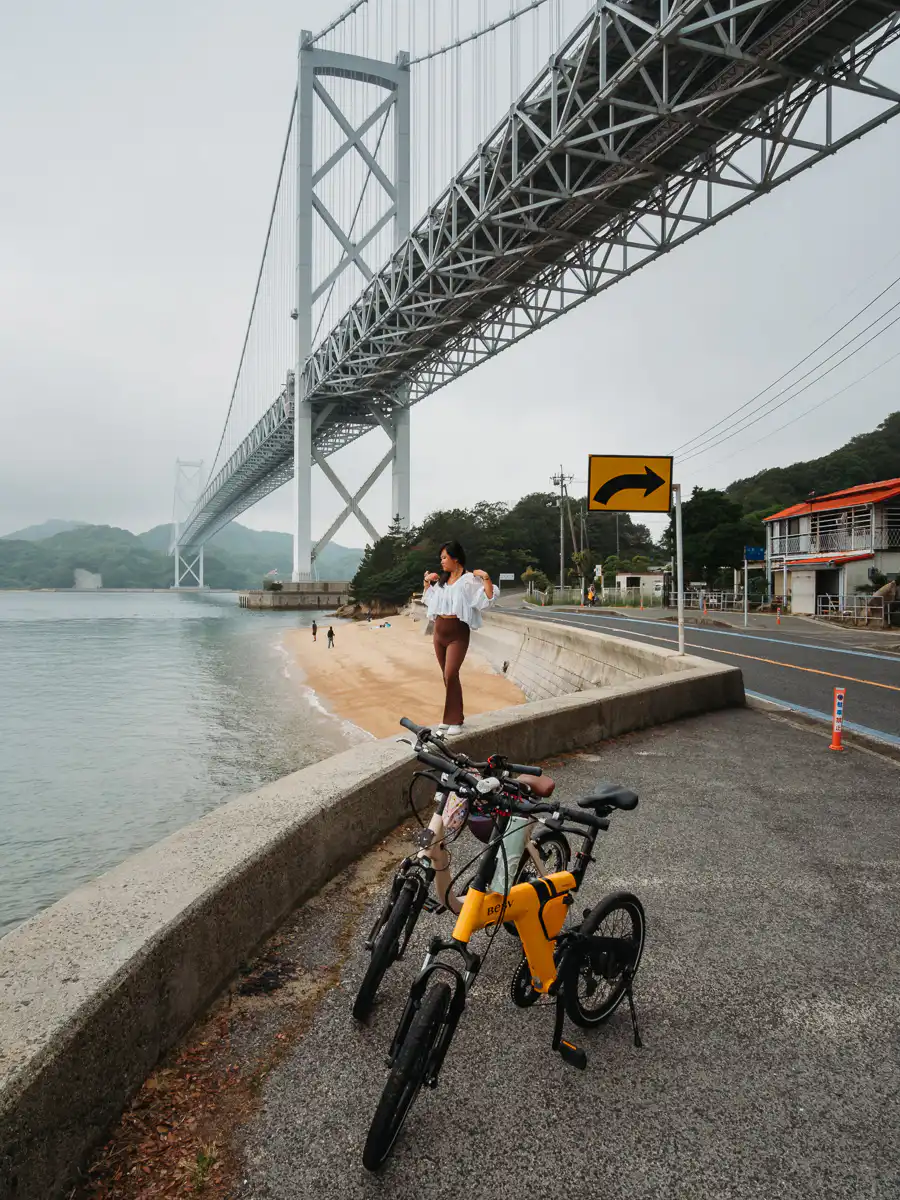
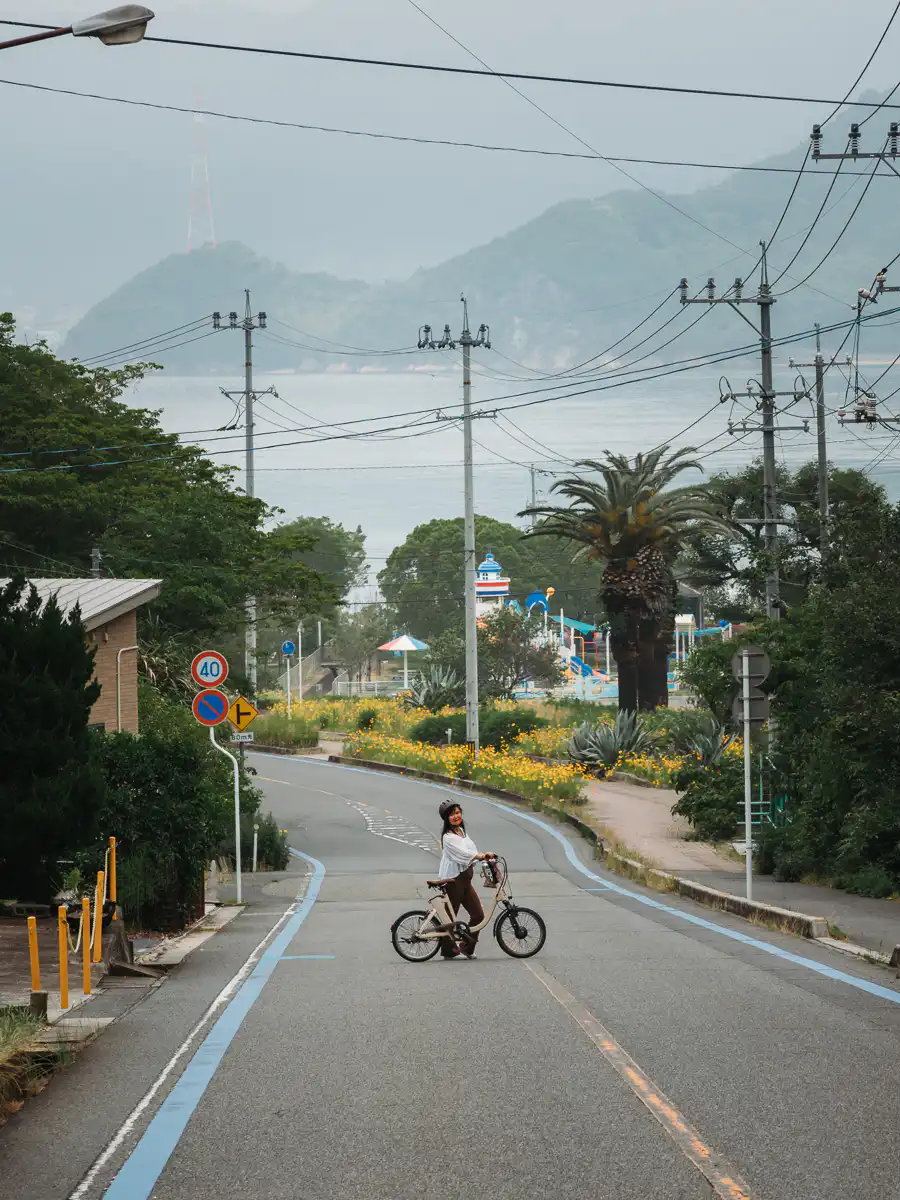
This is the option we chose and we ended up actually staying 2 nights in Onomichi. The Shimanami Kaido is an approximately 70 km cycling route starting from Onomichi and ending in Imabari. Along the way, you’ll pass through 6 different islands and cross 7 impressive bridges and is considered one of the most famous cycling routes in Japan.
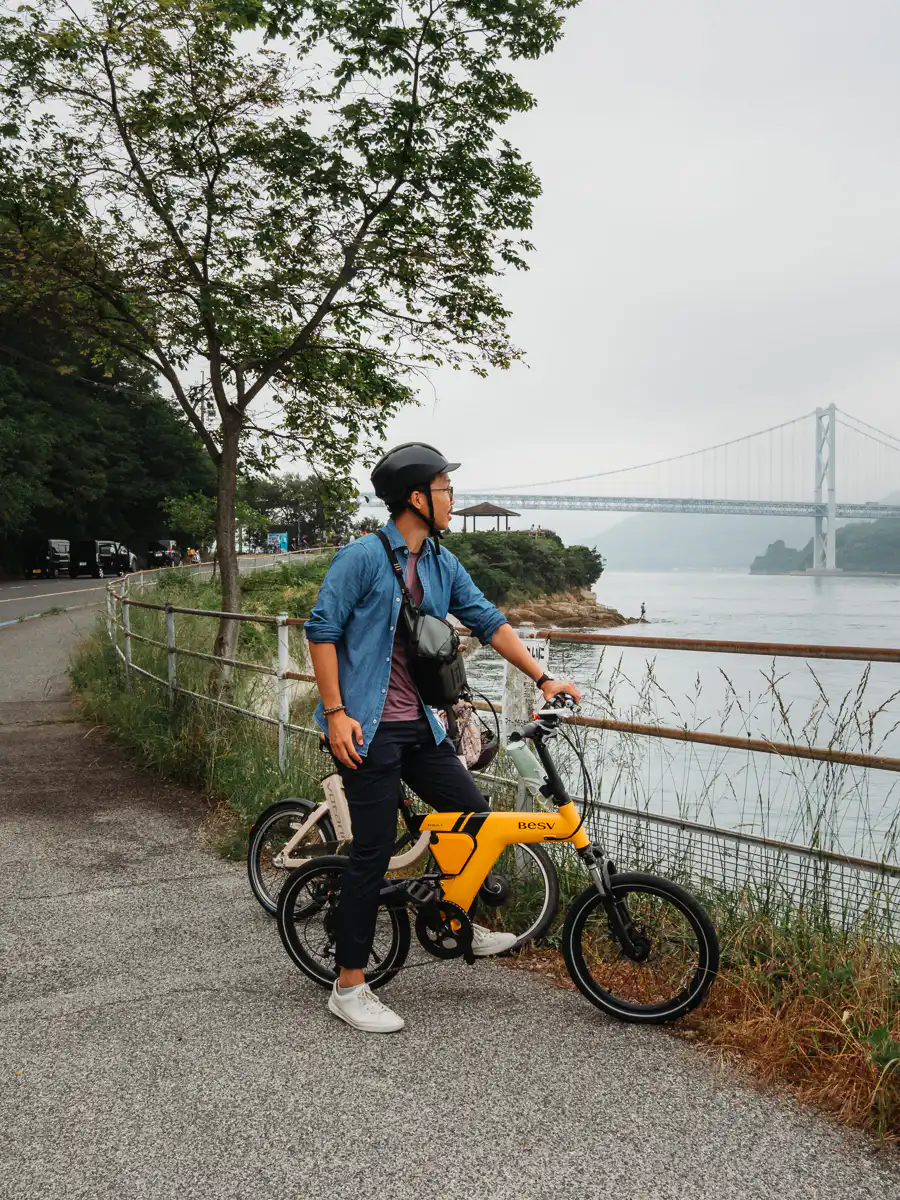
We personally did the half-route option, ending at Setoda Port, which took us about 4 hours at a leisurely pace. Since neither of us are cyclists, we decided to rent an E-assisted bike from Onomichi base, and we’re so glad we did! The electric assistance made a huge difference, especially when tackling the uphill portions.
If you want to do the half-route like we did, once you reach Setoda Port, you can hop on a ferry directly back to Onomichi. This means you only need to cycle the 35 km route one way, rather than having to cycle all the way back, which, trust us, you’ll probably be pretty happy about after 4 hours on a bike! We aren’t very used to cycling and our bums were pretty sore after the ride.
Reaching Onomichi from Hiroshima takes about 1.5 hours and can be done by either Shinkansen or by bus. The cycling route can be done independently or if you prefer, there are guided tours to the Shimanami Kaido.
Shimanami Kaido in Onomichi: Details
- Recommended Tour: guided tour to the Shimanami Kaido
- Starting time: 9:00am
- Duration: 9 Hours
- Meeting point: Onomichi Station
- Includes: Bicycle rental, Ferry to starting point, cycling insurance, expert english-speaking guide
- Cost: ~50,000¥
Option B: Day trip to bunny island and a visit to Takehara (little Kyoto)
If you want to spend your day visiting an off-the-beaten-path “Little Kyoto” and then hop over to a remote island filled with bunnies, then this day trip is for you!
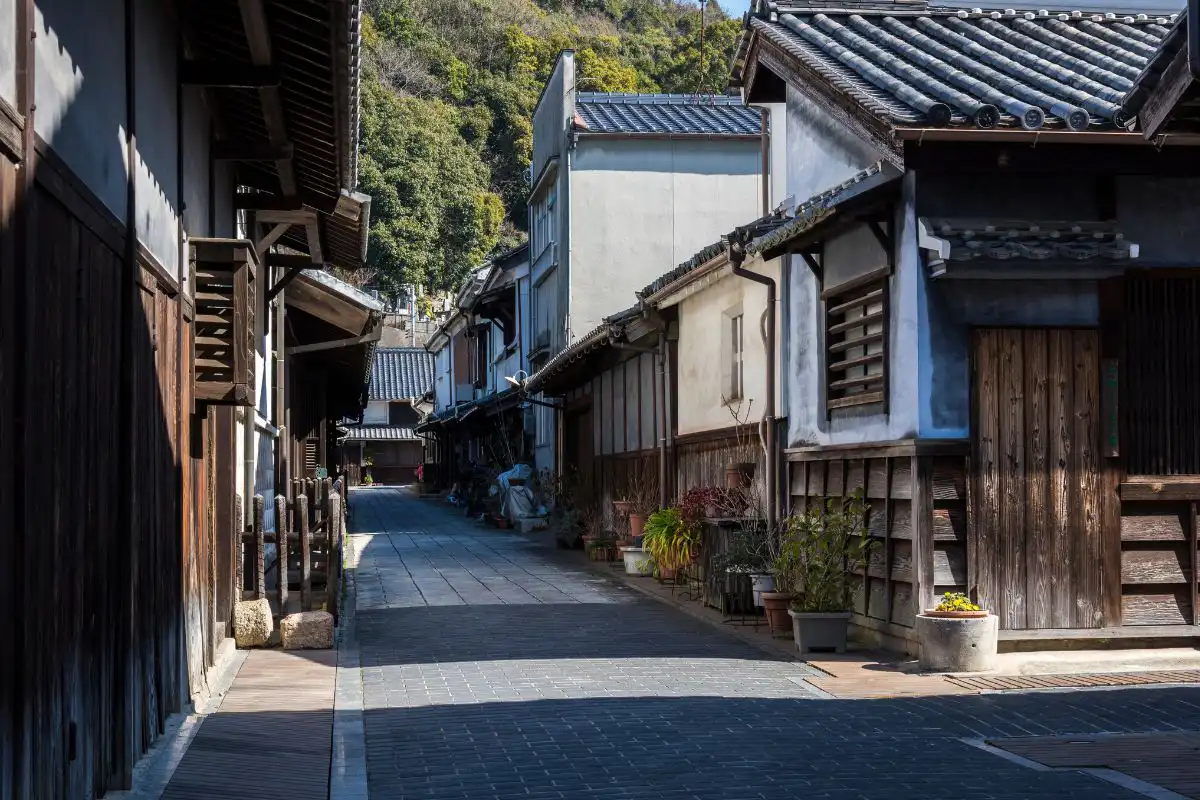
Start your day in Takehara, a beautifully preserved traditional town known as “Little Kyoto.” If you’ve visited Kyoto, you know just how beautiful its old districts are, but also how crowded they can get. Takehara gives you that same traditional Japanese feel without the crowds, making it the perfect place to wander around and get that perfect traditional-Japan photo.
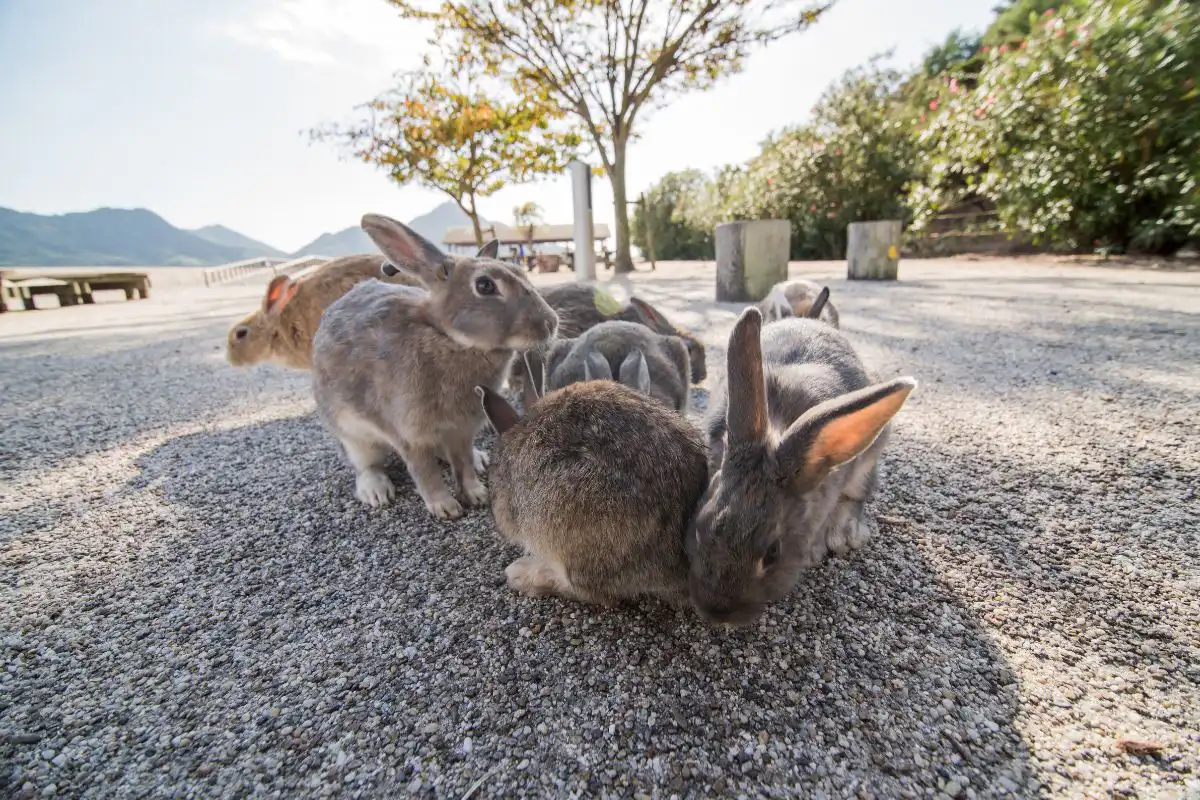
From there, you’ll head over to Tadanoumi Port and catch the ferry to Okunoshima, better known as Rabbit Island. The island has a surprisingly dark history, having been home to a secret poison gas factory during World War II. Today, however, it’s much better known for its hundreds of wild rabbits that roam freely around the island.
The exact origin of Okunoshima’s rabbit population is still debated, but one commonly accepted story is that eight rabbits were released on the island by schoolchildren in 1971. With no natural predators and plenty of space to roam, their population eventually grew, turning this tiny island into one of Japan’s most unusual (and cute) attractions.
So, you can spend the morning exploring a quiet historic town and the afternoon surrounded by bunnies. Honestly, what more could you ask for?
Bunny Island Day Trip: Details
- Recommended Tour: Takehara and Bunny Island Trip
- Starting time: 8:00am
- Duration: 9.5 Hours
- Meeting point: Hiroshima Station
- Includes: English speaking guide, entry fees to all tour locations, transport between activities, rabbit food, ferry tickets
- Cost: ~26,400¥
Option C: Hiroshima Izakaya Hopping Tour
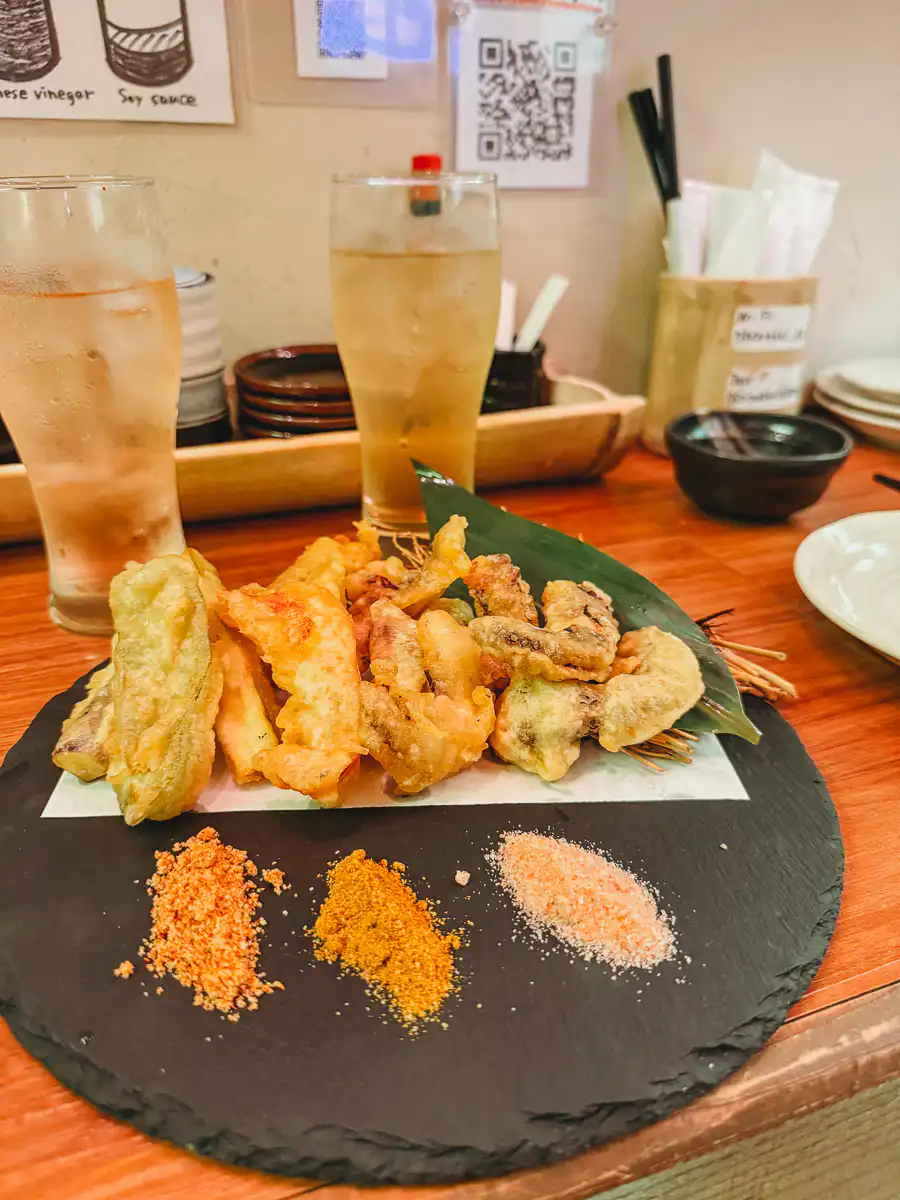
Finally, for our foodie travellers, this Izakaya Hopping Tour is for you! Personally, we were really impressed by the food scene in Hiroshima. It felt a little more daring and creative, with restaurants willing to stray from the traditional sushi and izakaya dishes and add their own twist. So naturally, we think a food tour is a great way to experience it!
On this 3-hour Izakaya hopping tour, you’ll get a local’s perspective as you visit some of their favourite izakayas and bars around Hiroshima. The experience includes alcohol, 2 food plates, an Okonomiyaki plate, and, of course, some awesome company!
Honestly, there are so many dishes to discover in Japanese izakayas, and if it’s your first time visiting Japan, having a local guide you through what to order can be invaluable. You definitely don’t want to be that tourist eating at Mcdonald’s because they don’t want the stress of figuring out the local restaurants.
Izakaya Hopping Tour: Details
- Recommended Tour: Izakaya Hopping Tour
- Starting time: 7:00pm
- Duration: 3 Hours
- Meeting point: Downtown Hiroshima
- Includes: 3 alcohol drinks, 2 food plates, okonomiyaki plate, local guide
- Cost: ~13,500¥
If you only have 2-3 days in Hiroshima
We were lucky enough to have had 6 days in Hiroshima, but if you only have 2-3 days, then this is how we would recommend you spend your time.
First, a day trip to Miyajima is definitely worth including in your itinerary. Then with the other two days, we would highly recommend a mix of a walking historical tour to learn the history of Hiroshima, a visit to the Hiroshima Peace Memorial Museum, and try out the Kyudo Archery experience. Alternatively, if archery isn’t your thing, then we would definitely suggest the Izakaya hopping experience since the food scene is Hiroshima is incredible!
So this is how your 2-3 days Hiroshima itinerary would generally look like:
Hiroshima 2-3 Day Itinerary
- Day 1: Walking Tour of Hiroshima + Kyudo Archery experience at Hiroshima Castle
- Day 2: Day trip to Miyajima
- Day 3: Visit the Peace memorial Museum + Izakaya Hopping experience
We feel like this has the best of both worlds, combining a cultural day trip, learning Hiroshima’s history, and some fun activities like Archery or Izakaya hopping. Out of all the activities we mentioned in the 6 day Hiroshima itinerary, the experiences that we would likely skip if short on time are the Kagura performance, Onomichi cycling day trip (since it takes close to 3-4 hours roundtrip to get there), and Kure day trip (unless you are a real naval history buff).
Where to Stay in Hiroshima
Hiroshima is not a huge city, so as long as you stay relatively central, you can actually reach everything on foot.
We stayed in the Honkawacho neighbourhood just across the T-Bridge and it was the perfect mix of local quiet ambiance, and accessibility. From there, we were able to reach the downtown area, Hiroshima castle, and Hondori street all on foot within about 10 minutes.
Alternatively, staying near the Hiroshima Bus Center (Kamiyacho neighbourhood) is also super convenient since you’ll be only two blocks from the main downtown area, and you have a direct train line to Shin-Hakushima JR station to access the Shinkansens.
Honkawacho neighbourhood (around T-bridge)
Best for a quieter, more local feel, where we stayed
- Great walking access to the Peace Memorial Park and downtown.
- Less touristy and busy than Hondori.
- Easy to get around by tram to go to Miyajima
Recommended Hotels in Honkawacho:
- Budget: The Evergreen Hostel (Great location near Peace Park and Dome)
- Mid-range: GR Honkawa (Business style hotel with all the essential amenities)
- Luxury: Grand Base Hiroshima (Spacious rooms, steps from Peace Park)
Hiroshima Bus Center (Kamiyacho neighbourhood)
Best for first time visitors, more central, a bit more expensive
- You’re right in the middle of restaurants, shopping and nightlife.
- Very convenient for getting around by tram.
- Close to the Peace Memorial Park.
- Probably the easiest for someone who doesn’t want to think too much about transportation.
Recommended Hotels in Kamiyacho:
- Budget: Hotel Livemax Hiroshima Peace Park (Budget friendly and well located)
- Mid-range: Daiwa Roynet Hotel Hiroshima (Excellent location and comfortable rooms)
- Luxury: Mitsui Garden hotel (Great views and excellent breakfast)
How to Get to Hiroshima & How to Get Around
Hiroshima is surprisingly easy to get to and around, especially if you’re travelling as part of a larger Japan itinerary.
Getting to Hiroshima
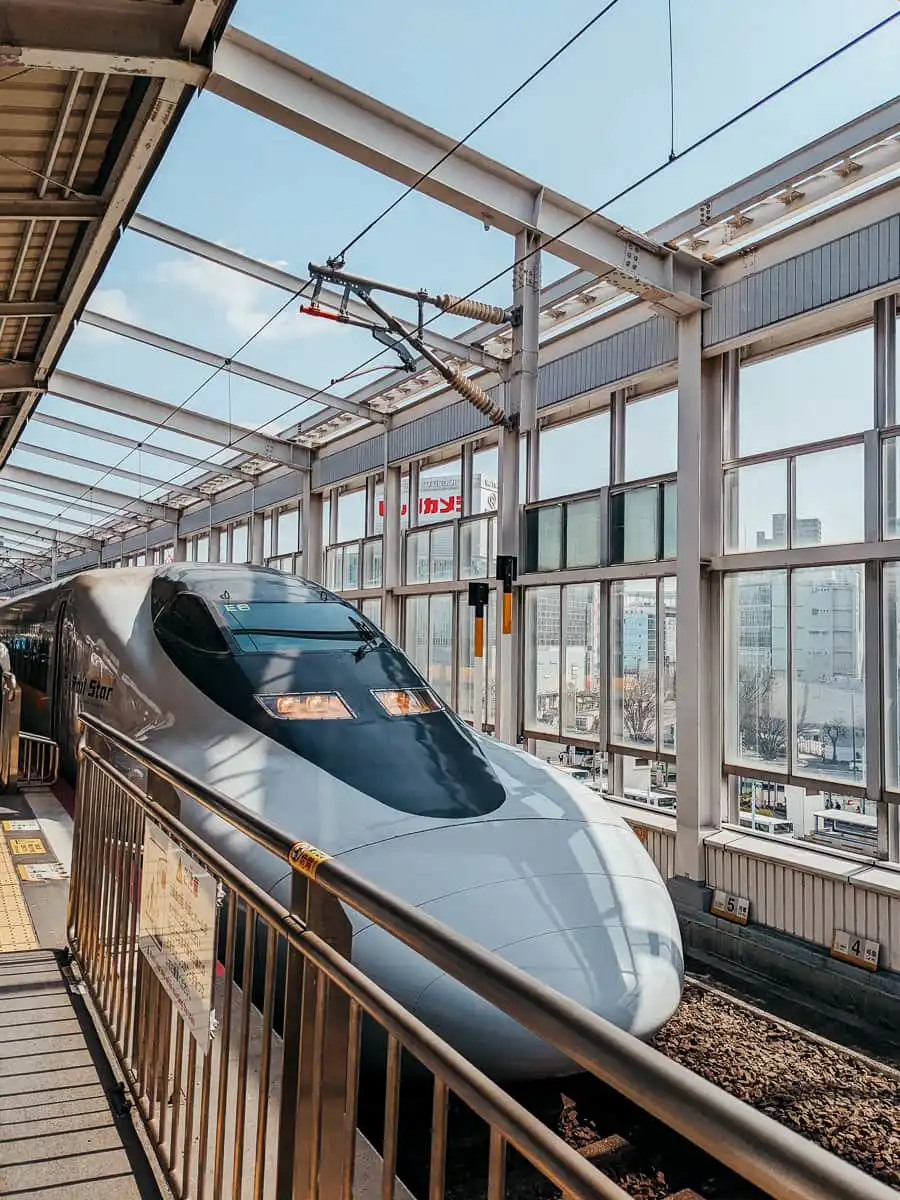
If you’re travelling from Osaka or Kyoto, the easiest option is the Shinkansen, which takes roughly 1.5 hours from Osaka and around 1 hour 40 minutes from Kyoto.
This means if you’re really short on time, Hiroshima can theoretically be visited as a day trip from Osaka. From Tokyo, the journey takes around 4 hours by Shinkansen, while travelling from Fukuoka takes roughly 1 hour.
Hiroshima’s main train station is Hiroshima Station, where you’ll arrive if you’re travelling by Shinkansen. From there, you can easily connect to the city centre by tram or bus.
Getting Around Hiroshima
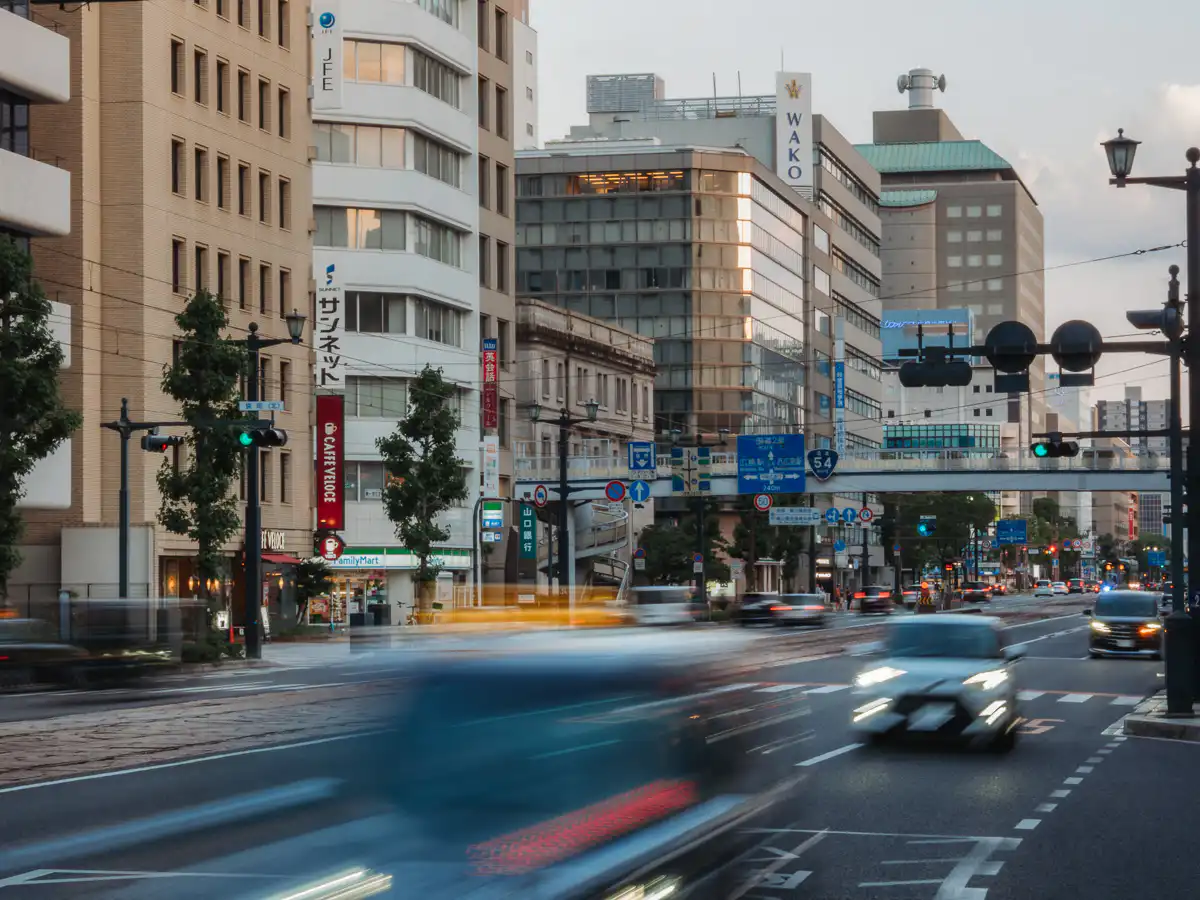
One of the things we loved about Hiroshima is how easy it is to explore. The central part of the city is relatively compact, and many of the main sights can easily be reached on foot. We walked to most places during our stay and only used public transportation when we day our day trip to Miyajima.
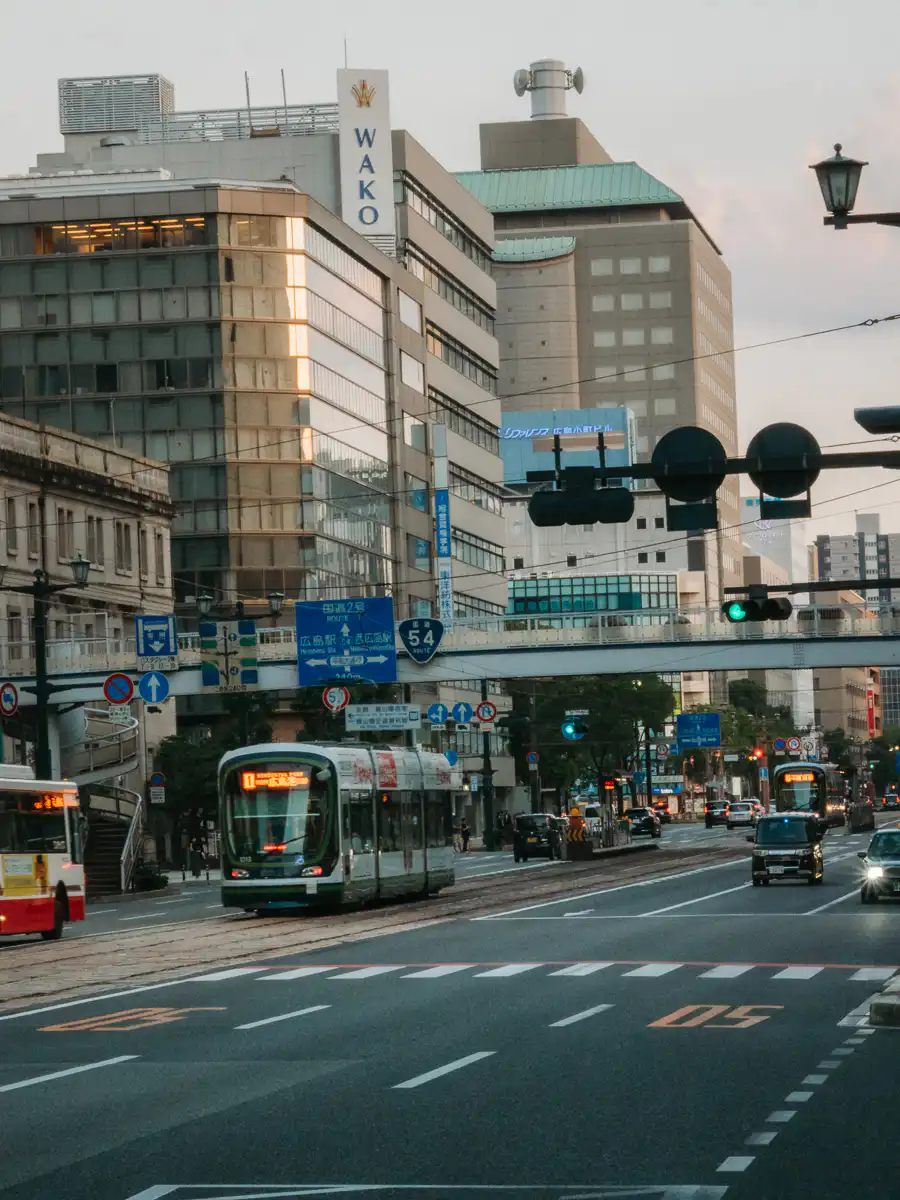
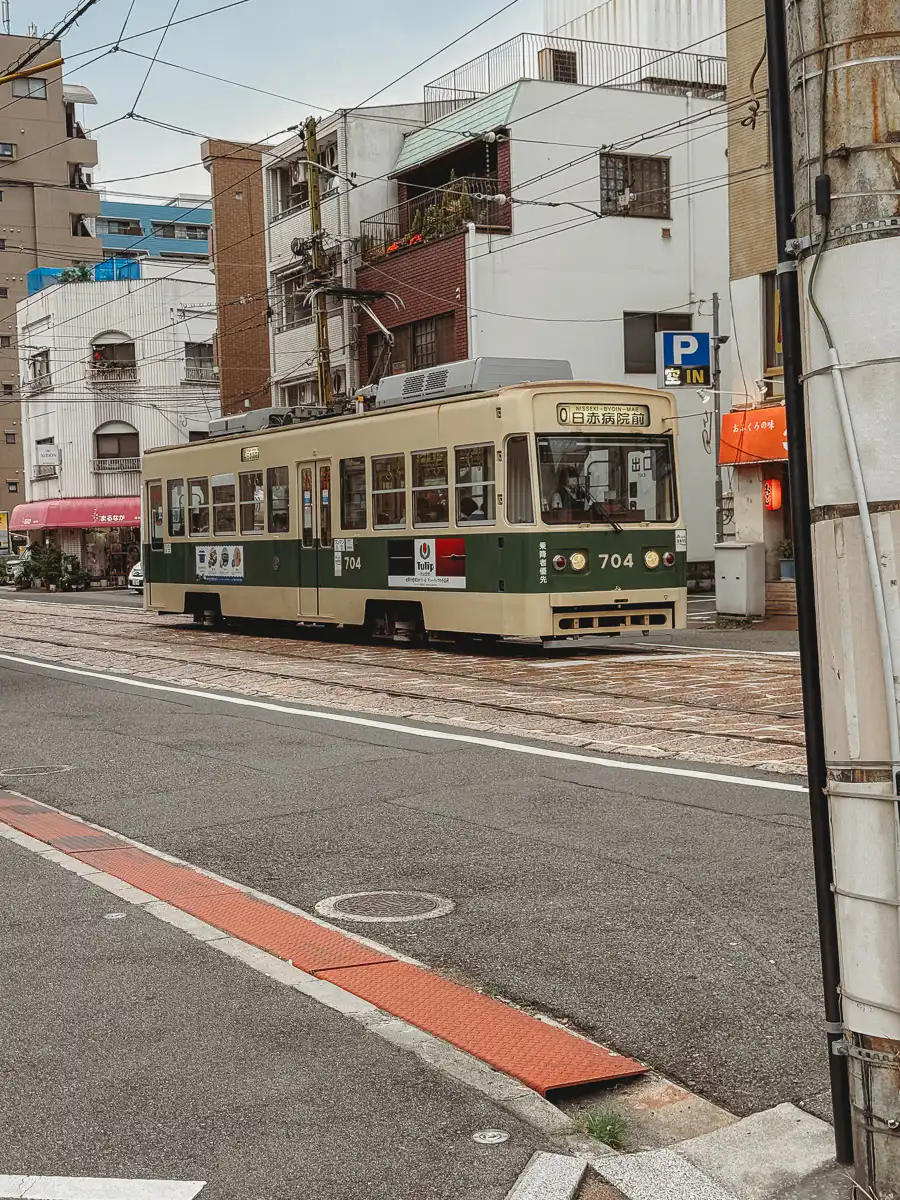
For longer distances, Hiroshima’s trams are the easiest option, with routes connecting Hiroshima Station, the downtown area, Peace Memorial Park and other parts of the city. The trams are also pretty cool to look at, with many of them being old, historic streetcars that give the city a bit of extra character. Buses are also available, while the JR train network is particularly useful for day trips outside the city.
For Miyajima, you’ll need to take a train or tram to Miyajimaguchi station and then catch a ferry across to the island. Kure and Onomichi can also be easily reached by train.
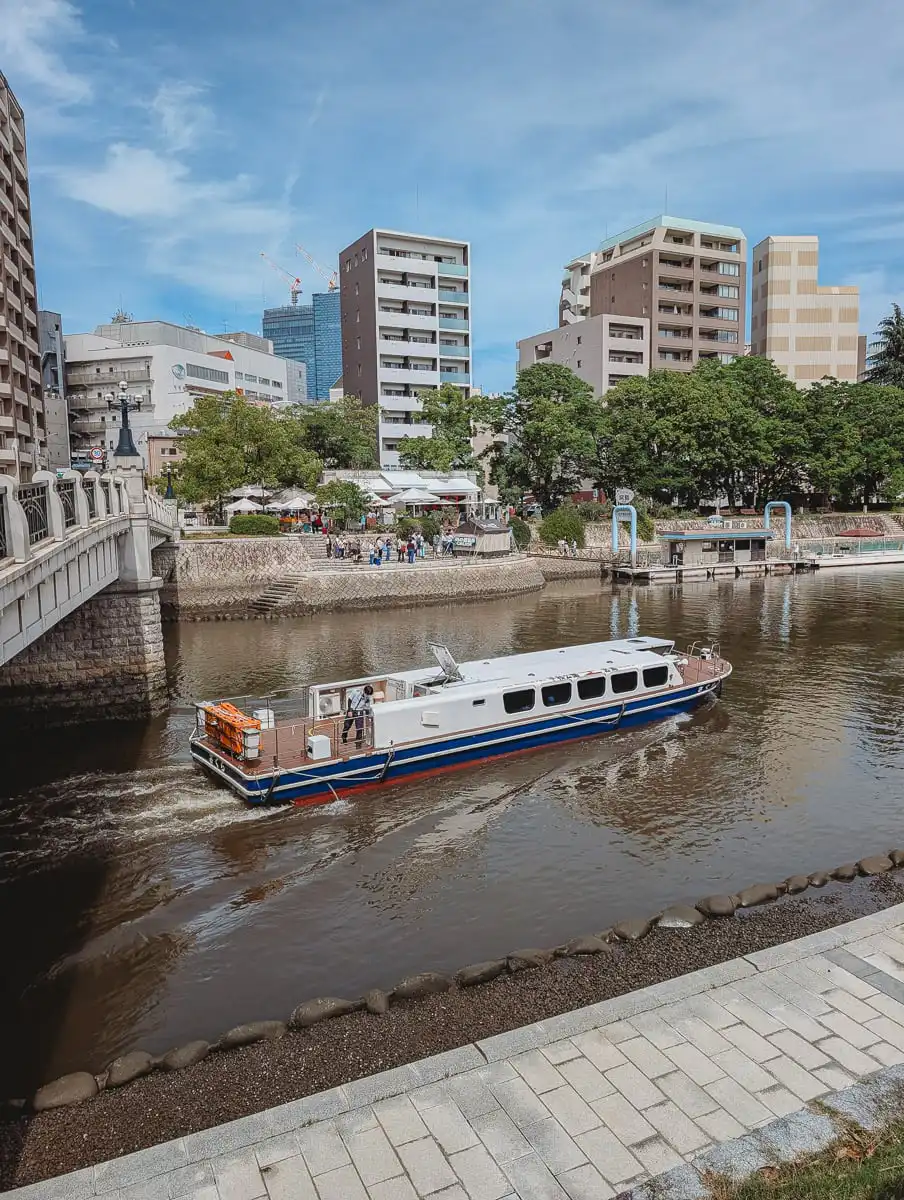
💡 Good to Know: If you’re staying centrally, we wouldn’t bother renting a car just for Hiroshima itself. Everything is well connected with public transportation.
Our Favourite Restaurants in Hiroshima
Remember how we mentioned that Hiroshima has an amazing food scene and we loved how they were more daring in their cuisine? Well here are our favourite restaurants in Hiroshima:
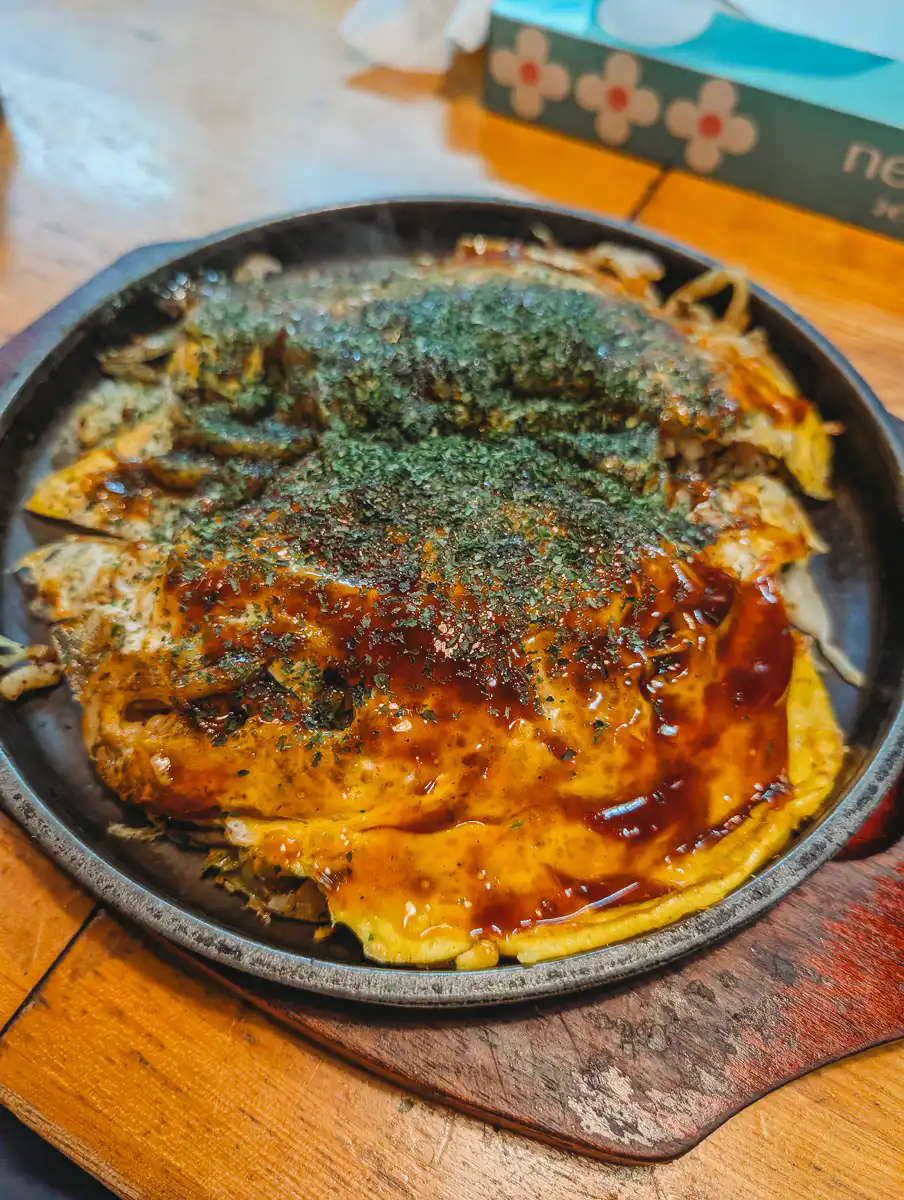
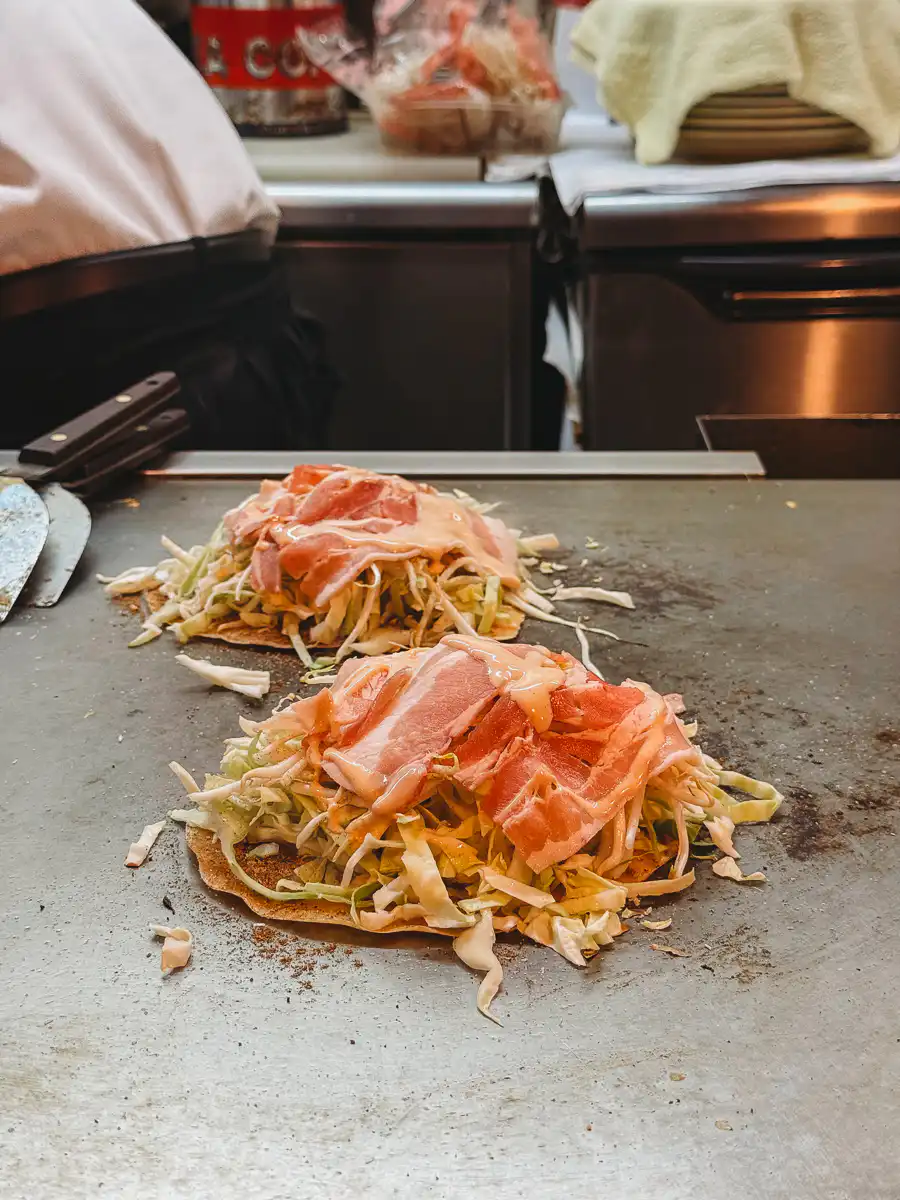
- Okonomiyaki: This is one of the famous dishes in Hiroshima. Although you’ll find them at almost every corner, we really loved the no-frills, homey vibe, and affordability of the Okonomiyaki at restaurant Chika! It’s owned by an elderly gentleman and this is the one dish that his restaurant specializes in.
- Izakaya: You’ll find izakayas all over Japan, but Hiroshima Kakidokoro Baketsu Kamiyacho was by far our top 3. It is a one-man show here but we loved every dish we had there, from grilled oysters, fried calamari, sashimi, to the unique Wasabi Kune beef!
- Yakiniku: You can’t leave Japan without trying Yakiniku, which is essentially grilled meat over charcoal. Our favourite place for Yakiniku was Yakiniku Hakuri Hondori Store. It was so good we went back 2 times, and would’ve gone back a third if it wasn’t closed that day!
Where Else to Visit After Hiroshima
Hiroshima is often combined as part of the Golden Route of Japan going through Tokyo, Osaka, and Kyoto. But we actually combined it as an extension of our Kyushu road trip that started in Fukuoka.
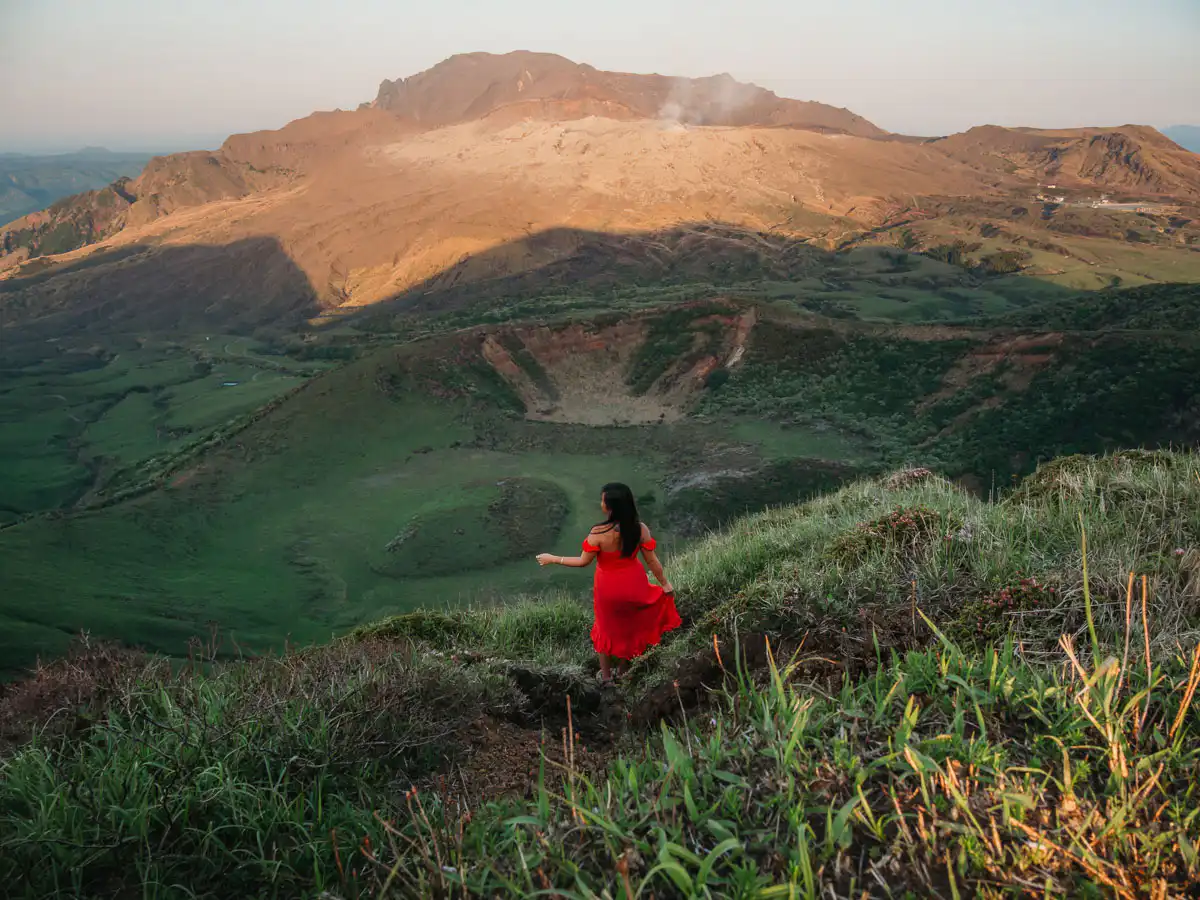 Mount aso in Kyushu
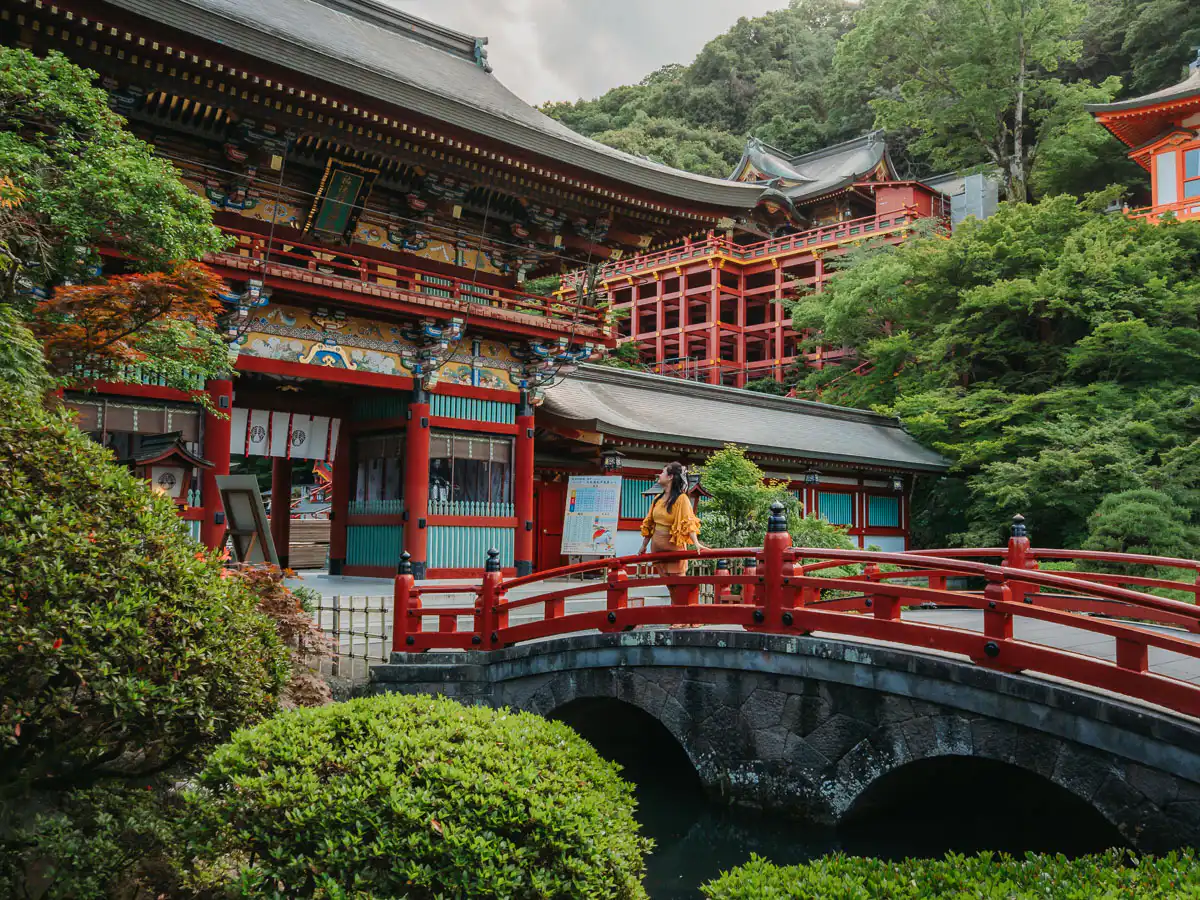 Yutoku Inari Shrine in Kyushu
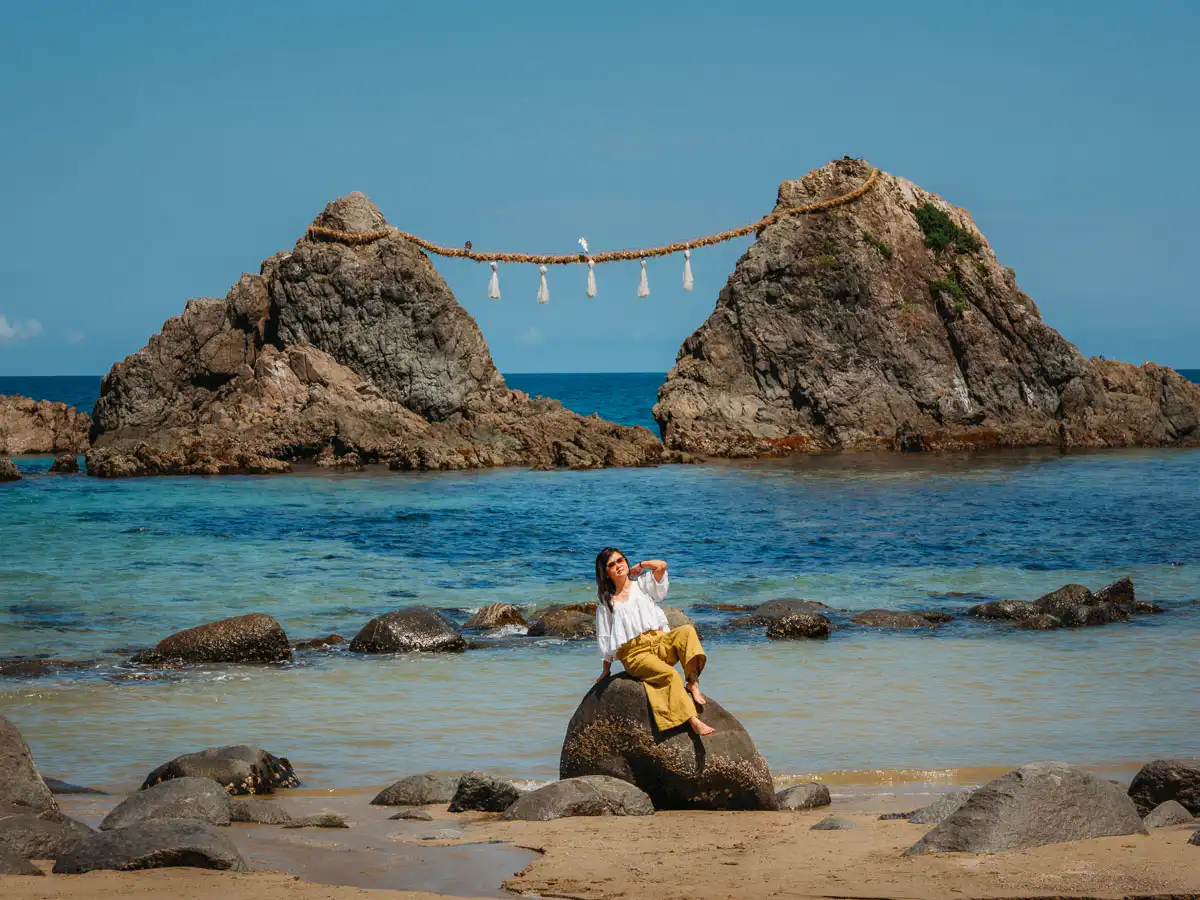 Itoshima in Kyushu
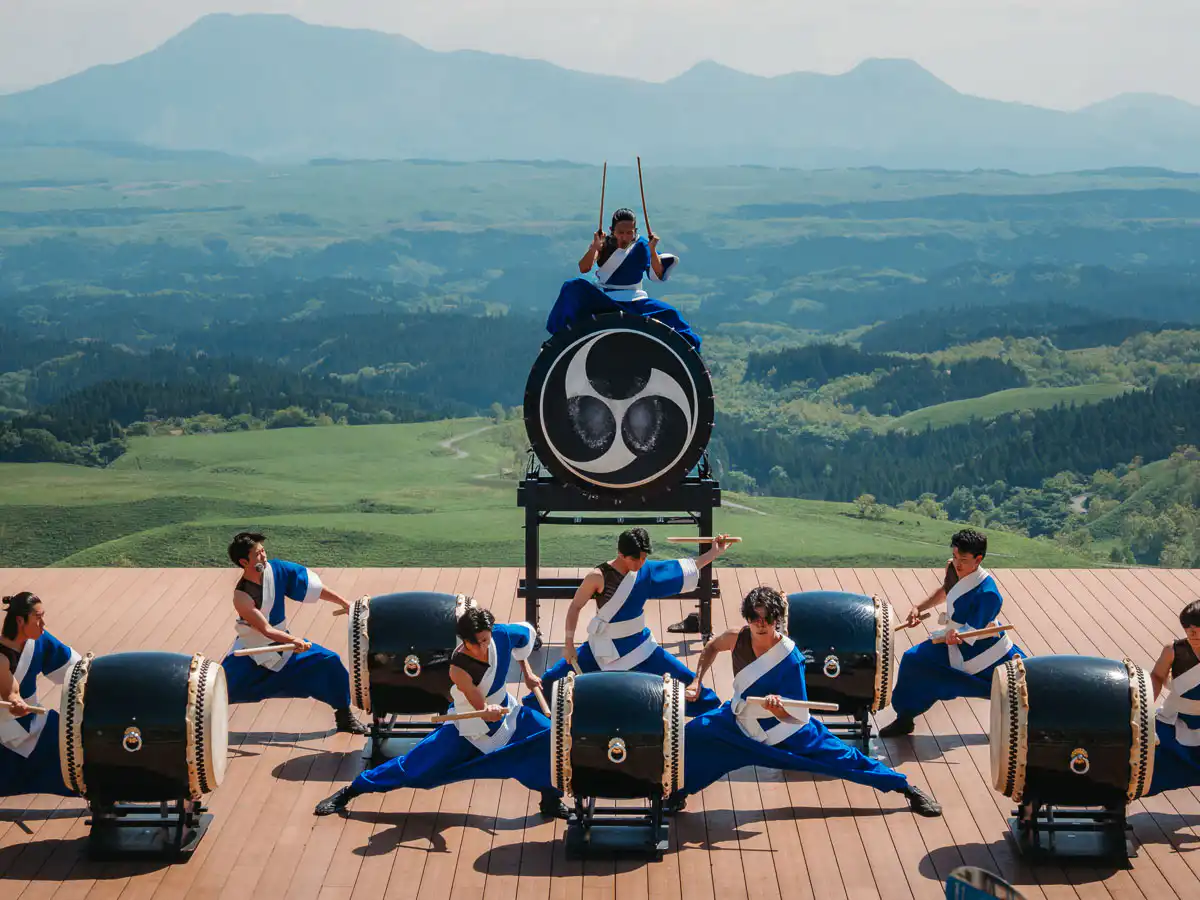 Open air taiko show in Kyushu
So if after visiting Hiroshima, we highly recommend either going East towards Osaka where there are amazing day trips including Nara, Fushimi Inari, Uji, and Kyoto, or head West towards Kyushu for their incredible volcanic landscapes and discover Fukuoka, Beppu, and Mount Aso.
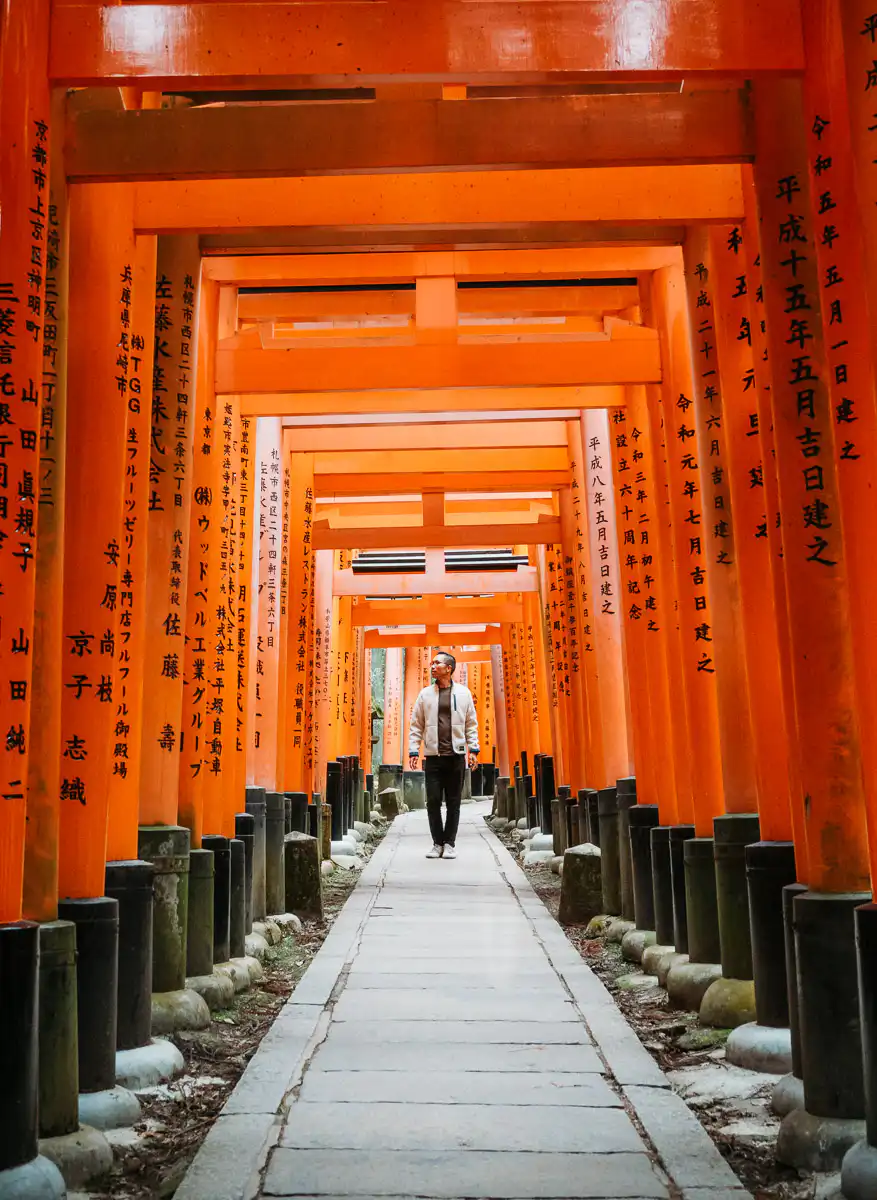 Fushimi Inari
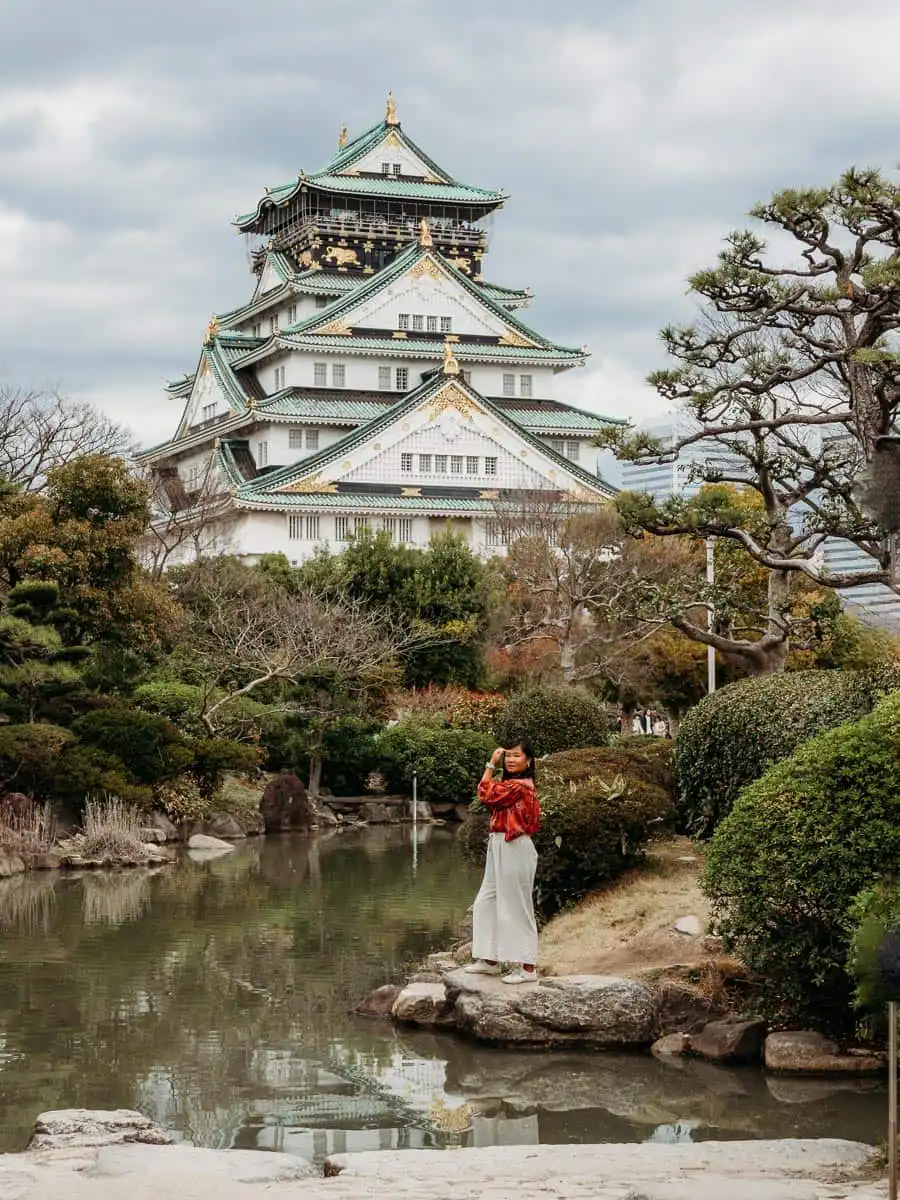 Osaka Castle
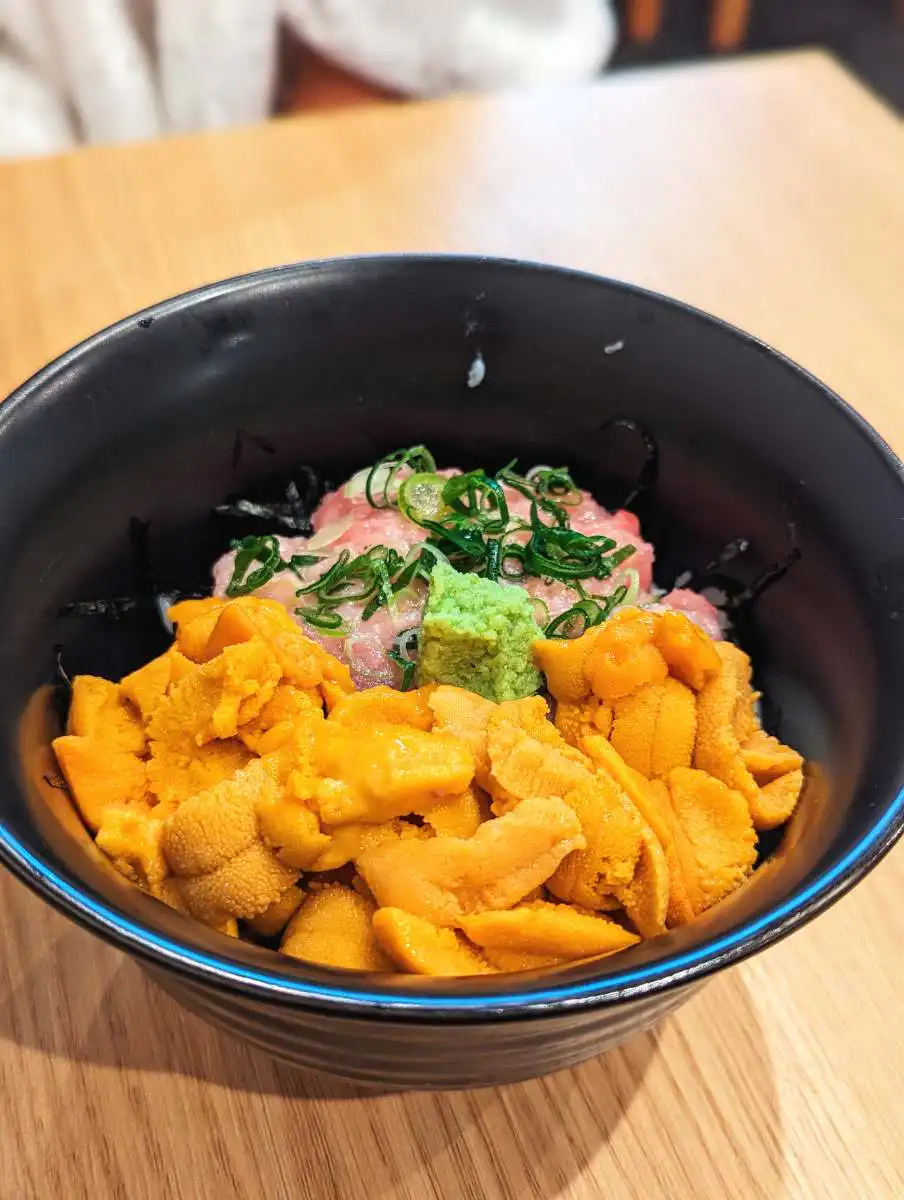 Tuna Uni Bowl in Nara
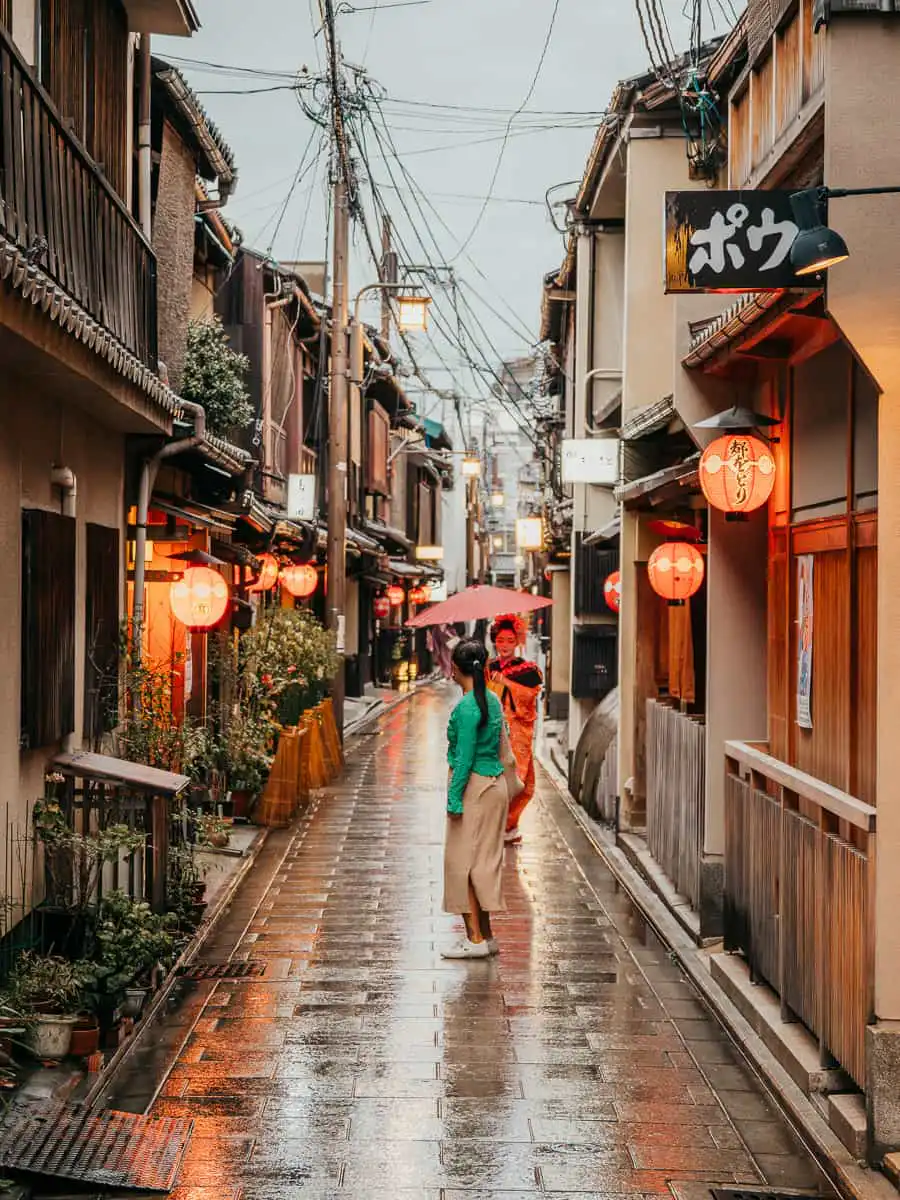 Kyoto Geisha
Using WISE card in Japan
When taking cash out of an ATM while abroad, you will most likely be charged both a foreign exchange fee and a foreign transaction fee by that country’s ATM. With my Canadian card, this can easily be 3-4$ + 2.75% + a markup on the exchange rate charged by my bank, and then another 3-5$ charged by the foreign ATM.

This can be really costly. For this reason, we recommend using WISE card which has only minimal fees and just about no foreign currency exchange markup. This helps me save at least 5-7$ every time I take out money from an ATM. If you want to see our full review of the card showing exactly how WISE can help you save, check out our WISE Travel card Review post.
Recap: Hiroshima Itinerary
And there you have it! This is exactly how we’d recommend to our friends for how to spend 6 days in Hiroshima! While Hiroshima’s history is something everyone should take the time to understand, we hope this itinerary has shown you that there’s so much more to the city than its past.
From exploring the city’s hidden corners and incredible food scene to getting out on day trips and discovering the beautiful surrounding areas, Hiroshima ended up being one of our favourite stops in Japan. So don’t just give it a day and move on, slow down, explore a little deeper, and you might just fall for Hiroshima like we did!