6 Travel Experiences You Should Have at Least Once in Your Life


We’ve travelled to 49 countries so far, and if there’s one thing we’ve learned, it’s that travel isn’t really about how many places you can see. Some of the experiences that have stayed with us the most had very little to do with checking another destination off a list.
They were the moments that pushed us outside our comfort zone, made us question something we thought we understood, or simply showed us a completely different way of seeing the world.
That’s why we put together this list of six experiences we think everyone should try at least once in their lifetime. They’re not necessarily the easiest, cheapest, or most comfortable things you can do while travelling. But each one has taught us something about ourselves, other people, or the world around us.
And honestly, those are the experiences that remind us that travel can be so much more than simply taking a break from everyday life or treating yourself to a beautiful vacation. Travel can challenge you, push you outside your comfort zone, and teach you things about yourself and the world that you might never learn by staying in your usual routine.
Here are six experiences that we think are worth stepping outside your comfort zone for.
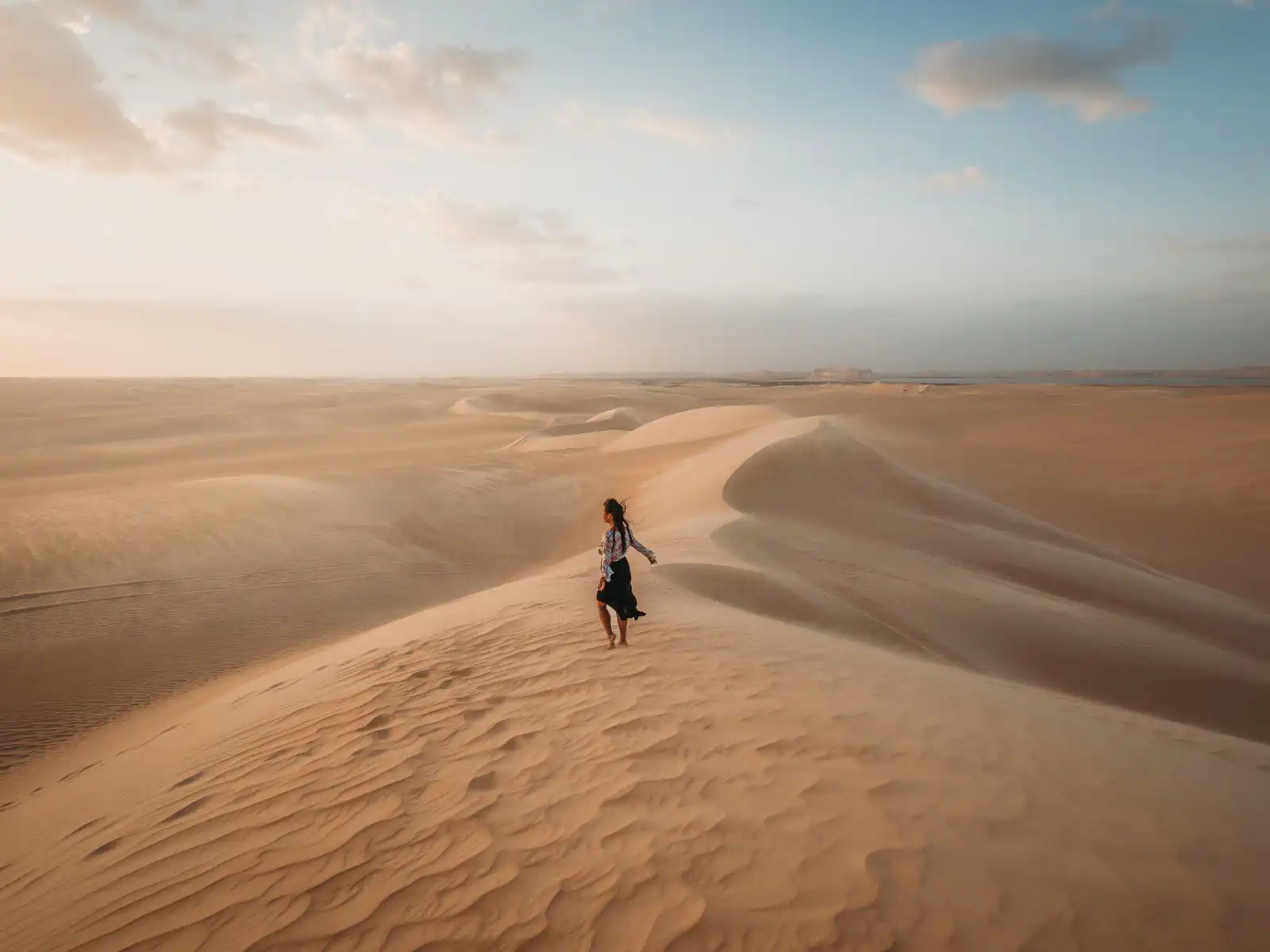
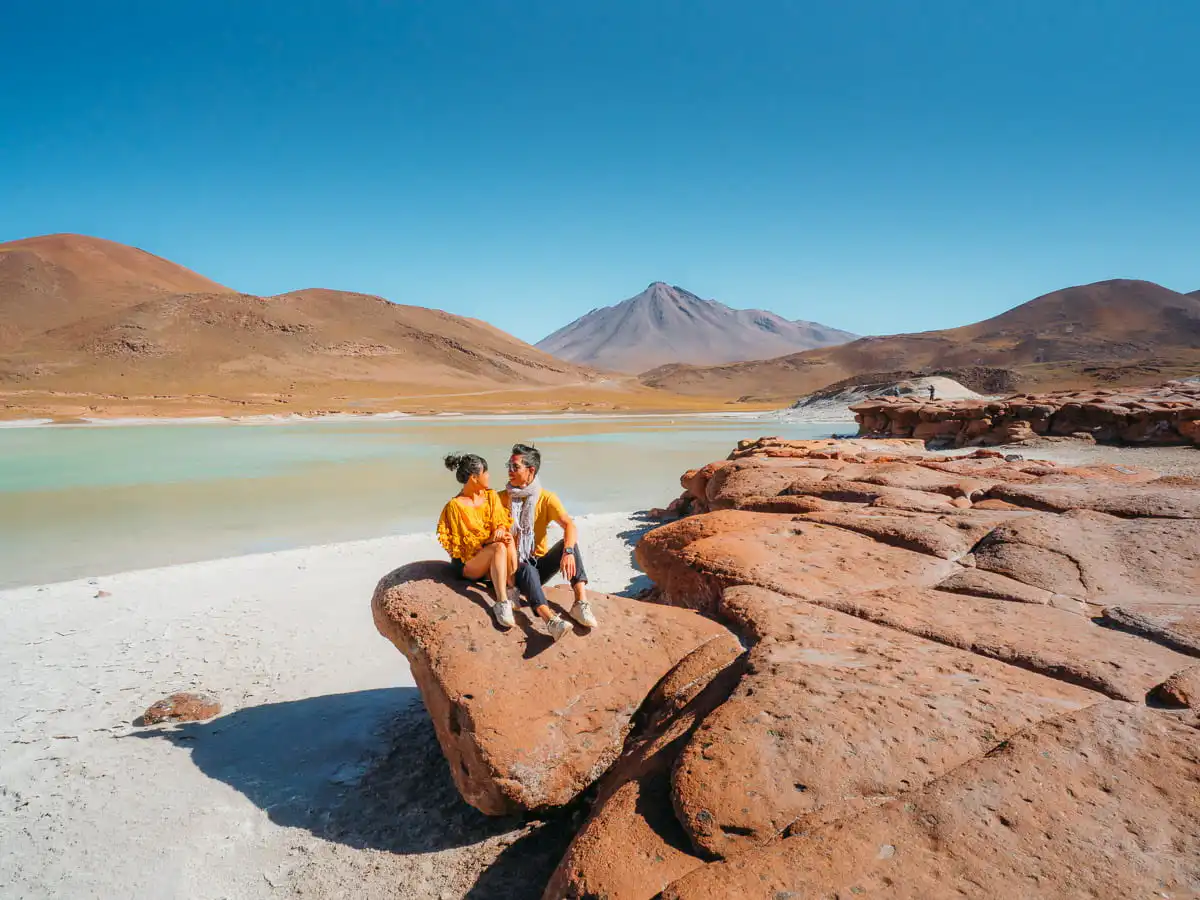

6 Experiences to do at least once in Your lifetime
These experiences aren’t tied to a specific country or destination. They’re the type of experience we think is worth seeking out, wherever in the world you can find it. And, of course, we’ll share some of our favourite places to actually experience them.
1) Self-Drive Safari: Connect With Nature
Self-drive safari: I’m not the centre of the natural world
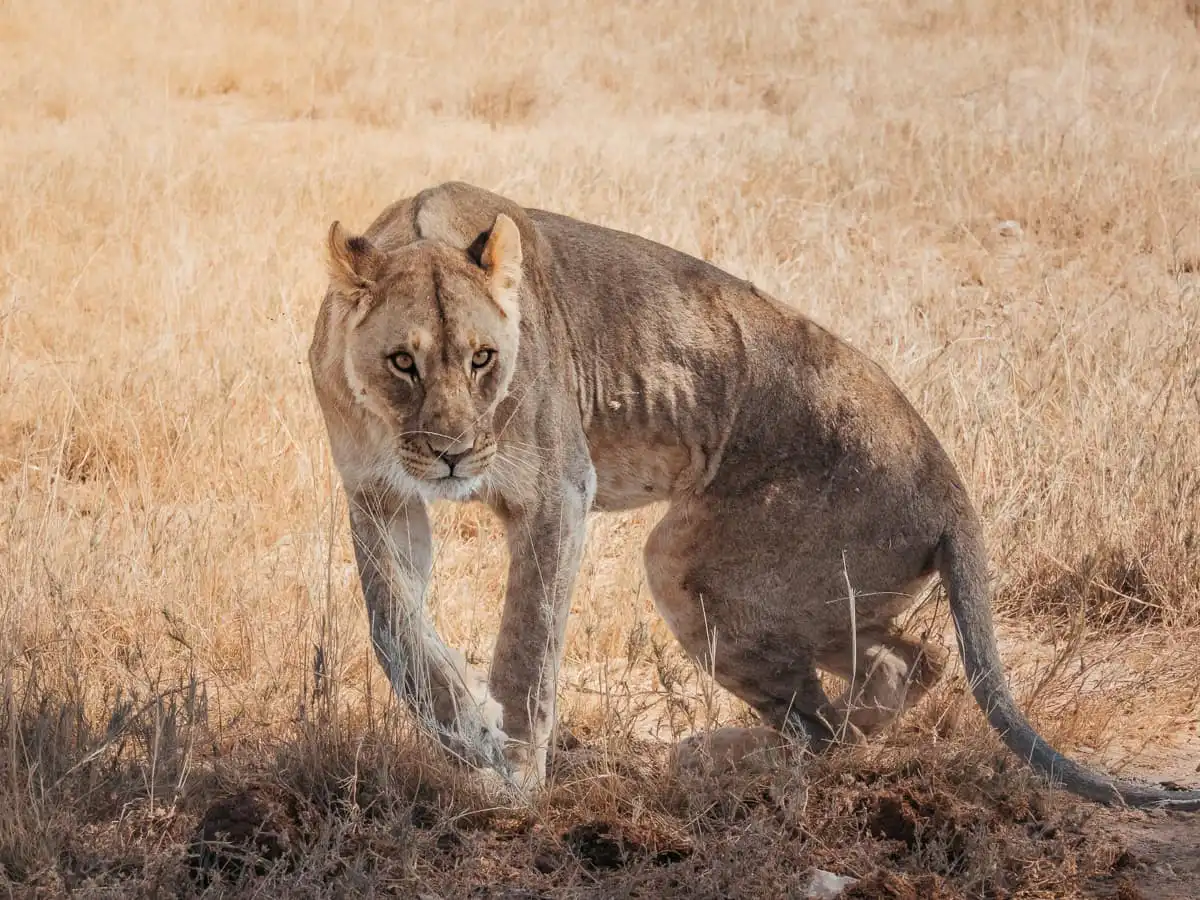
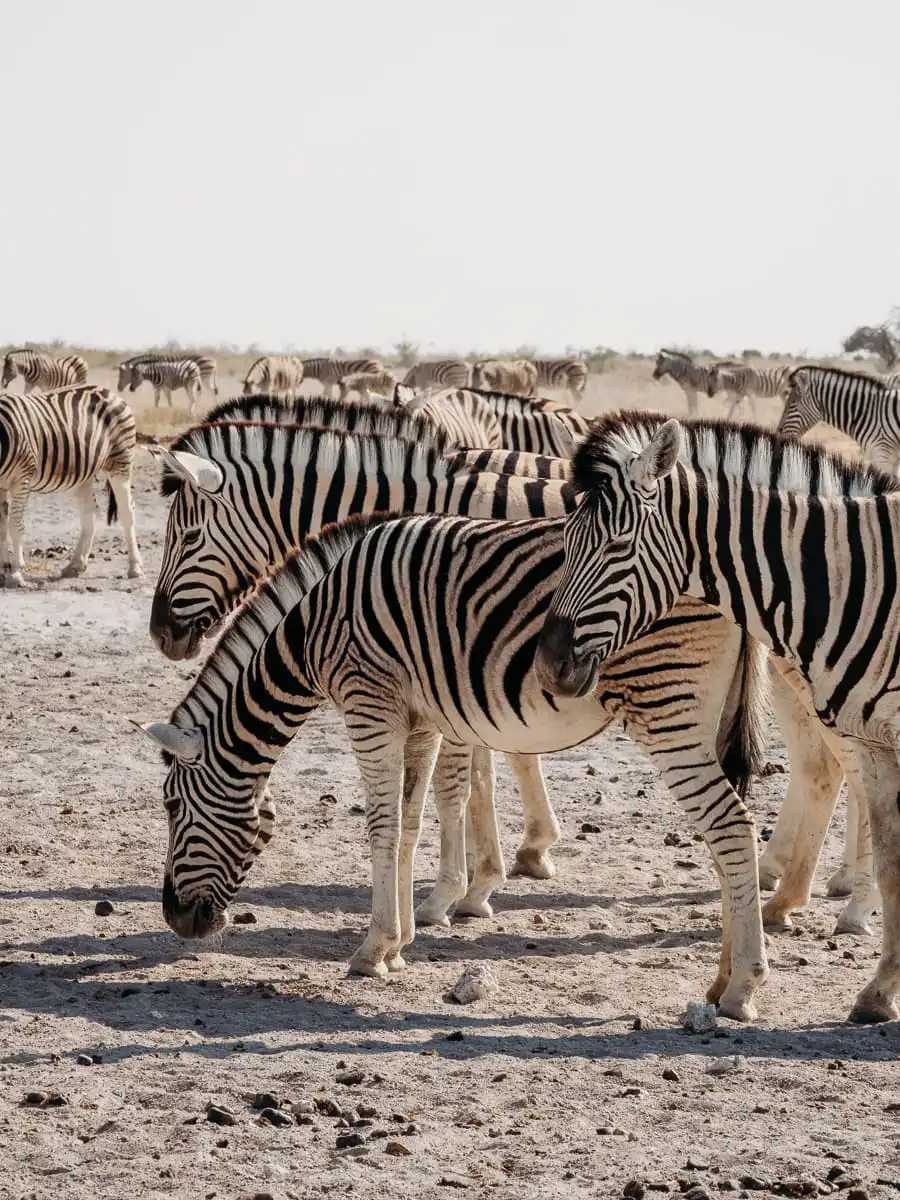
We’re so used to seeing the world from a very human perspective that it’s easy to forget we’re actually just one species among millions. But on a Safari, you get to see the entire animal kingdom up close and witness the circle of life playing out right in front of you. You might watch an animal being born one minute and hunted the next, and somewhere along the way, you start to realize something pretty humbling: we’re actually not at the top of the food chain. In fact, if we just took one wide step outside our game vehicle, we’d be pretty pitifully close to the bottom. I mean, even a honey badger could probably take us down.
We live in an extremely human-centric world, where it’s easy to forget that there is so much more happening around us. Sitting quietly in your own vehicle, watching an entire ecosystem carry on without giving the slightest care that you’re there, puts things into perspective. You realize that you’re just one small part of a much bigger world, and that the world we share with all these animals is incredibly precious and worth protecting.
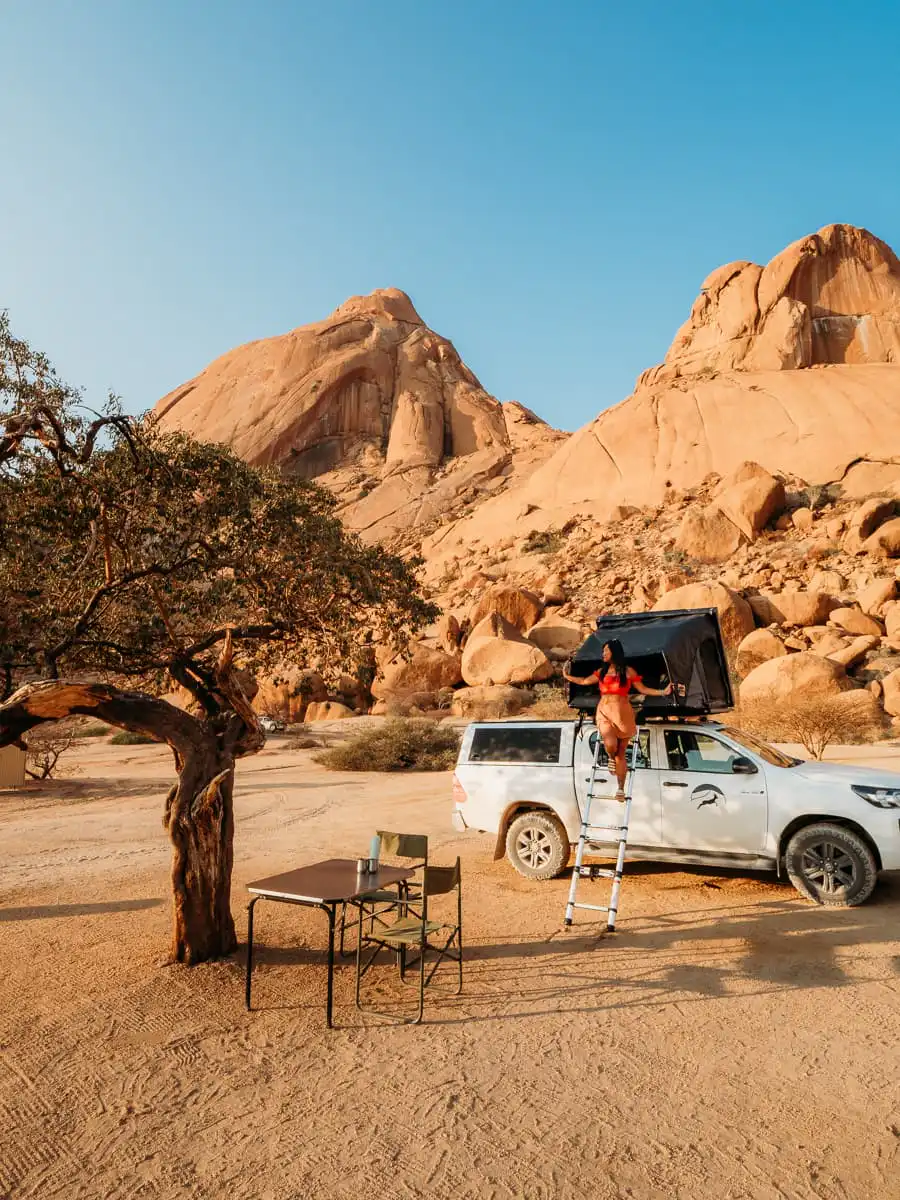
Finally, on a self-drive safari, you’ll often be camping on the roof of your vehicle, which brings you even closer to the wild. There’s something very different about sleeping just metres above the ground, rather than being tucked safely away inside a lodge.
How to Experience a Self-Drive safari
Best Destinations
- Namibia
- South Africa in Kruger
- Uganda
- Botswana
How much does it cost
Doing a self-drive safari usually ends up far cheaper than doing game lodges. This is because you also have your accommodation (rooftop tent) on a self-drive safari, cutting costs down to around $30-50/night instead of usually $200+/night in game lodges. Renting a self-drive vehicle is the largest expense, where in Namibia a 4×4 Toyota Hilux with rooftop tent costed around $160/day, but at the same time it is your mode of transport. Realistically, the trip should cost about $200/day for two people.
When To Go
The best season for a self-drive safari is during the African winter, from June to September. The weather is generally drier, making road conditions easier to navigate, and the lack of vegetation and water means animals tend to gather around water sources, making them easier to spot. The three times that we have gone to do Self-drive safaris were all in the months of July and August.
How Long Do You Need
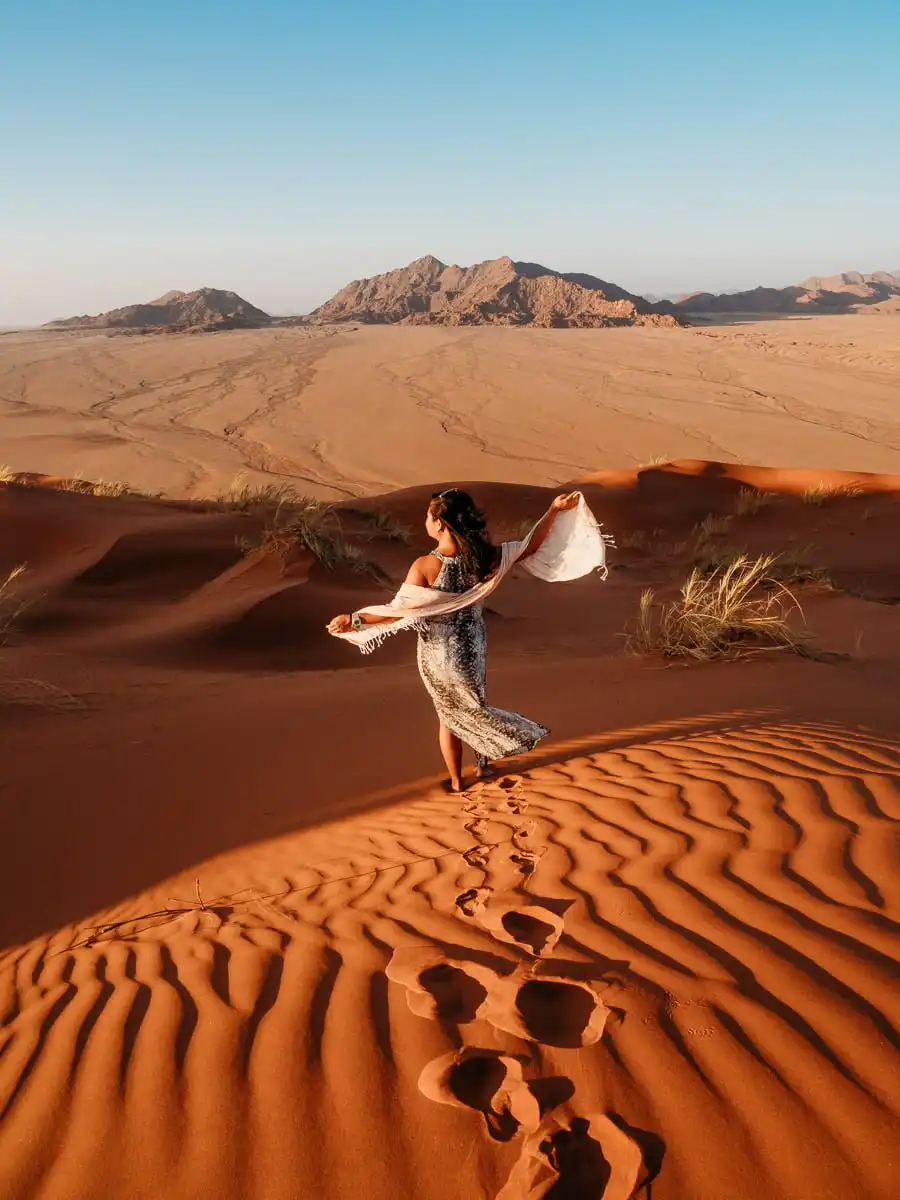
A self-drive safari can be as short as 3 days in Kruger, up to an ultimate 2-week Adventure trip like we did through Namibia which included Etosha safari, Sossusvlei dunes, Swakopmund and more.
Our Experience
We spent 15 days road-tripping through Namibia with a rooftop tent, combining self-drive safari in Etosha with Sossusvlei, Swakopmund and more. Even after visiting close to 50 countries, this remains one of our best travel memories ever!
2) Multi-Day Hiking: Push Your Limits
Multi-day hiking: I can do more than I thought I could.
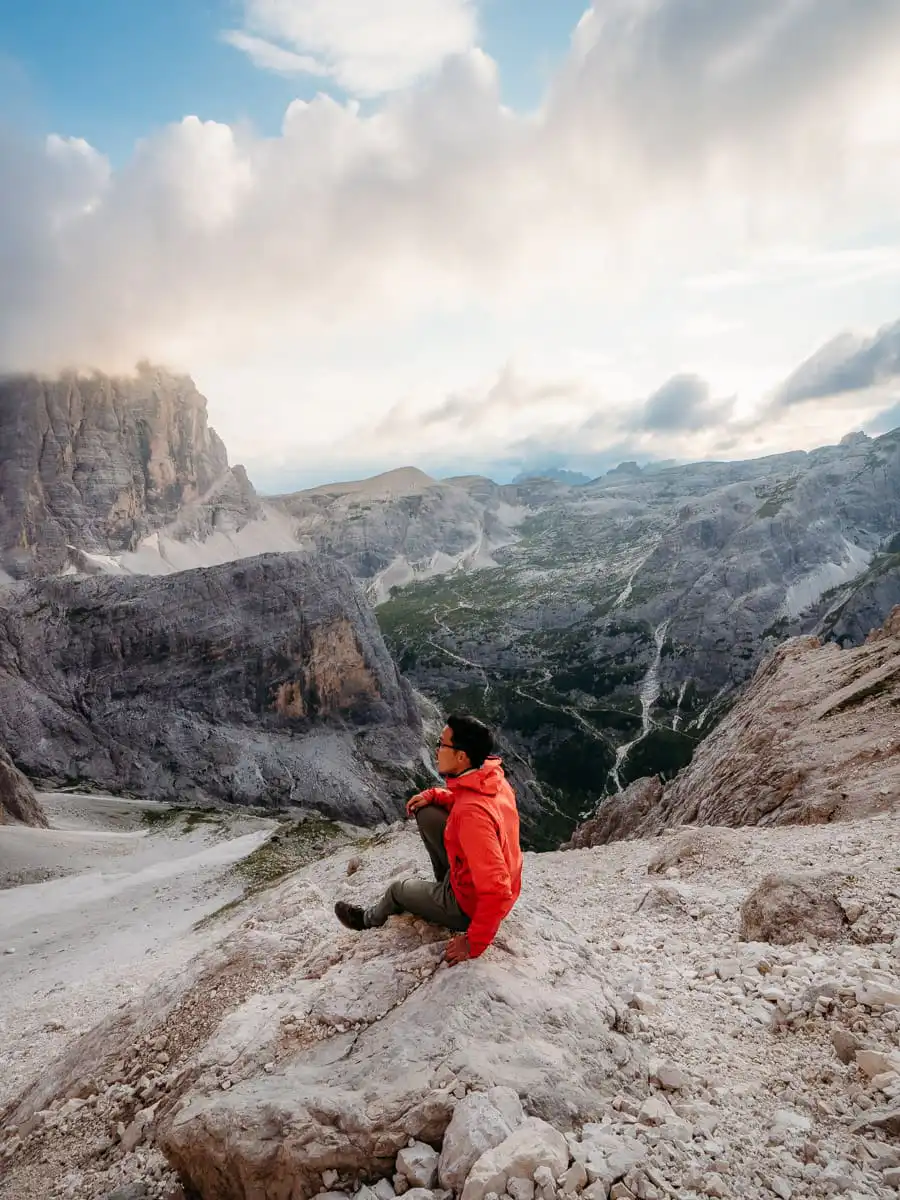
As humans, we are naturally drawn to comfort. A comfortable bed, a hot shower, good food, and an easy way of getting from A to B. But there is something truly special that happens when you take all of that away on a multi-day trek.
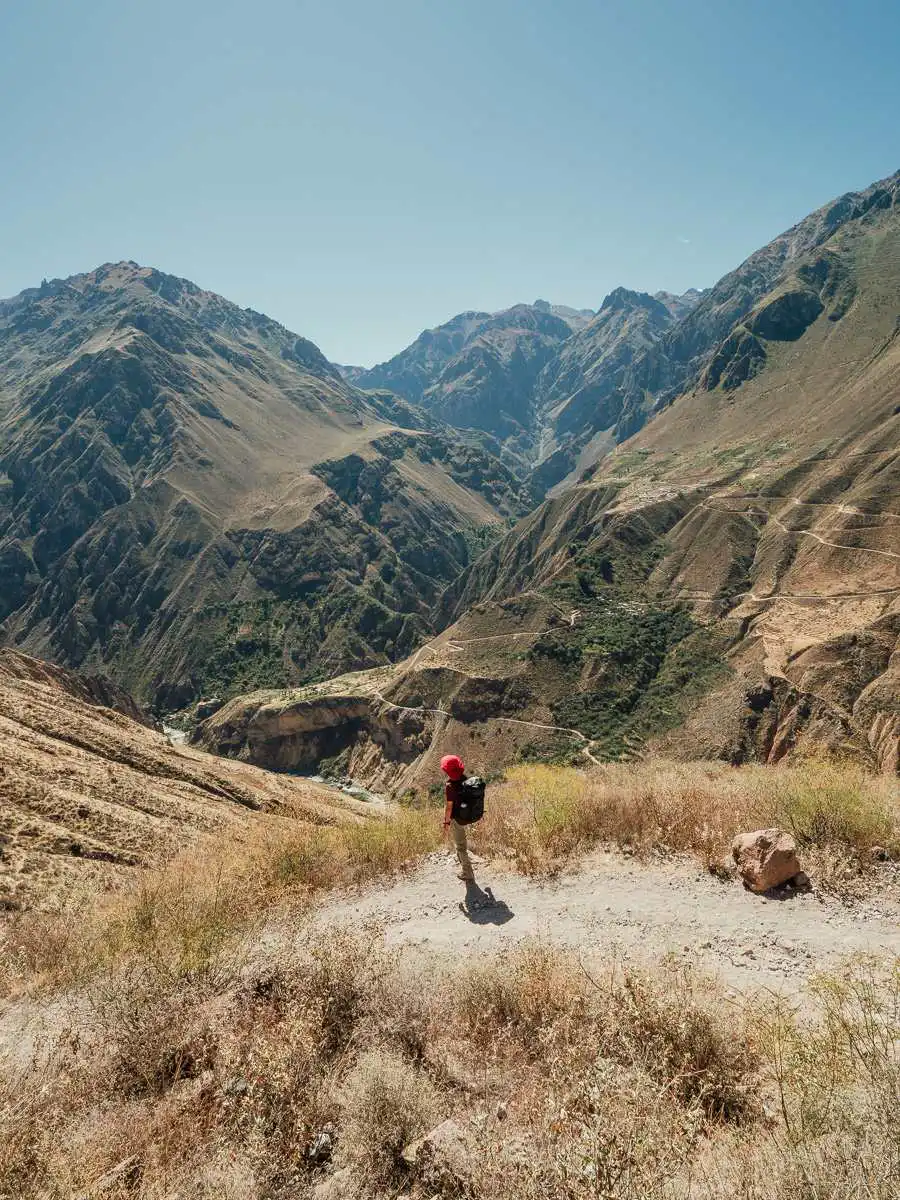
You go further and further from civilization, disconnecting from the noise and immersing yourself in nature. You test your capabilities, push yourself outside your comfort zone, and slowly realize that you are capable of much more than you thought. Every day you hike a little further, overcome another challenge, and build a little more confidence in yourself.
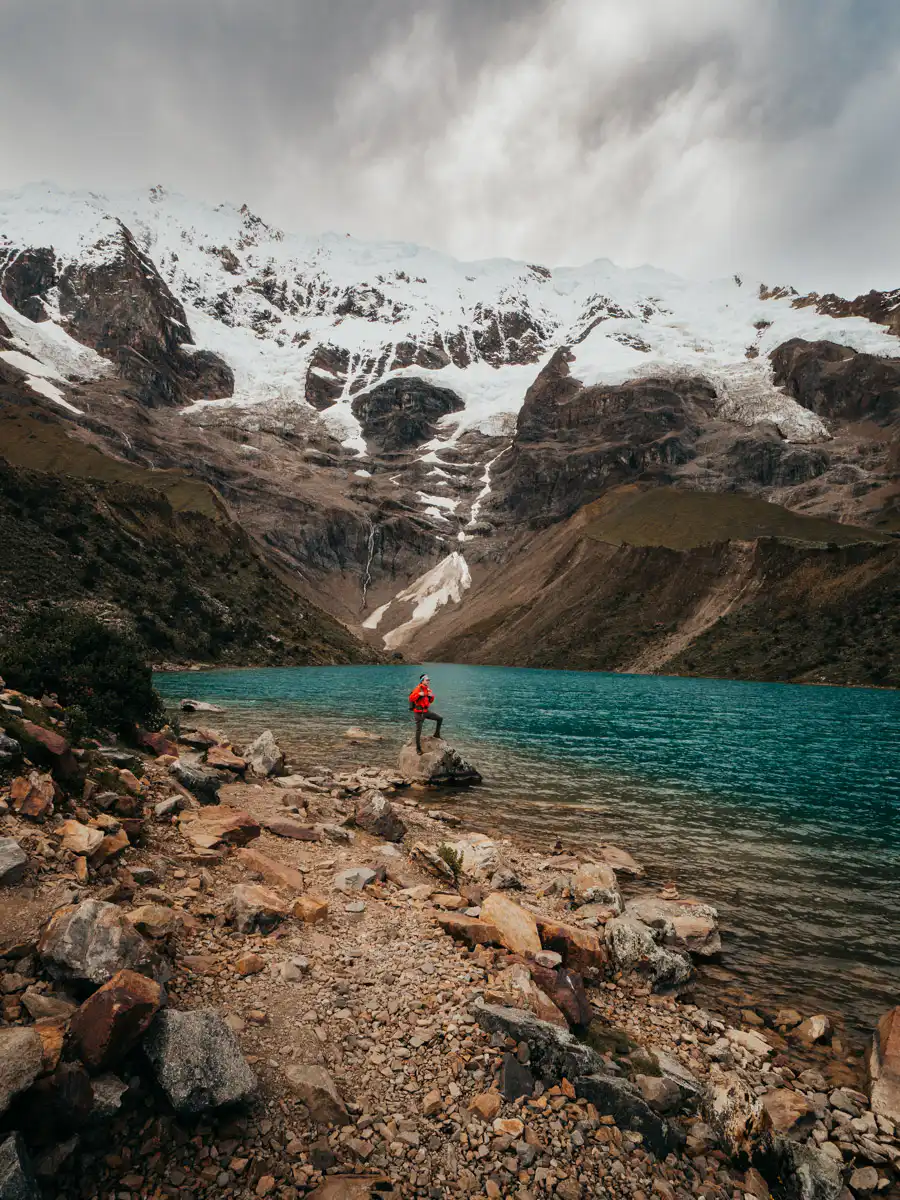
Yes, you can reach Machu Picchu by taking a scenic train and then a bus, but the feeling of arriving there after 4 days of hiking is indescribable. You did it. You hiked through peaks and conquered the elements. And when you finally arrive, there is an incredible sense of accomplishment knowing that you got yourself there.

How to Experience a Multi-day Trek
Best Destinations
Some of the best multi-day hikes we would recommend are:
- Salkantay Trek in Peru (4 days)
- Colca Canyon in Peru (3 days)
- Dolomites hut to hut hike (3-4 days)
- Everest Base Camp Trek in Nepal (9 days)
- W or O Trek in Patagonia
- Rinjani Volcano trek in Indonesia (2-3 days)
- Acatenango Volcano Trek in Guatemala, and more!
How much does it cost
More professionally organized multi-day treks with guide and food like the Salkantay Trek usually costs around 500-600$/person, whereas a more budget trek to Rinjani costed around 180$/person.
Difficulty
Multi-day treks are inherently challenging, usually trekking a minimum of 6 hours per day, and often at high altitudes.
Our Top Recommendation for First-Timers
If this is your first multi-day trek, we would highly recommend doing the Salkantay Trail. It combines rich ancient history, incredible ruins, spectacular mountains and night sky, and delicious food!
3) Scuba Diving: Enter Another World
Scuba diving: There’s an entire world I’ve never experienced.
How often can you say that you’ve travelled to a completely different world?
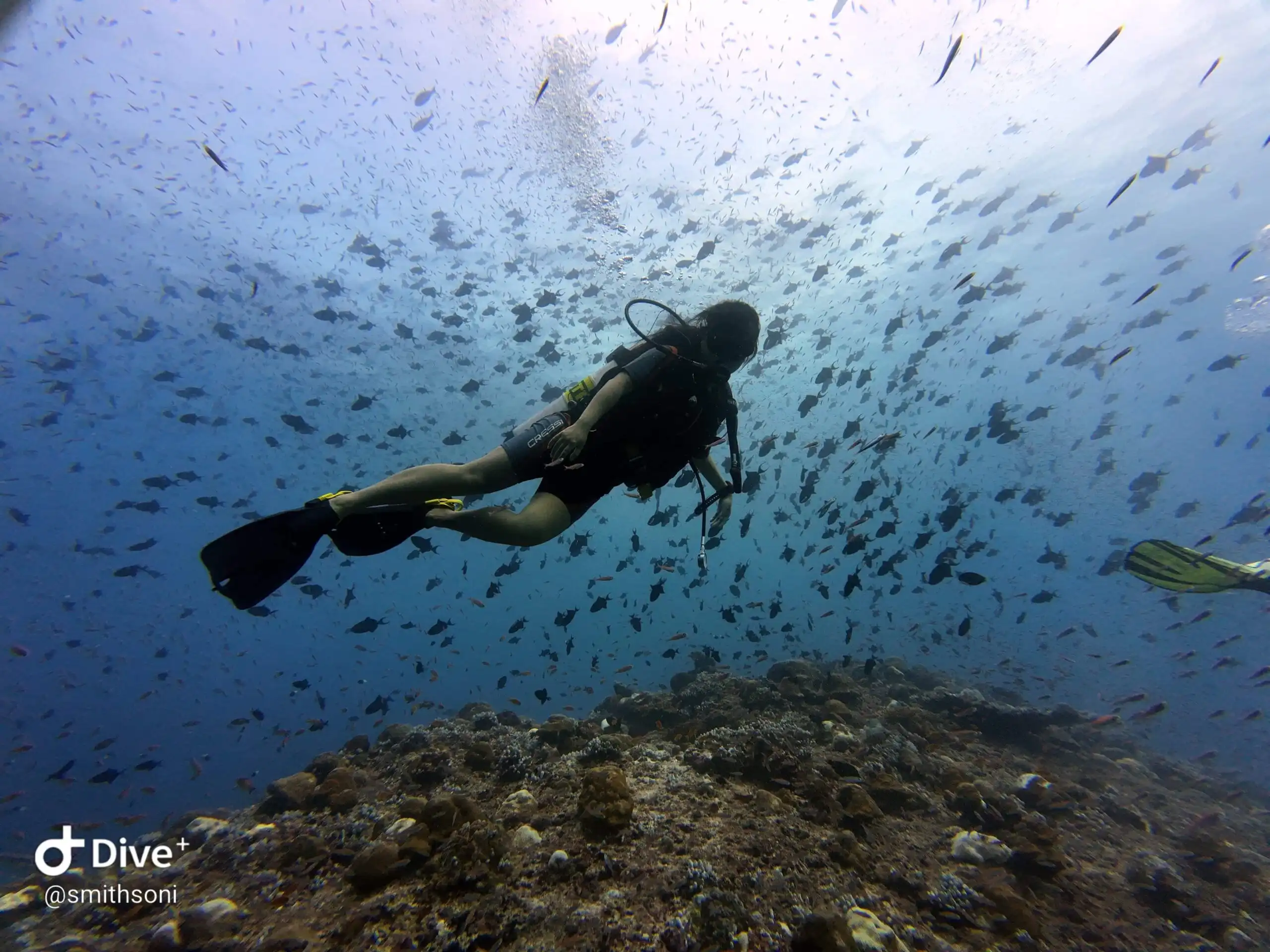
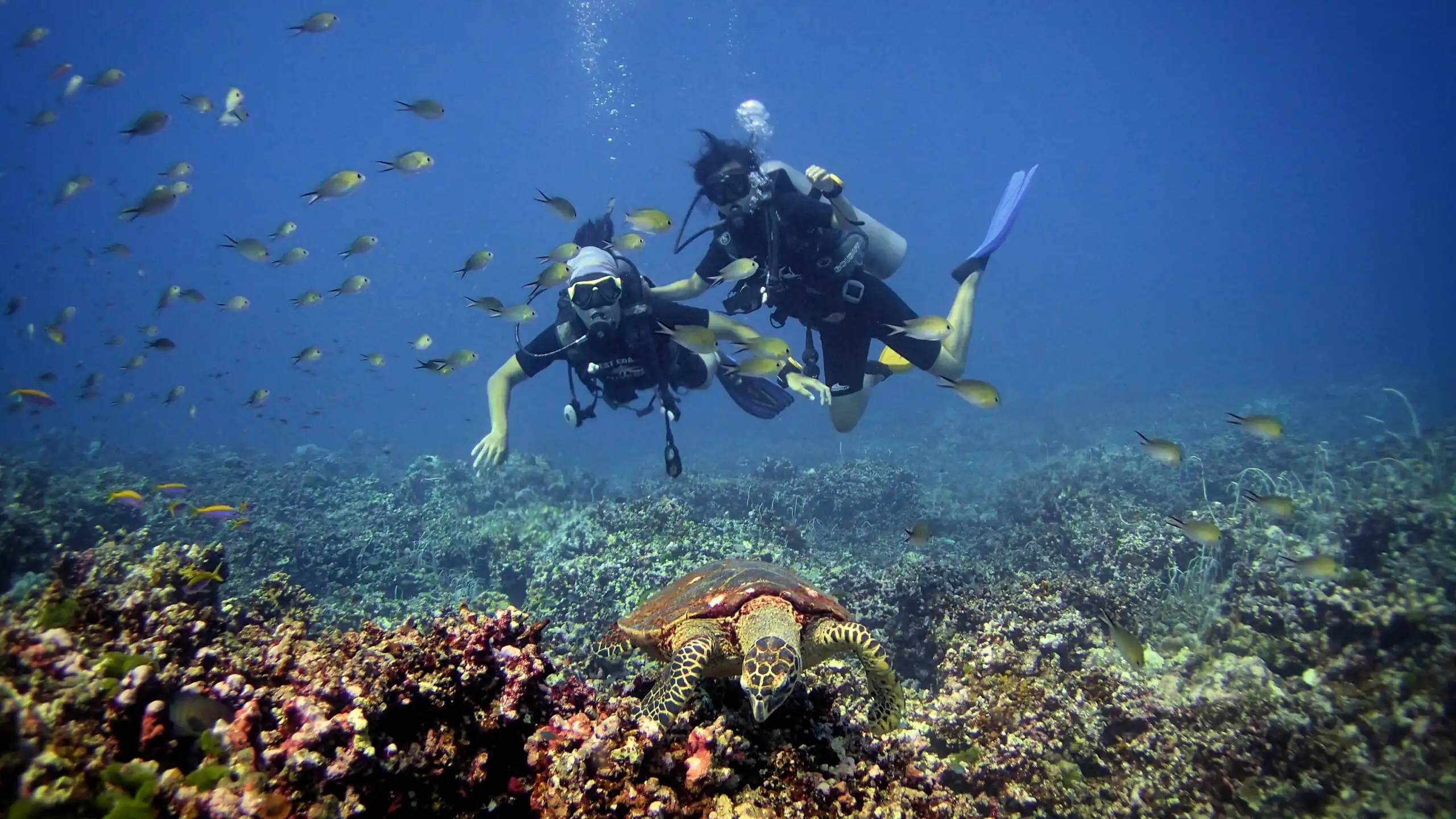
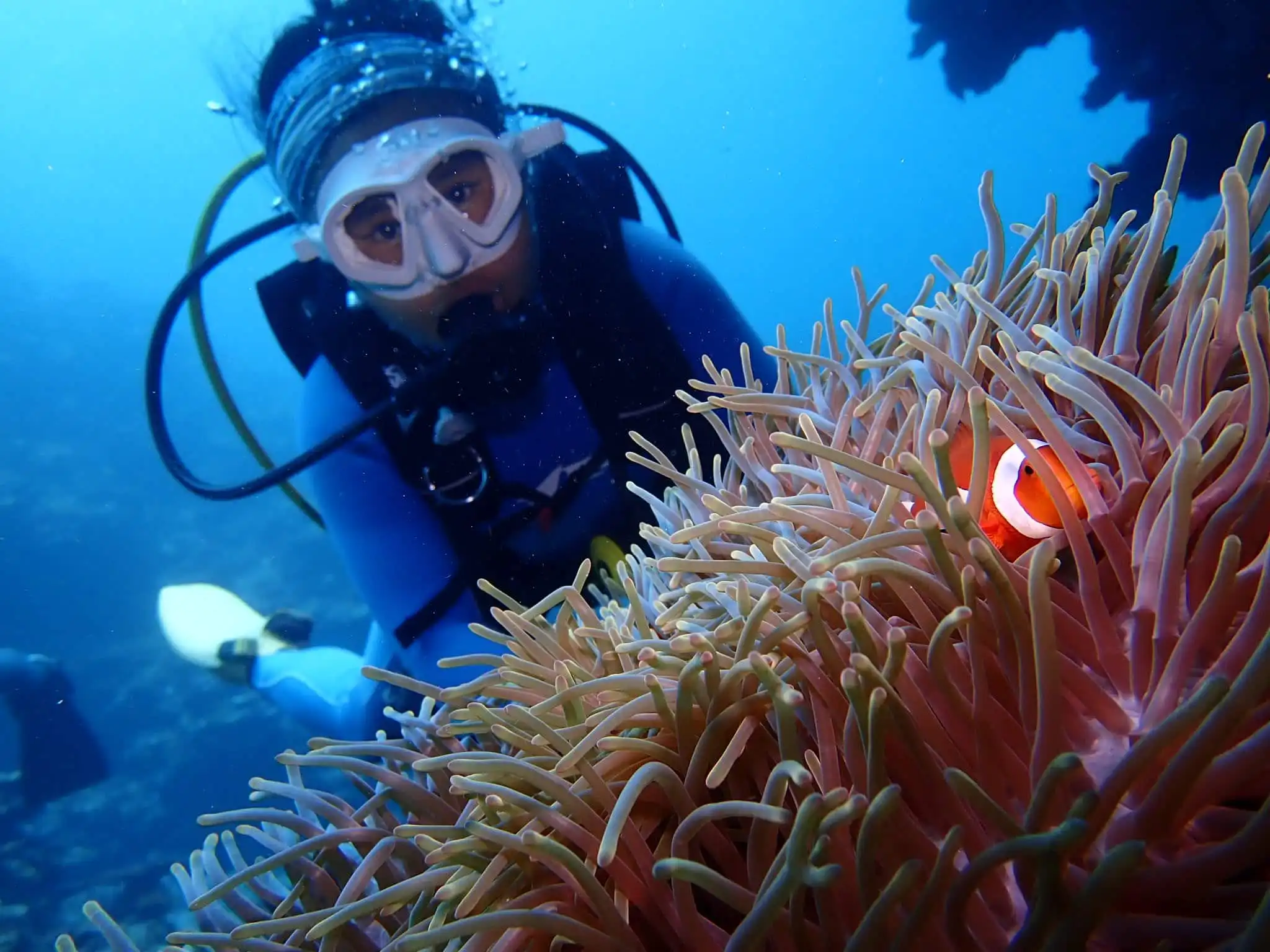
When I first tried scuba diving, it changed my world completely. The moment you hit the water, everything you know and understand seems to flip on its head. Up is down, down is up, gravity seems to disappear, and suddenly you can move in three dimensions as if you can fly. And all around you is a world so colourful and alien that it’s almost difficult to comprehend.
In fact, humans have explored more of the moon and other planets than we have of our own oceans. Just beneath the surface exists an entire world that most of us will never see, and getting to spend 40 minutes at a time breathing from a tank and existing in that world is something that never gets old.
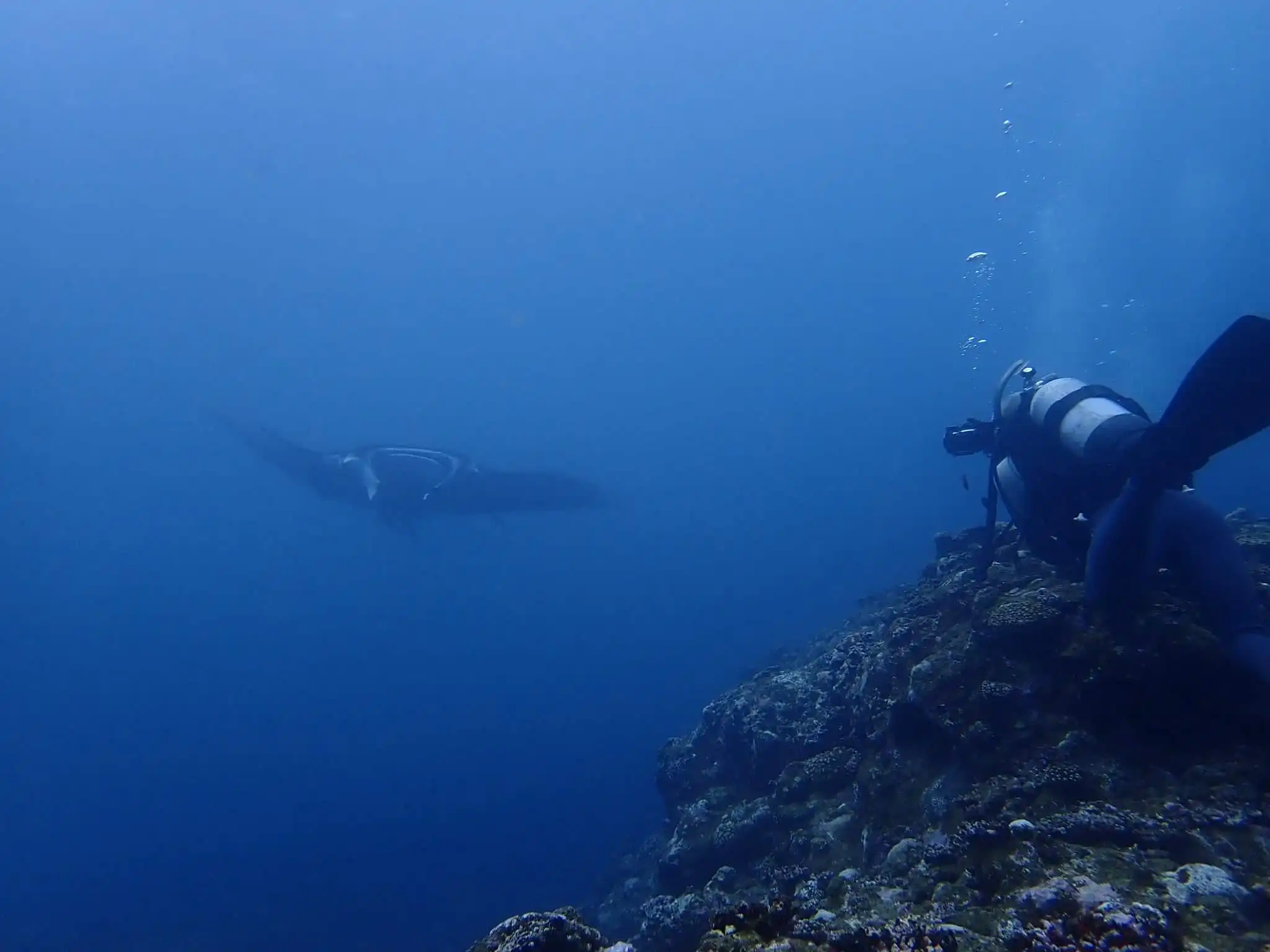
I might be a little crazy, but there is something incredibly stimulating about floating along a coral cliff face, looking down below you and seeing absolutely nothing but darkness. You are literally suspended between two worlds.
How to Experience Scuba Diving
Best Destinations
Some of our favourite scuba diving destinations include:
- Similan islands in Thailand (amazing liveaboard experience)
- Raja Ampat in Indonesia (considered one of the best dive sites in the world)
- Maldives (Manta ray and Whale Shark)
- the Red Sea in Egypt (incredible variety of sealife)
- Belize (sharks)
Do You Need to be Certified
Yes, you need to get at the minimum your Open Water Certification, which usually takes about 3 days to complete. The best part is that you can actually do it at the diving destination, which means your ‘test dives’ are in the beautiful ocean as part of your training.
How Much does it Cost
The average cost of an Open Water certification is around 300$/person. The average cost of a diving trip with 2 dives is around 70-100$ including guide, transport, and equipment.
Our Top Recommendation for First-Timers
Till today, one of our best scuba diving experiences was a 4 day 3 night Liveaboard trip in the Similan Islands of Thailand. We went with West Coast Divers. On a liveaboard, you sleep on the ship as it sails to the next diving spots, and includes 3-4 dives per day, all the meals, and the company of other friendly divers!
4) Ancient History: Question What You Know
Ancient history: Maybe I don’t know as much as I think I do.
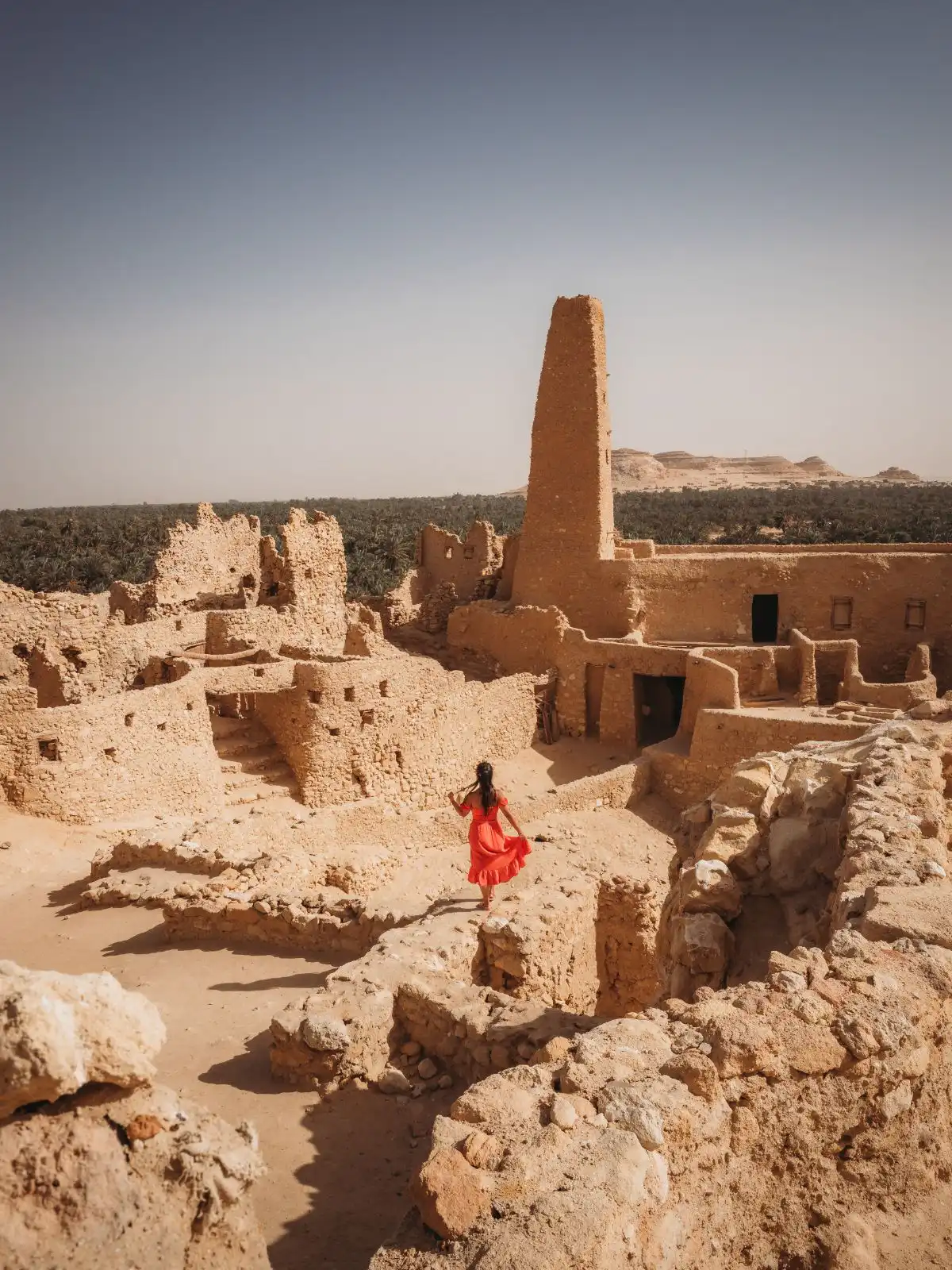
We are particularly fascinated by ancient civilizations and the question of what humans were capable of thousands of years ago. Machu Picchu, the Pyramids of Giza, the temples of Luxor, Angkor Wat, Tikal… these places are so impressive that they almost seem to defy what we think people could have built with the tools they had at the time. And yet, there they are, right in front of you.
That’s why we love seeing these places in person. You can read about the pyramids or Machu Picchu in a history book and accept the explanation you’ve been given, but standing there makes it much harder to simply accept it. You can’t help but think, how is this actually possible?
And once you start digging, you discover countless stories, theories, and interpretations, many of which challenge the traditional narrative we’ve been taught. We’re not saying we know which ones are true, but exploring them opens your mind to the possibility that there is so much more we don’t understand about what existed in the past, and perhaps even what still exists in the world today. And honestly, that sense of wonder is pretty damn exciting.



How to Experience Ancient History
Best Destinations
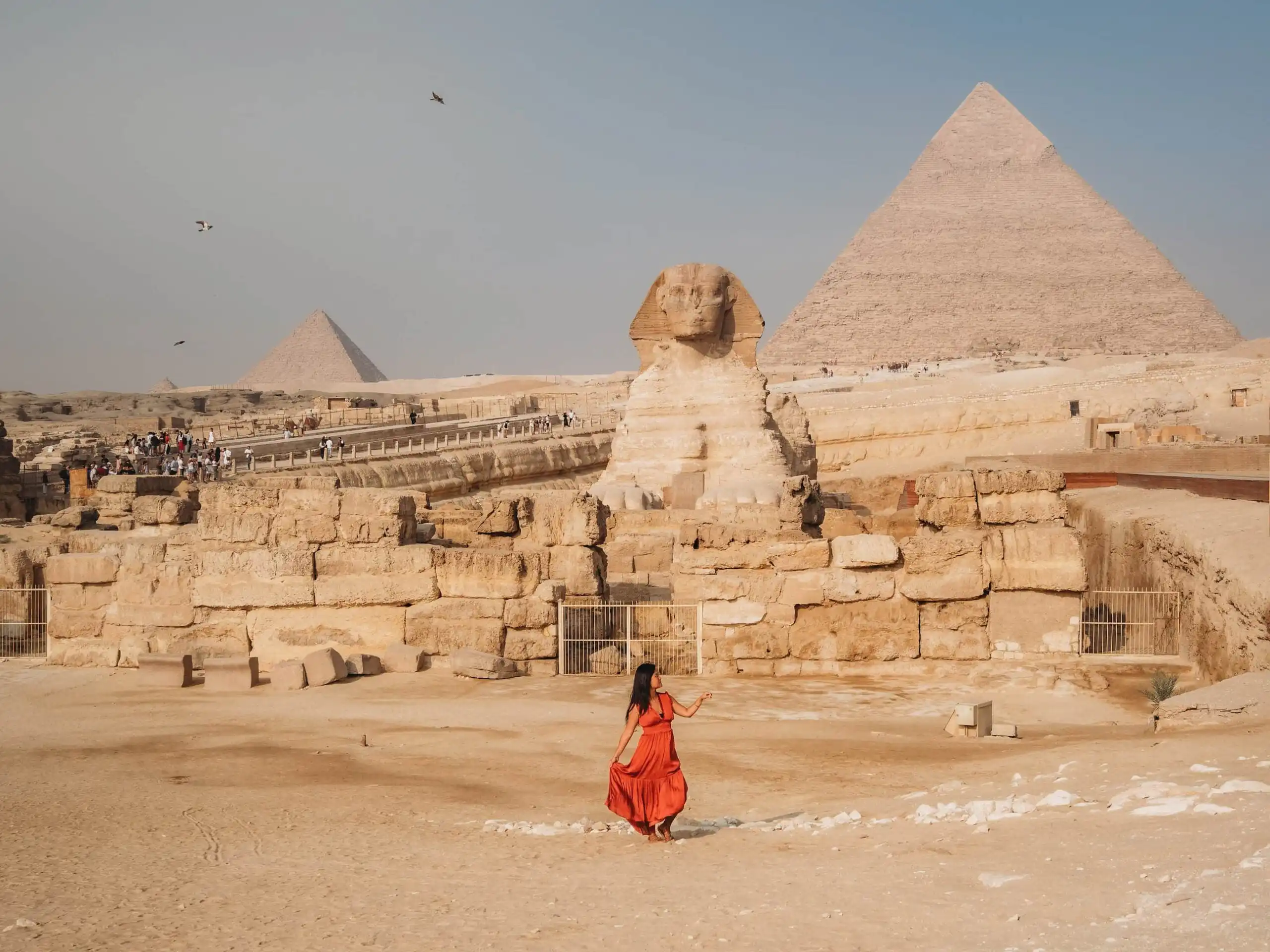
- Luxor and Aswan and Cairo in Egypt
- Derinkuyu underground city in Turkey
- Angkor Wat in Cambodia
- Great wall of China
- Machu Picchu in Peru
- Bagan in Myanmar
- Petra in Jordan
- Teotihuacan in Mexico
- Tikal in Guatemala
- Tiwanaku in Bolivia, and so much more!
How Much Does it Cost
Very varied depending on the destination. A visit to the Great Wall of China can be done for free on the less touristic sections, Angkor Wat requires only the entrance permit and hiring a local tuktuk driver, whereas a tour to Tikal costs around 80$.
Our Favourite Sites
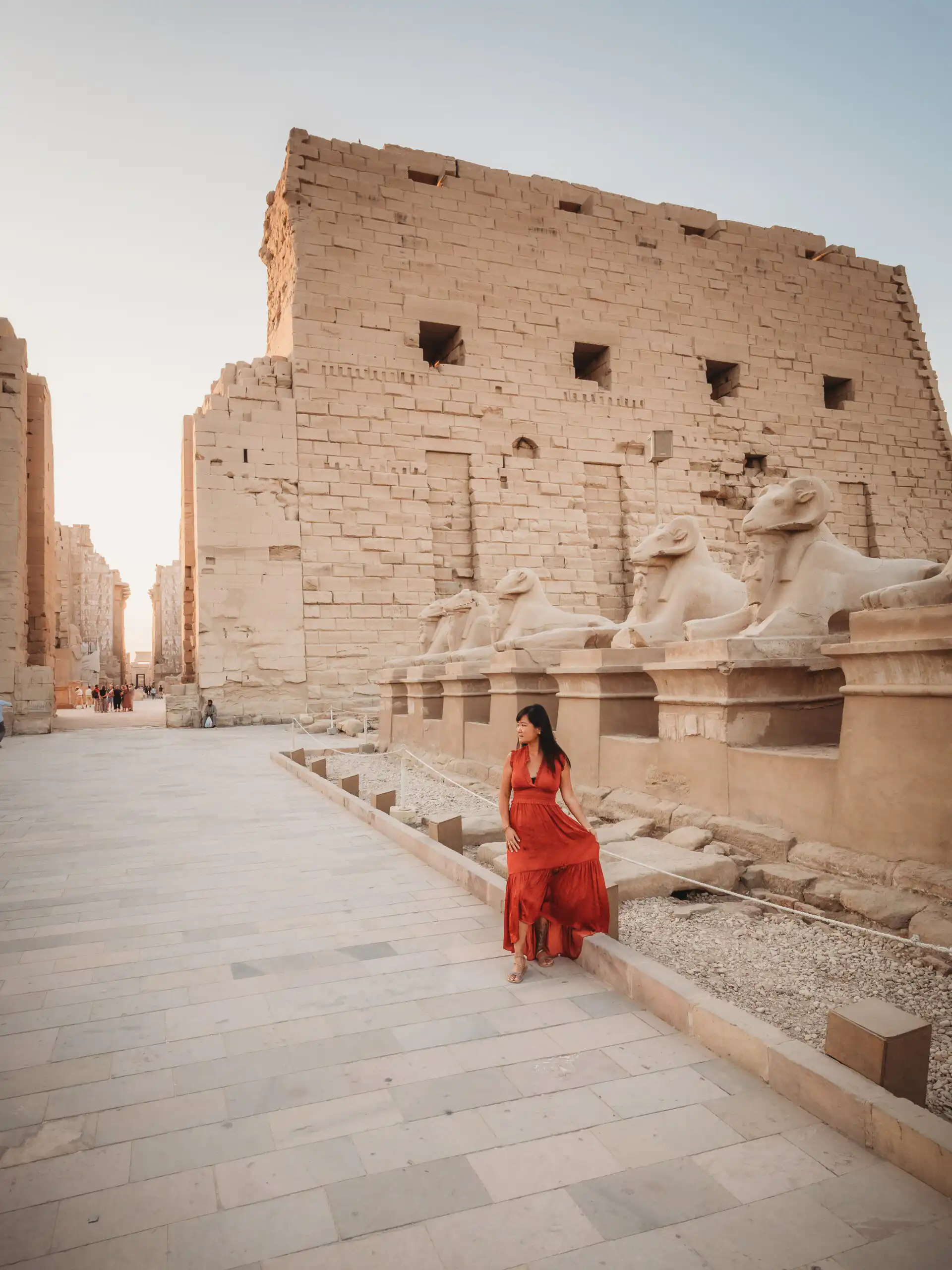
I think the one that still defies our imagination today is the Karnak and Luxor temples in Egypt. The scale of just how massive and detailed the construction was, in addition to how long ago it was constructed without any of the modern technology, still blows our mind.
Why Seeing it in Person is Different
Sometimes people tell us, “Why travel all the way there when you could just look at photos of the Pyramids or Karnak Temple?”
But in reality, being there in person lets you truly appreciate the scale and grandeur of these places. You can stand beneath enormous columns, walk through ancient temples, and take in the atmosphere and history surrounding you. Touching the stone that was carved thousands of years ago, sensing the details and finish, really has a transformative impact on you.
5) Sleep Somewhere Completely Remote: Learn to Be Comfortable With Nothing
Sleeping remotely: I don’t need constant stimulation to be happy.
We live in a world of constant noise. The cars, the conversations, the humming of the air conditioner, notifications from our phones, and even that subtle hum that seems to always exist in our own minds.
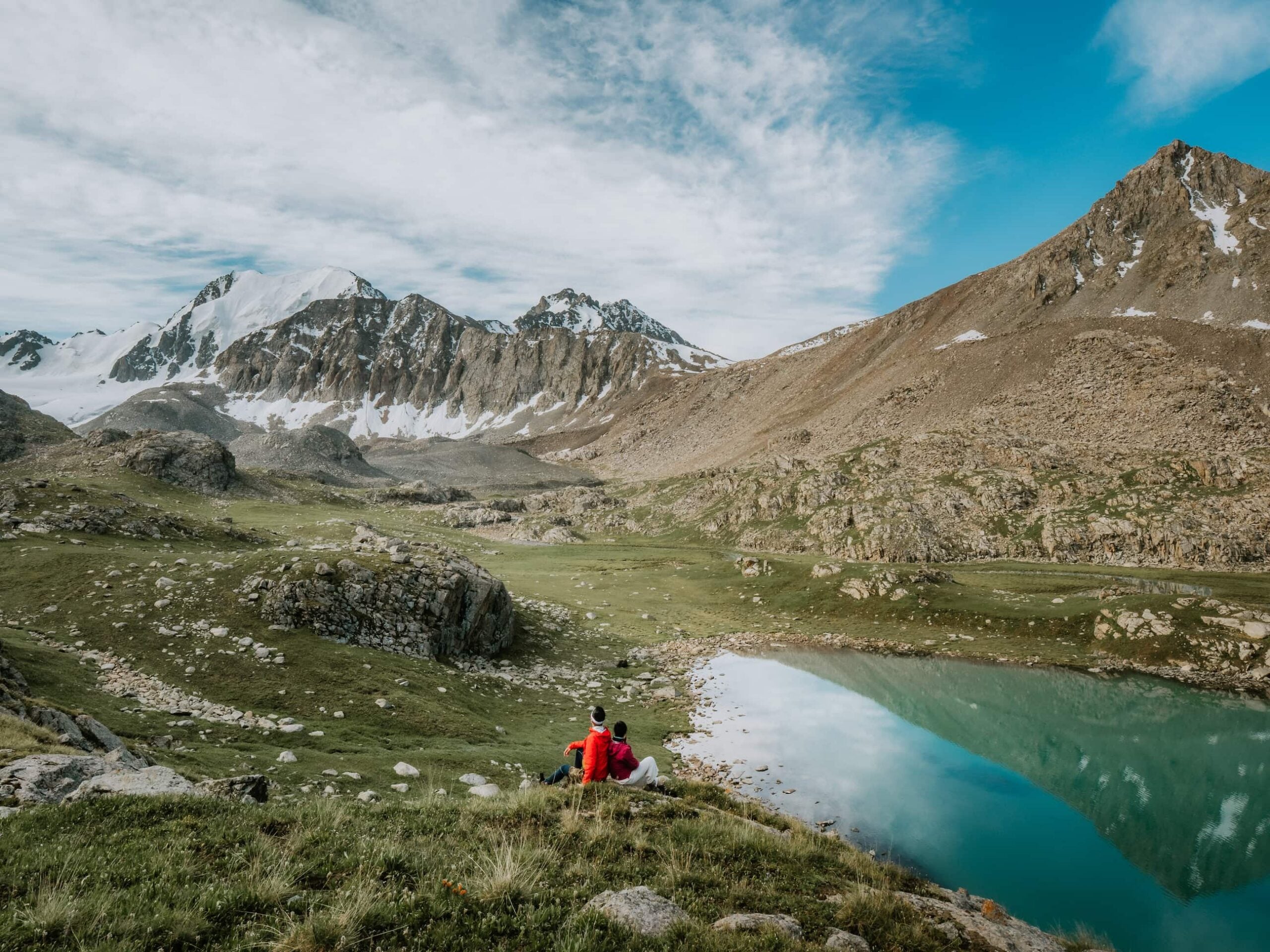
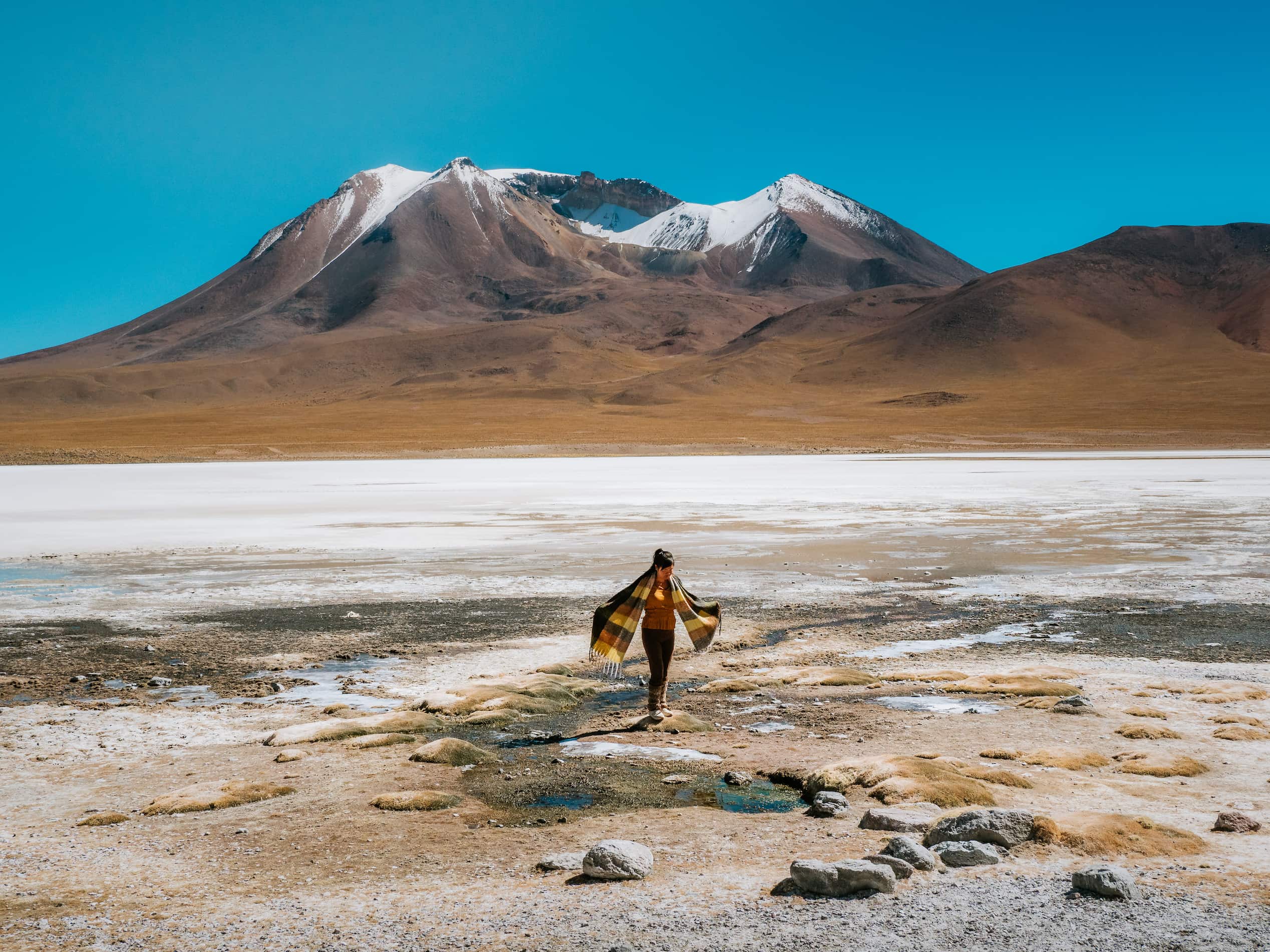
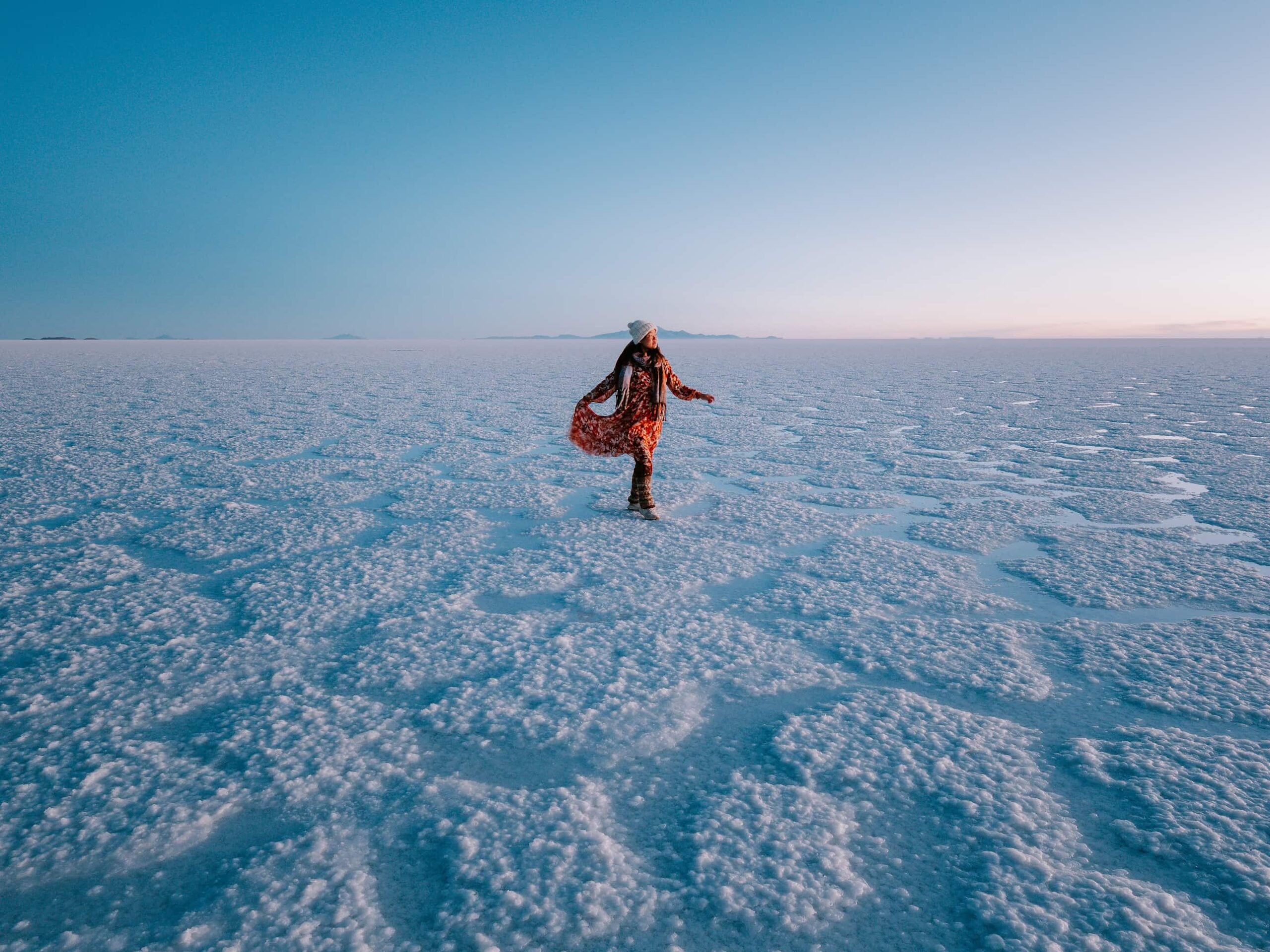
But when you go somewhere completely remote, and I mean completely empty, something magical happens. The noise disappears. There are no notifications, no reception, no distractions, and suddenly you have space to actually hear yourself think and feel.
At first, that much silence can almost feel uncomfortable. We’re so used to filling every empty moment with something that doing absolutely nothing can feel strange. But once you settle into it, there is an incredible sense of peace and connection with the nature around you.
You learn to be comfortable with nothing. Sleeping under a sky full of stars, with nothing but nature surrounding you, leaves you feeling recharged in a way that is difficult to describe. It allows you the space to be comfortable from within, and introspect in a deeper way. Sometimes, having nothing is exactly what you need.
How to Sleep Somewhere Completely Remote
Best Destinations
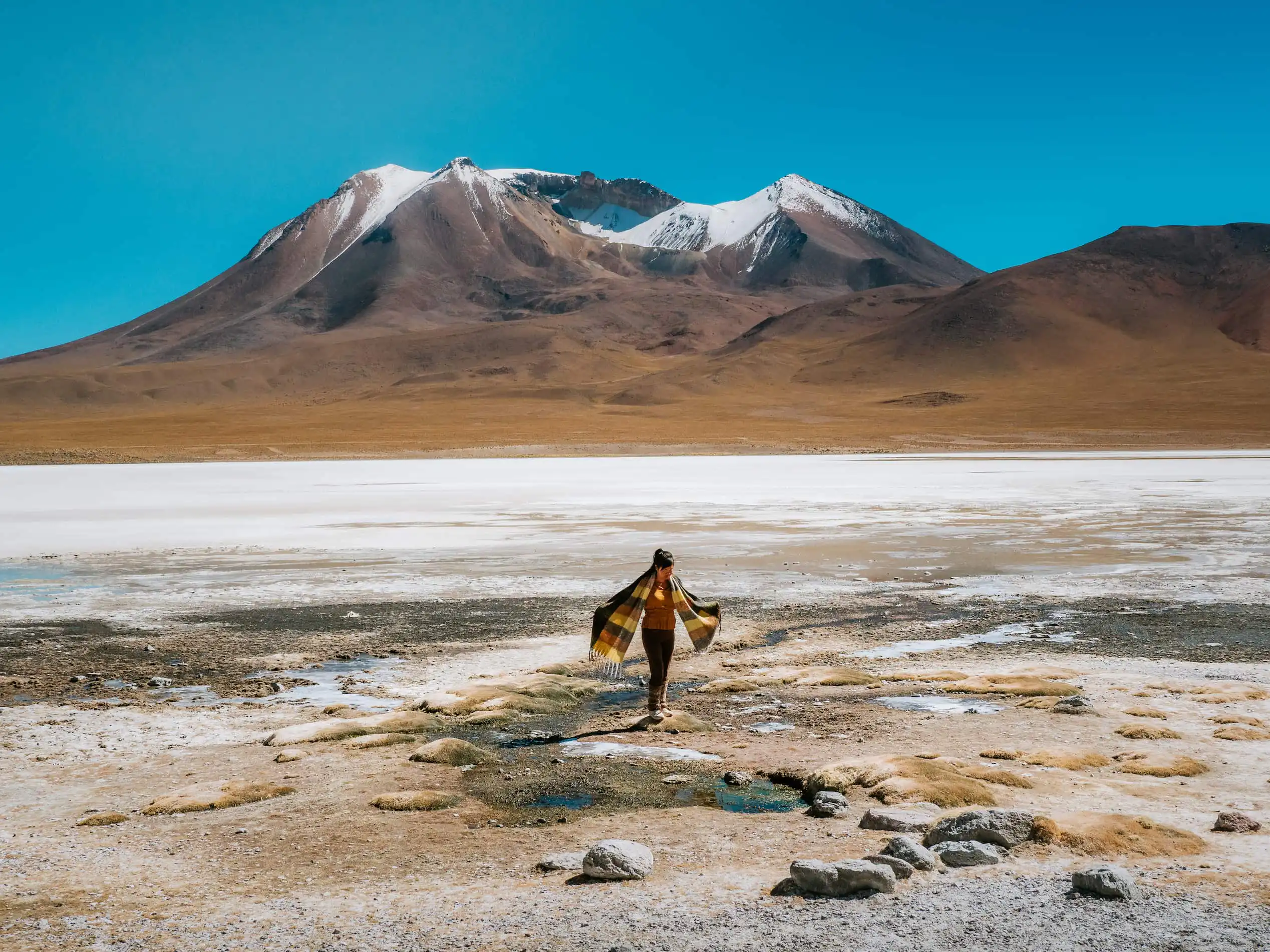
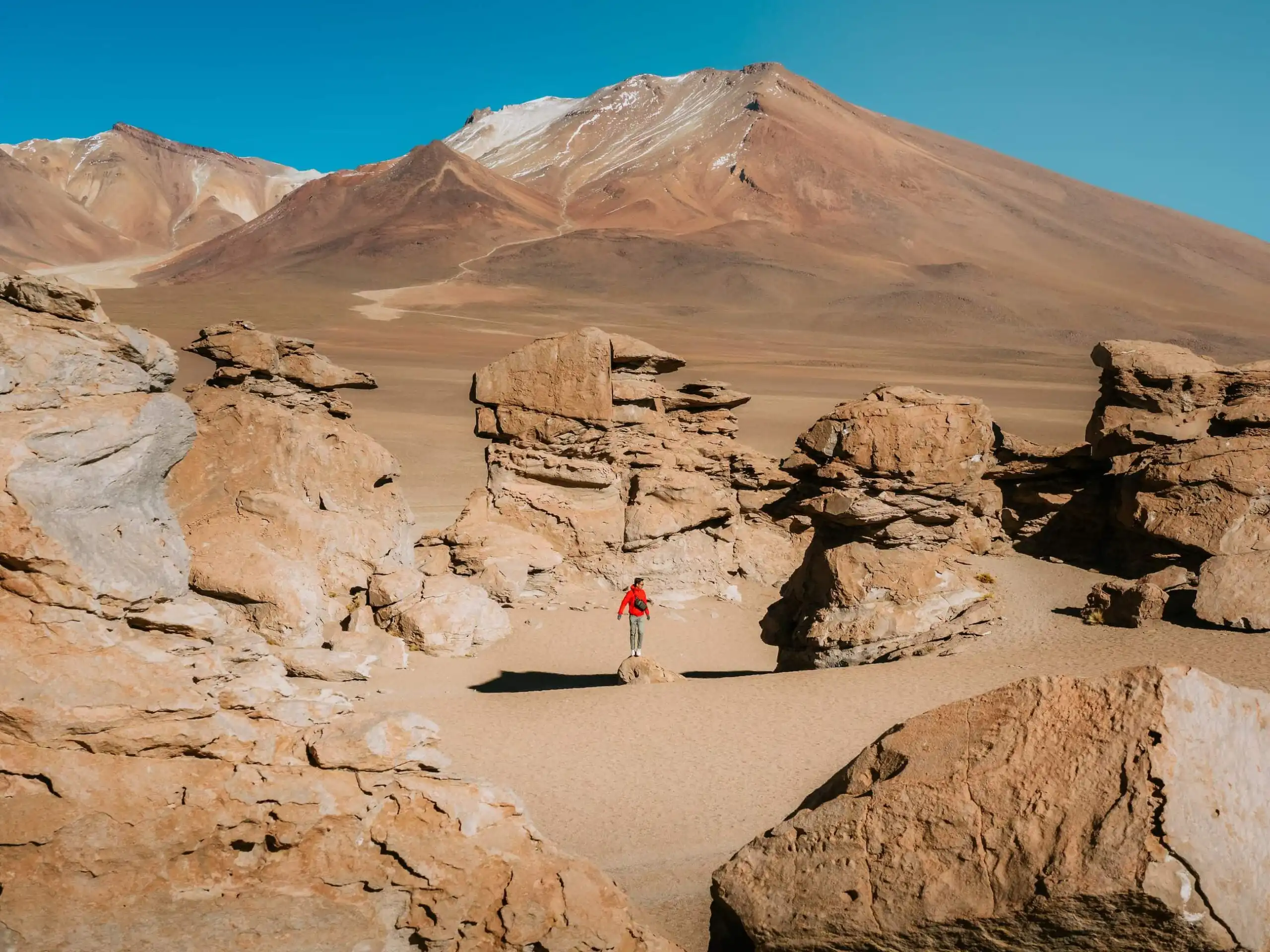
- Salar de Uyuni in Bolivia
- Song Kul Lake in Kyrgyzstan
- Sahara desert in Morocco
- Sossusvlei Dunes in Namibia
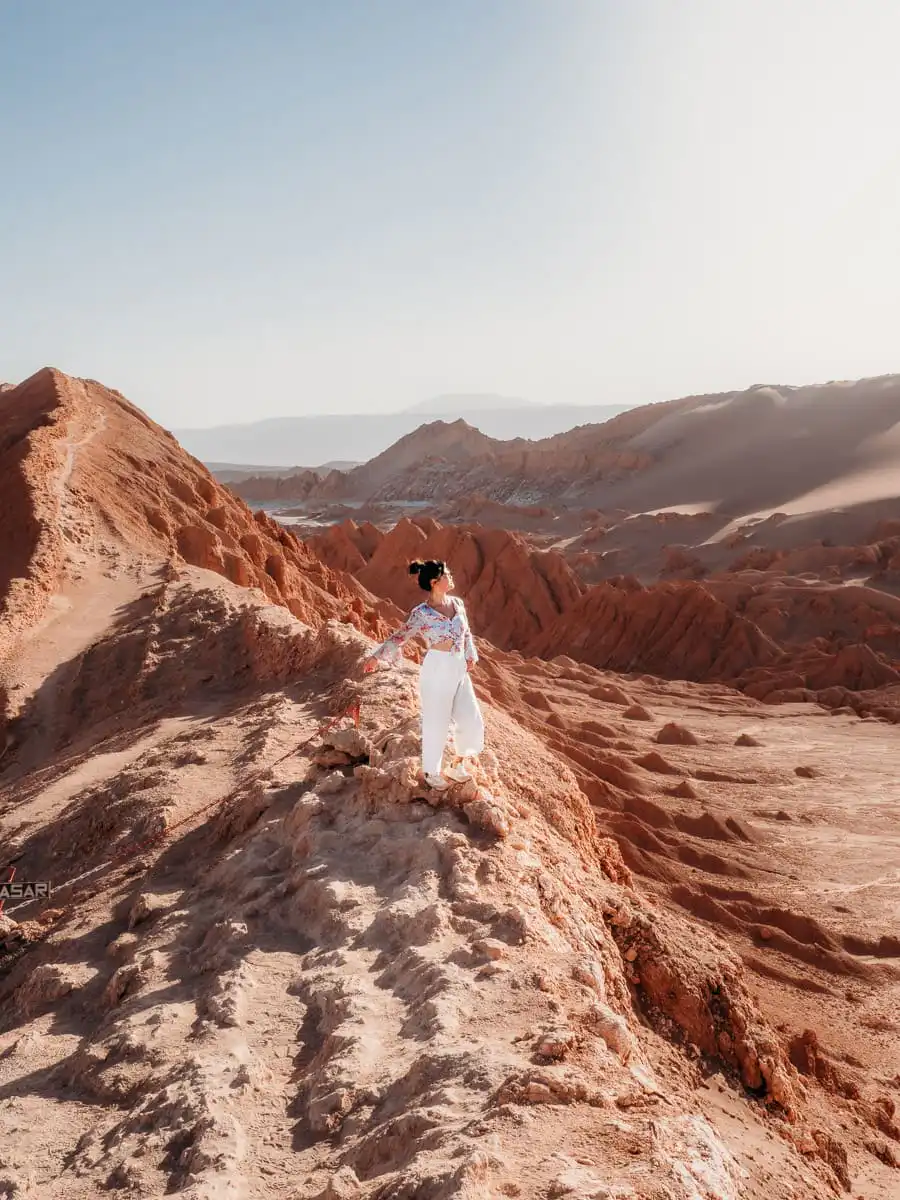
- Atacama Desert in Chile
- Wadi Rum in Jordan
- Gobi Desert in Mongolia
- Mountain camps of Patagonia
What does remote actually mean
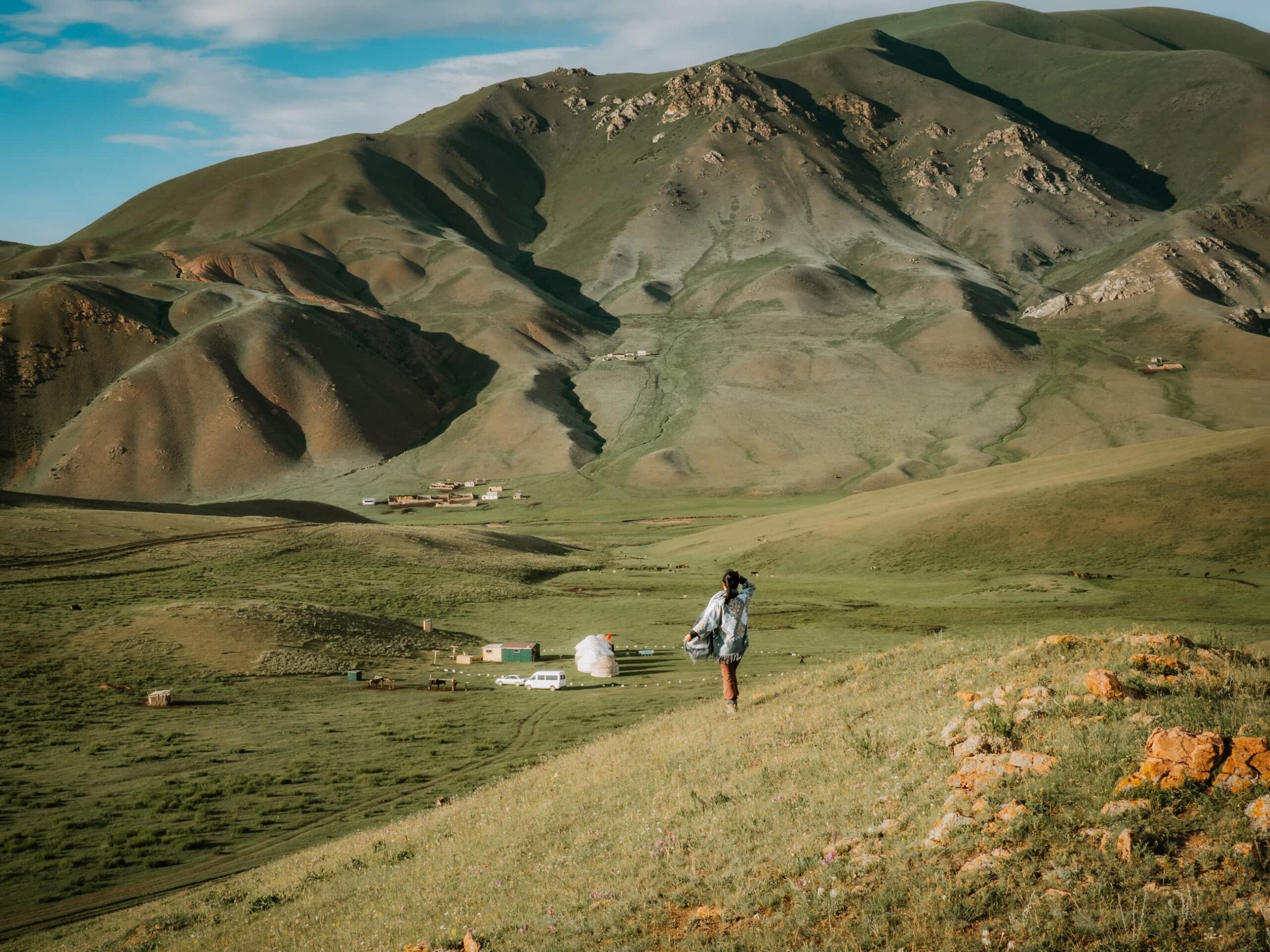
There’s a big difference between sleeping at a desert camp with Wi-Fi, electricity and 50 other tourists, and sleeping somewhere where you genuinely can’t see another person or light for miles. For us, the best experiences are the places where you lose phone reception, have very few facilities, and can step outside at night to see nothing but stars.
Our Tip
For the most immersive experience, try to sleep somewhere where you won’t see many, if any, other people. That means camping in the middle of nowhere rather than staying at a lodge in a remote destination. Having dozens of other tourists around can really detract from the feeling of being completely disconnected.
One of our most remote experiences was a private trip into the Sahara of M’Hamid in Morocco, where we spent the night far out in the desert with no other tourists around. This is very different from the large, party-style desert camps around Merzouga.
6) Live With a Local Family: See the World Through Someone Else’s Eyes
Living with a local family: My way of life and thinking isn’t the only way.
If you’ve only ever lived in one city or country, you probably don’t realize how much you’ve been shaped by the place you grew up. We naturally adopt the mentalities and philosophies around us, from how we view family and friendships to how we’re expected to treat each other, or even something as small as who pays for dinner. When you’ve never experienced anything different, it’s easy to assume that your way of doing things is simply the way things are (or even the right way).
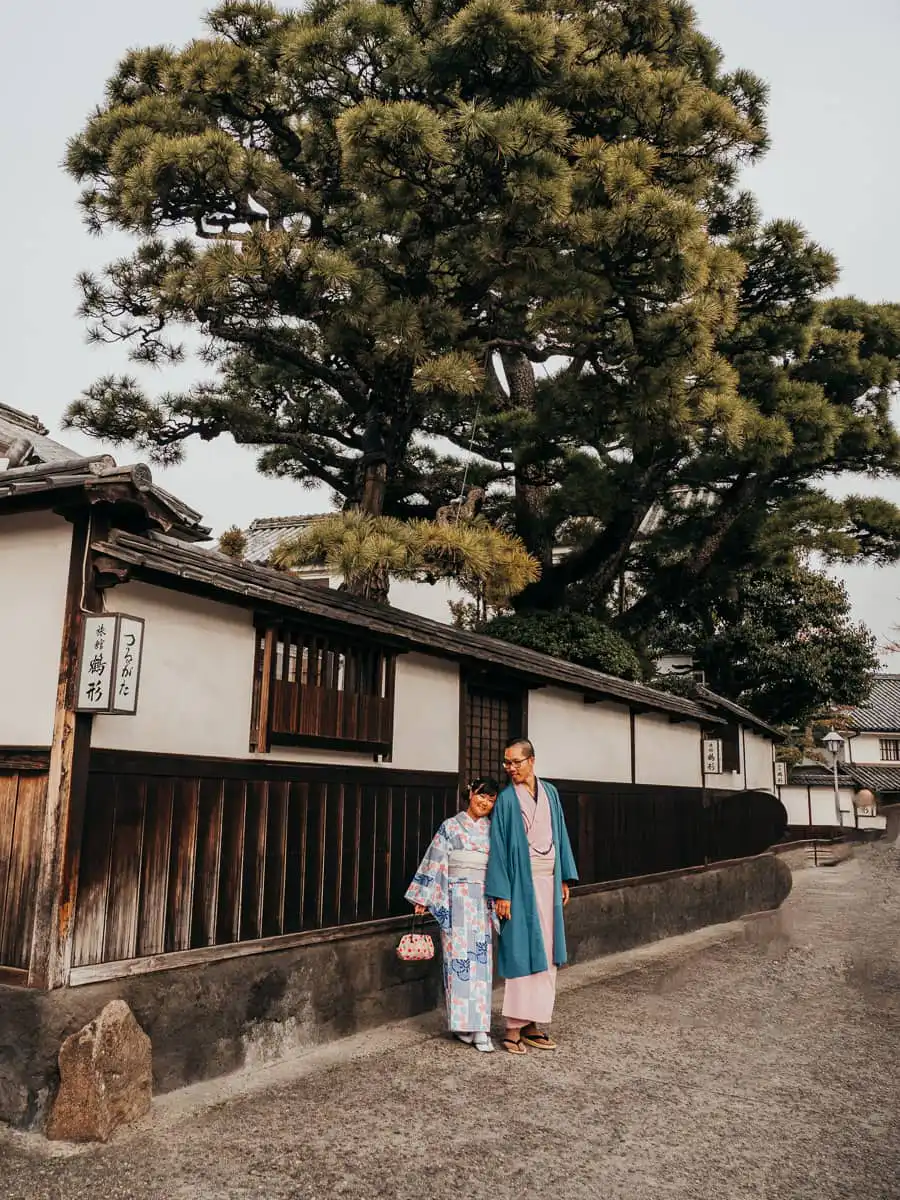
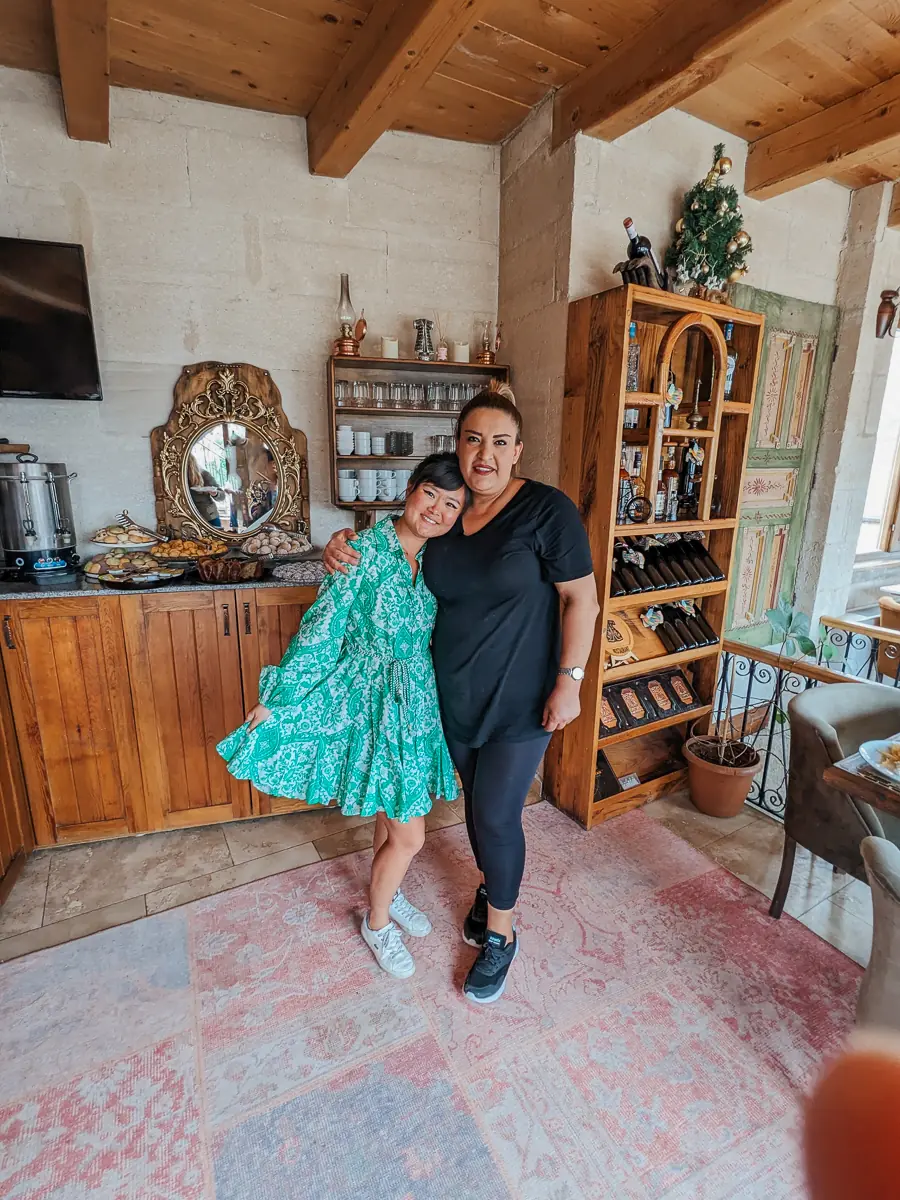
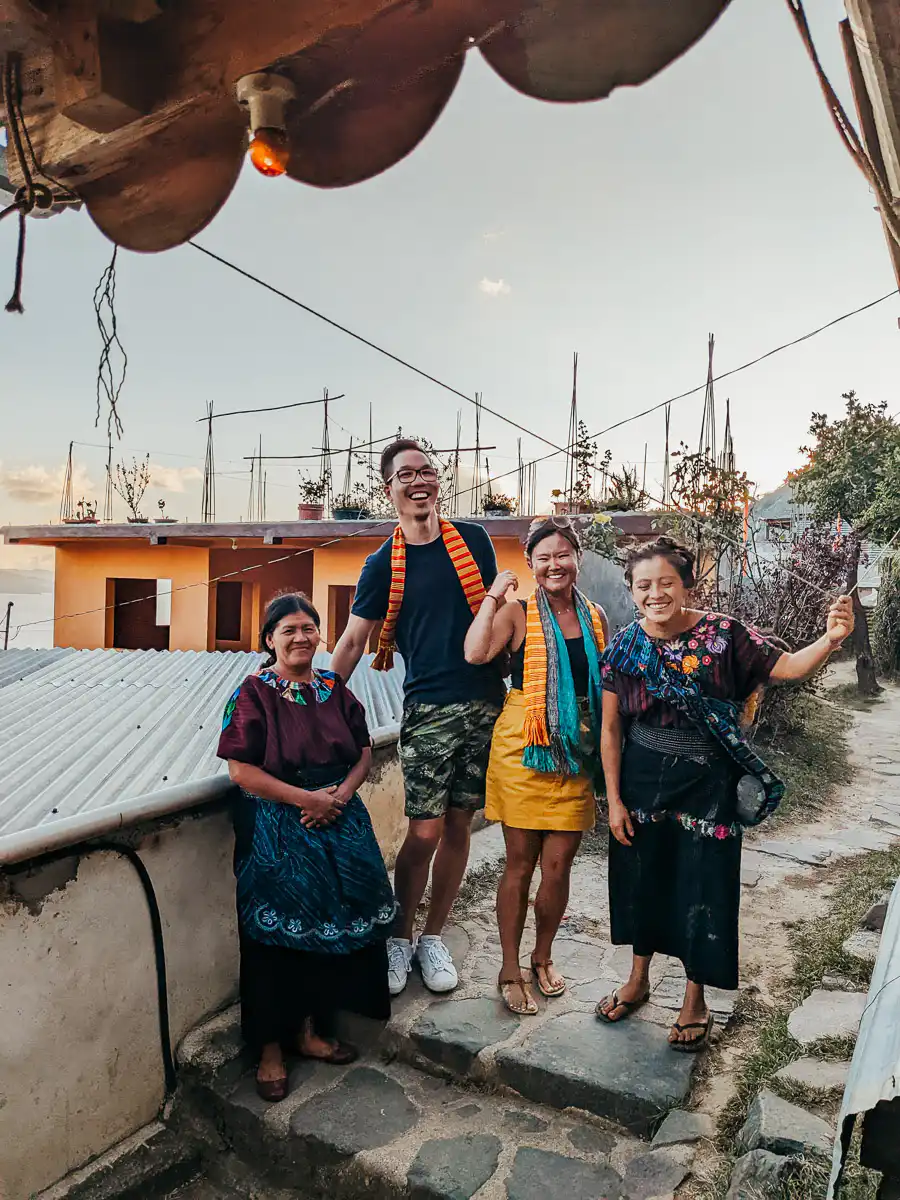
That’s why living with a local family can be such a powerful experience. You’re not just visiting another country, you’re getting to see everyday life through someone else’s eyes.
After travelling through so many countries and seeing so many different ways of living, it has completely changed how we think about the purpose of life, the meaning of family and friends, and even some of the beliefs that were ingrained in us from a young age. It’s like eating frozen pizza your whole life, and then finally trying a handmade wood-fired pizza. You don’t know what you’ve been missing until you’re willing to try something different.

How to Live with a Local Family
Best Destinations
Look for places where the culture and way of life are different from what you’re used to at home. Stay with a local family in a village in South America, spend a month living with a Mexican family while learning Spanish, volunteer at a Monastery in Thailand, teach english in Japan. The more different the experience is from your everyday life, the more you’ll have the opportunity to see the world through someone else’s eyes.
How Much does it Cost
This varies enormously depending on the country and type of homestay. Some are surprisingly affordable and include meals, while others are more like a guesthouse experience. In many places, you’re paying for the room and food rather than a luxury accommodation, so the experience can actually be very budget-friendly.
How to Find a Local Family
Look for homestays rather than traditional hotels, particularly in rural areas. You can also find opportunities through trekking companies, guesthouses, or simply by asking locally. We find homestays are particularly common in South America.
Do You Need to speak the Language
Not necessarily. In fact, not sharing a common language can make the experience even more interesting. Google Translate, gestures, food, and a willingness to laugh at yourself can go a surprisingly long way. It will teach you that communication happens in so many ways beyond just language.
Our tip
Don’t treat the family like an attraction. Be genuinely interested in their lives, ask questions, participate when you’re invited, and be open to doing things differently from how you would at home. The goal isn’t to find a family that lives exactly like you do, but to experience how someone else lives.
How Long Should You Stay
I’d recommend at least one week. One night can feel like you’re simply staying in someone’s home, whereas a week gives you enough time to settle in, share meals, and actually develop a relationship with the family.
Want to plan your own transformative adventure? Here are a few of our guides that can help you plan your next trip.
Using WISE card In our World Travels
When taking cash out of an ATM while abroad, you will most likely be charged both a foreign exchange fee and a foreign transaction fee by that country’s ATM. With my Canadian card, this can easily be 3-4$ + 2.75% + a markup on the exchange rate charged by my bank, and then another 3-5$ charged by the foreign ATM.
This can be really costly. For this reason, we recommend using WISE card which has only minimal fees and just about no foreign currency exchange markup. This helps me save at least 5-7$ every time I take out money from an ATM. If you want to see our full review of the card showing exactly how WISE can help you save, check out our WISE Travel card Review post.
Summary: 6 Travel Experiences You Should Have at Least Once in Your Life
We could easily add another 20 experiences to this list, but these six have something in common: they’ve all changed the way we see ourselves, and the world, in some way.
Travel can be about seeing beautiful places, eating incredible food, and taking photos you’ll want to keep forever. But for us, the most valuable experiences are the ones that stay with you long after you’ve left, and leave you transformed.
Maybe you discover that you’re capable of more than you thought. Maybe you realize that your way of doing things isn’t the only way. Or maybe you simply learn that you don’t need as much as you thought you did to be happy.
Because in the end, the places eventually become memories, but the experiences become part of who you are.